The global healthcare sector is witnessing a massive transition from traditional metal alloys and ceramics to high-performance polymers. Within dentistry, this shift is particularly pronounced. The integration of plastic moulding compounds for dental device fabrication has revolutionized how orthodontics, prosthetics, and surgical guides are manufactured. Today, dental clinics and laboratories demand customized, biocompatible, and mechanically robust materials that can withstand the complex chemical and physical environments of the human oral cavity.
From a commercial perspective, the market for dental polymers is expanding rapidly, driven by the aging global population, the rising demand for cosmetic dentistry, and the widespread adoption of digital workflows. High-performance thermoplastic compounds, such as Polyether Ether Ketone (PEEK), Polymethyl Methacrylate (PMMA), Polycarbonates, and specialized Nylons, are replacing metals due to their superior aesthetics, lower weight, and bone-like elasticity. This transition not only enhances patient comfort but also significantly reduces the manufacturing cycle time and cost structure for OEM dental device manufacturers.
Dental device fabrication requires strict adherence to international medical standards, including ISO 13485 quality systems, FDA approvals for class I, II, and III medical devices, and biocompatibility evaluations in compliance with ISO 10993. Choosing the correct plastic moulding compound is the first step in ensuring ultimate product safety and efficacy.
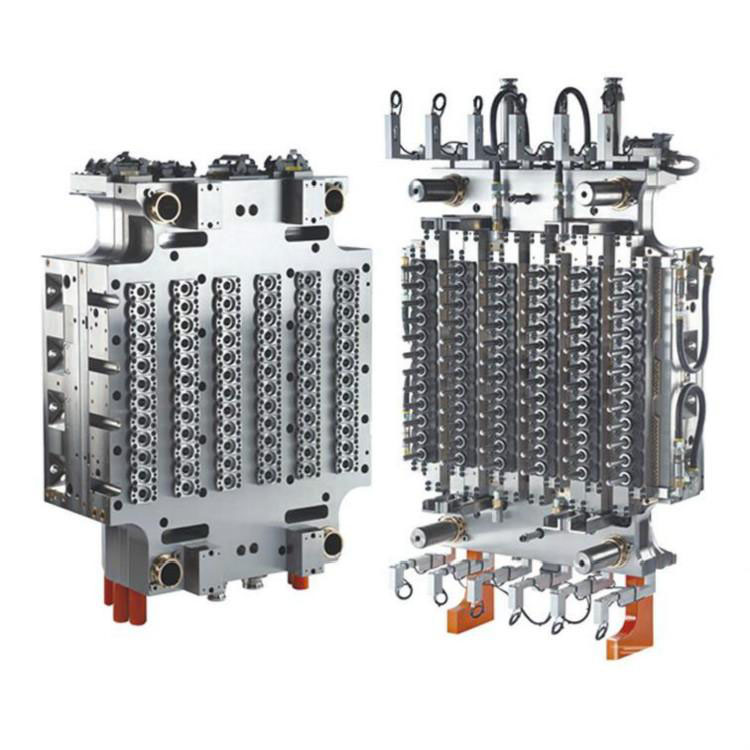
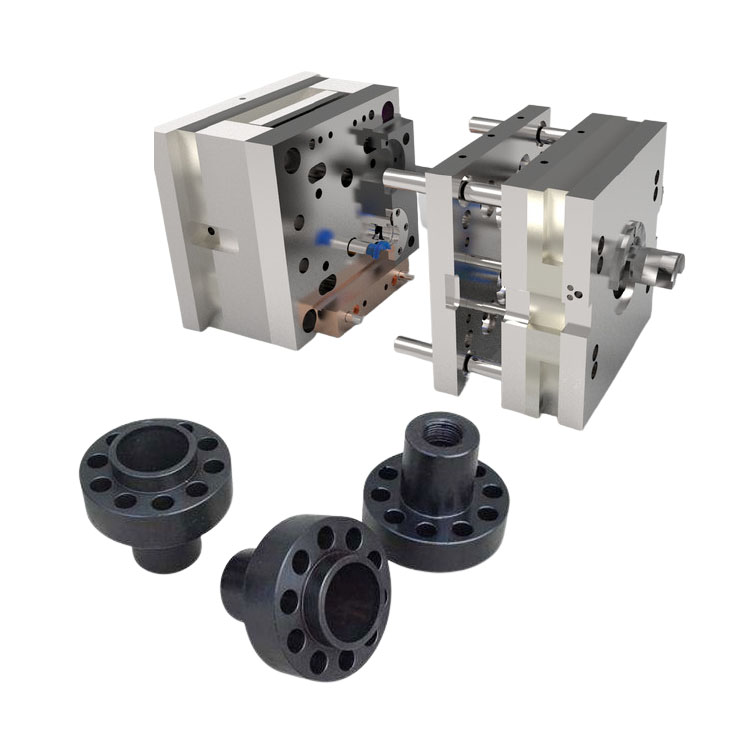
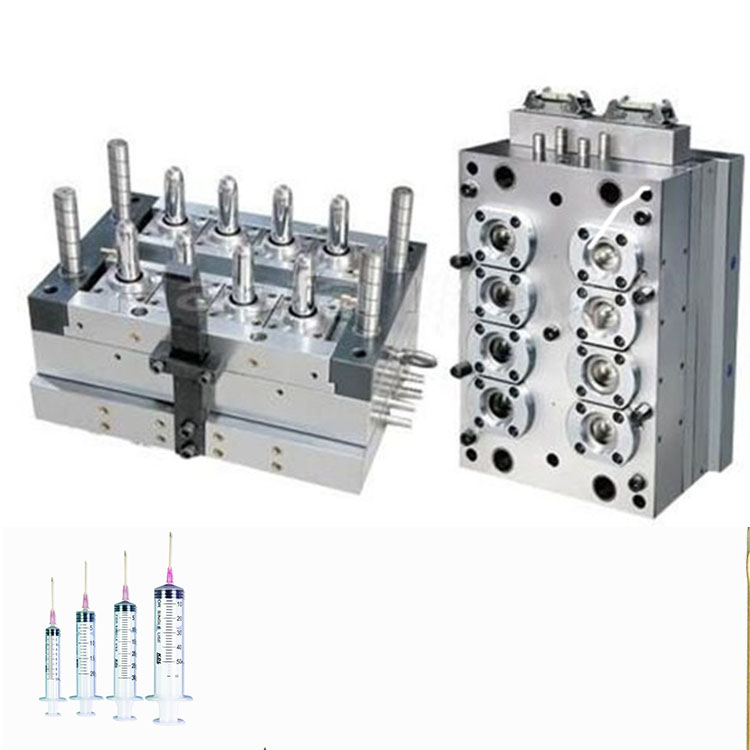
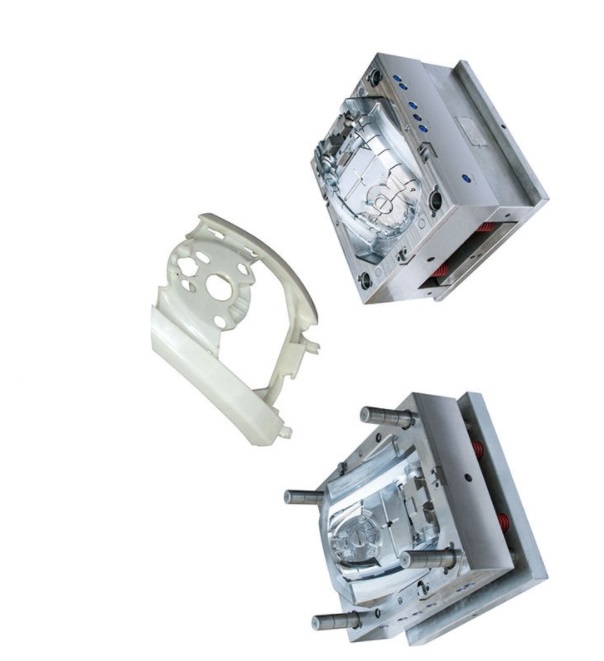
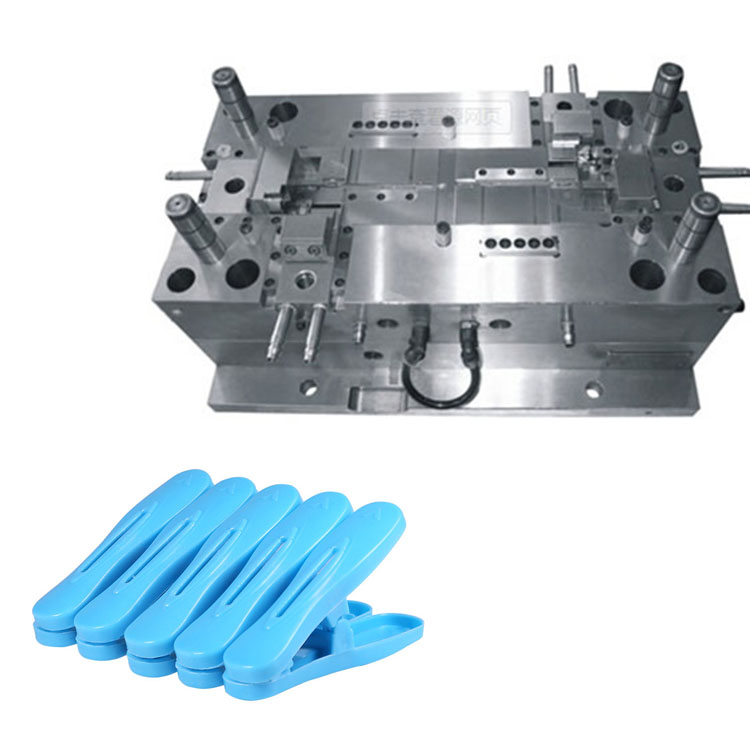
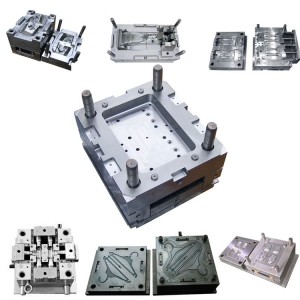
Moreover, the economics of dental device manufacturing are heavily influenced by production efficiency. Traditional manual dental lab processes are being replaced by high-throughput injection moulding. By utilizing high-precision multi-cavity moulds, manufacturers can achieve micro-level tolerances and outstanding surface finishes, minimizing the need for labor-intensive post-processing. This industrial scalability makes plastic injection moulding the preferred choice for high-volume dental components, ranging from sterilization cases and syringe parts to aligners and brackets.
Ningbo P&M PLASTIC METAL PRODUCT CO., LTD is strategically located in Yuyao, widely recognized as the "Mould City" and "Plastic Kingdom" of China. Positioned at the southern tip of the Hangzhou Bay Bridge, north of Shanghai and east of the bustling Ningbo Port, our facility benefits from an integrated land, sea, and air transport network that facilitates seamless global shipping.
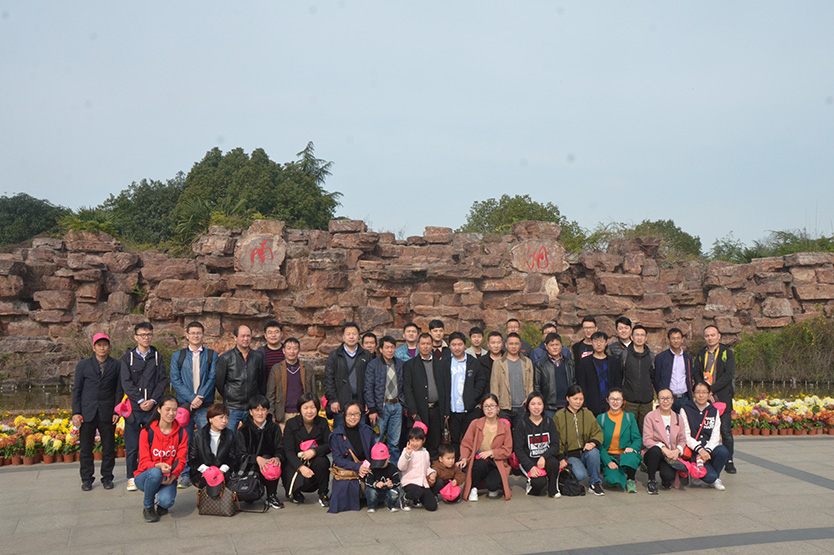
By leveraging our abundant technical strength, scientific management methodologies, and comprehensive after-sales service, our custom injection moulds and plastic products have earned the deep trust and appreciation of clients worldwide. We began our domestic operations in 2008 and successfully expanded into the international market in 2014. We consistently adhere to the foundational principle of "quality first, time supreme," maximizing production efficiency while minimizing lead times.

We provide outstanding pre-sale and after-sales support with 24-hour connectivity, ensuring all technical queries are resolved promptly.
Our optimized manufacturing processes enable global clients to receive high-quality finished products in as short as 30 days.
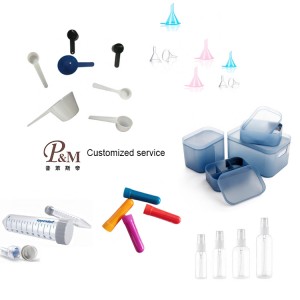
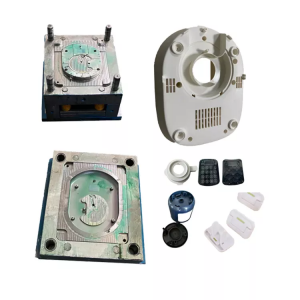
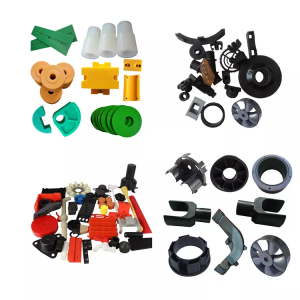
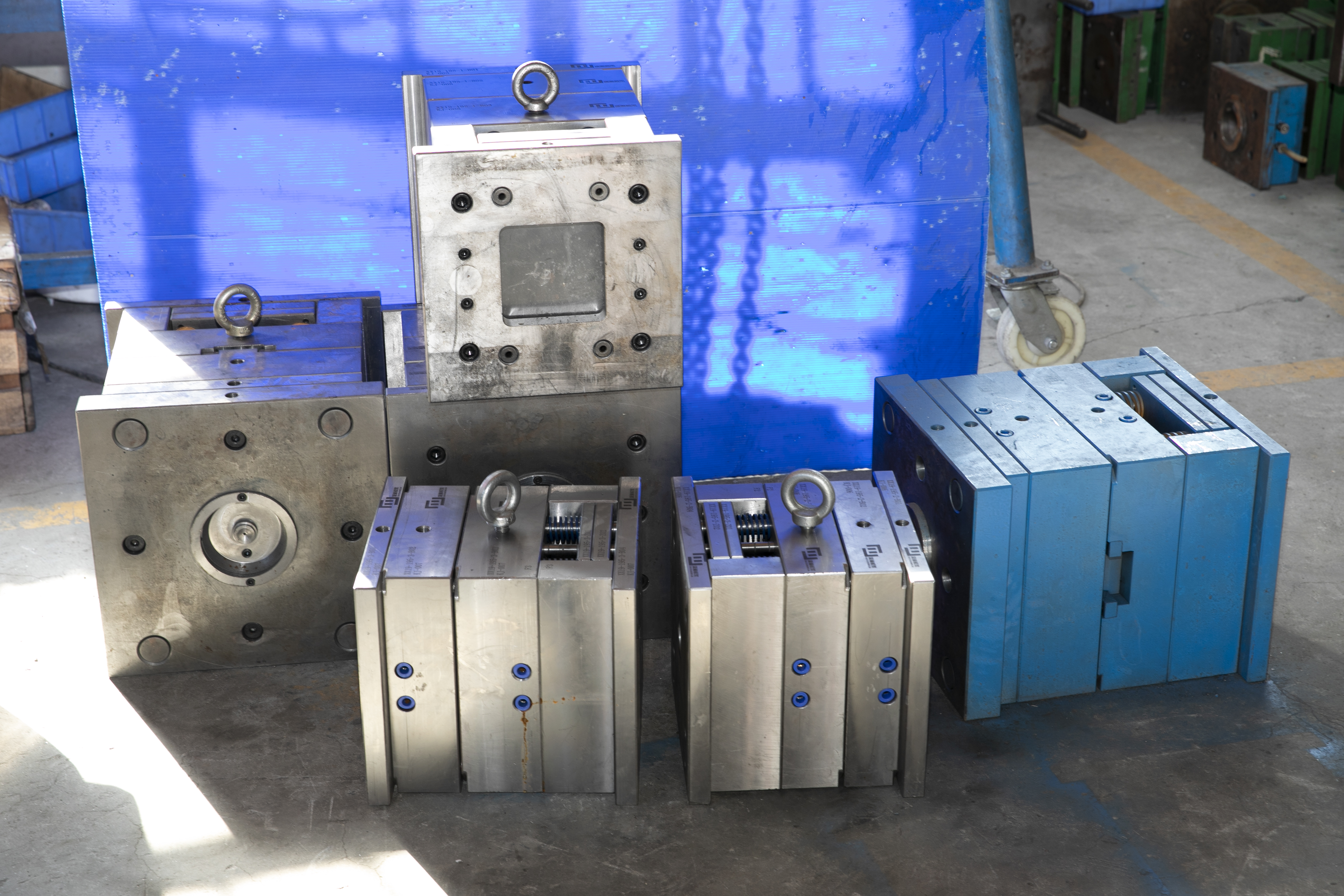
We manufacture a broad range of products, including high-precision steel moulds, medical-grade plastics, and metallic components.
Every component undergoes rigorous inspection, multi-process grinding, and strict quality control before shipment.
Understanding the specific environments where plastic moulding compounds are utilized is essential for designing effective dental devices. Different dental applications demand distinct mechanical properties, thermal stability, and biological safety levels. Below, we explore the primary application scenarios in detail:
Clear aligners have revolutionized orthodontics. These devices require plastic moulding compounds that possess exceptional optical clarity, stain resistance, and high tensile strength. More importantly, the material must maintain "elastic memory"—the ability to exert continuous, gentle force on teeth over a two-week period without permanently deforming. Specialized polyurethane and copolyester compounds are formulated specifically for these properties, allowing high-precision thermoforming or direct injection moulding of custom aligners.
For semi-permanent and permanent dental restorations, Polyether Ether Ketone (PEEK) has emerged as a premier material. Unlike titanium, PEEK exhibits an elastic modulus that closely matches human cortical bone, reducing stress shielding and bone resorption. Injection-molded PEEK frameworks, crown bases, and implant abutments are highly biocompatible, chemically inert, and present a natural, metal-free appearance that satisfies patients' aesthetic preferences.
Precision is paramount during dental implant surgeries. Surgical guides are used to direct the drill at the exact angle and depth pre-planned in 3D imaging software. The plastic compounds used for these templates must have high dimensional stability to prevent warping during production or sterilization. Autoclavable materials, such as Polysulfone (PSU) and Polycarbonate (PC), are commonly injection-molded to ensure they can withstand high-pressure steam sterilization without losing dimensional integrity.
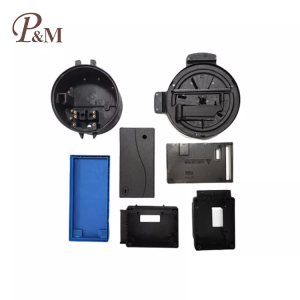
Handheld dental tools, curing lights, and intraoral cameras are subjected to constant handling and frequent chemical disinfection. The outer casings of these devices must be molded from chemical-resistant polymers like ABS, PC/ABS blends, or specialized polypropylenes. These compounds prevent environmental stress cracking caused by medical disinfectants, provide ergonomic grip surfaces, and protect internal electronic components from moisture ingress.
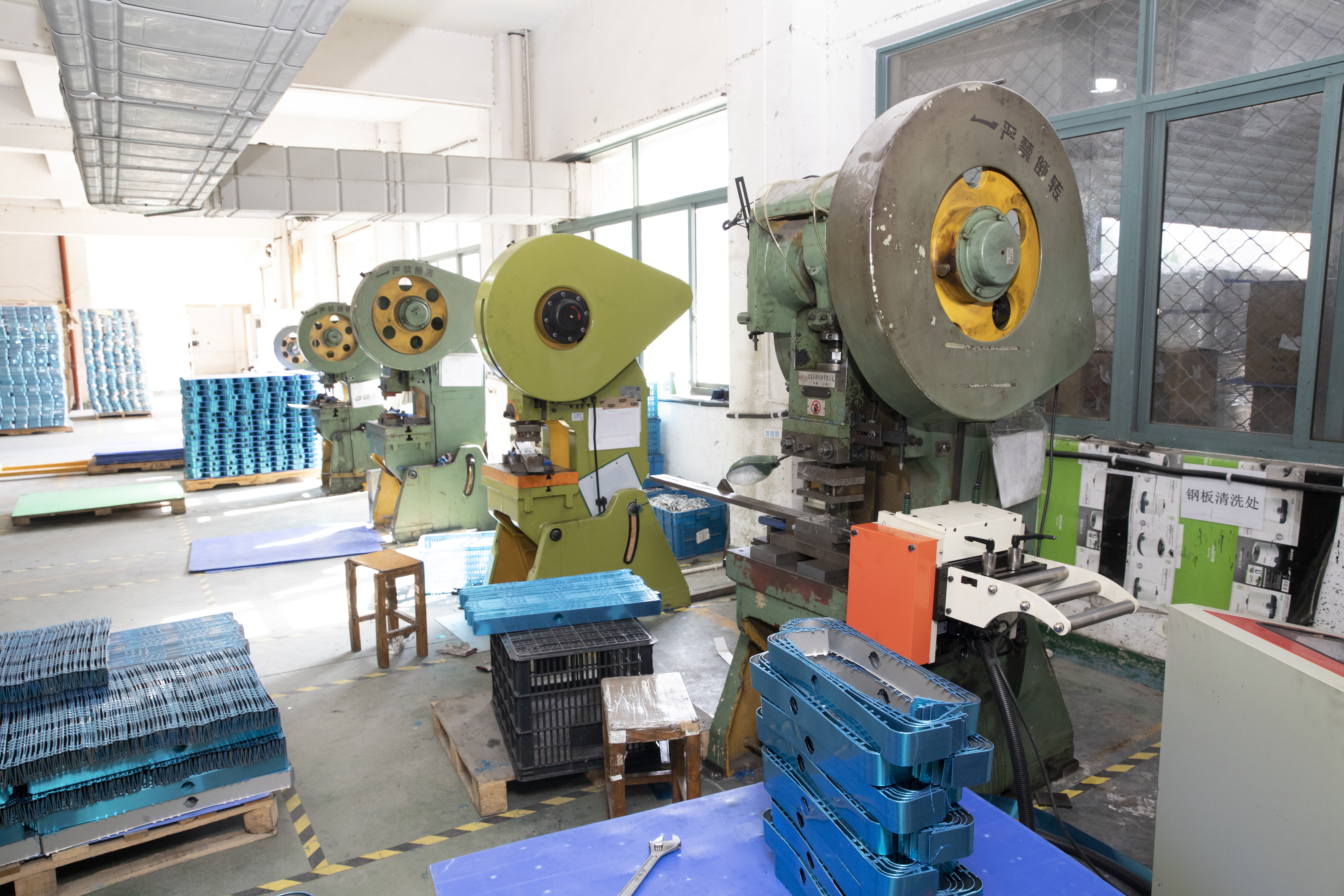
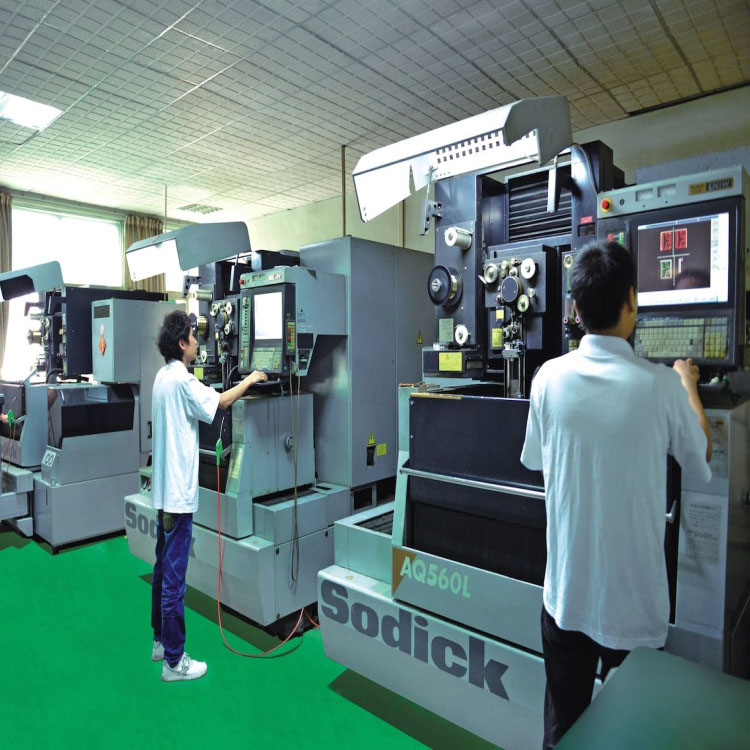
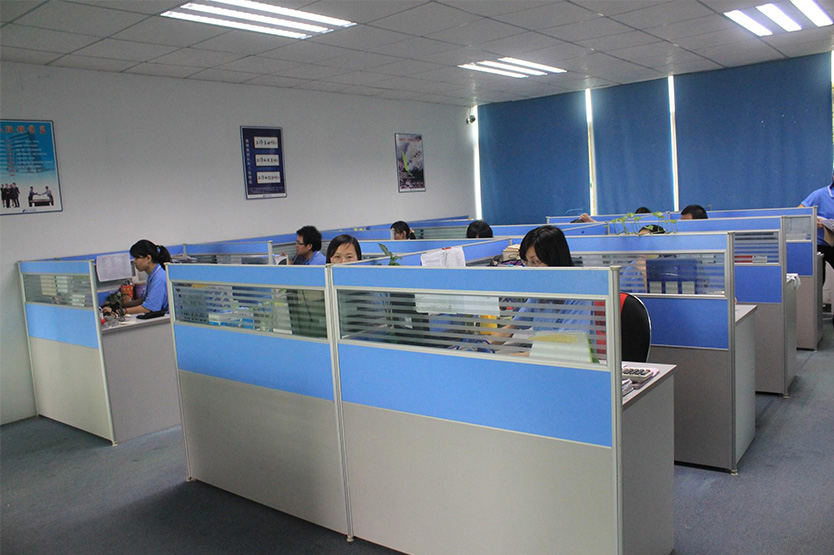
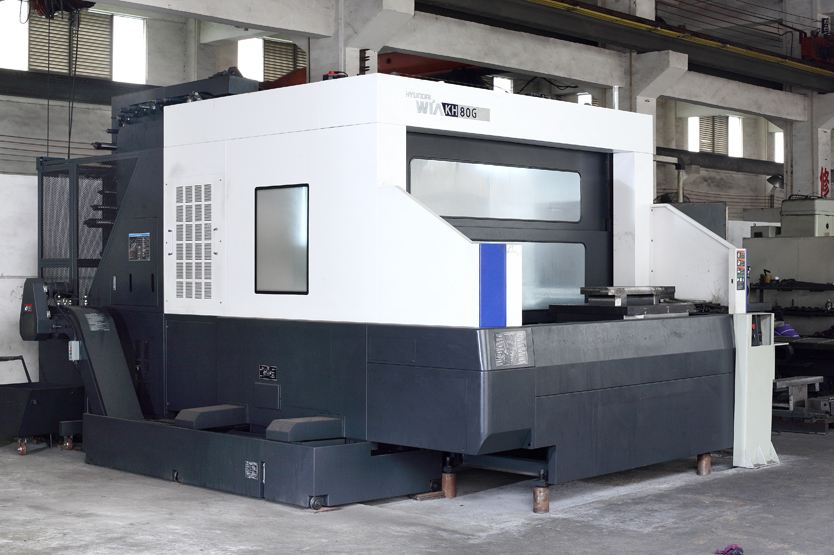
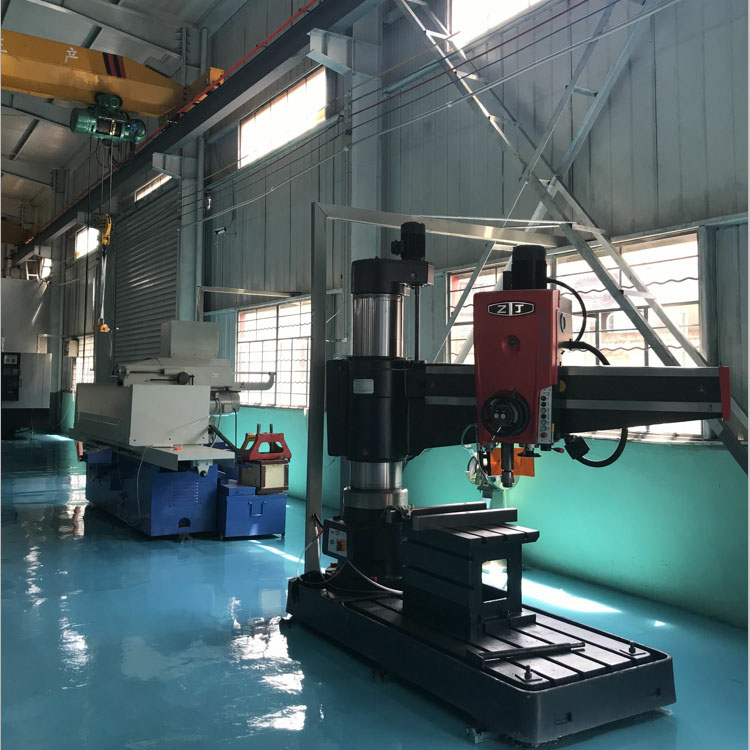
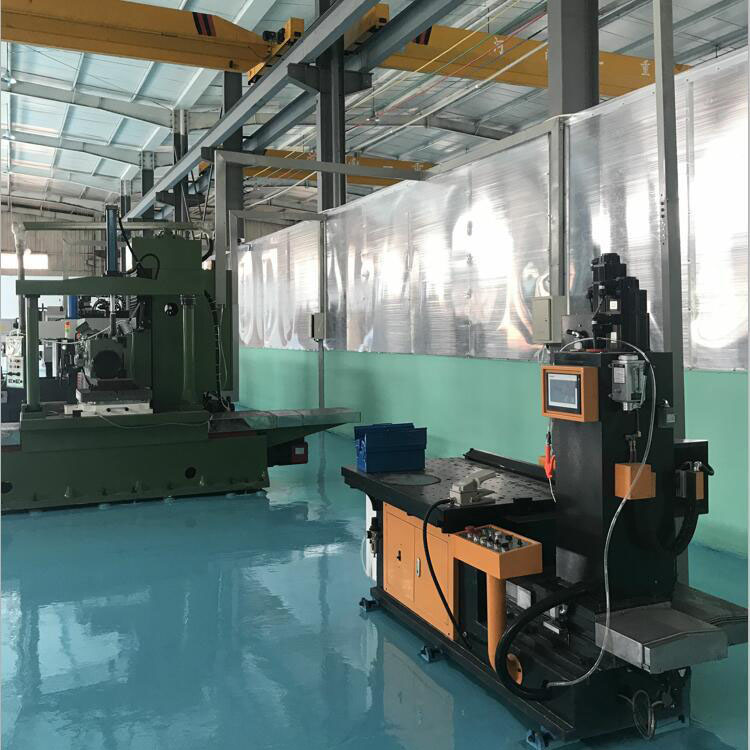
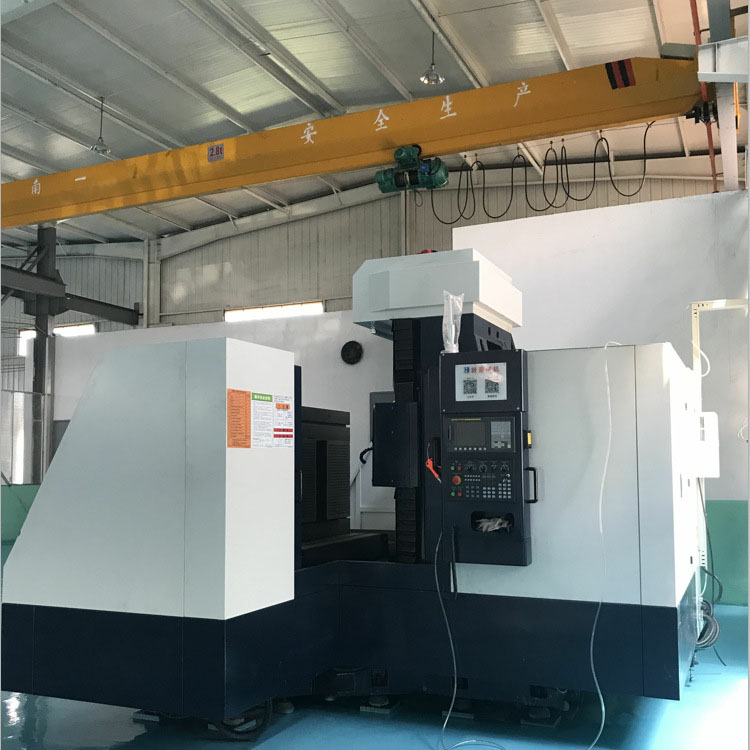
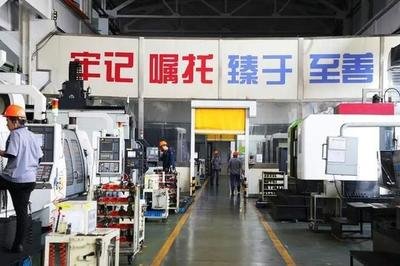
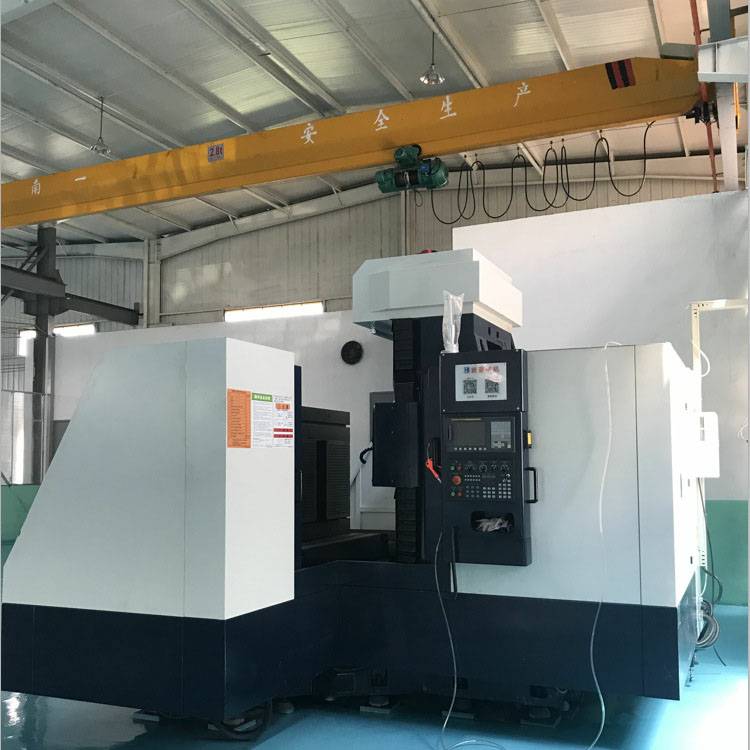
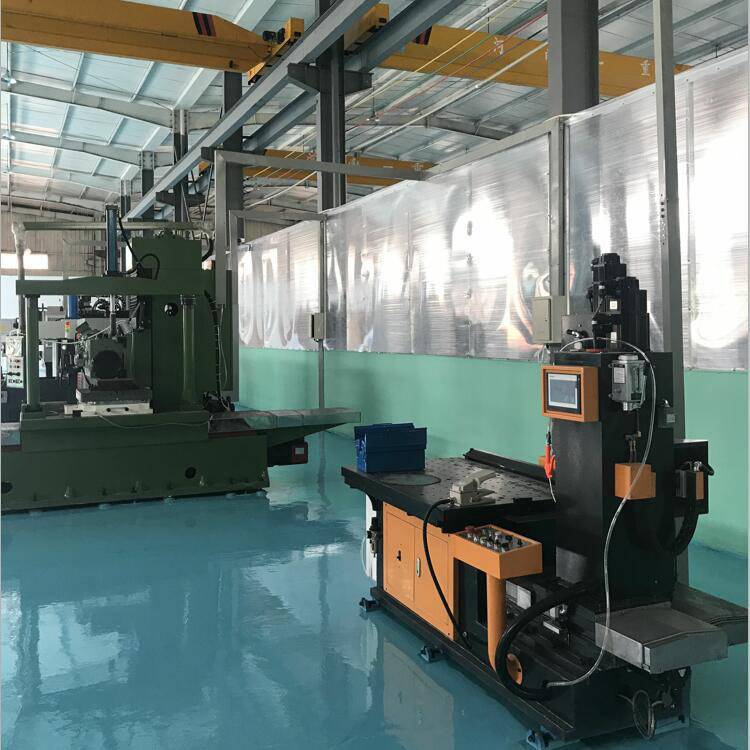
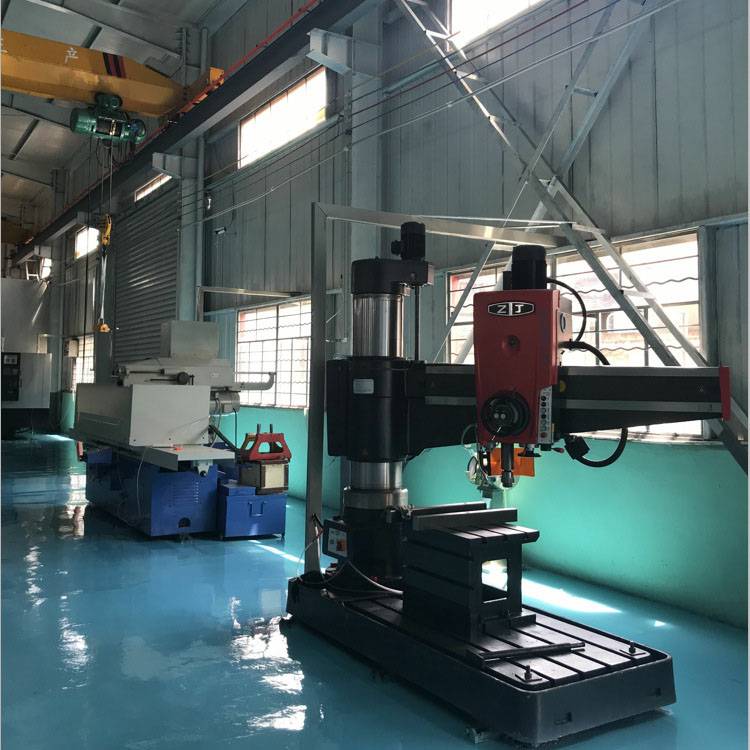
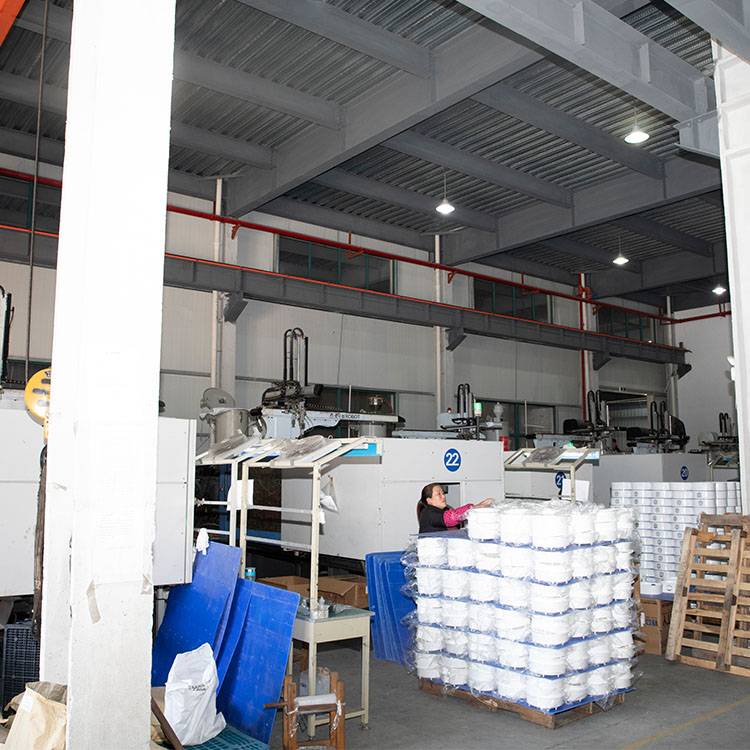
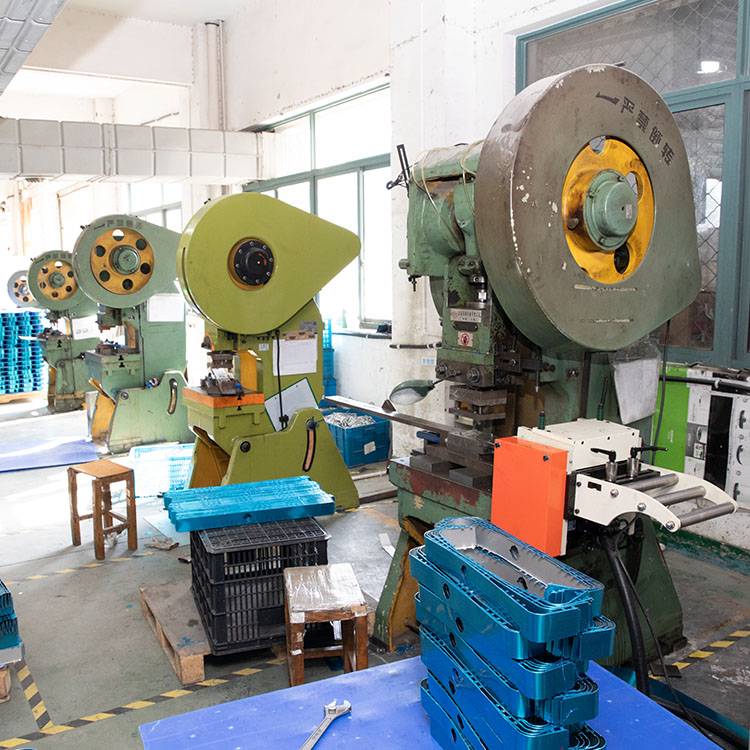
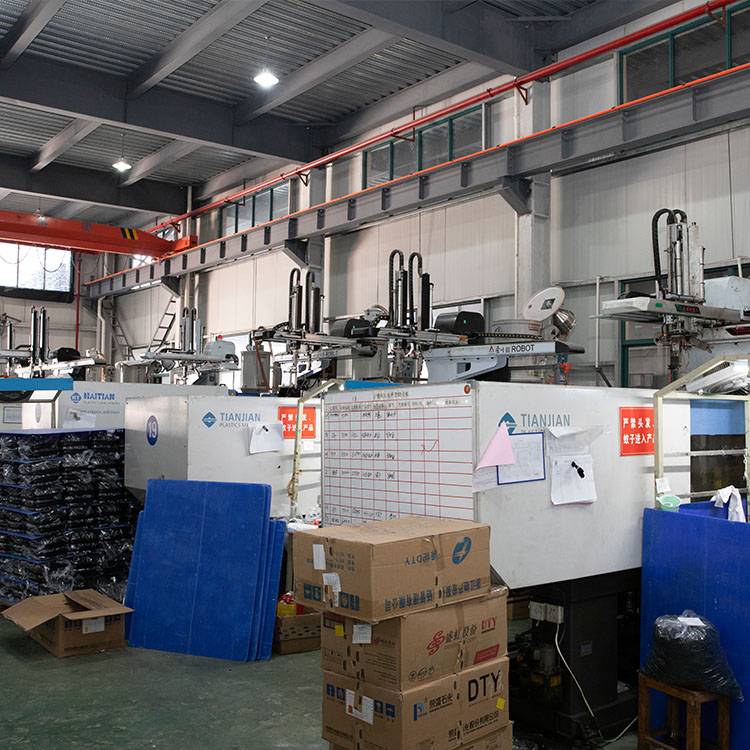
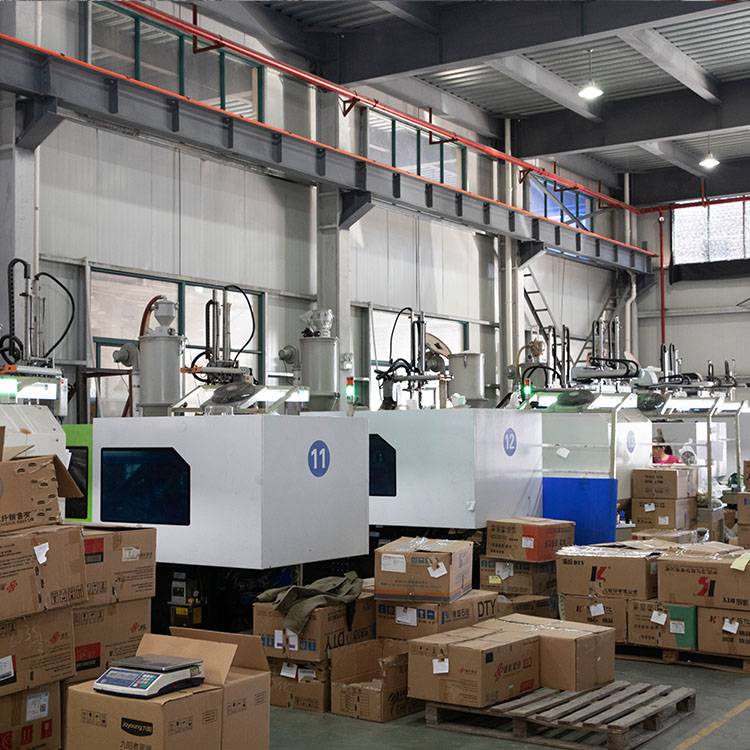
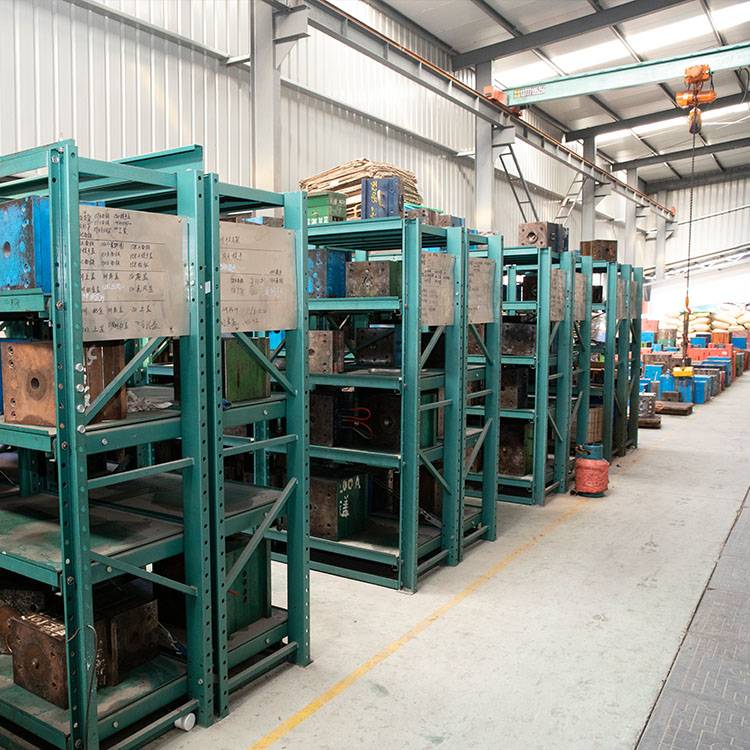
Our manufacturing facility is equipped with state-of-the-art CNC machining centers, EDM spark machines, and high-speed plastic injection moulding lines. We manage the entire lifecycle of your project, from initial concept and CAD mould design to physical production, quality testing, and cleanroom packaging.

The future of plastic moulding compound for dental device fabrication is tightly linked to advancements in polymer chemistry and manufacturing automation. One of the most promising trends is the development of bio-active and antimicrobial polymers. By compounding silver nanoparticles, quaternary ammonium compounds, or natural essential oils directly into the plastic matrix, manufacturers can produce dental devices that actively inhibit bacterial colonization and plaque accumulation. This is particularly beneficial for long-term devices such as orthodontic retainers and partial dentures.
Another major trend is the rise of smart polymers—materials that change their properties in response to external stimuli like temperature, pH, or moisture. For instance, shape-memory polymers can be programmed to expand slightly at body temperature, ensuring a snug, self-adjusting fit for dental crowns or implants. This minimizes discomfort and reduces chair-time for patients during fitting procedures.
As environmental concerns grow globally, dental manufacturers are actively exploring bio-based and recyclable moulding compounds. While medical-grade plastics must remain ultra-pure, developments in bio-derived polyamides and recyclable polyolefins are paving the way for greener dental labs without compromising patient safety.
Lastly, the integration of Artificial Intelligence (AI) in injection moulding process control is shaping the future of dental fabrication. AI algorithms monitor real-time pressure, temperature, and viscosity variables during the moulding process, making instantaneous adjustments to ensure zero-defect production. This guarantees that every single dental component, no matter how intricate, meets the rigid quality standards required for human clinical applications.