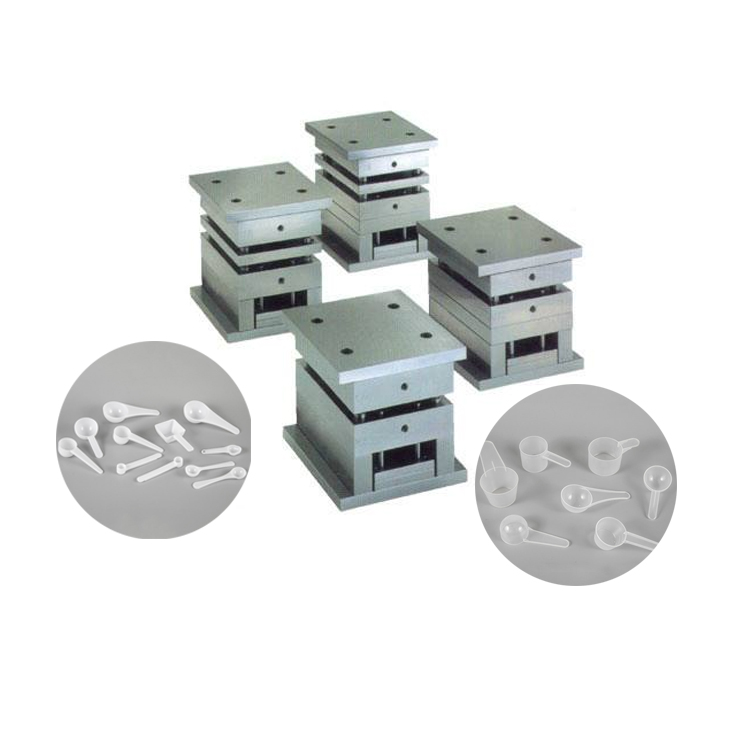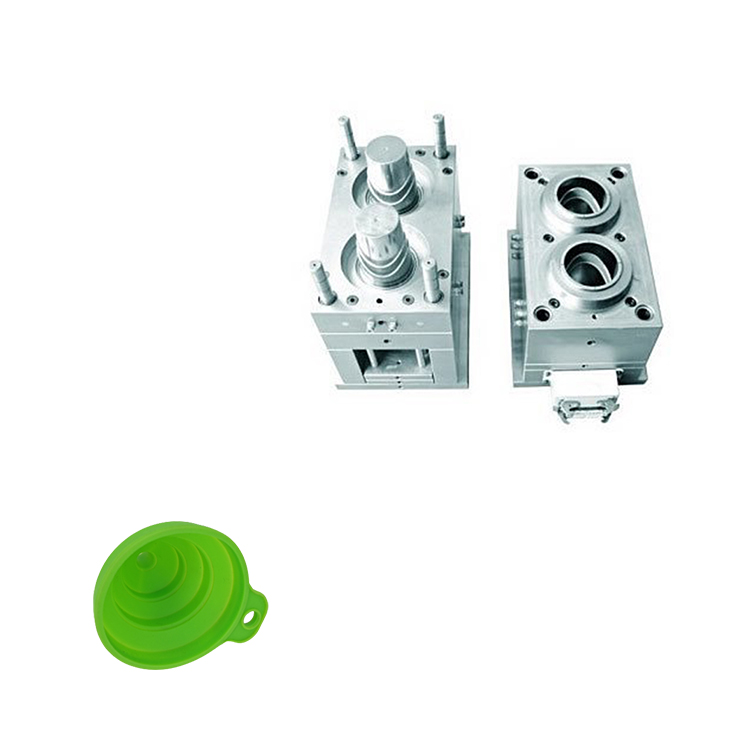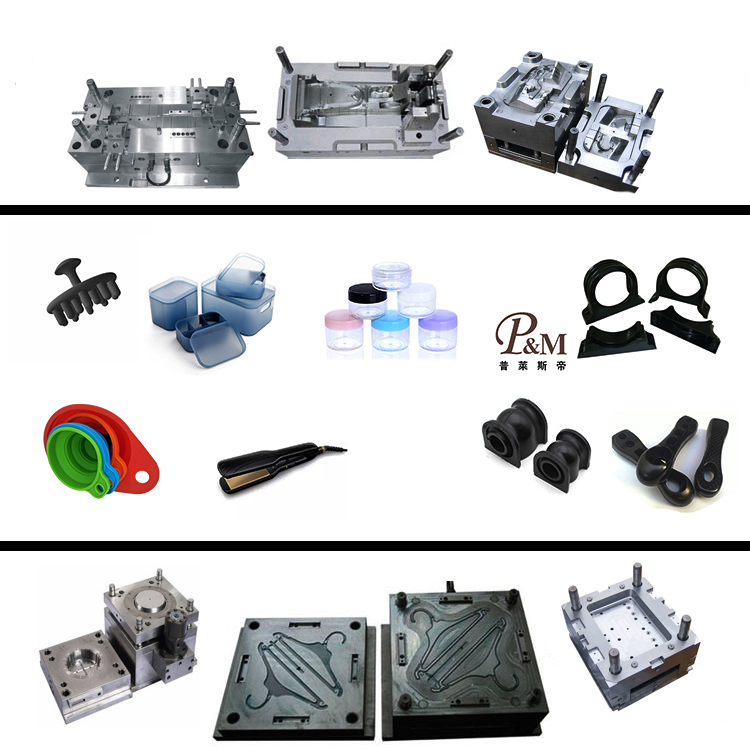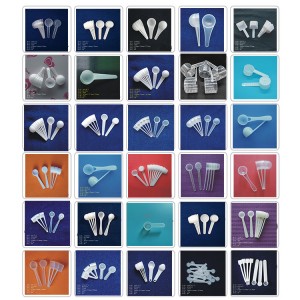
In the modern plastics manufacturing industry, the demand for high-quality, safe, and hygienic food utensils has grown exponentially. From disposable cutlery and baby feeding spoons to complex measuring cups and storage containers, the production process relies heavily on precision injection moulding. At the heart of this process lies the plastic moulding frame (commonly referred to as the mold base or mold chase). The moulding frame acts as the structural skeleton of the entire injection mold assembly, housing the core and cavity inserts, alignment components, ejector systems, and cooling channels.
For food utensil manufacturing, the moulding frame must satisfy extremely stringent mechanical and hygienic requirements. Unlike general-purpose plastic parts, food contact utensils require flawless surface finishes, zero contamination, and precise dimensional consistency to prevent leakage or structural failure. Consequently, the selection of the moulding frame material, its thermal conductivity, structural rigidity, and compatibility with cleanroom operations are critical factors that directly influence production yield, product safety, and cycle-time efficiency.
High-cavitation injection moulds (often exceeding 48 or 64 cavities for products like plastic spoons) generate immense clamping forces. The moulding frame must distribute these forces uniformly across the entire mould face to prevent flash—excess plastic that can create sharp edges on utensils, rendering them unusable and unsafe for consumers.
Ningbo P&M Plastic Metal Product Co., Ltd, located in the prestigious Yuyao Mould City, specializes in designing and manufacturing high-performance plastic moulding frames tailored for food-grade utensil production. By leveraging state-of-the-art CNC machining and premium metallurgy, we supply global markets with robust mould bases that ensure continuous, high-speed production with minimal maintenance overhead.
The global food service and packaging industry is undergoing a massive transformation. Consumer awareness regarding food safety, combined with strict regulatory policies such as the FDA (Food and Drug Administration) guidelines in the United States and EU Regulation No 10/2011 in Europe, has forced manufacturers to upgrade their production standards. The commercial landscape is shifting away from cheap, single-use plastics toward high-durability, reusable, and recyclable polymers like Polypropylene (PP), Polyethylene Terephthalate (PET), and Tritan co-polyester.
This shift has profound implications for mould making. Reusable utensils require thicker walls and more complex geometries, necessitating advanced thermal management within the mould. Modern plastic moulding frames are now engineered with conformal cooling channels—cooling lines that follow the exact contour of the utensil cavity—made possible through hybrid additive manufacturing and precise 5-axis CNC milling. Rapid cooling not only reduces cycle times by up to 30% but also prevents warpage, ensuring that every spoon, cup, or container ejected from the mould meets precise dimensional tolerances.
Another major trend is the integration of multi-material injection moulding. For instance, premium baby food utensils often feature a rigid polypropylene core overmolded with a soft, food-grade silicone grip. The moulding frames for these applications must be highly complex, accommodating rotary platens or index plates that transfer the partially moulded parts between different injection stations without losing alignment accuracy.
To remain competitive, high-volume utensil manufacturers are transitioning to fully automated production cells. Modern moulding frames are pre-engineered to integrate seamlessly with robotic take-out arms and optical inspection systems. Furthermore, the industry is witnessing the adoption of "smart moulds" equipped with embedded sensors within the frame. These sensors monitor cavity pressure, temperature fluctuations, and cycle counts in real-time, allowing operators to perform predictive maintenance and prevent costly downtime before defects occur.
Ningbo P&M PLASTIC METAL PRODUCT CO., LTD is strategically located in Yuyao, widely recognized as the "Mould City" and "Plastic Kingdom" at the southern tip of the Hangzhou Bay Bridge. Positioned north of Shanghai and east of the Ningbo Port, our facility benefits from an integrated network of land, sea, and air transportation, ensuring rapid logistics and global shipping convenience.
By combining abundant technical strength, scientific management methodologies, and an unwavering commitment to after-sales service, our precision-engineered products have earned the deep trust and welcome of customers from all over the world. Our primary expertise lies in the design, development, and manufacturing of high-precision plastic moulds, plastic components, and metal products. Approximately 90% of our production is exported to demanding markets including North America, Europe, Germany, Japan, and Australia.
P&M initiated its domestic operations in 2008 and successfully expanded into the international marketplace in 2014. We have always adhered to the core philosophy of "Quality First, Time Supreme." While providing our clients with the highest quality custom moulds, we maximize production efficiency and minimize lead times to help our partners succeed in their respective markets.

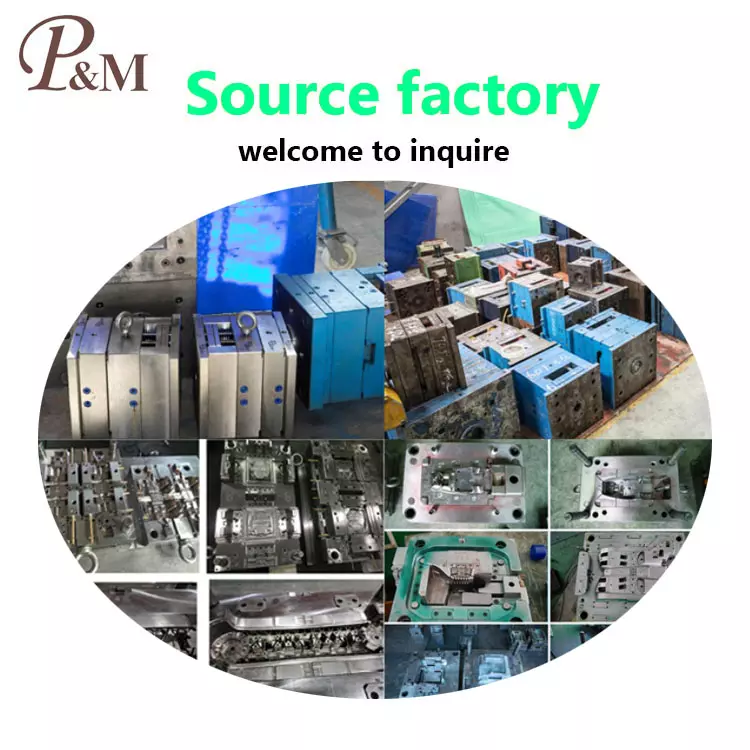
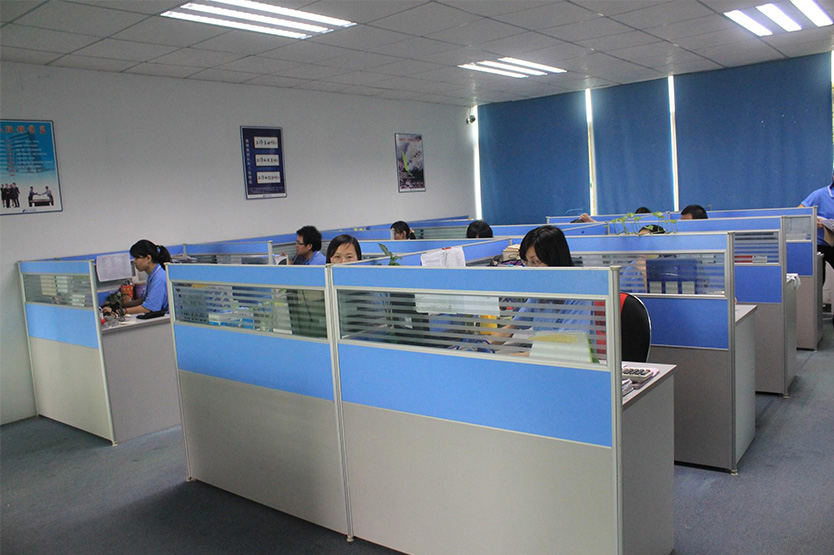
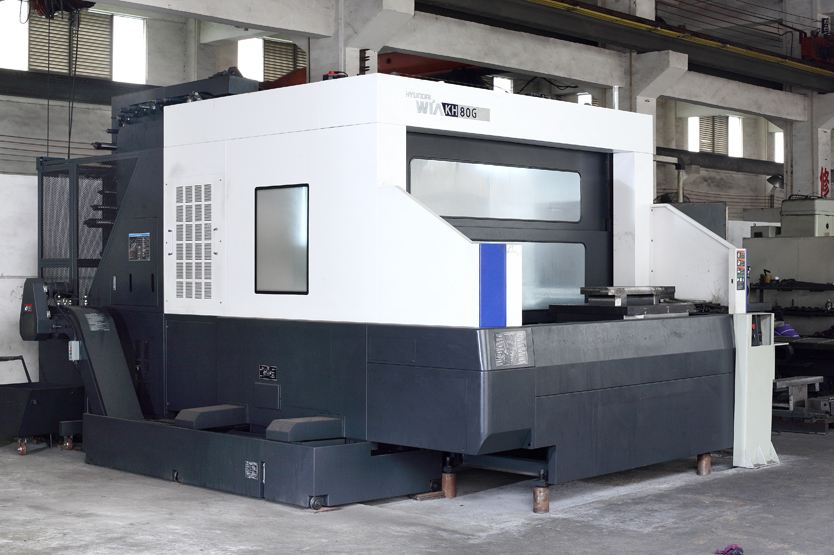
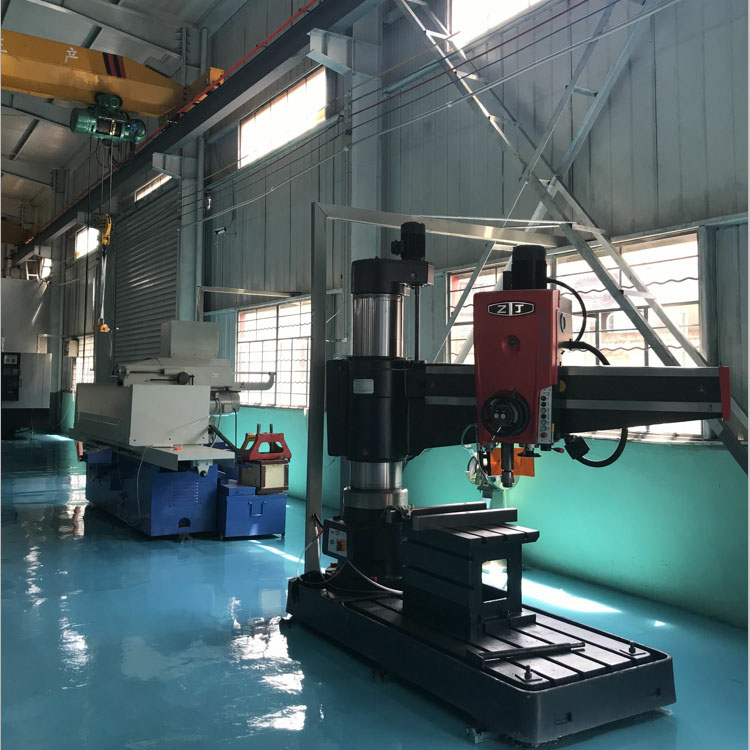
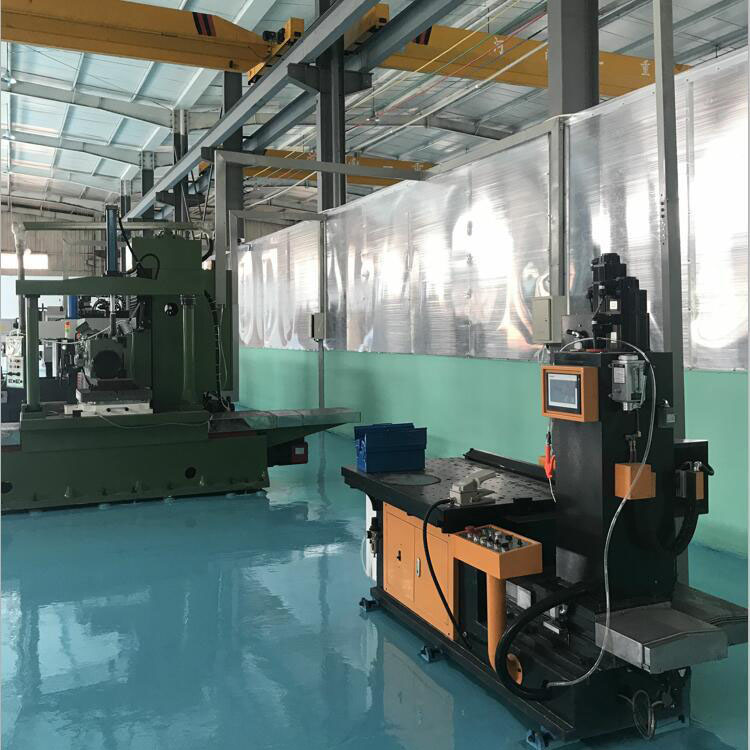
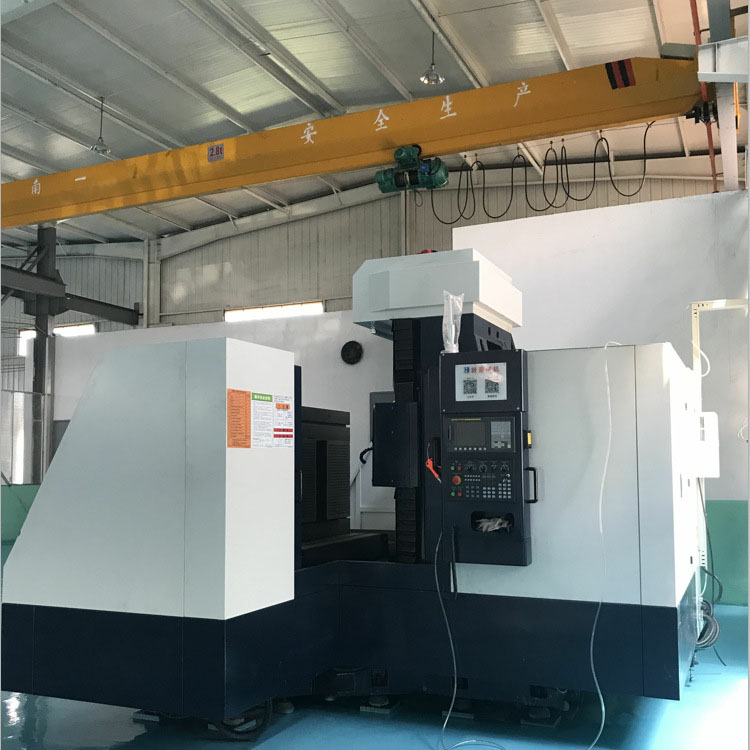
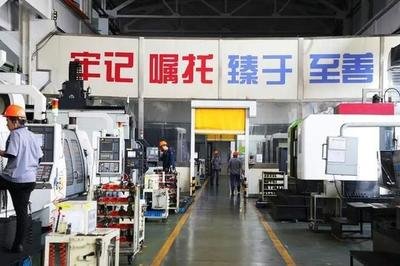
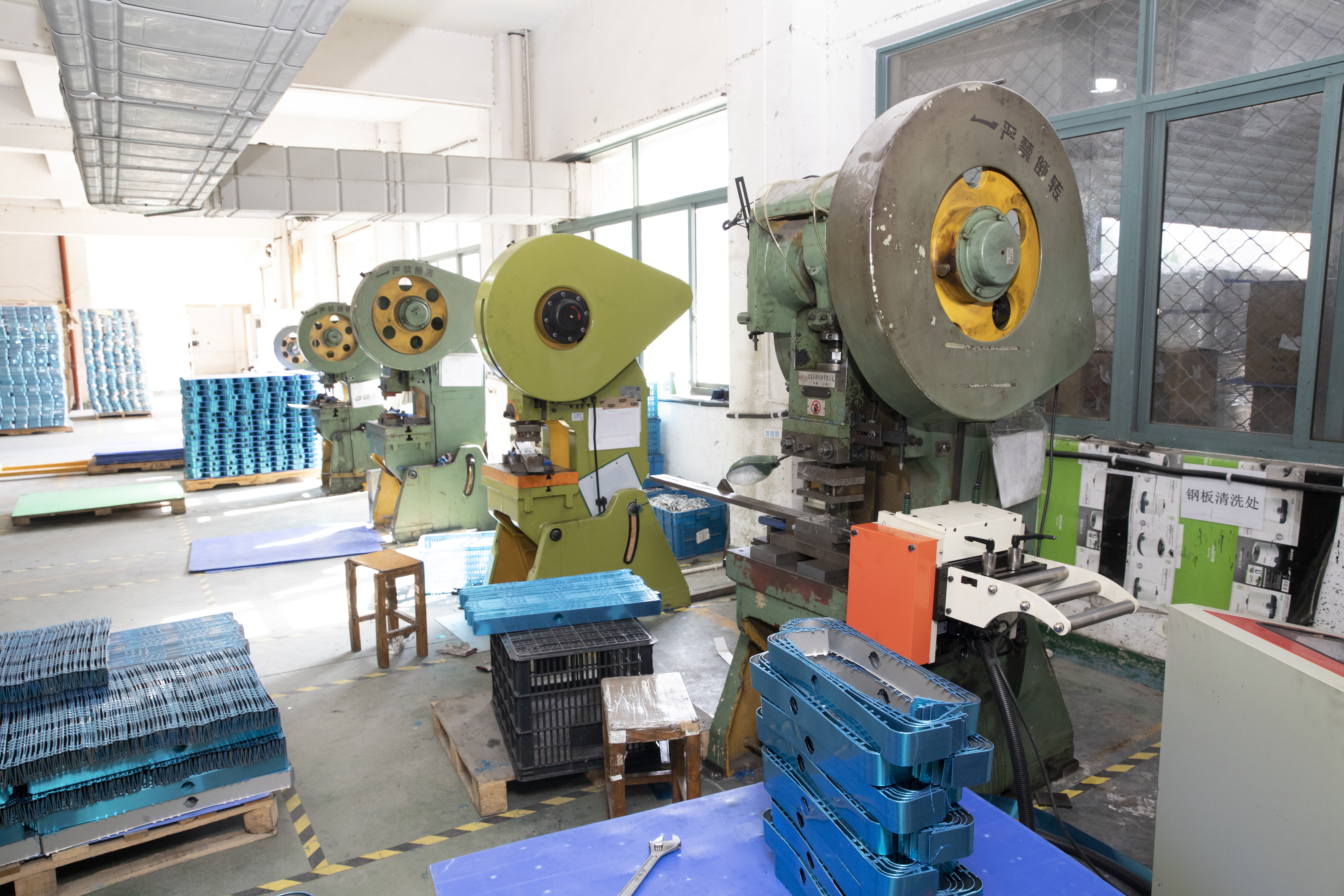
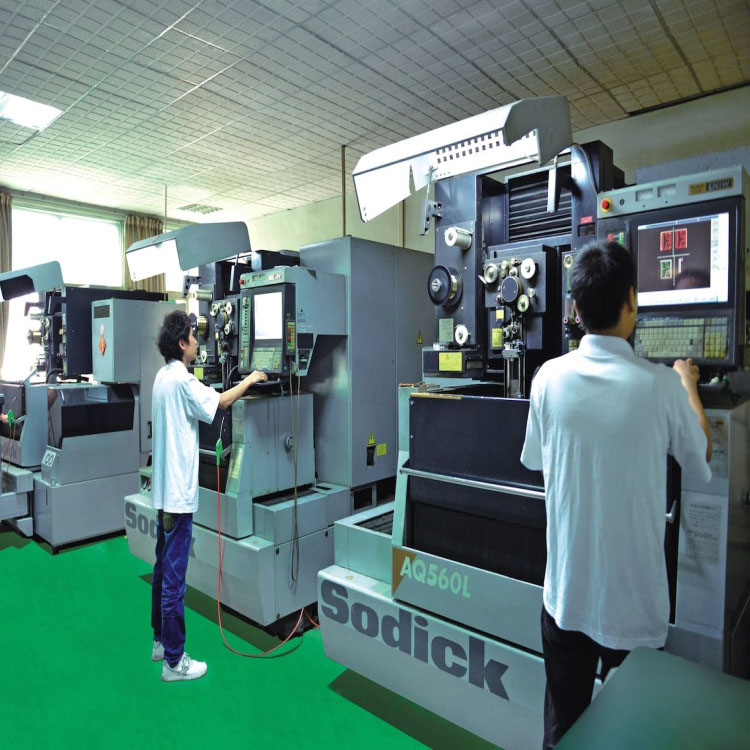
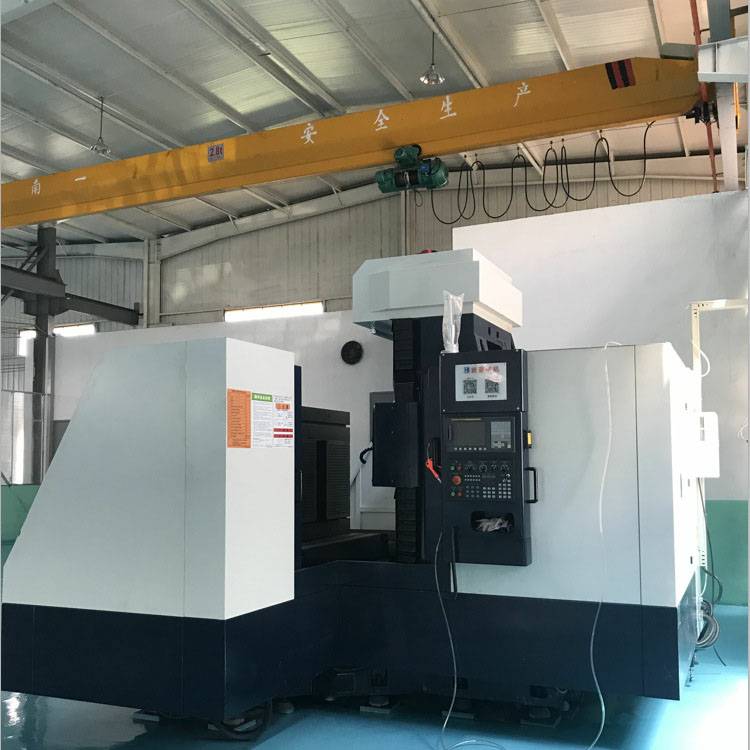
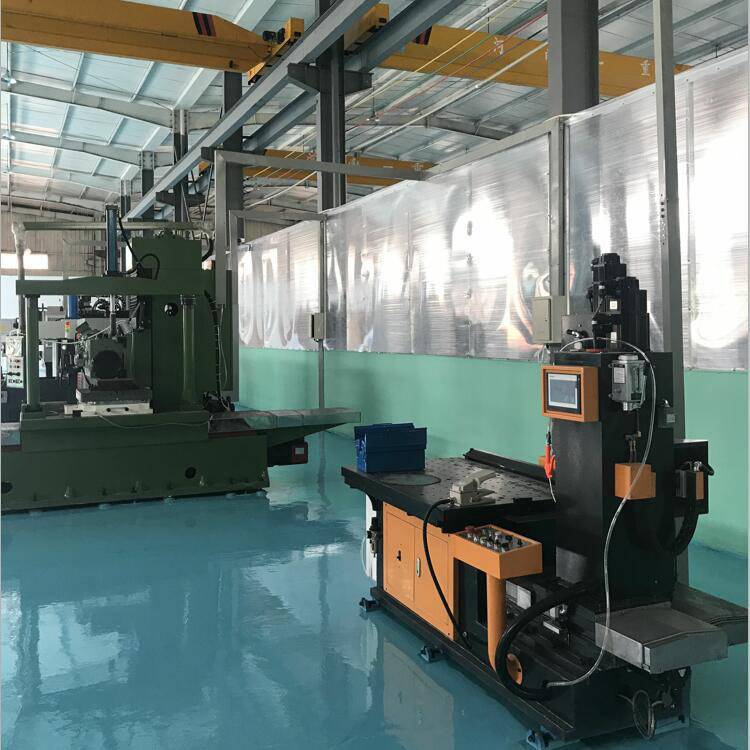
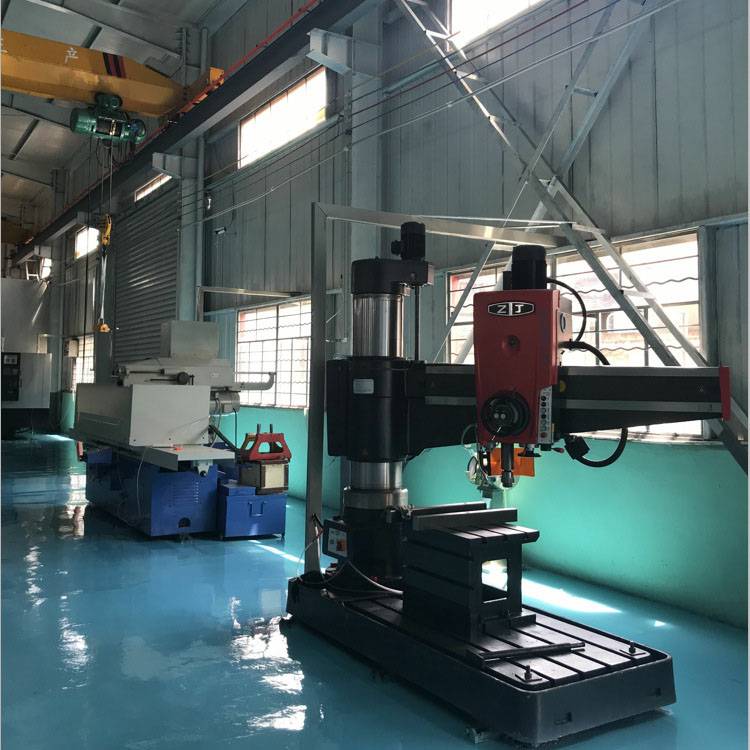
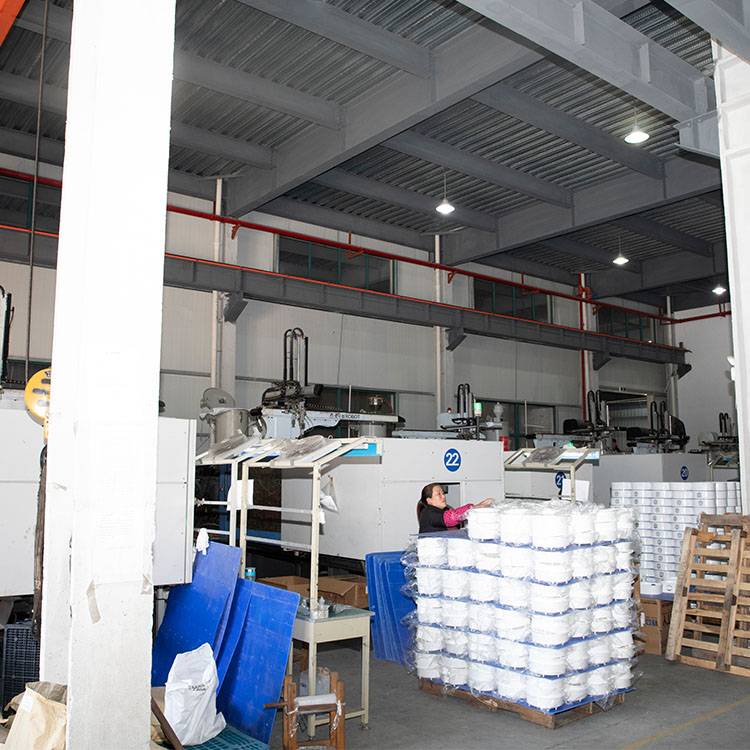
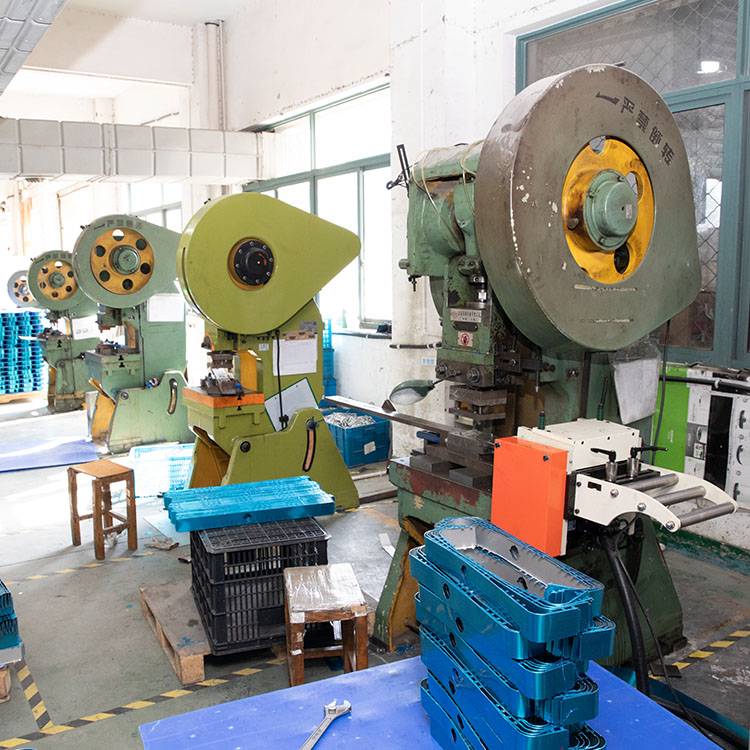
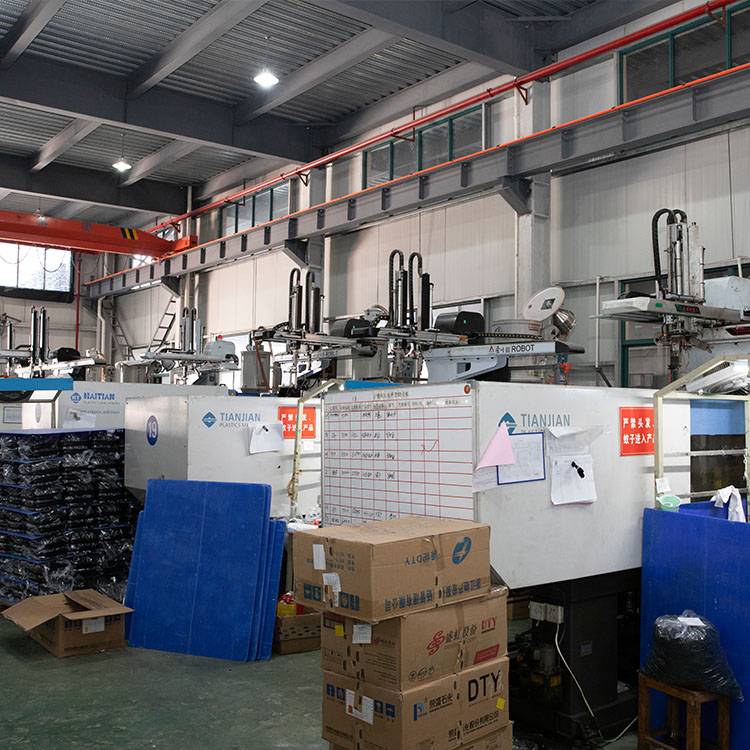
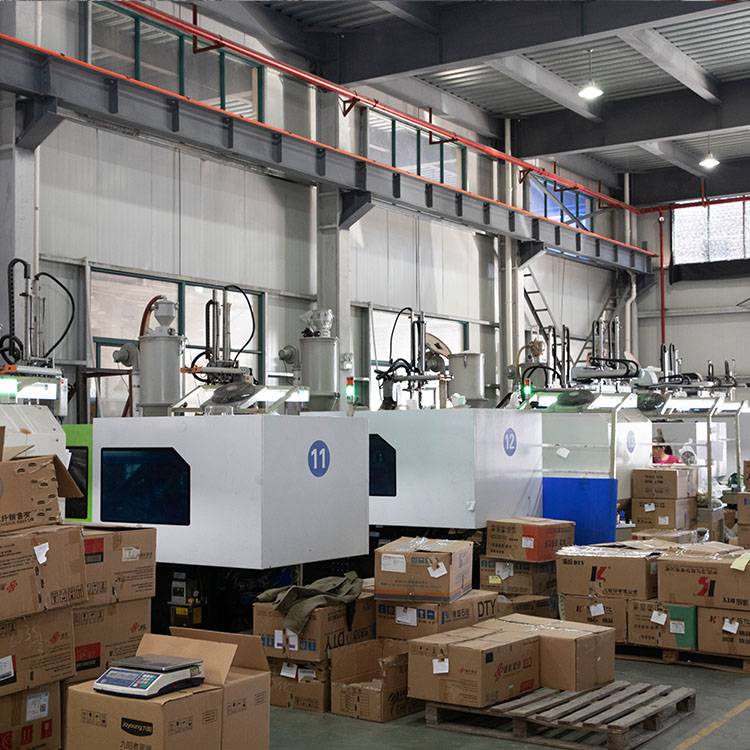
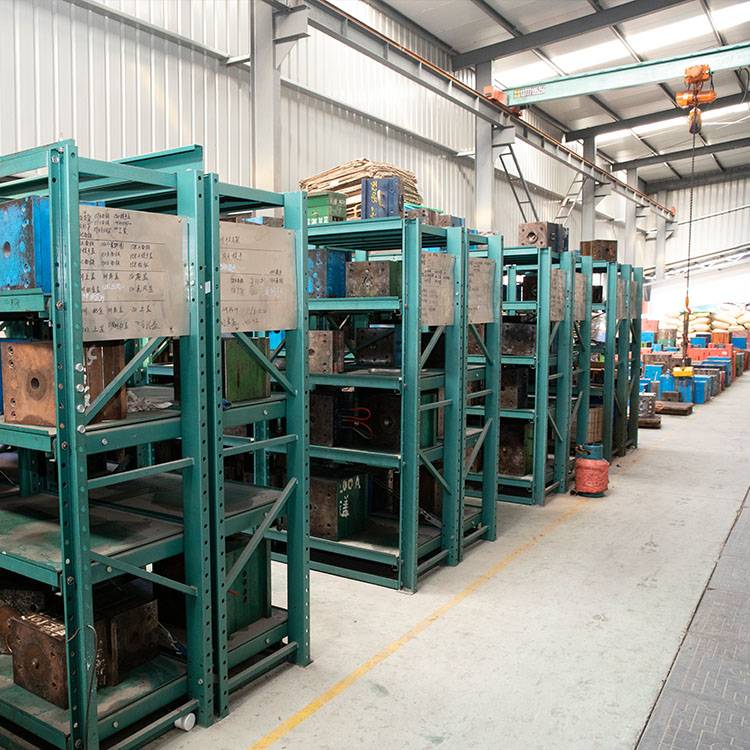
Take a look inside our advanced manufacturing facility, featuring high-speed CNC machining centers, EDM machines, and automated assembly lines that guarantee the precision of our plastic moulding frames.
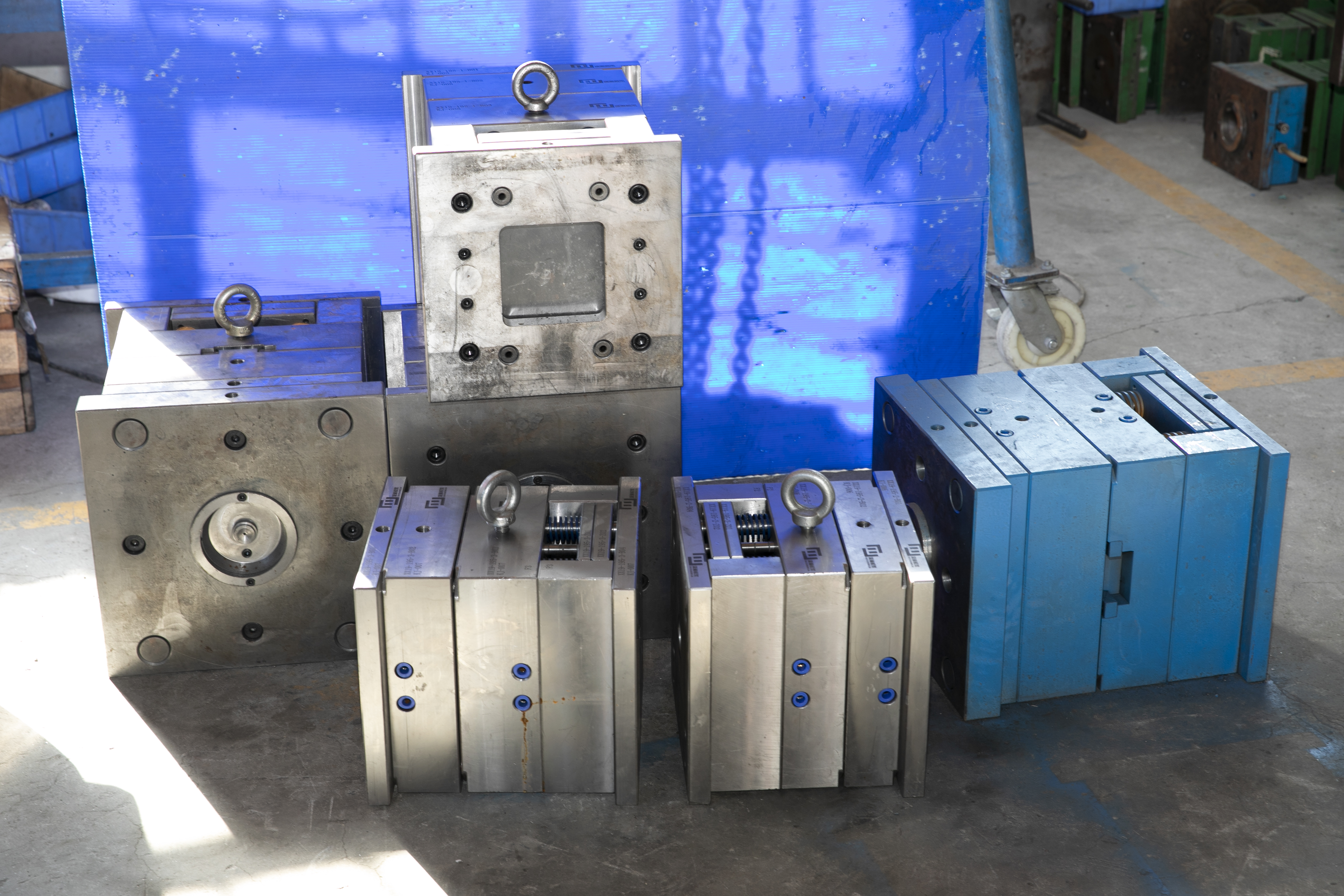
Selecting the correct steel grade for a plastic moulding frame is a critical engineering decision that dictates the lifespan and performance of the mould. Because food utensils are produced in cleanroom environments where humidity must be strictly controlled, the moulding frame and its plates are subject to condensation. If standard carbon steel is used, rust can quickly develop, leading to contamination of the food contact surfaces and premature mould failure.
To prevent this, high-quality moulding frames designed for food utensil production utilize premium stainless steel alloys for the main plates. The most common materials include:
Furthermore, the heat treatment process must be meticulously calibrated. Quenching and tempering are performed to achieve a hardness of HRC 30-36 for structural frame plates, and HRC 48-52 for the core and cavity inserts. This gradient in hardness ensures that the structural plates remain ductile enough to absorb the impact of continuous clamping cycles while the inserts remain hard enough to resist wear from abrasive polymers.
To guarantee that the core and cavity align perfectly within microns during each cycle, the moulding frame is equipped with precision leader pins and guide bushings. For food utensil moulds, these components are often coated with diamond-like carbon (DLC) or titanium nitride (TiN) to allow dry lubrication, eliminating the risk of grease or oil migrating into the moulding cavities and contaminating the final product.
The mechanical demands on a moulding frame vary significantly depending on the specific type of food utensil being produced. Below, we analyze four major application scenarios that highlight the necessity of precision-engineered mould bases.
Disposable cutlery requires massive production volumes to be economically viable. Molds are typically designed with 24 to 96 cavities. In such setups, the moulding frame must support high clamping pressures (often exceeding 300 tons) without bending or flexing. If the frame deflects even slightly, plastic will seep out of the cavity, creating flash on the edges of the spoon or fork. Flash not only ruins the aesthetic appeal but also poses a safety risk to the end consumer. Therefore, these frames are reinforced with center support pillars and extra-thick cavity plates to guarantee absolute rigidity.
Thin-wall injection moulding (TWIM) is used to manufacture lightweight yoghurt cups, margarine tubs, and take-away food containers. Because the wall thickness of these products is typically under 0.8 mm, the molten plastic must be injected at ultra-high speeds and pressures. This creates immense dynamic stress inside the mould. The moulding frame must be designed with advanced venting systems to allow air to escape rapidly, preventing diesel burns (dark spots caused by trapped, compressed air) on the plastic. The cooling system must also be highly efficient to allow the thin walls to solidify instantly, enabling cycle times of under 4 seconds.
Utensils designed for infants require a combination of rigid structures and soft tactile surfaces to protect sensitive gums. This is achieved through two-shot (2K) injection moulding or overmolding. The moulding frame for a 2K baby spoon must accommodate a complex core-pulling mechanism or a rotating platten. The alignment between the first shot (polypropylene handle) and the second shot (liquid silicone rubber) must be flawless. Any misalignment will result in material bleeding, leading to a high reject rate. The frame must also manage two different processing temperatures, as silicone requires high curing temperatures (around 160°C) while polypropylene requires cooling (around 20°C).
We control every step of the manufacturing pipeline, from initial CAD/CAM design and raw material sourcing to precise machining, hand-polishing, and rigorous quality testing.

When manufacturing products that come into direct contact with food, compliance is not optional—it is a legal necessity. The materials used to construct both the mould frame and the final utensils must be completely free of toxic heavy metals, phthalates, and bisphenol A (BPA). Furthermore, the manufacturing process itself must prevent any introduction of external contaminants.
To meet these high standards, Ningbo P&M operates under strict Good Manufacturing Practices (GMP). Our injection moulding processes for food utensils are conducted in controlled cleanroom environments (ISO Class 8 / Class 100,000 cleanrooms). This ensures that dust, airborne particles, and microbes are filtered out, preventing them from being embedded in the hot plastic during the injection phase.
The polypropylene and polyethylene raw materials we process comply fully with FDA 21 CFR 177.1520 regulations for olefin polymers. Our moulds are designed to minimize shear heating, which can degrade polymers and release volatile organic compounds (VOCs) that affect the taste and safety of food products.
Additionally, the cooling water used inside the moulding frame must be completely isolated from the cavity area. We design our frames with double O-ring seals and leakage alarm systems. If a cooling channel develops a hairline crack, the system immediately alerts the operator, preventing water from contaminating the plastic melt. This level of attention to detail is what allows P&M to maintain its status as a trusted exporter to highly regulated markets like Germany, Japan, and the United States.
Whether you require multi-cavity hot runner systems for disposable cutlery or specialized insert moulding frames for baby products, our engineering team is ready to assist you. Leverage our local Yuyao supply chain advantages and global export experience to elevate your production lines.