In modern manufacturing, the demand for high-transparency plastic components has surged exponentially. Transparent polymers such as Polymethyl Methacrylate (PMMA), Polycarbonate (PC), Polystyrene (PS), and Cyclic Olefin Copolymer (COC) have become indispensable across critical industrial sectors. From medical diagnostic kits and microfluidic chips to automotive ADAS sensor covers, optical lenses, and consumer electronics displays, clear plastic parts are replacing glass due to their shatter resistance, lightweight properties, and design flexibility.
However, processing clear plastic is notoriously difficult. Unlike opaque plastics where internal stresses, microscopic voids, or minor surface defects can be hidden, transparent parts reveal every single flaw. A tiny speck of dust, a micro-bubble, or slight molecular shear stress can render an optical component entirely useless. This is why choosing an expert plastic mould maker for clear plastic part processing is the single most critical decision for OEMs looking to bring high-quality transparent products to market.
An experienced plastic mould maker must account for unique thermodynamic and rheological behaviors when designing tooling for transparent materials. Here are the primary engineering hurdles that must be addressed:
The application of clear plastic injection molding spans across highly regulated and technology-driven fields. Understanding these scenarios helps mold makers tailor their tooling strategies:
1. Medical and Life Science Diagnostics: Devices like cuvettes, blood collection tubes, PCR plates, and microfluidic cartridges require absolute clarity for optical detection systems. Any impurity or weld line in the plastic can interfere with laser scanning or light transmission, leading to false diagnostic results. Mold makers must operate Class 100,000 cleanrooms and utilize medical-grade, non-cytotoxic mold release agents.
2. Automotive Lighting & ADAS Sensors: Modern vehicles rely heavily on LiDAR, radar, and camera-based driver assistance systems. The protective covers for these sensors must be optically transparent to specific wavelengths of light. Additionally, thick-walled light guides and headlamp lenses require injection compression molding (ICM) to prevent shrinkage and maintain precise refractive indexes.
3. Consumer Electronics & Wearables: Smartwatch screens, VR/AR headset lenses, and smartphone camera covers require ultra-thin, high-impact clear components. Scratch-resistant coatings are often applied post-molding, meaning the molded part must have perfect surface tension and no chemical contamination to ensure coating adhesion.
The clear plastic part processing industry is undergoing a digital transformation. The integration of AI-driven cavity pressure sensors allows real-time monitoring of the injection cycle. If a pressure drop occurs—which could lead to a micro-void or sink mark—the system automatically segregates the defective part. Furthermore, there is a strong shift towards bio-based transparent polymers to reduce carbon footprints without sacrificing optical properties. As a forward-thinking plastic mould maker, adopting these technologies ensures competitive advantages in yield rate and sustainability.
Ningbo P&M PLASTIC METAL PRODUCT CO., LTD is strategically located in Yuyao, widely recognized as the "Mould City" and "Plastic Kingdom" of China. Situated at the southern tip of the Hangzhou Bay Bridge, our facility enjoys unparalleled logistical advantages: north of Shanghai and east of the Ningbo Port, with the double line of State Road 329 providing direct land transport. Our integrated sea, land, and air network ensures rapid global shipping and seamless supply chain management.
Backed by robust technical expertise, scientific management methodologies, and an unwavering commitment to after-sales support, our high-precision molds and plastic products are trusted by clients worldwide. We started our domestic operations in 2008 and expanded into international markets in 2014, consistently prioritizing quality and efficiency to minimize production lead times.
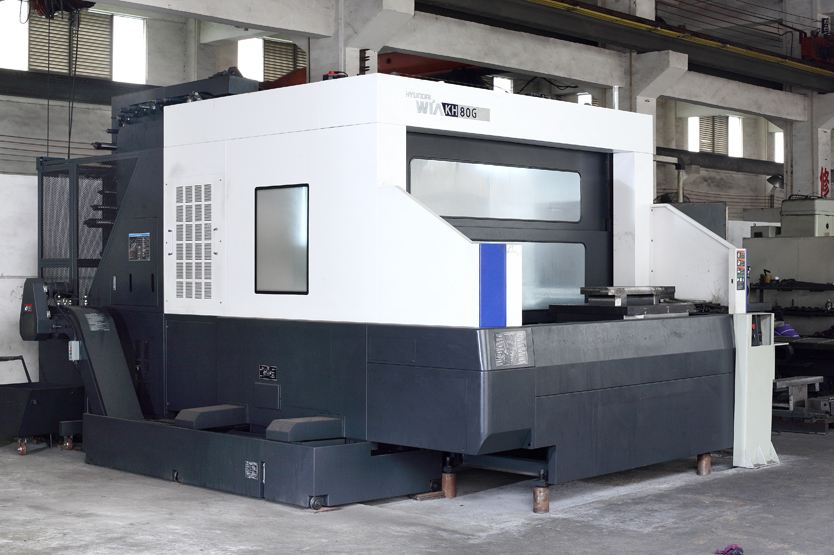
Our primary capabilities encompass the design and manufacturing of high-performance plastic injection molds, custom plastic products, and precision metal components. Today, over 90% of our products are exported to demanding markets in the Americas, Europe, Germany, Japan, and Australia.


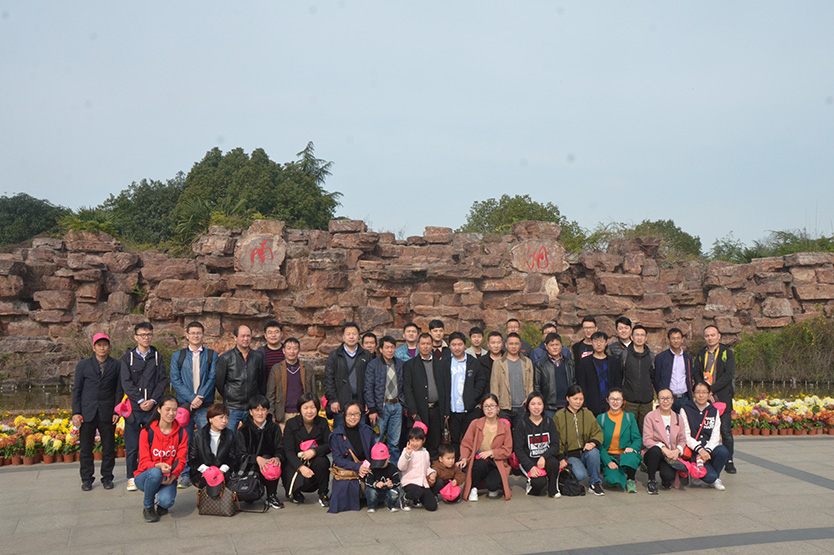
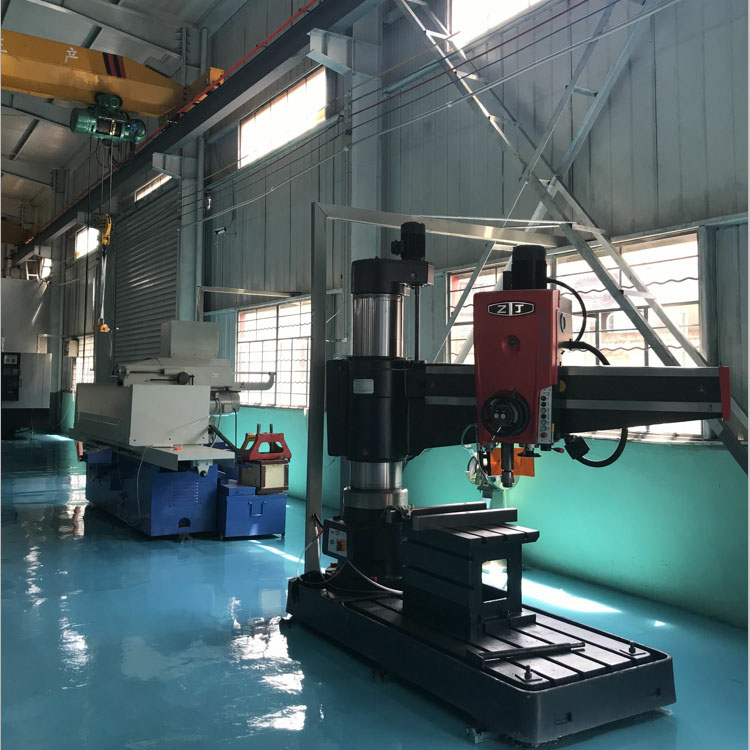
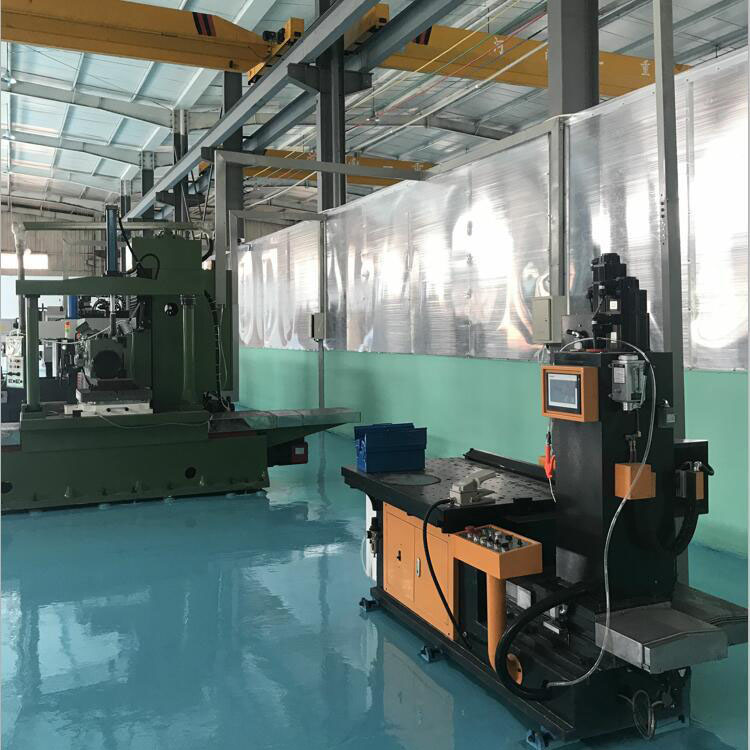
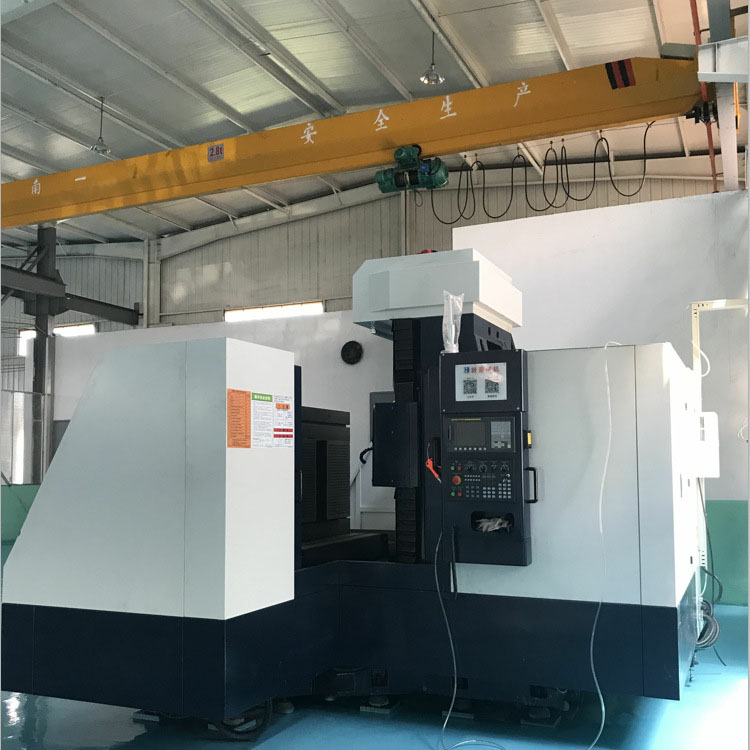
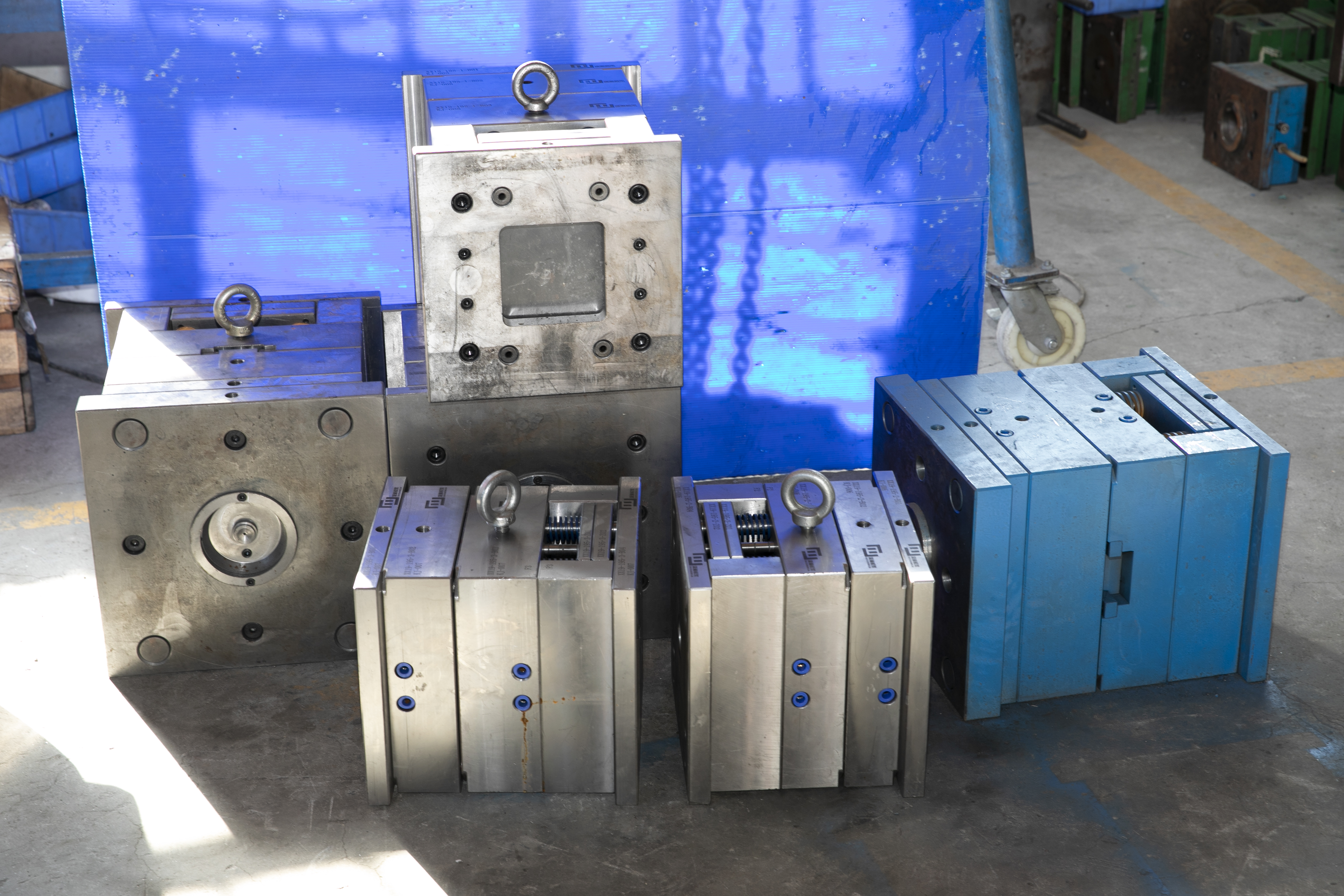
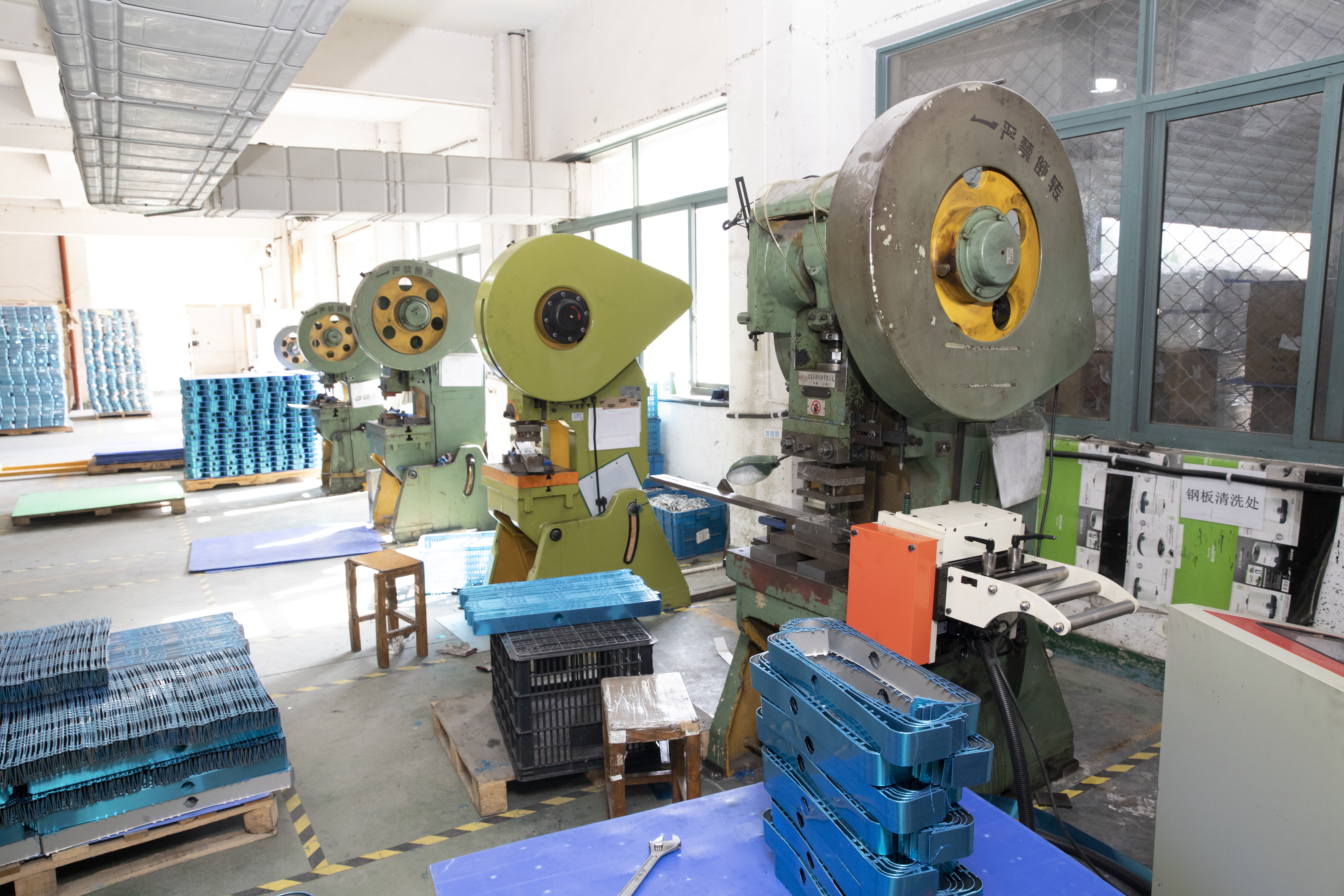
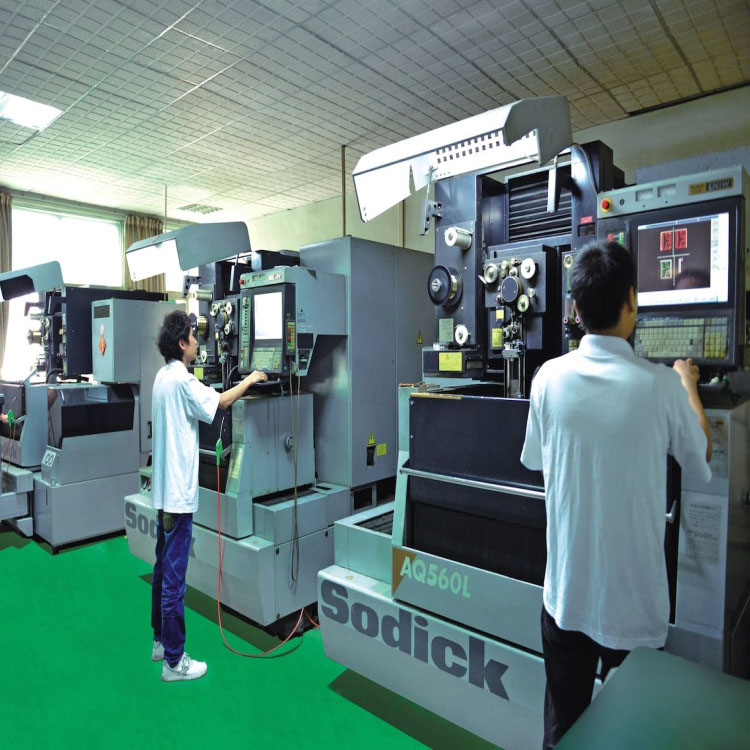

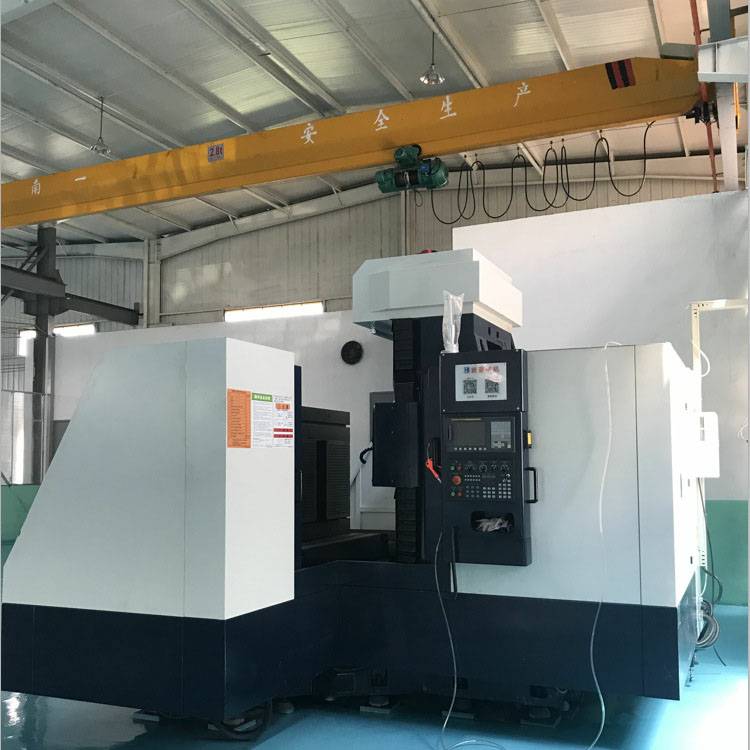
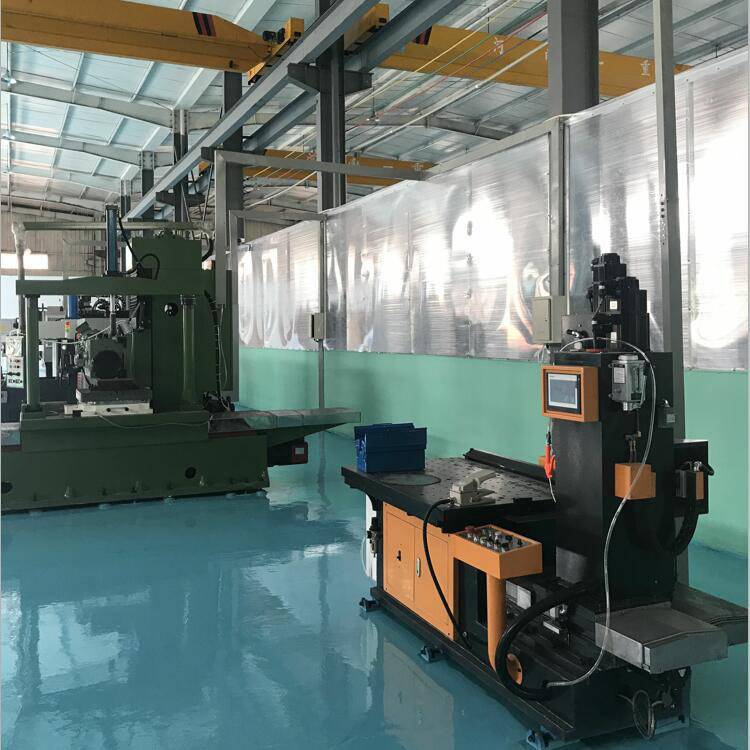
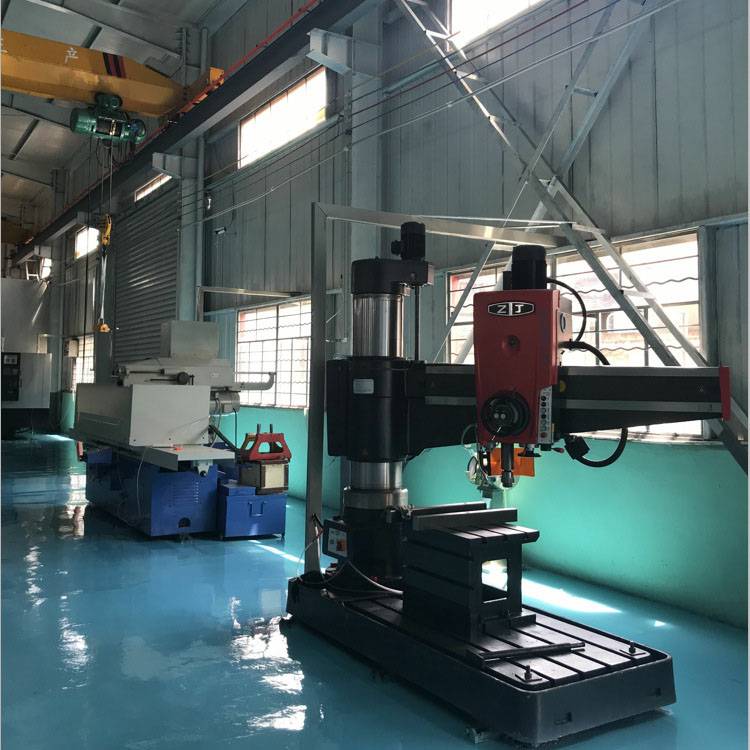
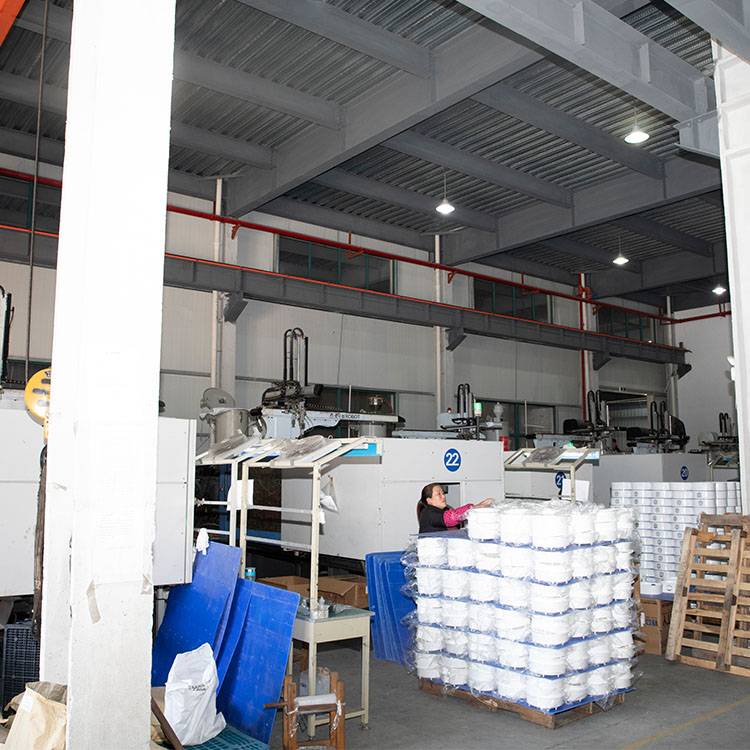
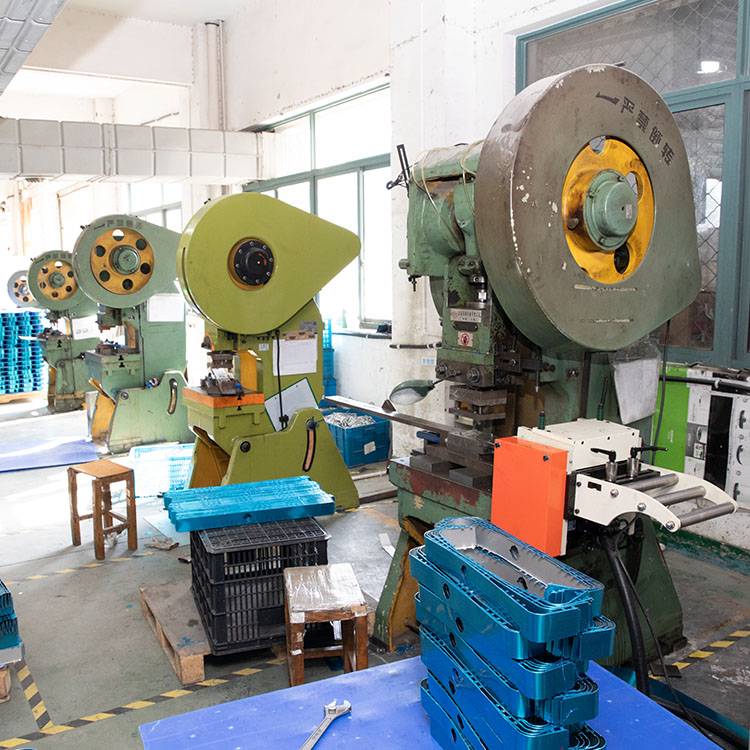
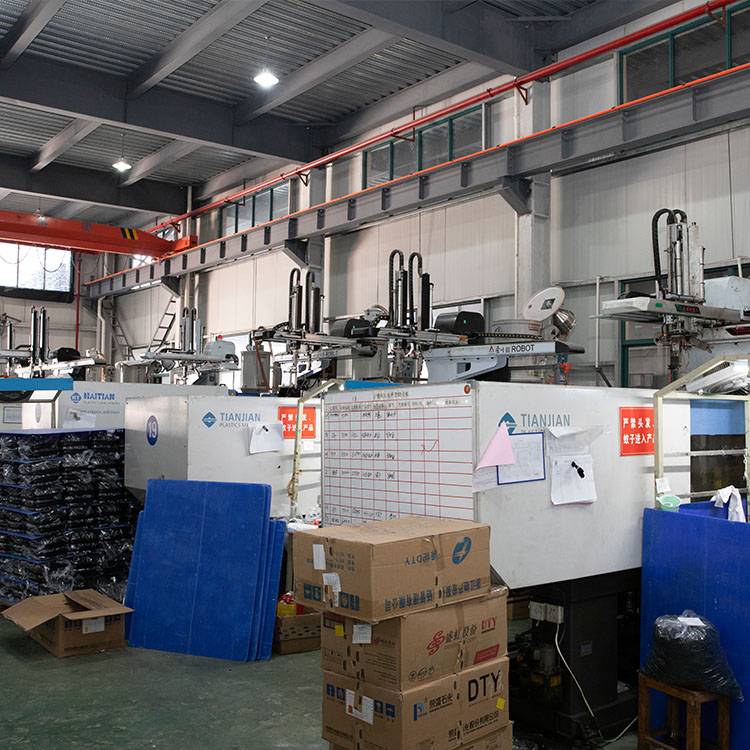
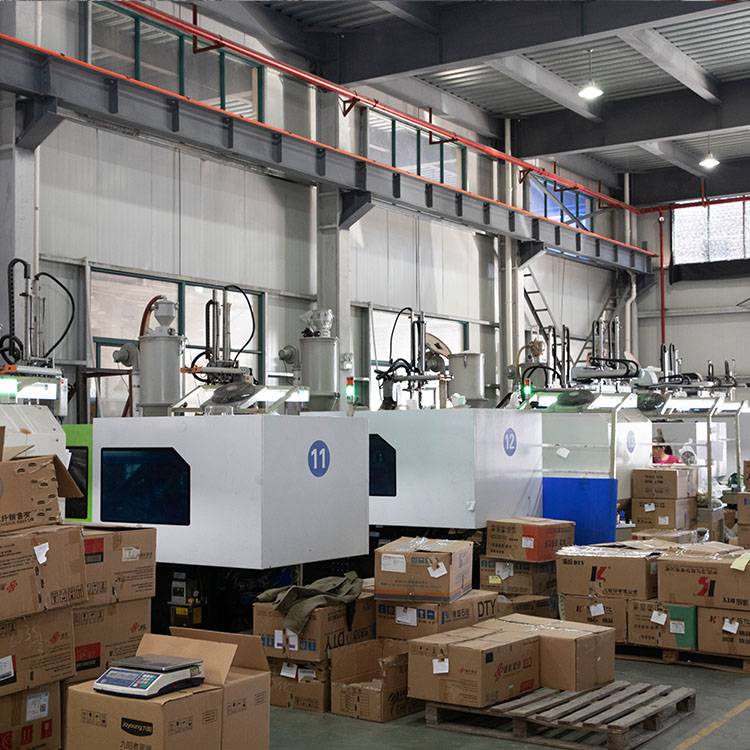
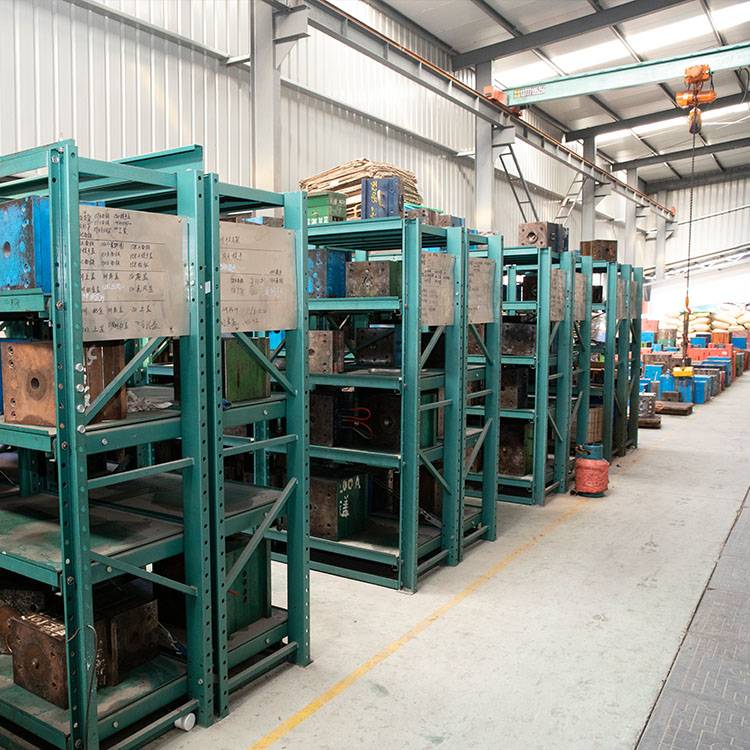
Ningbo P&M is dedicated to establishing global business exchanges and cooperation. Contact us today to discuss your next clear plastic part processing project.
Contact Our Engineering Team