
Introduction
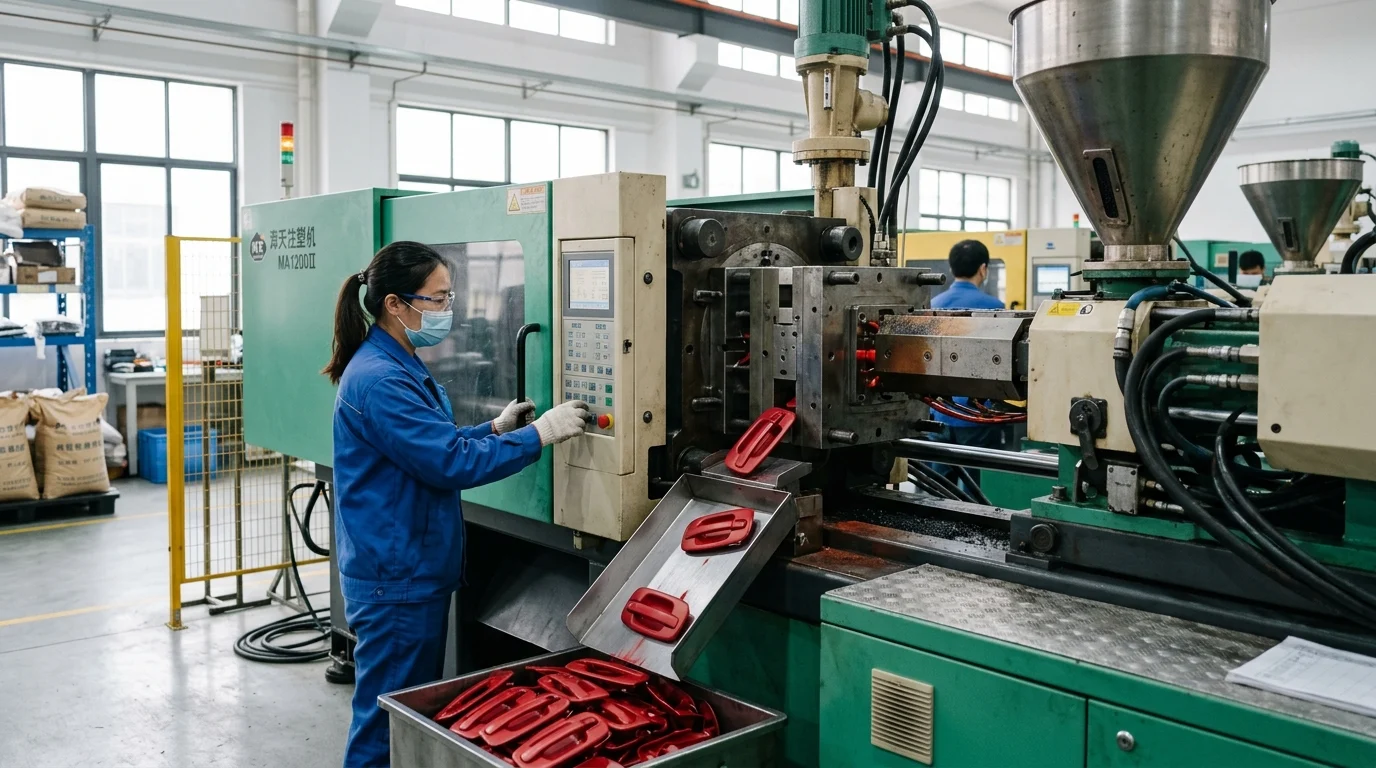
China remains central to global plastic injection molding because it combines large-scale capacity, fast tooling, mature supplier networks, and export experience in a way few markets can match. For buyers planning sourcing decisions in 2026, the challenge is not whether to consider China, but which manufacturers offer the right mix of technical capability, quality systems, communication, and production reliability. This overview identifies the 10 leading plastic injection molding companies in China and explains what sets them apart, so readers can compare options more efficiently and move into supplier evaluation with clearer criteria.
Why China Matters in Global Plastic Injection Molding
The global manufacturing landscape relies heavily on efficient, scalable production, and understanding the role of plastic injection molding China is critical for supply chain professionals. The region currently accounts for roughly one-third of global plastics machinery and molding output, driven by decades of infrastructure investment and technological advancement. For companies looking ahead to 2026, sourcing strategies must account for both macroeconomic shifts and the highly localized expertise found within Chinese manufacturing hubs. The concentration of raw material suppliers, machine builders, and logistics providers creates an ecosystem that is difficult to replicate elsewhere.
Cost, Capacity, Tooling Speed, and Export Readiness
Western manufacturers consistently turn to Chinese suppliers to leverage distinct advantages in cost, capacity, and tooling speed. Tooling costs in the region remain highly competitive, often pricing out at 30% to 50% less than comparable domestic molds in North America or Europe. Furthermore, the speed of mold fabrication is accelerated by dense local supply chains for raw steel, standard mold bases, and hot runner systems. Facilities frequently operate multiple shifts, reducing tooling lead times by 20% to 40% and allowing brands to accelerate their time-to-market significantly. Capacity is rarely an issue, with top manufacturers operating dozens to hundreds of presses under a single roof.
What Defines a Professional Trade Supplier
A professional trade supplier is defined by more than just low unit costs; export readiness and communication infrastructure are the true differentiators. Top-tier manufacturers maintain dedicated, English-speaking project management teams and utilize standardized CAD/CAM software suites compatible with Western engineering standards. Export readiness also dictates that a supplier possesses the necessary export licenses and adheres to international packaging protocols. This ensures that precision components survive trans-Pacific or Eurasian shipping routes—whether via ocean freight or rail—without dimensional deformation or transit damage.
Criteria for Ranking Leading Plastic Injection Molding Companies
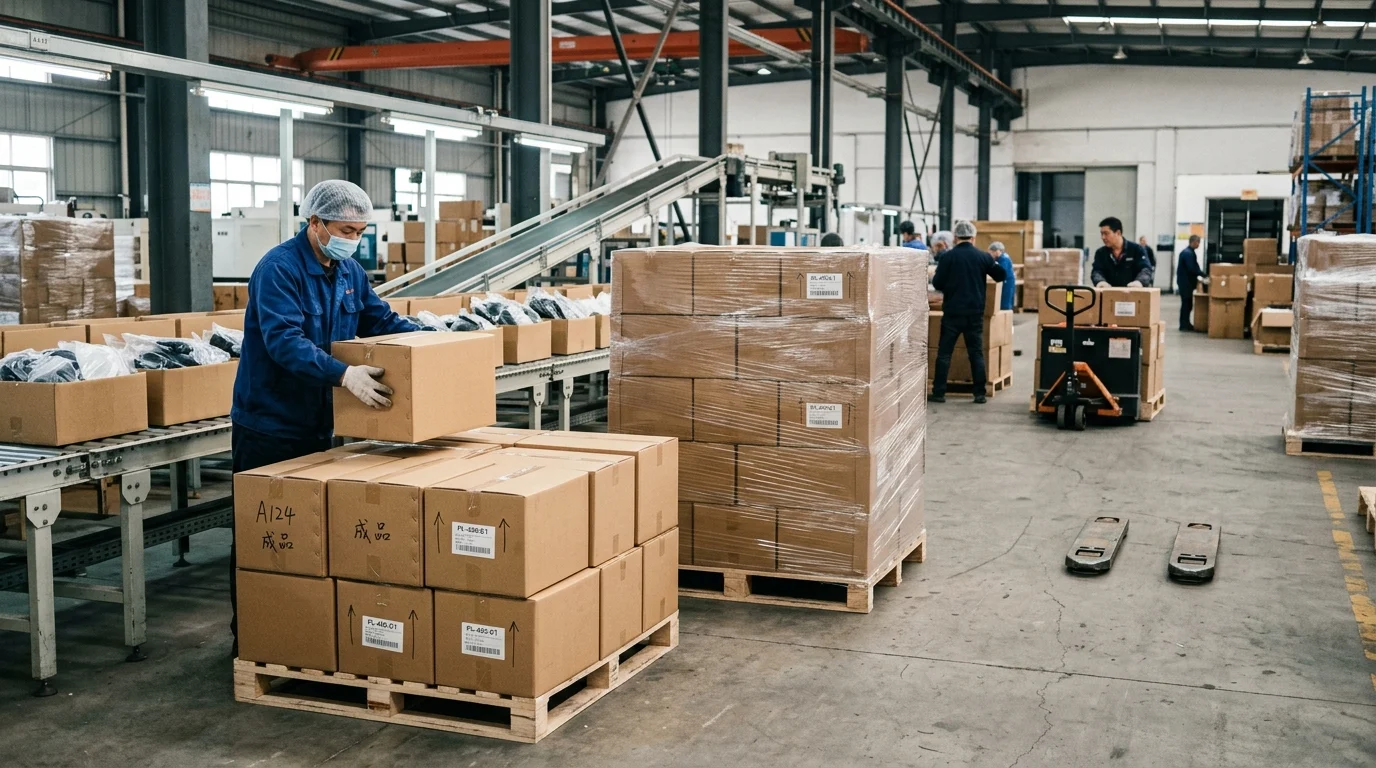
Evaluating the landscape of injection molding requires moving beyond marketing claims and analyzing concrete technical and operational metrics. The leading companies for 2026 are distinguished by their commitment to rigorous engineering standards, advanced automation, and uncompromising quality control systems. Ranking these suppliers involves assessing their physical capabilities alongside their management frameworks.
Tooling Capability, Tolerances, and Resin Range
The foundation of any elite molder is its tooling capability. Leading firms build molds to strict SPI (Society of the Plastics Industry) classifications, routinely producing Class 101 molds guaranteed for 1,000,000 or more cycles. Precision is paramount; top suppliers can hold tight tolerances down to +/- 0.01 mm for critical aerospace or medical components. Additionally, their expertise spans a wide resin range, from commodity plastics like PP and ABS to engineering-grade materials such as PEEK, Ultem, and glass-filled nylons, which require specialized barrel temperatures and mold heating systems.
| SPI Mold Class | Minimum Cycles | Typical Application | Tooling Material |
|---|---|---|---|
| Class 101 | 1,000,000+ | High-volume continuous production | High-grade tool steel (e.g., H13) |
| Class 102 | 500,000 – 1,000,000 | Medium-to-high volume production | Pre-hardened steel (e.g., P20) |
| Class 103 | Under 500,000 | Medium volume / specialized runs | Standard steel or aluminum inserts |
For further details on material specifications and component capabilities, engineers often consult technical resources related to plastic injection molding China to match resin properties with tooling design.
Compliance, Quality Systems, and Program Management
Regulatory compliance and robust quality management systems (QMS) separate industry leaders from mid-tier competitors. A top-ranked company will universally hold ISO 9001 certification, while specialized firms maintain IATF 16949 for automotive parts or ISO 13485 for medical devices. Program management relies on data-driven quality tracking, utilizing coordinate measuring machines (CMM) and automated optical inspection (AOI). The goal for elite suppliers is to maintain defect rates measured strictly in Parts Per Million (PPM), consistently targeting a threshold of under 50 PPM for mature production programs.
Top 10 Plastic Injection Molding Companies in China
Identifying the top 10 plastic injection molding companies in China requires a deep dive into specific operational benchmarks. While the exact ranking fluctuates based on industry focus—such as consumer electronics versus automotive—the top tier shares common characteristics in scale, technological adoption, and geographic advantage. Understanding these profiles helps procurement teams align their specific project requirements with the right manufacturing partner.
What Each Company Profile Should Cover
A comprehensive company profile should detail the supplier’s core competencies, facility size, and equipment roster. Key metrics include the total number of injection machines and their press tonnage range, which typically spans from 50T for micro-molding up to 3,000T or more for large automotive body panels. Profiles must also evaluate secondary operational capabilities, such as ultrasonic welding, pad printing, automated assembly lines, and cleanroom environments (e.g., ISO Class 7 or 8) for sensitive medical or optical components.
Comparison of Lead Times, Certifications, and Industries Served
When comparing the top 10 companies, lead times and certifications serve as primary differentiators. Elite manufacturers generally deliver T1 (first test) mold samples within 15 to 35 days, depending on part complexity and cavity count. Certifications dictate the industries a supplier can serve; for example, UL-certified materials and processes are mandatory for North American electronics, while CE mark compliance is required for European markets. The top companies seamlessly integrate these certification requirements into their standard operating procedures, preventing costly compliance failures downstream.
How Regional Clusters Influence Supply Chains
The geographic location of a supplier within China heavily influences logistics, lead times, and total costs. The industry is primarily concentrated in two major hubs: the Pearl River Delta (PRD) in the south and the Yangtze River Delta (YRD) in the east. Each cluster has developed unique specializations based on historical foreign investment and local supply chain maturity.
| Regional Cluster | Key Cities | Primary Industry Focus | Typical Port of Origin |
|---|---|---|---|
| Pearl River Delta (PRD) | Shenzhen, Dongguan, Guangzhou | Consumer electronics, telecommunications, rapid prototyping | Shenzhen (Yantian) / Guangzhou |
| Yangtze River Delta (YRD) | Ningbo, Shanghai, Suzhou | Automotive components, heavy industry, home appliances | Ningbo / Shanghai |
| Bohai Economic Rim | Qingdao, Tianjin | Heavy machinery, industrial equipment, consumer goods | Qingdao / Tianjin |
How Buyers Should Evaluate Risk, Compliance, and Total Cost
Sourcing from overseas introduces inherent variables that must be managed proactively. Buyers evaluating partners for 2026 must look beyond the initial piece price and analyze the Total Cost of Ownership (TCO). This encompasses risk mitigation, intellectual property protection, logistics, and the rigorous validation of production processes.
Price, Mold Ownership, and Logistics Trade-Offs
The lowest quoted piece price often hides downstream expenses. Buyers must navigate trade-offs between tooling amortization, mold ownership rights, and logistics. Standard payment terms for tooling usually require a 50% deposit upfront, with the remaining 50% tied to the approval of T1 or T2 samples. It is critical to establish clear contractual language confirming that the buyer owns the physical mold upon final payment. Additionally, logistics costs—whether utilizing Less than Container Load (LCL) or Full Container Load (FCL)—can add 10% to 25% to the landed cost, making packing efficiency a key factor in the final price analysis.
How to Verify Audits, IP Controls, and PPAP Readiness
Protecting intellectual property and verifying production readiness are non-negotiable steps. Buyers should execute NNN (Non-Disclosure, Non-Use, Non-Circumvention) agreements drafted under Chinese jurisdiction before sharing 3D CAD files. Furthermore, technical documentation and audit checklists, often available via resources for plastic injection molding China, are essential for evaluating a supplier. To verify readiness, buyers should demand a formal Production Part Approval Process (PPAP). Top suppliers are capable of providing Level 3 PPAP documentation, which includes dimensional results, material certifications, and process capability studies (Cpk > 1.33).
Supplier Selection Steps to Reduce Delays and Quality Issues
To reduce delays and quality fade, a structured supplier selection process is mandatory. This begins with a remote or third-party factory audit focusing on social compliance, environmental standards, and QMS implementation. Once a supplier is selected, buyers should implement independent third-party inspections before shipment, utilizing statistical sampling methods. Establishing an Acceptable Quality Limit (AQL) of 1.5 for major defects and 4.0 for minor defects ensures that substandard batches are caught before they are loaded onto a vessel, preventing costly domestic rework.
How to Choose the Right Plastic Injection Molding Partner in
Selecting the ideal manufacturing partner is not about finding the universally ‘best’ factory, but rather identifying the supplier whose business model aligns with the specific demands of your product portfolio. A mismatch in scale, technical capability, or quality expectations is the most common cause of supply chain friction.
A Decision Framework Based on Volume, Complexity, and Industry Needs
Procurement teams should utilize a decision framework based on production volume, part complexity, and industry-specific needs. High-volume, low-mix programs demand highly automated facilities with multi-cavity hot runner molds and automated part removal to drive down unit costs. In these scenarios, Minimum Order Quantities (MOQs) typically start at 10,000 to 50,000 units. Conversely, low-volume, high-mix programs—such as specialized industrial equipment or medical devices—require agile manufacturers willing to accept MOQs as low as 1,000 units, utilizing quick-change mold bases and flexible scheduling.
Ultimately, the right partner demonstrates transparency in their cost breakdown, willingness to invest in DFM (Design for Manufacturability) analysis prior to cutting steel, and a proven track record of scaling production. By rigorously evaluating physical capabilities, quality frameworks, and regional advantages, buyers can secure a robust supply chain foundation capable of weathering the global manufacturing challenges of 2026 and beyond.
Further reading:
Key Takeaways
- The most important conclusions and rationale for plastic injection molding China
- Specs, compliance, and risk checks worth validating before you commit
- Practical next steps and caveats readers can apply immediately
Frequently Asked Questions
What should buyers compare when ranking injection molding companies in China for 2026?
Focus on tooling capability, tolerance control, resin range, certifications, export experience, and project communication. Ask for recent case studies and inspection reports.
How fast can a Chinese supplier usually build injection molds?
Many qualified suppliers complete molds 20% to 40% faster than Western averages, depending on part complexity, steel choice, and approval speed.
Which certifications matter most when choosing a plastic injection molding China partner?
ISO 9001 is the baseline. For automotive projects, look for IATF 16949; for medical parts, require ISO 13485 and documented traceability.
Can Chinese injection molders handle tight tolerances and engineering resins?
Yes. Top suppliers can hold about +/-0.01 mm on critical features and process materials like ABS, PP, PEEK, Ultem, and glass-filled nylon.
Where can I review NBPM Plastic’s molding capabilities before requesting a quote?
Visit nbpm-plastic.com to check the Products, About, and Download pages for molding services, export readiness, and technical resources.
Post time: Jun-13-2026