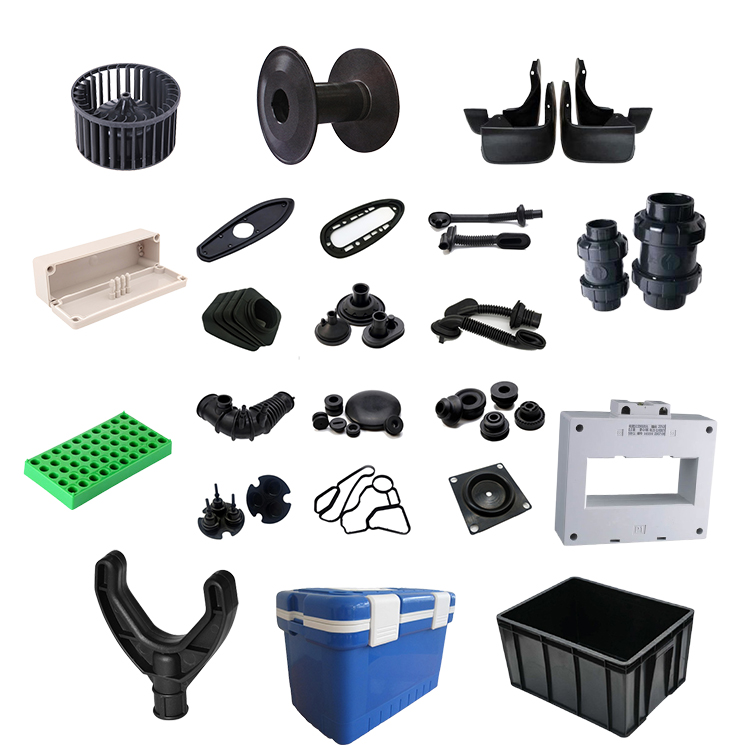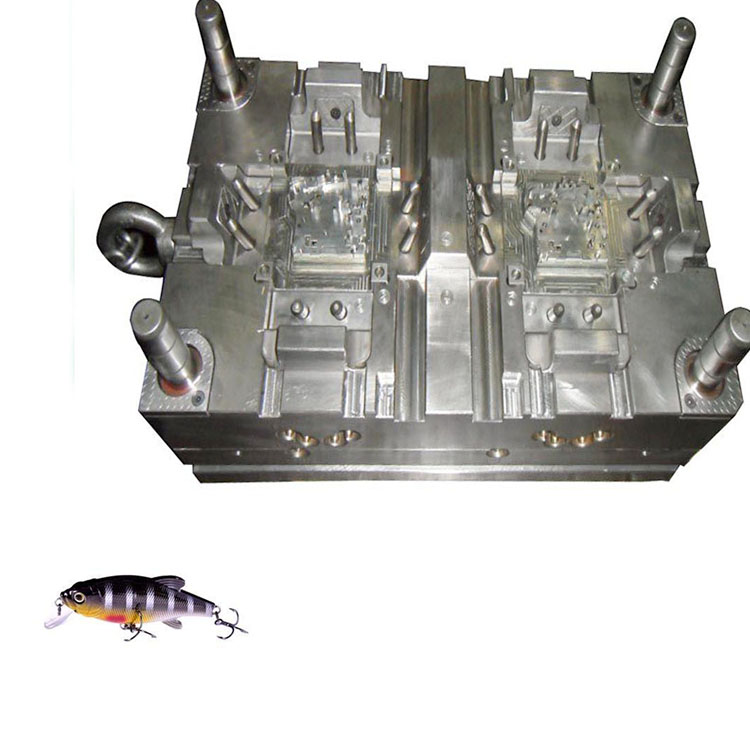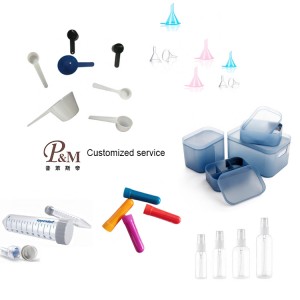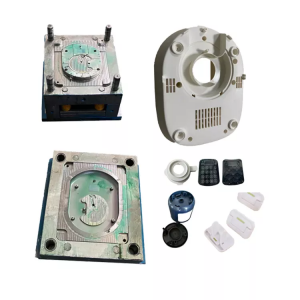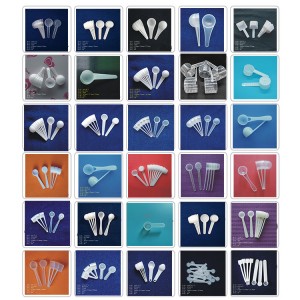
In the modern automotive and industrial sectors, signal lights serve as critical safety components, providing clear visual communication, warning indicators, and functional styling. The manufacturing of these complex components relies heavily on injection plastic mould for signal light part production. This process ensures that complex designs, optical precision, and structural durability are achieved consistently at scale.
Signal light parts—such as outer lenses, inner reflectors, light guides, housings, and mounting brackets—demand highly specialized engineering. They must withstand harsh environmental conditions, including UV exposure, temperature fluctuations, moisture ingress, and mechanical vibration, while maintaining superior light transmission and distribution properties. The injection mould design is the foundation of this quality, determining not only the dimensional accuracy of the components but also their optical performance and aesthetic value.
The global market for automotive lighting and industrial signaling is experiencing rapid expansion, driven by the integration of LED, OLED, and smart sensor technologies. As electric vehicles (EVs) and autonomous driving systems continue to evolve, signal lights are no longer merely functional safety devices; they have become integral to a vehicle’s signature design and communication interface.
Consequently, manufacturers face increasing pressure to produce high-performance, lightweight, and visually striking signal light parts. This shift has placed a premium on advanced injection moulding technologies, such as multi-color (2K/3K) moulding, insert moulding, and gas-assisted injection. Tooling manufacturers must design molds that accommodate complex geometries and diverse materials, such as Polycarbonate (PC), Polymethyl Methacrylate (PMMA), and Acrylonitrile Butadiene Styrene (ABS), while maintaining tight tolerances and minimizing cycle times.
Ningbo P&M PLASTIC METAL PRODUCT CO., LTD is strategically located in Yuyao, renowned globally as the "Mould City" and "Plastic Kingdom." Situated at the southern tip of the Hangzhou Bay Bridge, north of Shanghai and east of the Ningbo Port, our facility benefits from an integrated network of land, sea, and air transport, facilitating seamless logistics for our international clients.
With robust technical strength, scientific management systems, and dedicated after-sales support, our products have earned the trust and partnership of clients worldwide. We started our domestic business in 2008 and successfully expanded into the international market in 2014. By adhering to the principles of "Quality First" and "Time Supreme," we optimize production efficiency and deliver exceptional tooling and plastic products to global markets.
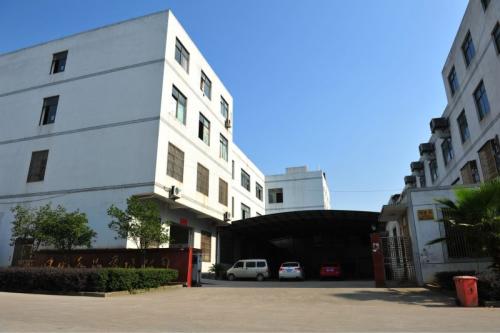
Comprehensive pre-sale and after-sales support with 24-hour accessibility to ensure seamless project execution.
Optimized logistics and efficient manufacturing pipelines enable product delivery within 30 days.
Broad manufacturing capabilities covering high-precision plastics, metals, and composite tooling solutions.
Rigorous multi-stage quality control, precise machining, and meticulous surface finishing for zero-defect output.
The production of signal light parts involves stringent technical requirements that set it apart from standard injection moulding. Optical clarity, light transmission, and weather resistance are paramount. The choice of materials and the engineering of the mould must align to prevent defects such as weld lines, sink marks, and air traps, which can compromise both the aesthetics and the safety compliance of the final light assembly.
Outer lenses of signal lights are typically molded from PMMA or PC. PMMA offers exceptional UV resistance, high light transmission (up to 92%), and excellent surface hardness, making it ideal for rear lamp lenses. However, for applications requiring higher impact resistance and thermal stability, such as front turn signals and daytime running lights, Polycarbonate (PC) is preferred. PC can withstand higher temperatures generated by light sources and resists cracking upon impact. Mold design must account for the different shrinkage rates and flow characteristics of these materials to avoid internal stresses.
Modern automotive tail lights often combine red, amber, and clear sections in a single lens. Historically, these were molded separately and welded together. Today, multi-shot injection moulding (double or triple injection) allows these different colors to be molded into a single, cohesive part. This process requires highly sophisticated rotating platens, complex hot runner systems, and precise shut-off mechanisms in the mould to prevent color bleeding and ensure a perfect hermetic seal between the materials.
The inner reflectors of signal lights require a mirror-like finish, which is achieved by depositing a thin layer of aluminum onto the molded plastic surface (vacuum metallization). The injection mould for the reflector must yield an extremely smooth surface finish (SPI A1 or higher) because any microscopic surface defect will be magnified after metallization, leading to distorted light patterns and failed photometric tests.
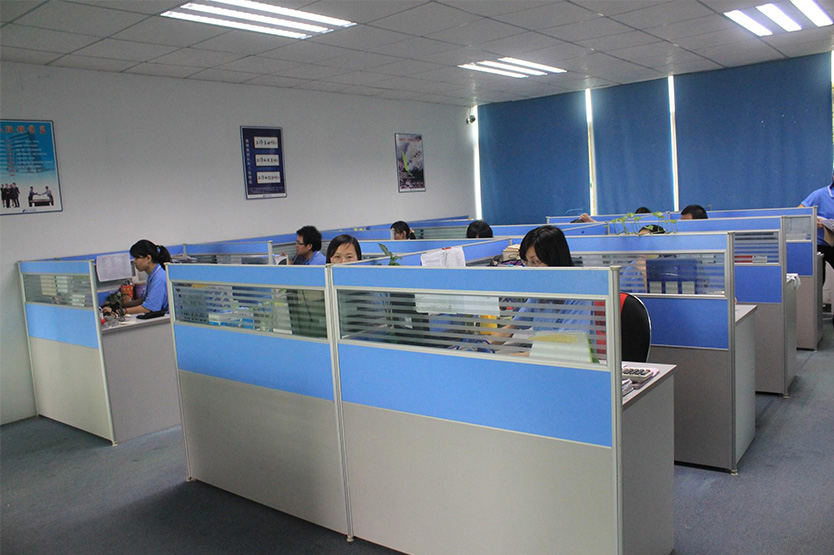
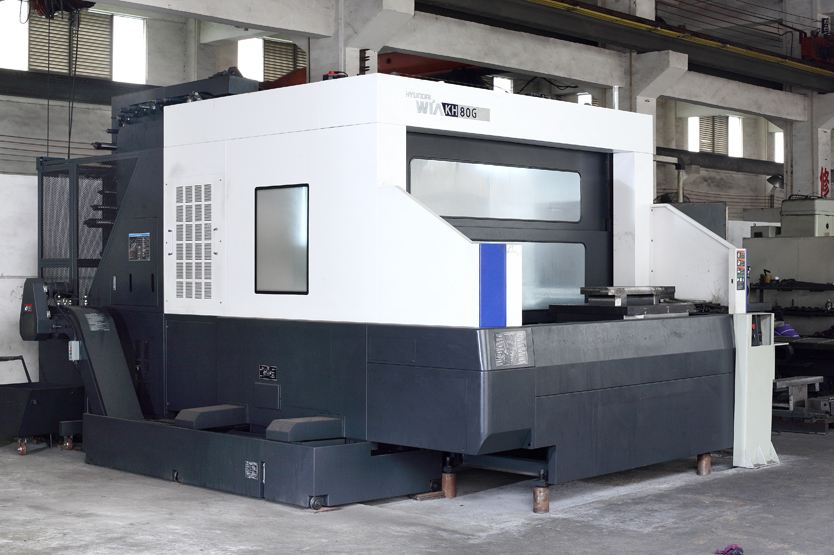
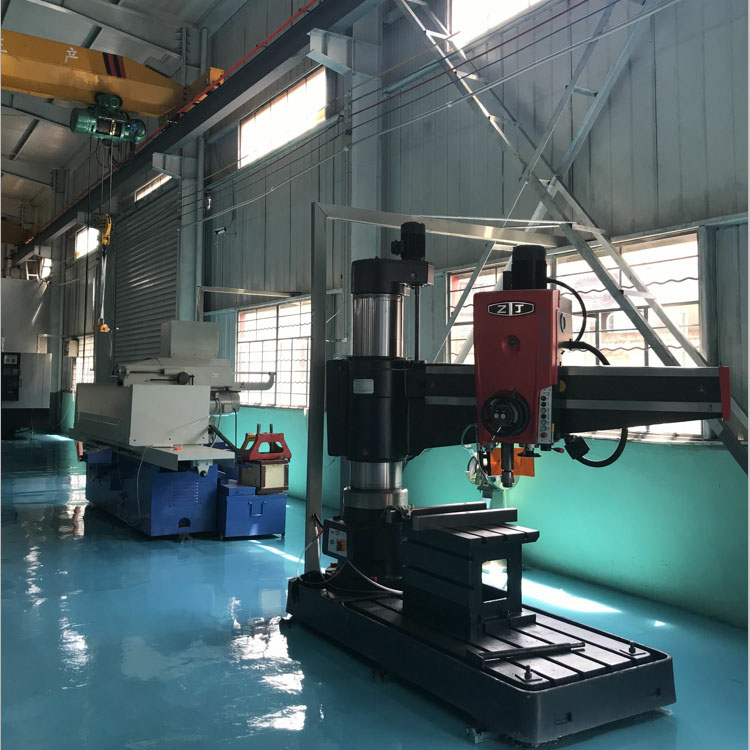
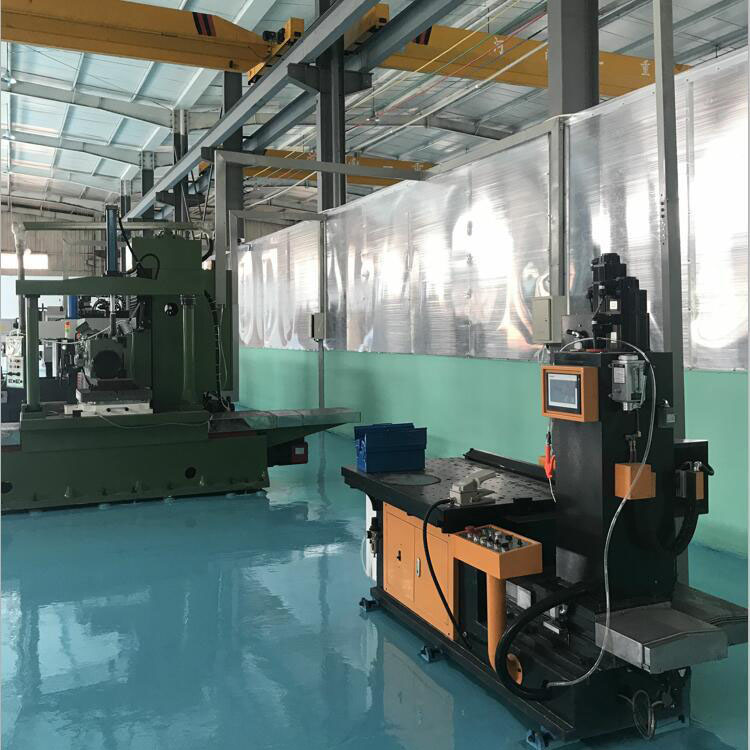
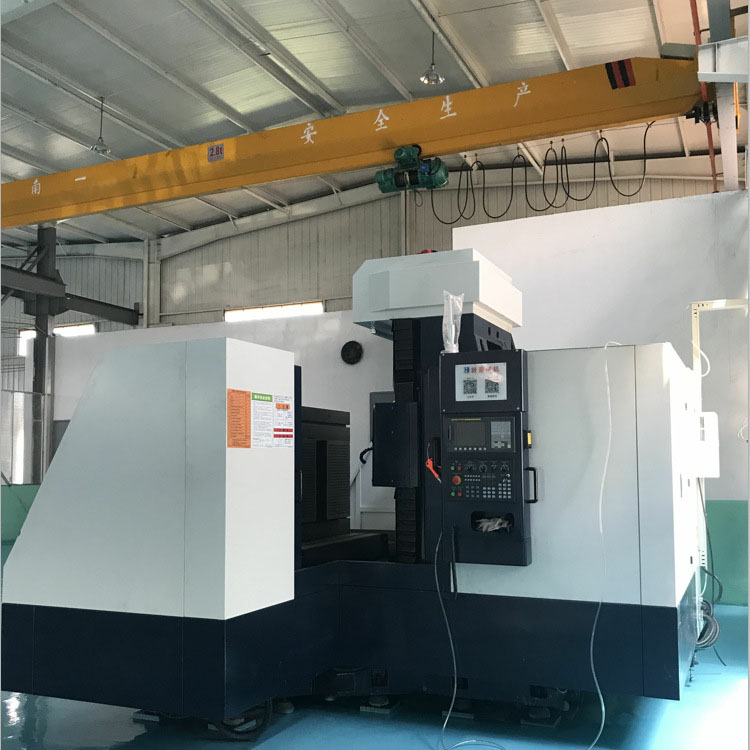
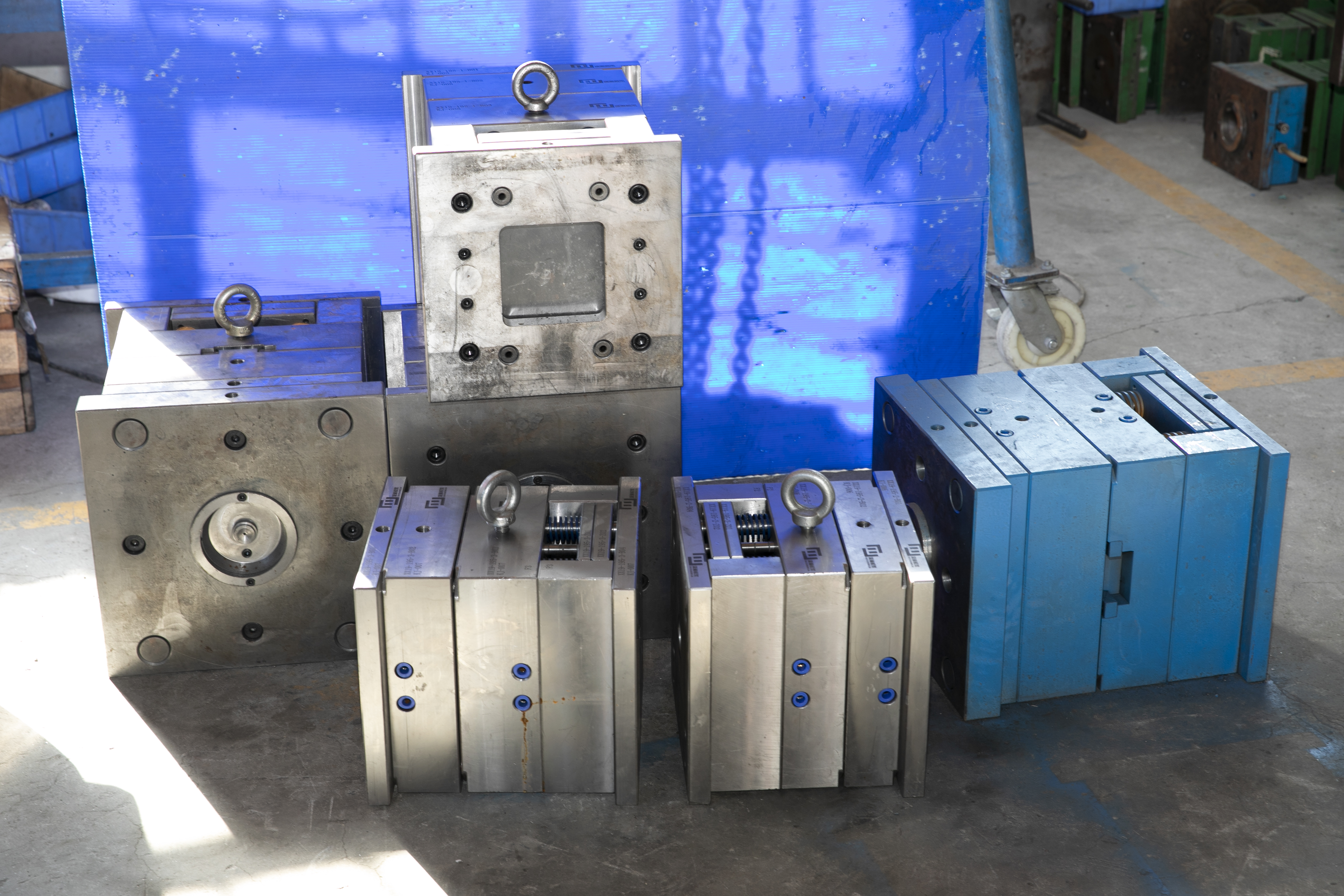
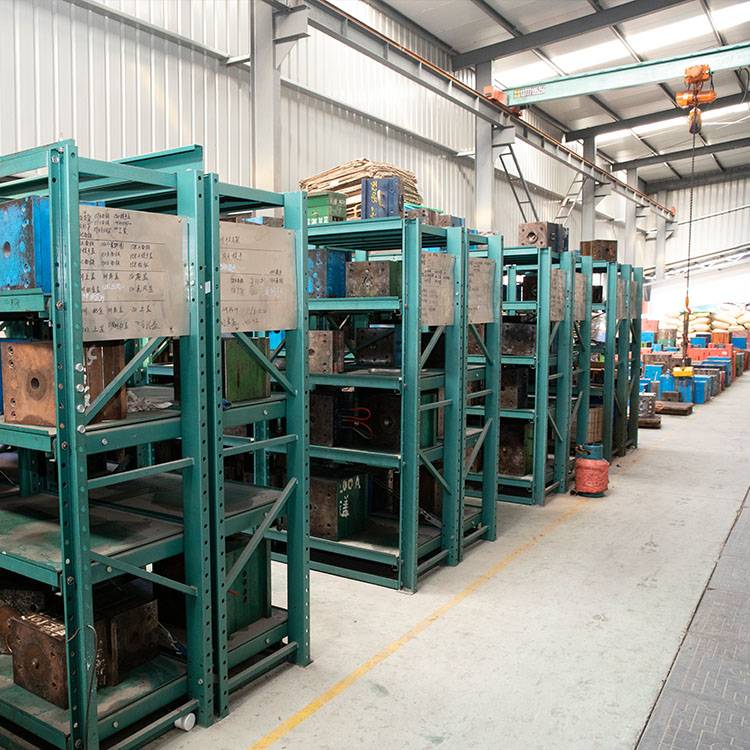
Explore our advanced engineering facilities, including clean-room assembly, high-precision CNC machining centers, and automated injection moulding workshops.
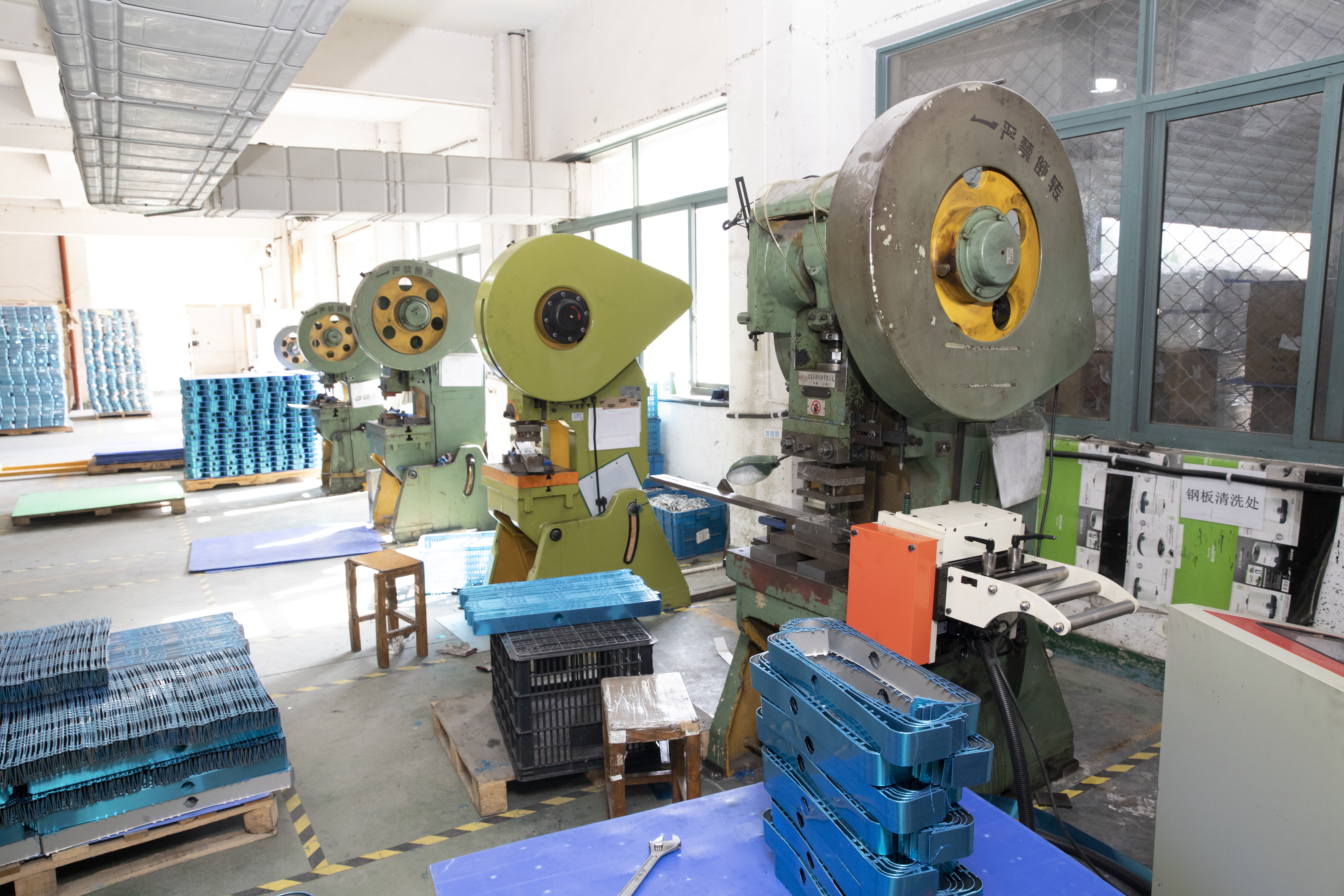
The landscape of signal light manufacturing is changing rapidly as vehicles transition to smart, autonomous, and electric platforms. To remain competitive, mould makers and injection molders must adopt new technologies that support complex visual styles and integrated electronics.
From 3D mold design and raw material selection to precision CNC machining, EDM, trial runs, and final quality control, we ensure every step aligns with ISO standards.

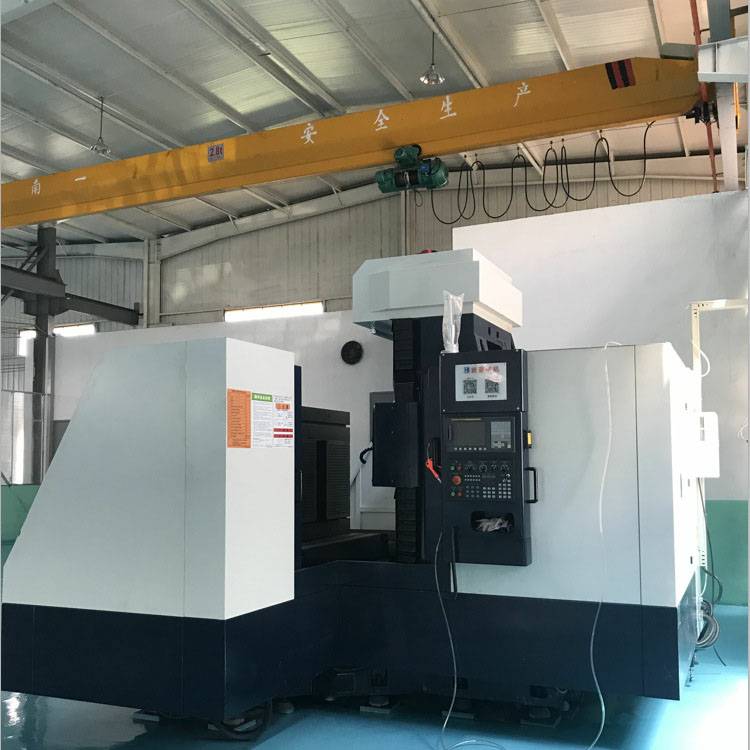
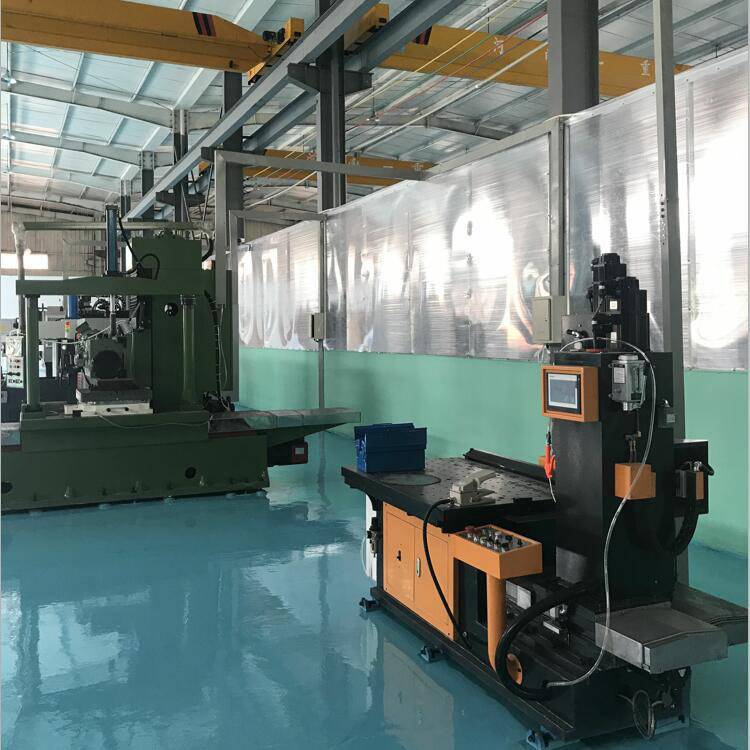
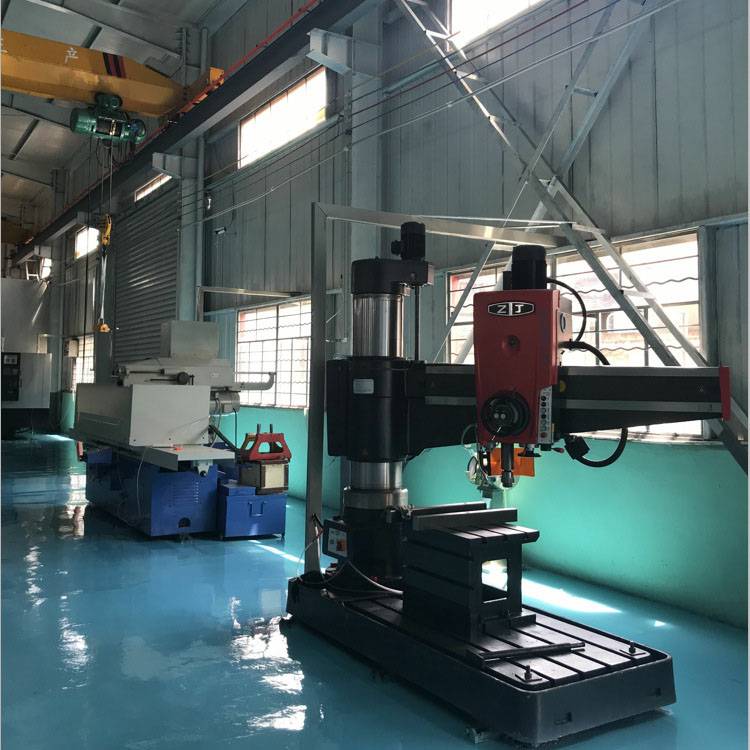
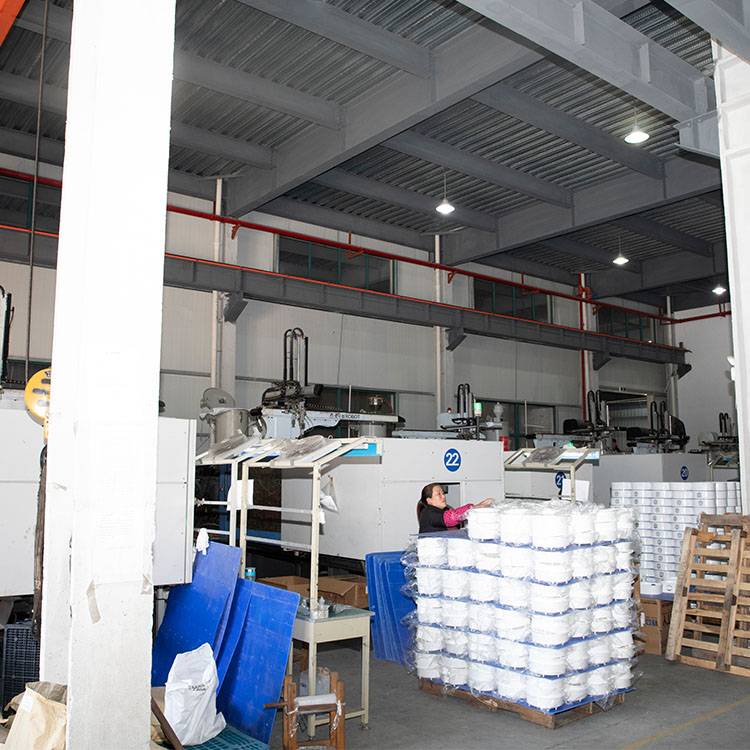
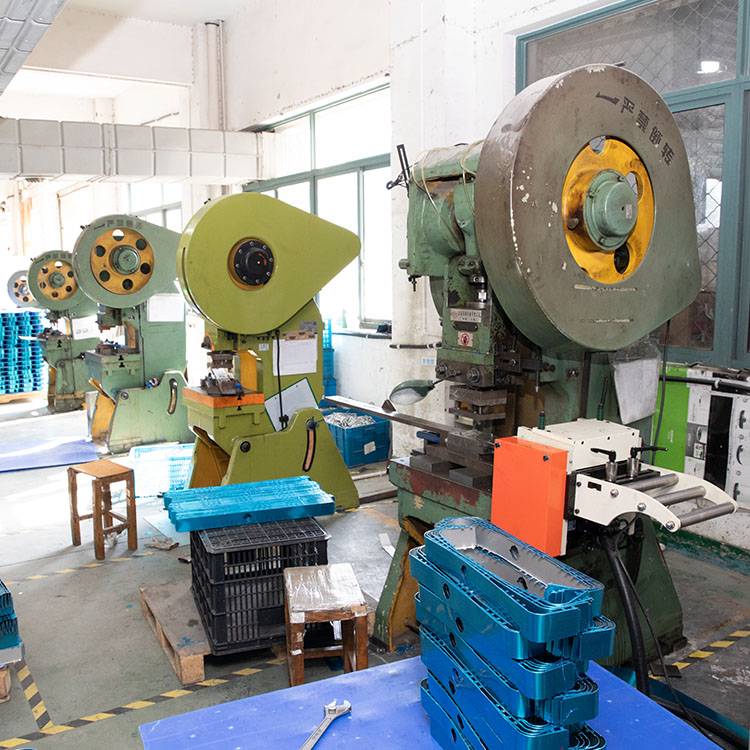
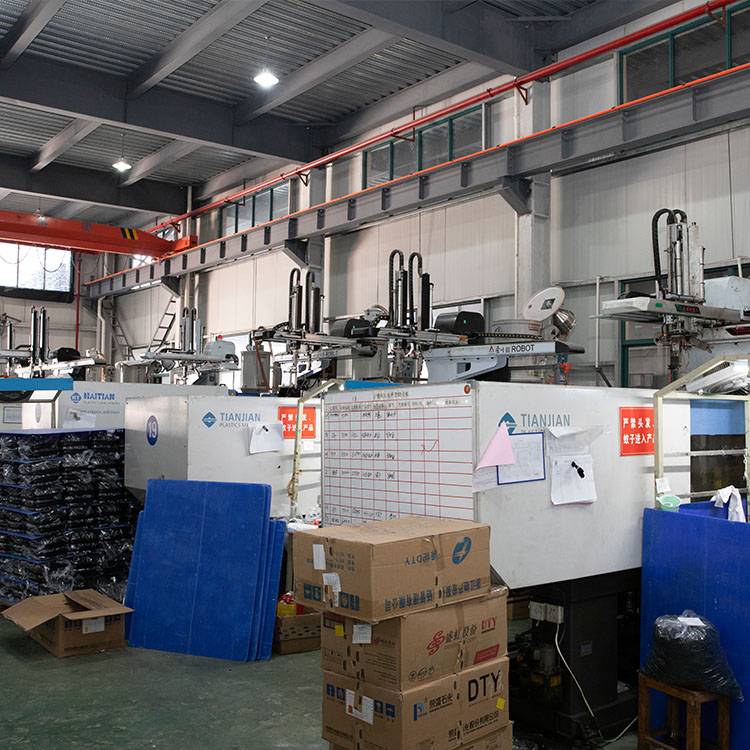
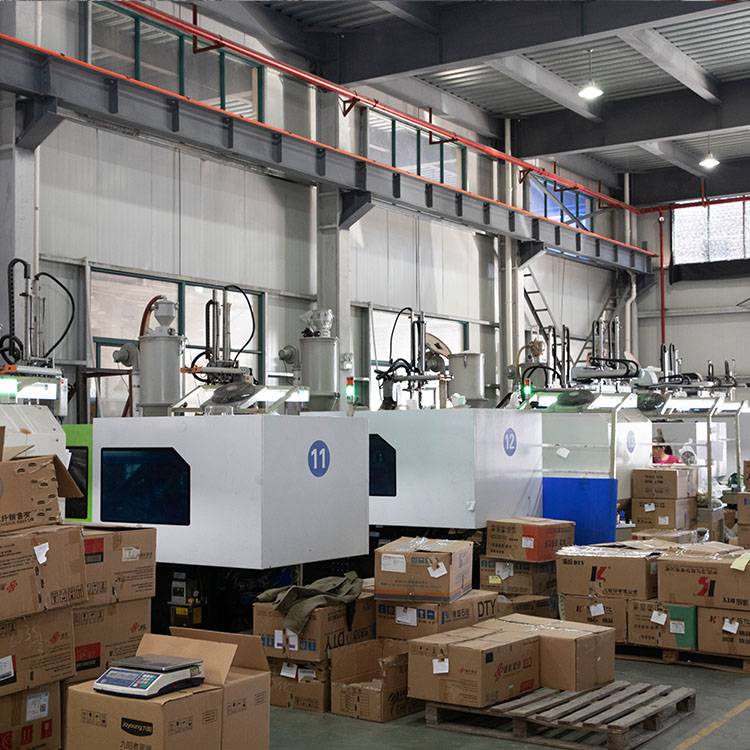
Selecting a professional mould manufacturer is a critical decision that directly impacts the success of your product launch, compliance status, and long-term production profitability. High-quality tooling guarantees parts that consistently meet photometric standards, fit assembly housings perfectly, and resist weathering for years.
At Ningbo P&M Plastic Metal Product Co., Ltd., we combine advanced engineering capabilities with decades of practical manufacturing experience. Our engineering team utilizes state-of-the-art CAD/CAM/CAE software (such as Moldflow analysis) to simulate the injection process, identify potential defects before steel is cut, and optimize gating positions. With our facility located in the heart of China’s tooling hub, we offer our international partners cost-effective manufacturing without compromising on precision, surface finish, or material quality.
Whether you need single-cavity prototype tooling or high-volume multi-shot production moulds, we are equipped to support your project from design to delivery. Contact us today to discuss your signal light part production requirements and let us build a reliable, long-term partnership.