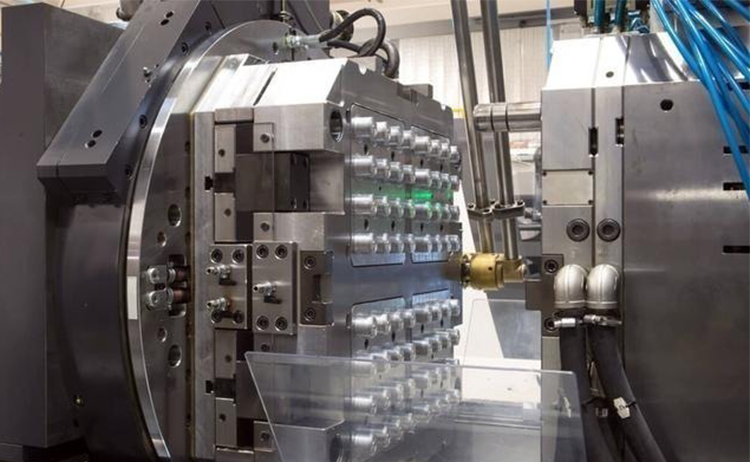
The industrial landscape of Paris and the greater Île-de-France region is undergoing a massive transformation. Historically recognized as the cultural and financial heart of Europe, Paris has rapidly evolved into a key hub for high-tech manufacturing, advanced engineering, and sustainable industrial design. Within this ecosystem, the demand for precision plastic injection molding, particularly for high-volume items like plastic spoons and food-grade cutlery, has reached new heights. Local catering businesses, medical device manufacturers, cosmetics packaging firms, and logistics giants in Paris require high-performance, durable, and highly efficient spoon plastic moulds that conform to strict European standards.
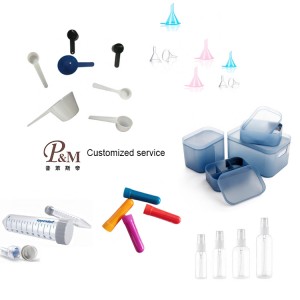
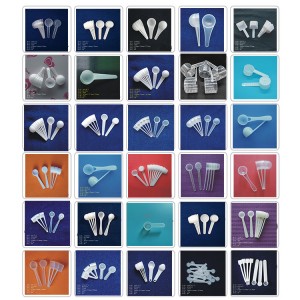
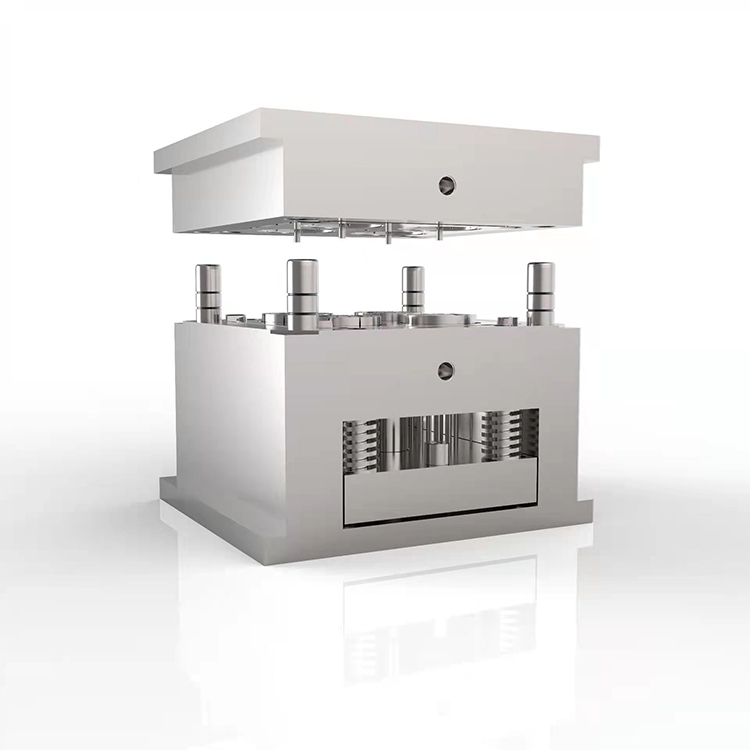
Spoon plastic mould suppliers in Paris are catering to an increasingly sophisticated client base. The production of a seemingly simple item like a plastic spoon actually requires advanced technological integration. A high-quality spoon mould must ensure high-speed cycle times, uniform wall thickness, zero parting line flash, and multi-cavity efficiency. Whether it is for manufacturing baby feeding spoons, medical measuring spoons, or reusable catering cutlery, local companies rely on international manufacturing powerhouses like Ningbo P&M Plastic Metal Product Co., Ltd. to bridge the gap between high-precision toolmaking and cost-effective production.
Note on Regional Regulations: In compliance with the French Anti-Waste for a Circular Economy (AGEC) law, the market in Paris has shifted dramatically from single-use polystyrene cutlery to reusable, dishwasher-safe polypropylene (PP) spoons, as well as bio-based materials like PLA. Modern spoon moulds must be engineered to handle these diverse material properties seamlessly.
In France, and specifically within the bustling economic zone of Paris, plastic spoons serve critical roles across multiple sectors. The application is no longer limited to basic picnic cutlery; instead, it is highly specialized:
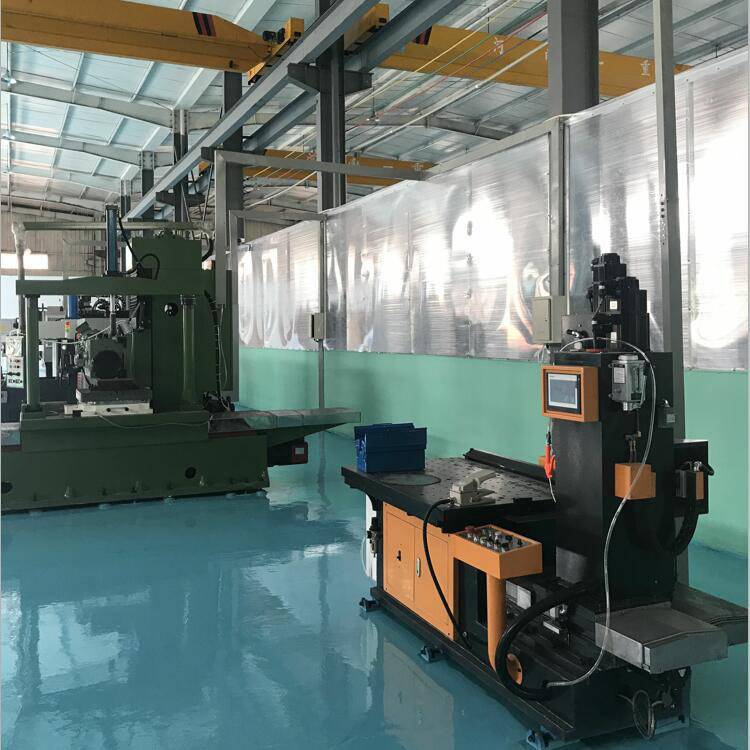
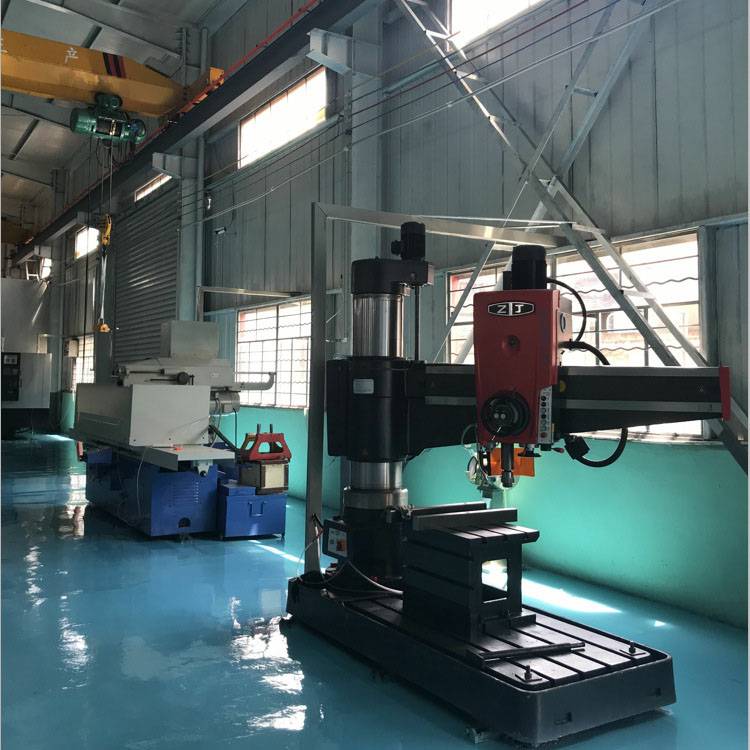
High-performance tooling equipment, robust technical engineering force, and exceptional development capabilities coupled with comprehensive support.
We are proud of our long-term customer retention. If any production issue arises, we actively seek solutions and take responsibility to the end.
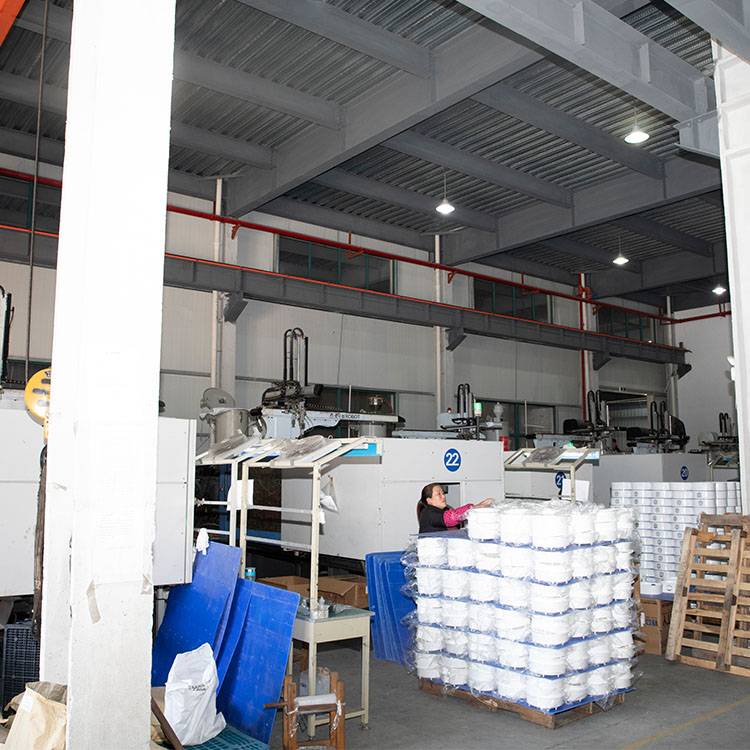
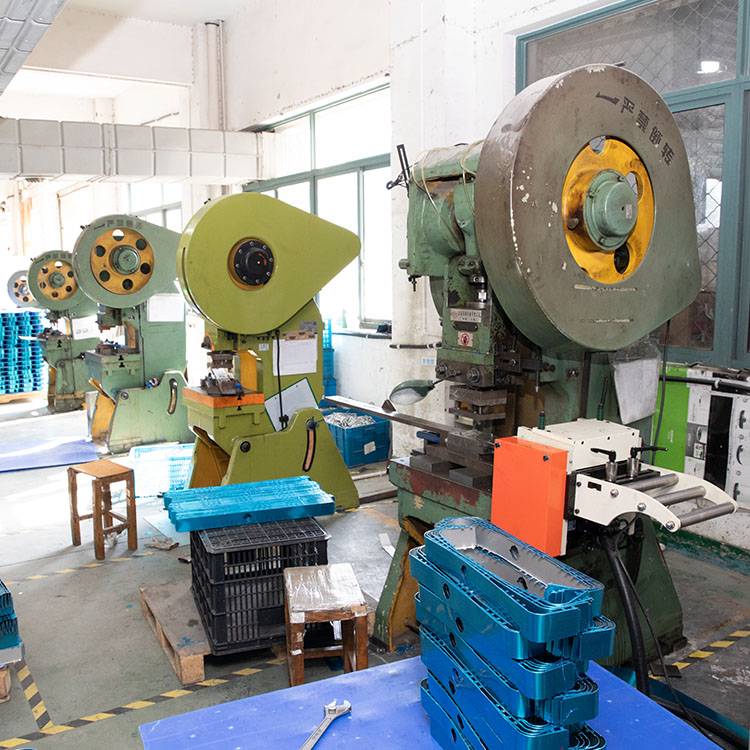
P&M holds an improved system of development and production to achieve mold design, plastic manufacturing, and automated assembly.
High-speed production planning and optimized logistics channels allow customers to receive their finalized products within 30 days.
The injection molding industry is entering an era defined by automation and intelligent control. Modern mold factories are adopting artificial intelligence (AI) and advanced data analytics to refine every stage of production. From initial CAD modeling to real-time sensor monitoring inside the mold cavities, technology is ensuring that high-volume plastic spoon production is more reliable than ever.
Before cutting steel, engineers utilize AI-powered simulation software to conduct mold flow analysis. This predicts how molten plastic will flow into the multi-cavity spoon mould. By simulating temperature variations, shear stress, and cooling rates, the software helps optimize gate locations, runner sizes, and cooling line layouts. This eliminates common injection molding defects such as air traps, weld lines, sink marks, and warpage, ensuring a perfect finish on every single spoon.
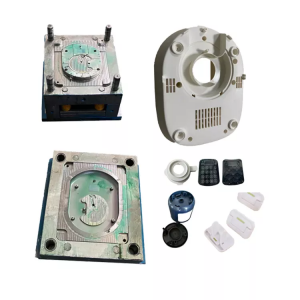
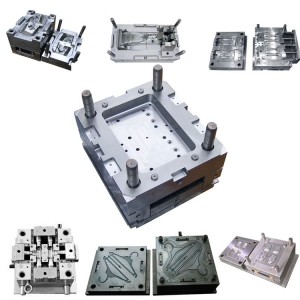
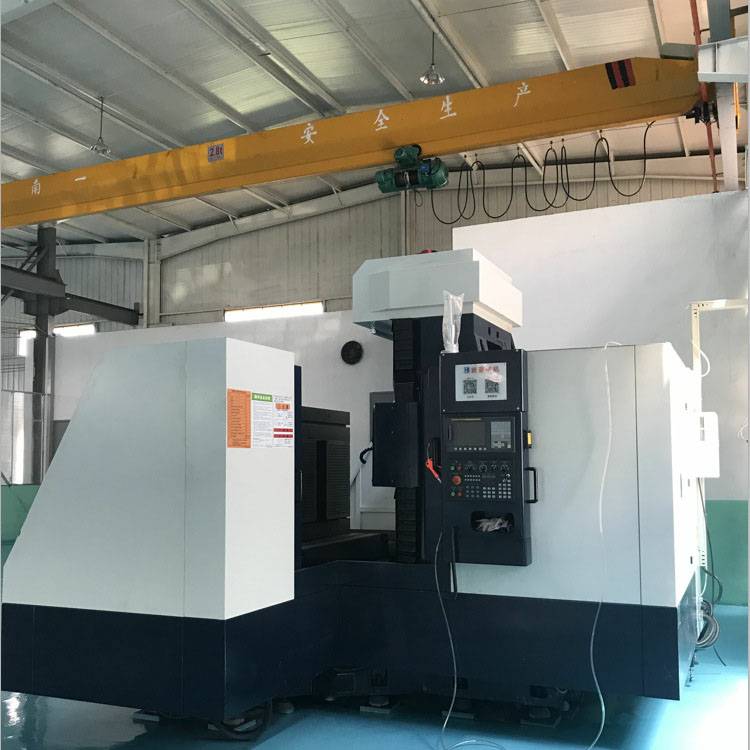
Achieving the perfect, smooth edge on a spoon requires exceptionally tight tolerances. Modern toolrooms employ high-speed CNC machining centers and Electrical Discharge Machining (EDM) to carve the cavities into premium steel blocks (such as H13 or S136 stainless steel). This level of precision prevents parting line flash—the thin plastic excess that can form on the edges of spoons, which is a critical quality failure for consumer-facing cutlery.
Internet of Things (IoT) sensors embedded directly within the spoon moulds monitor pressure, temperature, and cycle times in real-time. This data is transmitted to centralized control systems, enabling predictive maintenance. If a temperature deviation is detected in cavity number 16, the system alerts operators before defective products are produced, minimizing waste and maximizing uptime.
Ningbo P&M PLASTIC METAL PRODUCT CO., LTD is located in Yuyao, the so-called Mould City, Plastic Kingdom, in the southern tip of Hangzhou Bay Bridge, north of Shanghai, the east of Ningbo Port, tight double line of State Road 329 on land, sea and air traffic into a network to facilitate transport. By the abundant technical strength, scientific management methods and good after-sales service, products are deeply trusted and welcomed by customers from all over the world.
P&M started domestic business in 2008 and opened up the international market in 2014, always adhering to the principle of quality first and time supreme. While providing customers with the best quality products, it maximizes production efficiency and shortens production time. Our main products include the design and manufacturing of plastic molds, plastic products, and metal products. 90% of our products are exported to America, Europe, Germany, Japan, Australia, and other global regions.

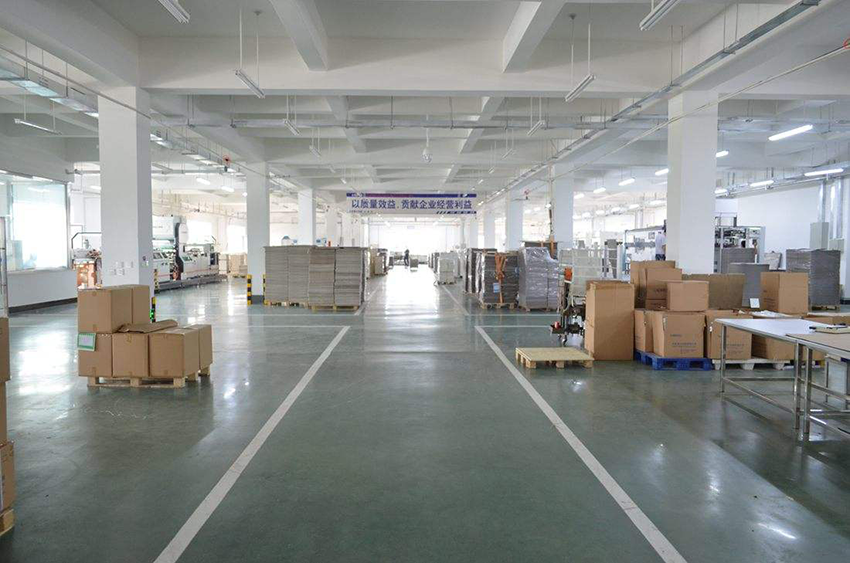
P&M adheres to market-oriented principles, focusing on quality service and continuous development of new products to establish a better corporate image and foster wide business exchanges and cooperation.
Take a virtual tour through our state-of-the-art manufacturing facility. From our modern offices to the high-precision CNC machining centers, we maintain rigorous standards at every stage of the production process.
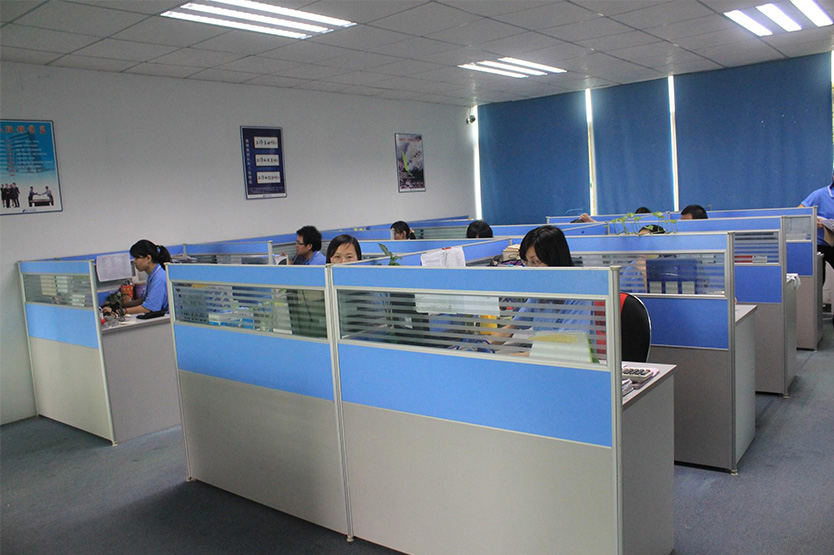
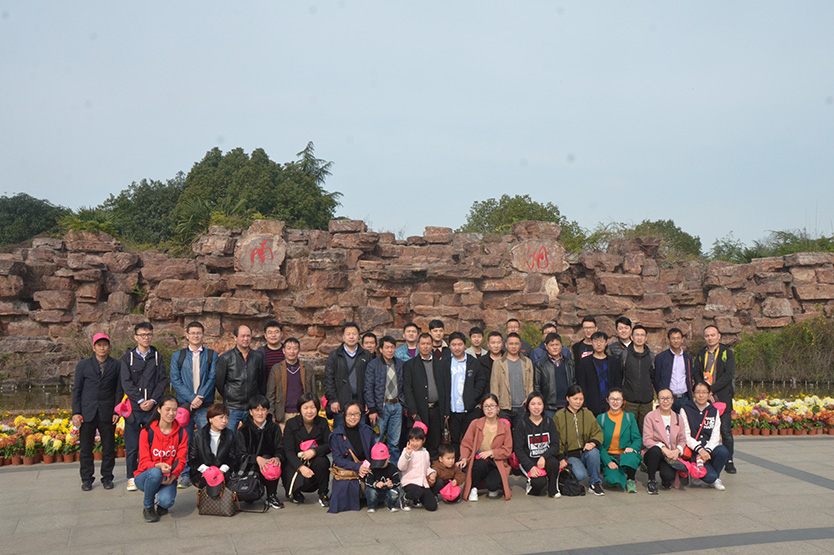
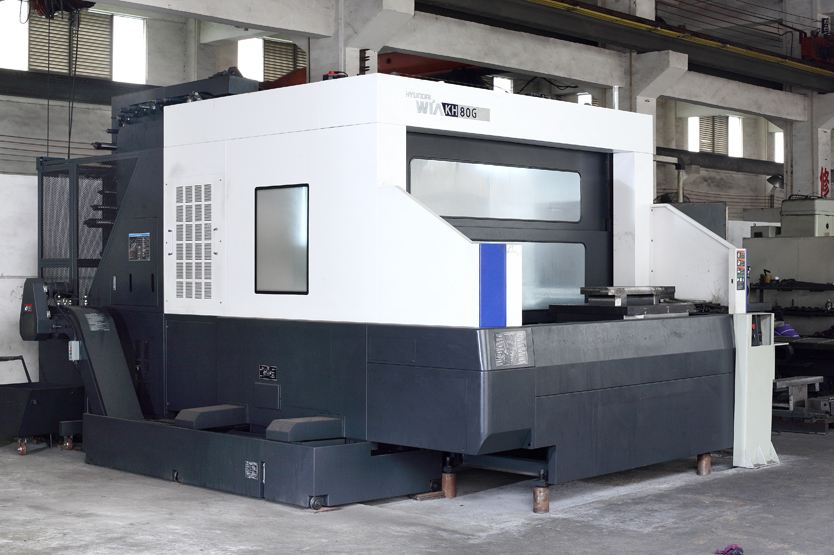
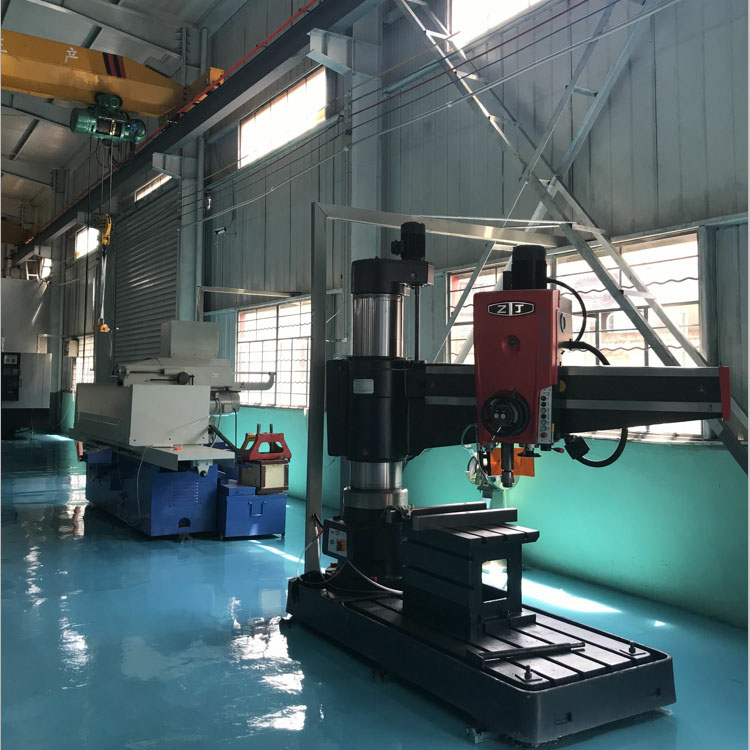
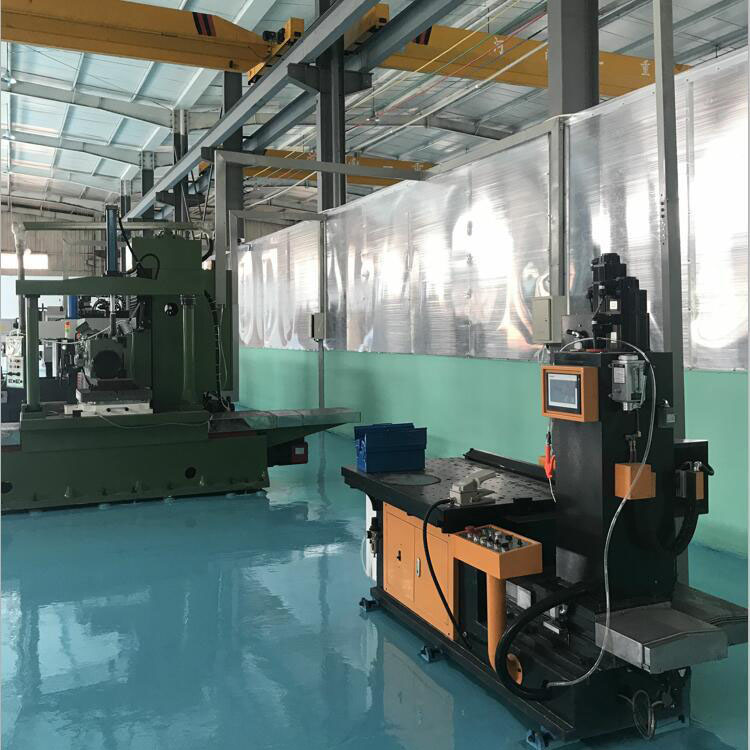
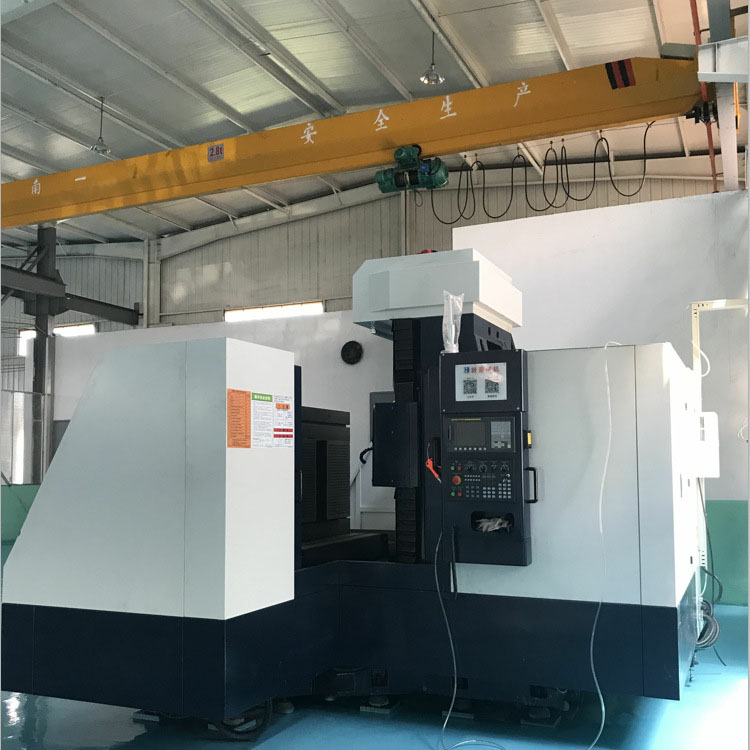
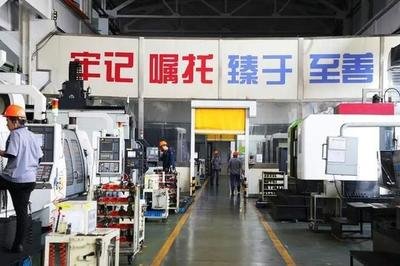
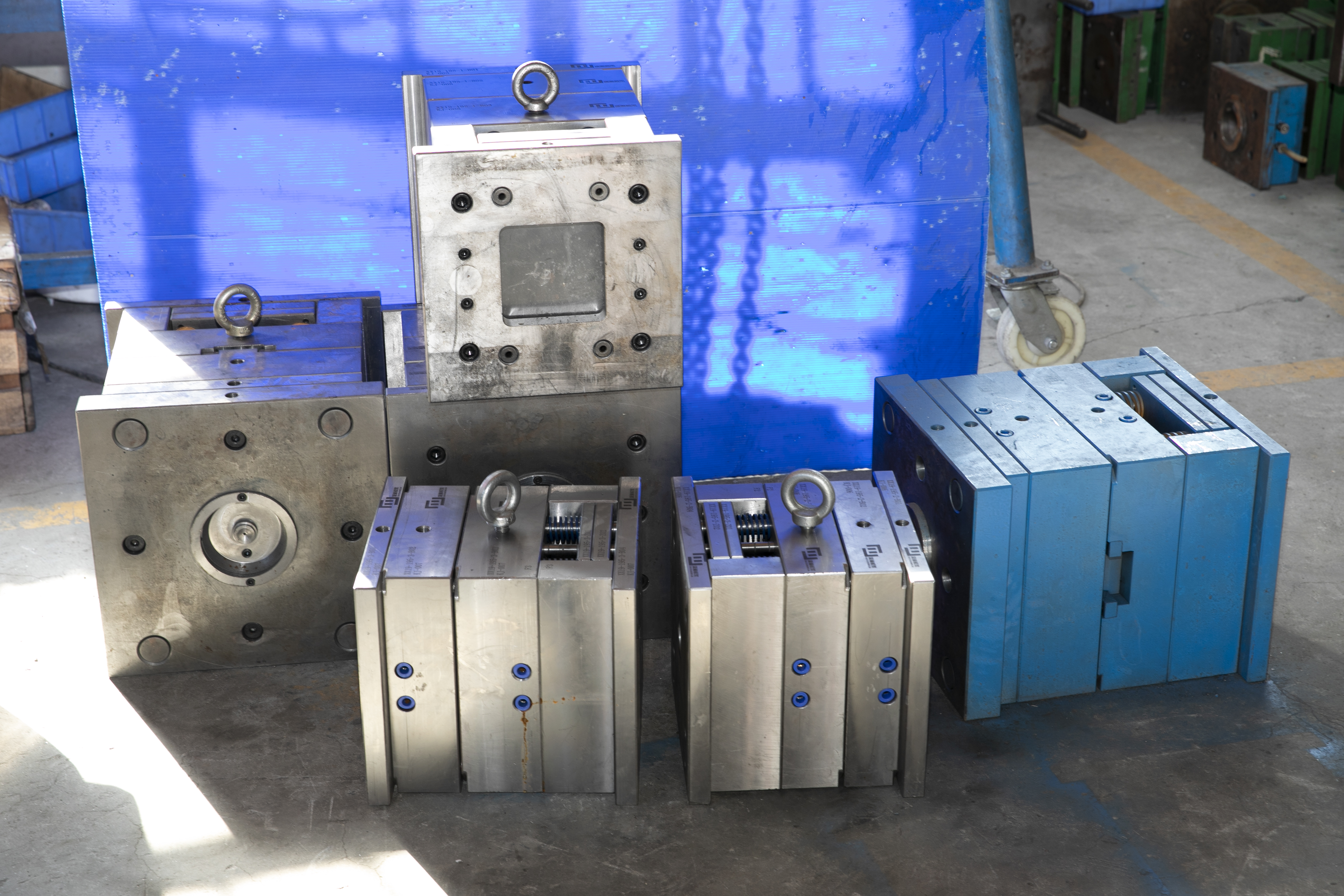
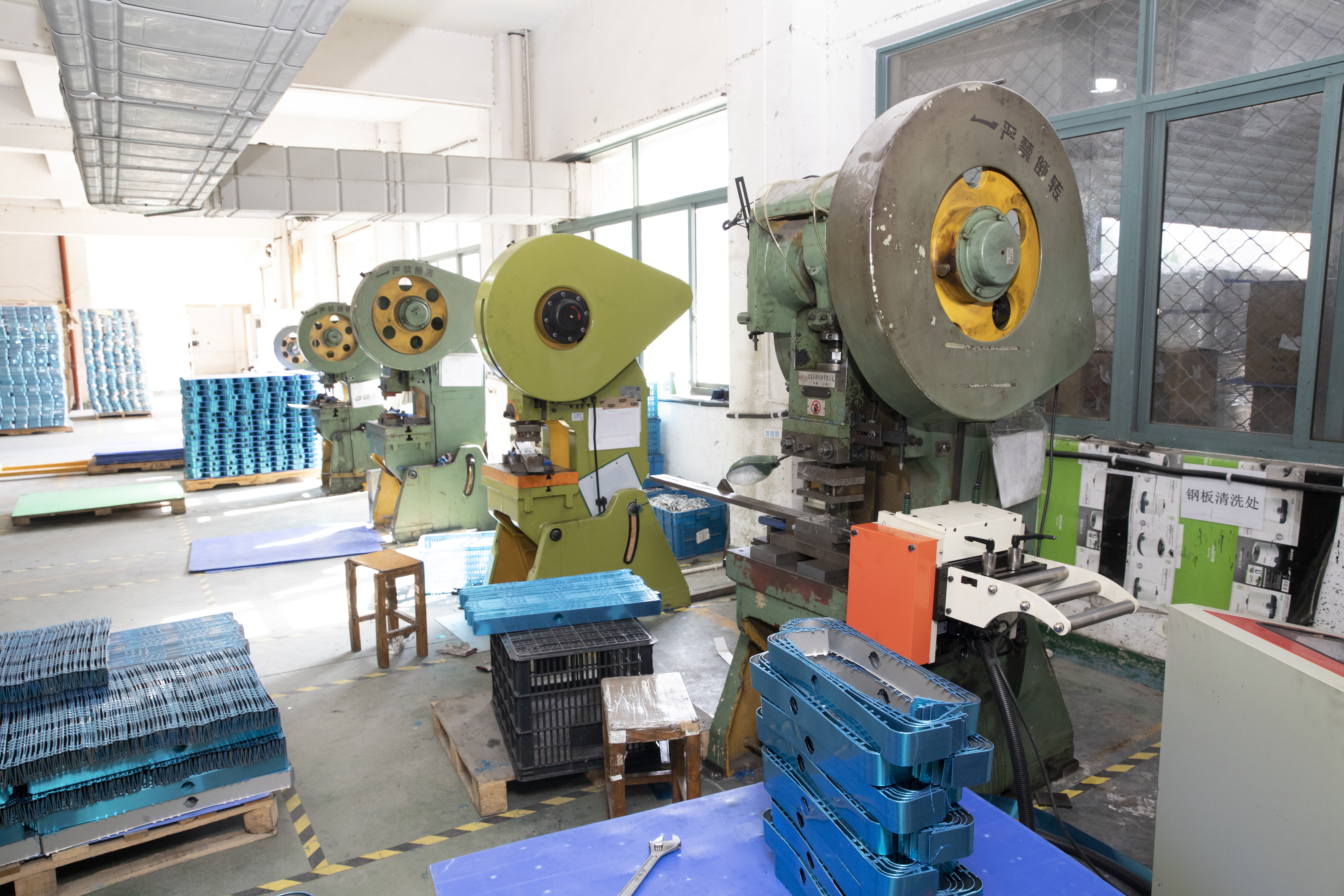
We belong to Ningbo P&M Plastic Metal Product Co., Ltd, located in Yuyao. Our manufacturing workflow is structured to ensure that every step, from raw material selection to final quality control, aligns with global industrial benchmarks.

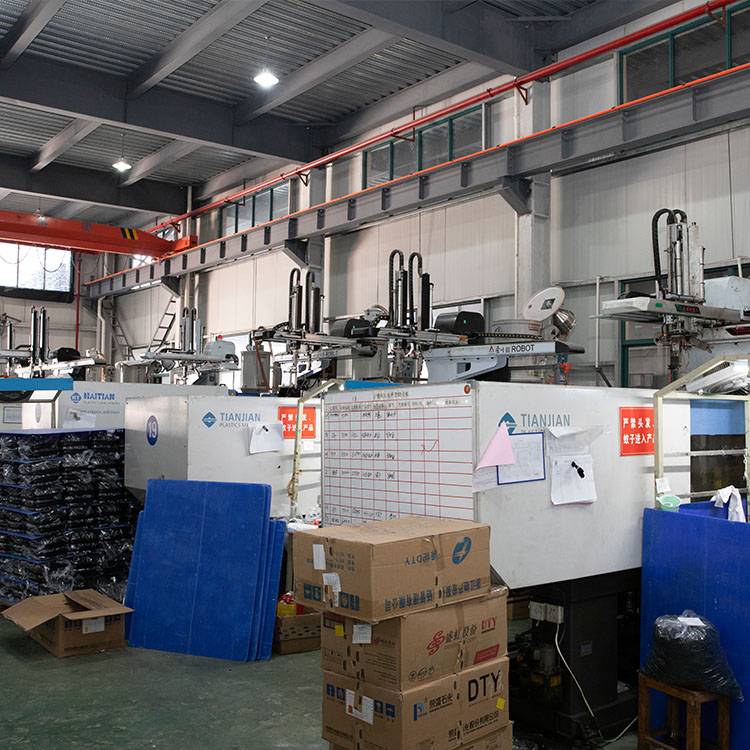
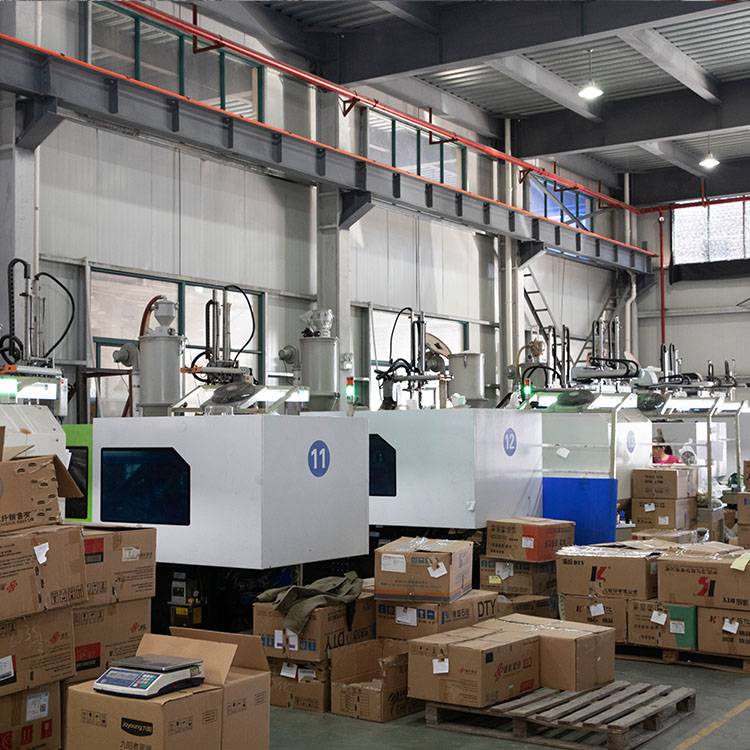
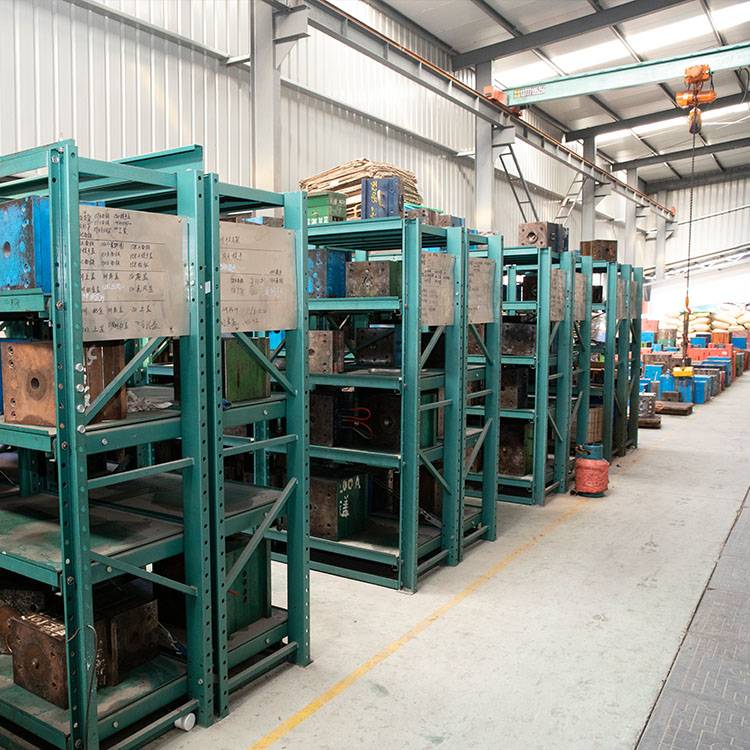
As sustainability regulations tighten across Europe and France, plastic spoon manufacturers must adapt to new material realities. The traditional reliance on single-use plastics has given way to advanced engineering solutions that prioritize circularity and environmental safety.
Polylactic Acid (PLA) and Polyhydroxyalkanoates (PHA) are increasingly used for eco-friendly cutlery. However, processing bio-plastics requires specialized mold designs. Bio-plastics have narrower processing temperature windows and different shrinkage behaviors compared to standard petroleum-based resins. Our spoon moulds are engineered with optimized cooling channels to manage crystallization rates, preventing deformation and ensuring dimensional stability.
To meet the criteria for "reusable" cutlery under French law, plastic spoons must withstand dozens of washing cycles in commercial dishwashers. This requires thicker walls and structurally reinforced designs. Our engineering team designs spoon moulds with optimized gate placements to ensure even material distribution, reducing internal stresses that could lead to cracking during high-temperature washing cycles.
Using recycled plastics like rPET or rPP is an excellent way to reduce carbon footprints. However, PCR resins often contain impurities that can cause outgassing or mold wear. To combat this, we utilize corrosion-resistant steel coatings and incorporate advanced venting systems into our spoon moulds, ensuring long tool life and high-quality parts even when using recycled feedstocks.