
In the modern manufacturing landscape, Kawachi has rapidly evolved into a vital industrial hub, driving regional growth through technological innovation and advanced logistics. As businesses in Kawachi expand their production capacities, the demand for precision engineering, high-durability tooling, and customized plastic components has reached unprecedented heights. Plastic injection moulding stands at the core of this transformation, serving as the foundational process for sectors ranging from automotive assemblies to consumer electronics and medical device manufacturing.
As a leading Plastic Moulds Supplier & Manufacturer in Kawachi, we bridge the gap between global engineering excellence and localized industrial requirements. The industrial sectors in Kawachi demand components that exhibit not only high dimensional accuracy but also structural integrity under extreme operational conditions. By leveraging state-of-the-art injection moulding technologies, we support local manufacturers in streamlining their supply chains, reducing material waste, and achieving optimal cycle times.
The manufacturing dynamics within Kawachi are shifting toward automation and smart manufacturing. High-tech facilities require custom-designed housings, intricate gear mechanisms, and specialized structural parts. Our plastic moulds play an indispensable role in these localized applications:
By aligning our design capabilities with the stringent regulatory frameworks and quality standards of Kawachi's primary industries, we ensure that every mould we ship delivers consistent performance over millions of cycles.
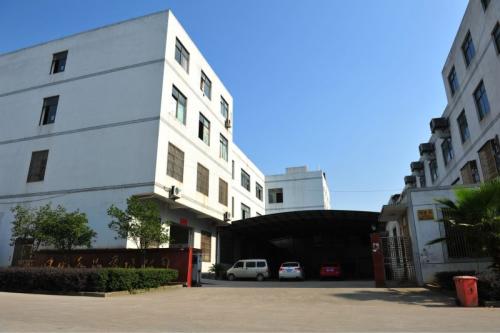
Ningbo P&M Plastic Metal Product Co., Ltd is located in Yuyao, widely recognized as the "Mould City" and "Plastic Kingdom." Positioned strategically at the southern tip of the Hangzhou Bay Bridge, our facility enjoys seamless connectivity to the north of Shanghai and the east of Ningbo Port. With the double line of State Road 329 providing direct land access, our integrated sea, land, and air logistics network guarantees rapid, reliable transit for clients worldwide, including the industrial hubs of Kawachi.
Backed by abundant technical strength, scientific management methodology, and a highly responsive after-sales service team, our products have earned deep trust from clients across North America, Europe, Japan, and Australia. We specialize in the complete lifecycle of product development—from initial CAD/CAM design and rapid prototyping to precision mould manufacturing and fully automated mass production.
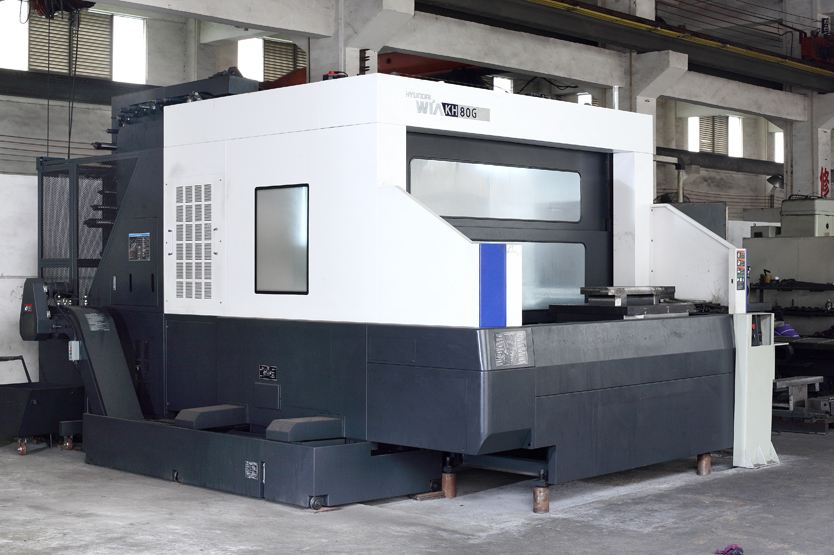
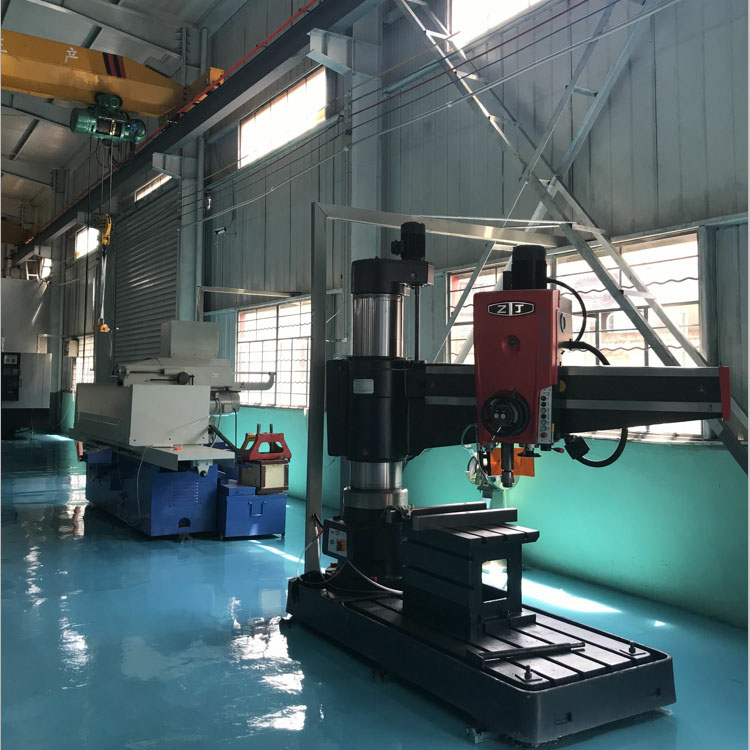
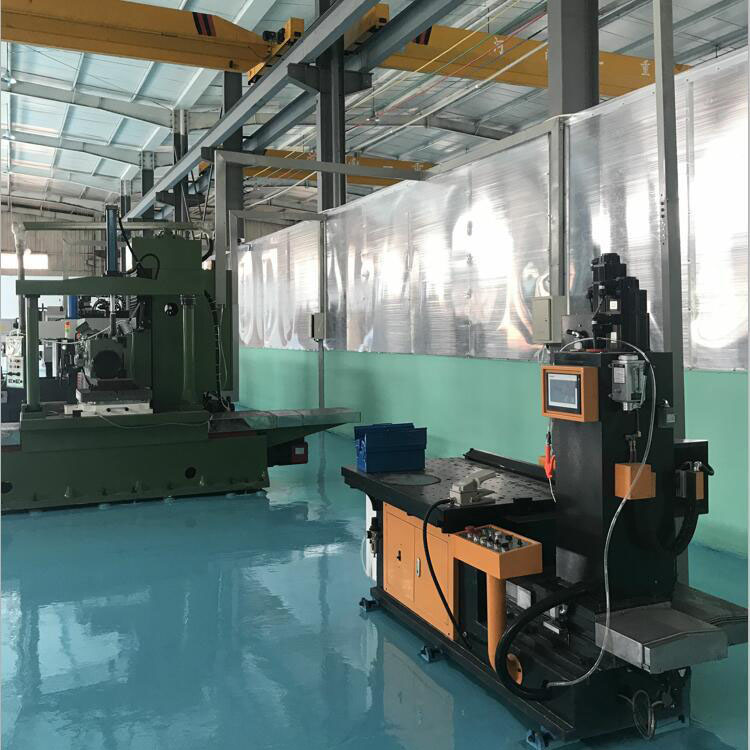
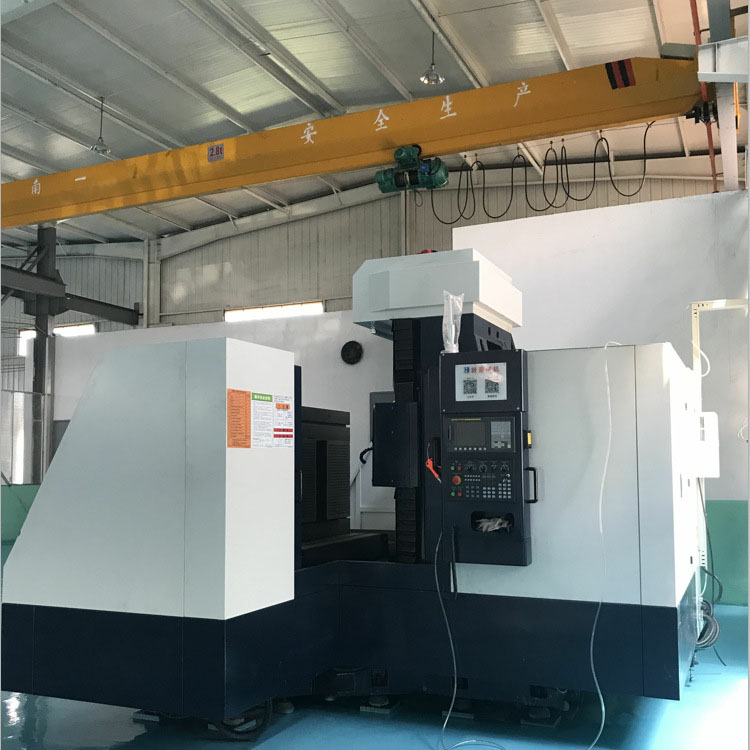
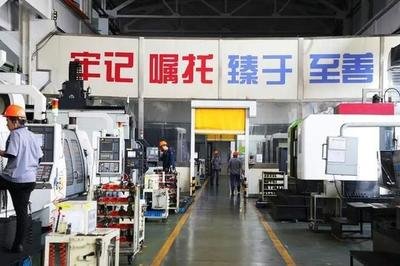
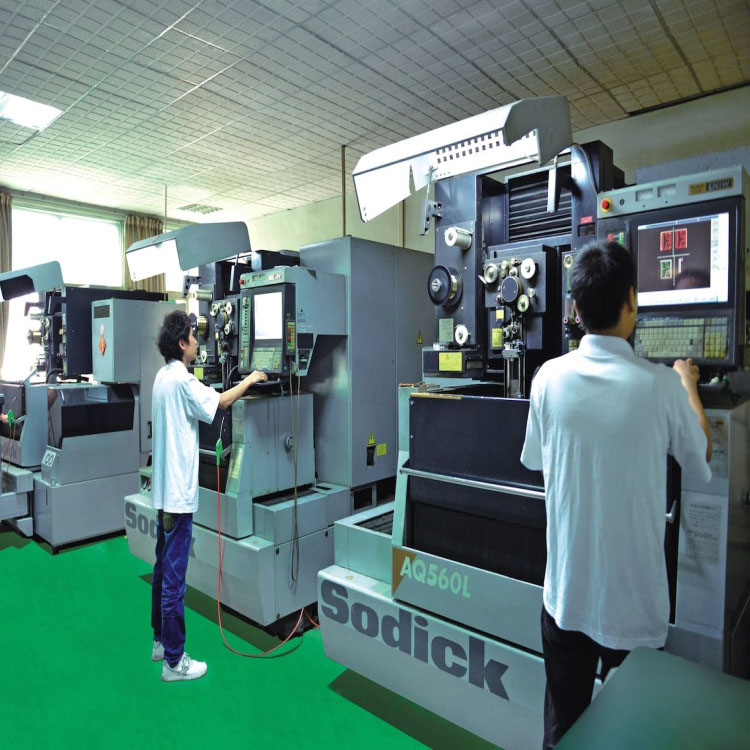
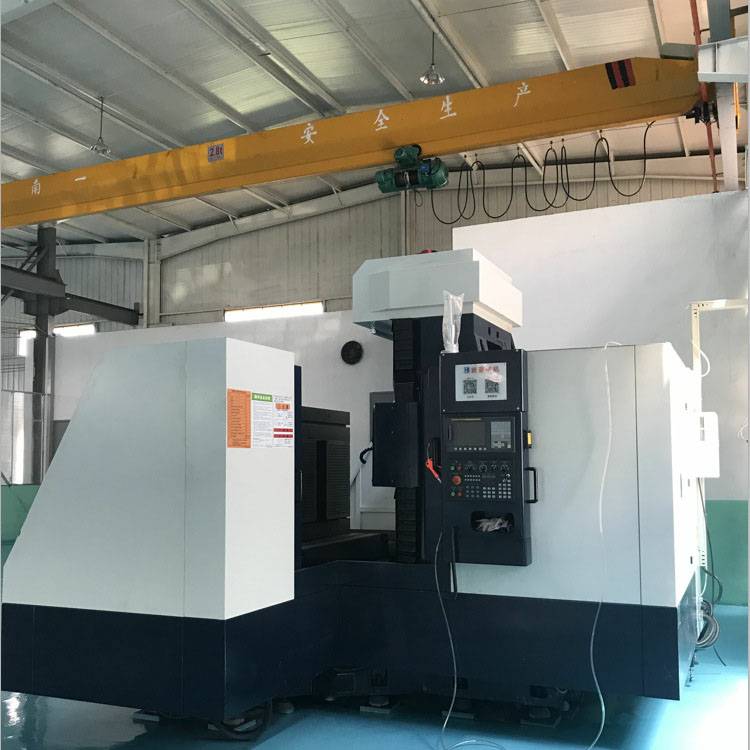
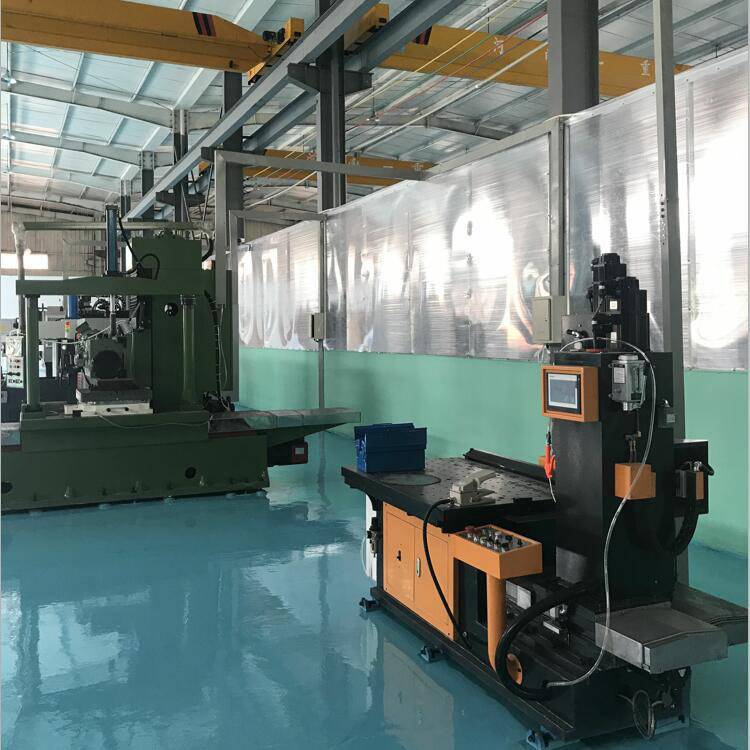
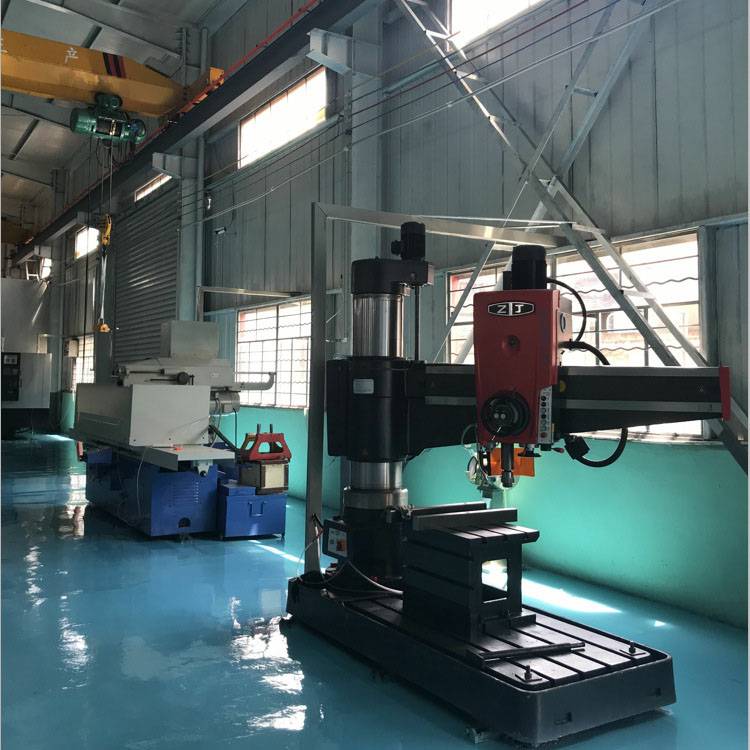
Our facility is equipped with high-performance CNC machining centers and EDM tooling, backed by a strong development capability and rigorous quality control protocols.
We take pride in maintaining long-term partnerships. If any production or design issues arise, our engineering team actively seeks immediate, responsible resolutions.
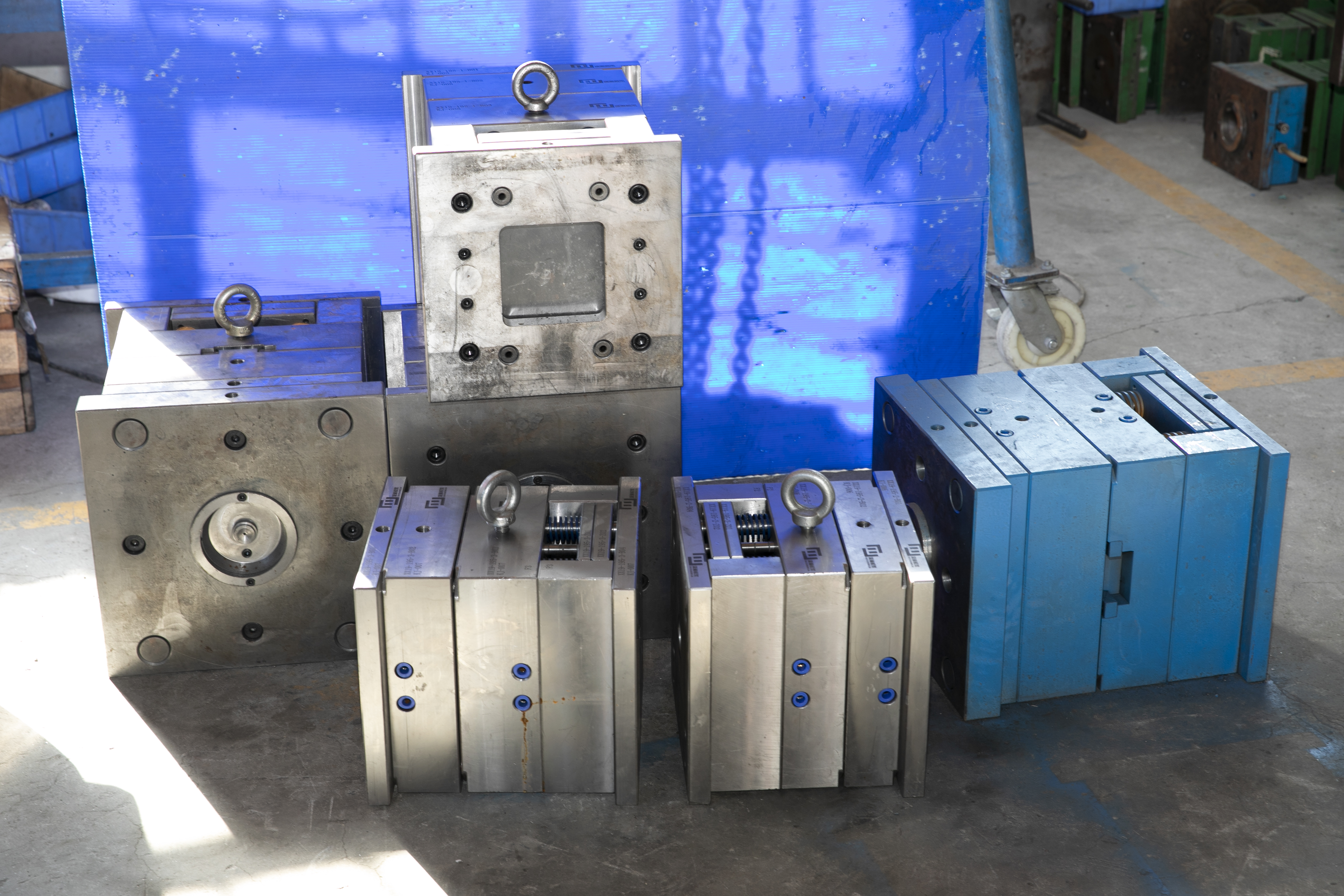
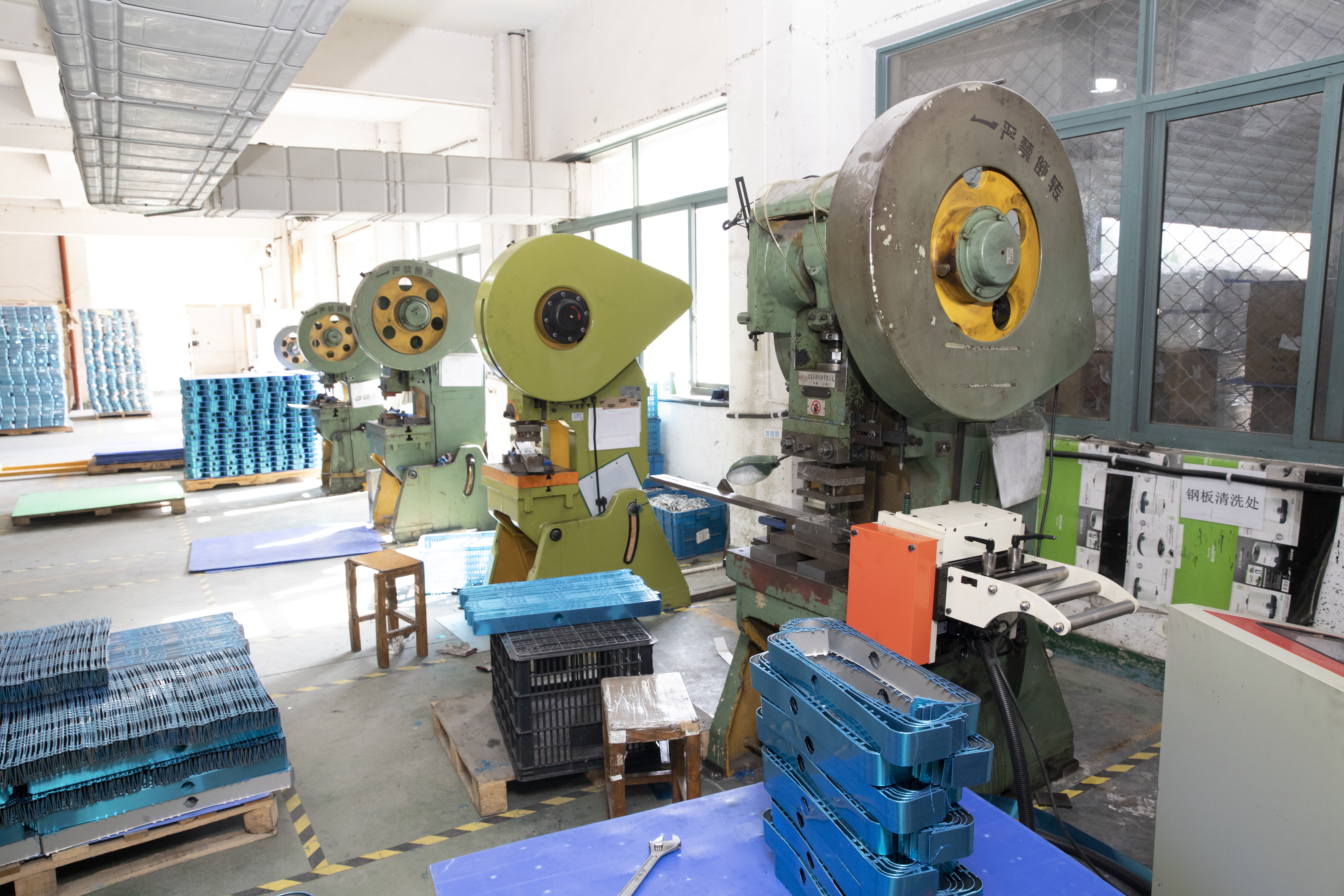
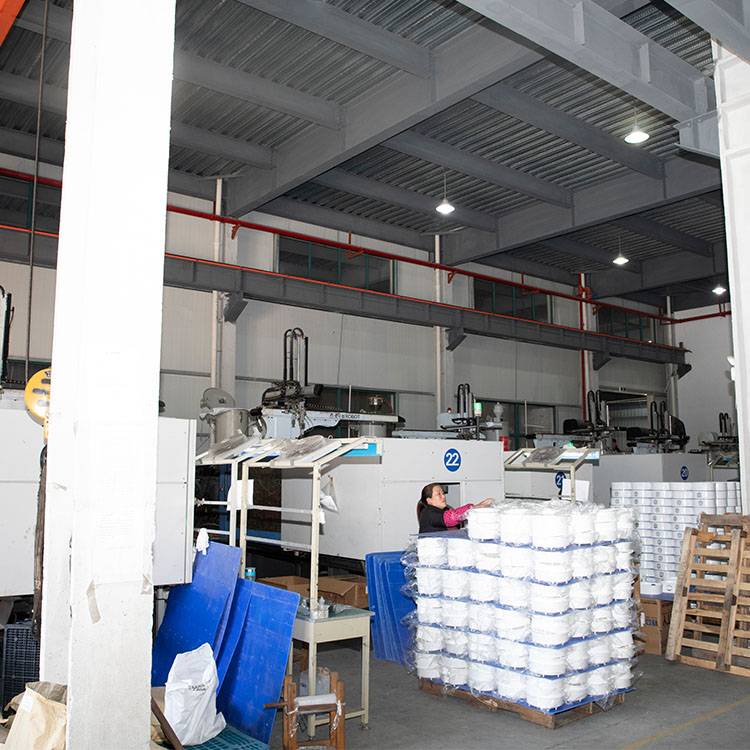
P&M holds an improved system of development and production, seamlessly integrating custom mould design, plastic injection, and automated post-processing.
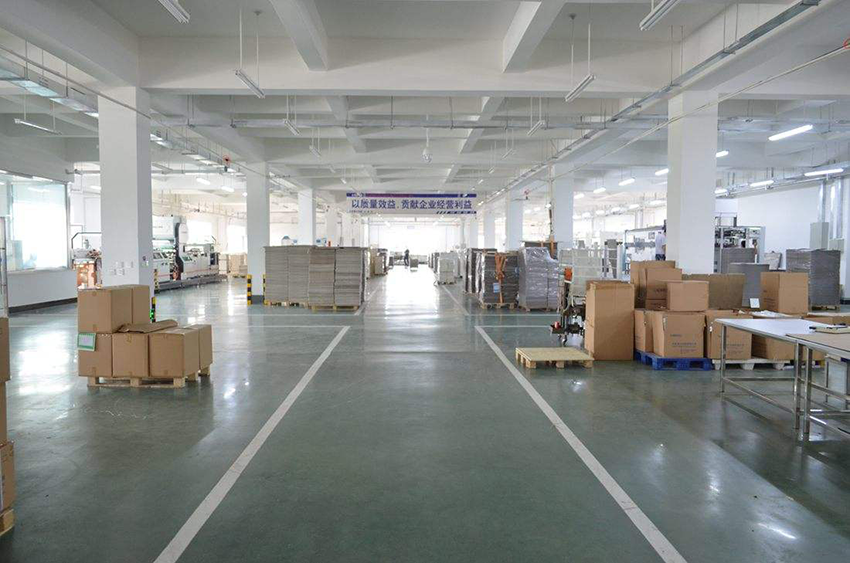
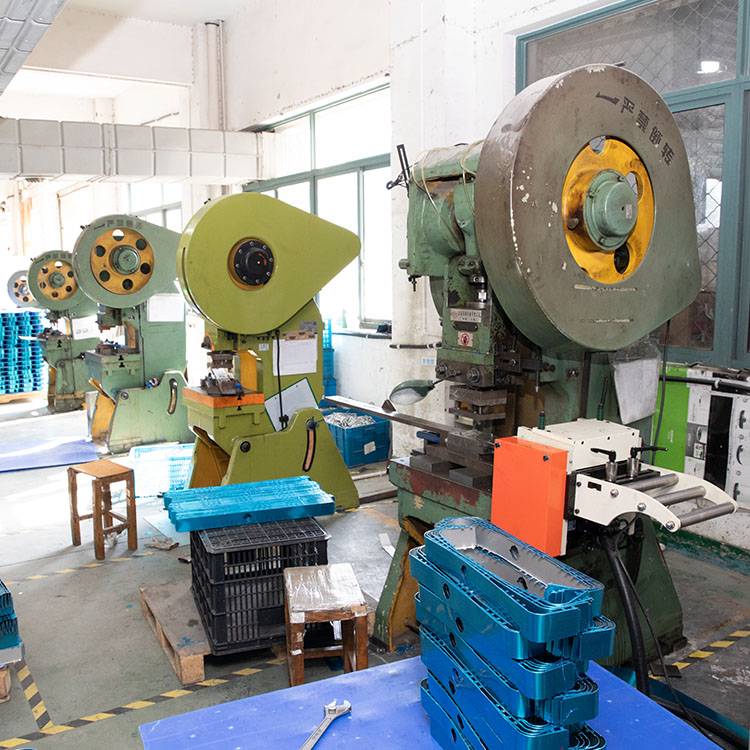
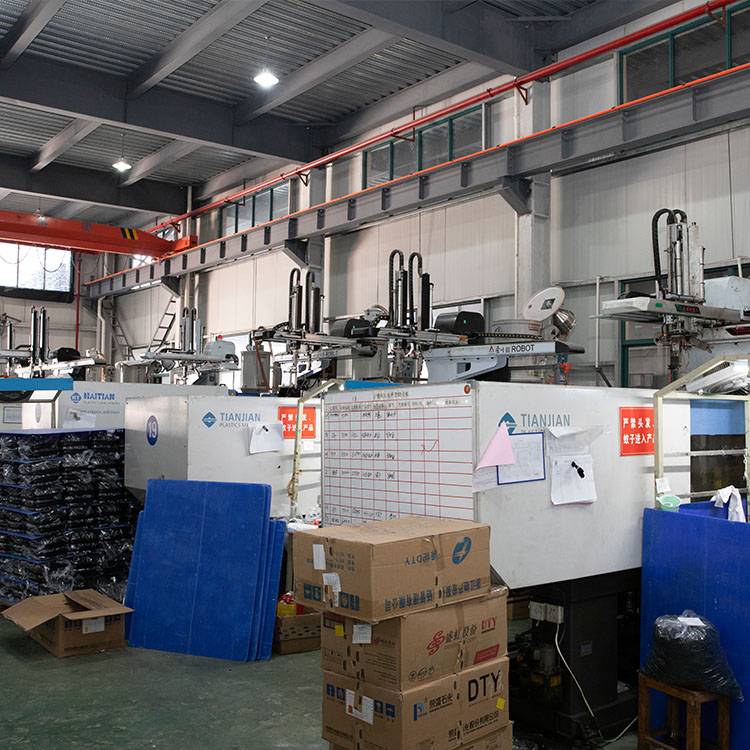
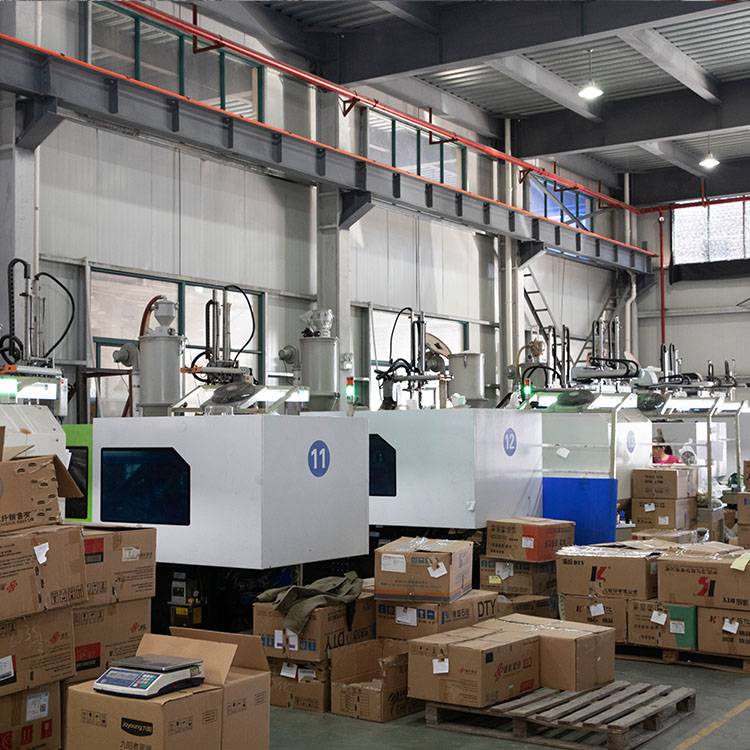
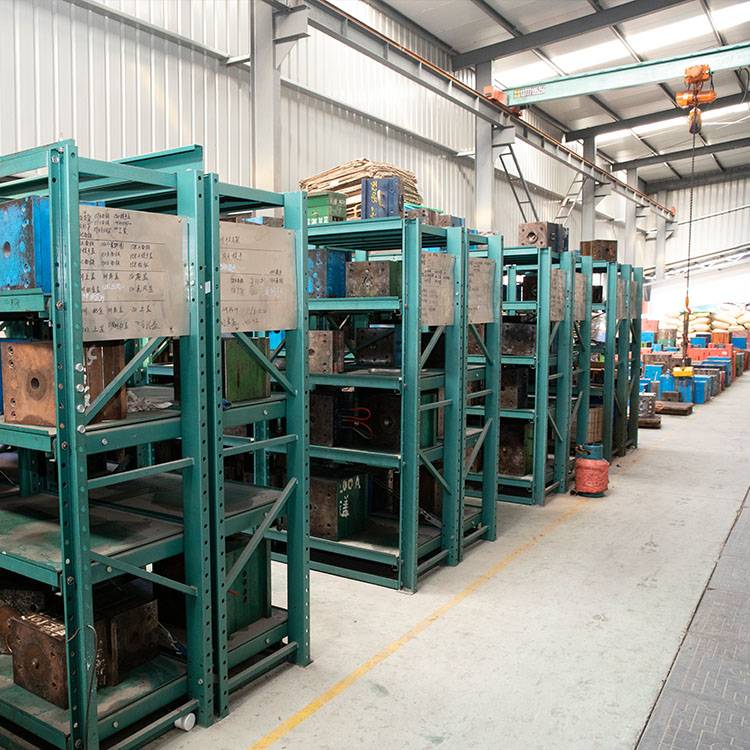
Step inside our advanced manufacturing facility. We continuously invest in high-speed CNC milling, precision wire cutting, EDM machines, and automated injection moulding equipment to maintain tight tolerances and rapid turnaround times.
The global plastic injection moulding industry is undergoing a technological revolution, heavily influenced by automation, AI-driven process controls, and sustainable manufacturing practices. As a forward-thinking plastic moulds supplier, Ningbo P&M integrates these advancements directly into our tooling design and manufacturing processes. This technological edge is particularly beneficial for our clients in Kawachi, who operate in highly competitive sectors requiring rapid iteration and maximum cost-efficiency.
Before we cut a single block of steel, our engineering team utilizes advanced Moldflow simulation software. This allows us to predict how the molten plastic will flow through the runner system, fill the cavities, and cool down. By identifying potential defects such as weld lines, air traps, and excessive shrinkage in the digital phase, we optimize gate placement and cooling channel layouts. This reduces tooling correction cycles, saving time and costs for our Kawachi partners.
The integration of Internet of Things (IoT) sensors within the mould structure represents the future of injection moulding. Pressure and temperature sensors embedded inside the cavity provide real-time data during each cycle. This data helps operators monitor process stability, detect deviations instantly, and predict maintenance needs before tool failure occurs. For high-volume manufacturing in Kawachi, smart moulds ensure near-zero defect rates and uninterrupted production schedules.
Modern industries are shifting away from traditional petrochemical plastics toward bio-based, biodegradable, and recycled polymers. Moulding these materials requires specialized thermal profiles and wear-resistant steel inserts due to different viscosity characteristics and potential corrosive outgassing. Our engineering team has extensive experience working with eco-friendly resins, ensuring that your sustainability targets do not compromise the mechanical performance of the final product.
Comprehensive pre-sale and after-sales support. Our communication channels are open 24/7 to resolve technical inquiries instantly.
Optimized tooling timelines and streamlined sea/air logistics allow you to receive completed moulds and parts within 30 days.
Extensive material capabilities including tool steels (P20, H13, S136) and a vast array of engineering thermoplastics.
Multi-stage quality control, meticulous surface finishing, and rigorous trial runs ensure flawless part extraction.
We operate under a strict, standardized production flow—from raw steel preparation and precision machining to final product inspection. Below is a step-by-step visual representation of our manufacturing pipeline:

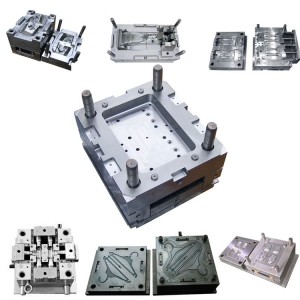
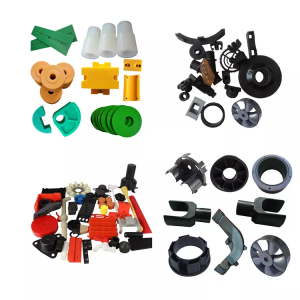
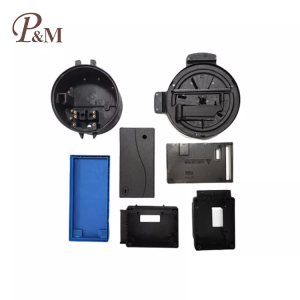
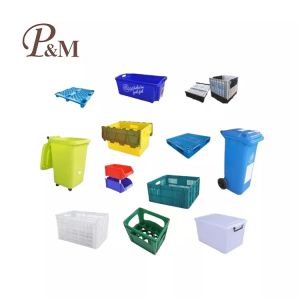
We offer a comprehensive range of custom tooling and injection-moulded components designed to meet the exact specifications of diverse global industries.
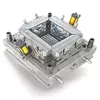
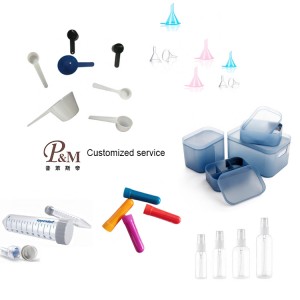


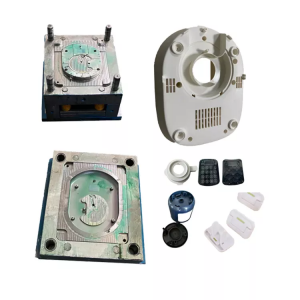
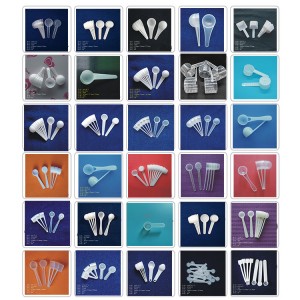

Selecting the appropriate steel grade and mould structure is paramount to achieving long-term production success. For manufacturers in Kawachi, understanding the technical differences between various tooling classes can prevent costly downtime and premature tool wear. Here is an overview of the primary factors we consider during the design phase:
The choice of steel directly determines the mould's lifespan (cycle count) and surface finish quality. For high-volume production runs exceeding 1 million cycles, we recommend premium hardened steels such as H13 or S136. These steels offer superior wear resistance against abrasive engineering plastics (such as glass-filled nylon). For shorter production runs or prototyping, pre-hardened steels like P20 or 718 provide an excellent balance between cost and durability.
Choosing between hot and cold runner systems involves balancing initial tooling costs against long-term material savings. Hot runner systems maintain the plastic in a molten state throughout the distribution channels, eliminating runner waste and reducing cycle times. This is highly recommended for high-volume parts manufactured in Kawachi, where material cost savings quickly offset the initial tooling premium. Cold runner systems, while simpler and less expensive to manufacture, generate runner scrap that must be recycled or discarded.
Cooling accounts for more than 50% of the total injection moulding cycle time. Standard straight-drilled cooling channels often fail to reach complex geometry areas, leading to uneven cooling, thermal stress, and part warpage. By utilizing advanced 3D conformal cooling channels—achieved via metal 3D printing inserts—we can route cooling fluid precisely along the contours of the part. This ensures uniform cooling, reduces cycle times by up to 30%, and significantly enhances dimensional stability.
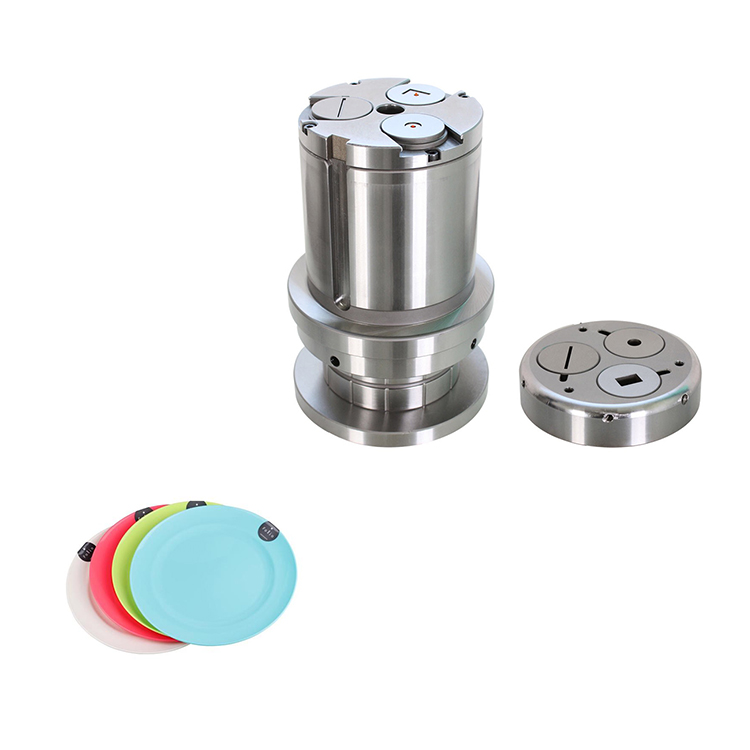
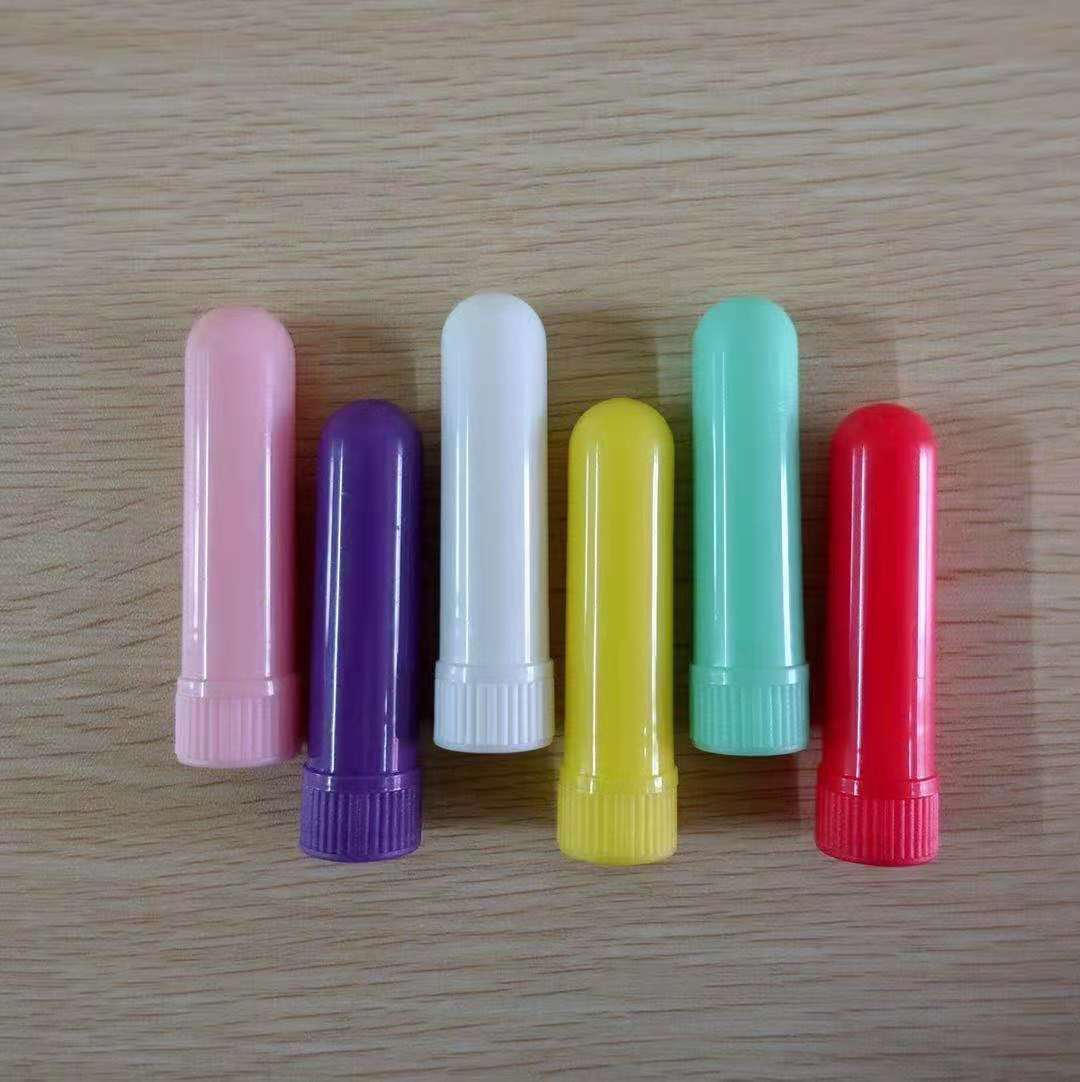
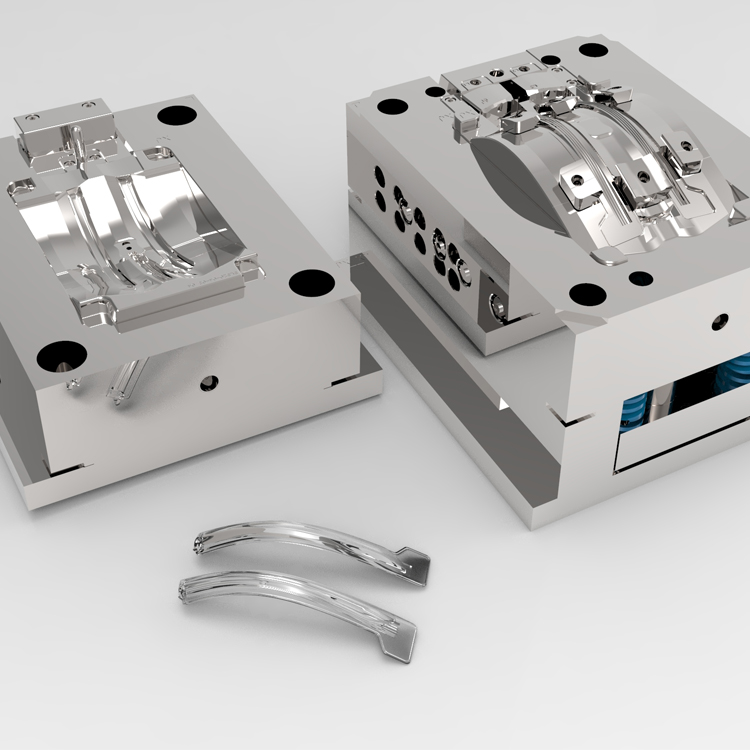
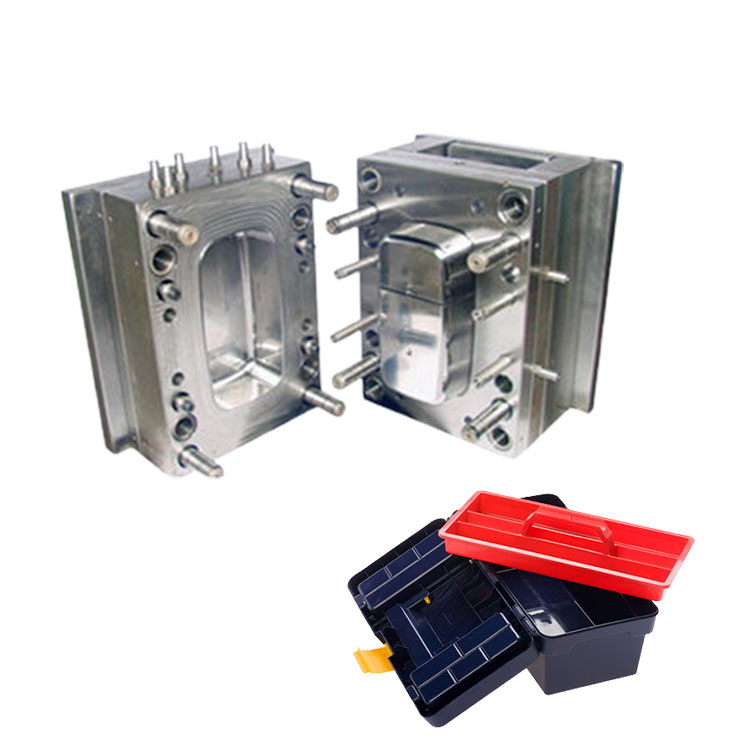
Explore our primary range of precision-manufactured plastic injection moulds and custom-moulded components.
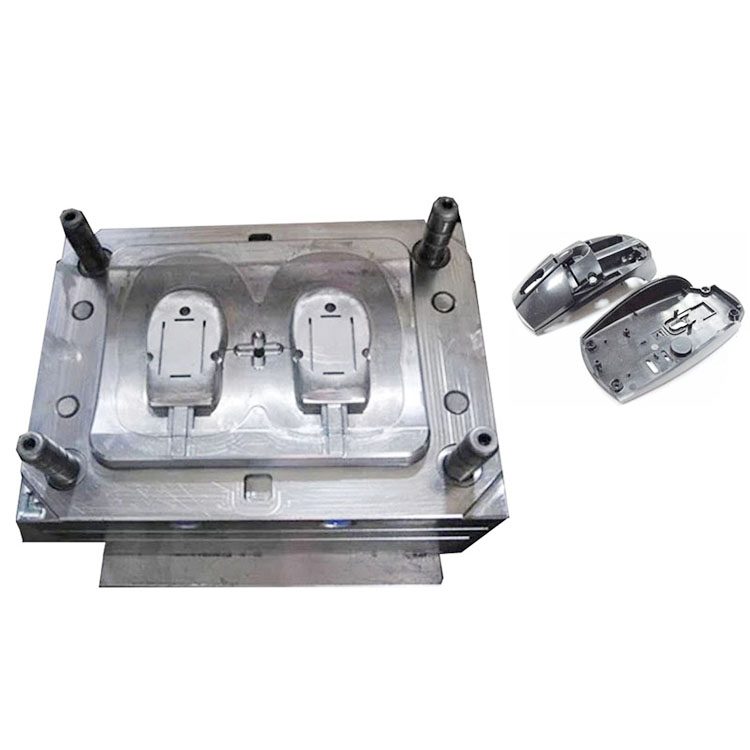
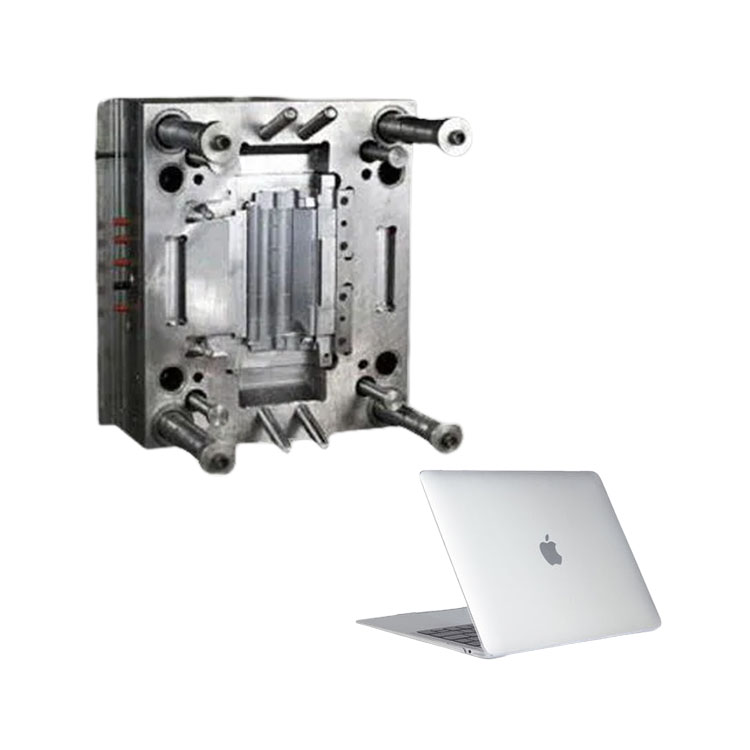
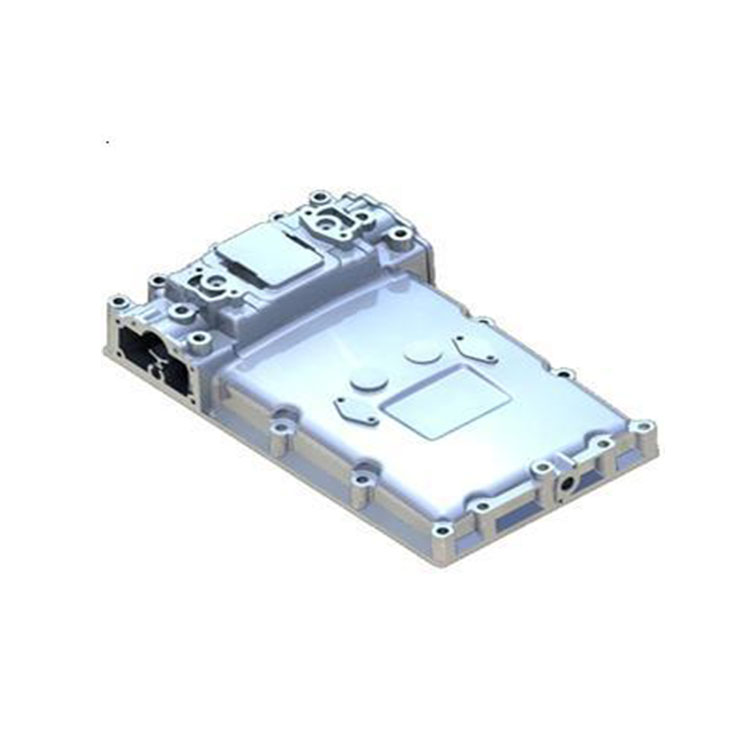
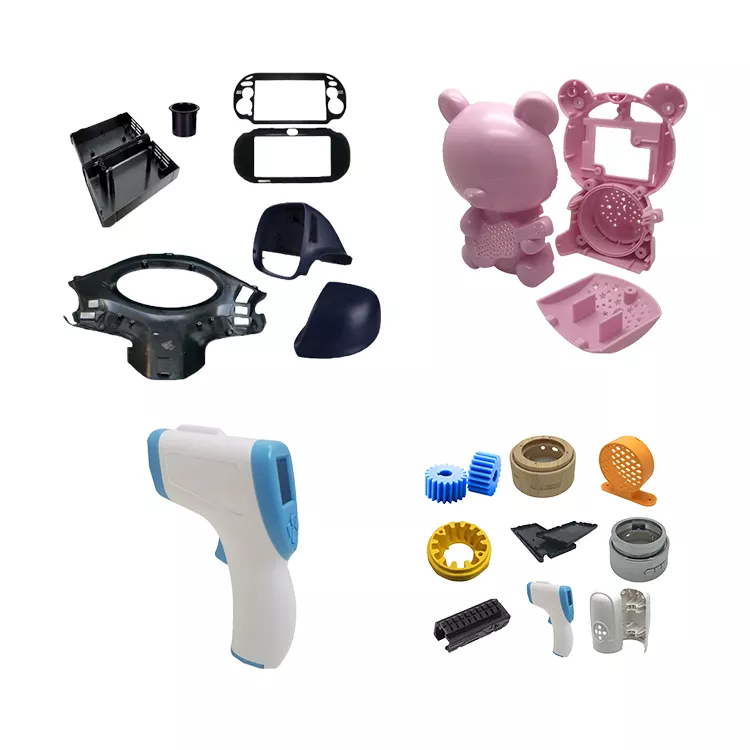
Your premier global partner for high-precision injection moulds, plastic components, and metal tooling. Located in Yuyao, China, and servicing industrial clients worldwide, including Kawachi.