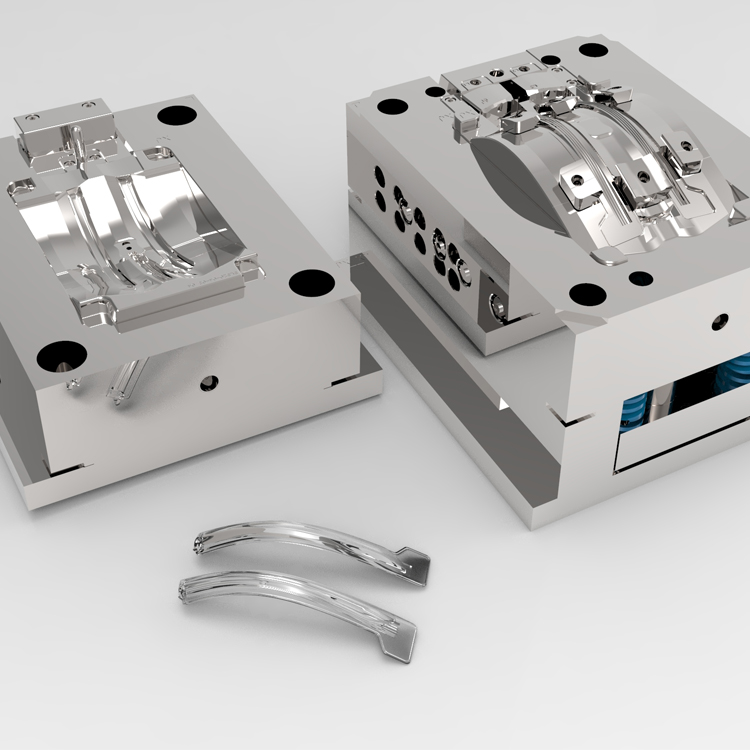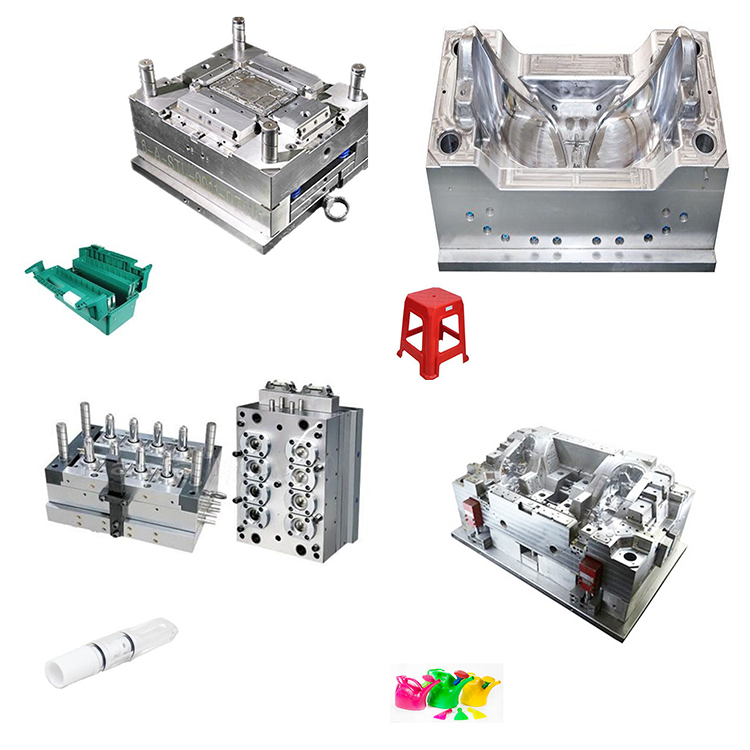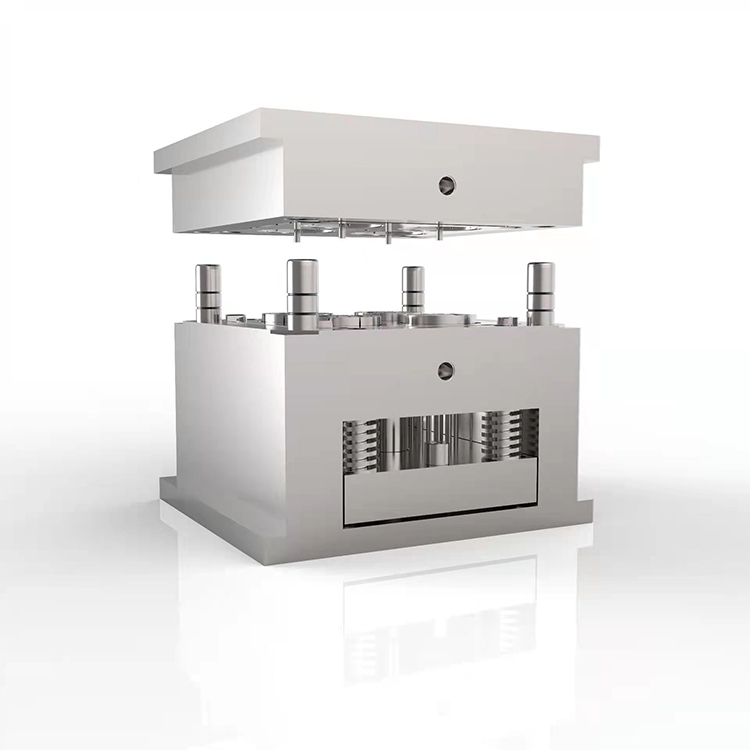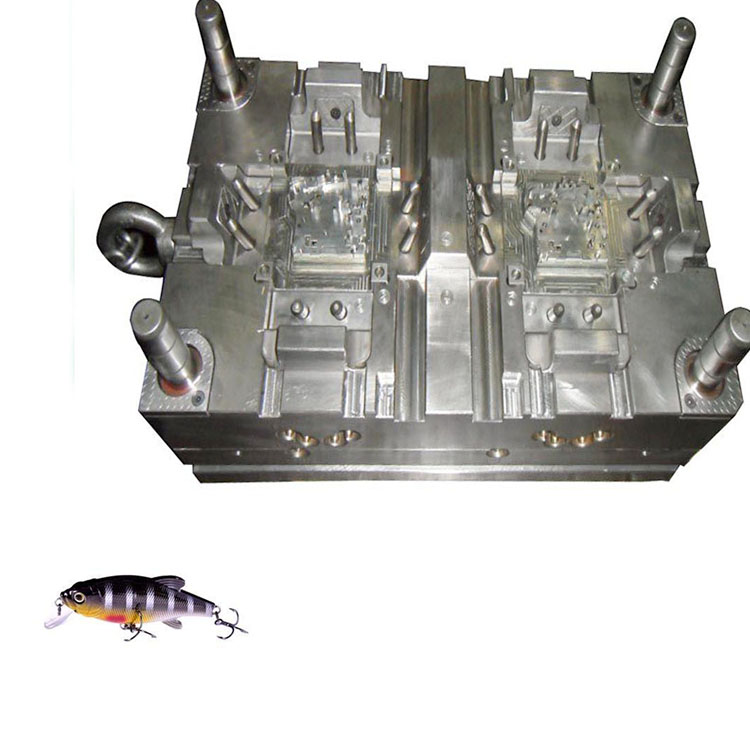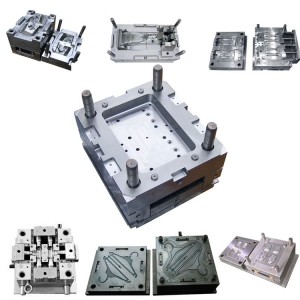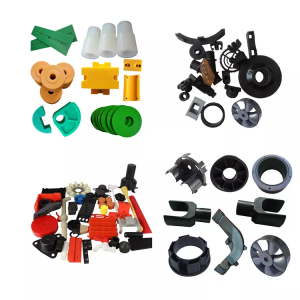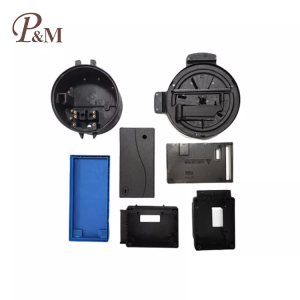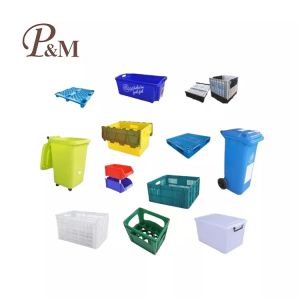
In the modern global transportation, industrial automation, and municipal infrastructure sectors, signal lights play an indispensable role in ensuring safety, guiding operations, and conveying critical warnings. From the dynamic LED taillights of electric vehicles to the warning beacons of automated factories, the demand for highly reliable, optically precise signal lights is growing exponentially. The backbone of this manufacturing sector is the development of high-precision plastic moulds for signal light part production.
As optical systems transition from traditional incandescent bulbs to advanced light-emitting diode (LED) arrays and laser diodes, the requirements for signal light lenses, light guides, and housings have become significantly more stringent. A signal light lens is no longer just a colored cover; it is a complex optical component designed to focus, disperse, or redirect light in accordance with strict international standards (such as SAE, ECE, and DOT regulations). Achieving this level of performance requires injection moulds designed with sub-micron tolerances, flawless surface finishes, and specialized materials like Polycarbonate (PC) and Polymethyl Methacrylate (PMMA).
From a commercial standpoint, the automotive lighting market alone is projected to reach several billion dollars by the late 2020s. This rapid growth is driven by the rise of smart cities, autonomous vehicles, and automated industrial facilities. For manufacturers, investing in premium plastic injection moulds is the key to achieving high-speed production, minimizing material waste, and ensuring that every molded part meets rigorous quality and regulatory compliance.
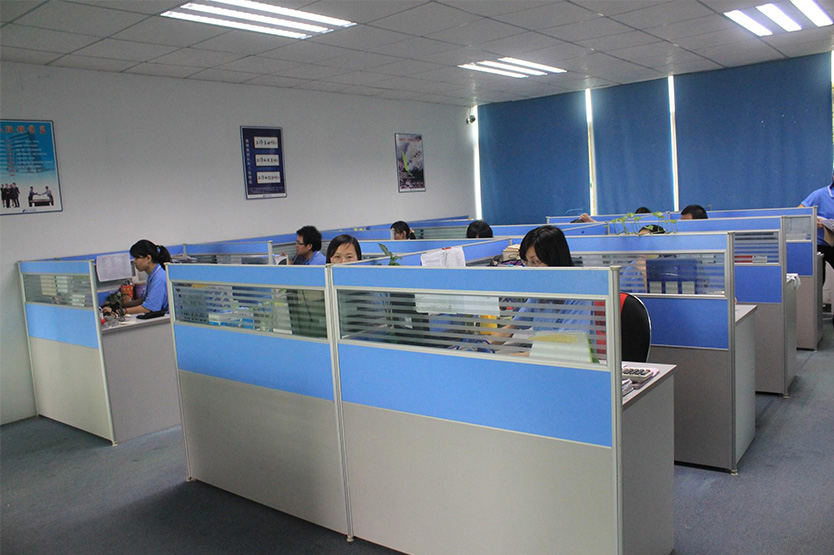
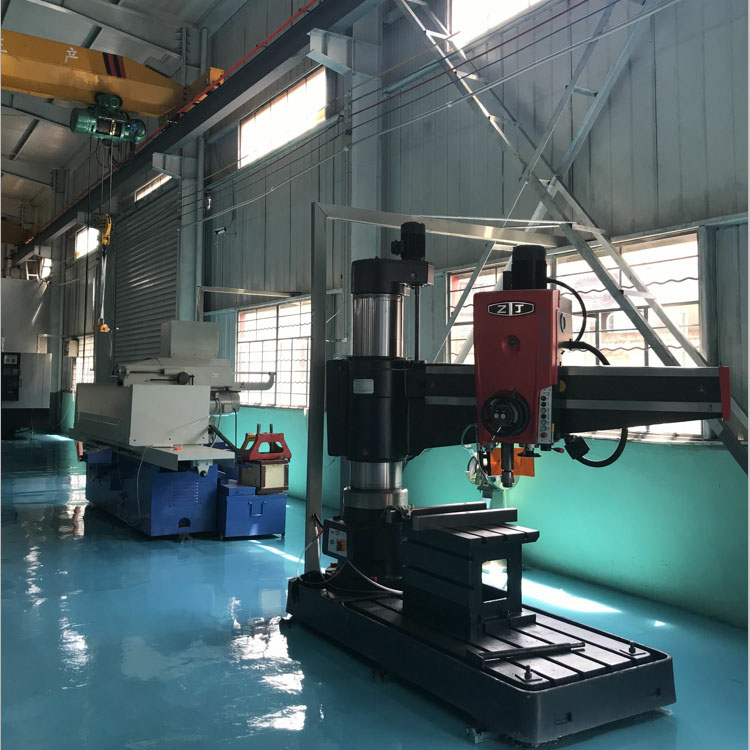
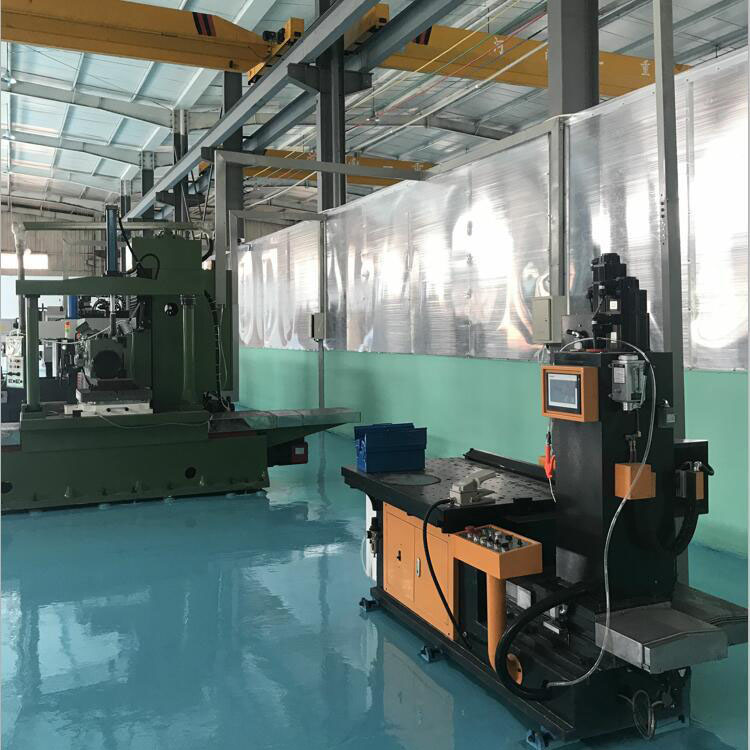
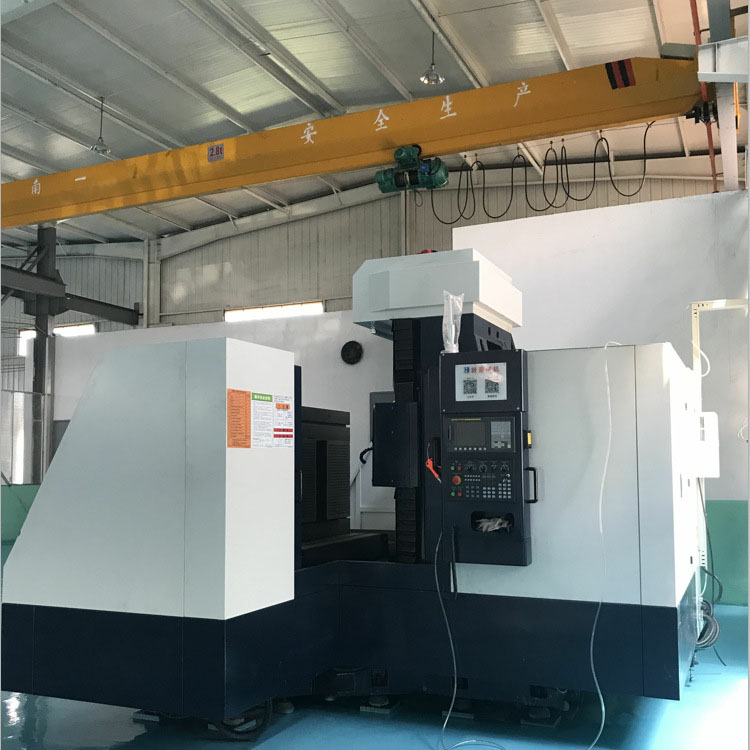
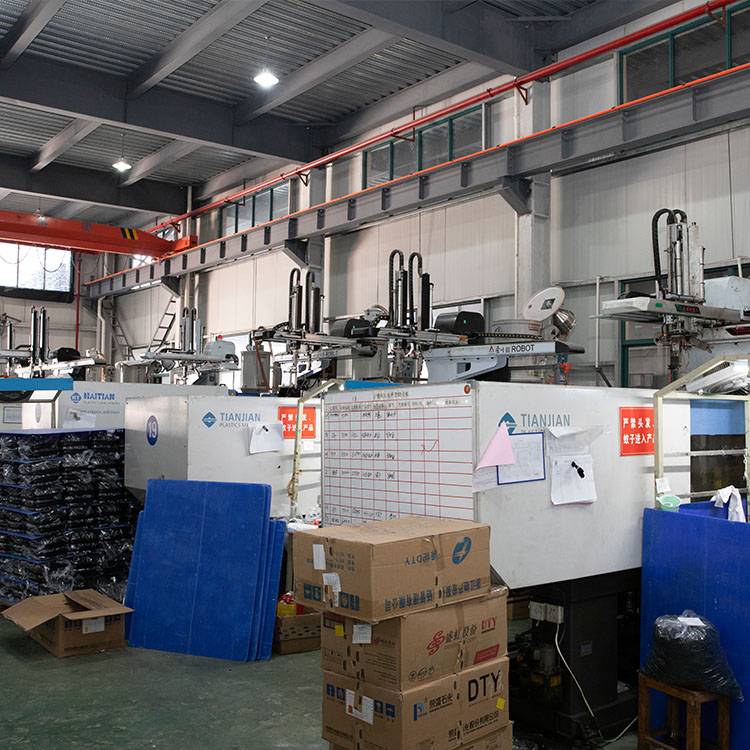
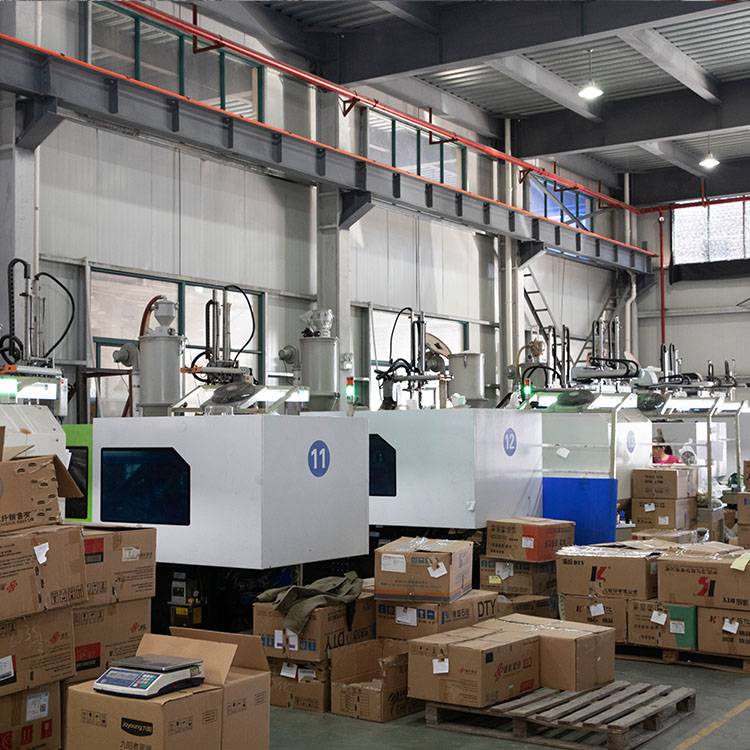
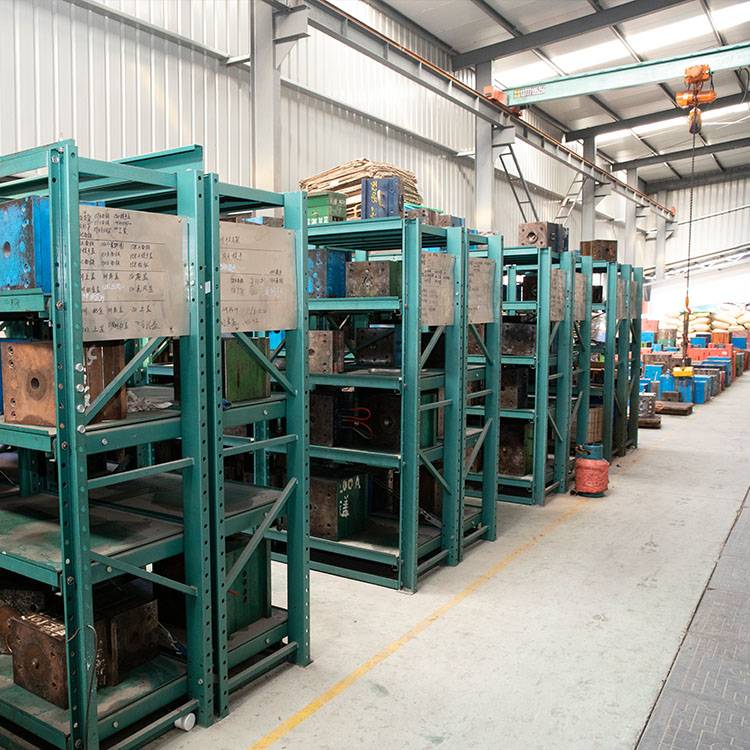
Ningbo P&M PLASTIC METAL PRODUCT CO., LTD is located in Yuyao, the so-called Mould City, Plastic Kingdom, in the southern tip of Hangzhou Bay Bridge, north of Shanghai, the east of Ningbo Port, tight double line of State Road 329 on land, sea and air traffic into a network to facilitate transport. By the abundant technical strength, scientific management methods and good after-sales service, product deeply trusted and welcomed by customers from all over the world.
P&M started domestic business in 2008 and opened up the international market in 2014, always adhering to the principle of quality first and time supreme. While providing customers with the best quality products, it maximizes production efficiency and shortens production time. Our main products is design and manufacturing of plastic mold, plastic product, metal product. 90% products of our enterprise are exported to America, Europe, Germany, Japan, Australia, etc.
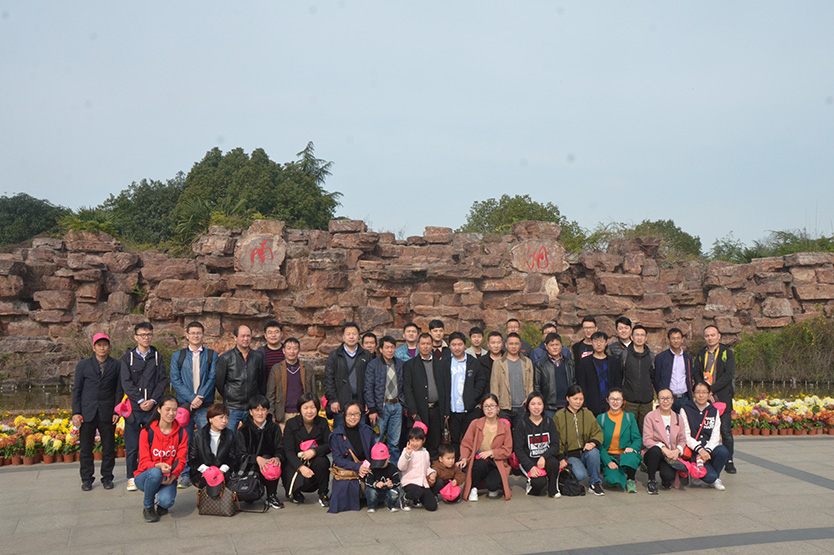
P&M adheres to market-oriented to the quality of life and focus on quality service and continuous development of new products, determined to establish a better corporate image, and our friends at home and abroad to carry a wide range of business exchanges and cooperation, create brilliant.
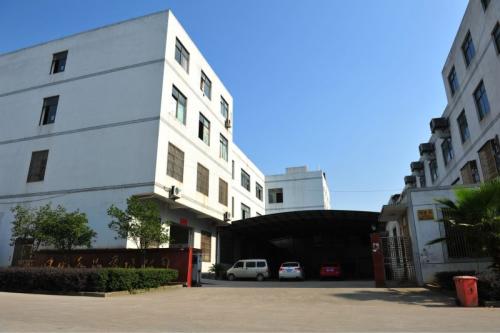
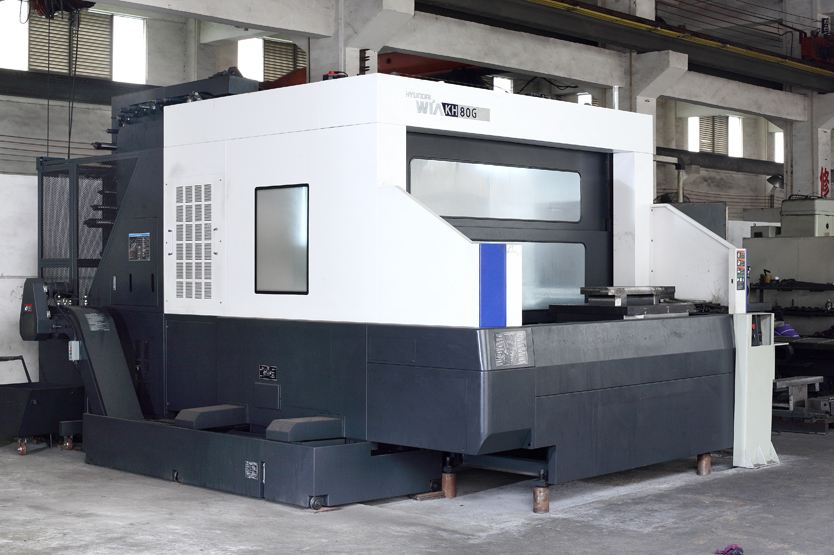
The company specializes in producing high-performance equipment, strong technical force, strong development capabilities, and reliable technical services.
We are proud to tell every customer that our company has not lost any customer since its establishment. If there is a problem with the product, we will actively seek a solution and be responsible to the end.
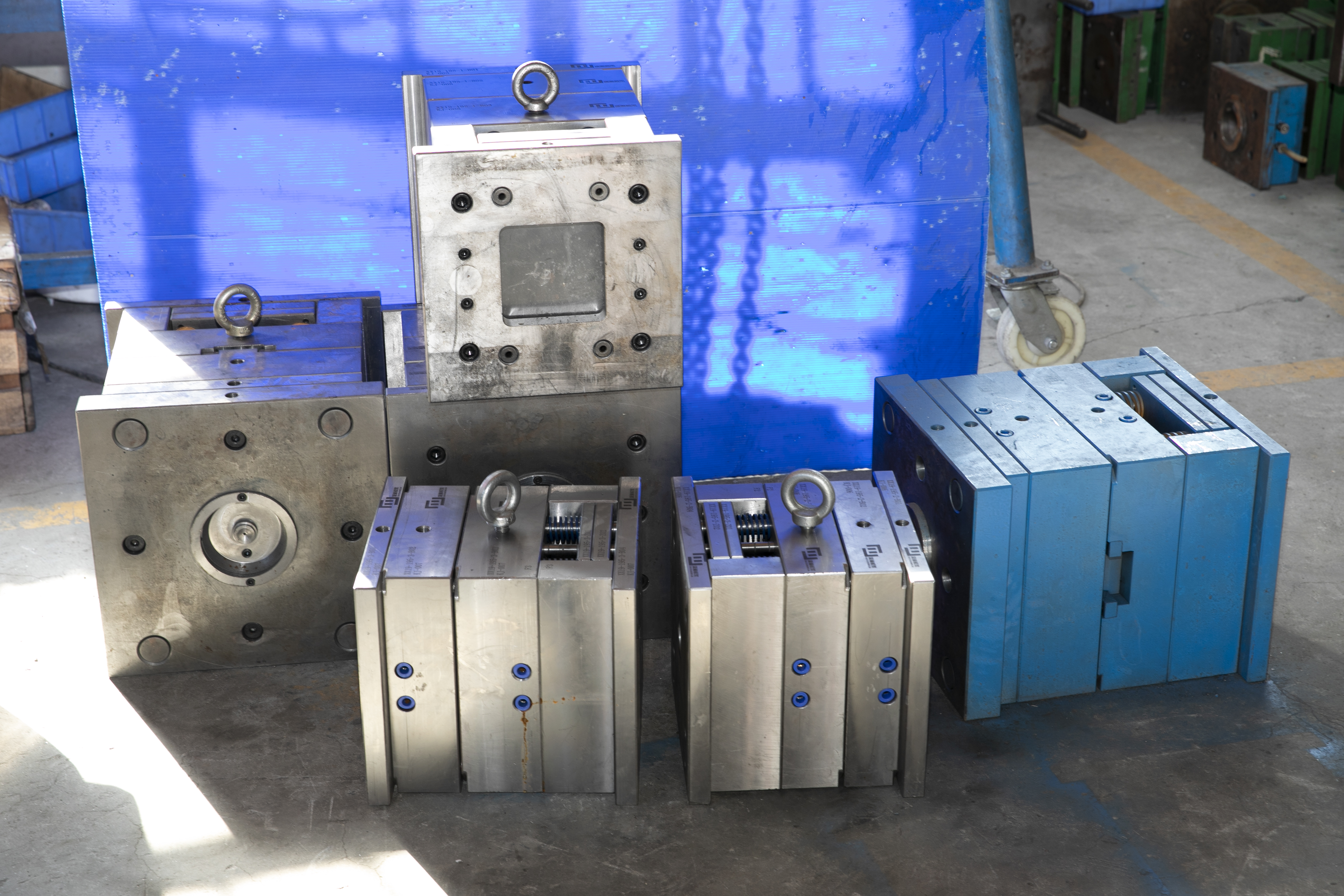
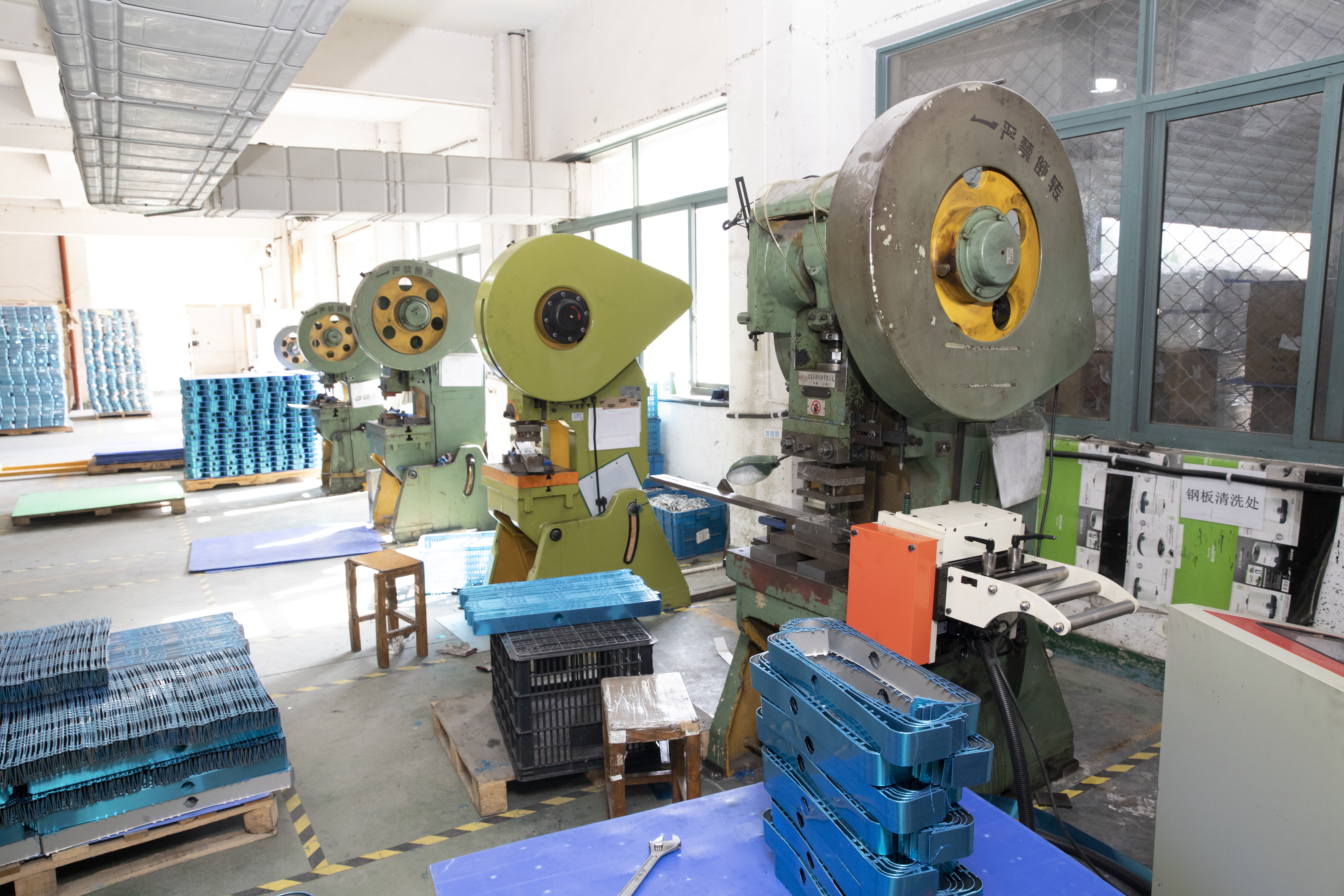
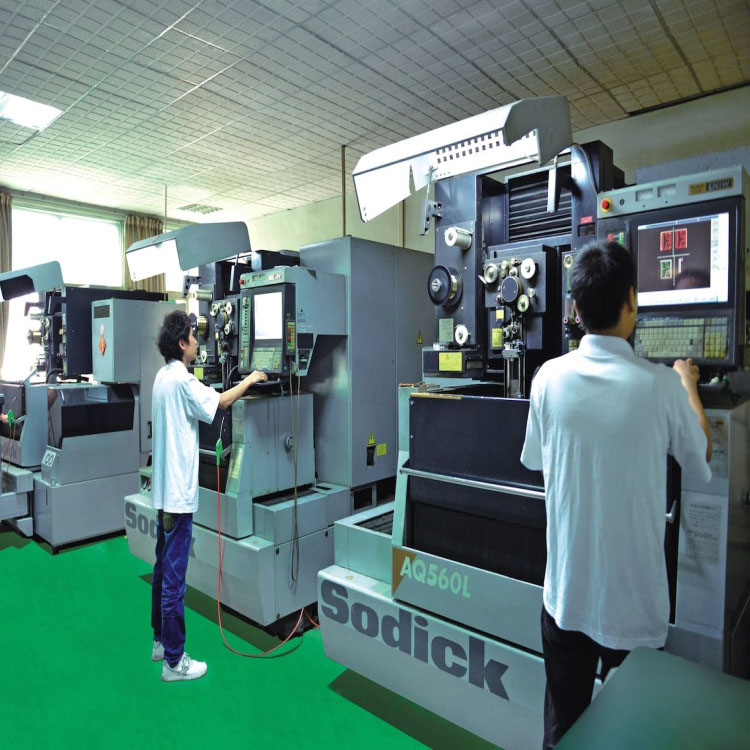
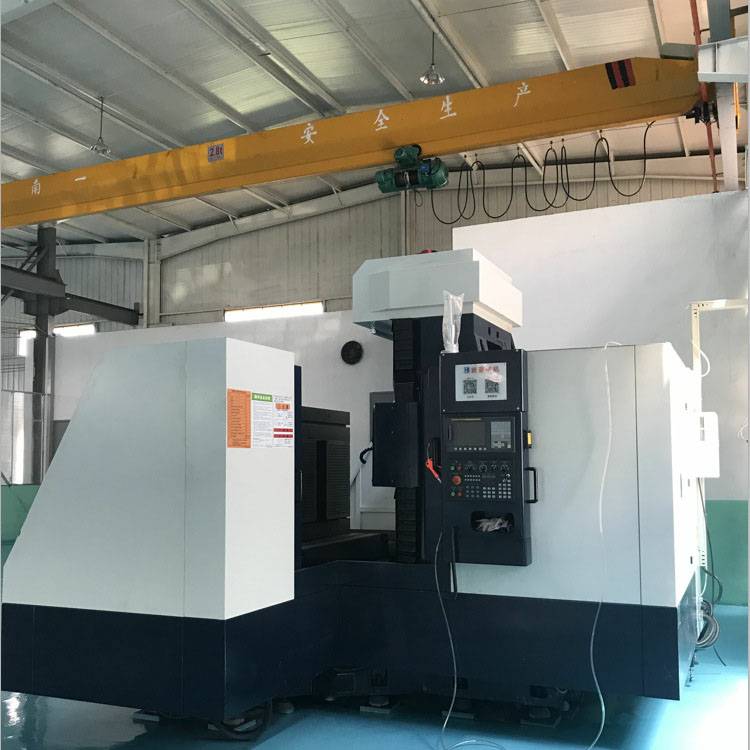
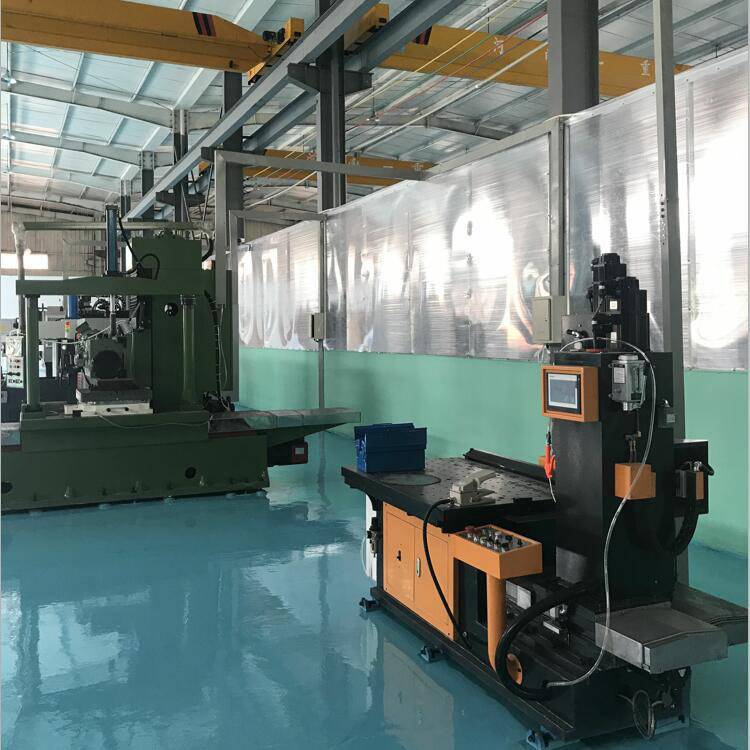
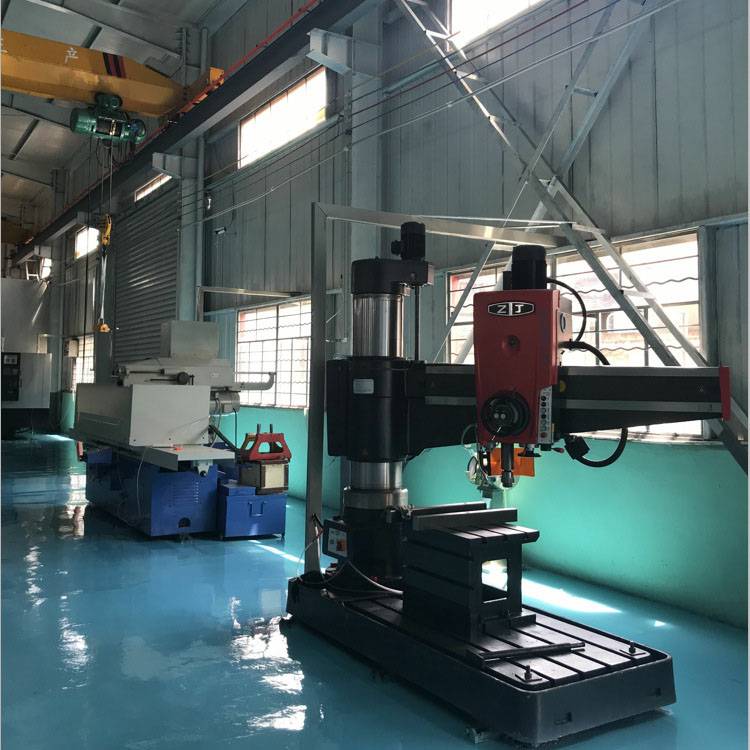
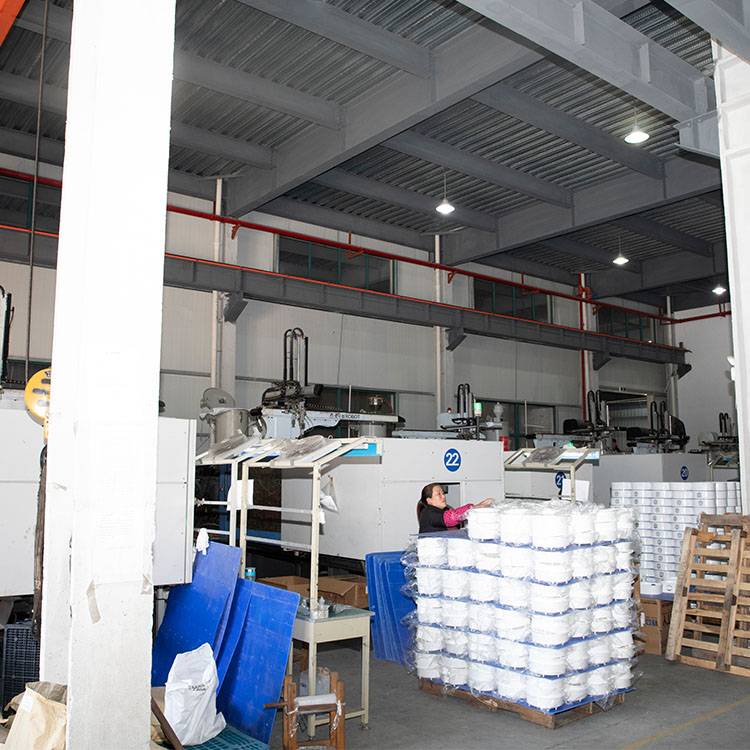
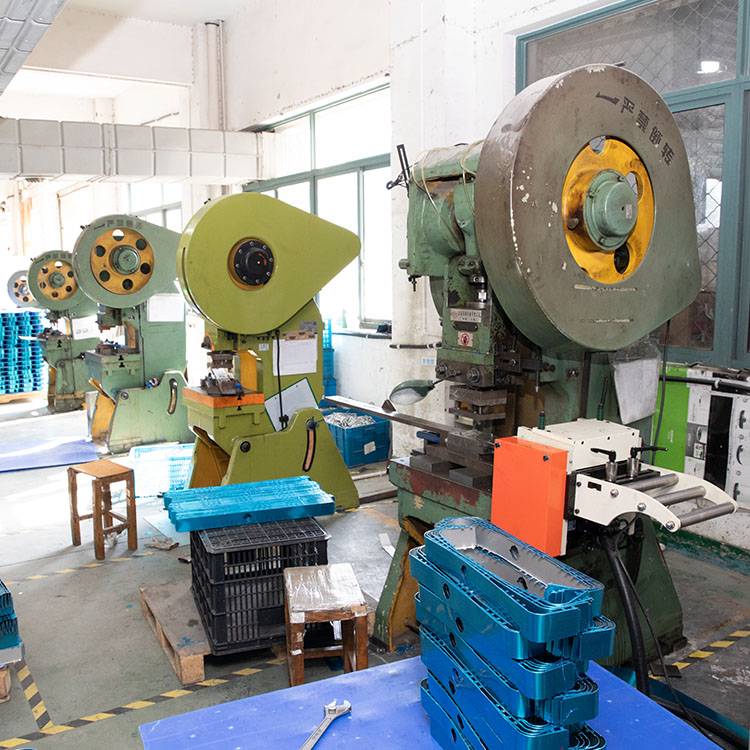
P&M holds an improved system of development and production, to achieve mold design, plastic products manufacturing, and automatic production.
The optical surfaces of signal light lenses (usually made of PMMA or Polycarbonate) must be entirely free of imperfections. Any scratch, sink mark, or micro-waviness on the mould cavity will replicate directly onto the molded lens, causing light scattering and failing photometric regulations. To prevent this, the cavity and core inserts of signal light moulds must undergo high-mirror polishing (SPI A-1 or A-0 finish). Special tooling steel, such as S136 or NAK80, is selected for its high corrosion resistance and homogeneous structure, which allows it to achieve and maintain an ultra-smooth finish under high-pressure injection cycles.
Modern automotive rear combination lamps (RCL) frequently combine red, amber, and clear lenses into a single seamless unit. Utilizing multi-shot injection moulding (2K or 3K) allows the production of these parts in a single cycle. The mould design must incorporate rotatable plates or core-back mechanisms that allow the first color to be injected, followed by a cavity shift for the second and third colors. The key challenge lies in controlling the thermal expansion and shrinkage rates of different resins to prevent parting line flash or color bleeding.
Signal light housings and covers are often long, curved components. Traditional straight-drilled cooling channels cannot maintain uniform temperatures across complex curved profiles, leading to residual stress and warpage. By utilizing 3D metal printing (Selective Laser Melting), we can design and manufacture mould inserts with conformal cooling channels. These channels follow the exact contours of the part, ensuring rapid, uniform cooling, reducing cycle times, and guaranteeing the dimensional stability required for a perfect fit during vehicle assembly.
A weld line occurs where two melt fronts meet during injection. In optical lenses, weld lines not only weaken structural integrity but also block or refract light, creating unwanted visual defects. Through advanced Moldflow simulation, gate locations and injection parameters are optimized to ensure weld lines are either completely eliminated or pushed to non-functional, hidden edges of the part.

The environmental conditions signal lights operate under are remarkably harsh. Automotive exterior lights, marine indicators, and outdoor traffic signals must withstand continuous UV exposure, drastic temperature fluctuations (from -40°C to 80°C), moisture ingress, and chemical contact. Therefore, the choice of plastic resin dictates the engineering parameters of the injection mould.
Polymethyl Methacrylate (PMMA): Also known as acrylic, PMMA is the preferred choice for outer signal lenses due to its exceptional optical clarity, UV stability, and scratch resistance. However, PMMA is brittle and has a relatively narrow processing window. The injection mould must be designed with generous draft angles and balanced ejection systems to prevent cracking or stress marks during demoulding.
Polycarbonate (PC): PC is selected for applications requiring extreme impact resistance and high thermal stability, such as heavy-duty industrial warning lights or headlight lenses. Because PC has a high melt viscosity, the mould must support high injection pressures and temperatures. Hot runner systems are frequently used to maintain uniform melt temperature and prevent premature solidification.
Acrylonitrile Butadiene Styrene (ABS) & PC/ABS Blends: These materials are typically used for signal light housings and internal reflective bezels. Bezels are often vacuum-metallized with aluminum to create a reflective mirror-like finish. The mould must produce parts with low internal stress; high molded-in stress will cause the metallized layer to bubble or peel over time.
As the automotive and industrial sectors evolve, several key trends are shaping the future of plastic moulds for signal light production: