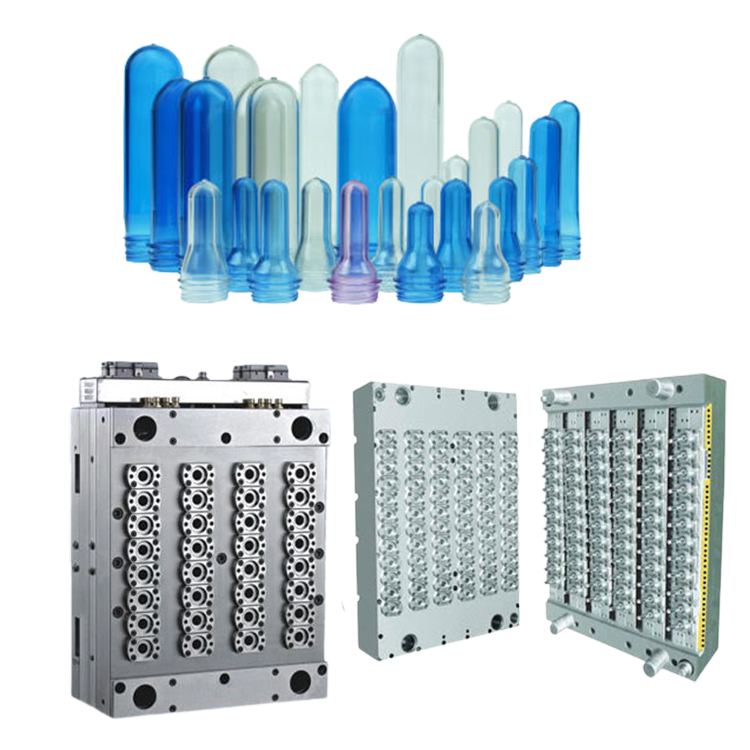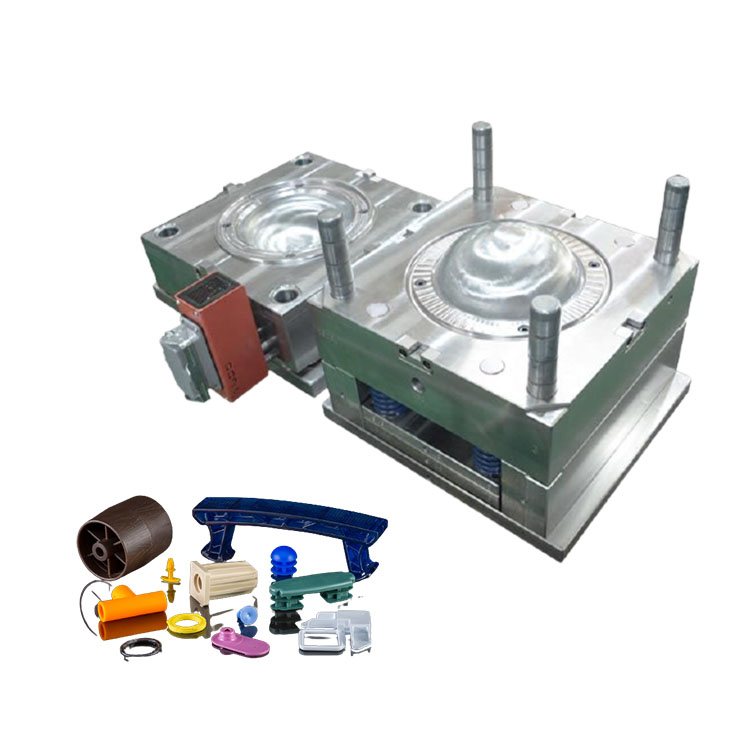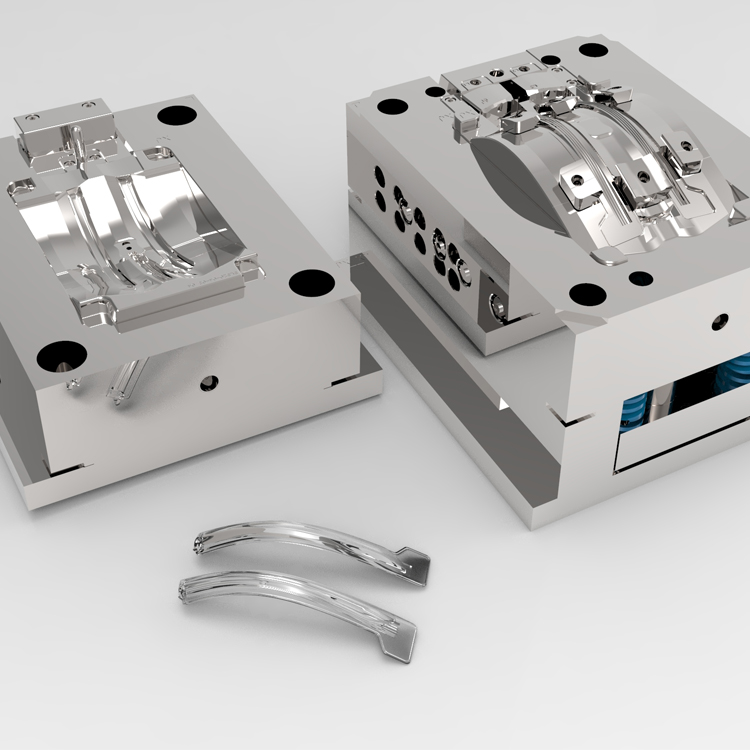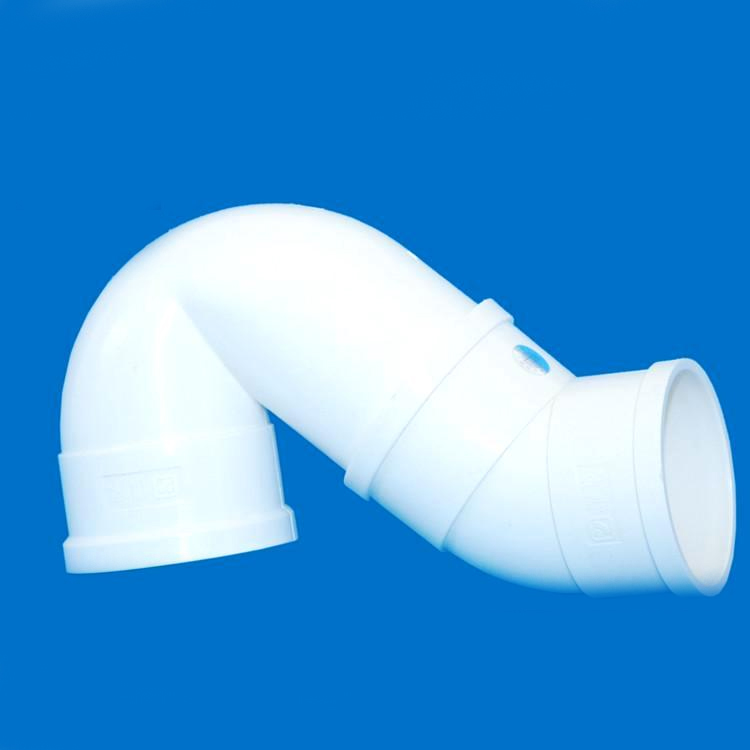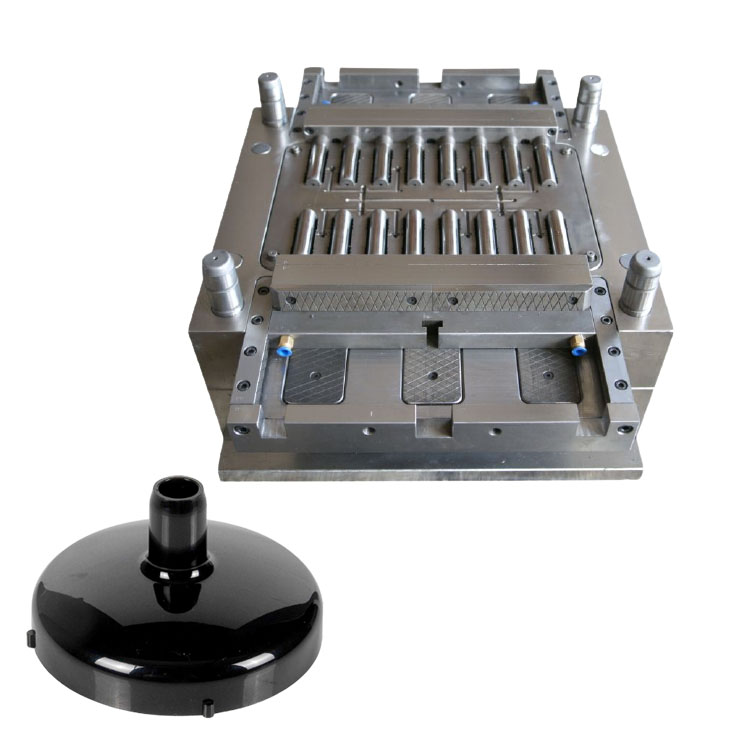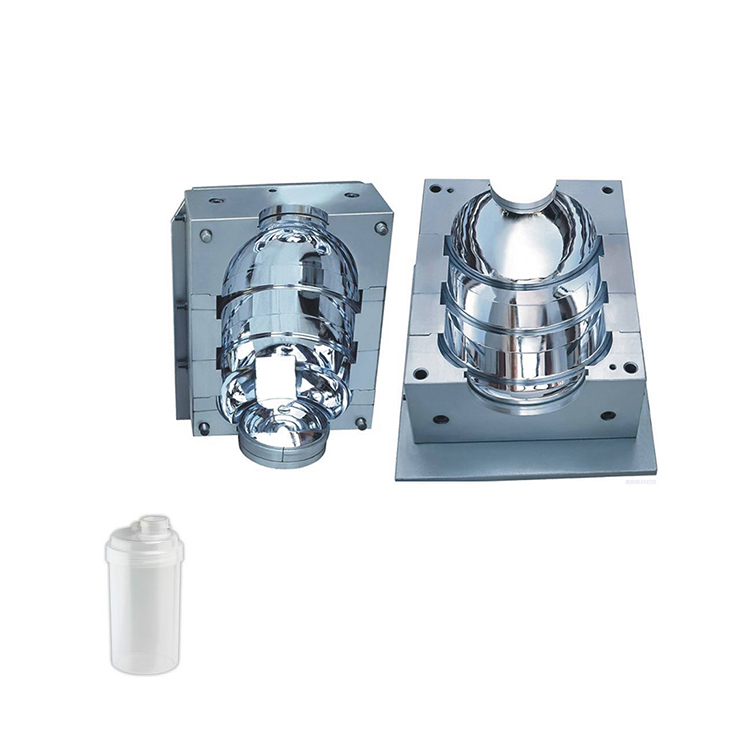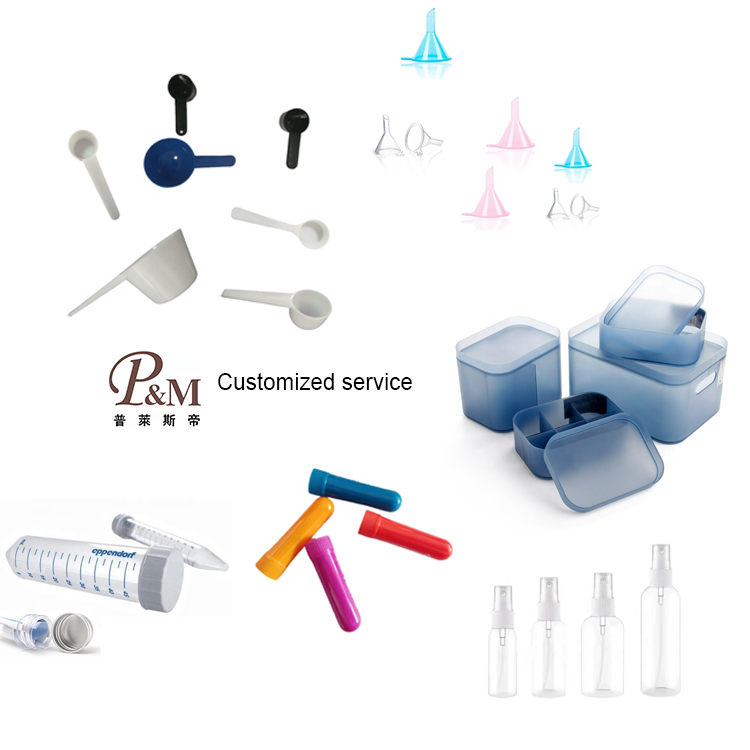
The global construction and civil engineering sectors are experiencing a massive paradigm shift. For centuries, concrete casting forming relied heavily on traditional materials such as timber, plywood, and steel. While these materials have served the industry well, they present significant challenges in terms of labor intensity, environmental impact, and lifecycle cost-efficiency. In response, plastic moulding parts for concrete casting forming have emerged as a disruptive technological advancement, transforming how modern structures are shaped, poured, and cured.
Today, precision-engineered polymer components are replacing wood and steel across precast factories and on-site construction works. The commercial status of plastic concrete moulds is characterized by rapid growth, driven by the global demand for sustainable construction practices, faster project turnaround times, and consistent structural quality. Unlike timber, which degrades after a few uses, or steel, which is heavy and prone to rust, high-performance injection-moulded plastics like Polypropylene (PP), Acrylonitrile Butadiene Styrene (ABS), and Polyurethane (PU) offer unparalleled durability, allowing formwork elements to be reused over 100 times.
The chemical inertness of advanced thermoplastics makes them completely resistant to the alkaline environment of wet concrete. This prevents chemical bonding between the mould and the concrete mix, resulting in a flawless surface finish that requires zero plastering or post-processing.
The commercial landscape for plastic moulding parts in concrete forming is expanding exponentially. According to recent industrial market research, the global plastic formwork market is projected to reach billions of dollars by 2030, growing at a compound annual growth rate (CAGR) of over 6.5%. This growth is heavily concentrated in regions experiencing rapid urbanization and infrastructure renewal, such as the Asia-Pacific, North America, and Western Europe.
Contractors and real estate developers are increasingly prioritizing the "total cost of ownership" over initial material costs. While a high-precision plastic mould might require a higher upfront investment compared to traditional plywood, its ability to be reused dozens or even hundreds of times reduces the cost-per-pour dramatically. Furthermore, the lightweight nature of plastic moulding parts reduces transport emissions and eliminates the need for heavy cranes during formwork assembly, directly lowering on-site labor and machinery costs.
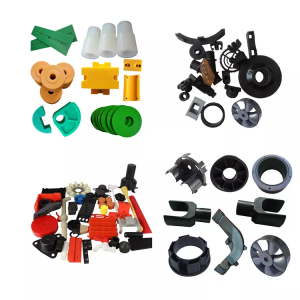
Plastic moulding parts are not limited to simple panels; they encompass a vast ecosystem of critical structural and decorative components designed to optimize concrete casting. Let's analyze the deep application scenarios where these components play a vital role.
Modular plastic formwork systems are composed of injection-moulded panels reinforced with internal structural ribbing. These panels are engineered to withstand the enormous hydrostatic pressure exerted by wet concrete during pouring and mechanical vibration. They are extensively used in residential housing projects, commercial high-rises, and retaining wall construction. The modular design allows for rapid lock-and-key assembly, allowing even semi-skilled workers to erect wall forms in a fraction of the time required for traditional timber layouts.
A critical factor in concrete durability is ensuring that the steel reinforcement (rebar) remains at the exact correct depth within the concrete matrix—known as the concrete cover. Precision-moulded plastic rebar spacers and support chairs are placed between the rebar and the mould surface. These parts must be incredibly strong to support the weight of heavy steel meshes and workers walking over them, yet designed to allow concrete to flow completely around them without creating air voids or structural weak points.
For architectural concrete applications, aesthetics are as important as structural integrity. Plastic mould liners, typically made from thermoformed ABS or elastomeric polyurethane, are placed inside the formwork to imprint intricate patterns onto the concrete surface. These patterns can mimic natural stone, wood grain, brickwork, or complex geometric reliefs. Injection moulding ensures that these decorative liners have precise tolerances, allowing patterns to align seamlessly across large wall surfaces.
In modern structural engineering, reducing the dead weight of concrete slabs is a key design priority. Plastic void formers—often hollow, spherical, or cubical injection-moulded boxes—are embedded within the concrete slab. By displacing concrete in non-structural zones, these plastic inserts reduce the overall weight of the building, allowing for longer spans, fewer columns, and significant savings in raw concrete and steel reinforcement.
The future of plastic moulding parts for concrete casting is closely aligned with the principles of Industry 4.0, circular economy, and material science innovation. Several key trends are shaping the future of this sector:
As the construction industry faces strict carbon-neutral regulations, manufacturers are shifting from virgin plastics to high-grade recycled polymers. Post-industrial and post-consumer plastics are reformatted with additives to match the tensile strength and UV resistance of virgin materials. At the end of a formwork panel's lifecycle, it is not sent to a landfill; instead, it is collected, reground, and remoulded into new construction components, creating a closed-loop circular economy.
One of the most exciting developments is the embedding of IoT sensors directly into plastic formwork parts. These sensors monitor concrete curing temperatures, moisture levels, and structural pressure in real-time. By tracking these variables, engineers can determine the exact moment the concrete has reached optimal strength, allowing the forms to be stripped safely and moved to the next level without guessing, dramatically accelerating construction timelines.
Modern plastic moulding formulations incorporate advanced UV stabilizers and thermal stabilizers. This ensures that the plastic formwork components retain their structural integrity and dimensional stability under harsh sunlight (up to 60°C) and freezing winter conditions (down to -20°C).
To further enhance load-bearing capacity, manufacturers are developing hybrid plastic moulding parts. By combining a lightweight polymer shell with internal metal reinforcement or glass-fiber composites, these parts offer the structural strength of steel formwork while maintaining the low weight and ease of handling characteristic of plastics.
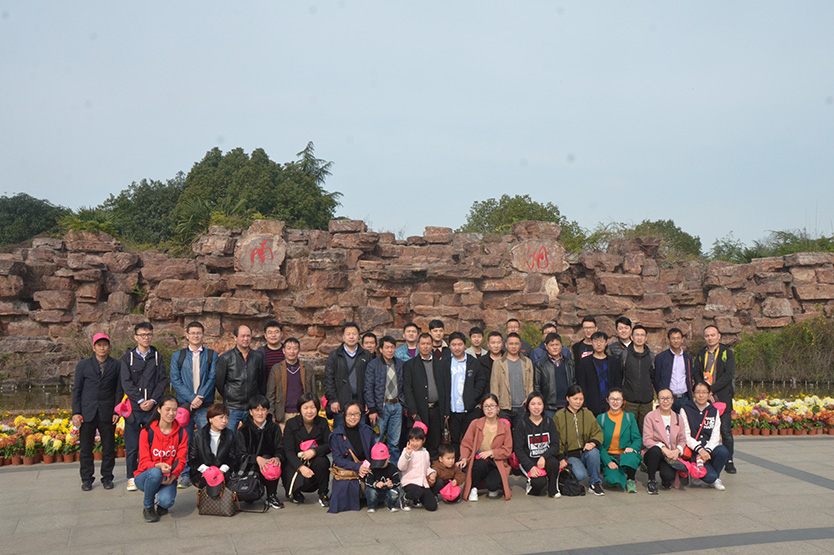
Ningbo P&M PLASTIC METAL PRODUCT CO., LTD is strategically located in Yuyao, the globally recognized "Mould City" and "Plastic Kingdom". Situated at the southern tip of the Hangzhou Bay Bridge, north of Shanghai and east of the bustling Ningbo Port, our facility enjoys prime access to a comprehensive sea, land, and air transportation network along State Road 329, enabling efficient global logistics.
Leveraging our abundant technical strength, scientific management methodologies, and exceptional after-sales service, our products have earned deep trust and acclaim from customers worldwide. P&M started its domestic operations in 2008 and successfully expanded into the international market in 2014. We consistently adhere to the core philosophy of "Quality First, Time Supreme," maximizing production efficiency and shortening lead times while delivering top-tier components.
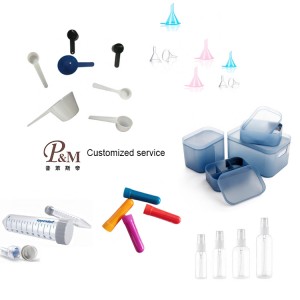
Our core expertise lies in the design and manufacturing of high-precision plastic moulds, custom plastic products, and metal components. Today, 90% of our production is exported to highly demanding global markets, including the United States, Europe, Germany, Japan, and Australia.
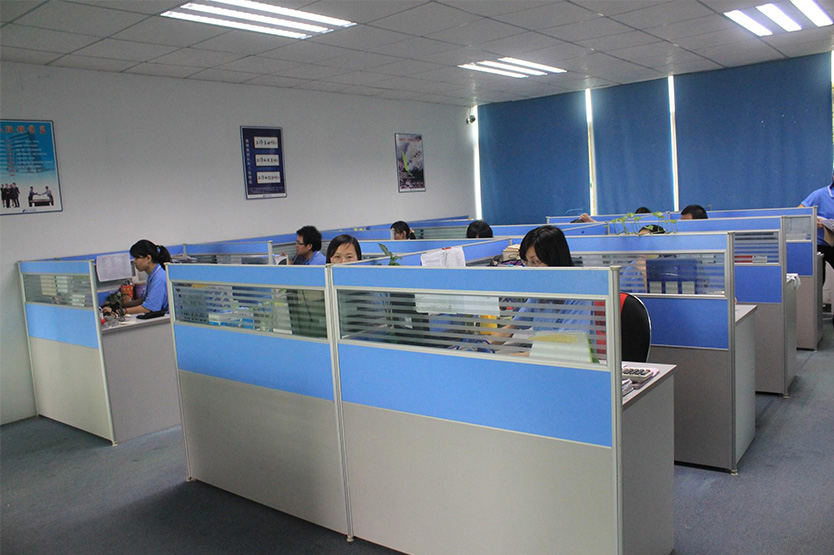
Quality pre-sale and after-sales service, contact 24 hours, all-weather open support.
Streamlined manufacturing logistics. You can receive your custom products within 30 days.
Comprehensive product line including all kinds of structural steel and advanced polymer products.
Products manufactured through multiple strict quality control processes and careful grinding.
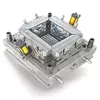
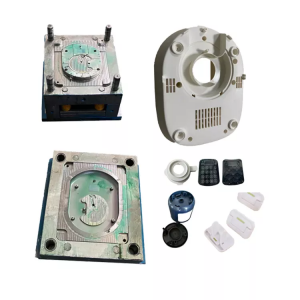
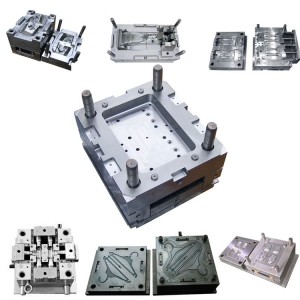
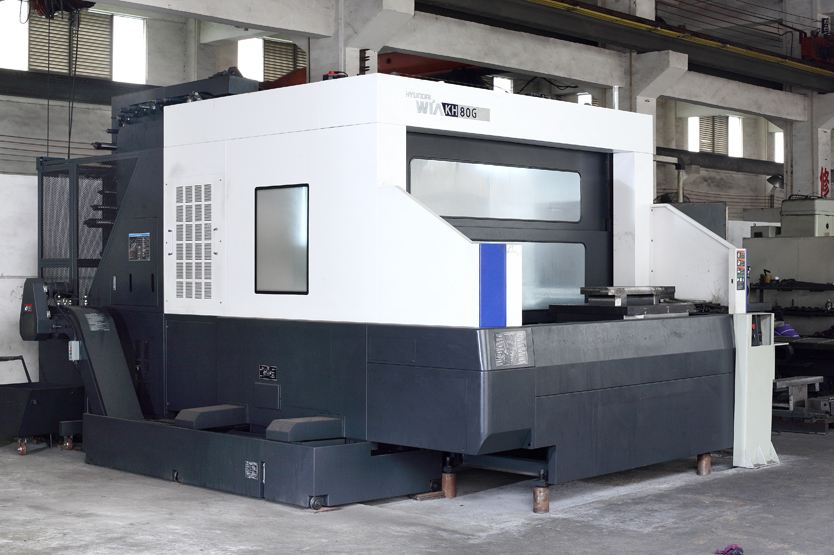
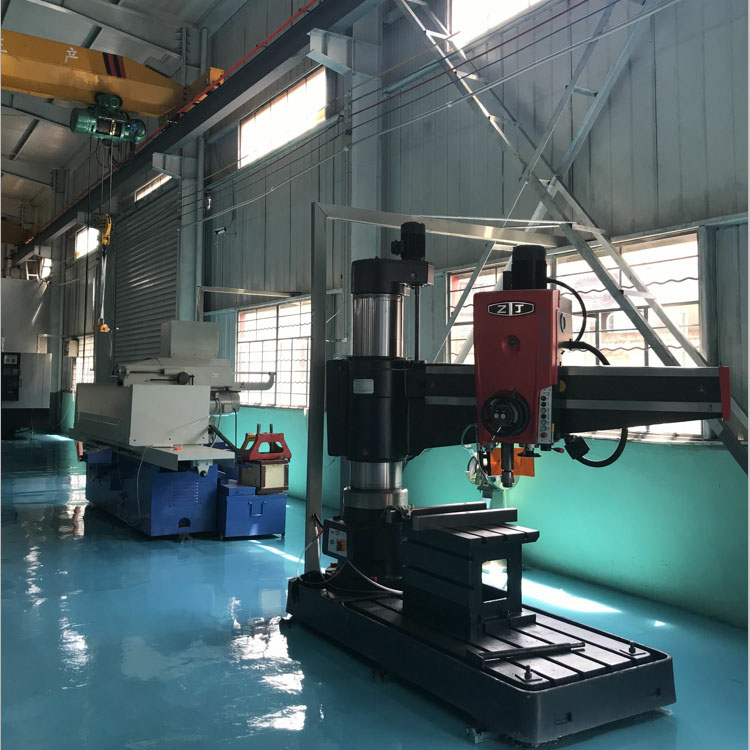
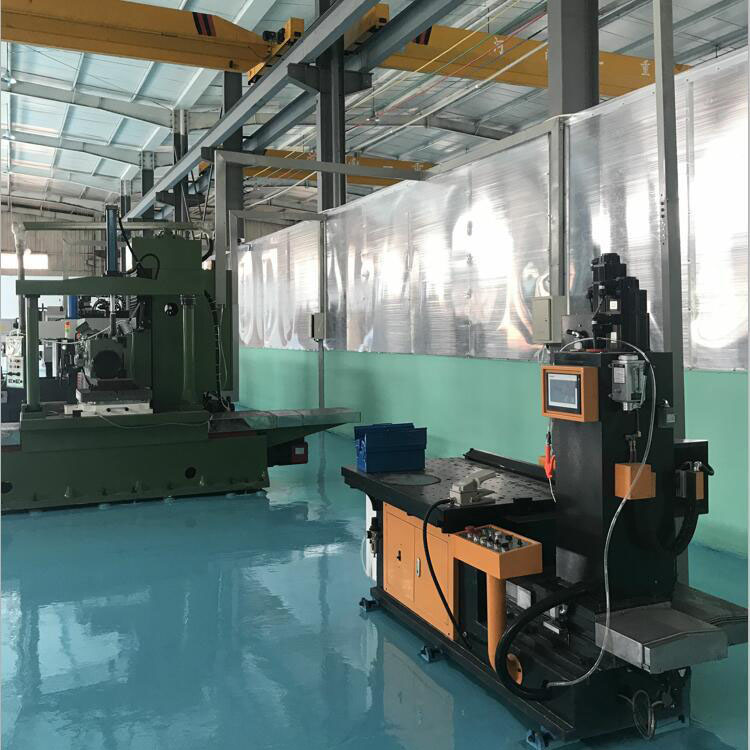
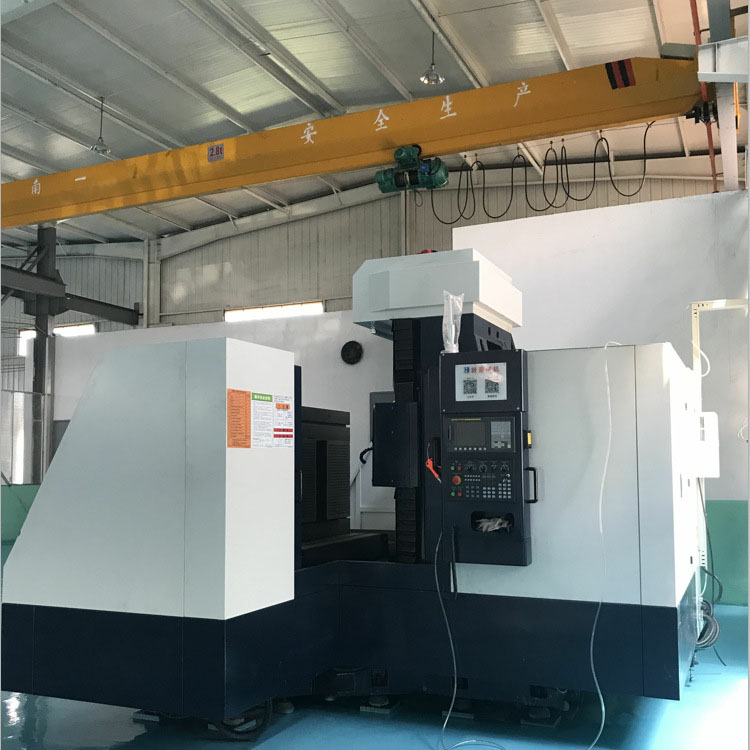
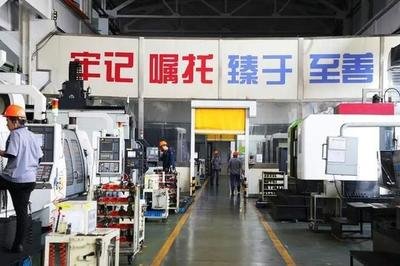
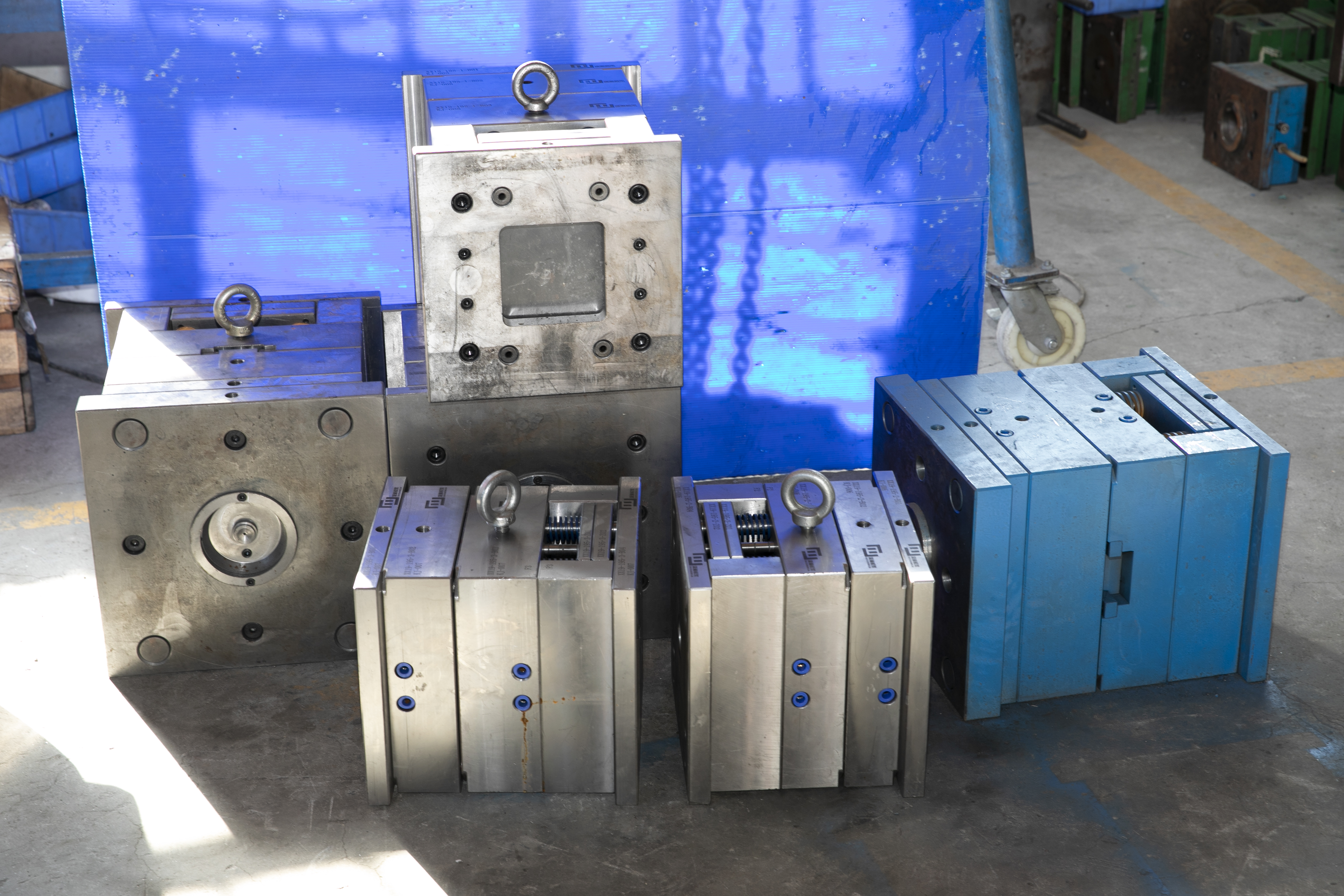
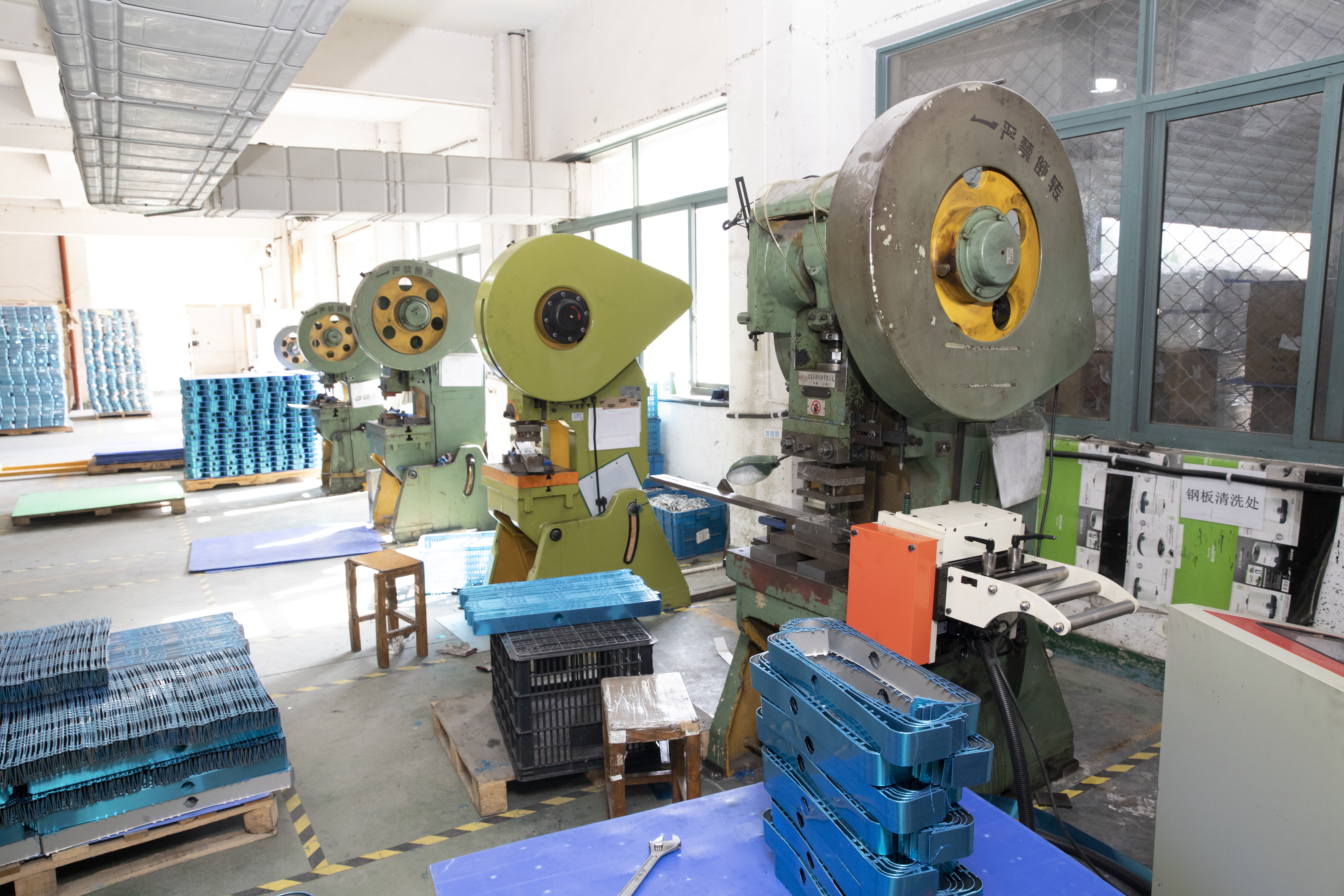
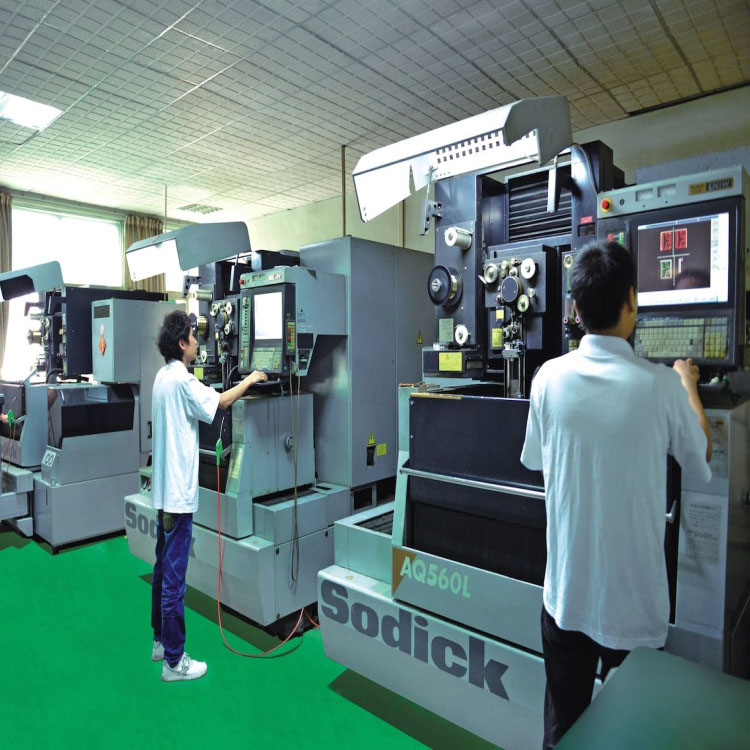
P&M maintains an advanced, integrated system for design, tooling development, and automated mass production. Our state-of-the-art injection moulding machinery ensures that every plastic part meets strict engineering tolerances required for concrete casting.

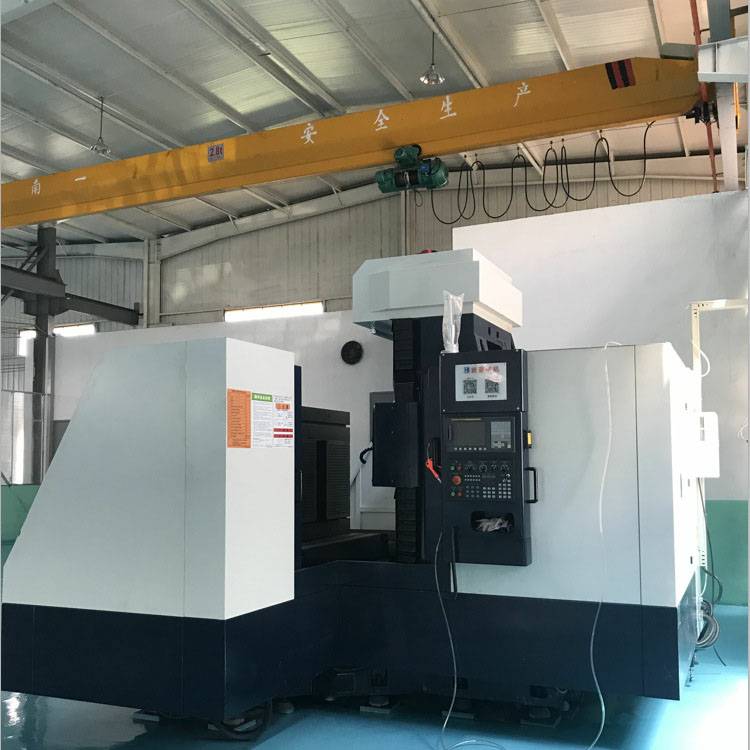
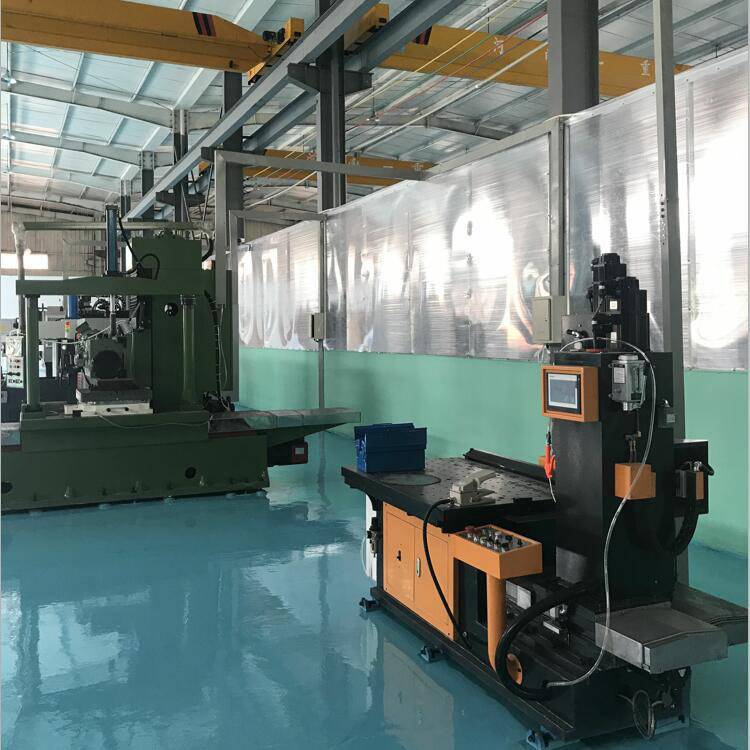
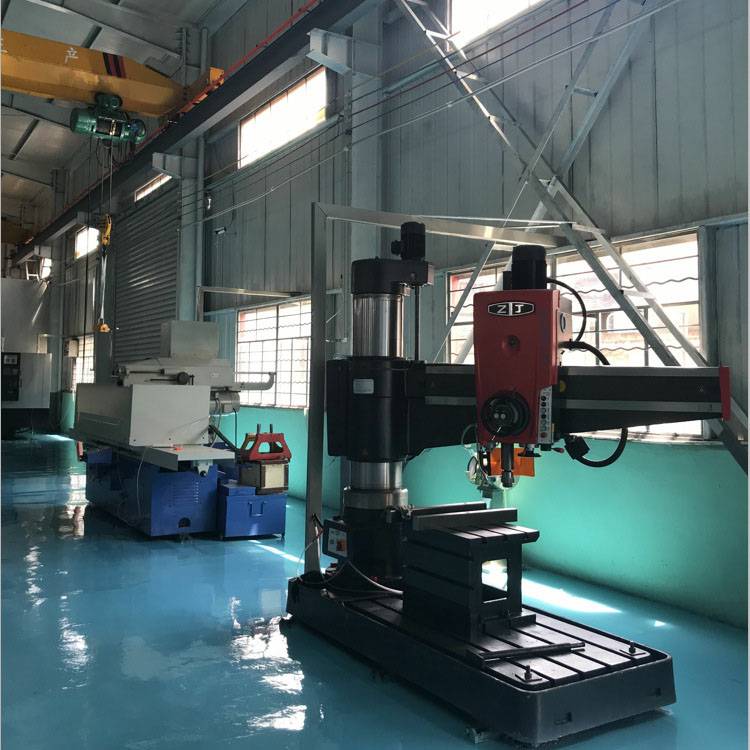
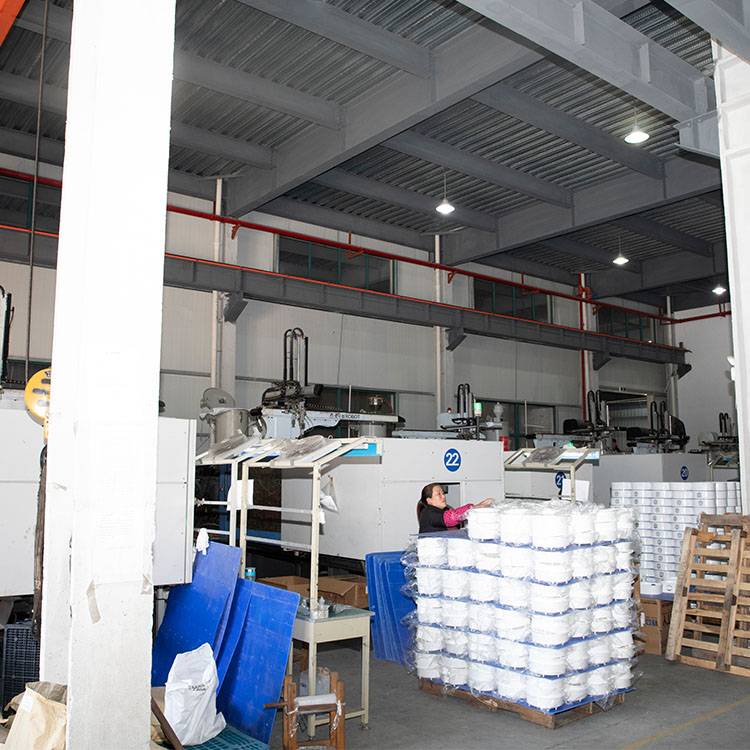
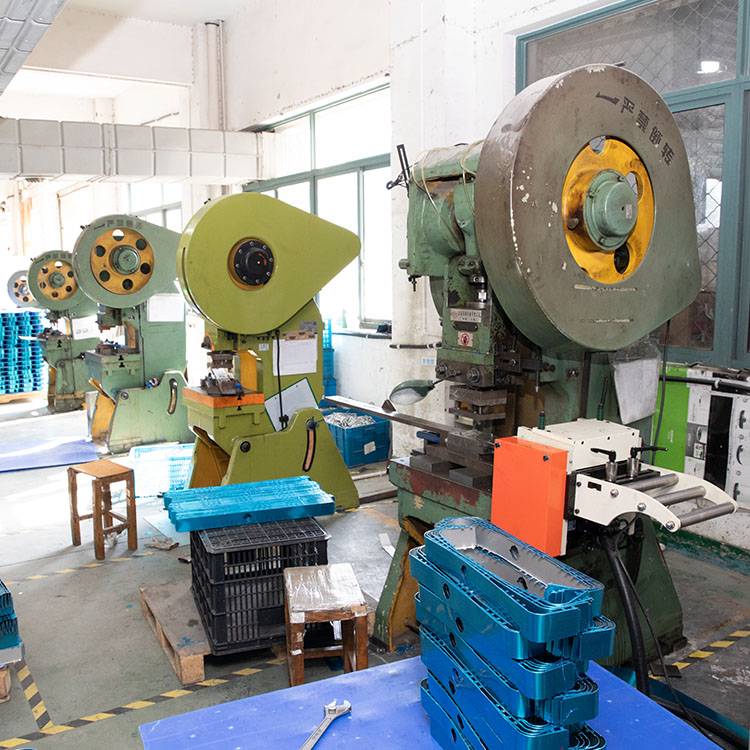
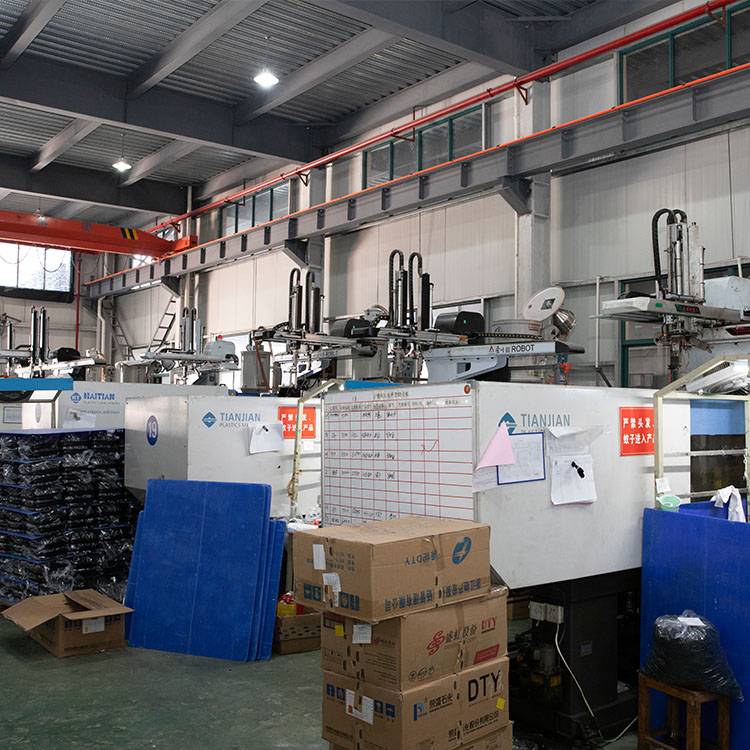
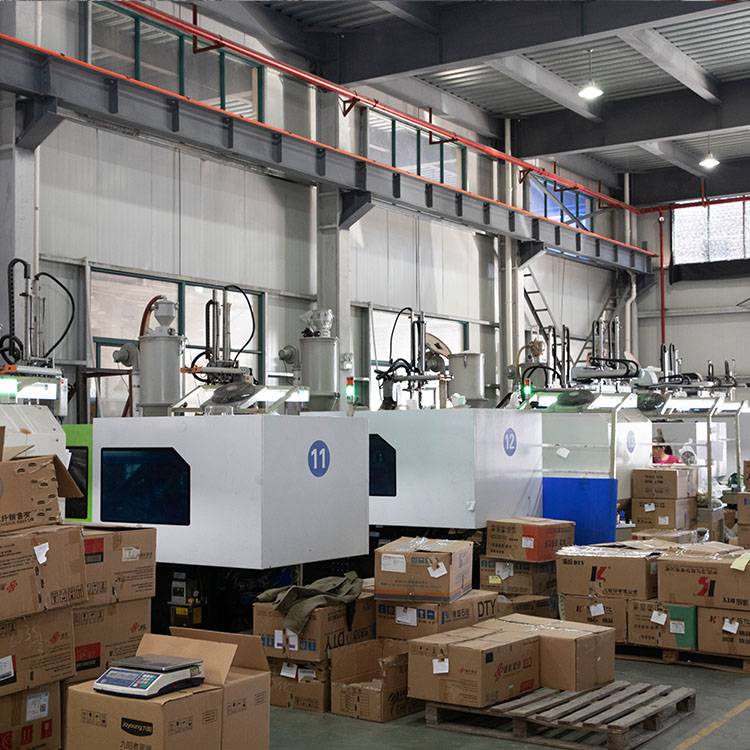
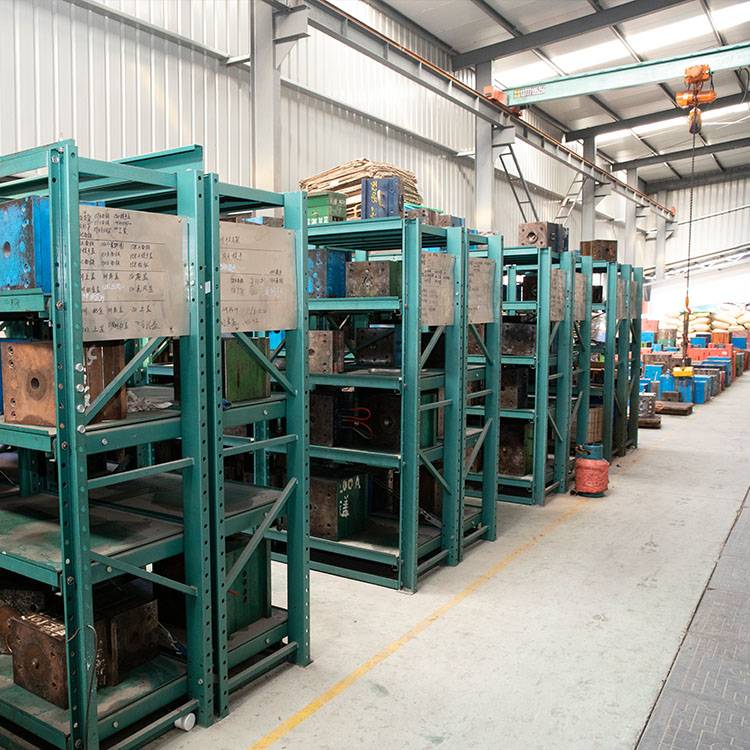
At Ningbo P&M Plastic Metal Product Co., Ltd, we take pride in our robust development and production workflow. Our engineering team manages the entire lifecycle of custom projects, from initial CAD layout and mould flow analysis to tool creation, automated injection moulding, and quality inspection. We specialize in producing high-performance equipment backed by strong technical force, robust development capabilities, and responsive technical support.
We are proud to share that our company has retained every single customer since our establishment. When a challenges arises, we actively seek solutions and remain fully accountable until a resolution is achieved. Please choose us and let us become your long-term partners in global construction and plastic moulding innovation.