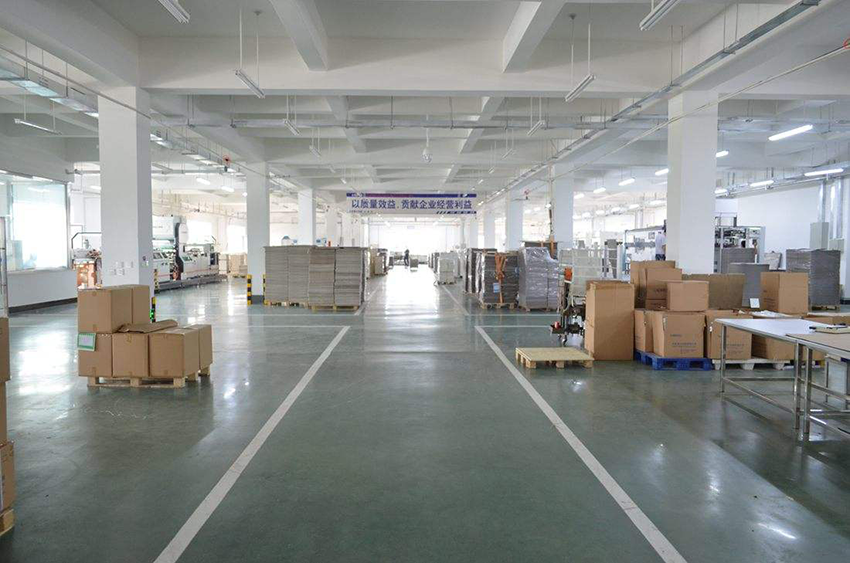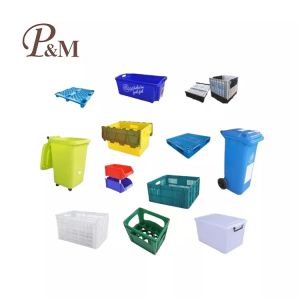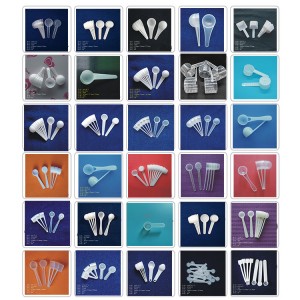
Ningbo P&M PLASTIC METAL PRODUCT CO., LTD is located in Yuyao, the so-called Mould City, Plastic Kingdom, in the southern tip of Hangzhou Bay Bridge, north of Shanghai, the east of Ningbo Port, tight double line of State Road 329 on land, sea and air traffic into a network to facilitate transport. By the abundant technical strength, scientific management methods and good after-sales service, product deeply trusted and welcomed by customers from all over the world.
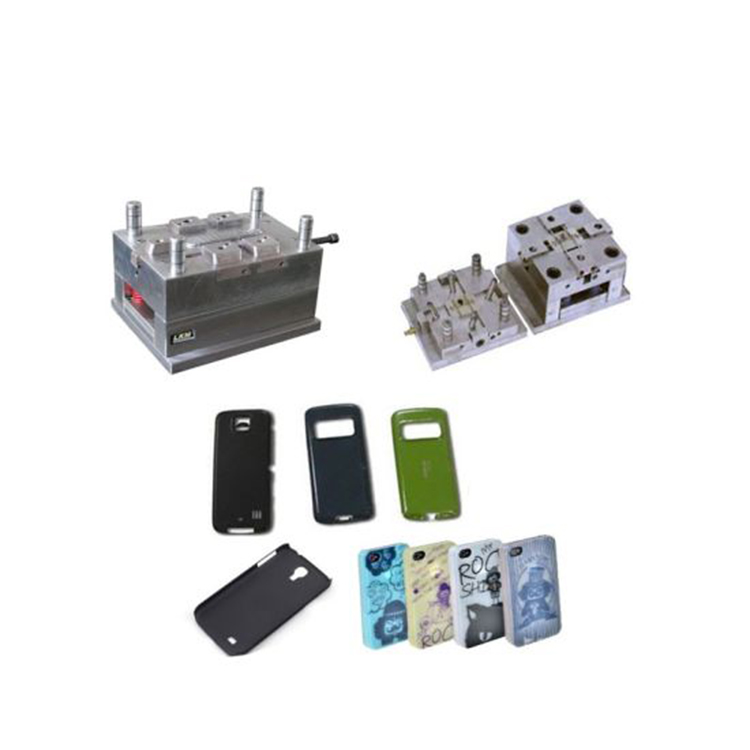
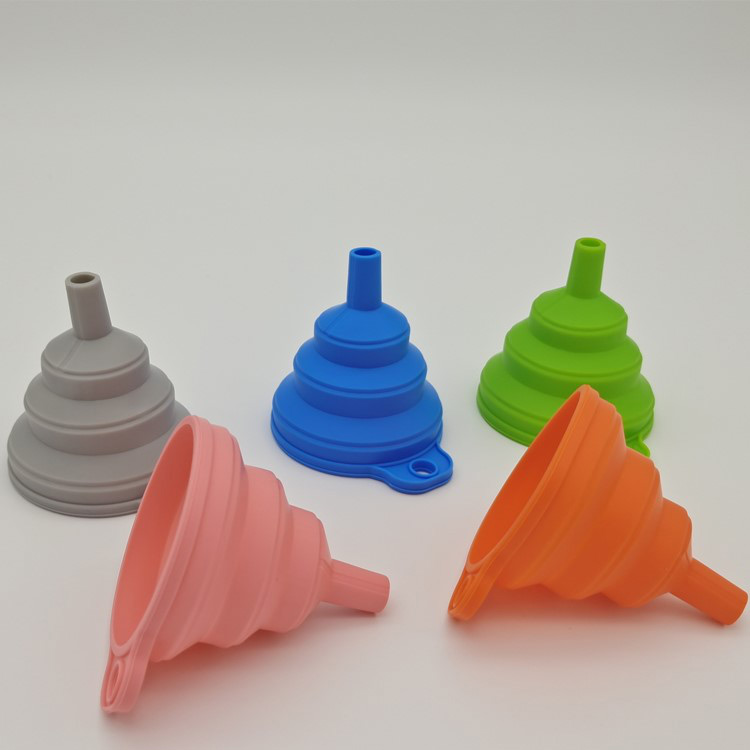
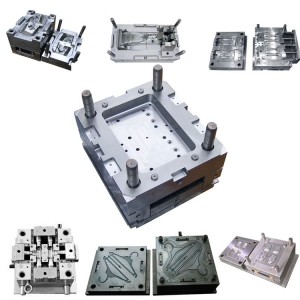
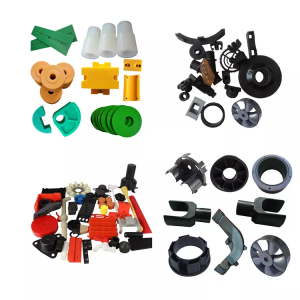
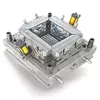
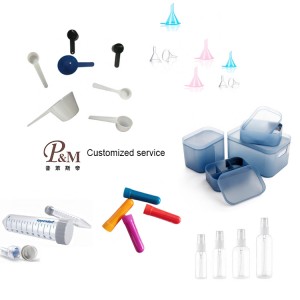
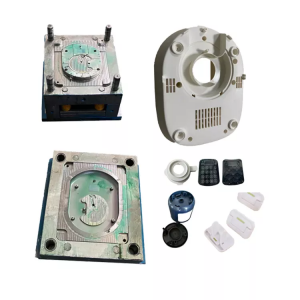
P&M started domestic business in 2008 and opened up the international market in 2014, always adhering to the principle of quality first and time supreme. While providing customers with the best quality products, it maximizes production efficiency and shortens production time. Our main products is design and manufacturing of plastic mold, plastic product, metal product. 90% products of our enterprise are exported to America, Europe, Germany, Japan, Australia, etc.
P&M adheres to market-oriented to the quality of life and focus on quality service and continuous development of new products, determined to establish a better corporate image, and our friends at home and abroad to carry a wide range of business exchanges and cooperation, create brilliant.
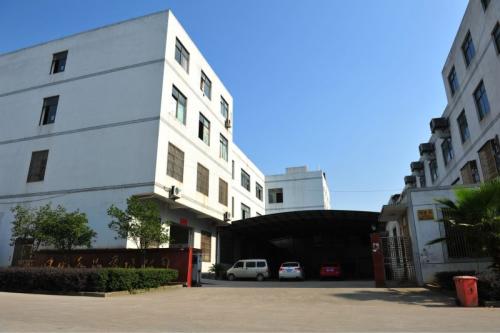
The company specializes in producing high-performance equipment, strong technical force, strong development capabilities, good technical services.
We have not lost any customer since establishment. If there is a problem, we actively seek solutions and are responsible to the end.
P&M holds improved system of development and production, to achieve mold design, plastic products manufacturing and automatic production.
Streamlined manufacturing pipelines allow you to receive the finalized high-quality products within 30 days.
The global automotive industry is undergoing a monumental paradigm shift. As manufacturers strive to meet stringent environmental regulations, reduce carbon footprints, and extend the driving range of Electric Vehicles (EVs), the demand for high-performance materials has skyrocketed. Among these, the selection and application of a suitable plastic moulding compound for automotive component molding have become critical factors in modern vehicle design and manufacturing engineering.
Replacing traditional heavy metals with advanced engineering plastics—a process known in the industry as "metal replacement"—is no longer just a cost-saving measure; it is a technological necessity. Today's automotive injection molded parts must deliver exceptional mechanical strength, thermal stability, resistance to harsh chemicals, and aesthetic flexibility, all while significantly reducing vehicle weight.
The market for automotive plastics is experiencing robust growth. Industry analysts project that the global automotive plastics market size will surpass USD 50 billion in the coming years. This growth is driven primarily by the transition to electric mobility. In EVs, battery pack enclosures, thermal management systems, and interior structural elements rely heavily on advanced polymers to offset the massive weight of lithium-ion battery packs.
Furthermore, commercial success in the automotive supply chain requires compliance with strict international automotive standards, such as IATF 16949 for quality management and ISO 26262 for functional safety. OEMs (Original Equipment Manufacturers) demand that tier-1 and tier-2 suppliers utilize plastic moulding compounds that are certified for flame retardancy (UL 94 V-0), long-term thermal aging, and mechanical fatigue resistance. Consequently, mold design and polymer compounding have integrated into a highly specialized discipline where raw material properties directly dictate tool geometry and injection molding process parameters.
Choosing the right plastic moulding compound involves balancing mechanical performance, processing behavior, and cost. Below is an in-depth breakdown of the primary engineering plastics utilized in automotive component molding:
Polypropylene remains the most widely consumed polymer in the automotive sector due to its low density, chemical resistance, and cost-effectiveness. In its unmodified state, PP is highly ductile but lacks structural stiffness. To address this, compounders reinforce PP with glass fibers (typically 10% to 40% LFT - Long Fiber Thermoplastics) or mineral fillers like talc. Glass-reinforced PP compounds are extensively used for under-the-hood components, front-end modules, instrument panel carriers, and door module liners, providing high stiffness and impact strength at elevated temperatures.
ABS offers a unique combination of impact resistance, dimensional stability, and ease of electroplating. When blended with Polycarbonate (PC/ABS), the material gains superior heat resistance and impact strength, even at low temperatures. PC/ABS is the gold standard for interior trims, dashboard components, glove boxes, overhead consoles, and exterior radiator grilles. Its excellent surface finish allows for painting, chrome plating, or texturing to match premium aesthetic requirements.
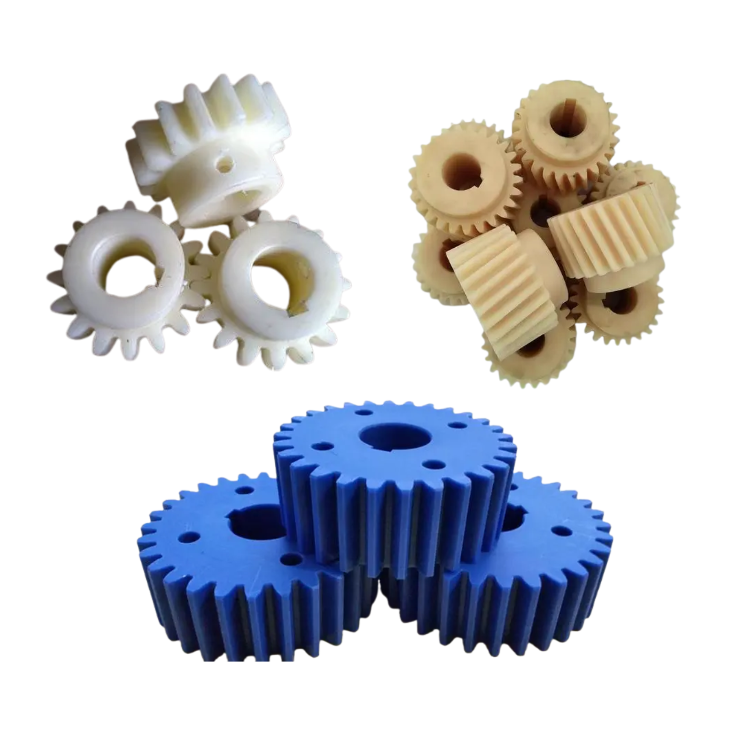
Polyamides are high-performance engineering plastics characterized by high temperature resistance, low friction, and exceptional wear resistance. When reinforced with glass fibers, PA6 and PA66 exhibit tensile strengths that rival die-cast metals. These compounds are ideal for under-the-hood applications subject to continuous heat and chemical exposure, such as engine covers, intake manifolds, oil pans, radiator end tanks, and transmission covers. Advanced heat-stabilized grades can withstand continuous operating temperatures exceeding 150°C.
PBT is a semi-crystalline polyester that provides outstanding electrical insulation properties, dimensional stability, and chemical resistance. With the rise of automotive electronics and EV powertrains, PBT has become indispensable for high-voltage connectors, sensor housings, ignition system components, and electronic control unit (ECU) enclosures. Its low moisture absorption ensures that electrical components remain insulated and functional under humid or wet operating conditions.
For extreme environments involving high thermal, mechanical, and chemical stress, advanced polymers like Polyphenylene Sulfide (PPS) and Polyether Ether Ketone (PEEK) are deployed. Though more expensive, these compounds offer metal-like performance and are used in electric motor insulators, fuel system valves, and turbocharger components.
Automotive components are categorized into distinct zones, each demanding specialized plastic moulding compounds and molding techniques:
Components in the engine bay must endure extreme thermal cycling, contact with engine oil, coolant, and road salts. Glass-fiber-reinforced PA66 and PPS are the materials of choice here. Precision injection molding ensures that complex oil pathways, integrated seals, and mounting brackets are molded in a single step, eliminating machining costs and reducing potential leak points.
The cabin environment demands safety, comfort, and visual appeal. Materials must exhibit low volatile organic compound (VOC) emissions to prevent windshield fogging and maintain air quality. Furthermore, interior parts must not splinter upon impact during a crash. PC/ABS and specialized ductile PP compounds are utilized to mold instrument panels, door pillars, and seating structures that absorb impact energy safely.
Exterior parts like bumpers, spoilers, and grilles must withstand environmental exposure, UV radiation, and low-temperature impacts (e.g., stone chips). Thermoplastic Polyolefin (TPO) and ABS are dominant in these applications. Advanced molding processes like MuCell® microcellular foaming are increasingly applied to exterior panels to reduce weight by introducing micro-bubbles into the core of the plastic part without compromising the Class-A surface finish.
EV batteries require enclosures that prevent thermal runaway, shield electromagnetic interference (EMI), and protect cells from external impacts. Specialized flame-retardant (UL 94 V-0) PC/ABS, PBT, and PA66 compounds formulated with carbon fibers or metal fibers for EMI shielding are actively replacing aluminum trays, offering significant weight savings and superior design integration for cooling channels.
To process these sophisticated plastic moulding compounds efficiently, manufacturers employ cutting-edge injection molding technologies:
The future of automotive component molding is defined by two major trends: circular economy and smart manufacturing. Automotive brands are committing to incorporating up to 30% recycled plastics in new vehicles. This has spurred intense research into chemical recycling and the compounding of post-consumer recycled (PCR) plastics with virgin resins to meet structural performance requirements.
Additionally, AI and machine learning are revolutionizing the molding floor. Real-time cavity pressure sensors coupled with AI algorithms can predict part quality, automatically adjust injection speeds and packing pressures, and detect mold wear before defects occur. This level of process control ensures near-zero defect rates, which is crucial for safety-critical automotive components.
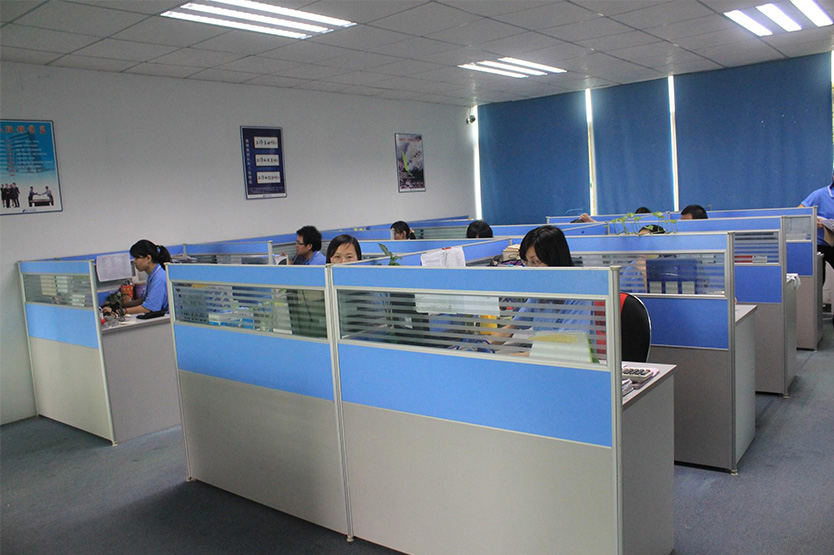
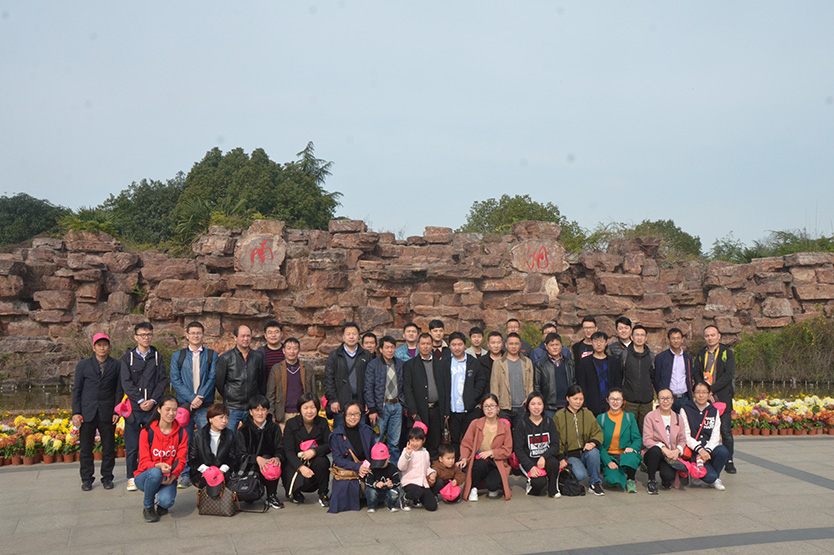
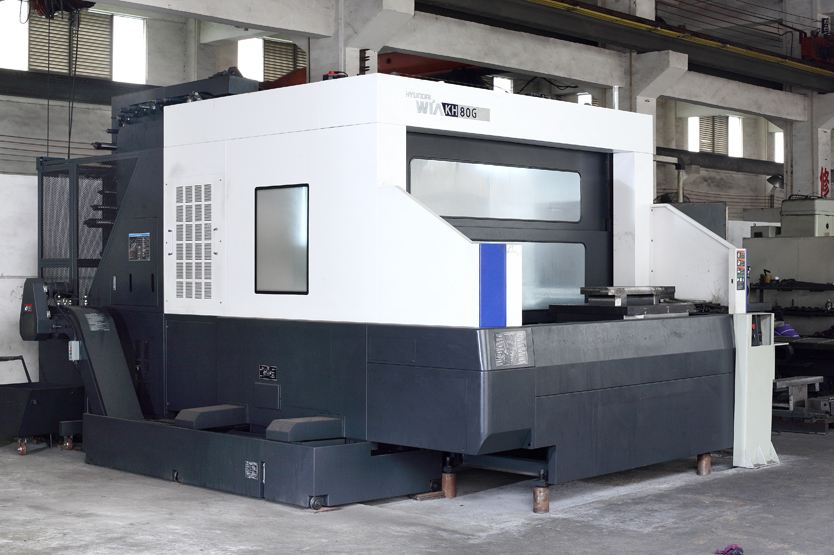
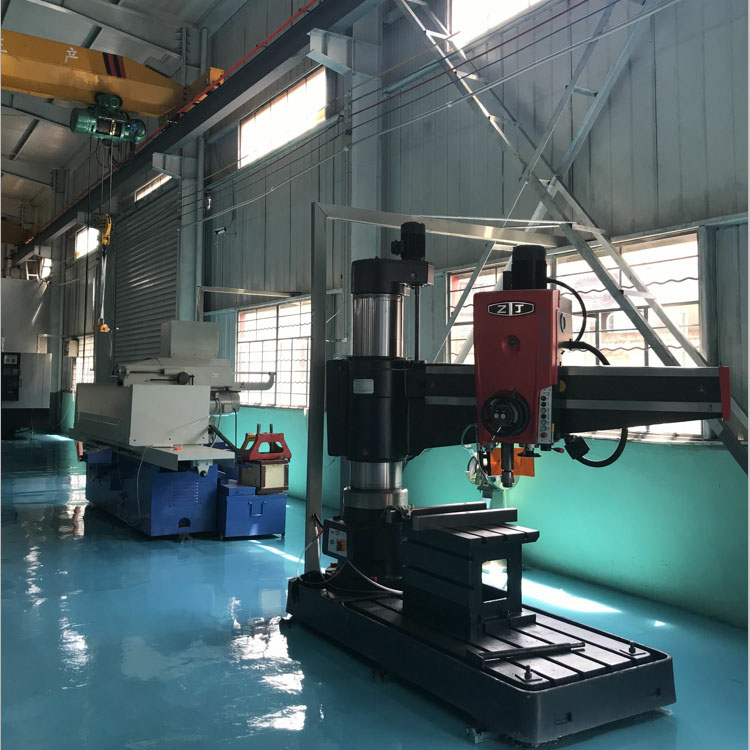
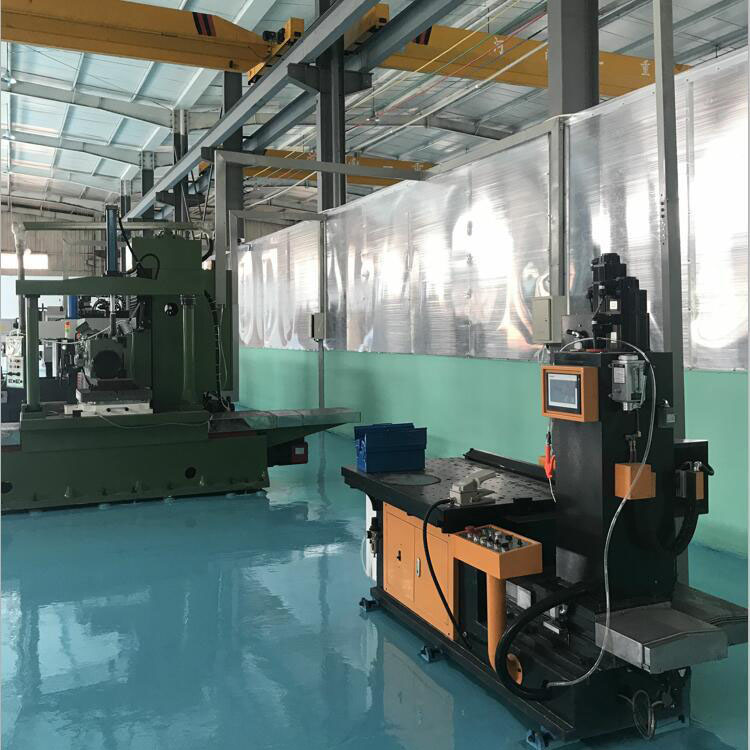
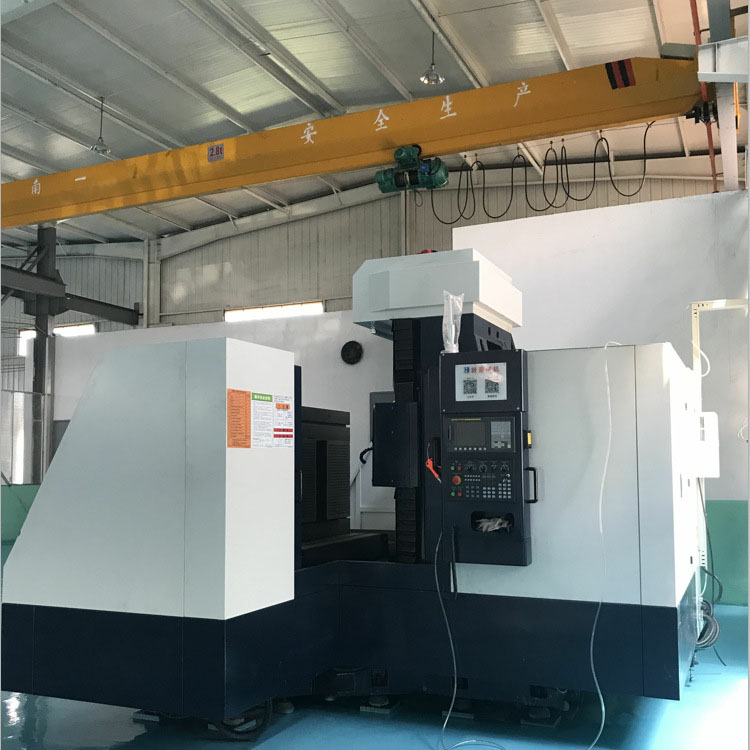
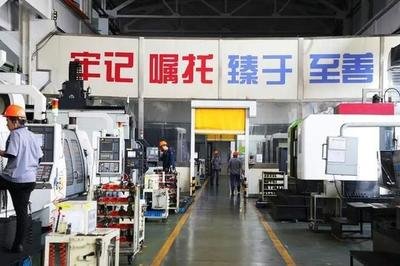
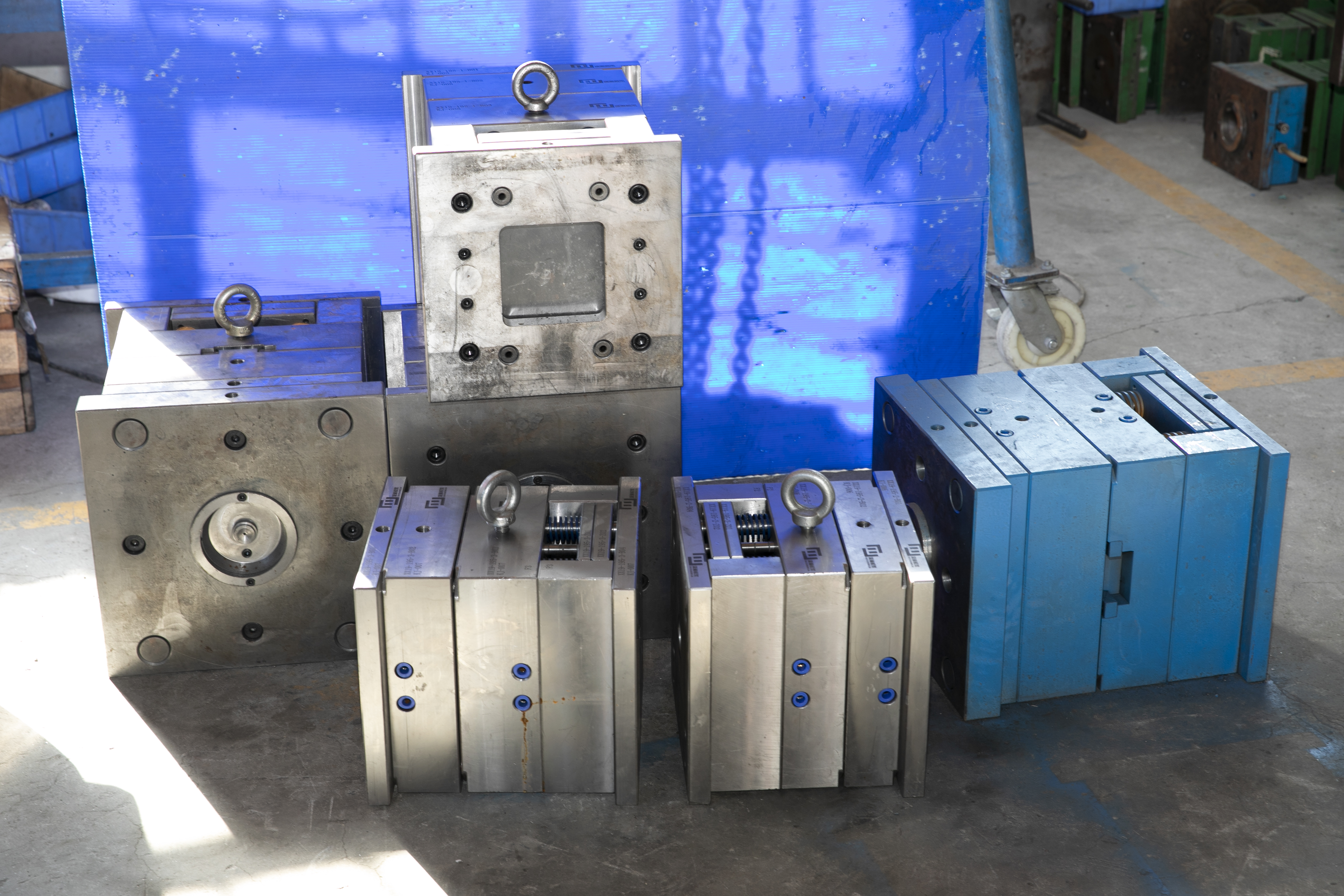
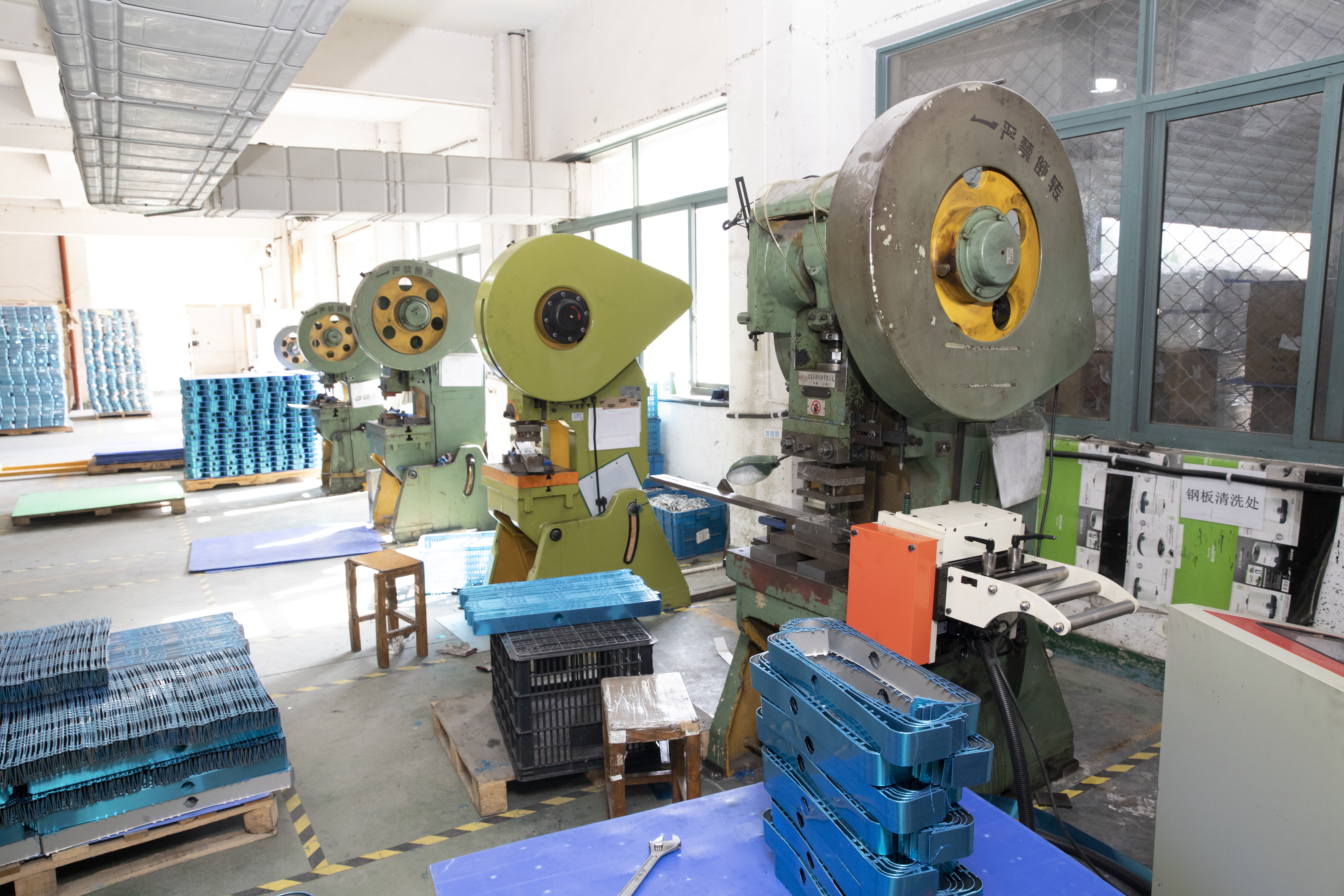
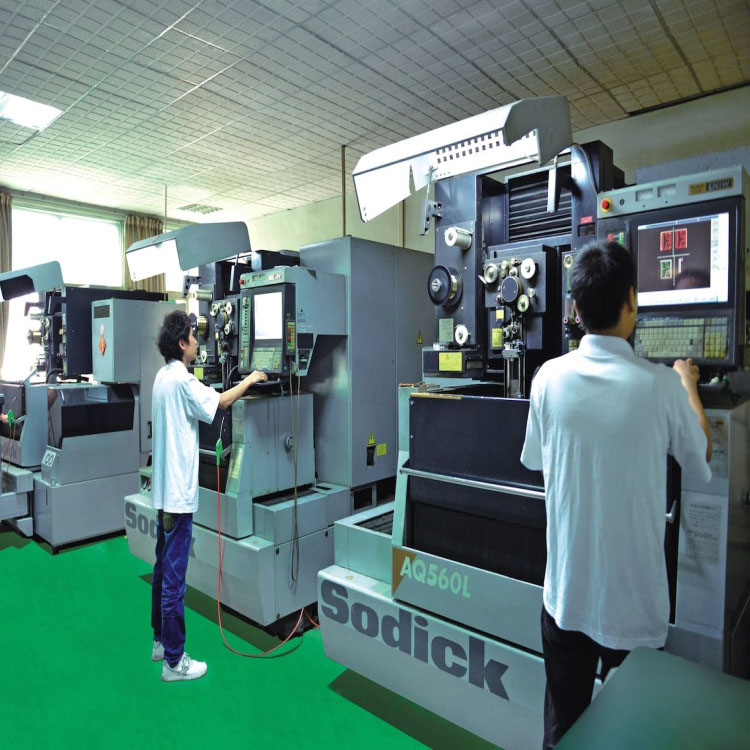

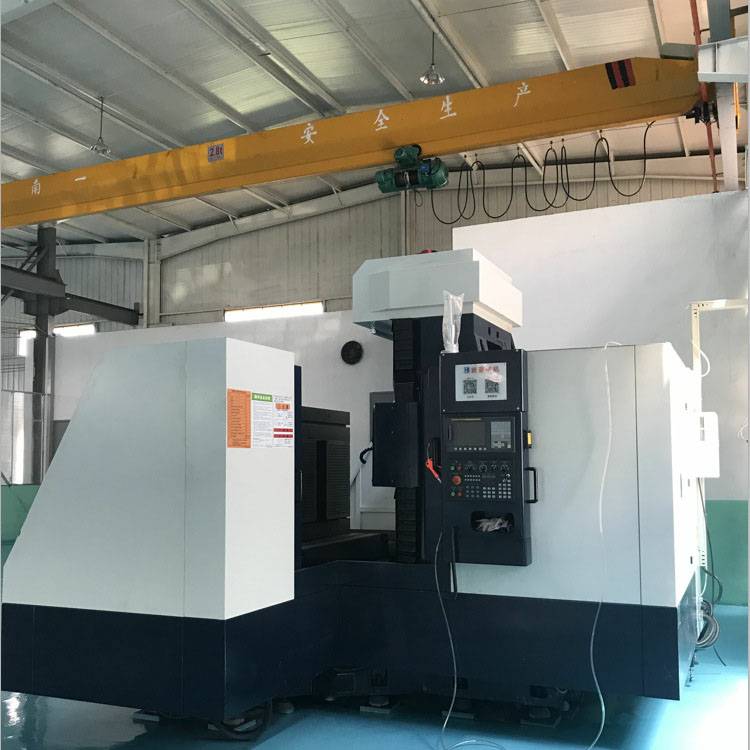
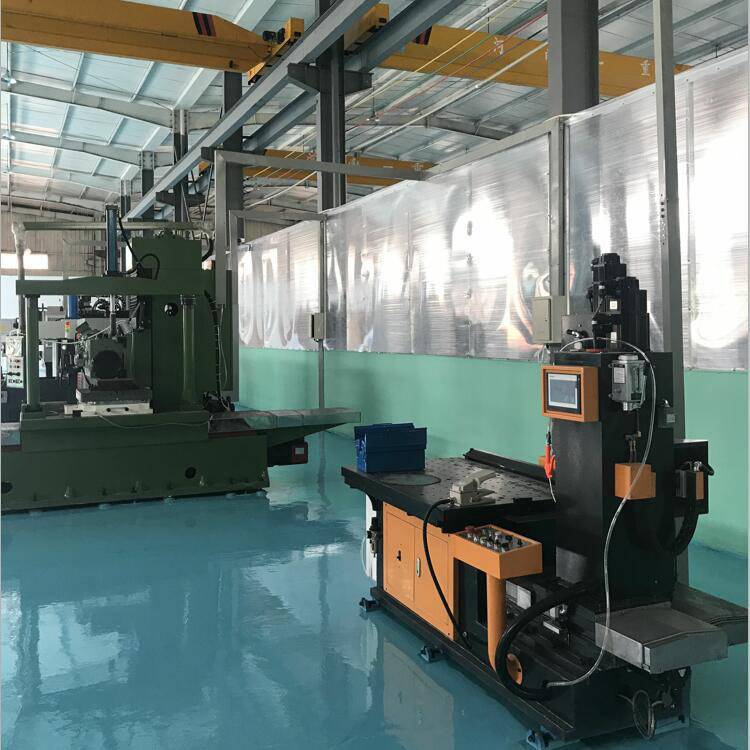
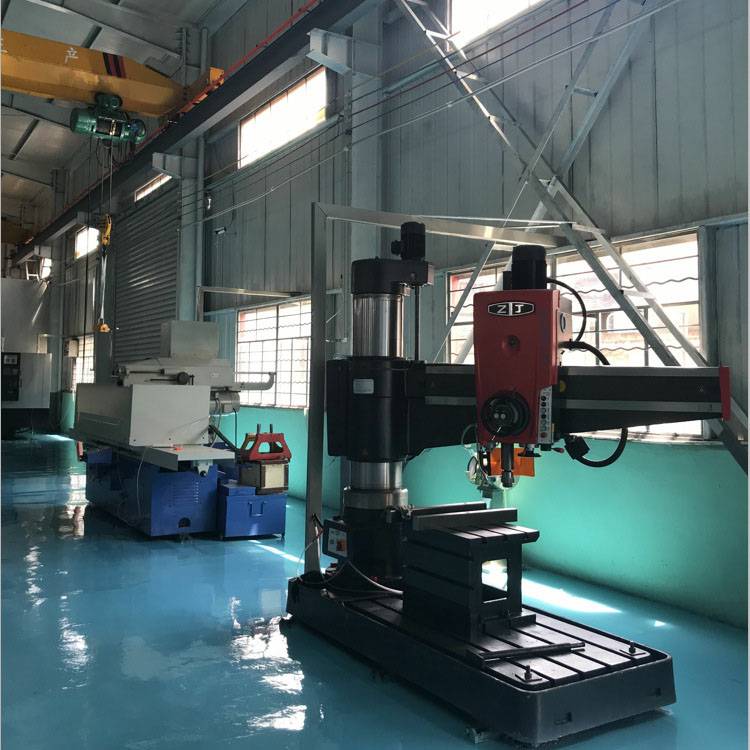
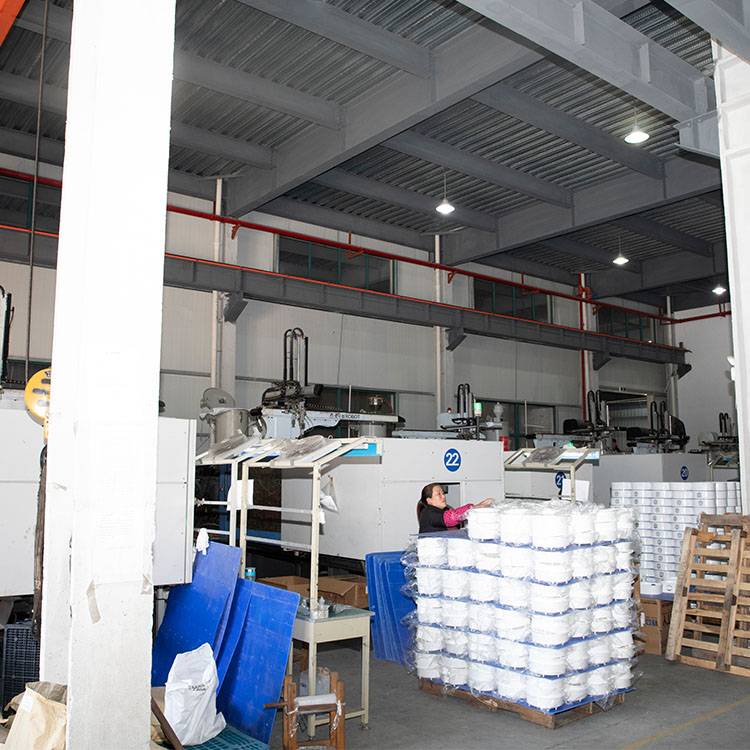
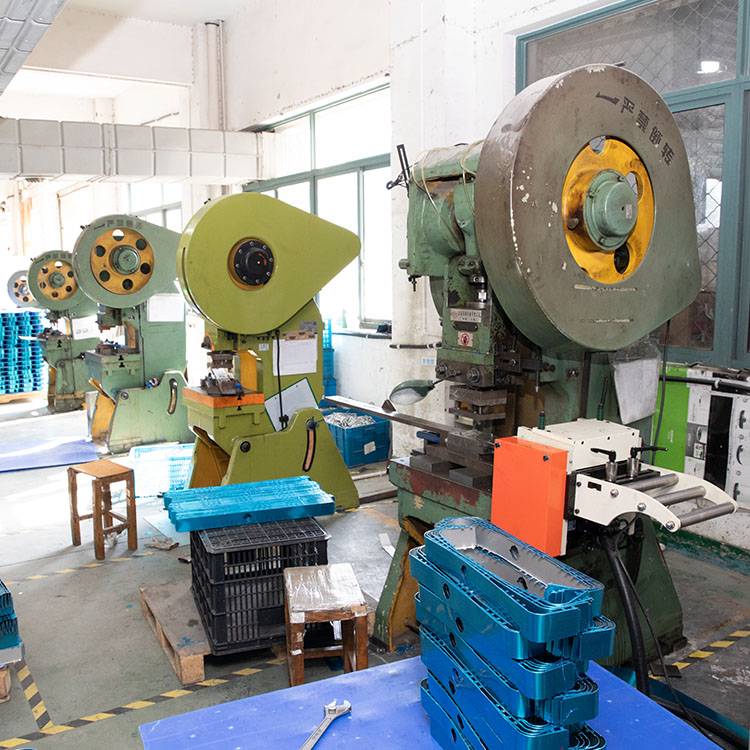
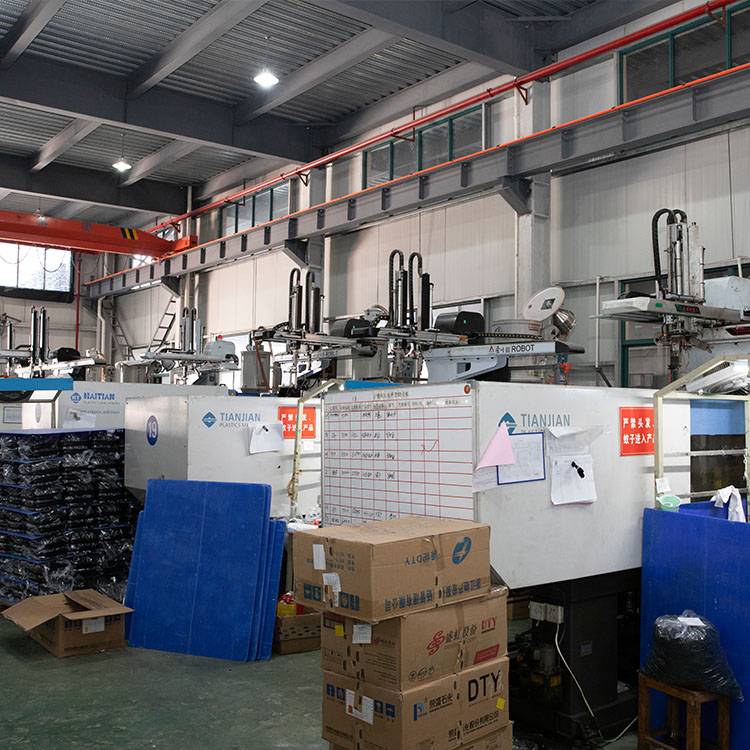
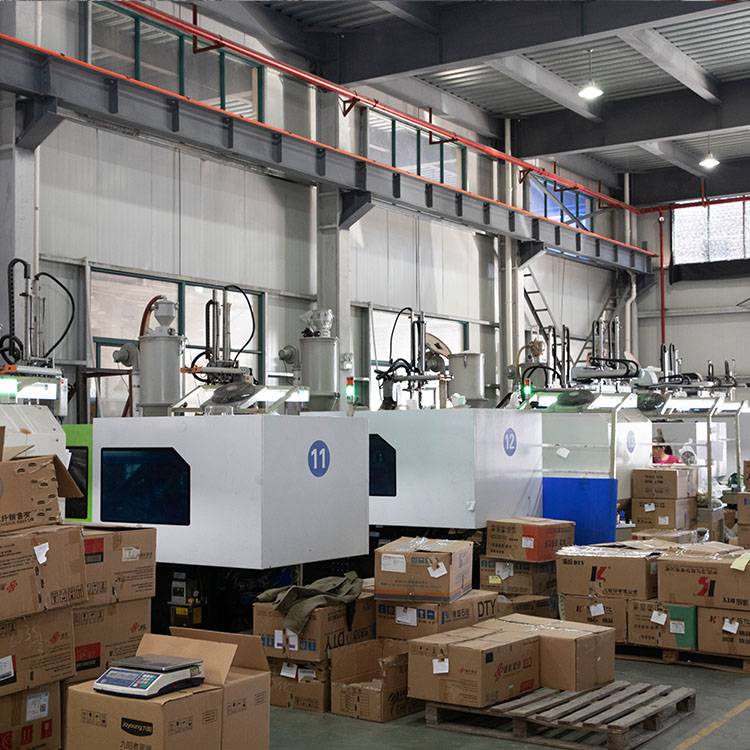
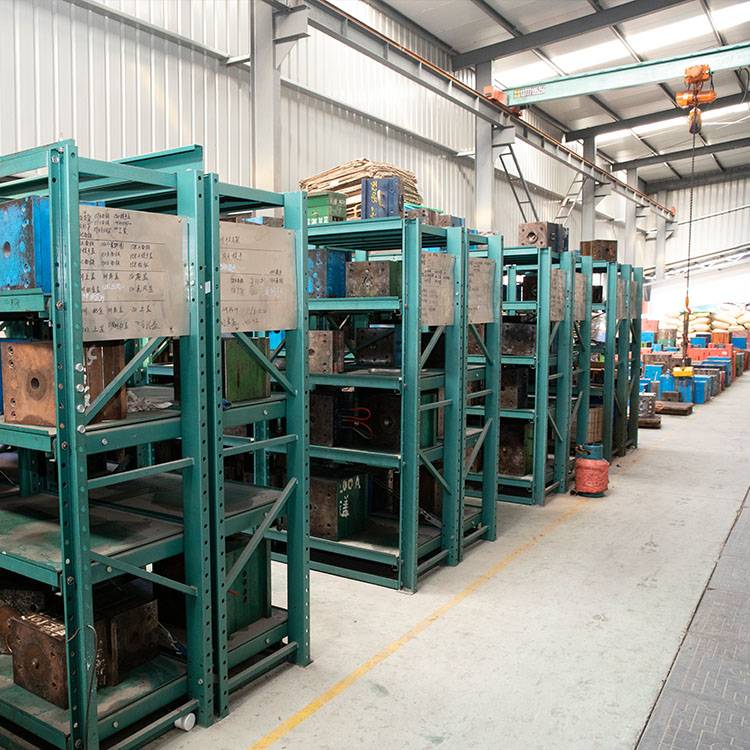
We belong to Ningbo P&M Plastic Metal Product Co., Ltd, located in Yuyao, the Mould City. We provide professional injection moulding services and injection mold manufacturing services to global clients with custom engineering plastic compounds.