
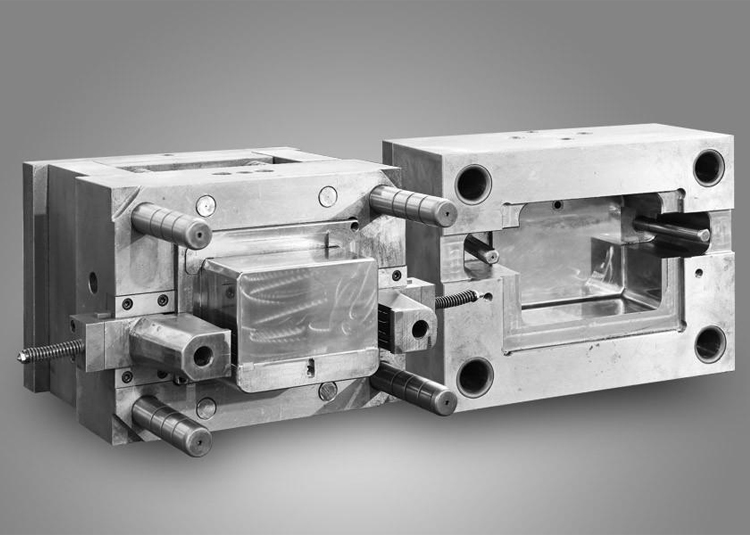
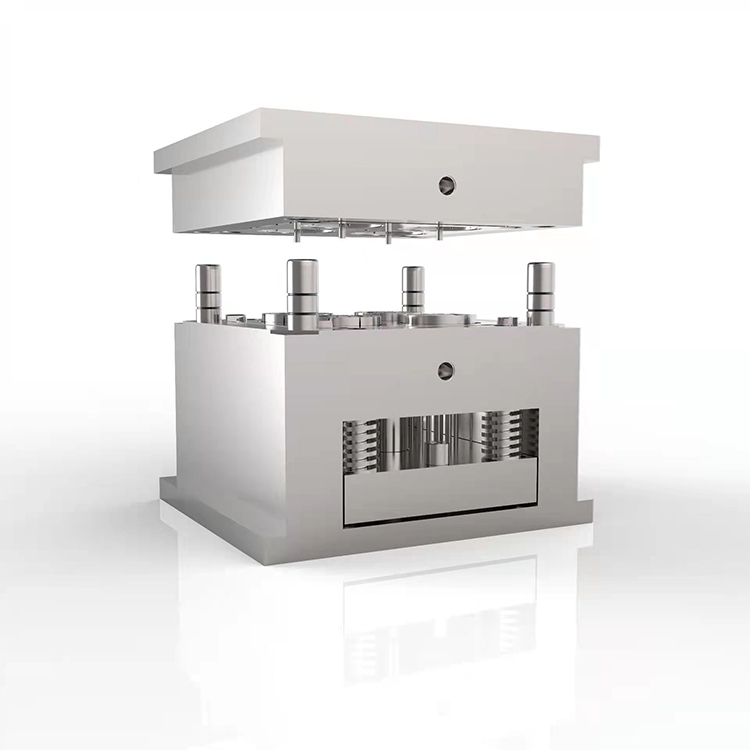
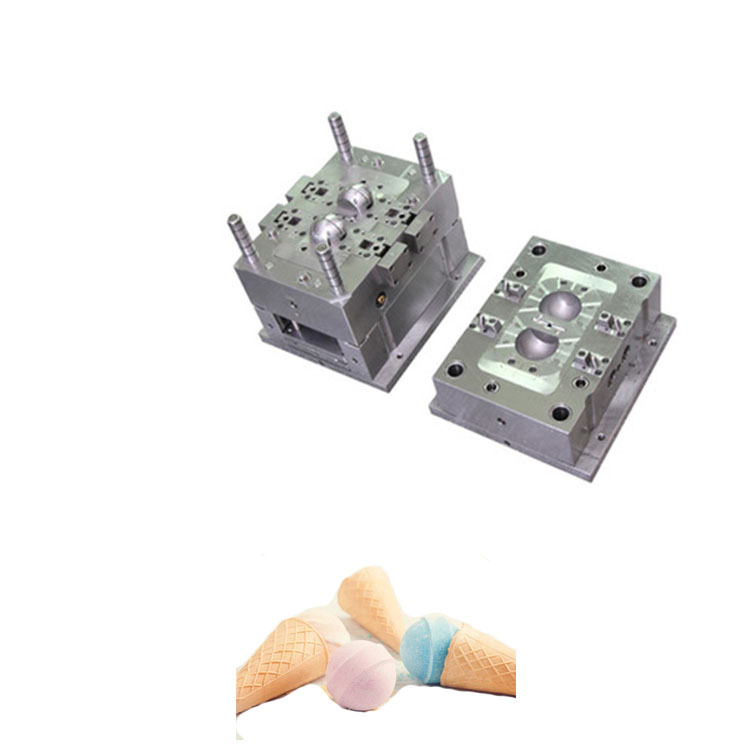

The global appliance industry is undergoing a massive transformation driven by smart home integration, energy efficiency mandates, and consumer demand for premium aesthetics. At the core of this transformation are plastic mould shapes for home appliance moulding. Plastic injection moulding has transitioned from producing basic utility components to delivering highly complex, structural, and visually striking parts that define modern household products.
From a commercial standpoint, the demand for precision plastic mould shapes is escalating. Manufacturers are constantly seeking methods to reduce component weight, integrate multiple parts into single molded structures, and lower production cycle times. This has led to a highly competitive industrial landscape where advanced tooling design, computerized simulations, and automation determine market success. Companies that invest in state-of-the-art injection moulding technologies can achieve rapid prototyping and seamless transitions to high-volume production, satisfying the fast-paced lifecycles of modern electronics.
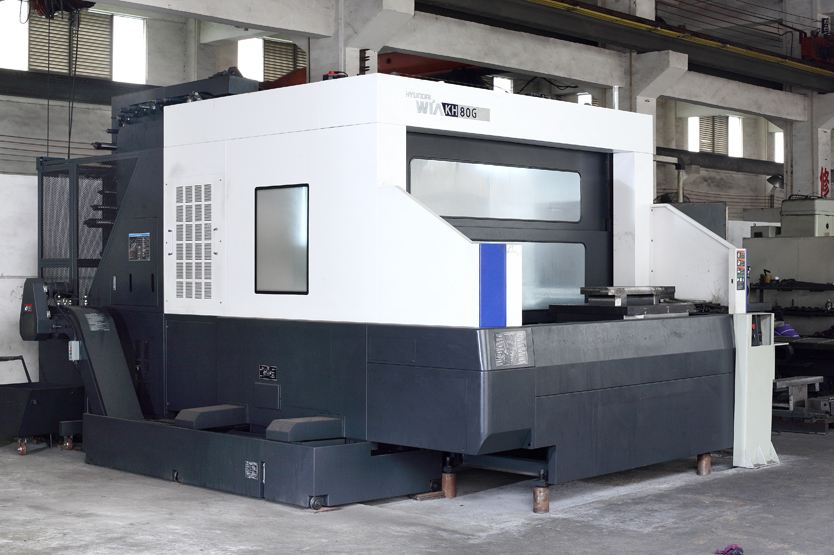
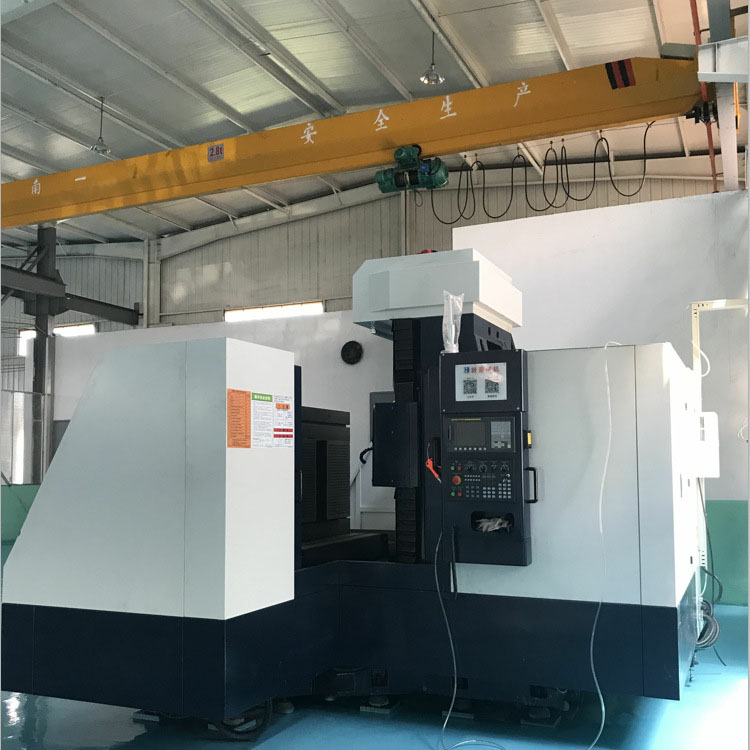
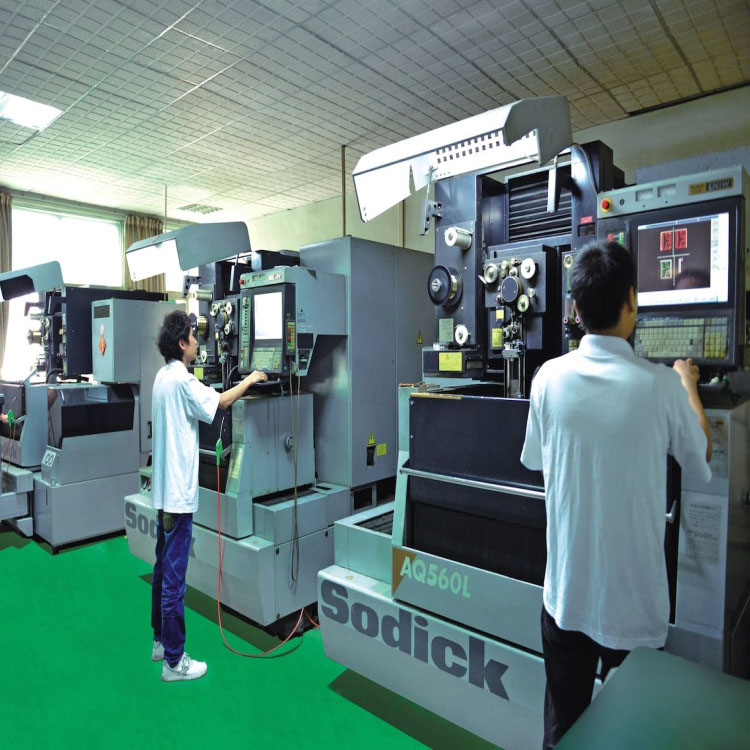
Utilizing advanced CNC machining centers and EDM processes to ensure tolerances down to the micron level for complex appliance parts.
Formulating custom polymers, including heat-resistant ABS, high-clarity polycarbonate, and recycled resins for green manufacturing.
Developing products that meet strict international standards, ensuring seamless integration into Western and Asian supply chains.
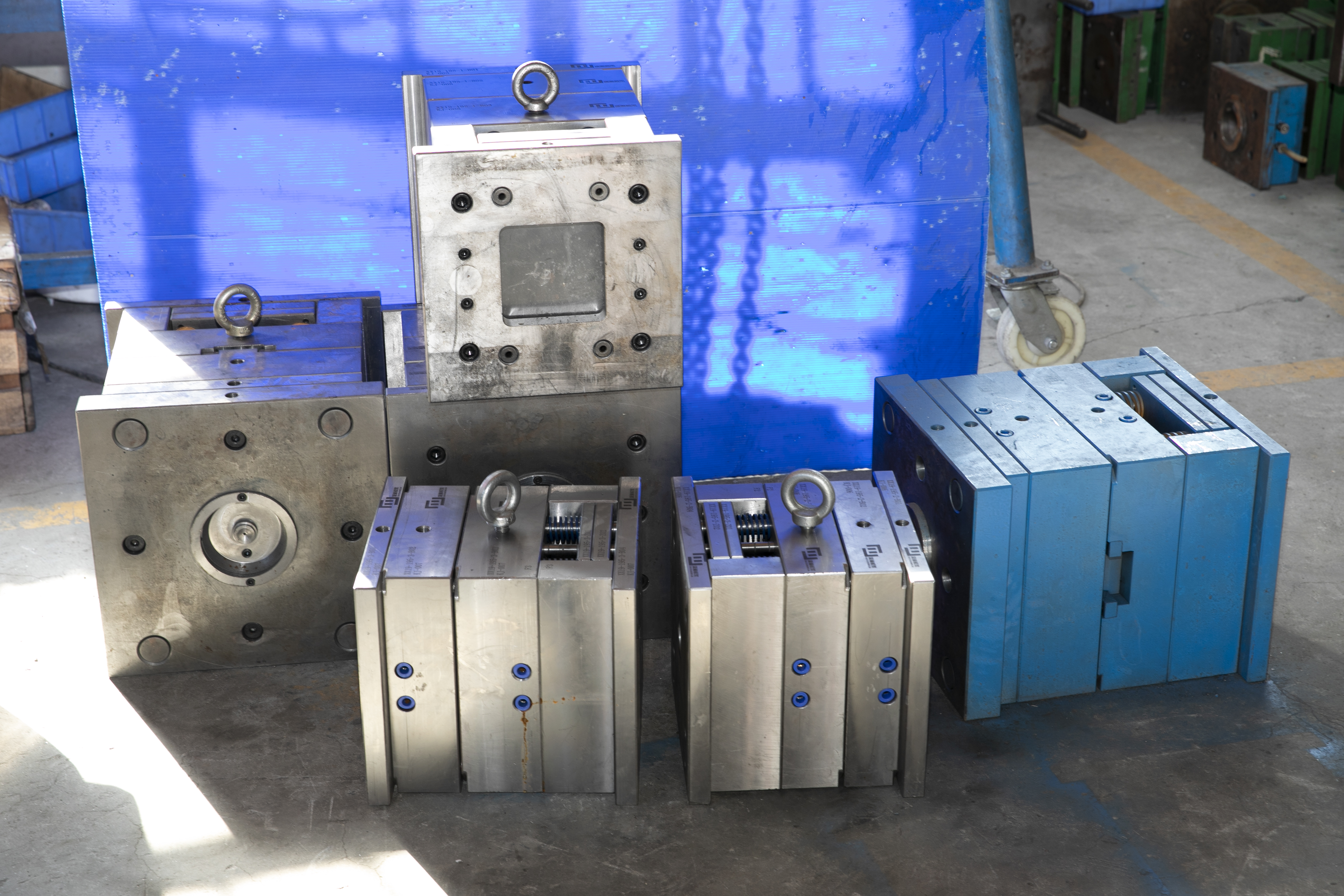
Technological convergence is reshaping how mold configurations are conceptualized. Traditional straight-pull molds are increasingly replaced by complex action molds containing unscrewing mechanisms, collapsible cores, and multi-directional sliders. These advancements allow for the production of intricate internal geometries, such as those required for washing machine agitators, refrigerator duct systems, and vacuum cleaner cyclones.
Furthermore, the incorporation of IoT sensors in home appliances requires plastic housings to feature integrated snap-fits, mounting bosses, and thin-walled sections that do not interfere with wireless signals. Consequently, mould designers must simulate melt flows, warpage, and cooling rates with extreme precision prior to steel cutting to avoid costly manufacturing defects.
To understand the profound impact of plastic mould shapes, one must analyze their specific application scenarios across various household appliance categories. Each appliance type presents unique challenges regarding structural loads, environmental exposures, and surface finish requirements.
Refrigerators rely heavily on large-scale injection molded components. The inner liners, door bins, drawers, and shelf frames must withstand low temperatures without becoming brittle. The mold shapes for these components are designed with large surface areas and complex rib structures to support heavy loads while maintaining minimal wall thickness to maximize storage space. Precision gating is crucial here to prevent weld lines and cosmetic blemishes on highly visible interior surfaces.
Washing machine components, particularly outer tubs, balance rings, and control panels, are subjected to constant vibrational forces and chemical exposure from detergents. The molds for these parts must incorporate heavy-duty ribbing to distribute stress evenly. The use of glass-filled polypropylene is common, requiring specialized tool steels and coatings to resist the abrasive nature of the material over long production runs.
For indoor and outdoor air conditioning units, plastic mould shapes are designed to optimize airflow and minimize operational noise. Cross-flow fan blades, louvers, and external chassis parts require highly precise aerodynamic contours. Any minor deviation in the mold shape can lead to imbalances, causing excessive noise and premature mechanical wear. High-gloss finishes on front panels also demand flawless mold surface polishing and advanced cooling systems to eliminate sink marks.
Coffee makers, blenders, and air fryers demand food-grade, high-temperature resistant plastics like PPS, PES, or specialized polyamides. The mould shapes must accommodate complex internal fluid paths, snap-fit assemblies, and overmolded elastomer grips for user comfort. Strict compliance with FDA and LFGB regulations means the molds must operate without contaminating the raw materials.
Ningbo P&M PLASTIC METAL PRODUCT CO., LTD is strategically located in Yuyao, widely recognized as the "Mould City" and "Plastic Kingdom" of China. Situated at the southern tip of the Hangzhou Bay Bridge, we enjoy premium geographical access, being north of Shanghai and east of the Ningbo Port. With the State Road 329 running alongside our facility, our land, sea, and air logistics network is highly optimized to facilitate rapid international shipments.
By leveraging our abundant technical strength, scientific management methods, and responsive after-sales service, our products have earned deep trust and widespread acclaim from clients worldwide. P&M started its domestic operations in 2008 and successfully expanded into the international market in 2014. We consistently adhere to the core philosophy of "quality first and time supreme." Our mission is to provide customers with the highest quality products while maximizing production efficiency and minimizing lead times.
Our primary expertise lies in the comprehensive design and manufacturing of custom plastic molds, plastic injection products, and precision metal components. Today, approximately 90% of our production is exported to major global markets, including North America, Europe, Germany, Japan, and Australia.

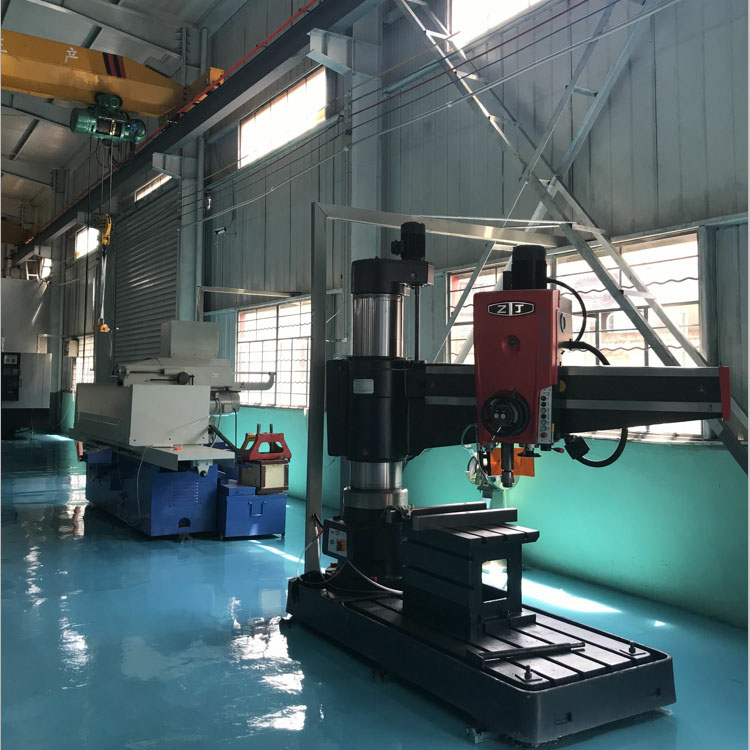
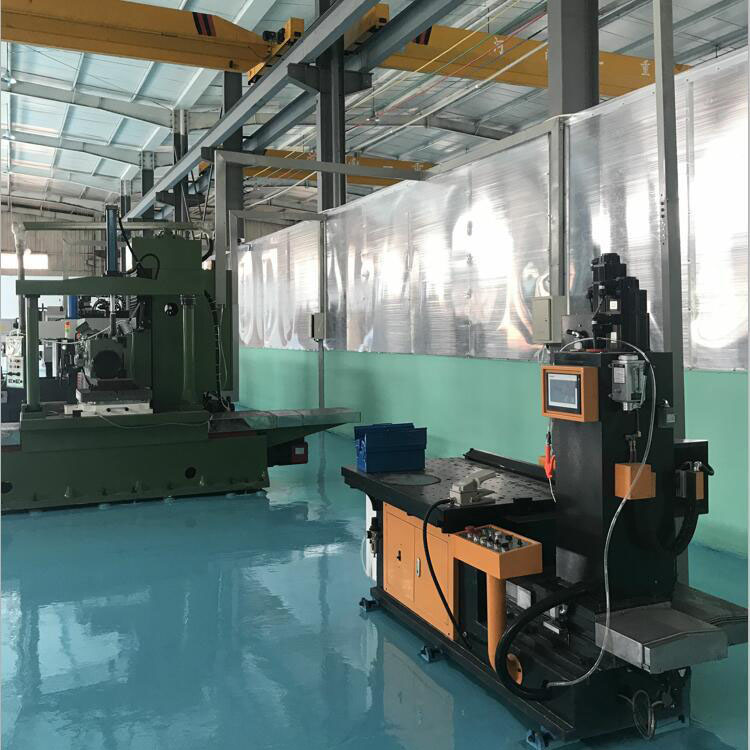
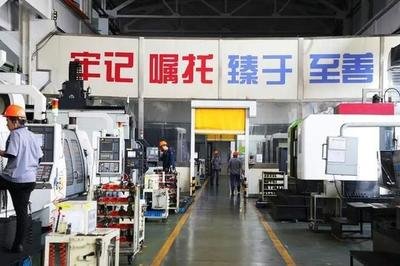
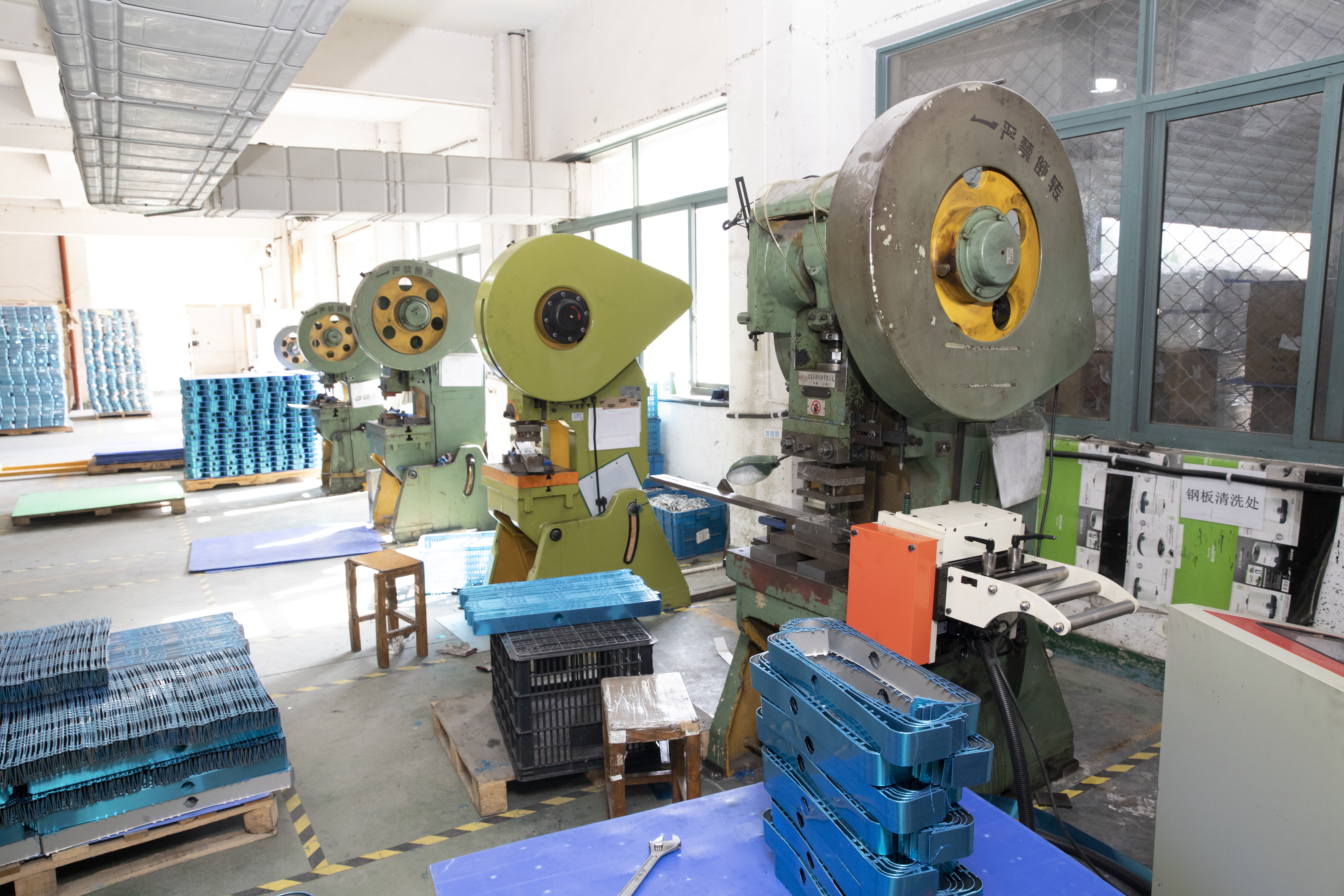
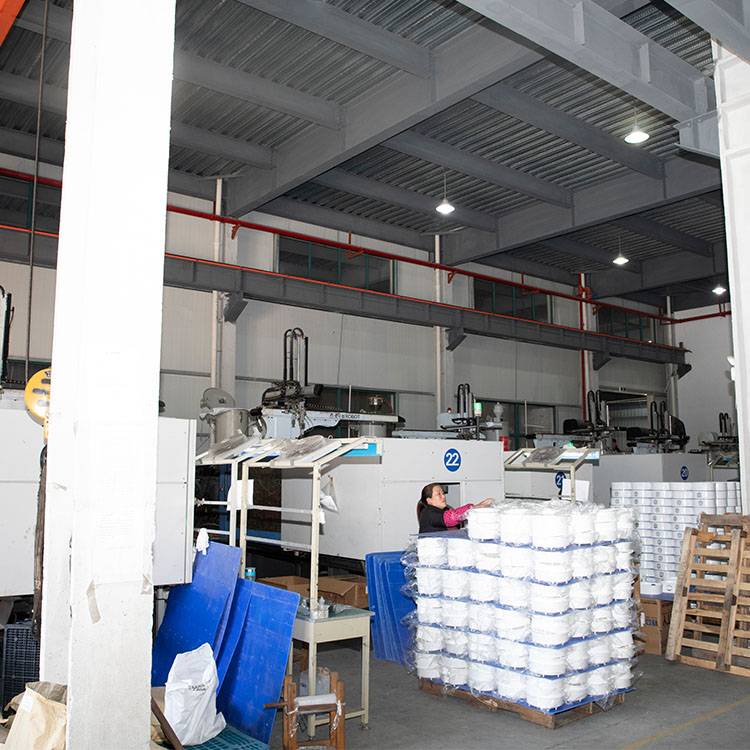
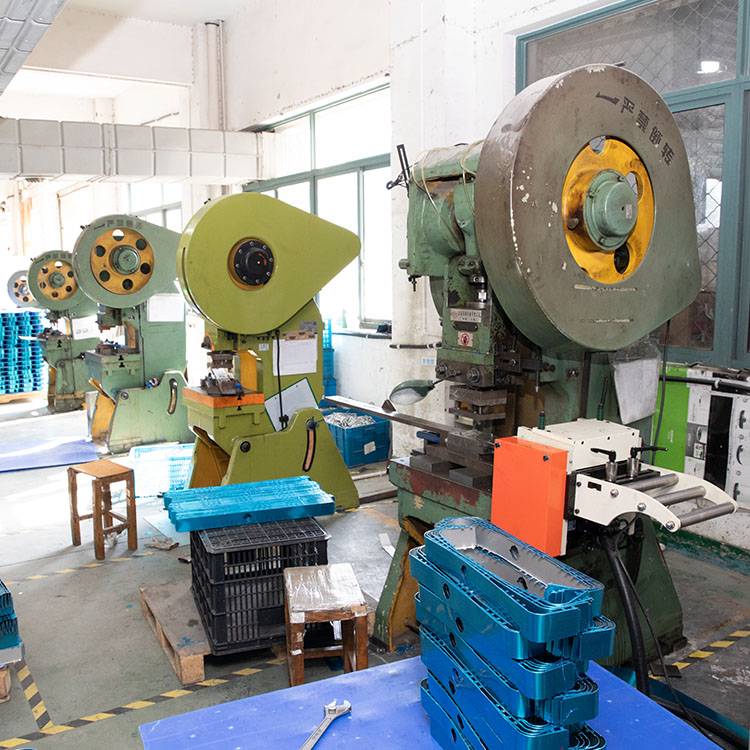
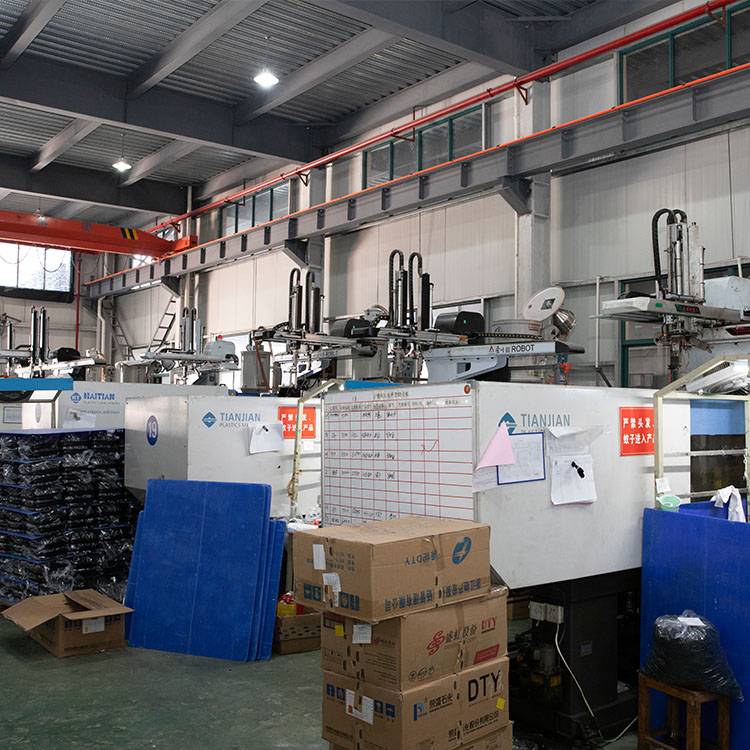
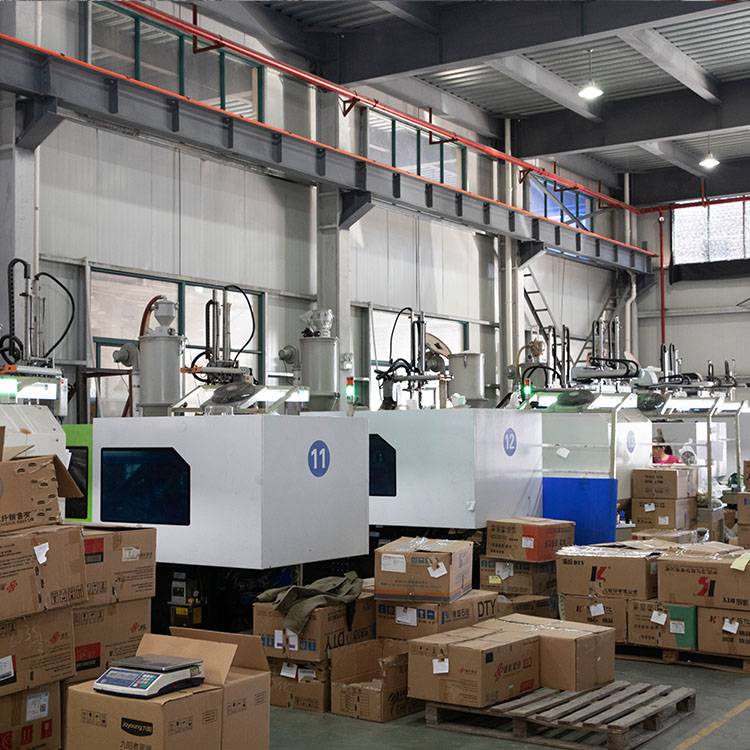
Our state-of-the-art manufacturing facility is equipped with high-speed CNC machining centers, precision EDM wire-cut machines, and automatic injection moulding presses ranging from 50 to 2000 tons. This allows us to handle both micro-precision components and large structural appliance housings with ease.
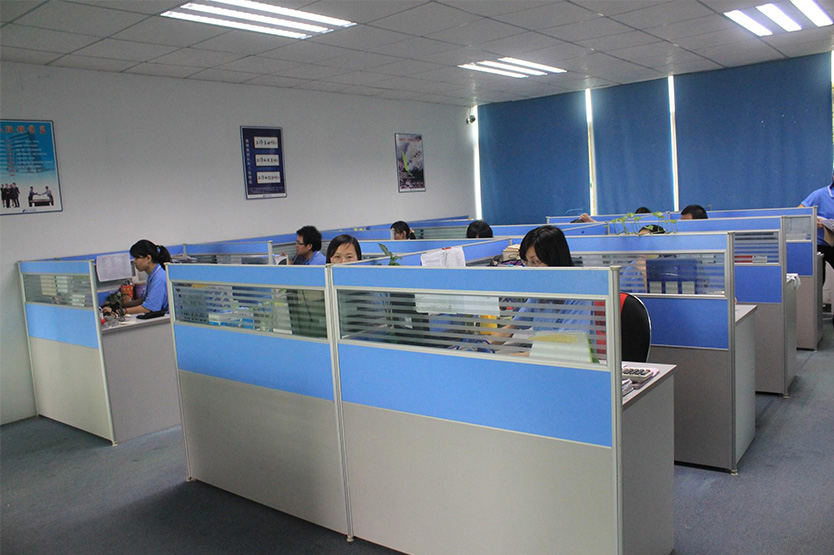

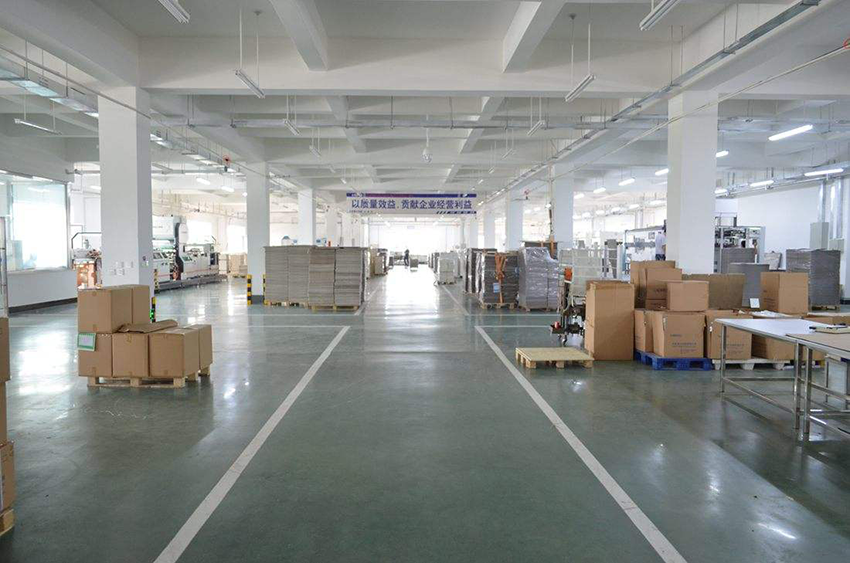
To guarantee consistent quality, our manufacturing follows a structured, step-by-step workflow from initial design review to final product dispatch.

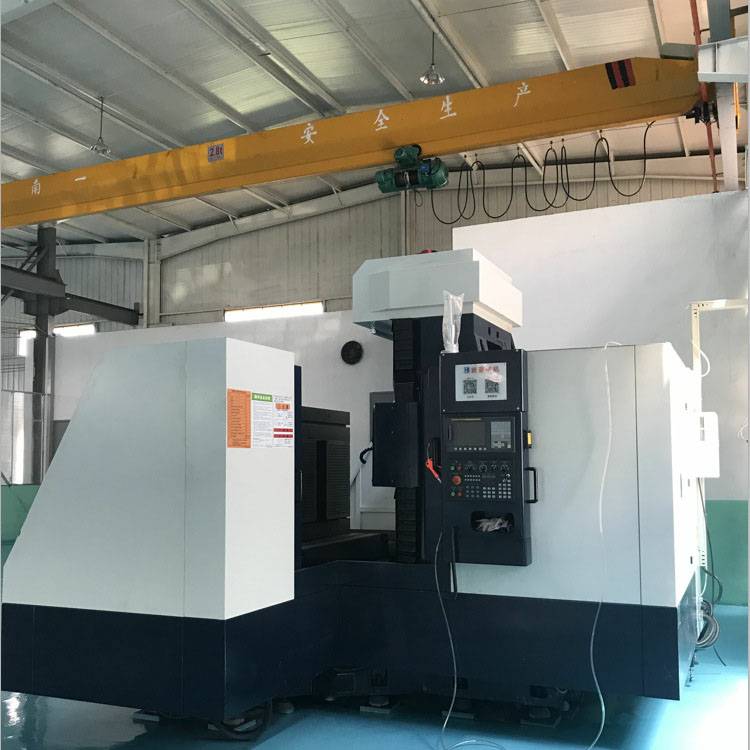
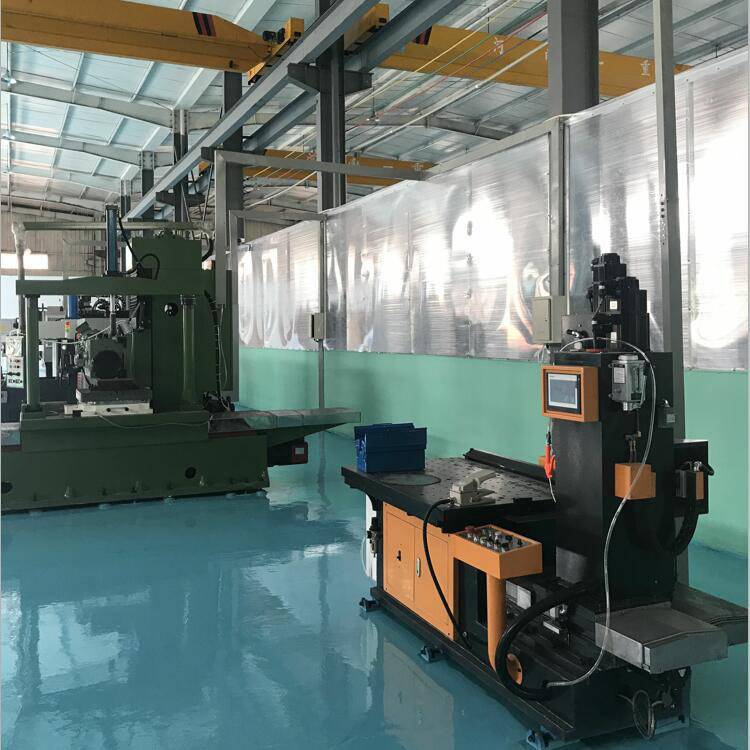
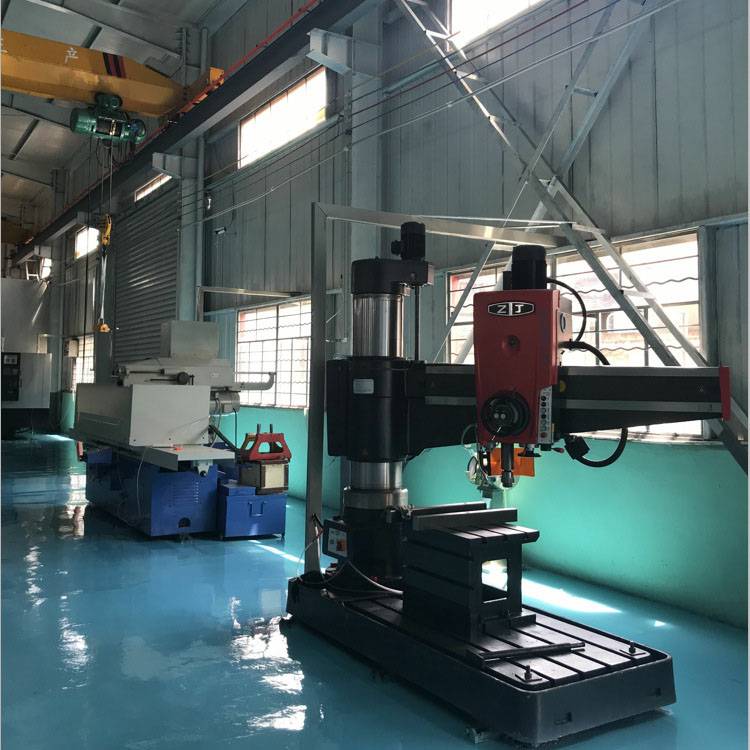
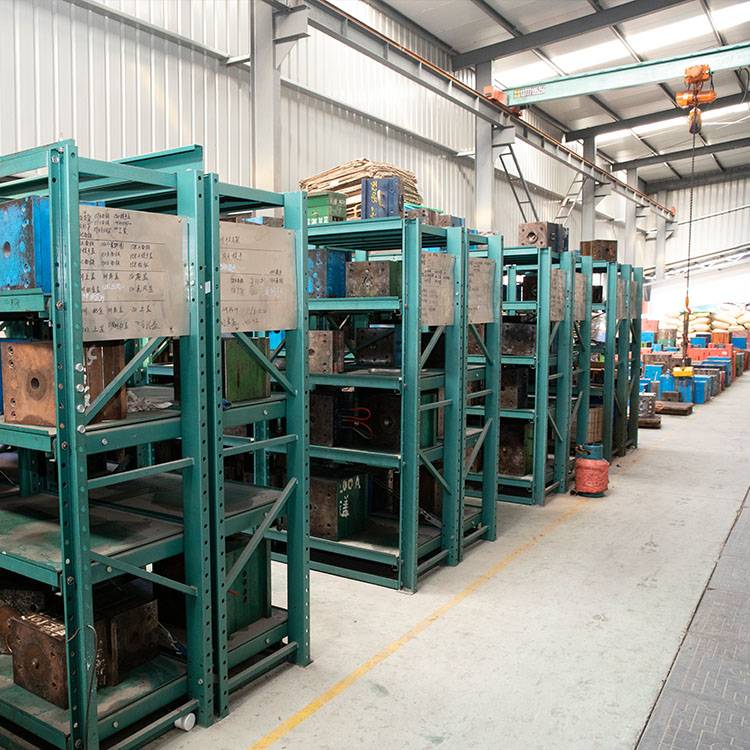
As home appliances become more sophisticated, the tooling technology must evolve in tandem. Several cutting-edge innovations are now standard in our production facility to meet the stringent demands of our global partners:
Traditional cooling lines are drilled in straight paths, which often leaves certain areas of complex molds insufficiently cooled. This leads to thermal stress, warping, and extended cycle times. By utilizing 3D metal printing (Direct Metal Laser Sintering), we design and fabricate molds with conformal cooling channels. These channels follow the exact contours of the mold cavity, ensuring uniform heat dissipation, reducing cycle times by up to 30%, and significantly improving the dimensional stability of the appliance parts.
Modern user interfaces on washing machines and dishwashers often combine hard plastic structures with soft-touch buttons or elastomeric seals. Our advanced 2K (two-shot) injection moulding technology allows us to inject two different materials into the same mold during a single cycle. This eliminates the need for secondary assembly processes, reduces labor costs, and creates a superior bond between the materials that prevents moisture ingress.
For large-scale home appliance parts, cold runner systems generate significant plastic waste and can cause pressure drops during injection. We utilize advanced hot runner systems equipped with valve gates. This allows our engineers to control the sequential opening and closing of individual gates, directing the flow of the molten polymer to eliminate weld lines, minimize clamping force requirements, and ensure a pristine cosmetic finish on the final product.

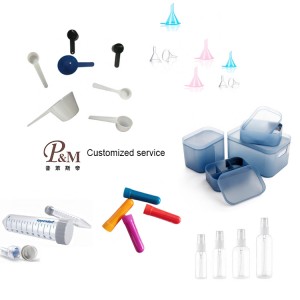


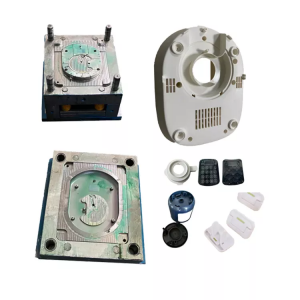
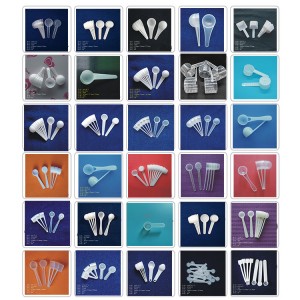

Designing high-performance plastic mould shapes requires a meticulous balance of engineering principles and practical manufacturing knowledge. To ensure that each mold operates reliably over hundreds of thousands of cycles, several critical factors must be integrated into the design phase:
Proper draft angles are vital to ensure that the molded plastic parts release cleanly from the tool without scratching or distorting. For textured surfaces, which are highly popular on home appliance exteriors, larger draft angles (typically 3 to 5 degrees) are required. Our design team utilizes advanced simulation software to analyze draft requirements across all areas of the part geometry before committing to final machining.
Variations in wall thickness can lead to uneven cooling, which causes internal stresses, warping, and cosmetic defects such as sink marks. In home appliance components like refrigerator trays or washing machine control panels, we aim for uniform wall thickness. When transitions are unavoidable, we design gradual thickness gradients and strategically place structural ribs to maintain mechanical strength without adding unnecessary mass.
The choice of tool steel directly impacts the lifespan of the mold and the quality of the molded parts. For high-volume appliance manufacturing, we select premium steels such as P20, H13, or S136 stainless steel. These steels offer excellent wear resistance, corrosion resistance, and polishability. Additionally, we apply specialized surface treatments like chrome plating or physical vapor deposition (PVD) coatings to enhance release properties and extend the service life of the tool.
Our quality assurance process begins with the inspection of incoming raw materials and extends through every stage of manufacturing. We utilize Coordinate Measuring Machines (CMM) and optical scanners to verify the dimensional accuracy of both the mold components and the final molded parts. This rigorous approach ensures that every plastic mould shape we produce meets the exact specifications of our international partners.