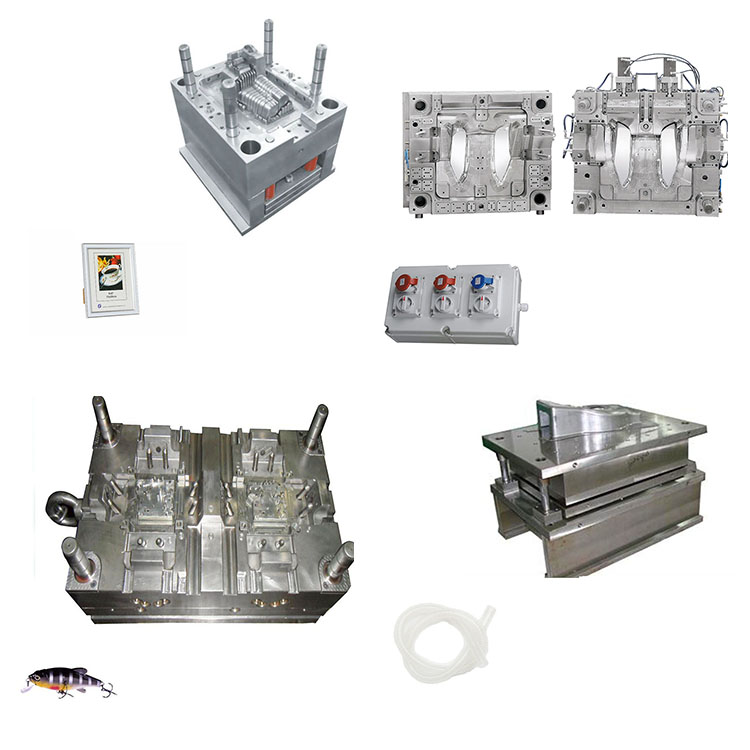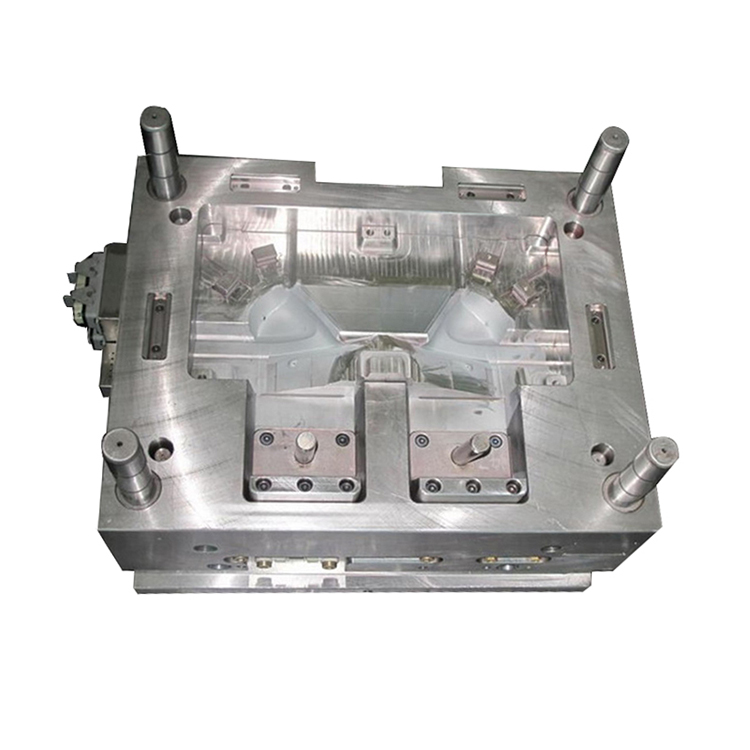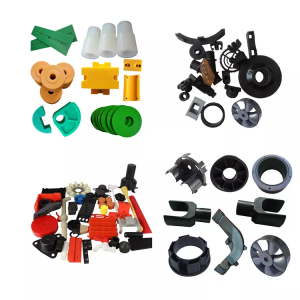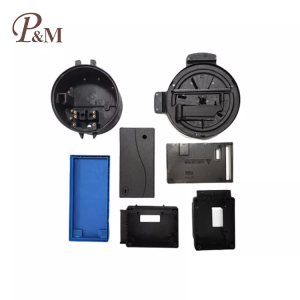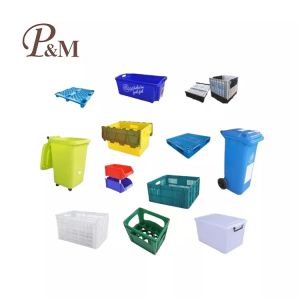
In the modern manufacturing landscape, the demand for high-quality, safe, and cost-effective food utensils has experienced exponential growth. Plastic mould making for food utensil mould making represents a highly specialized sector within the injection moulding industry. This domain requires a sophisticated balance of material science, precision engineering, strict regulatory compliance, and advanced manufacturing technologies. From single-use cutlery to reusable containers, baby feeding spoons, and complex packaging closures, the engineering behind these moulds directly influences production efficiency, product safety, and commercial profitability.
Historically, food utensils were manufactured using basic moulding techniques. However, the contemporary market demands multi-cavity, high-speed, and thin-wall injection moulding systems. The primary driver of this shift is the commercial need for high-volume output with minimal cycle times, coupled with stringent global food safety standards (such as FDA and EU regulations). Manufacturers are no longer just making moulds; they are engineering high-performance production cells that integrate robotics, hot runner systems, and state-of-the-art cooling technology.
The commercial environment for food utensil manufacturing is highly competitive. Profit margins are heavily dependent on the optimization of cycle times and material usage. In this scenario, thin-wall injection moulding (TWIM) has emerged as the industry standard for producing containers, cups, and lids. By reducing the wall thickness of plastic utensils, manufacturers can save up to 30% in raw material costs, which is a massive competitive advantage when producing millions of units.
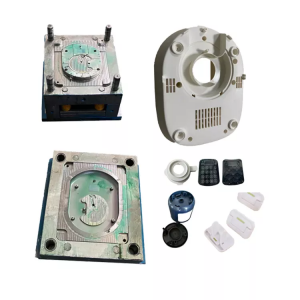
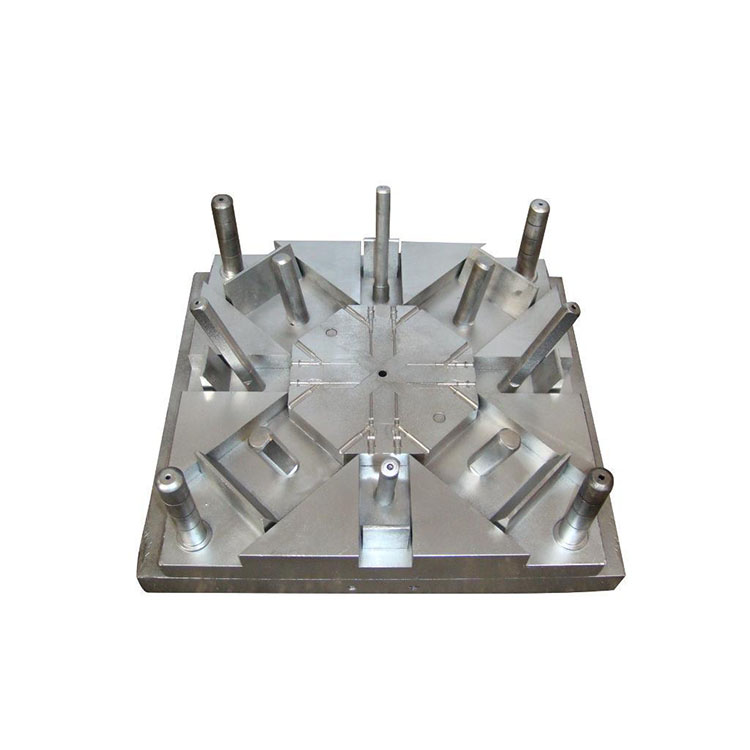
However, thin-wall parts require extremely high injection pressures (often exceeding 200 MPa) and rapid clamp speeds. Consequently, the moulds must be constructed from premium-grade tool steels (such as H13, S136, or NAK80) and heat-treated to withstand continuous stress without deformation. Corrosion resistance is another critical factor, as food-grade plastics can release corrosive gases during high-temperature processing. The global supply chain now relies on mould-making hubs like Yuyao, China—known as the "Mould City"—to deliver these highly sophisticated systems to international markets, including North America, Europe, and Australia.
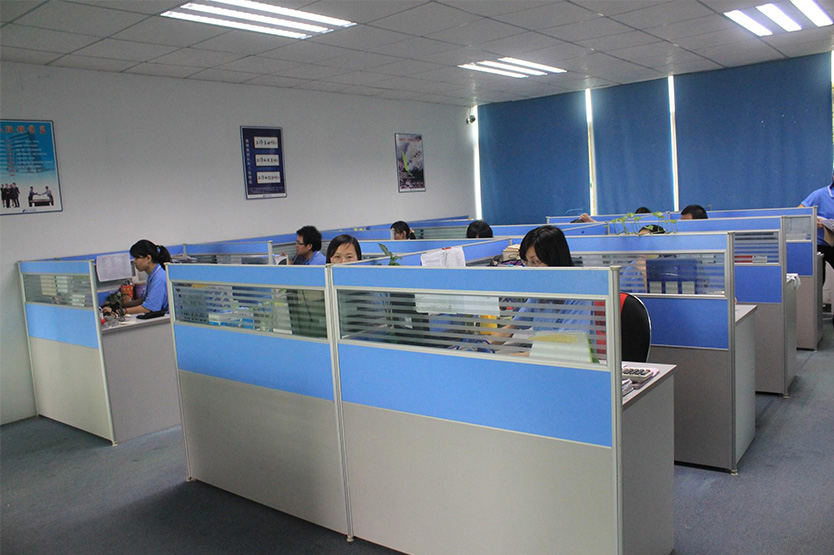
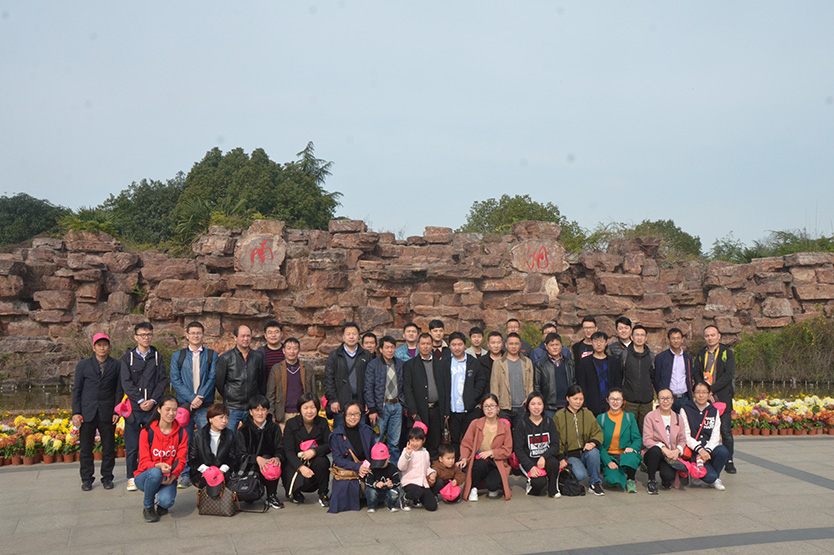
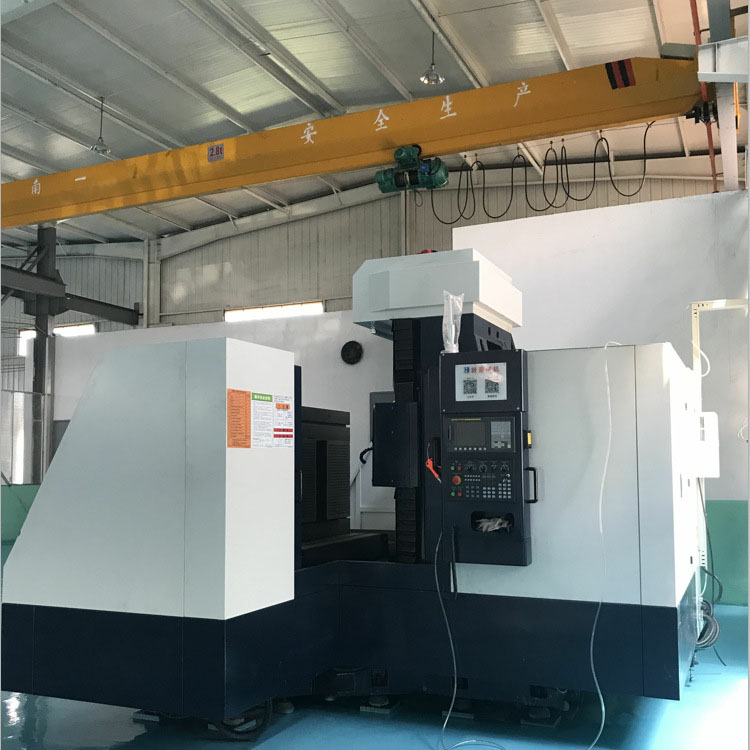
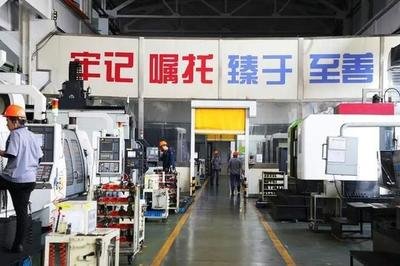
Ningbo P&M PLASTIC METAL PRODUCT CO., LTD is located in Yuyao, the so-called Mould City, Plastic Kingdom, in the southern tip of Hangzhou Bay Bridge, north of Shanghai, the east of Ningbo Port, tight double line of State Road 329 on land, sea and air traffic into a network to facilitate transport. By the abundant technical strength, scientific management methods and good after-sales service, product deeply trusted and welcomed by customers from all over the world.
P&M started domestic business in 2008 and opened up the international market in 2014, always adhering to the principle of quality first and time supreme. While providing customers with the best quality products, it maximizes production efficiency and shortens production time. Our main products is design and manufacturing of plastic mold, plastic product, metal product. 90% products of our enterprise are exported to America, Europe, Germany, Japan, Australia, etc.
P&M adheres to market-oriented to the quality of life and focus on quality service and continuous development of new products, determined to establish a better corporate image, and our friends at home and abroad to carry a wide range of business exchanges and cooperation, create brilliant.

The company specializes in producing high-performance equipment, strong technical force, strong development capabilities, and good technical services.
We are proud that we have not lost any customer since our establishment. If there is a problem, we actively seek a solution and are responsible to the end.
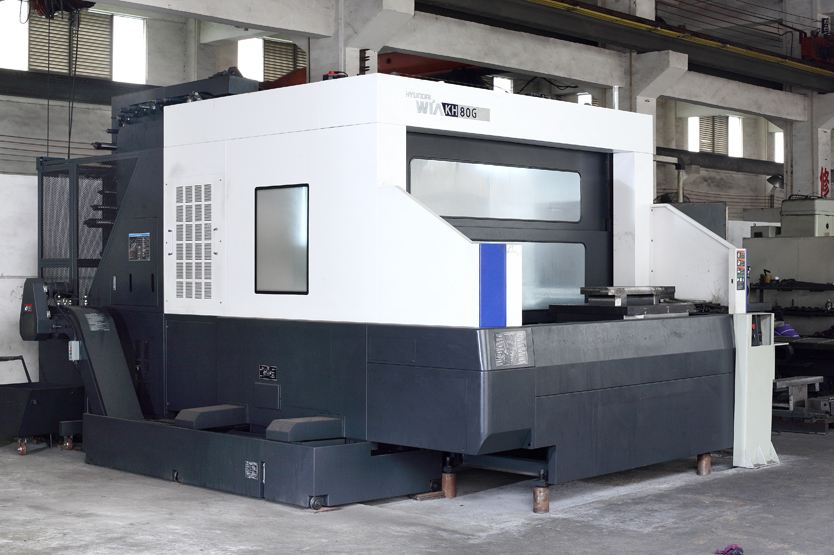
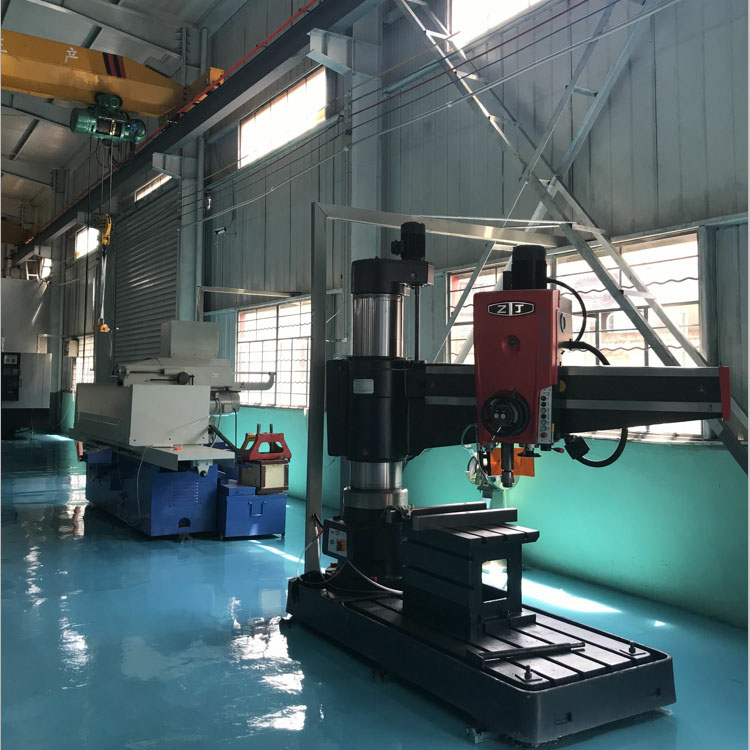
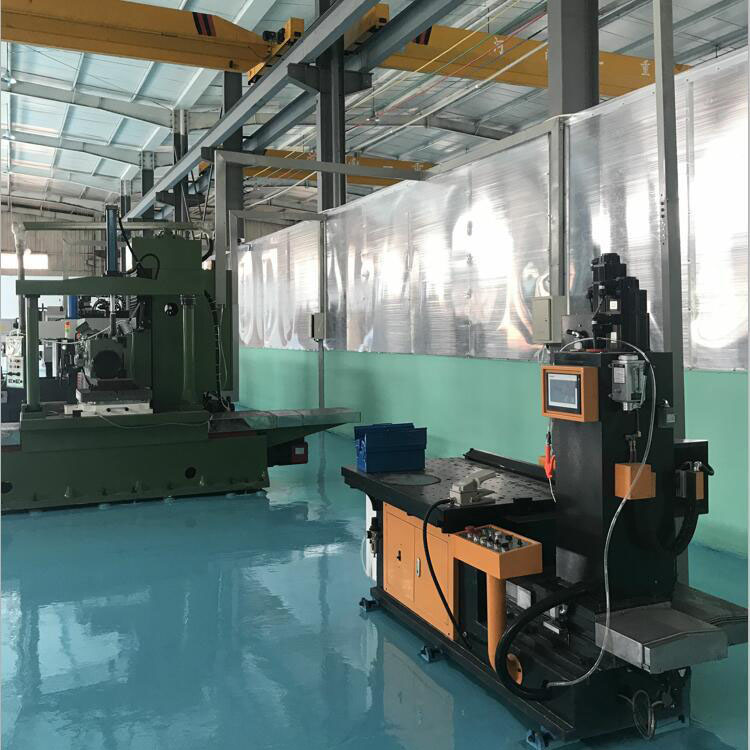
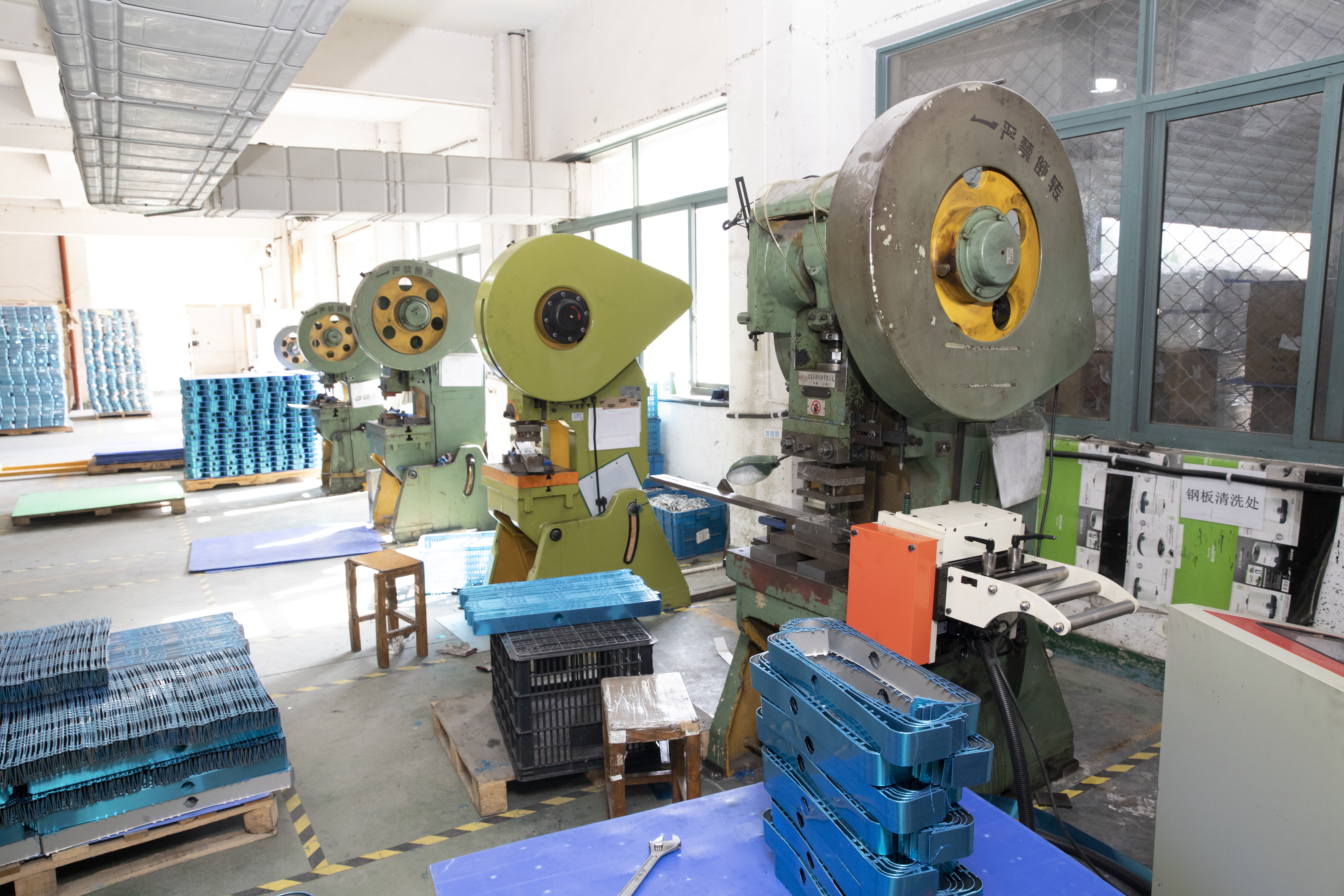
P&M holds an improved system of development and production to achieve mold design, plastic products manufacturing, and automatic production.
With optimized logistics and streamlined manufacturing workflows, you can receive your custom products within 30 days.
The application of plastic injection moulding in food-contact items spans several specialized fields. Each scenario requires unique mould configurations, material choices, and processing parameters:
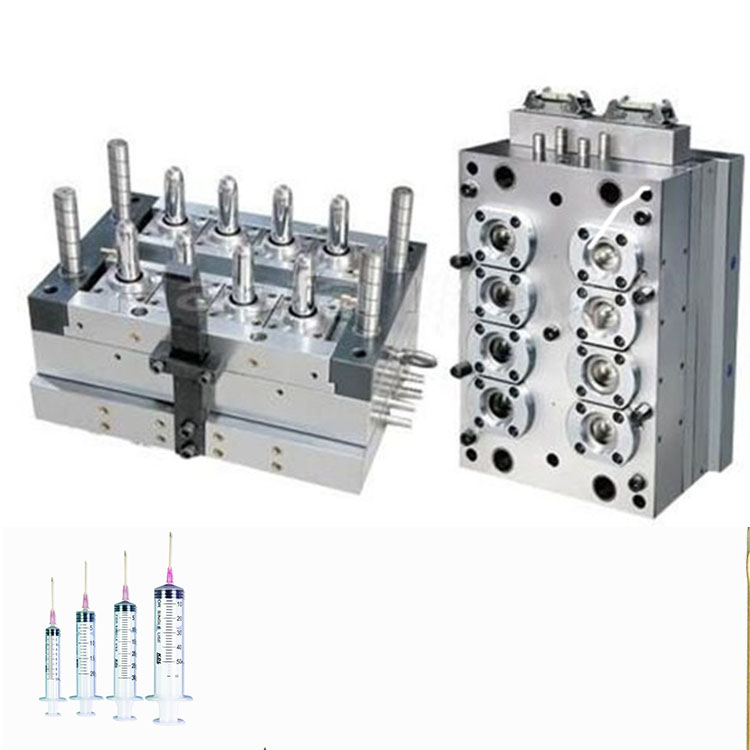
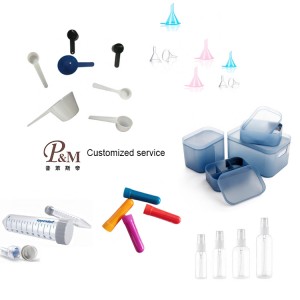
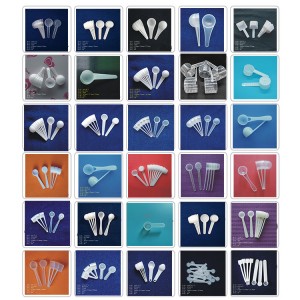
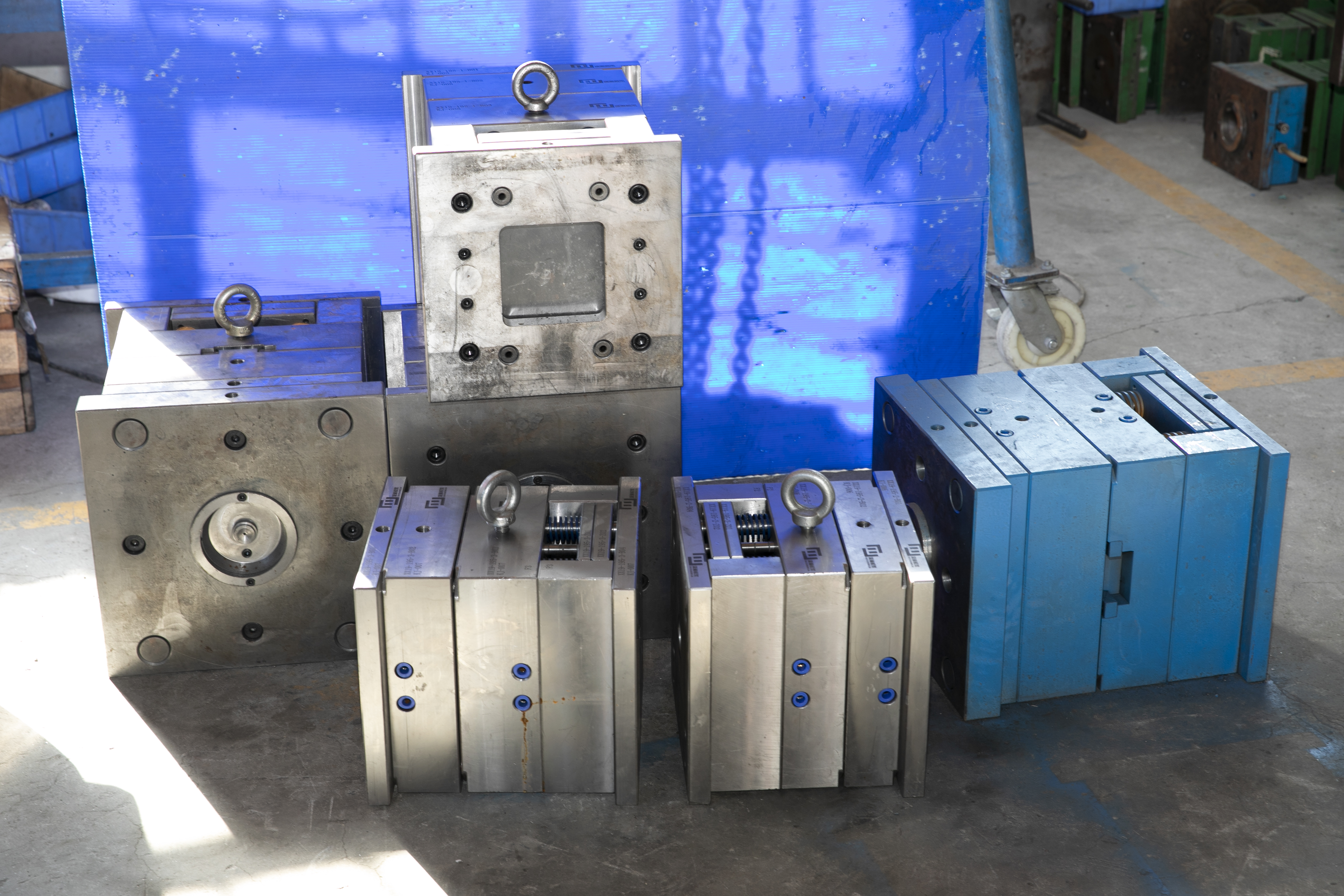
For disposable and reusable spoons, forks, and knives, high cavitation is essential to achieve the necessary economies of scale. A typical cutlery mould may contain 24, 48, or even 96 cavities. The primary engineering challenge here is ensuring uniform melt distribution to all cavities. P&M utilizes advanced hot runner systems with balanced manifold designs to prevent pressure drops and temperature variations. This ensures that every spoon produced is identical in weight, strength, and dimensions.
Thin-wall containers require moulds that can handle extreme injection speeds. Standard injection moulding machines are often retrofitted with accumulators to inject the plastic in a fraction of a second before it solidifies. The mould design must incorporate highly efficient cooling channels—often using 3D-printed conformal cooling paths—to dissipate heat rapidly. Fast cooling directly translates to shorter cycle times, which is the most critical metric in packaging manufacturing.
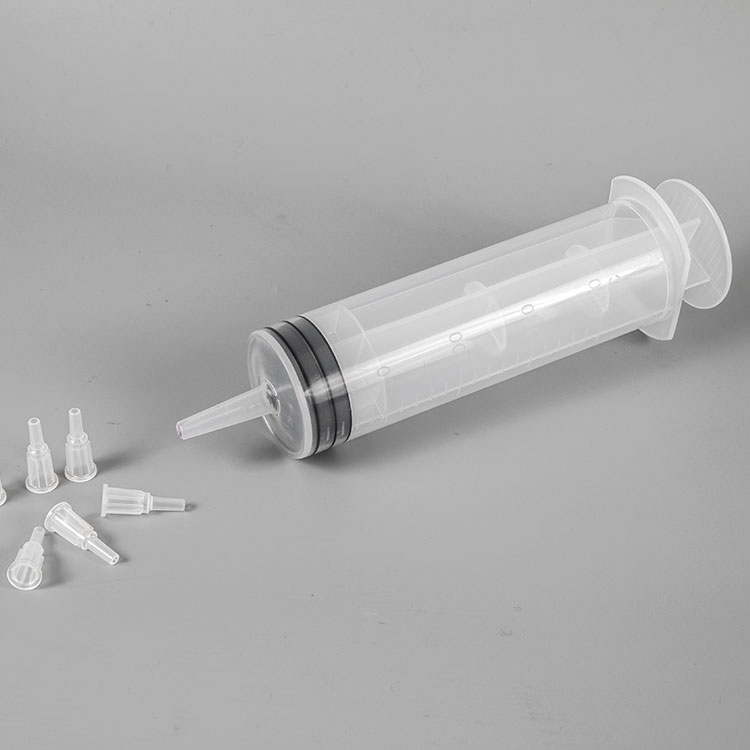
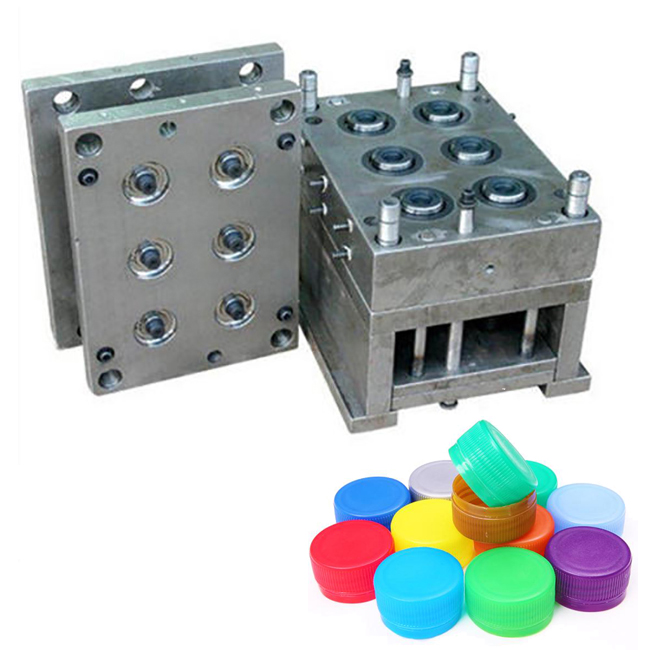
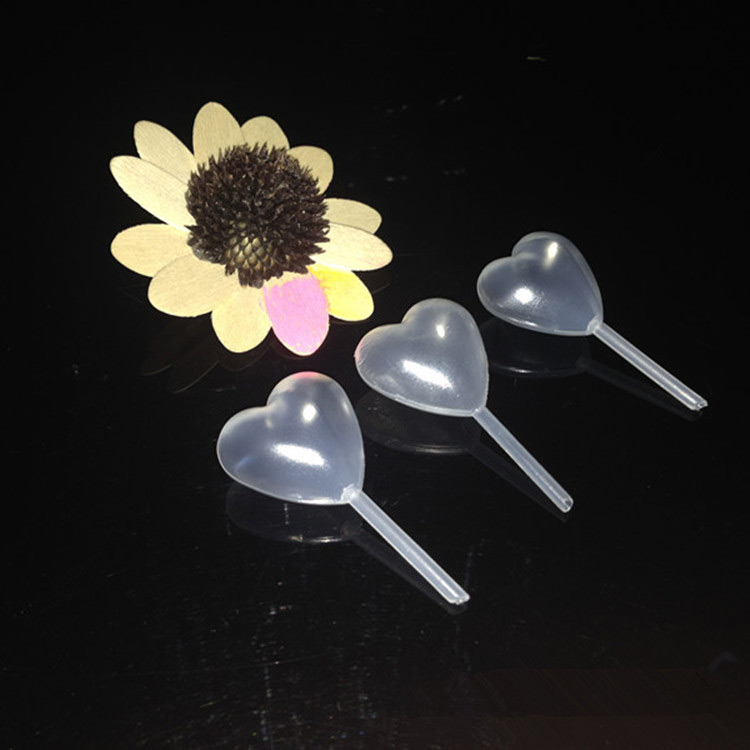
Caps and closures require complex thread designs and unscrewing mechanisms. Moulds for these components often feature hydraulic or mechanical unscrewing systems integrated directly into the mould base. For measuring spoons and dosing cups used in food and pharmaceutical industries, precision is paramount. The tolerances for these moulds are held within microns to ensure accurate volume measurement, preventing dosing errors in consumer use.
When manufacturing moulds for food utensils, material selection is not limited to the steel of the mould itself; it also heavily involves the polymers being injected. The most common food-grade plastics include Polypropylene (PP), Polystyrene (PS), Polyethylene (PE), and Polyethylene Terephthalate (PET). Recently, bio-based and biodegradable materials such as Polylactic Acid (PLA) have gained traction due to environmental regulations.
Each polymer exhibits different shrinkage rates, thermal properties, and flow behaviors. For instance, PP is widely used for microwave-safe containers due to its high heat resistance, but it has a high shrinkage rate that must be precisely compensated for during the mould design phase. PLA, on the other hand, is highly heat-sensitive and requires precise temperature control inside the mould to prevent degradation.
Furthermore, hygiene is the absolute priority. Moulds must be designed to eliminate "dead corners" where plastic melt could stagnate and degrade. Stagnant polymer can burn, leading to black spots on the final product, which is a major quality defect in food packaging and medical utensils. Proper venting is also critical to prevent air entrapment, which can cause burn marks on the edges of the parts.
The future of plastic mould making lies in digitalization and smart manufacturing. "Smart moulds" embedded with pressure and temperature sensors are becoming increasingly popular. These sensors transmit real-time data to the injection moulding machine's control unit, allowing the system to make micro-adjustments to injection speed and holding pressure on the fly. This closed-loop control system minimizes part variation and virtually eliminates scrap.
Additionally, Artificial Intelligence (AI) is being applied to predictive maintenance. By analyzing sensor data over time, AI systems can predict when a mould component (such as an ejector pin or a core insert) is nearing its wear limit, allowing operators to perform maintenance before a breakdown occurs. This level of technology is vital for high-volume food packaging plants where even an hour of unplanned downtime can cost thousands of dollars.
We follow a rigorous, scientific workflow to ensure that every mould and plastic component meets global industrial standards.

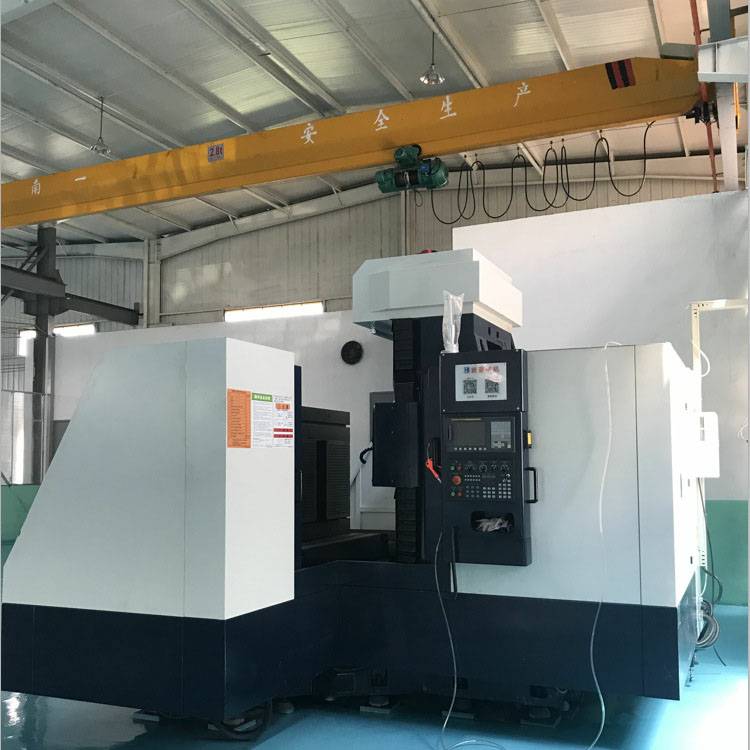
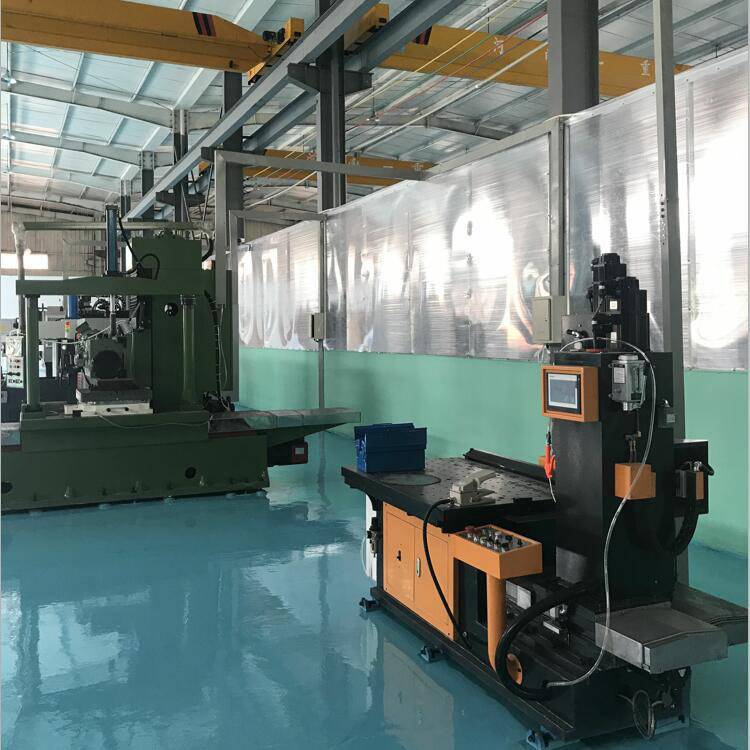
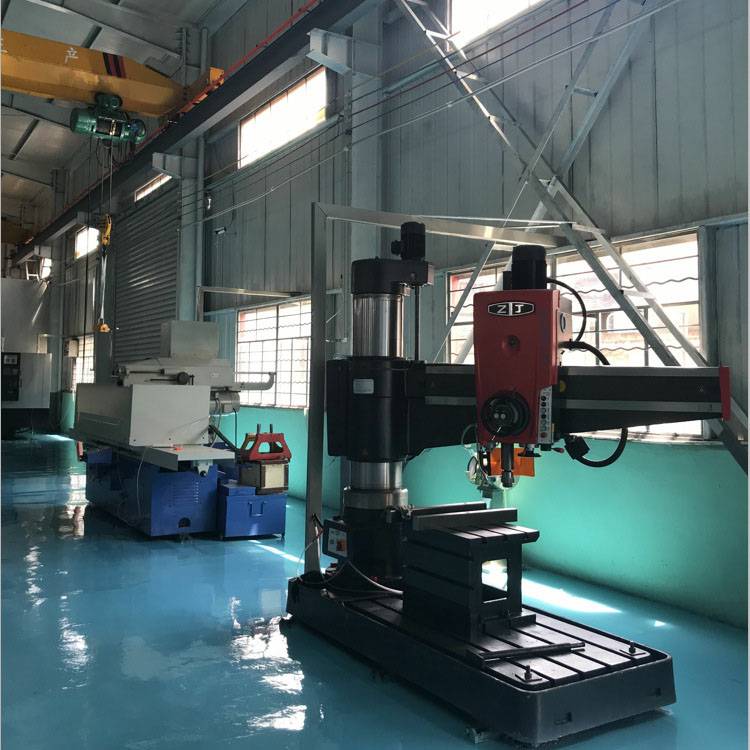
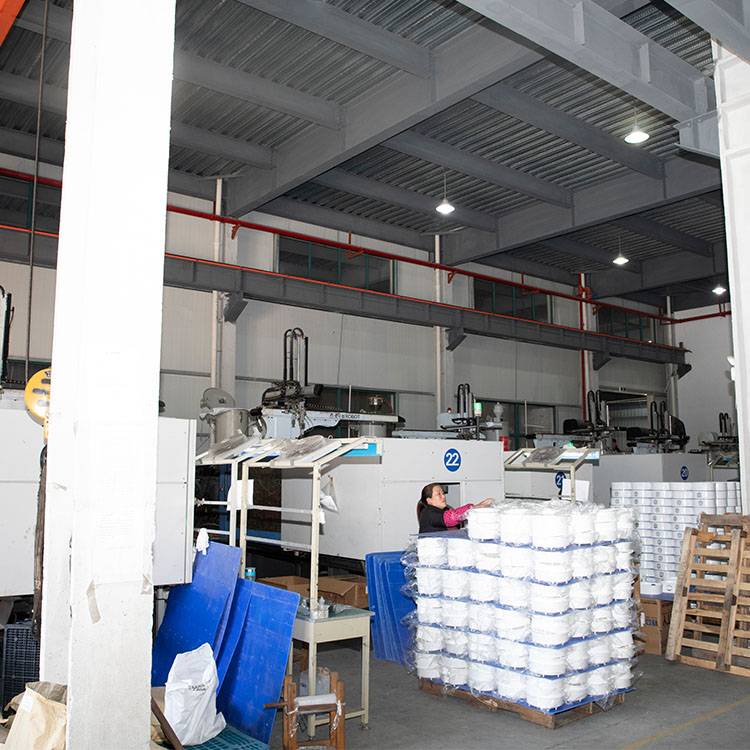
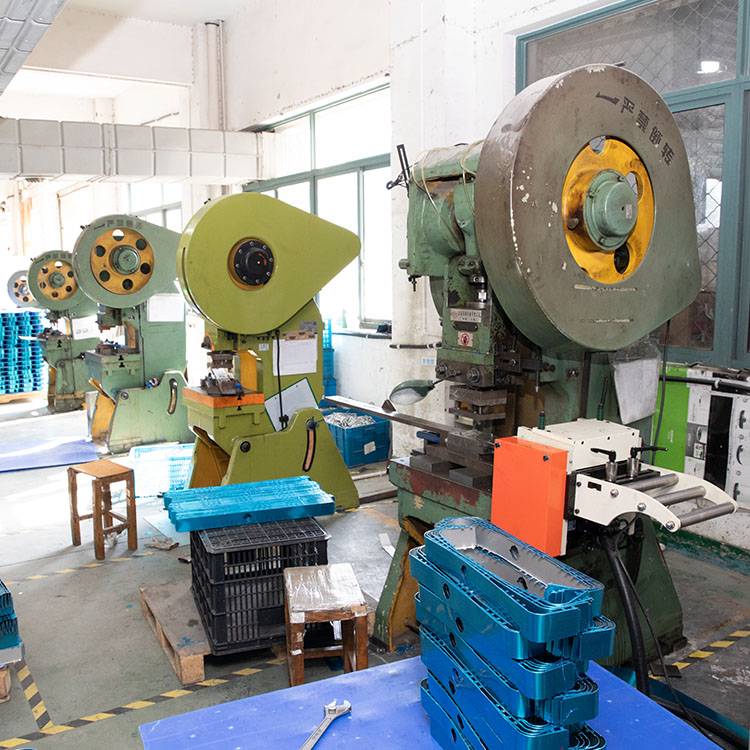
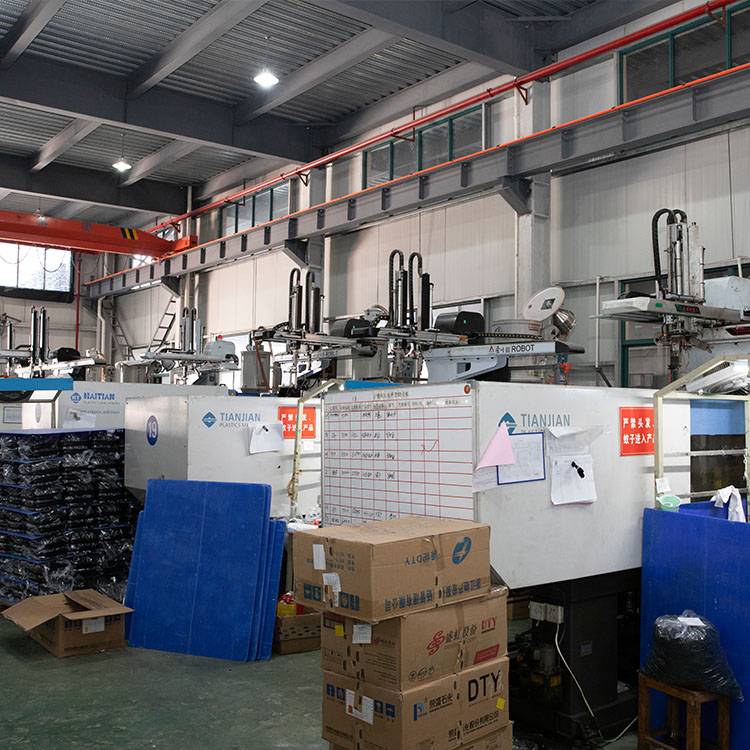
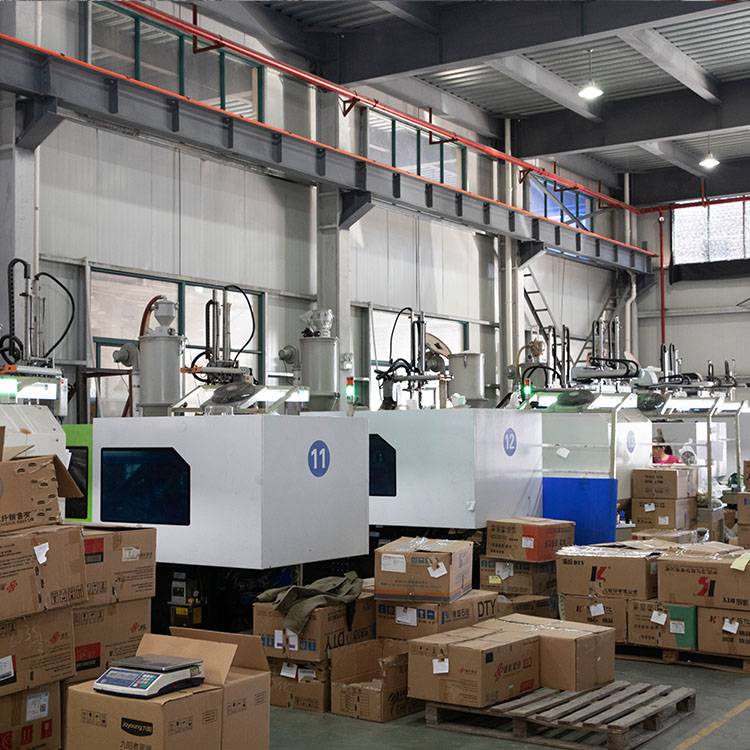
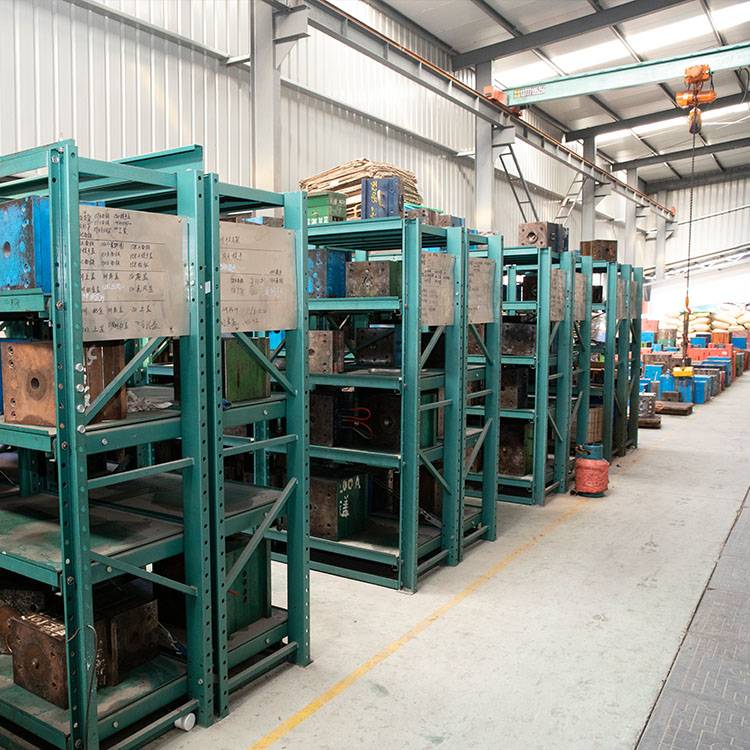
As highlighted in our company overview, Yuyao is globally recognized as the "Mould City" and "Plastic Kingdom". This geographic concentration of talent, raw materials, and specialized machinery creates a unique ecosystem that benefits global buyers. Within Yuyao, the entire supply chain is localized. Steel suppliers, heat treatment facilities, component manufacturers, and logistics agencies operate in close proximity. This allows companies like Ningbo P&M to accelerate the mould development cycle, offering turnaround times that are virtually unmatched in other parts of the world.
For international clients, this means reduced lead times. A project that might take six months to develop in Western markets can often be completed, tested, and shipped from Yuyao within 30 to 45 days. This agility is critical in fast-moving consumer goods (FMCG) markets, where being first to shelf can determine the commercial success of a new product line.
In conclusion, plastic mould making for food utensil mould making is a highly demanding field that sits at the intersection of advanced engineering, food safety, and commercial efficiency. As global consumer demand continues to rise, the need for reliable, high-speed, and safe manufacturing solutions becomes paramount. By partnering with an experienced manufacturer like Ningbo P&M Plastic Metal Product Co., Ltd., global brands can leverage cutting-edge technology, strict quality control systems, and the logistics advantages of Yuyao to optimize their production lines. We invite you to contact us to explore long-term partnership opportunities and drive your packaging and utensil manufacturing to the next level of precision.