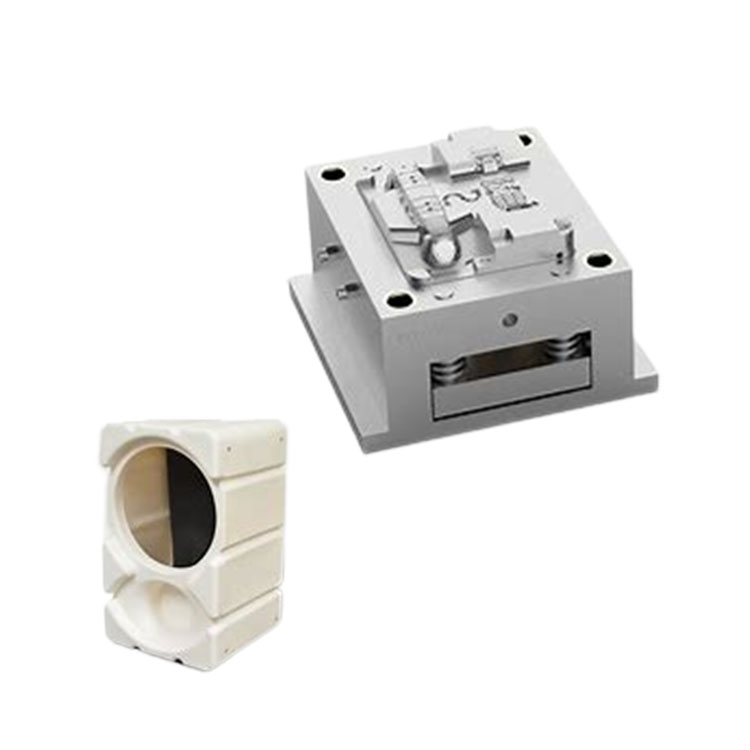

Deep-Dive Analysis: Plastic Mould Fabrication in the Automotive Sector
The global automotive industry is undergoing a paradigm shift, characterized by rapid electrification, the integration of smart driver-assistance technologies, and an urgent mandate for vehicle weight reduction. In this context, plastic mould fabrication for automotive component molding has transitioned from a straightforward manufacturing method to a core engineering discipline. Modern vehicles are no longer built merely of steel and iron; they are sophisticated configurations of engineering polymers, advanced composites, and hybrid metal-plastic assemblies. Fabricating the molds that produce these parts requires unparalleled precision, advanced material science, and a deep understanding of structural and thermal dynamics.
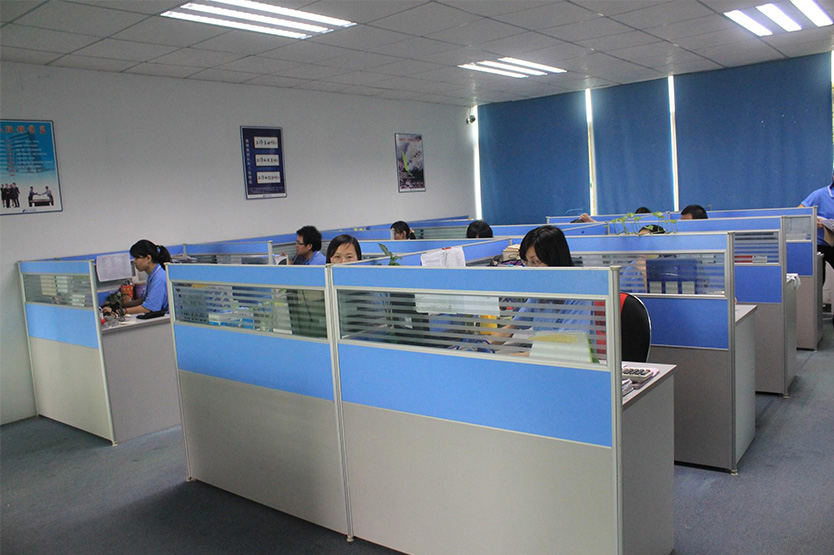
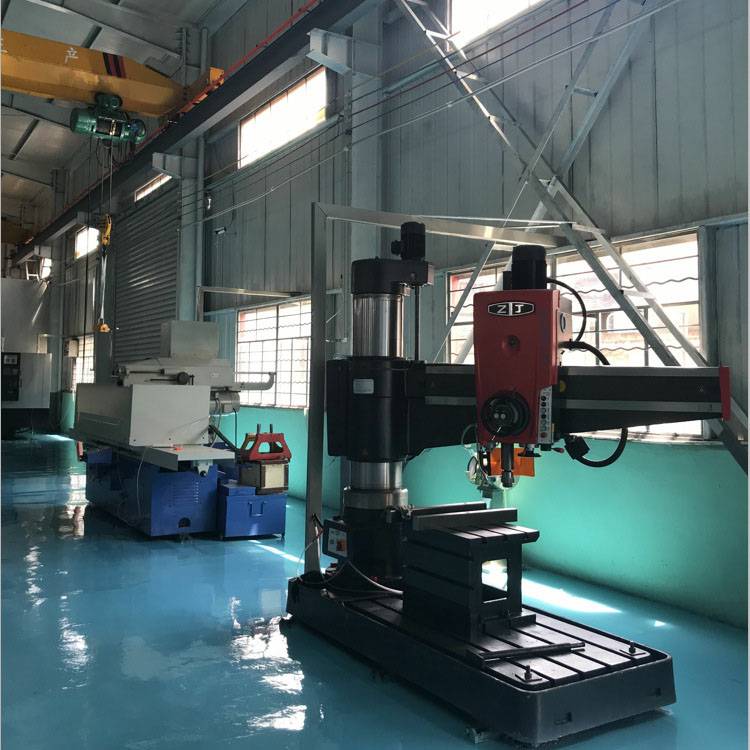
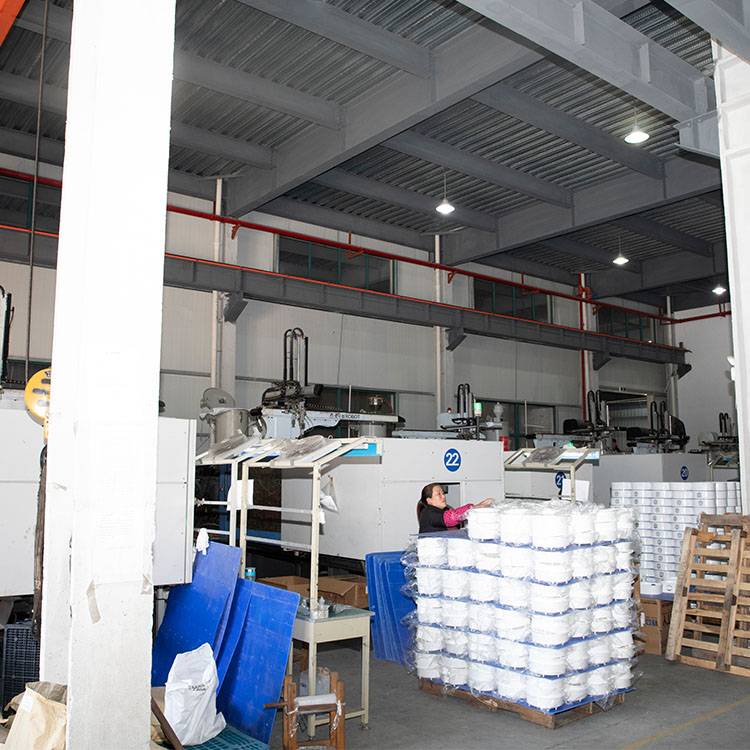
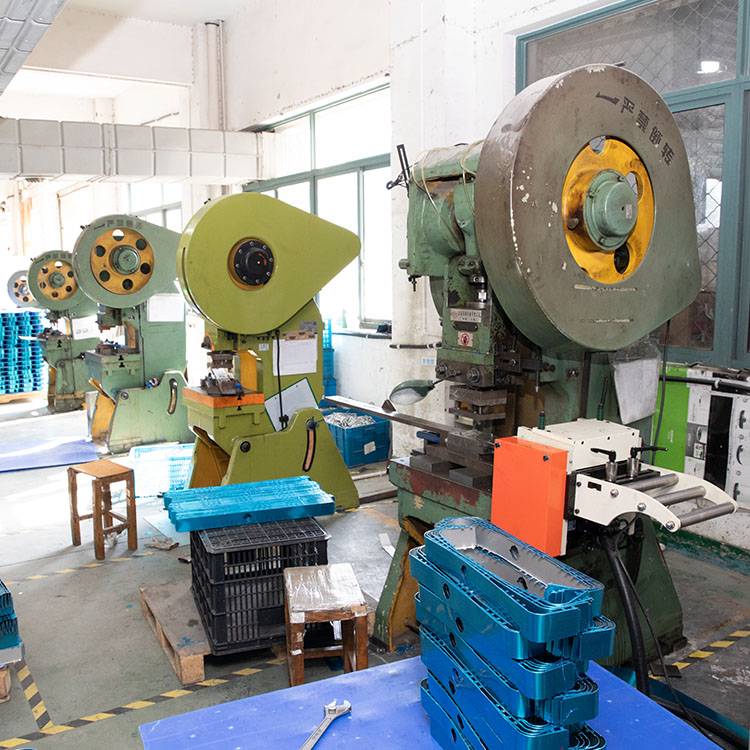
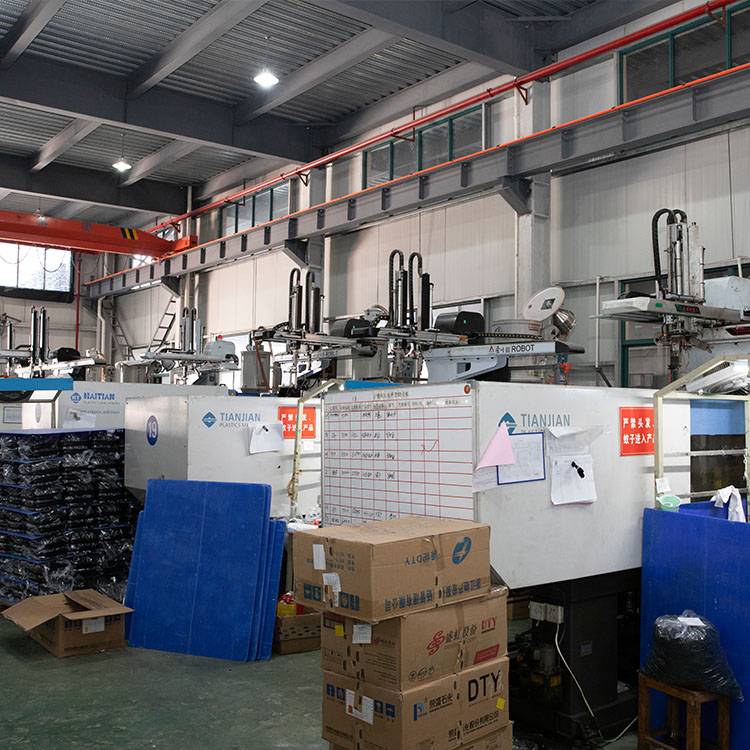
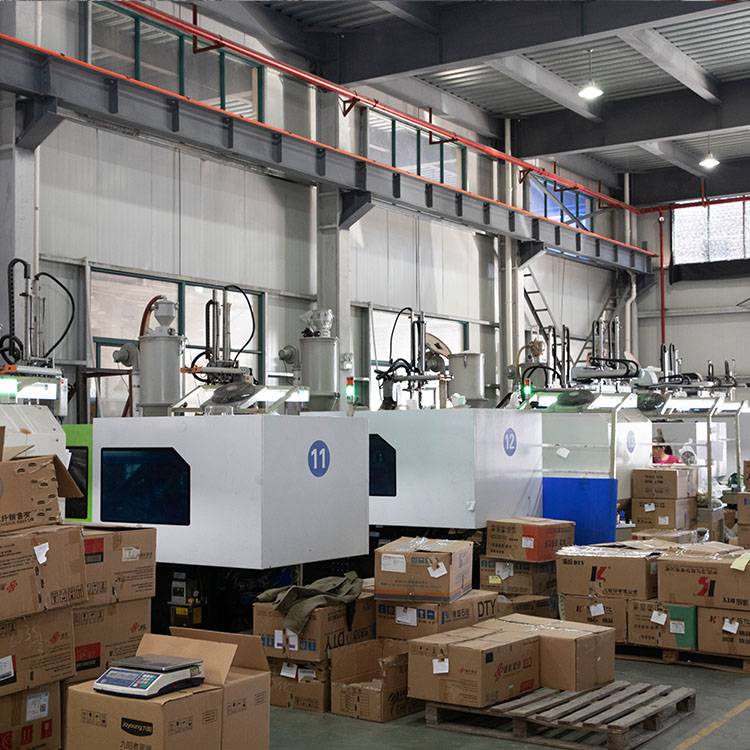
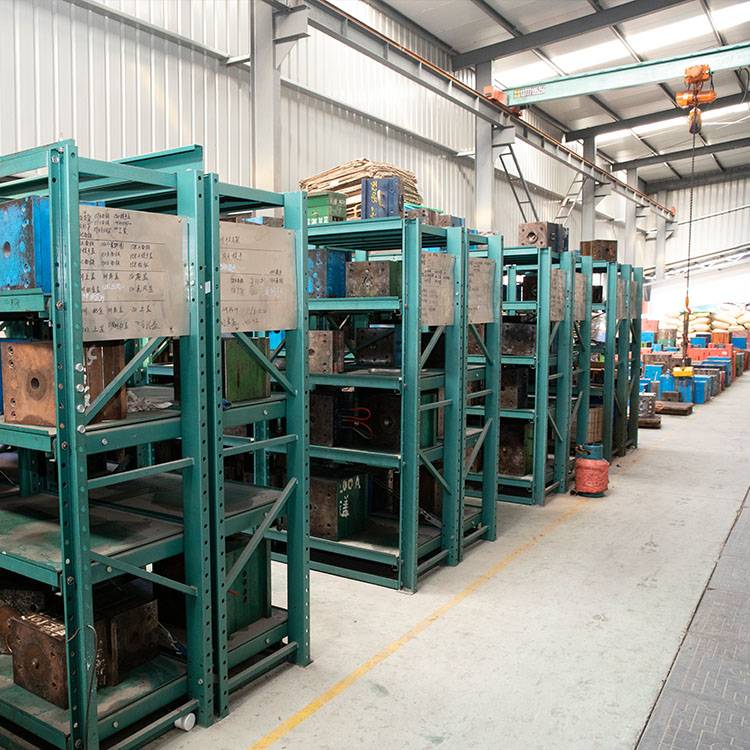
“P&M holds an improved system of development and production to achieve mold design, plastic products manufacturing, and automatic production. The company specializes in producing high-performance equipment, backed by strong technical force, strong development capabilities, and exceptional technical services.”
1. The Commercial and Industrial Landscape of Automotive Plastics
The commercial market for automotive plastics is expanding at an unprecedented rate. Valued at tens of billions of dollars globally, the market is driven by strict government regulations on carbon emissions and fuel economy. For internal combustion engine (ICE) vehicles, reducing weight is the most direct path to lowering fuel consumption. For electric vehicles (EVs), weight reduction is even more critical. Because lithium-ion battery packs add substantial weight to the vehicle platform, engineers must offset this mass by using lightweight plastics for structural, interior, exterior, and under-the-hood components. Every kilogram saved translates directly into increased driving range, making plastic injection molding a cornerstone of EV engineering.
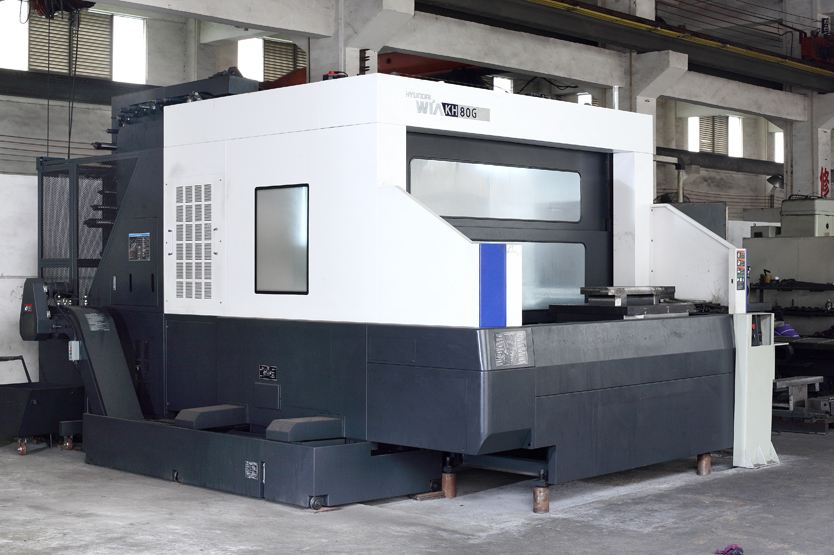
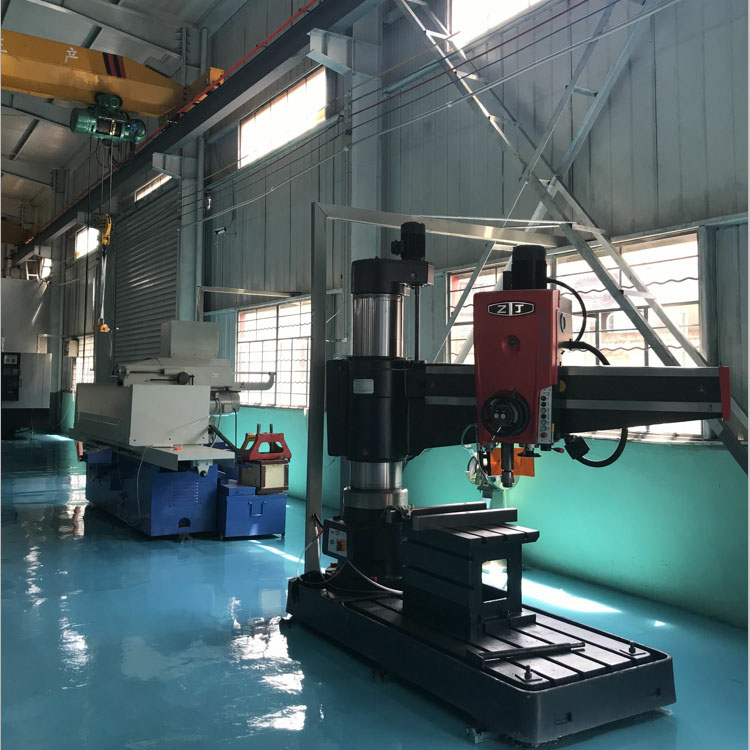
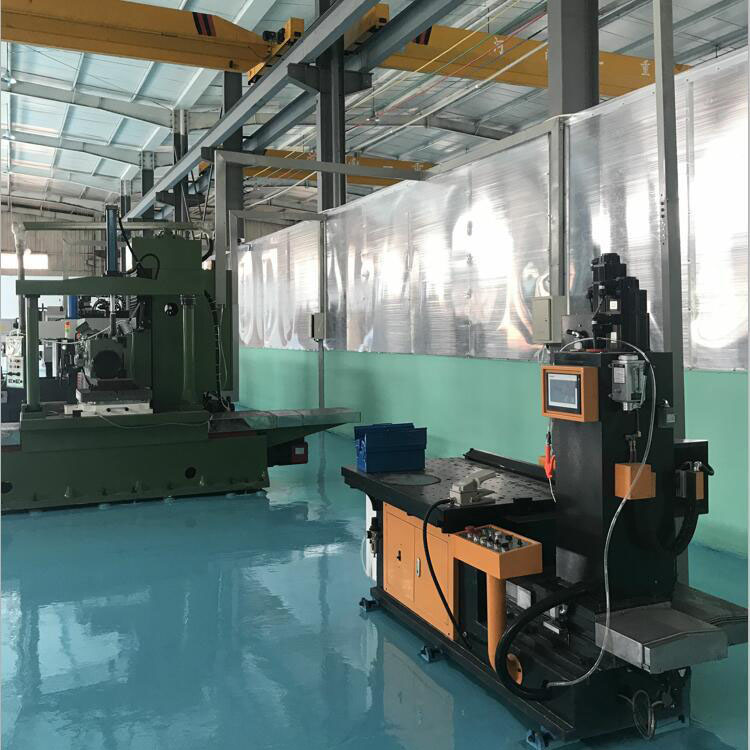
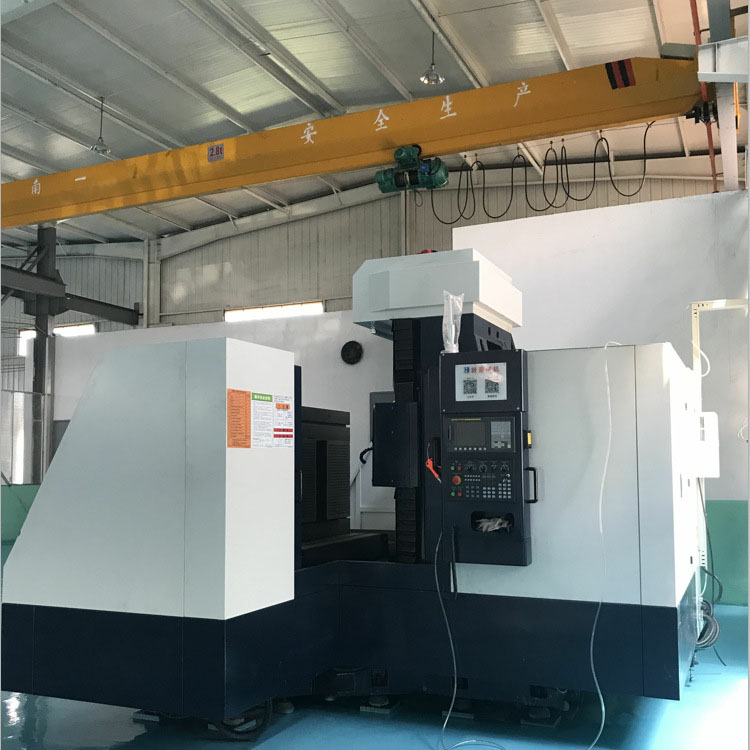
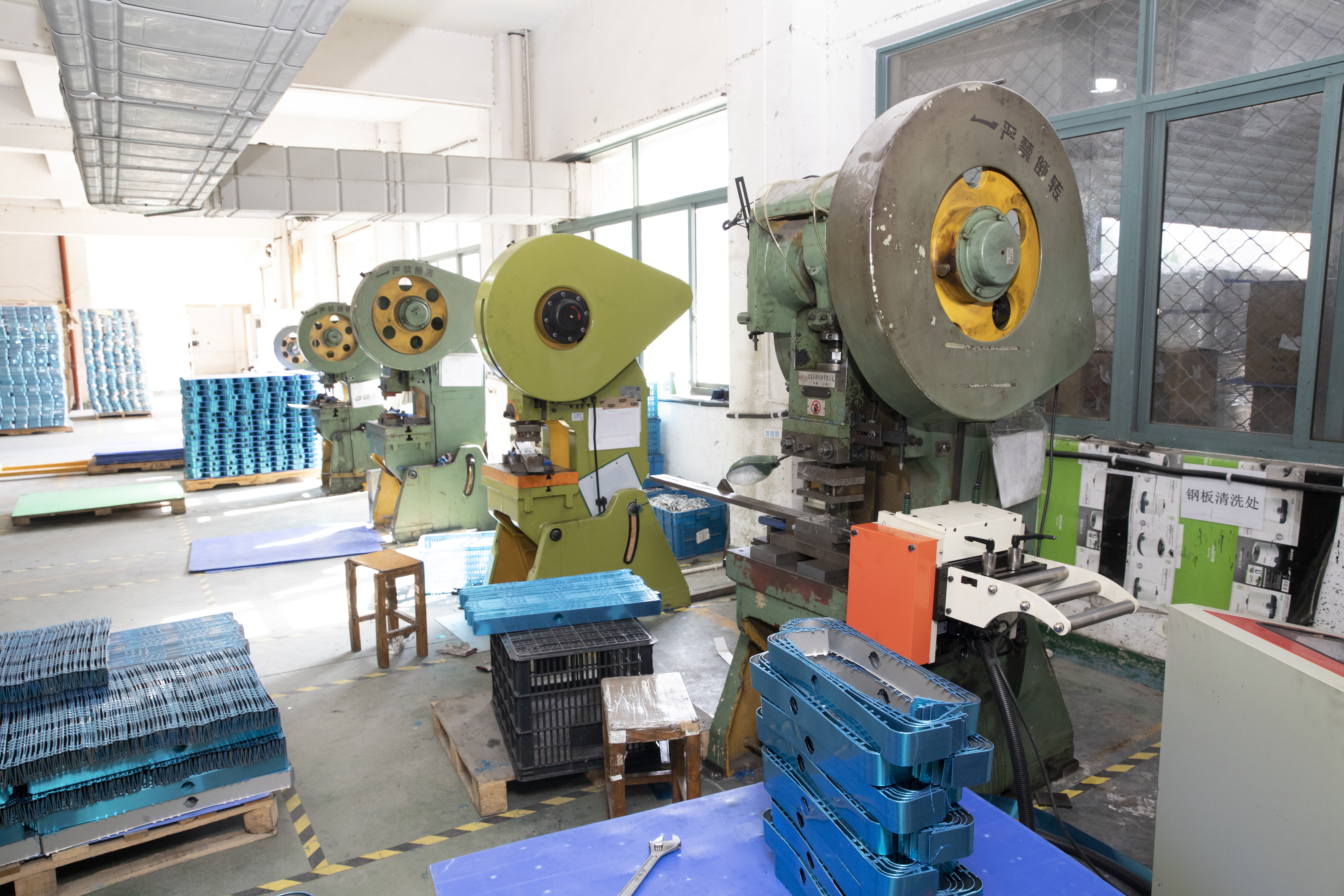
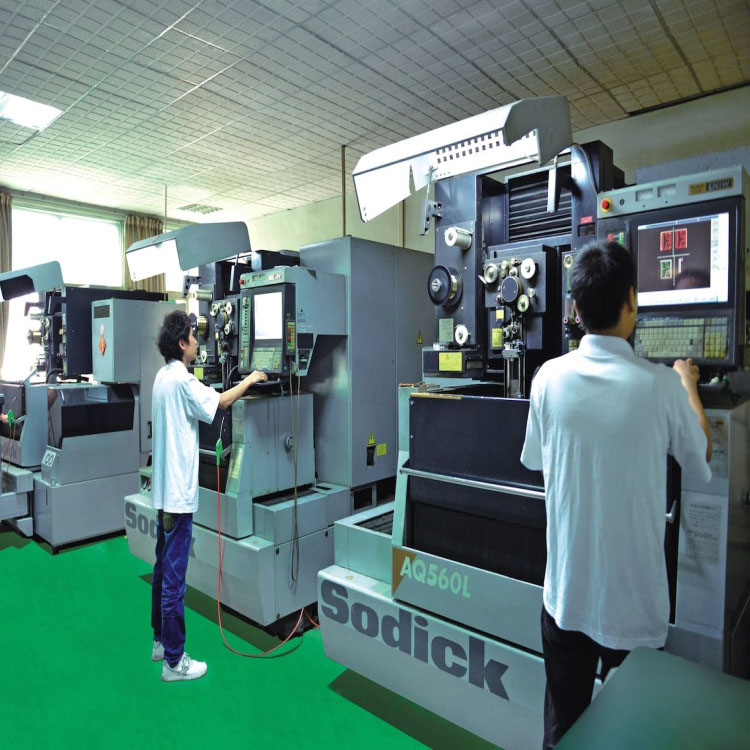
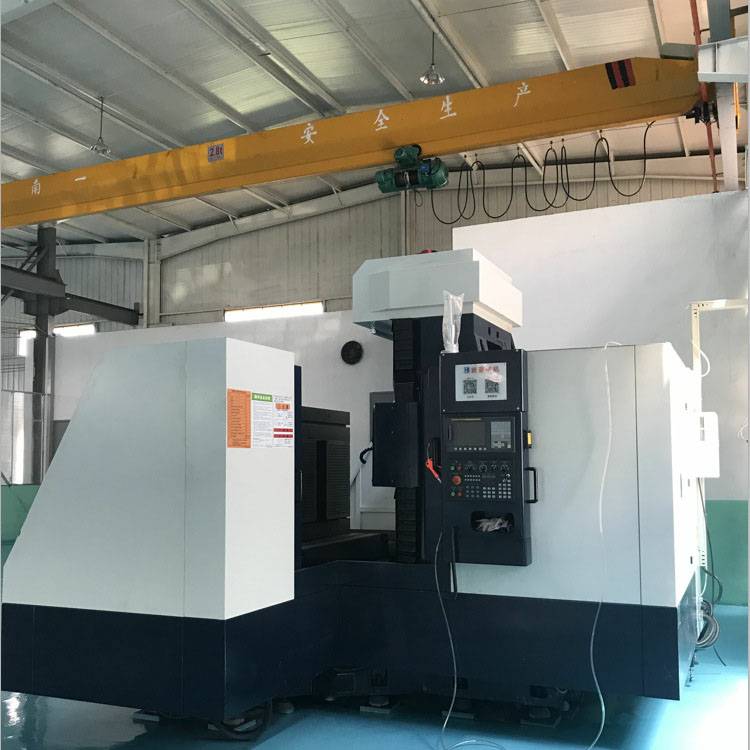
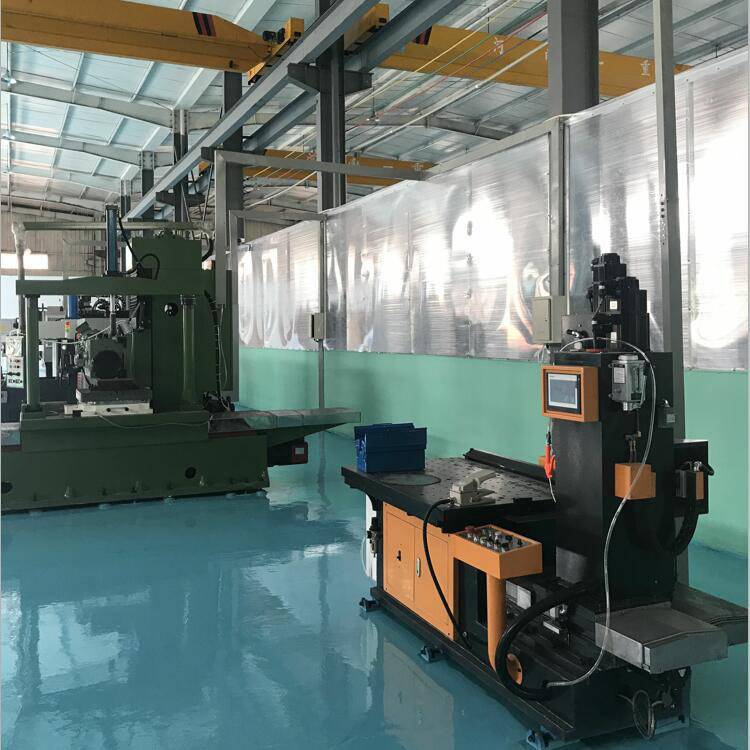
This industrial demand has created a highly competitive environment for mold makers. Automotive OEMs (Original Equipment Manufacturers) and Tier 1 suppliers require tools that can produce parts with zero defects, cycle after cycle, for millions of iterations. Consequently, mold fabrication facilities must invest in high-end CNC machining centers, precision EDM (Electrical Discharge Machining) equipment, and automated quality control systems. Geographically, hubs like Yuyao in Ningbo, China—often called the "Mould City" and "Plastic Kingdom"—have become vital to the global automotive supply chain. The concentration of raw material suppliers, tooling experts, and logistical infrastructure, including proximity to major ports like Ningbo Port and Shanghai, allows local manufacturers to deliver high-quality tools to international markets at competitive costs.
2. In-Depth Application Scenarios in Modern Vehicles
Plastic injection molded components are utilized throughout every major system of a modern vehicle. Each application scenario presents unique engineering challenges that must be addressed during the mold design and fabrication phase.
A. Under-the-Hood & Powertrain Systems
The environment under the hood of a vehicle is exceptionally hostile, characterized by extreme temperatures, constant vibration, and exposure to corrosive chemicals such as engine oil, coolant, and brake fluid. Historically, parts like intake manifolds, valve covers, and radiator tanks were made from cast aluminum. Today, they are almost exclusively molded from high-performance, glass-fiber-reinforced polyamides (such as PA66-GF30). Fabricating molds for these components requires specialized tool steels (like H13 or 1.2344) that have been heat-treated to resist the abrasive wear of glass fibers. Furthermore, the molds must feature complex, multi-zone heating and cooling systems to control the crystallization of the polymer, ensuring dimensional stability and preventing warpage.
B. Interior Comfort, Ergonomics & Haptics
The vehicle cabin is the primary interface between the driver and the machine. Interior components, including instrument panels, door trims, center consoles, glove boxes, and HVAC ducting, must meet strict aesthetic, acoustic, and safety requirements. Molds for these parts are often exceptionally large and require complex mechanisms such as lifters, sliders, and hydraulic cores to form undercuts and snap-fits. To achieve the desired surface textures—such as leather grain or soft-touch finishes—mold cavities undergo precise chemical etching or laser texturing. Additionally, the rise of "quiet cabins" in EVs has led to the adoption of multi-material injection molding (2K or double-shot molding), where a rigid plastic substrate is overmolded with a soft thermoplastic elastomer (TPE) to dampen vibrations and eliminate squeaks.
C. Exterior Body Panels & Structural Components
Exterior parts, such as bumpers, front grilles, spoilers, and wheel arch liners, are exposed to UV radiation, weathering, and high-impact road debris. These parts require materials like polypropylene (PP) modified with EPDM rubber for impact resistance. The molds for bumper covers are massive, often weighing tens of tons, and require large-tonnage injection molding machines (ranging from 1,500 to 3,200 tons). Fabricating these molds requires advanced CNC gantry milling machines. To ensure a flawless cosmetic finish without visible weld lines, the molds utilize sequential valve gating systems, where hot runner nozzles are opened and closed in a controlled sequence to direct the flow front of the molten plastic.
D. Electronic Enclosures & ADAS Sensor Housings
As vehicles become more autonomous and connected, they are packed with sensitive electronics, including Electronic Control Units (ECUs), radar sensors, lidar modules, and cameras. These components require protective enclosures that are completely sealed against moisture and dust, and often require electromagnetic interference (EMI) shielding. Plastic mould fabrication for electronic housings demands extreme precision, with tolerances held to within ±0.01mm. The molds often incorporate insert molding, where metal contact pins or threaded brass inserts are loaded into the mold cavity prior to plastic injection, creating an integrated, hermetically sealed unit.
3. Advanced Tooling Technologies & Mold Design
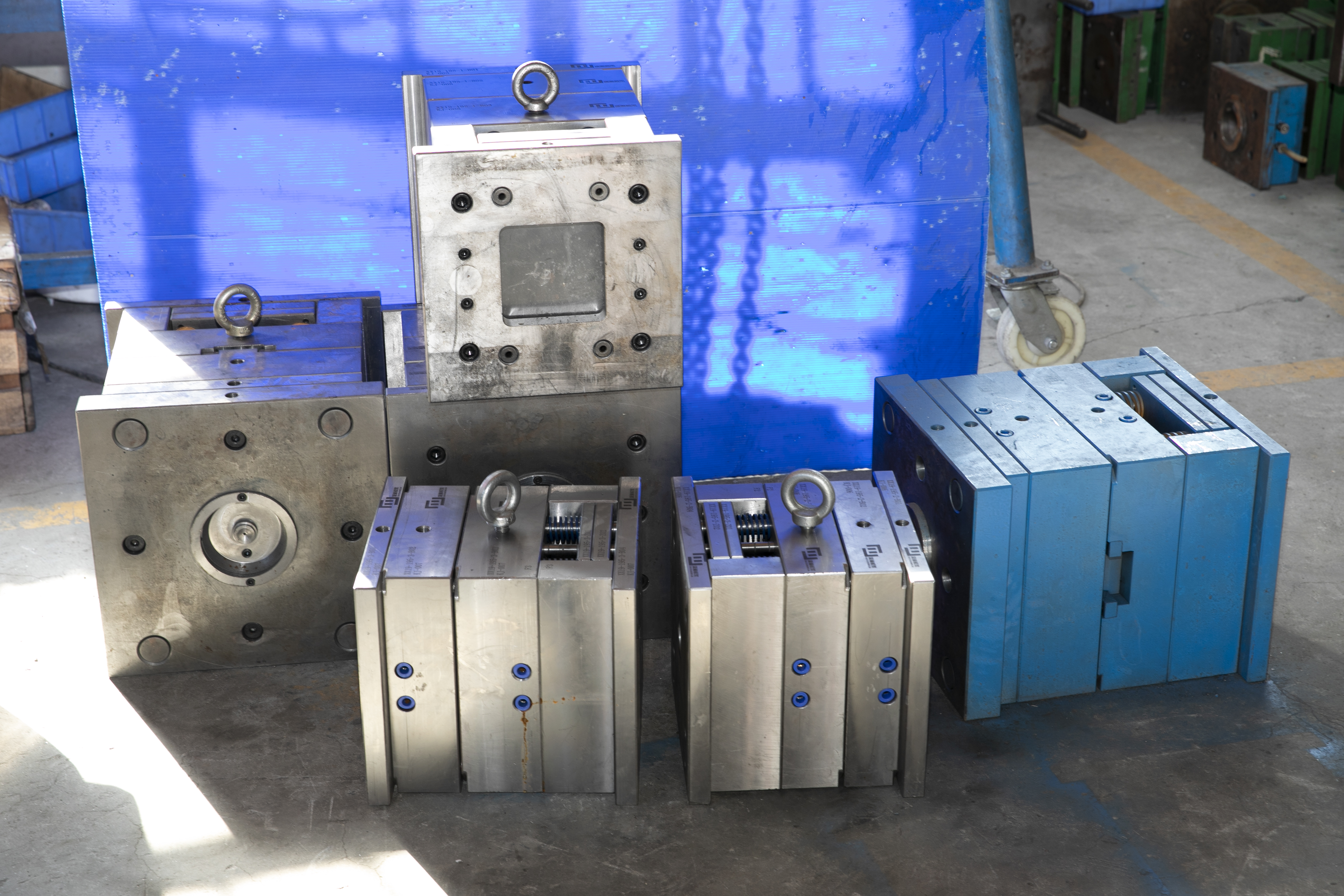
Successful plastic mould fabrication is rooted in rigorous engineering design. Before a single block of steel is cut, engineers utilize Computer-Aided Engineering (CAE) software to perform Moldflow simulations. Moldflow analysis allows designers to predict how the molten plastic will fill the cavity, identify potential air traps or weld lines, optimize the gate locations, and analyze the cooling efficiency of the tool. This step is critical in automotive manufacturing, where minor defects can lead to structural failures or cosmetic rejections.
One of the most significant advancements in mold fabrication is the use of **conformal cooling**. Traditional cooling channels are drilled in straight lines, which can result in uneven cooling in parts with complex geometries. By using additive manufacturing (3D metal printing), mold makers can fabricate core and cavity inserts with cooling channels that follow the exact contours of the part. Conformal cooling reduces cycle times by up to 30%, minimizes thermal stress, and prevents part deformation, leading to higher quality and lower production costs.
Additionally, the selection of mold materials is crucial. For high-volume automotive production, molds are typically constructed from premium tool steels such as P20, 718H, NAK80, or S136. These steels undergo specialized heat treatments, nitriding, or physical vapor deposition (PVD) coatings to enhance their hardness, corrosion resistance, and wear resistance, ensuring the tool can run for hundreds of thousands of cycles without degradation.
4. Future Trends: Smart Manufacturing, Electrification, and Sustainability
The future of automotive plastic molding is being shaped by several key technological and environmental trends:
- Smart Molds & Industry 4.0: Modern injection molds are increasingly equipped with embedded sensors that monitor cavity pressure, temperature, and mold separation in real-time. This data is fed into AI-driven control systems that automatically adjust molding parameters to maintain part quality and predict when the mold requires maintenance, minimizing unscheduled downtime.
- Sustainable Materials & Circular Economy: Automotive OEMs are committing to using recycled plastics and bio-based polymers to reduce their carbon footprint. Mold fabricators must adapt their tooling designs to handle the unique processing characteristics of these materials, which often exhibit different shrinkage rates, viscosity, and thermal behavior compared to virgin resins.
- Microcellular Injection Molding (MuCell): This process involves injecting supercritical nitrogen or carbon dioxide into the polymer melt, creating a microcellular foam structure within the molded part. MuCell allows for weight reductions of 10% to 20% while maintaining structural integrity, reducing sink marks, and lowering clamping force requirements.
5. Quality Assurance and Global Supply Chain Integration
In the automotive industry, quality is non-negotiable. A single component failure can result in costly vehicle recalls and damage a brand's reputation. Therefore, automotive mold makers must adhere to strict quality management systems, most notably the IATF 16949 standard. This standard requires comprehensive documentation, traceability, and continuous improvement processes across the entire manufacturing cycle.
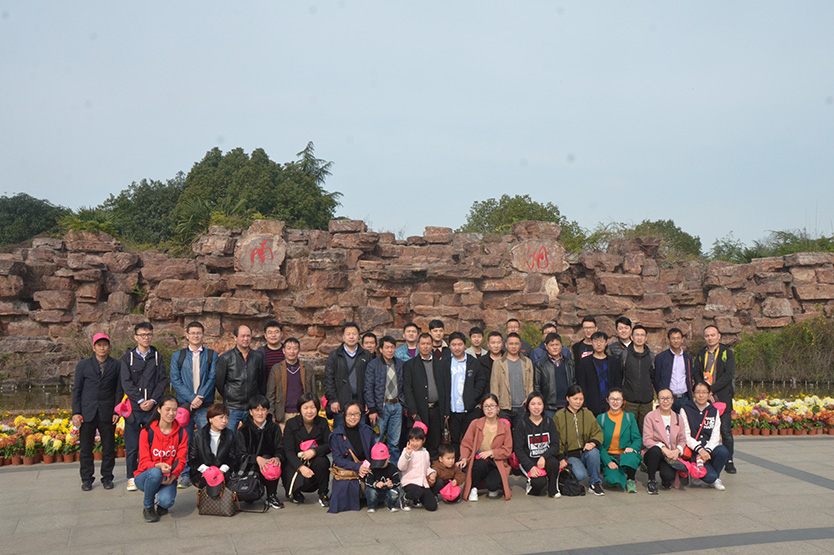
Ningbo P&M Plastic Metal Product Co., Ltd. exemplifies this commitment to quality. By integrating design, tool fabrication, injection molding, and assembly under one roof, the company maintains absolute control over every variable. Every tool undergoes rigorous testing on trial presses, and sample parts are subjected to Coordinate Measuring Machine (CMM) inspections, thermal cycling, and mechanical testing before the mold is cleared for production. This meticulous approach has enabled the company to build long-term partnerships with clients in highly demanding markets, including Germany, the United States, Japan, and Australia, delivering reliable, high-performance tooling solutions that drive the future of automotive mobility.