
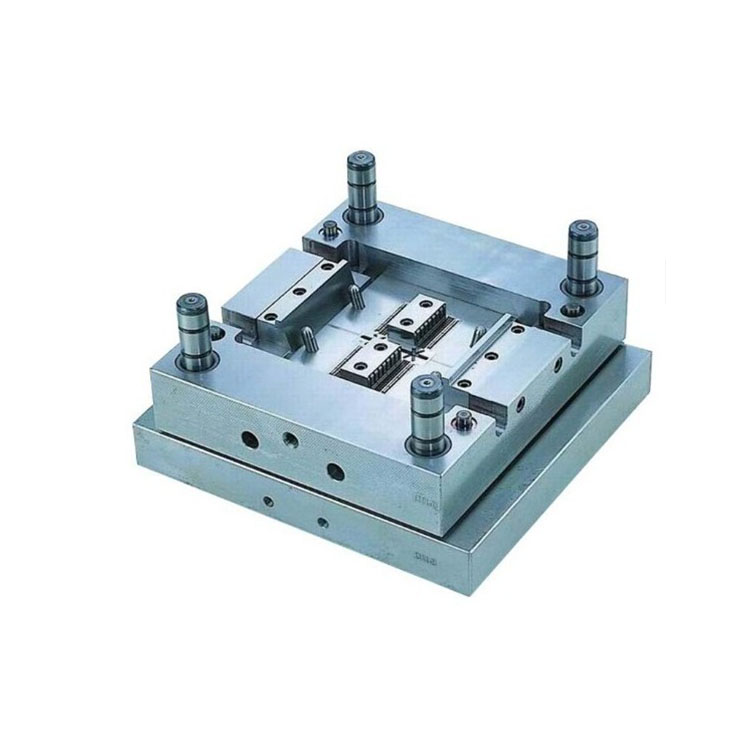
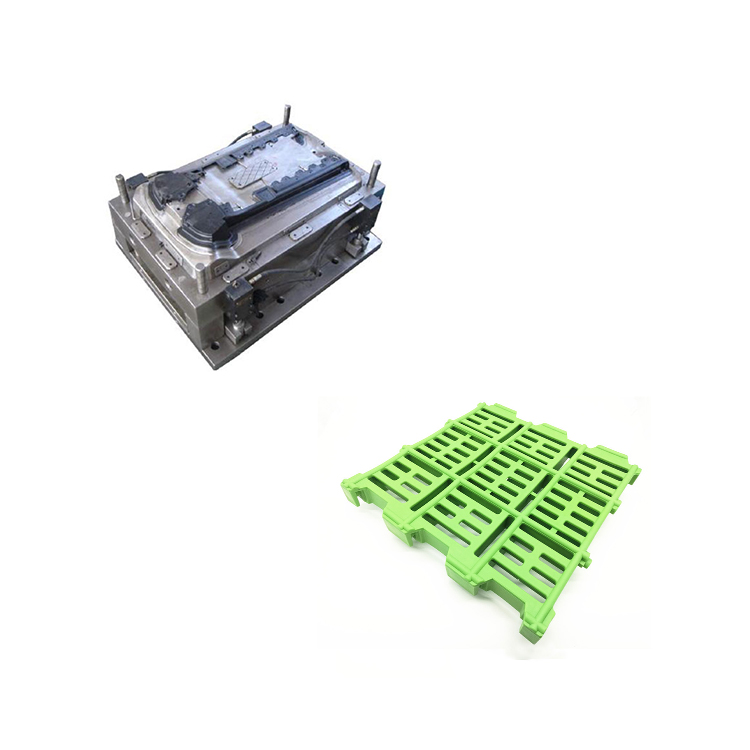
The dental industry has undergone a monumental paradigm shift over the past decade. Traditional, manual fabrication processes are rapidly being replaced by highly automated, digital workflows where precision, speed, and biocompatibility are paramount. In this technological evolution, plastic mould die makers play a foundational role. From clear orthodontic aligners to components for surgical guides, dental implants, and sterilization trays, custom injection molded plastics are the unsung heroes of modern dental clinics and laboratories.
Designing molds for medical and dental applications requires a deep understanding of polymer science and tool engineering. Dental devices often demand micro-level tolerances, zero draft angles in critical areas, and flawless surface finishes to prevent bacterial growth. Leading manufacturers like Ningbo Plastic Metal Products Co., Ltd. leverage state-of-the-art CNC machining and EDM technologies to deliver high-durability molds capable of producing millions of consistent, high-quality dental components.

We specialize in producing high-performance equipment, backed by strong technical force, robust development capabilities, and comprehensive technical services.
We take pride in our long-term partnerships. If any manufacturing challenge arises, we actively seek optimization solutions and remain responsible to the very end.
P&M maintains an integrated development system to achieve seamless mold design, high-precision plastic product manufacturing, and automated production.
With over 90% of our products exported to the Americas, Europe, Germany, Japan, and Australia, we strictly adhere to international medical manufacturing standards.
The global dental device market is projected to grow significantly, driven by an aging global population, rising demand for cosmetic dentistry, and the widespread adoption of digital dentistry workflows. As a result, the demand for high-volume, cost-effective manufacturing methods has surged. Plastic injection molding has emerged as the premier technology to satisfy this demand. Compared to 3D printing, which is excellent for rapid prototyping, injection molding offers unmatched speed, mechanical strength, and unit-cost efficiency for mass-produced components like aligner templates, syringes, and tool housings.
For dental applications, material selection is critical. Mold designers must account for the unique behavior of medical-grade plastics, such as PEEK (Polyetheretherketone), Polycarbonate (PC), Polypropylene (PP), and Liquid Silicone Rubber (LSR). These materials must undergo rigorous sterilization processes (e.g., autoclaving, ethylene oxide, or gamma radiation) without losing their dimensional stability or mechanical properties. A specialized plastic mould die maker must design tools that compensate for the specific shrinkage rates of these polymers while ensuring that the finished parts are free of flash, sink marks, or internal stresses.
Beyond basic components, advanced dental devices require multi-material designs. For instance, dental handpieces and diagnostic tools often utilize double-injection (two-shot) molding to combine a rigid structural core (such as ABS or PC) with a soft, ergonomic outer grip made of thermoplastic elastomer (TPE). This improves clinician comfort and control during delicate procedures. Additionally, micro-molding is increasingly used to fabricate miniature components for orthodontic brackets and dental implant assemblies, requiring specialized micro-tooling capabilities that only elite die makers can offer.
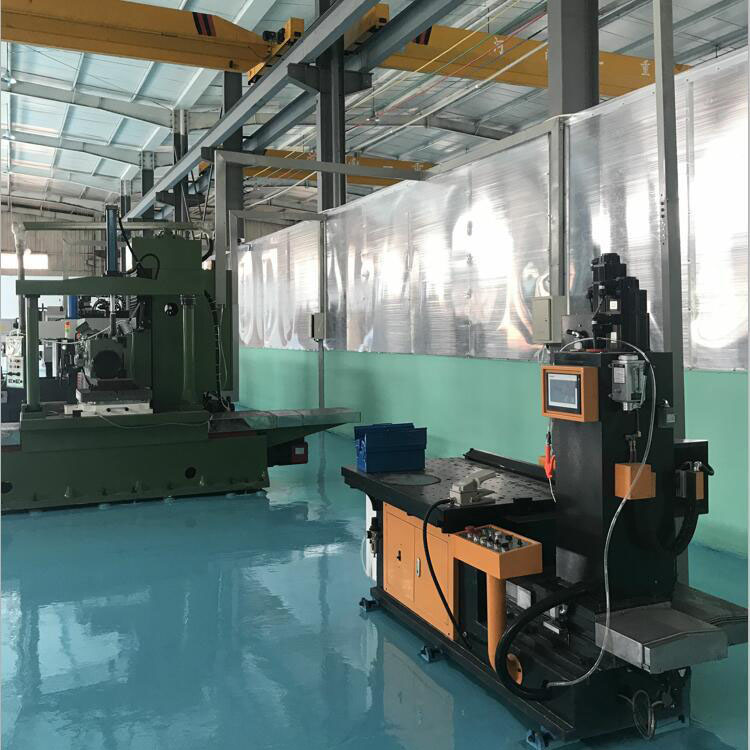
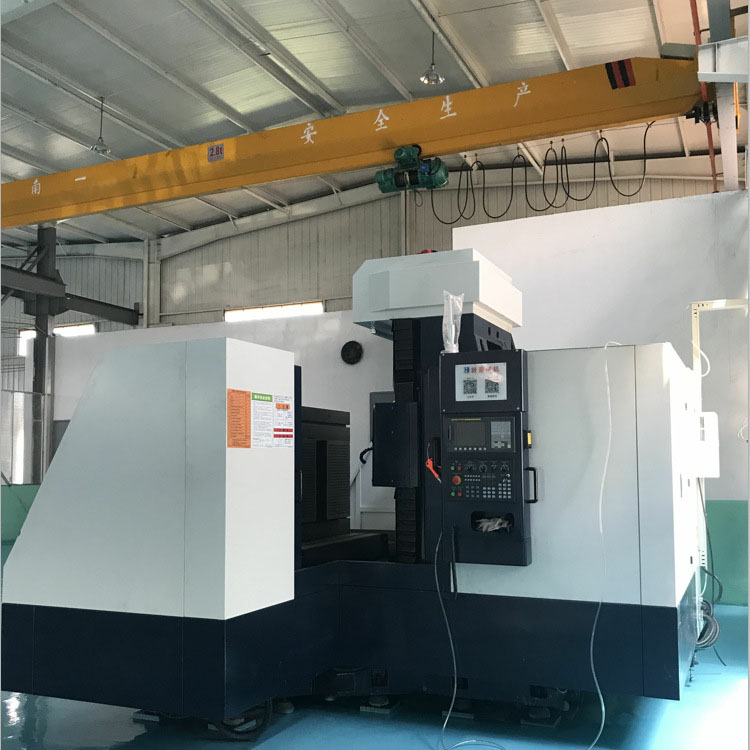
Take a look inside our advanced manufacturing workshops, equipped with precision CNC machining centers, high-speed EDM machines, and automated injection molding lines.
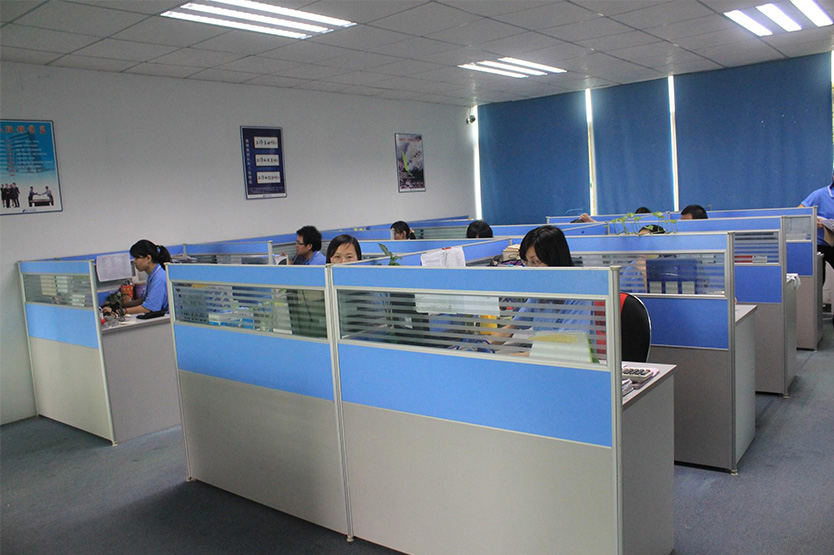
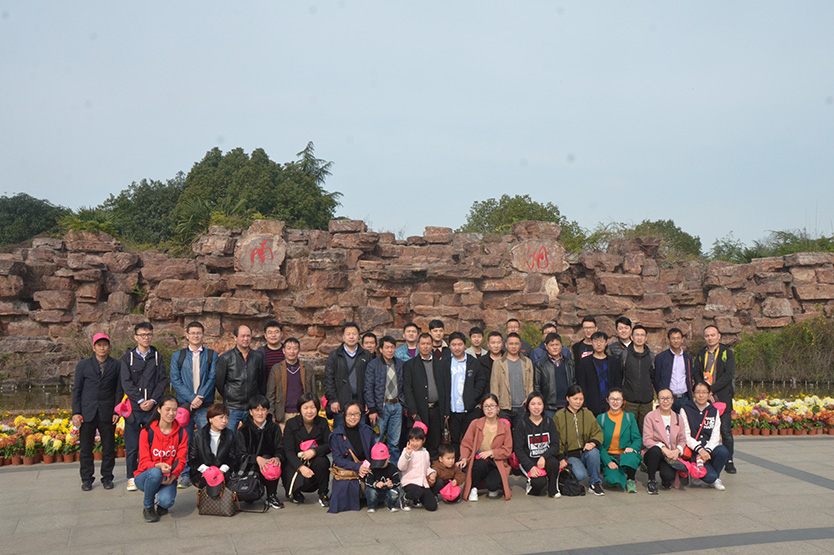
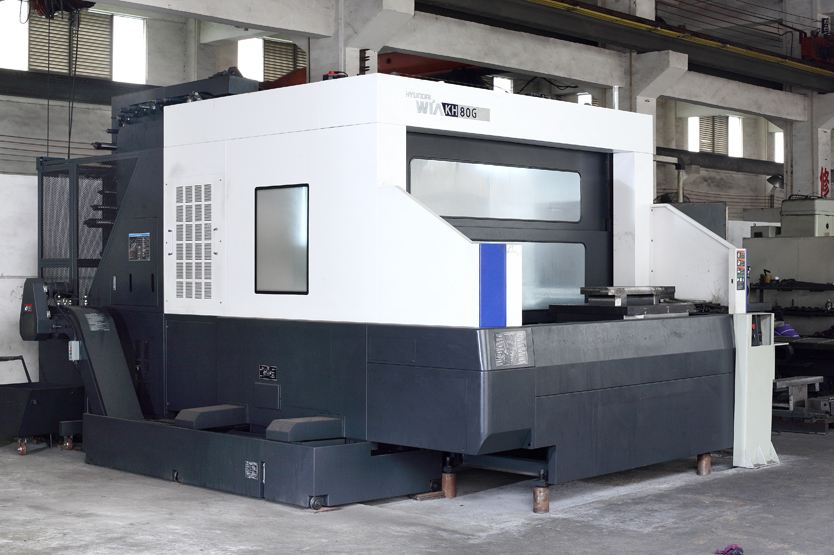
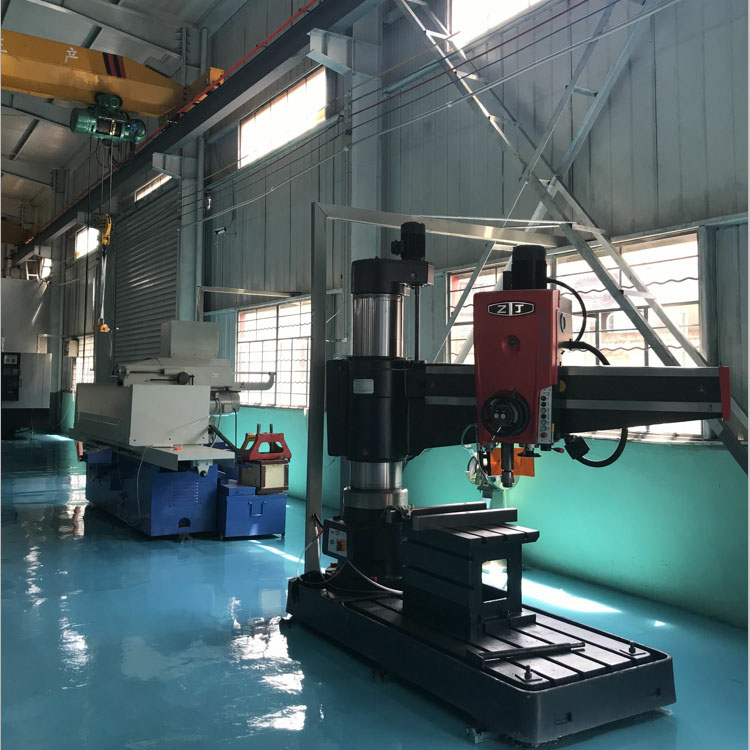
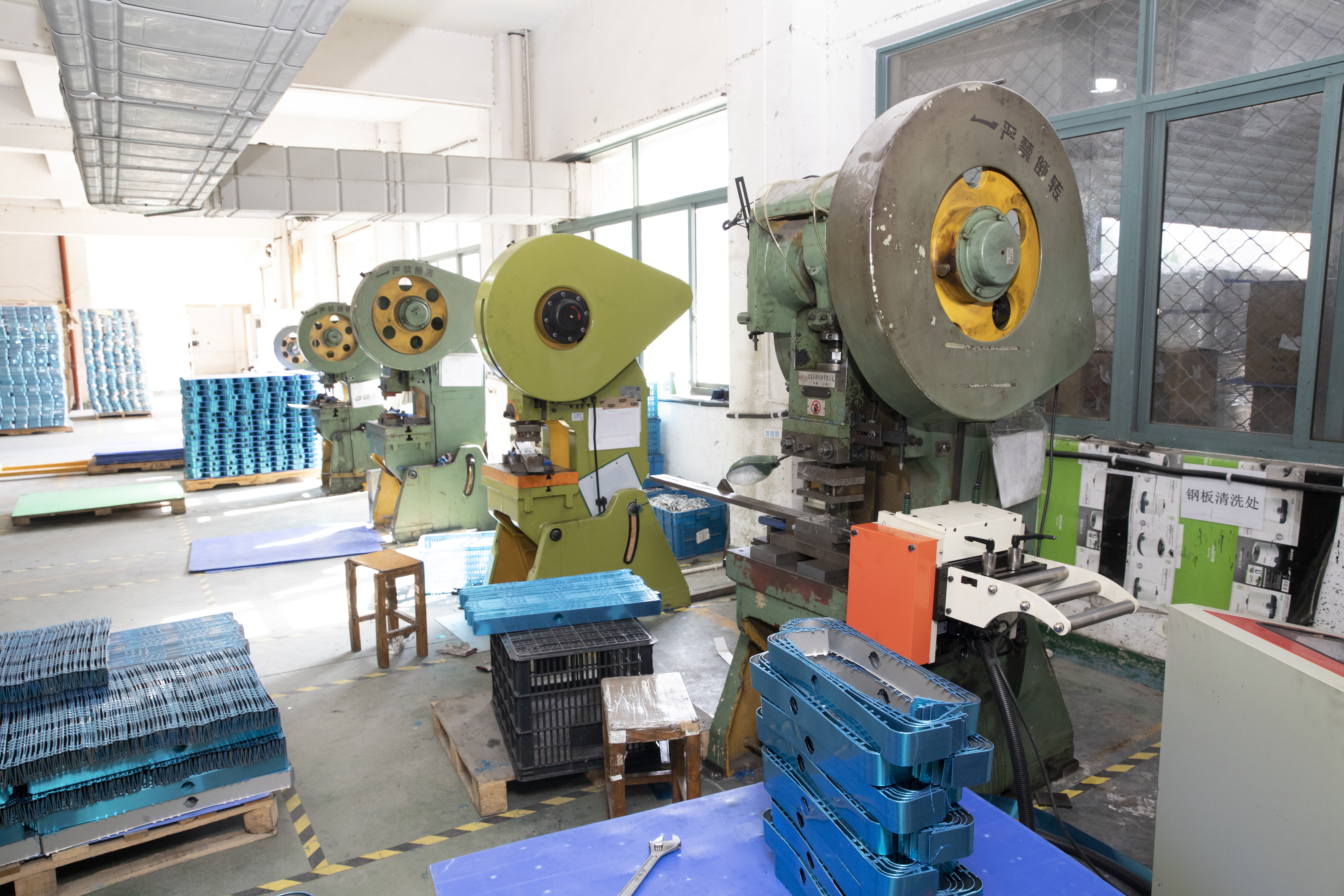
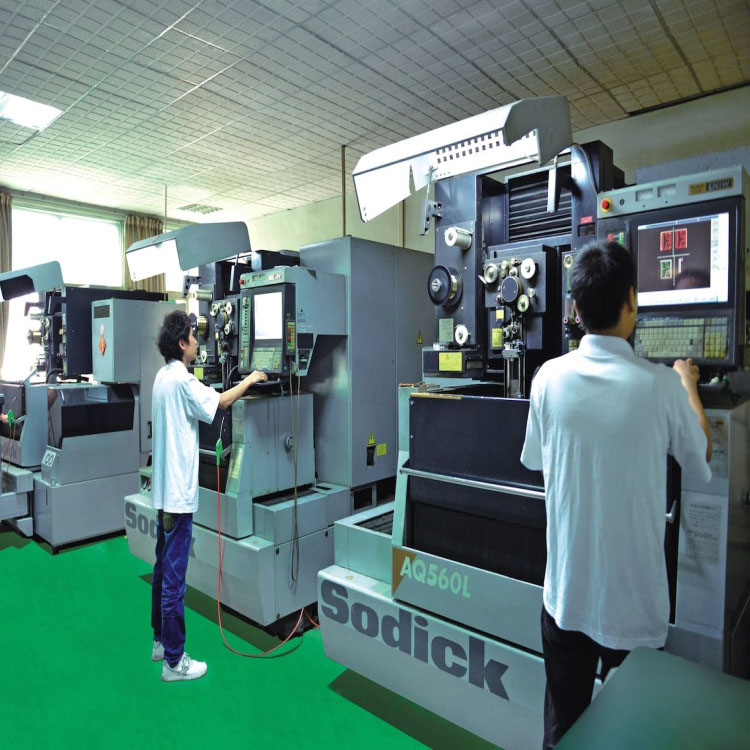
From initial design to final mold qualification, our process is optimized to ensure absolute consistency and medical-grade precision.

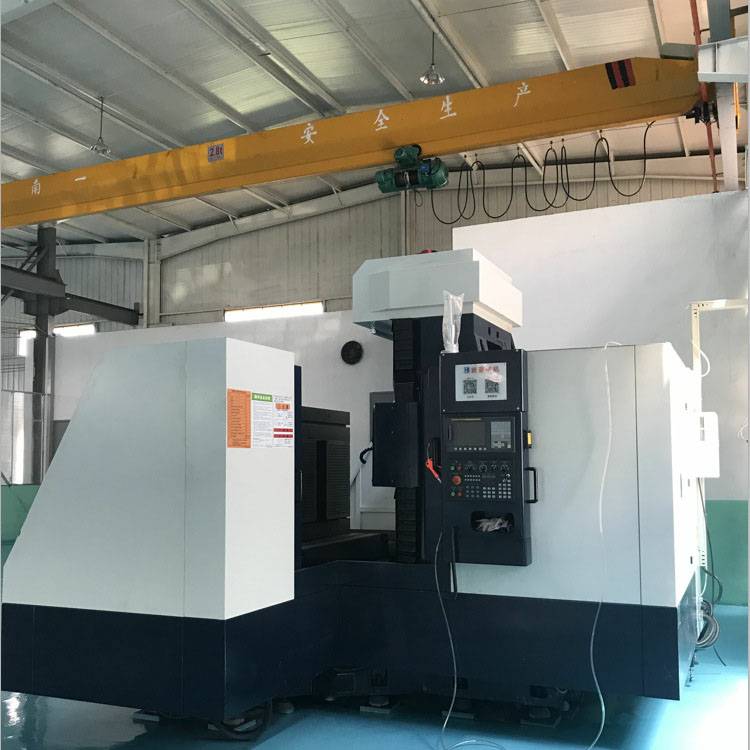
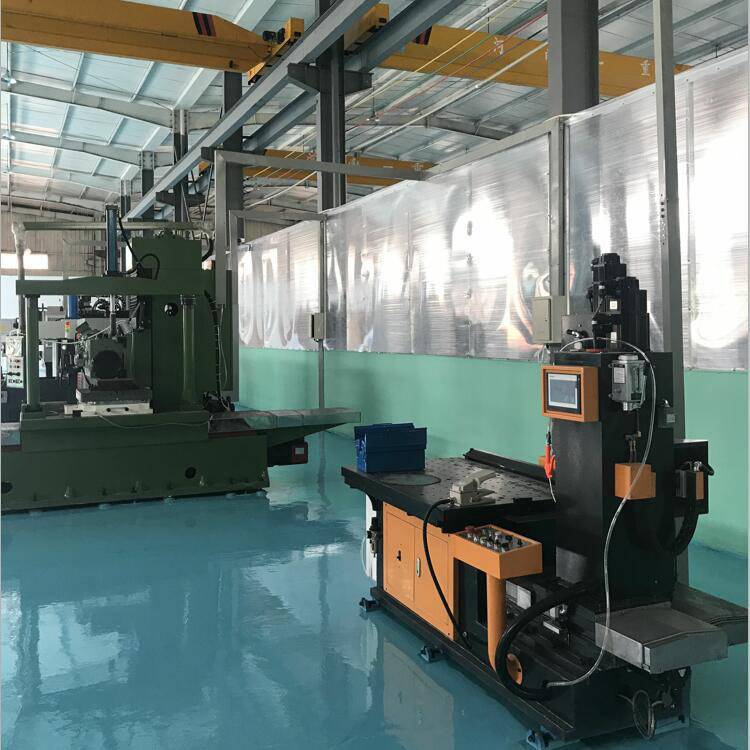
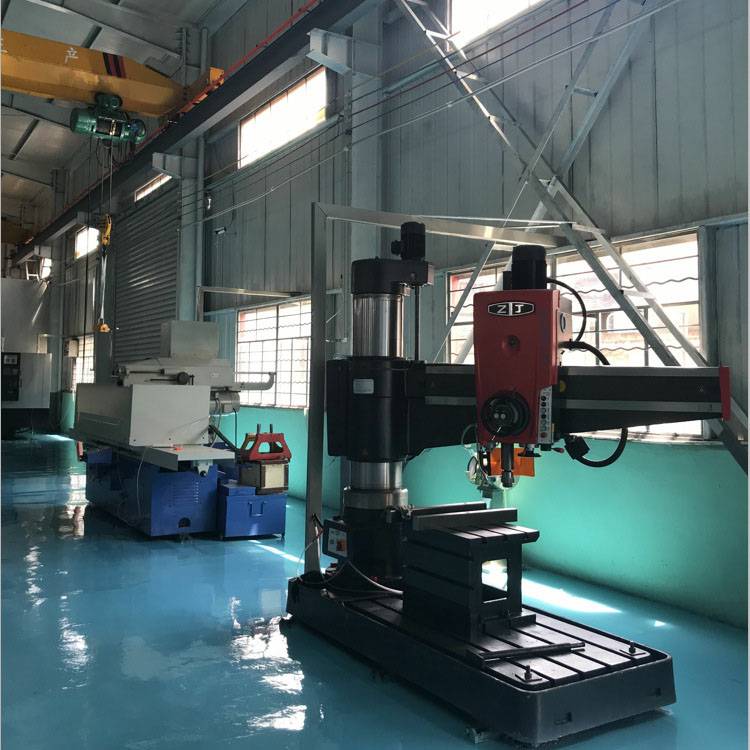
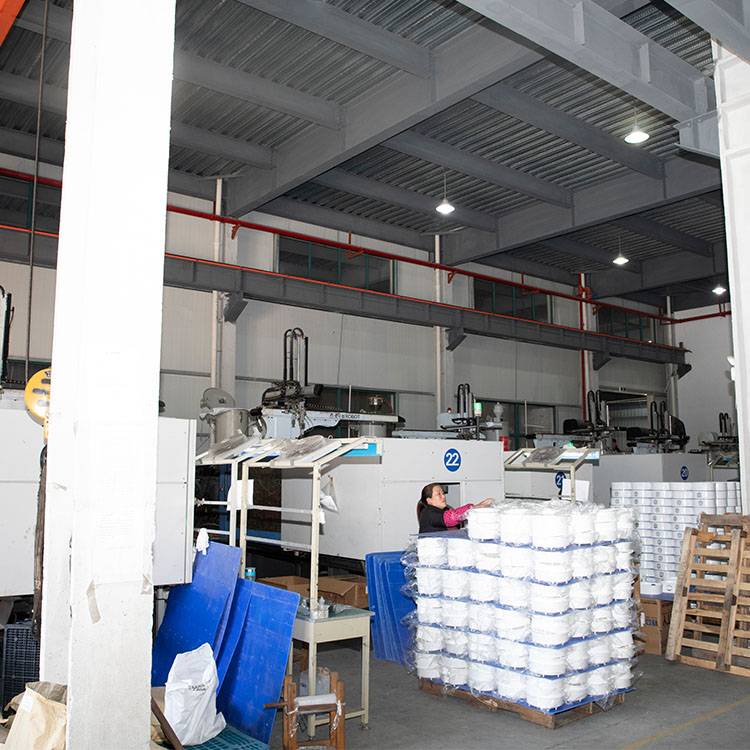
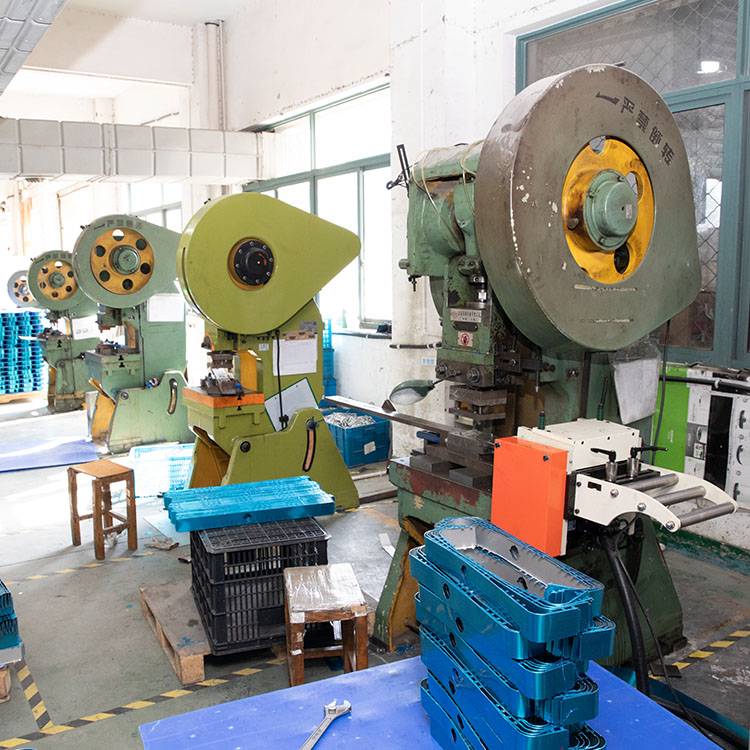
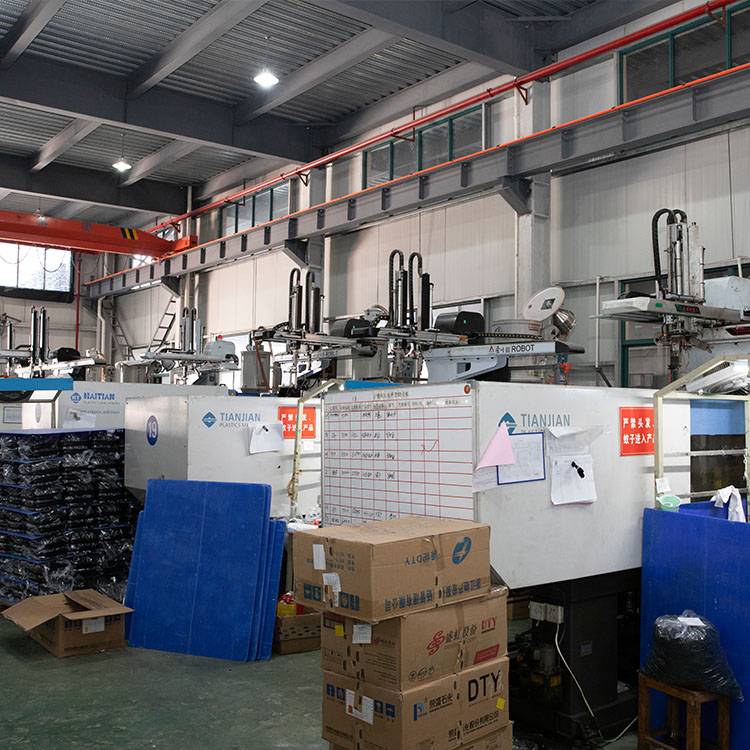
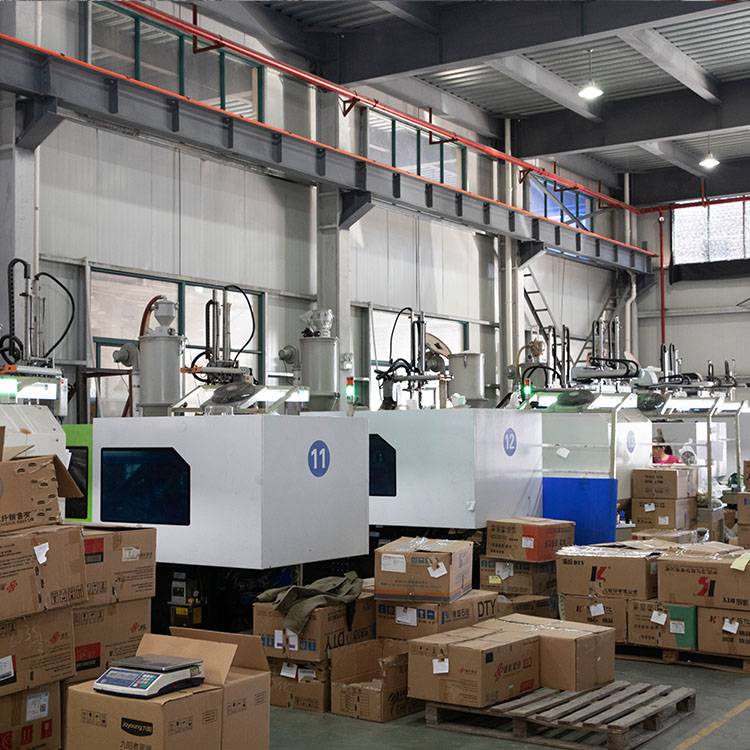
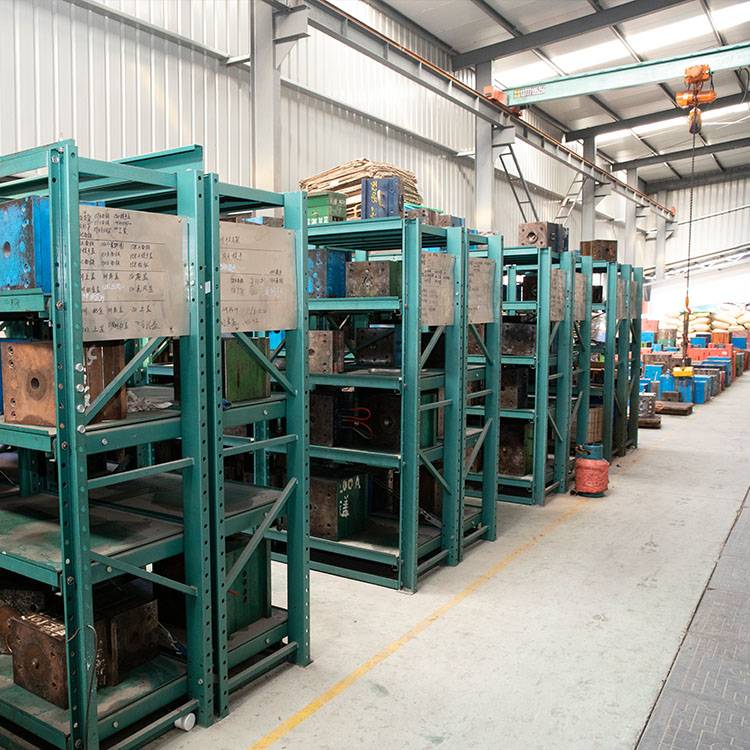
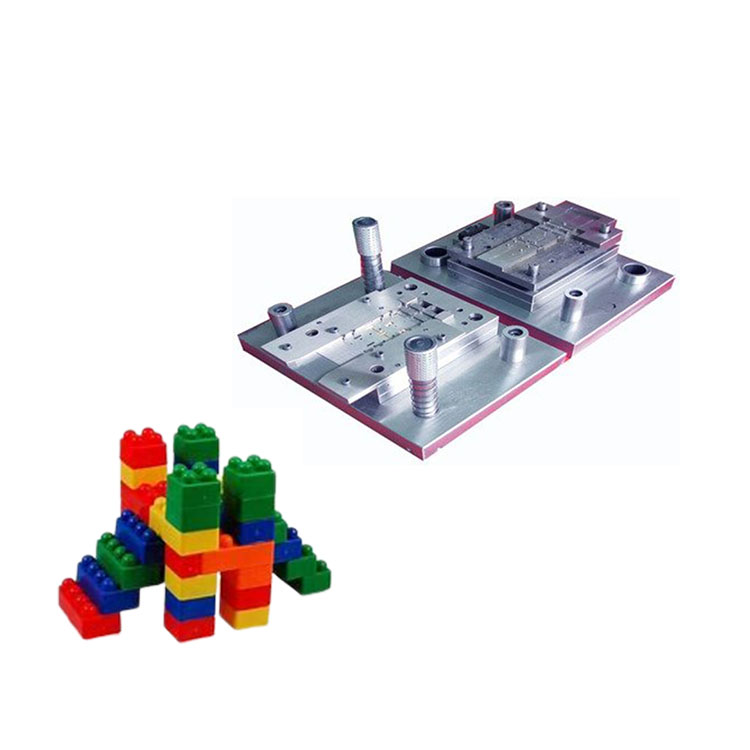
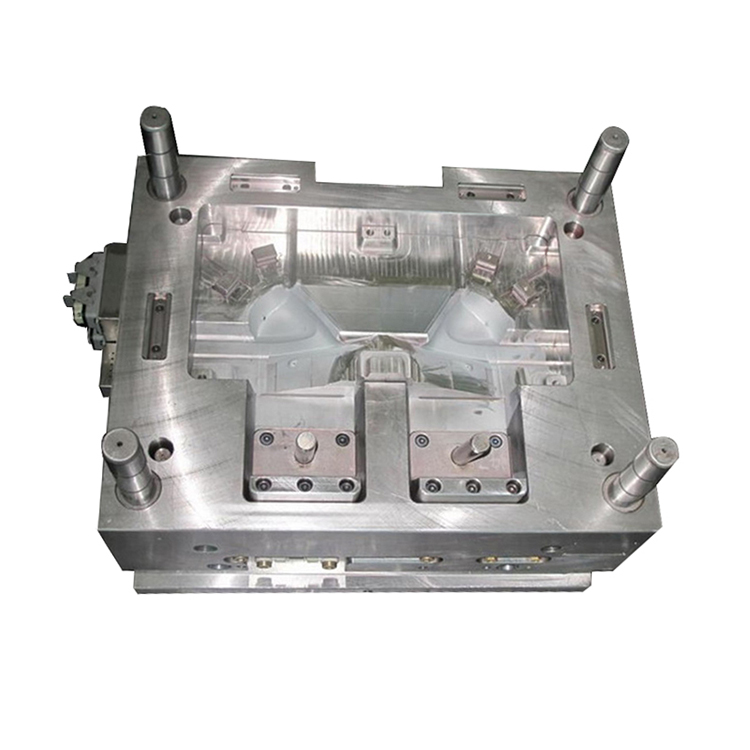
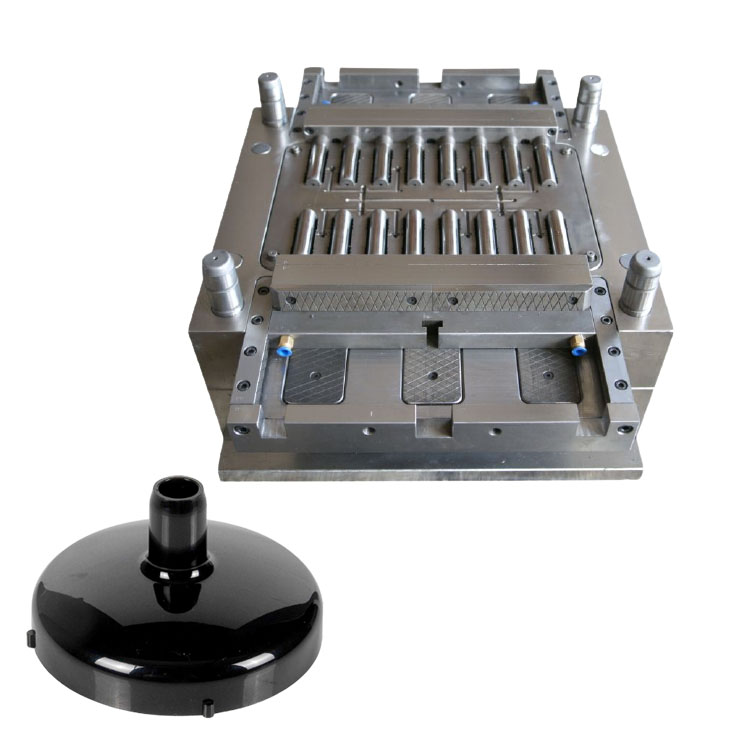
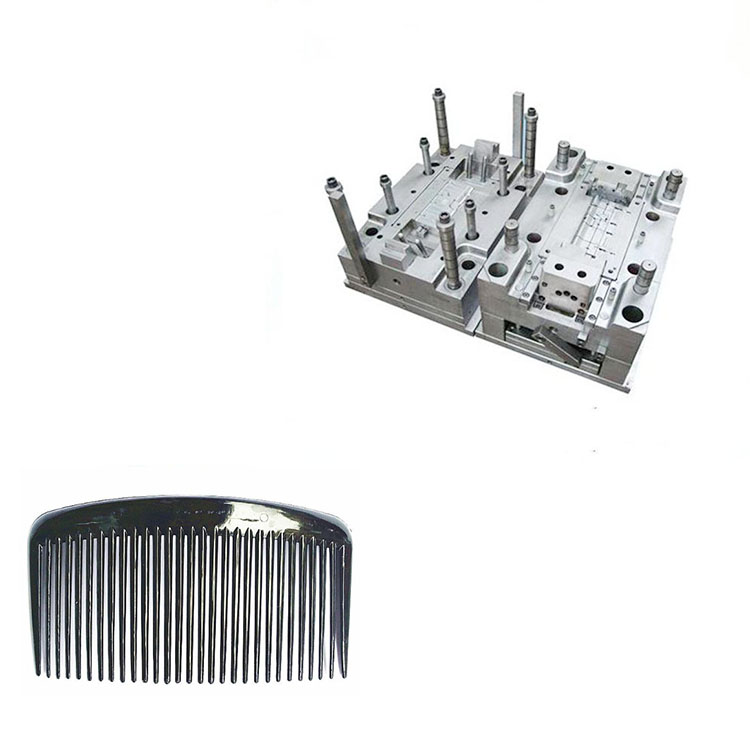
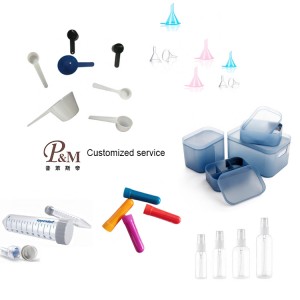


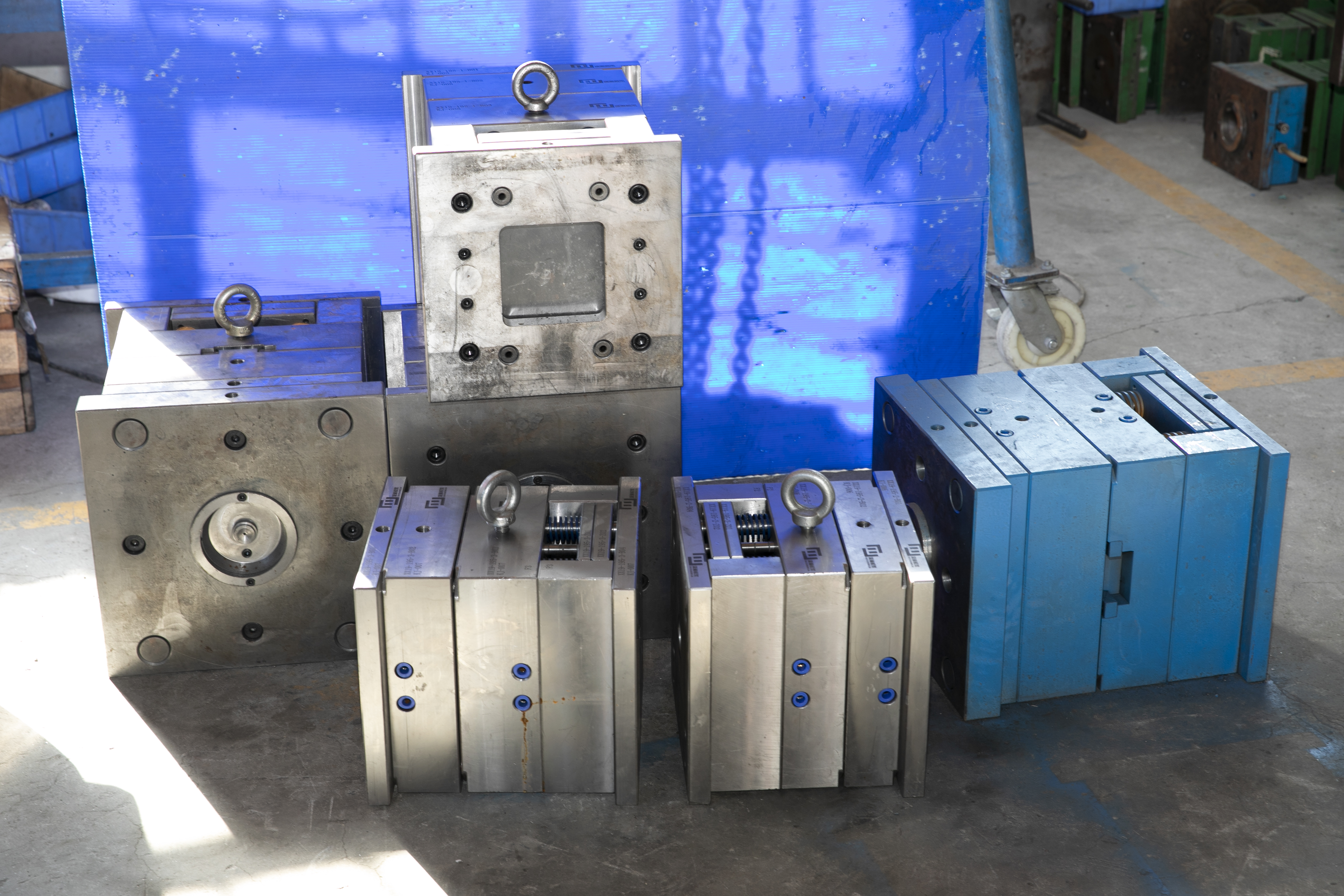
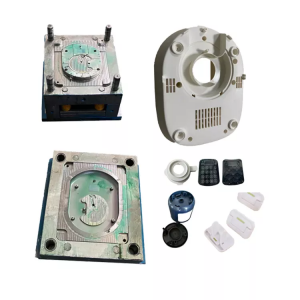
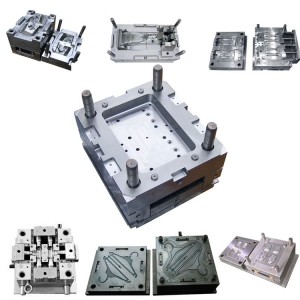
Explore our full range of custom injection molds engineered for high-durability medical, dental, and industrial applications.


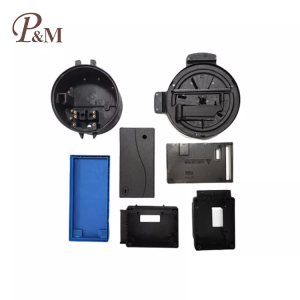

Ningbo P&M Plastic Metal Product Co., Ltd. is strategically situated in Yuyao, a region renowned globally as China's "Mould City" and "Plastic Kingdom". Located at the southern tip of the Hangzhou Bay Bridge, our facility enjoys seamless access to Shanghai, Ningbo Port, and major transport arteries, facilitating rapid global logistics.
Since establishing our domestic presence in 2008 and expanding internationally in 2014, we have consistently prioritized engineering precision and customer-centric service. By combining scientific management with state-of-the-art machinery, we export 90% of our precision molds and plastic components to demanding markets across North America, Western Europe, Japan, and Australia.
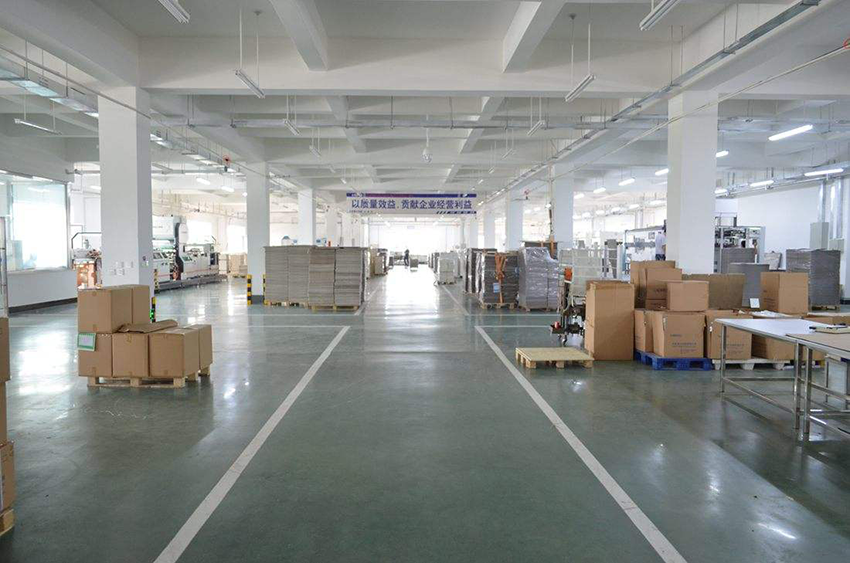
The manufacturing landscape for medical devices is characterized by strict regulatory frameworks, extremely demanding material specifications, and the need for absolute dimensional repeatability. Among these, the dental device sector stands out due to its unique combination of high personalization and high-volume production. Whether creating aligner templates, surgical guides, handpiece enclosures, or diagnostic components, the choice of a plastic mould die maker is one of the most critical decisions a dental device brand can make.
Historically, dental devices were fabricated using metals, ceramics, or hand-poured acrylics. Today, advanced thermoplastics have largely replaced these traditional materials. Polymers such as Polyetheretherketone (PEEK), Polycarbonate (PC), Polymethyl Methacrylate (PMMA), and medical-grade Thermoplastic Elastomers (TPE) offer superior strength-to-weight ratios, excellent biocompatibility, and ease of sterilization. However, processing these materials requires specialized injection mold designs.
For example, PEEK requires high melt temperatures (often exceeding 340°C) and heated molds to achieve optimal crystallinity and mechanical properties. A specialized mold maker must design heating channels within the die to ensure uniform temperature distribution, preventing warping or internal stress concentrations. Similarly, transparent materials like Polycarbonate require highly polished mold cavities (SPI A-1 or A-2 mirror finish) to ensure optical clarity, which is essential for components like intraoral camera housings or clear aligner templates.
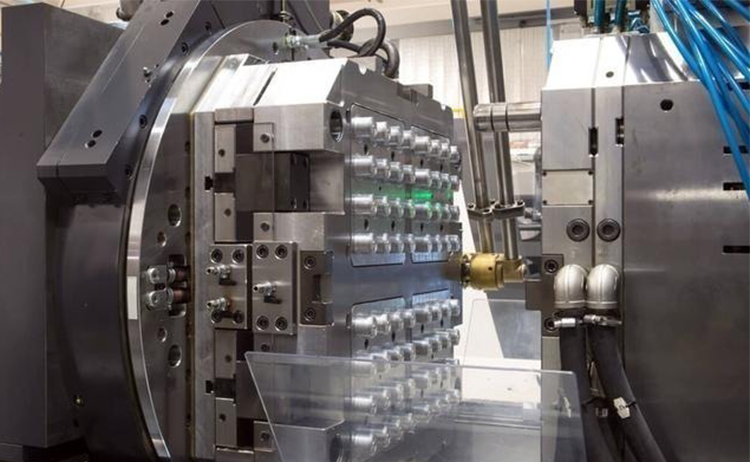
Dental clinics consume millions of disposable items daily, such as mixing tips, impression trays, and syringe barrels. To manufacture these items cost-effectively, mold makers must design high-cavitation molds (often 16, 32, or 64 cavities) that operate on fast cycle times. Maintaining dimensional consistency across 64 identical cavities requires extraordinary precision during the CNC machining and EDM (Electrical Discharge Machining) phases.
Advanced hot runner systems are typically integrated into these molds to eliminate material waste (sprues and runners) and reduce cycle times. Balanced flow channels, precise gate locations, and optimized cooling lines are simulated beforehand using Moldflow analysis software. This engineering phase ensures that each cavity fills at exactly the same rate and pressure, resulting in uniform part weight and physical properties.
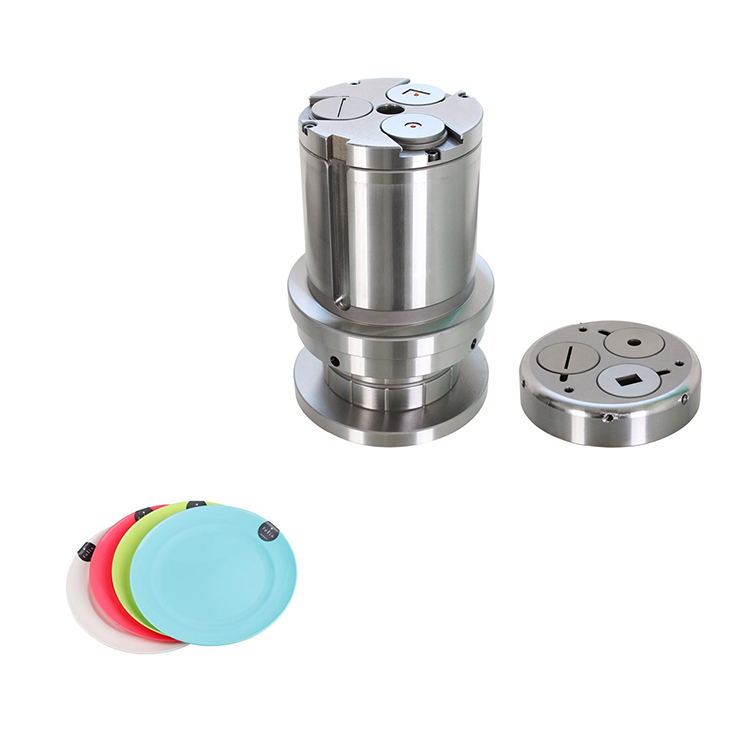
Ergonomics and hygiene are critical in dental instrument design. Dental professionals use handpieces, scalers, and curing lights for hours at a time, requiring tools that are comfortable to grip and easy to clean. Two-shot (double-injection) molding allows manufacturers to mold a rigid plastic substrate (like ABS or PC/ABS blend) and then overmold a soft-touch elastomer (like TPE or silicone) in a single, automated cycle.
This process eliminates the need for manual assembly, reduces manufacturing costs, and creates a seamless bond between the two materials. The lack of seams or gaps is critical for dental devices because it prevents blood, saliva, and bacteria from accumulating in crevices, making the instruments far easier to sterilize via autoclaving or chemical disinfection. A skilled die maker must design complex rotational or transfer molds that accommodate two different material shrinkages and processing temperatures within a single tool.
As dental procedures become less invasive, the components used in implantology and orthodontics are shrinking. Micro-injection molding is now used to produce tiny parts such as orthodontic brackets, implant caps, and micro-valves for dental delivery systems. These components often weigh less than a fraction of a gram and have tolerances measured in microns.
Fabricating dies for micro-molding requires specialized micro-milling machines and ultra-precise wire EDM equipment. The mold maker must also design highly sensitive venting systems to prevent air entrapment, which can cause incomplete filling (short shots) or burning of the polymer melt. Additionally, automated vision inspection systems are often integrated into the production line to verify the dimensions of every single part as it is ejected from the mold.
Unlike general consumer goods, dental devices are subject to strict regulatory oversight by bodies such as the FDA (Food and Drug Administration) and European CE mark authorities. Manufacturing facilities must comply with ISO 13485 (Medical Devices Quality Management Systems) and operate cleanroom environments (typically Class 7 or Class 8) to prevent contamination during the molding and packaging stages.
A professional plastic mould die maker supports this compliance by providing comprehensive documentation, including steel certifications, heat treatment records, dimensional inspection reports, and scientific molding process logs. This traceability is essential for medical device validation (IQ/OQ/PQ protocols) and ensures that the manufacturing process is stable, repeatable, and capable of producing safe, effective dental components over the lifetime of the product.
Looking ahead, the integration of Artificial Intelligence (AI) and Industry 4.0 technologies is set to revolutionize plastic mold toolmaking. AI-powered design software can analyze part geometry and automatically suggest optimal gate locations, cooling line configurations, and venting designs, reducing engineering lead times by up to 50%. Furthermore, smart molds embedded with pressure and temperature sensors are becoming increasingly common. These sensors feed real-time data back to the injection molding machine, allowing for automatic process adjustments to maintain consistent part quality and predict maintenance needs before tool failure occurs.
By partnering with a forward-thinking manufacturer like Ningbo P&M Plastic Metal Product Co., Ltd., dental device brands can leverage these advanced technologies to shorten time-to-market, optimize production costs, and maintain the highest levels of product quality. Our commitment to continuous innovation, coupled with our strategic location in Yuyao, makes us the ideal long-term partner for your dental device fabrication needs.
Contact our engineering team today to discuss your design requirements, material selection, and production volume goals.
Contact Our Experts →