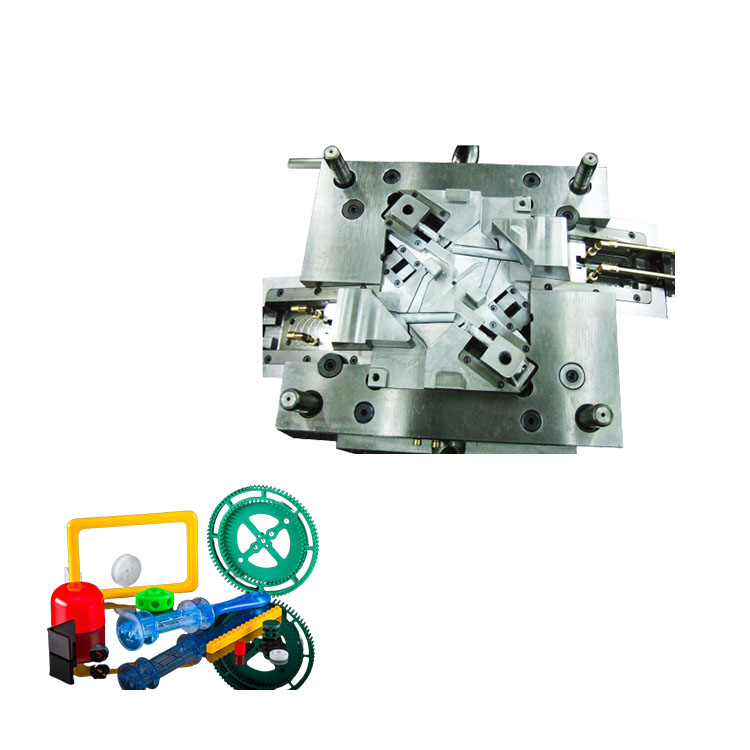
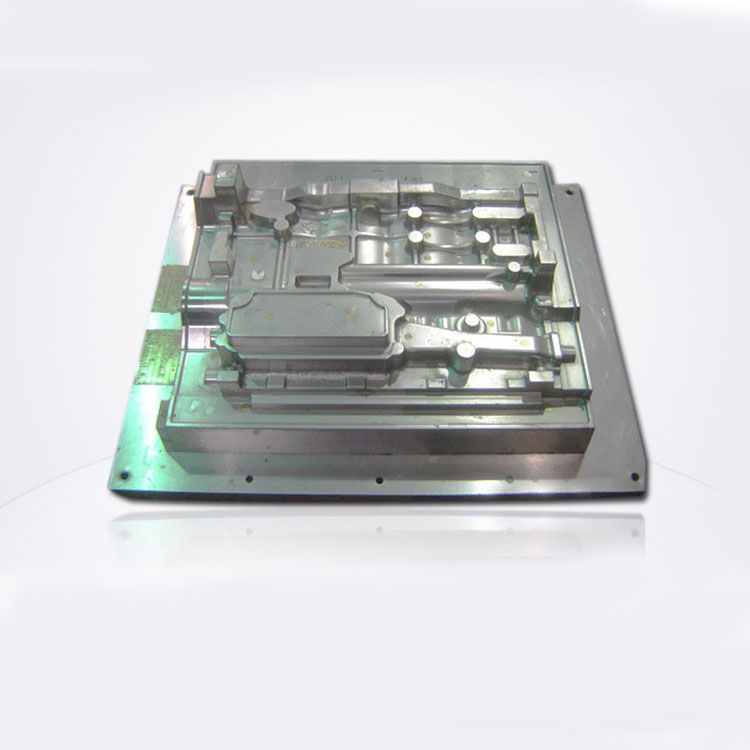
In the modern construction and civil engineering sectors, achieving structural precision alongside aesthetic superiority is no longer a luxury—it is an absolute industry benchmark. One of the key components driving this standard is the Plastic Mould Corner For Concrete Casting Forming. Commonly referred to in the trade as chamfers, corner profiles, or formwork corner inserts, these specialized polymer components are engineered to shape smooth, beveled, or radiused edges on cast-in-place or precast concrete columns, beams, walls, and foundations.
Historically, construction crews relied heavily on wooden triangular strips or heavy metal chamfer profiles to shape concrete edges. However, the evolution of polymer material science has firmly positioned high-grade plastics—such as ABS (Acrylonitrile Butadiene Styrene), PVC (Polyvinyl Chloride), and PP (Polypropylene)—as the superior choice. These plastic corners prevent the leakage of concrete slurry (grout bleed) at the joints of the formwork, protecting the structure from honeycombing and guaranteeing clean, sharp, or perfectly radiused edges that resist structural chipping.
SEO Insight: Integrating high-precision ABS mould corners ensures that every single precast component has identical, defect-free edges, facilitating seamless assembly on the construction site. This reduces post-pour manual grinding and finishing costs by up to 80%.
The global construction industry is undergoing a massive paradigm shift toward efficiency, sustainability, and rapid deployment. The market for concrete formwork accessories, particularly plastic mould corners, has experienced robust growth. This expansion is driven by several macroeconomic factors:
From a commercial perspective, the supply chain for these components has matured. Leading manufacturers in industrial hubs, such as Yuyao (the famous "Mould City" in China), leverage advanced CNC machining, precision injection moulding, and automated extrusion lines to supply international markets in North America, Europe, and Australia. The capability to offer customized dimensions, varying chamfer angles (such as 45-degree bevels or custom radii), and specialized material blends has become a primary competitive differentiator.
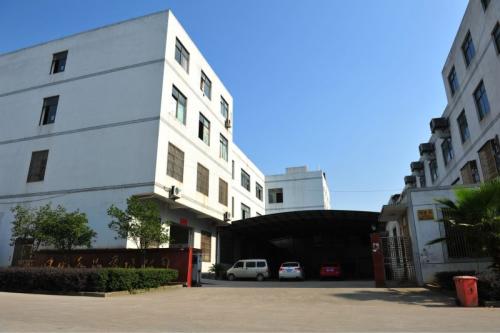
Ningbo P&M PLASTIC METAL PRODUCT CO., LTD is located in Yuyao, the so-called Mould City, Plastic Kingdom, in the southern tip of Hangzhou Bay Bridge, north of Shanghai, the east of Ningbo Port, tight double line of State Road 329 on land, sea and air traffic into a network to facilitate transport. By the abundant technical strength, scientific management methods and good after-sales service, product deeply trusted and welcomed by customers from all over the world.
P&M started domestic business in 2008 and opened up the international market in 2014, always adhering to the principle of quality first and time supreme. While providing customers with the best quality products, it maximizes production efficiency and shortens production time. Our main products is design and manufacturing of plastic mold, plastic product, metal product. 90% products of our enterprise are exported to America, Europe, Germany, Japan, Australia, etc.
P&M adheres to market-oriented to the quality of life and focus on quality service and continuous development of new products, determined to establish a better corporate image, and our friends at home and abroad to carry a wide range of business exchanges and cooperation, create brilliant.
The versatility of the Plastic Mould Corner For Concrete Casting Forming allows it to be utilized across diverse and demanding construction environments:
In precast concrete plants, consistency is the key metric of quality. Whether casting structural columns, prestressed beams, or modular wall panels, the formwork is set up on steel casting beds. In this scenario, plastic corner profiles are magnetically or adhesively secured to the steel forms. During the steam curing process, the thermal expansion coefficient of the plastic corner must match the overall setup to prevent deformation. High-precision ABS mould corners ensure that every single precast component has identical, defect-free edges, facilitating seamless assembly on the construction site.
Bridges, marine docks, and highway overpasses are exposed to harsh environmental conditions, including freeze-thaw cycles and chemical attacks. Sharp 90-degree concrete corners are highly susceptible to spalling (chipping) under load or impact. Large-scale plastic chamfer strips are used to cast chamfered edges on bridge piers, abutments, and retaining walls. By removing the sharp edge and replacing it with a clean diagonal bevel, the structural integrity of the corner is enhanced. Water runoff is also improved, preventing moisture accumulation and subsequent rebar corrosion.
Fair-face concrete relies on the raw surface of the cast concrete as the final architectural finish, requiring no plastering or painting. Highly polished, non-porous plastic mould corners are integrated into the formwork panels. The smooth surface of the polymer prevents the concrete from sticking, eliminating the risk of surface tearing during formwork stripping. This results in a pristine, marble-like finish that meets the strict aesthetic demands of modern architectural designs.
The performance of a plastic mould corner is directly tied to the polymer formulation used during the injection moulding process. Manufacturers select materials based on the specific requirements of the construction site. Below is a comprehensive analysis of the materials utilized in modern formwork corner production:
| Material Type | Key Characteristics | Best Suited For |
|---|---|---|
| ABS (Acrylonitrile Butadiene Styrene) | High impact resistance, excellent dimensional stability, superior surface finish, rigid. | High-precision precast concrete, architectural finishes, reusable formwork systems. |
| PVC (Polyvinyl Chloride) | Flexible or rigid options, highly cost-effective, chemical resistant, easy to cut and nail. | General on-site construction, curved wall formwork, disposable chamfers. |
| PP (Polypropylene) | Excellent fatigue resistance, low density, high chemical resistance, heat tolerant. | Steam-cured precast concrete, heavy-duty industrial casting. |
As the construction sector embraces Industry 4.0, formwork manufacturing is evolving rapidly. Several key trends are shaping the future of plastic mould corners:
Quality pre-sale and after-sales service, contact 24 hours, all-weather open to solve any forming challenges.
Streamlined manufacturing pipelines allow you to receive the products within 30 days globally.
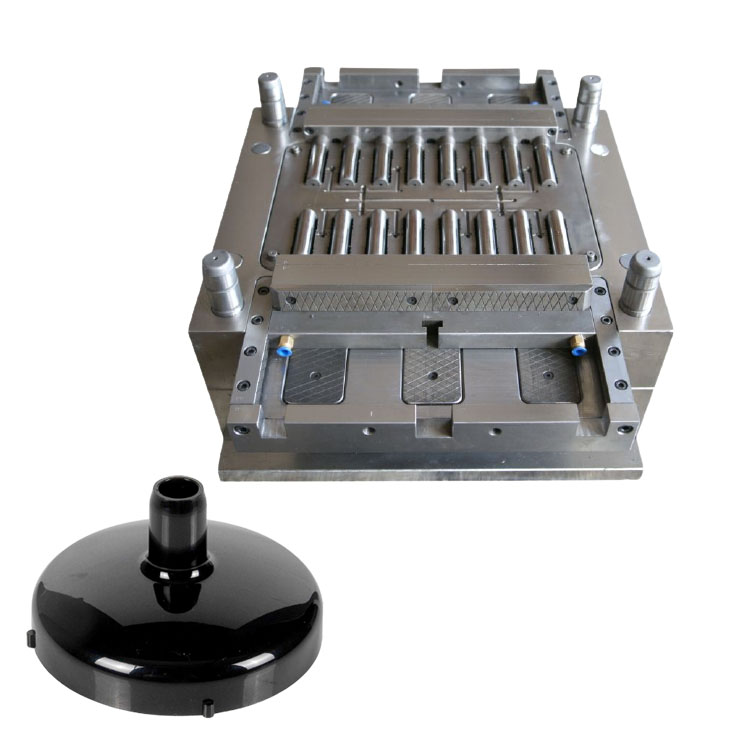
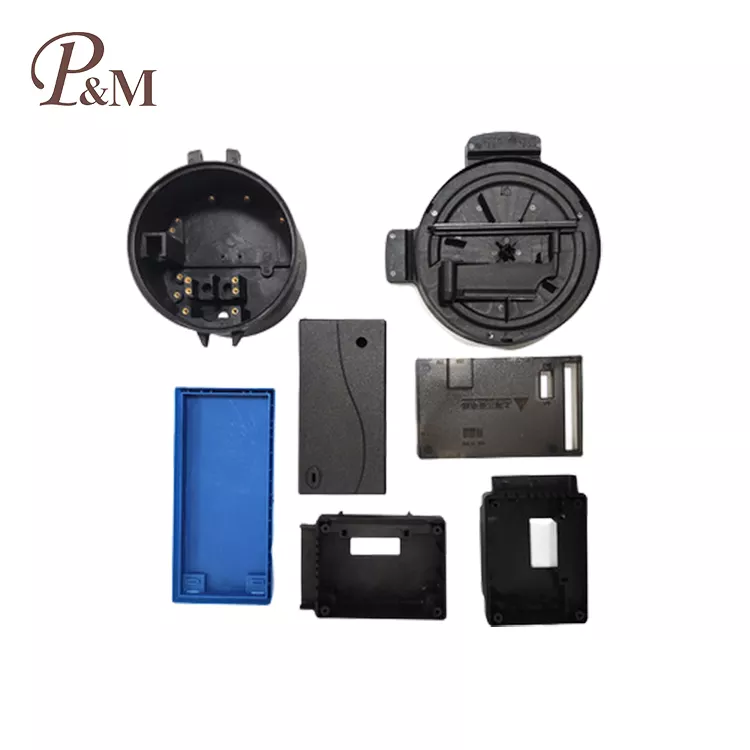
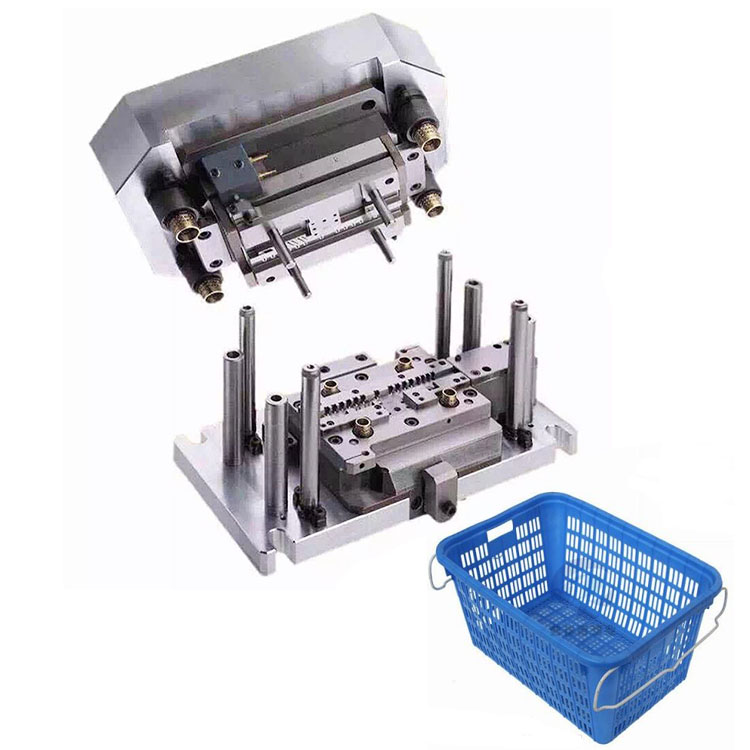
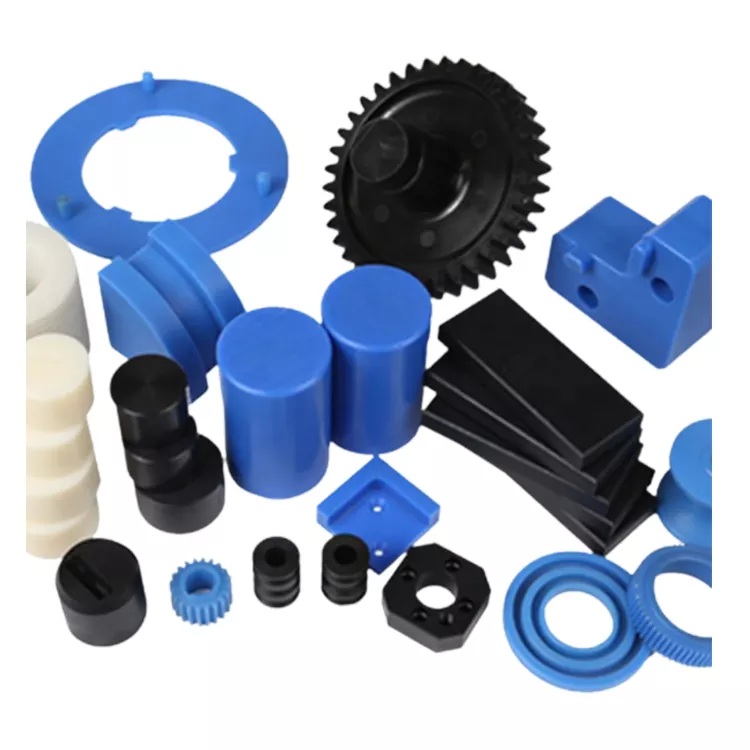
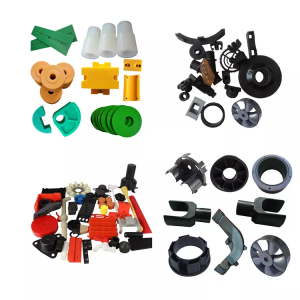
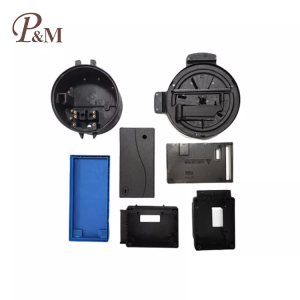
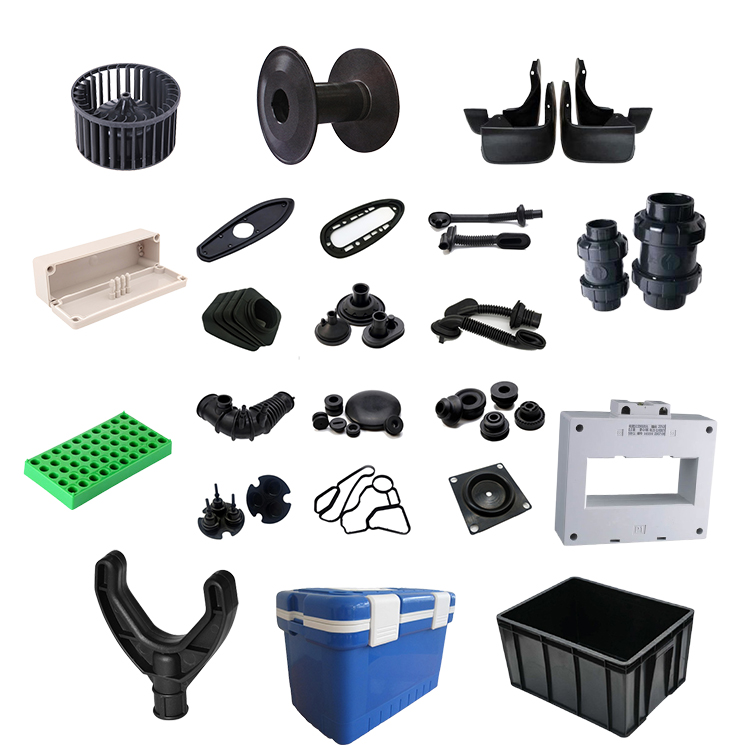
All kinds of steel and plastic polymer products tailored to industrial casting formwork systems.
Products through many strict processes, careful grinding, and precise dimensional calibration.
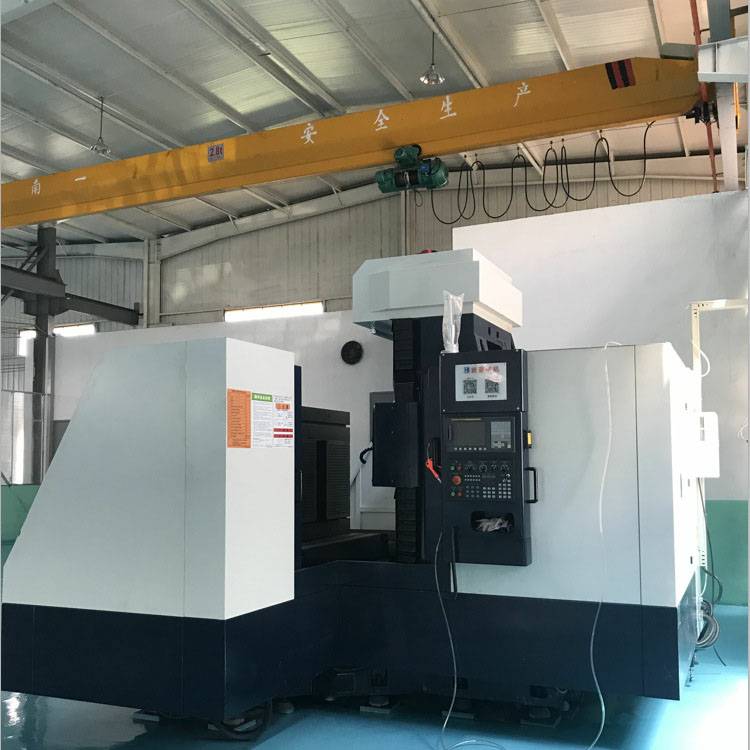
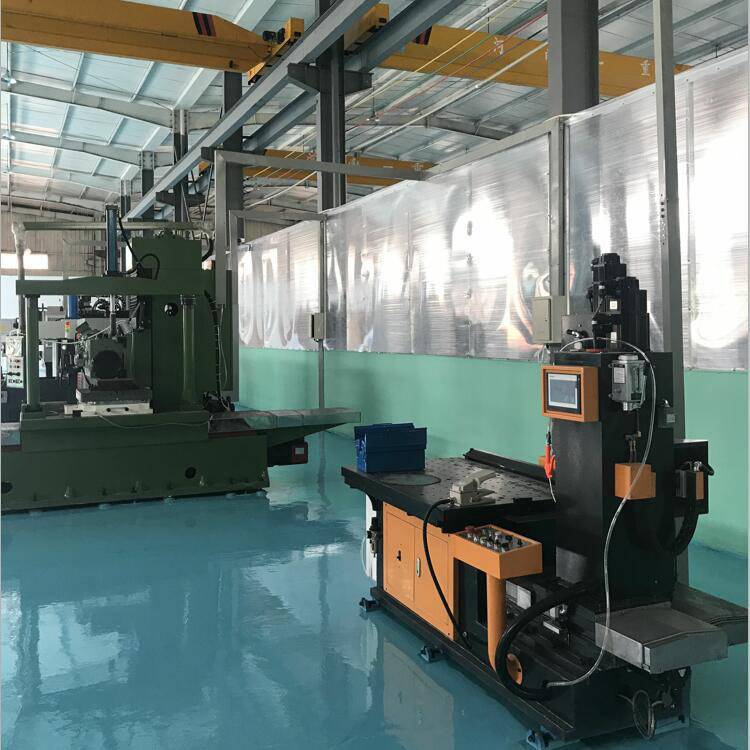
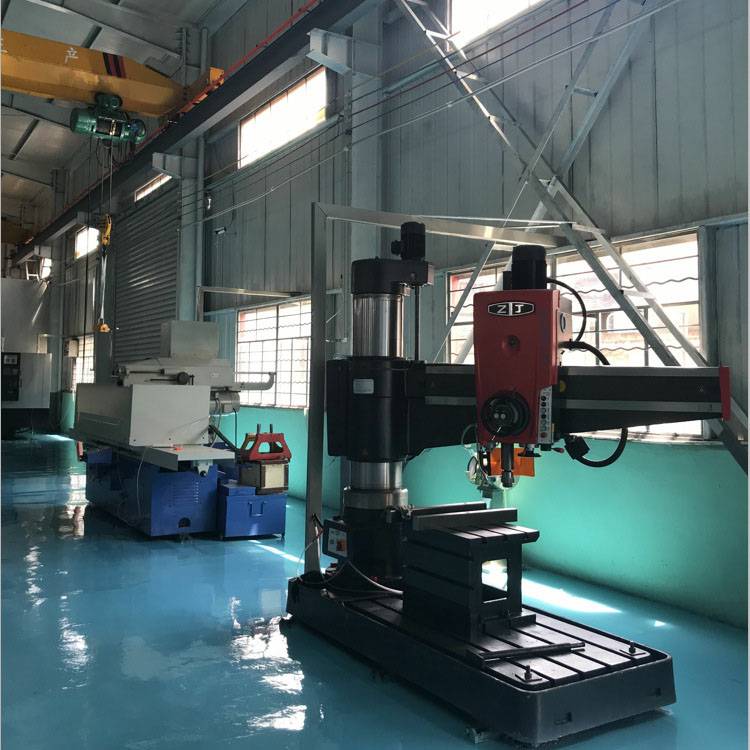
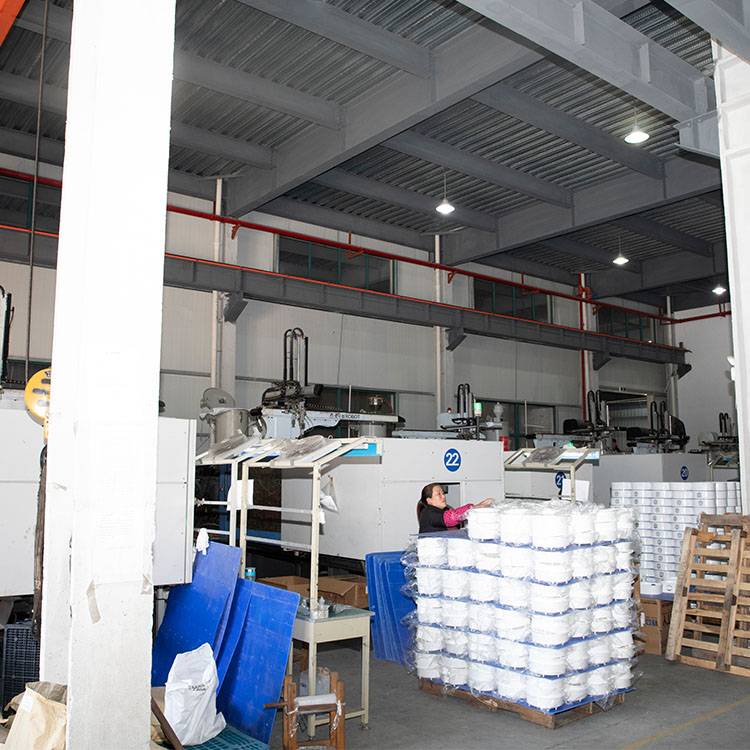
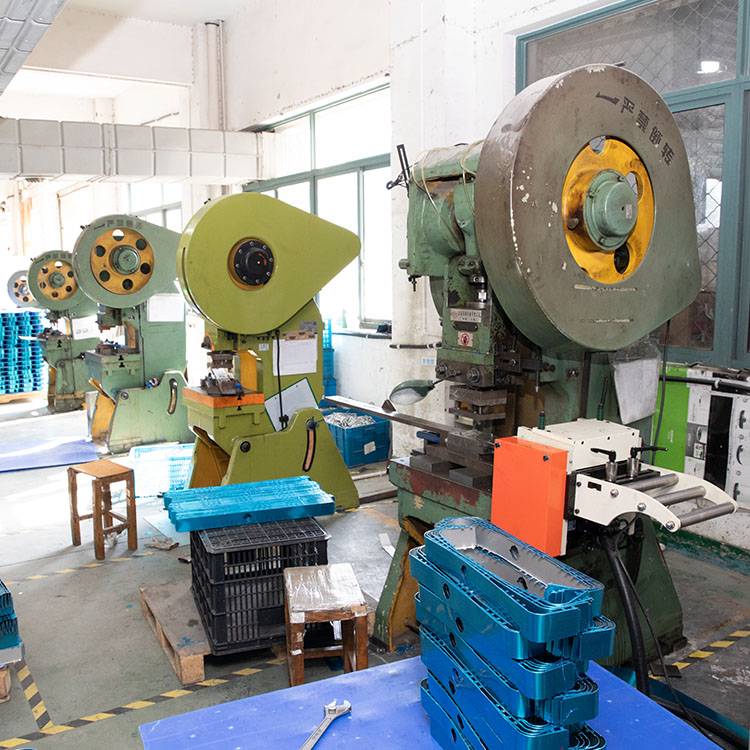
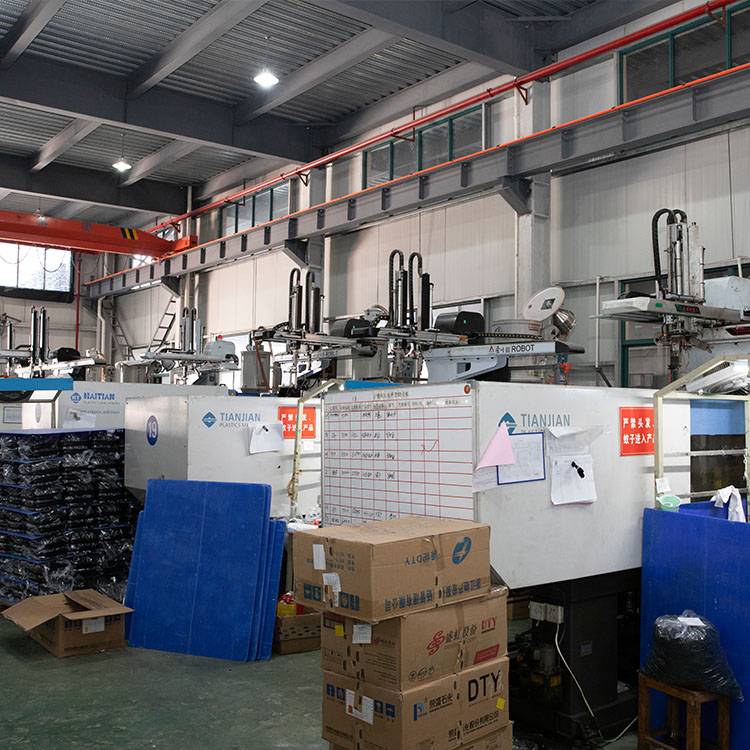
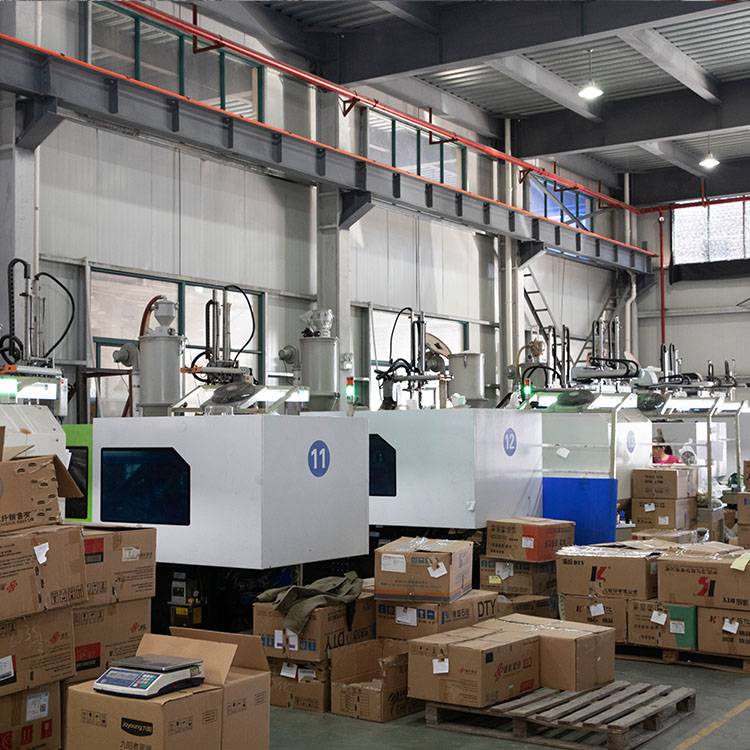
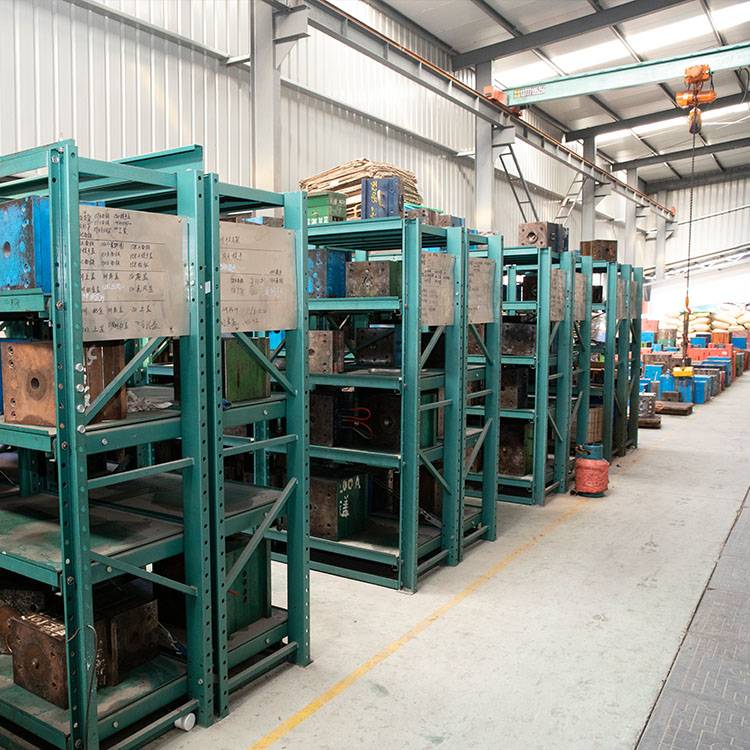
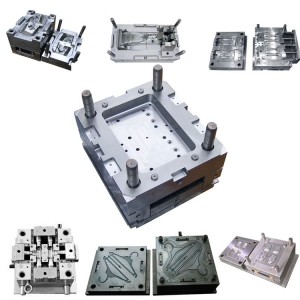
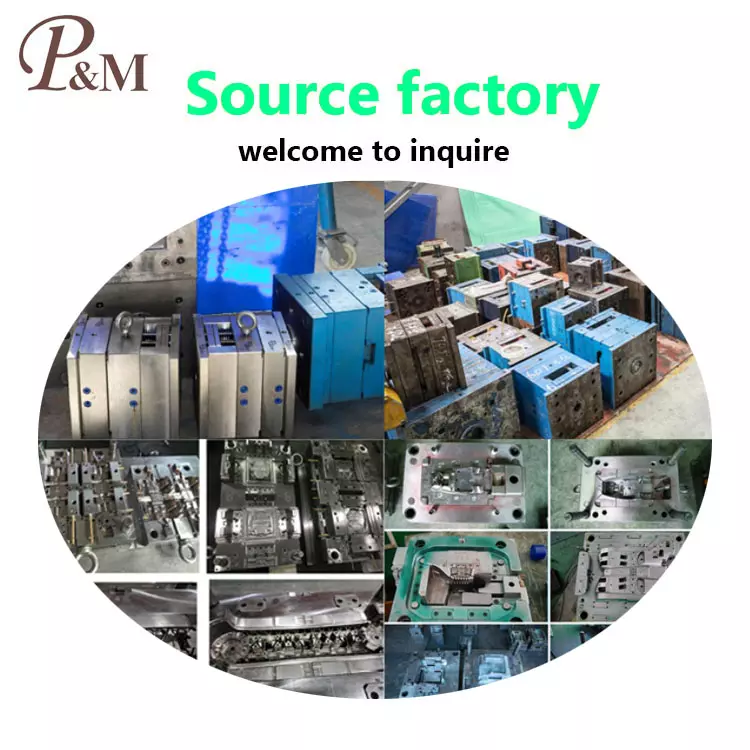
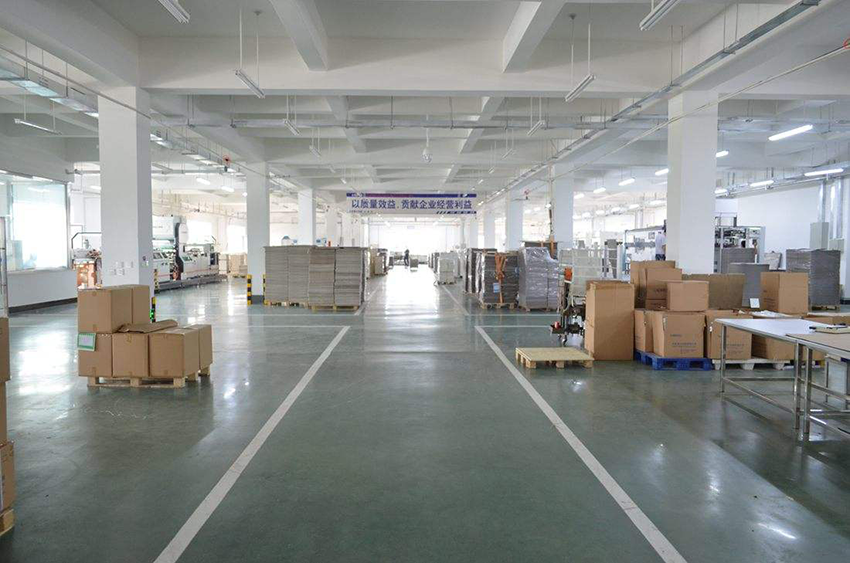
Take a look inside our high-tech manufacturing facility in Yuyao. We employ advanced CNC machining, EDM, and injection molding machinery to ensure structural excellence.
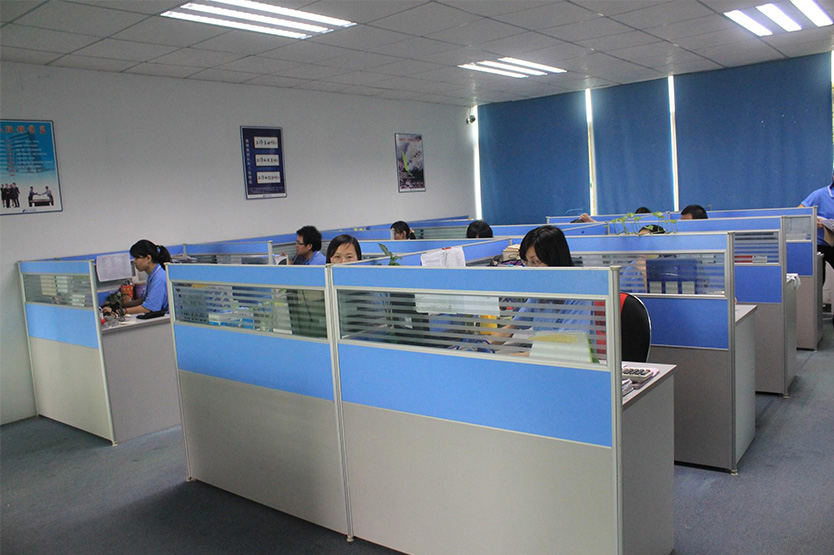
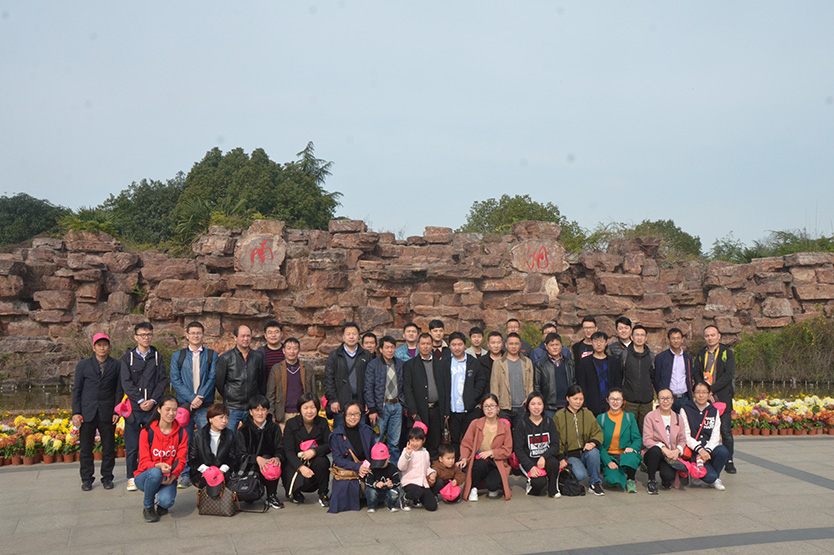
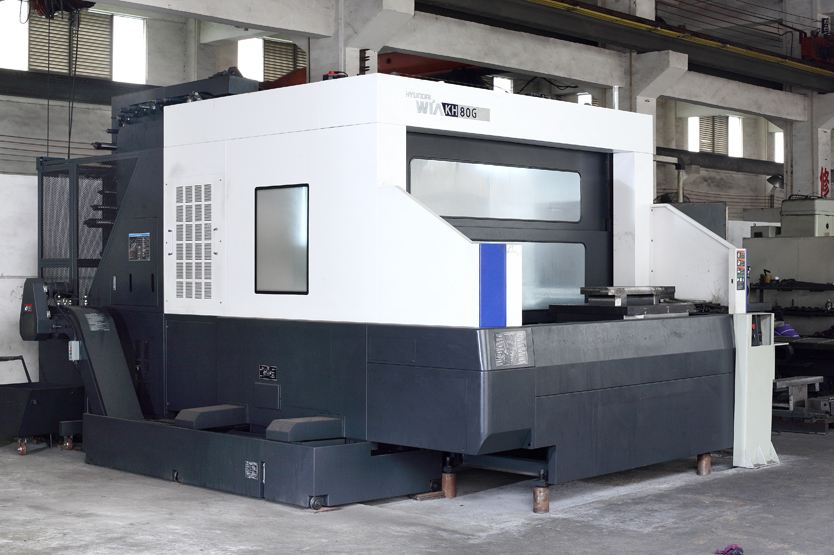
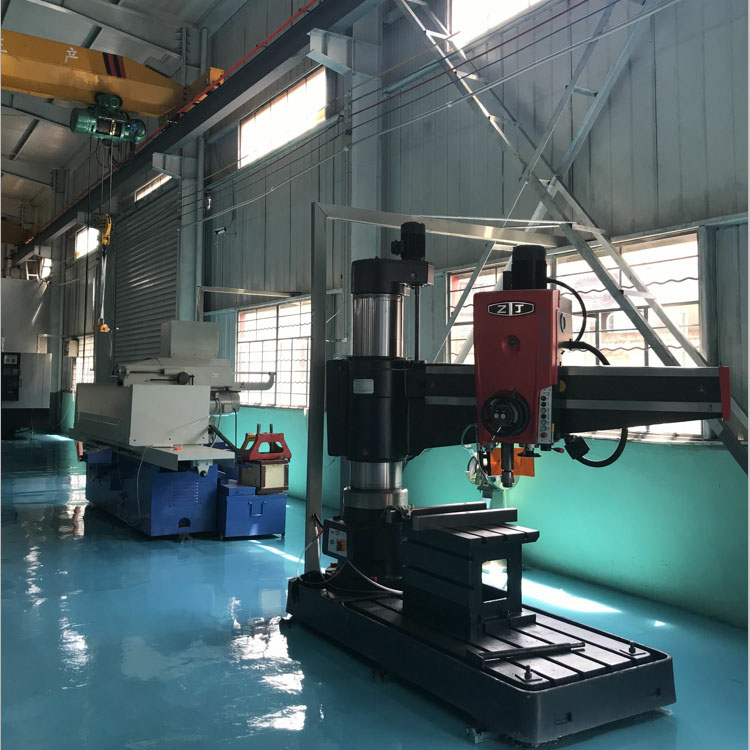
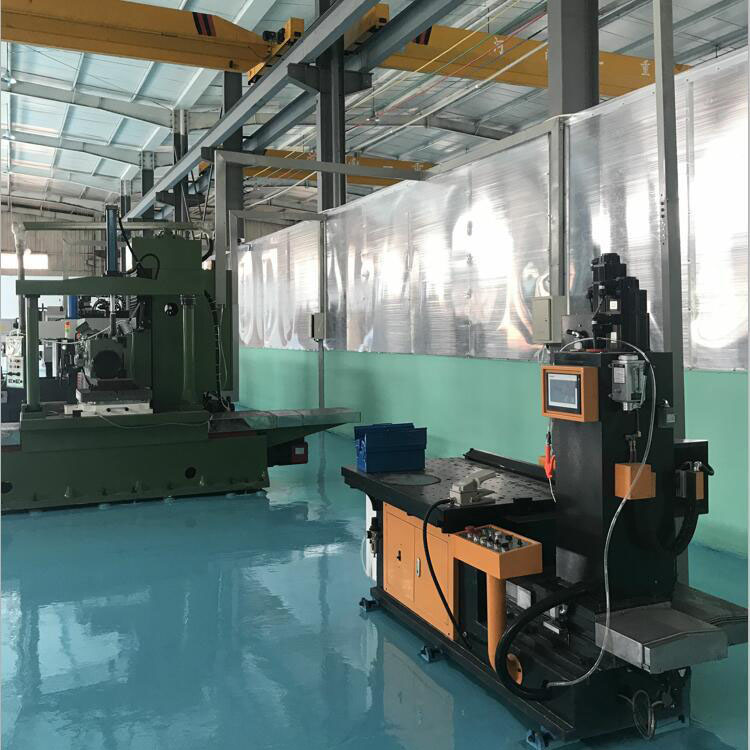
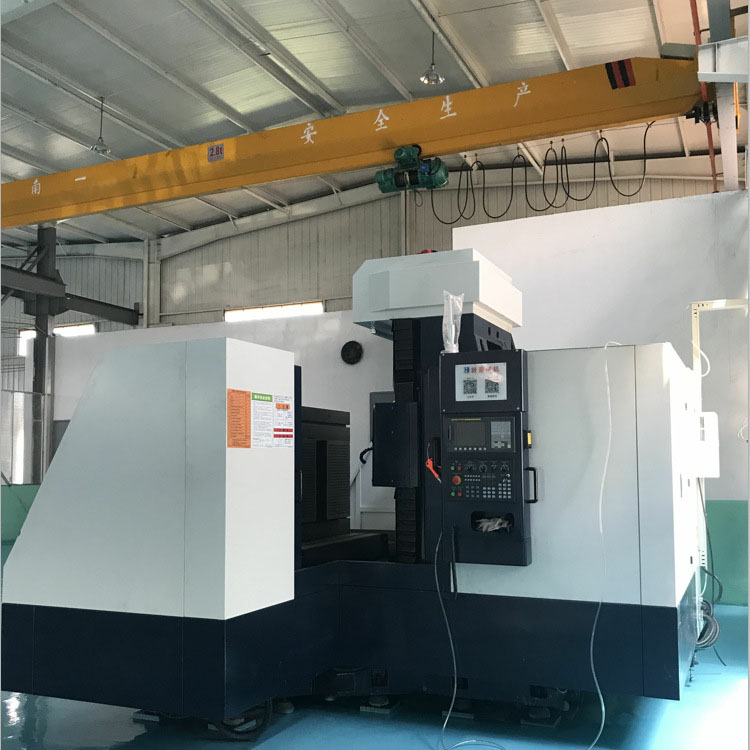
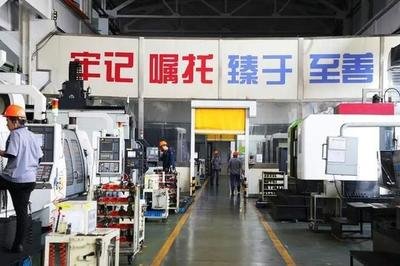
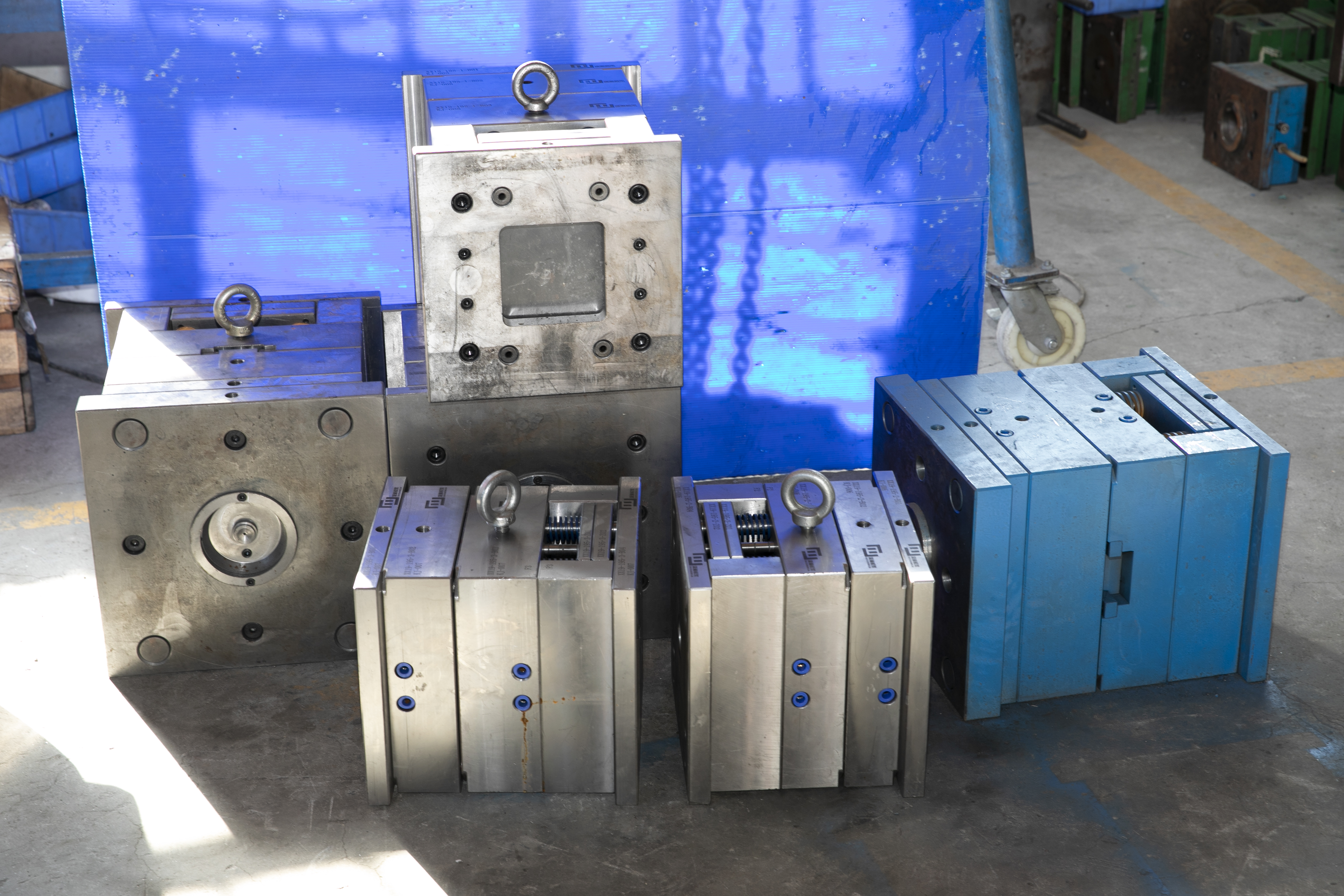
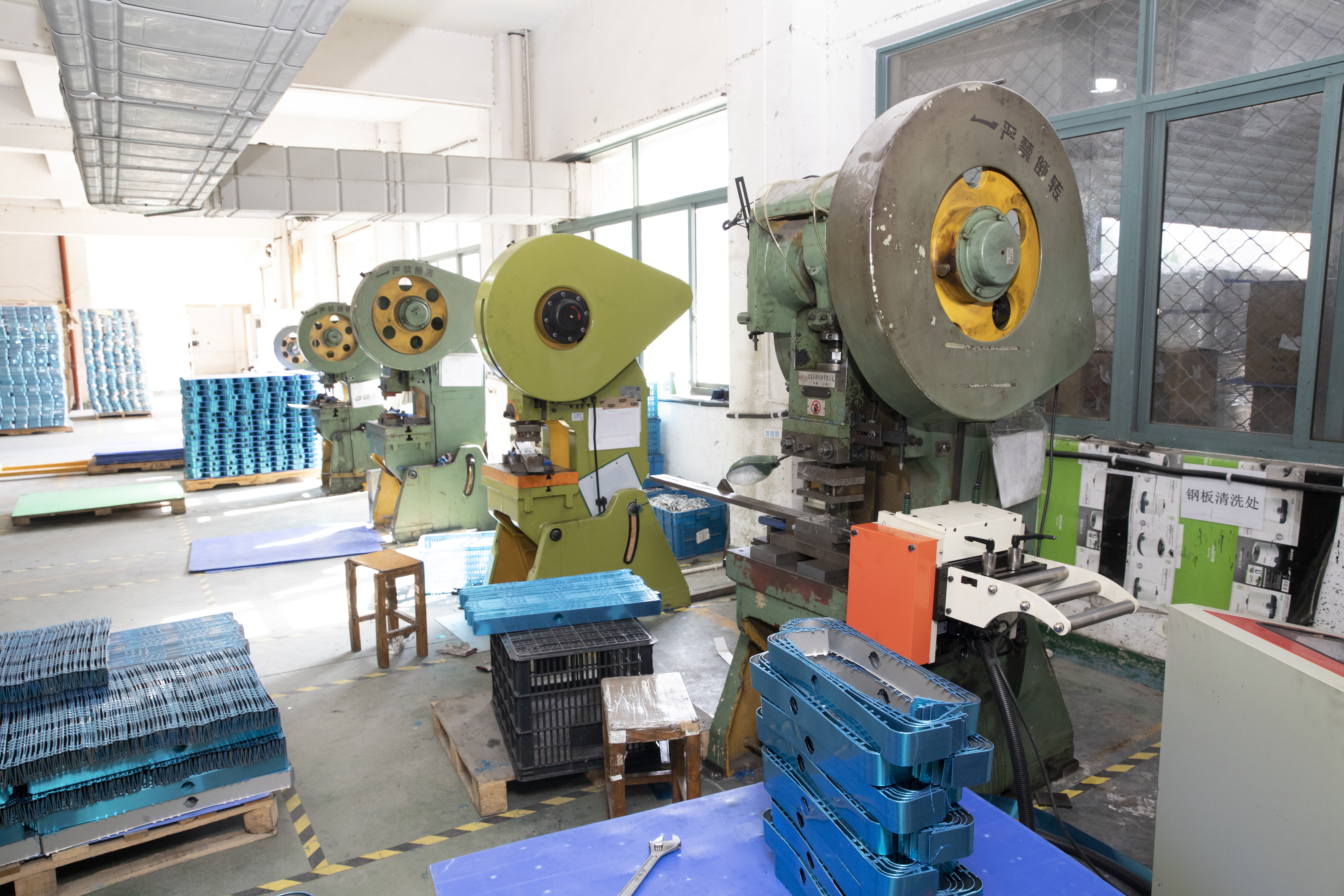
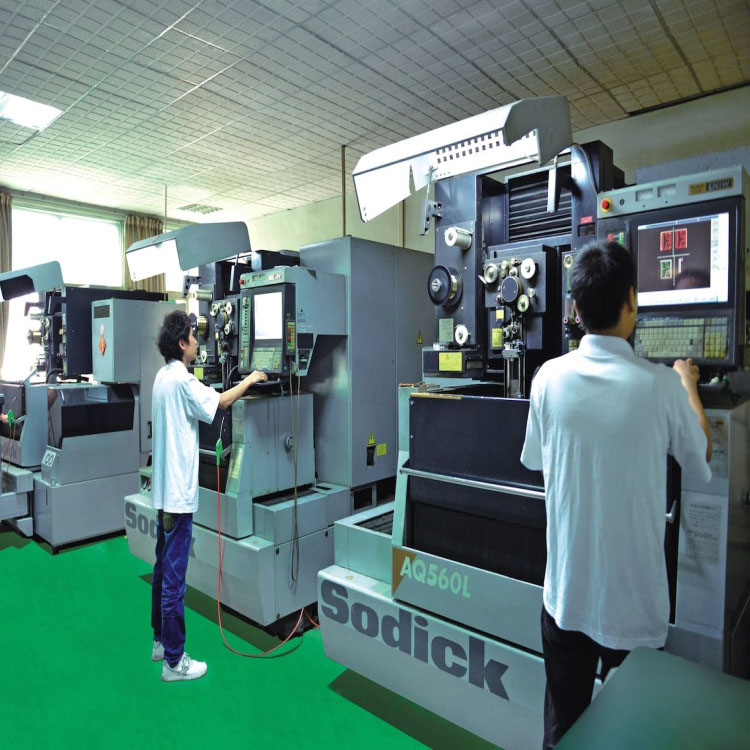
Our factory features integrated production steps to achieve mold design, plastic products manufacturing, and automatic production. Explore our specialized services: Professional Injection Moulding Services & Injection Mold Manufacturing Services.