The global dental healthcare sector has undergone a massive transformation over the last decade, transitioning from manual, craft-based techniques to highly automated, digital workflows. At the heart of this revolution is the need for unparalleled precision, structural integrity, and material reliability. One of the key materials driving this change in the fabrication of dental models, alignment structures, and prosthodontics is specialized plastic mould concrete. This article provides a comprehensive exploration of the commercial landscape, industrial applications, future trends, and deep-dive technical scenarios where plastic mould concrete and high-precision injection molding systems define the future of dental device fabrication.
In the modern era of dentistry, patient-specific customization is no longer a luxury; it is a standard expectation. From clear aligners that correct malocclusions to custom implant bridges that restore chewing function, every single dental device must be tailored to the unique anatomy of an individual patient. To achieve this level of customization at scale, the dental industry has turned to advanced manufacturing techniques that combine digital design with high-performance materials. Among these materials, plastic mould concrete has emerged as a game-changer, offering a unique combination of strength, dimensional stability, and ease of processing that traditional materials simply cannot match.
Historically, dental laboratories relied on gypsum-based dental stone (plaster) to cast physical models of patients' teeth. While gypsum has served the industry for over a century, it suffers from inherent limitations: it is brittle, prone to chipping, exhibits minor dimensional changes during setting, and cannot easily integrate with digital CAD/CAM workflows. Enter plastic mould concrete and high-performance polymer composites. In modern industrial dental manufacturing, "plastic mould concrete" refers to advanced polymer-concrete composites, ultra-high-density polyurethane casting resins, and precision-engineered plastic injection molds used to create highly stable, wear-resistant, and dimensionally accurate dental replicas. This shift has allowed manufacturers to scale production, reduce turnaround times, and minimize human error.
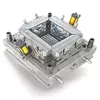
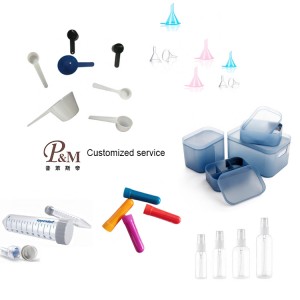
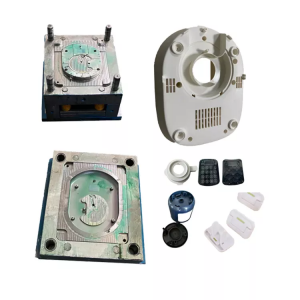
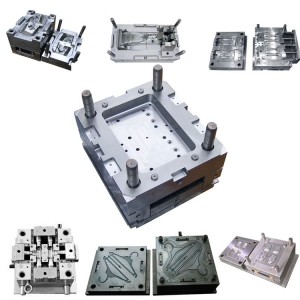
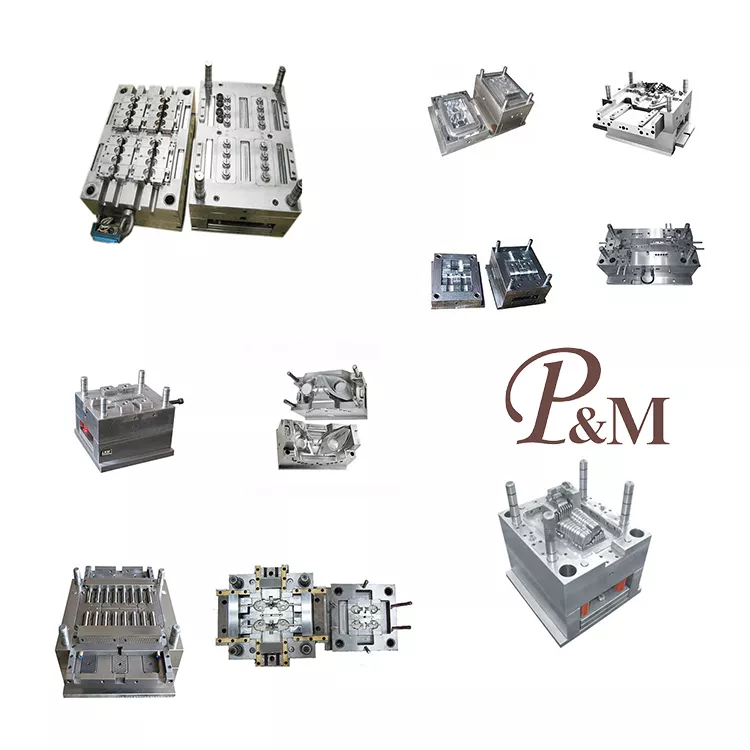
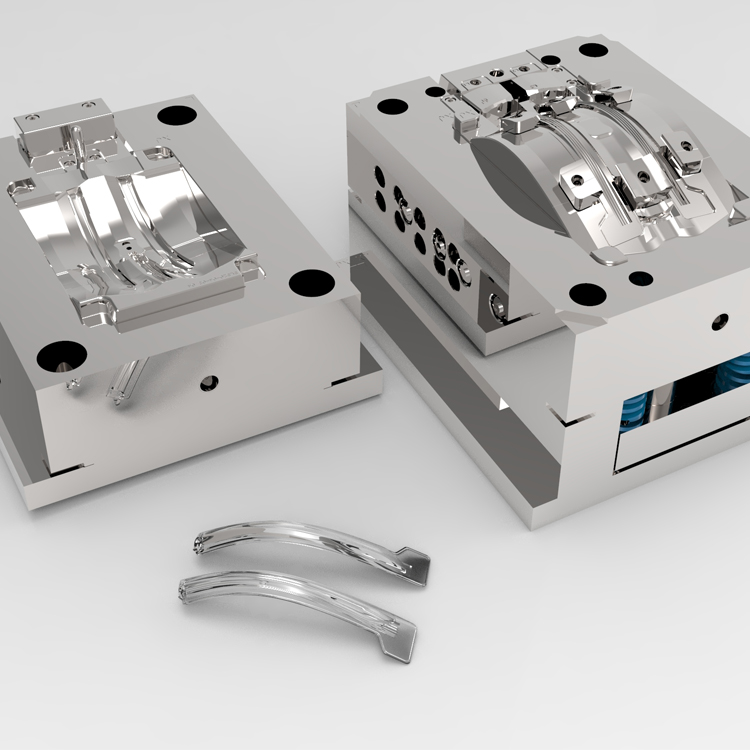
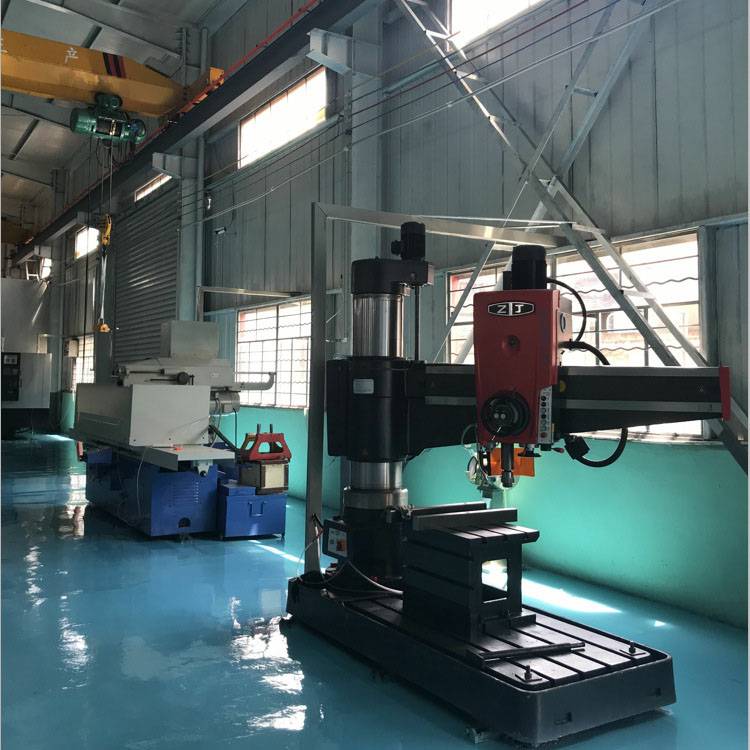
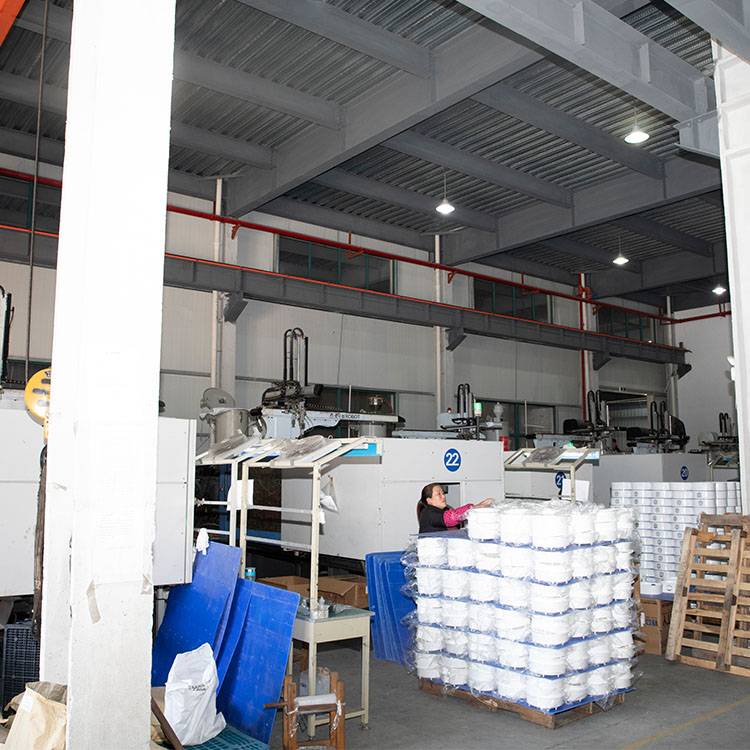
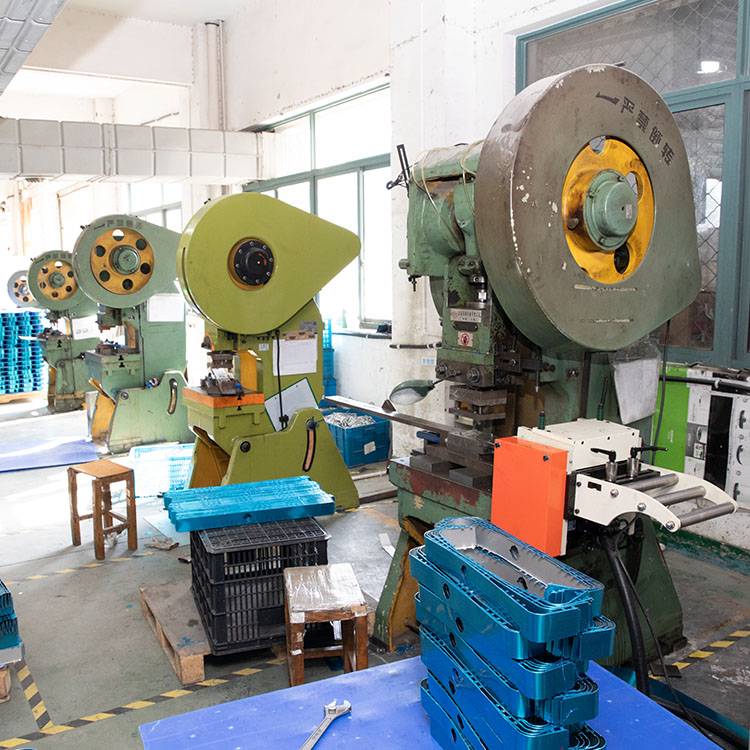
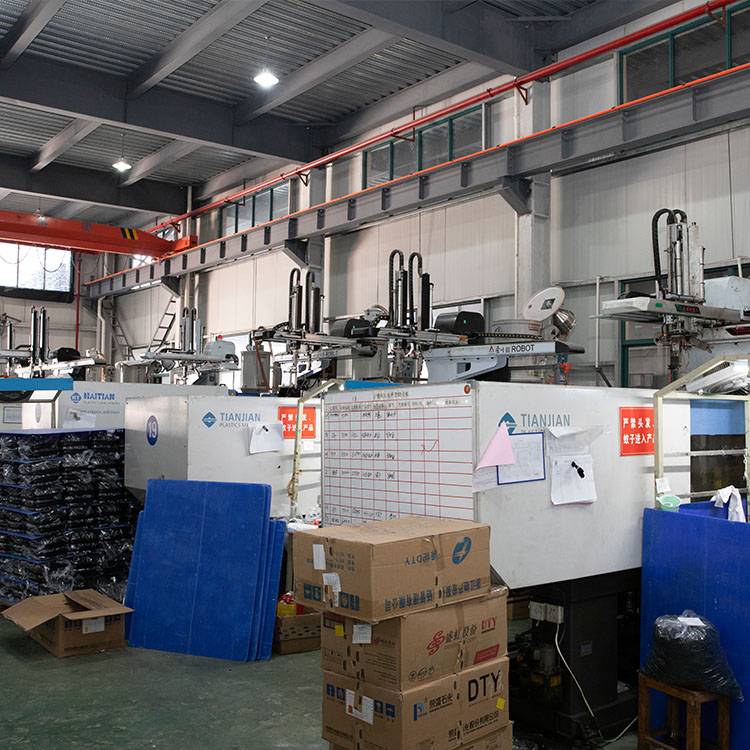
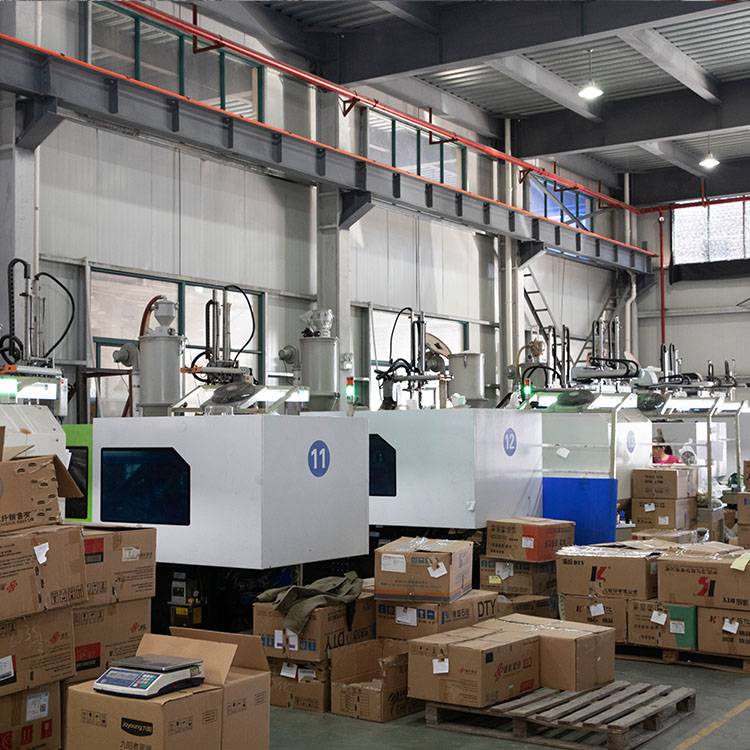
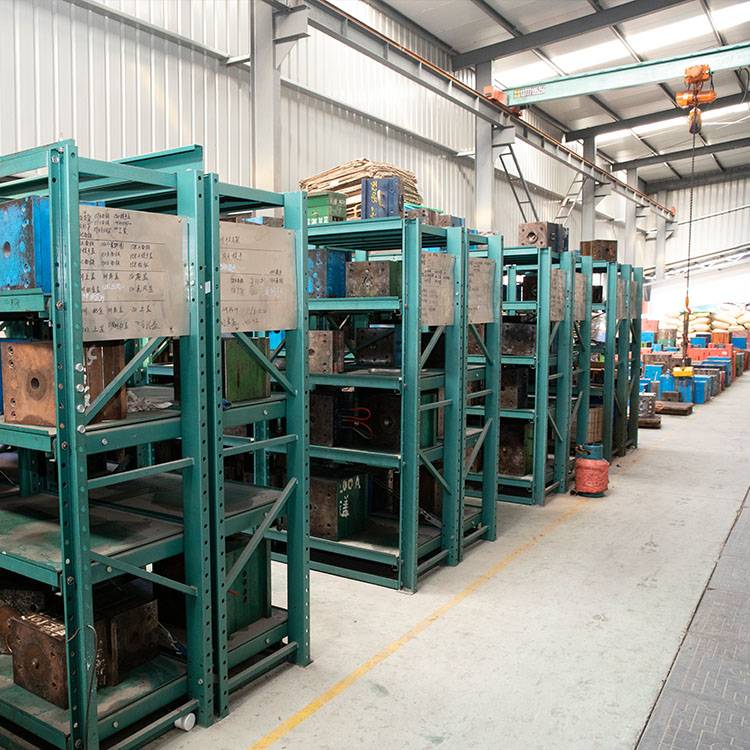
Ningbo P&M Plastic Metal Product Co., Ltd., situated in Yuyao (the renowned "Mould City" and "Plastic Kingdom"), stands at the forefront of this industrial shift. By leveraging advanced CNC machining, precision injection molding, and state-of-the-art tool fabrication, the company provides the essential infrastructure required to manufacture high-precision plastic molds. These molds are critical for casting the polymer-concrete composites and specialized resins used in dental device fabrication, ensuring that global dental laboratories receive products of unmatched quality and consistency. P&M started its domestic business in 2008 and expanded internationally in 2014, consistently prioritizing quality and efficiency to support global dental and medical device supply chains.
Ningbo P&M PLASTIC METAL PRODUCT CO., LTD is located in Yuyao, the so-called Mould City, Plastic Kingdom, in the southern tip of Hangzhou Bay Bridge, north of Shanghai, the east of Ningbo Port, tight double line of State Road 329 on land, sea and air trafic into a network to facilitate transport. By the abundant technical strength, scientific management methods and good after-sales service, product deeply trusted and welcomed by customers from all over the world.
P&M started domestic business in 2008 and opened up the international market in 2014, always adhering to the principle of quality first and time supreme. While providing customers with the best quality products, it maximizes production efficiency and shortens production time.

The company specializes in producing high-performance equipment, strong technical force, strong development capabilities, good technical services.
We are proud to tell every customer that our company has not lost any customer since its establishment. If there is a problem with the product, we will actively seek a solution and be responsible to the end.
P&M holds improved system of development and production, to achieve mold design, plastic products manufacturing and automatic production.
To understand why plastic mould concrete is replacing traditional materials, we must analyze its mechanical and physical properties. Dental device fabrication demands tolerances measured in microns. A deviation of even 50 microns can result in an ill-fitting crown or an ineffective orthodontic aligner, causing patient discomfort and clinical failure.
Unlike traditional plaster, which expands or contracts depending on ambient humidity and water-to-powder ratios, polymer-based plastic mould concrete maintains its exact dimensions indefinitely. Once cured, it resists environmental fluctuations, ensuring that the physical model matches the digital intraoral scan with absolute fidelity. This is particularly critical for complex orthodontic treatments where multiple aligners must be fabricated sequentially based on a series of models. The stability of the concrete base guarantees that each successive step aligns perfectly with the patient's predicted tooth movement.
Dental models undergo significant stress during the thermoforming of orthodontic aligners or the articulation of heavy bite forces. Plastic mould concrete composites exhibit compressive strengths exceeding 100 MPa, preventing fractures, chipping, and wear during tool handling and processing. This durability ensures that the mold remains intact throughout the entire fabrication cycle, reducing the need for costly remakes. Furthermore, this strength allows for the creation of thin-walled, lightweight hollow models, saving material costs without sacrificing structural integrity.
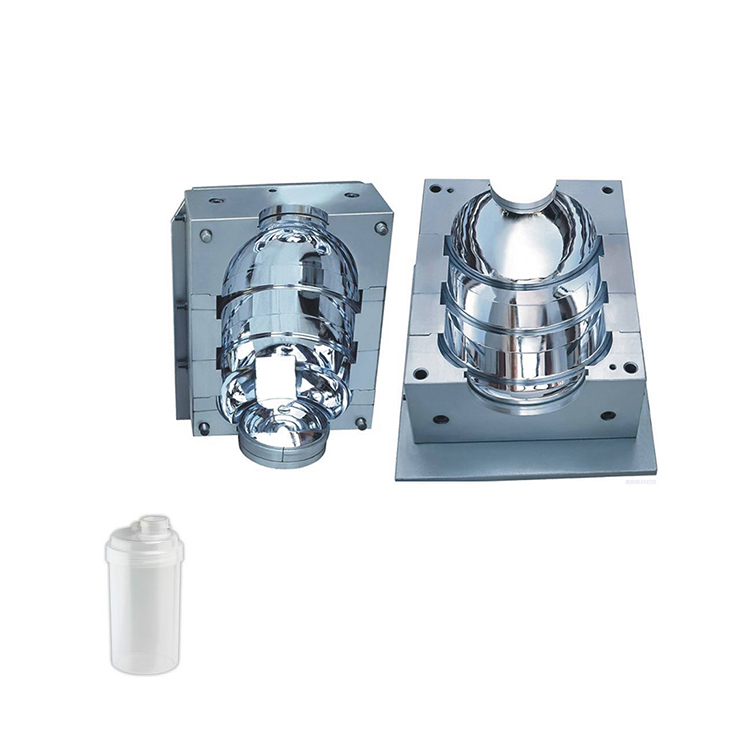
The liquid polymer-concrete mixture has low viscosity before curing, allowing it to flow into the microscopic crevices of a silicone or plastic mold. This results in a cured model that captures the finest anatomical details of the teeth and gingiva, which is critical for fabricating high-precision restorations. In dental device fabrication, the reproduction of margins (where the tooth preparation meets the surrounding tissue) is critical. Even minor air bubbles or surface imperfections can ruin the final restoration. The self-leveling and degassing properties of advanced polymer concrete ensure bubble-free castings with glass-like surfaces.
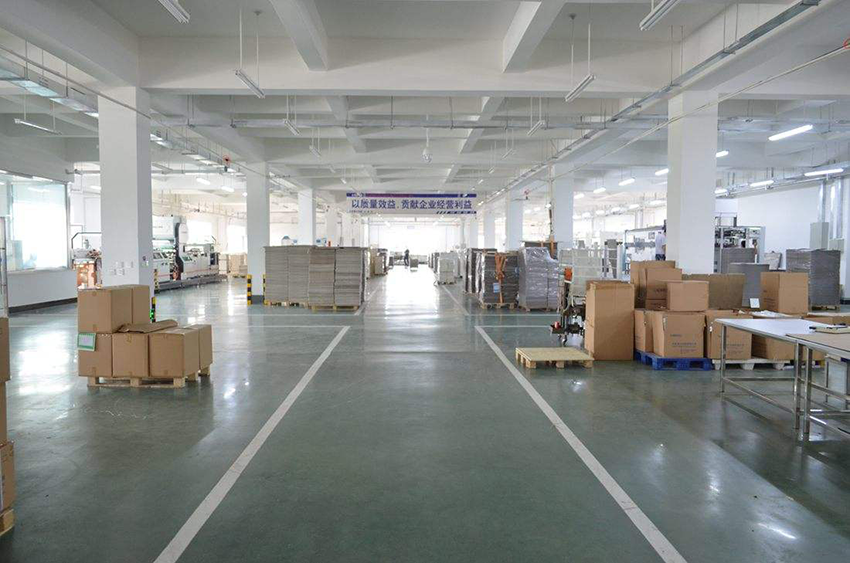
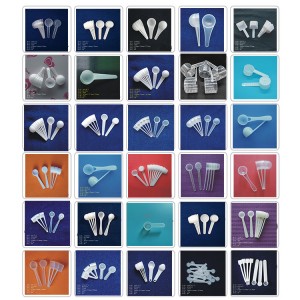
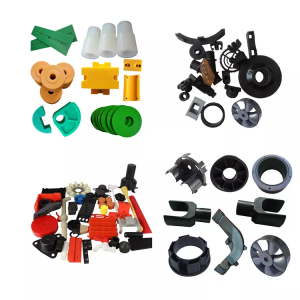
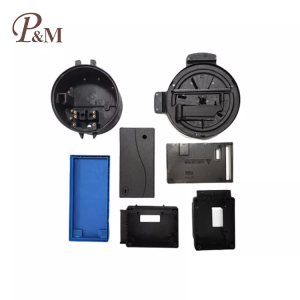
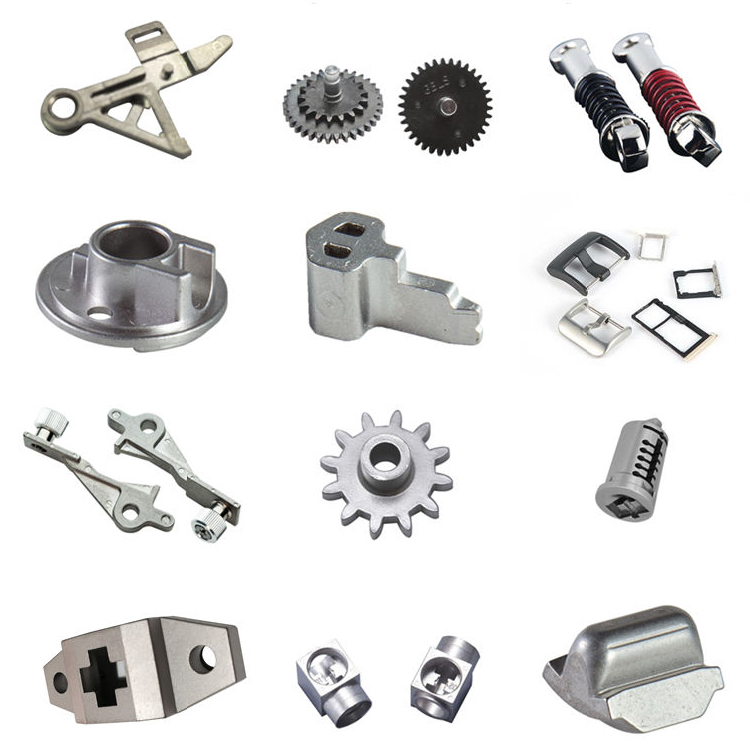
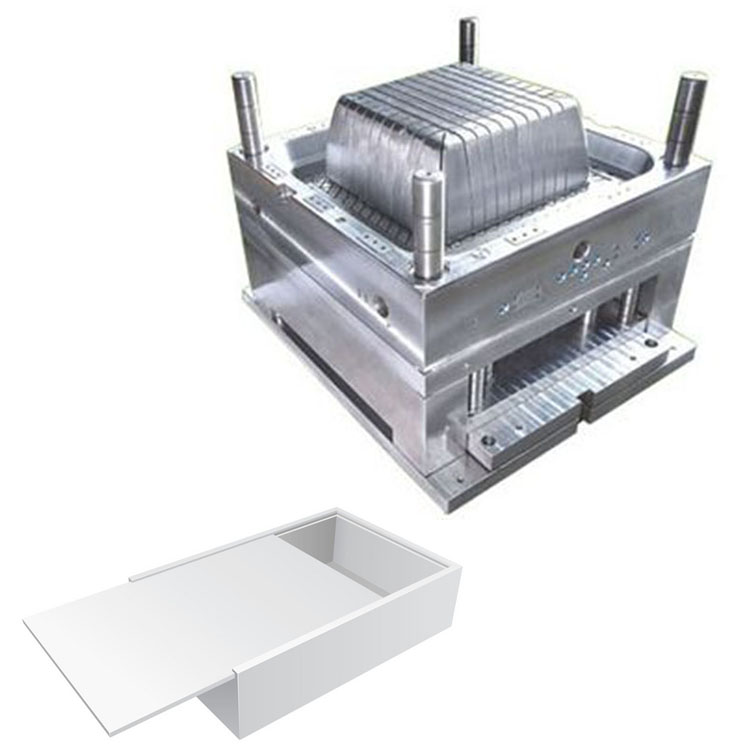
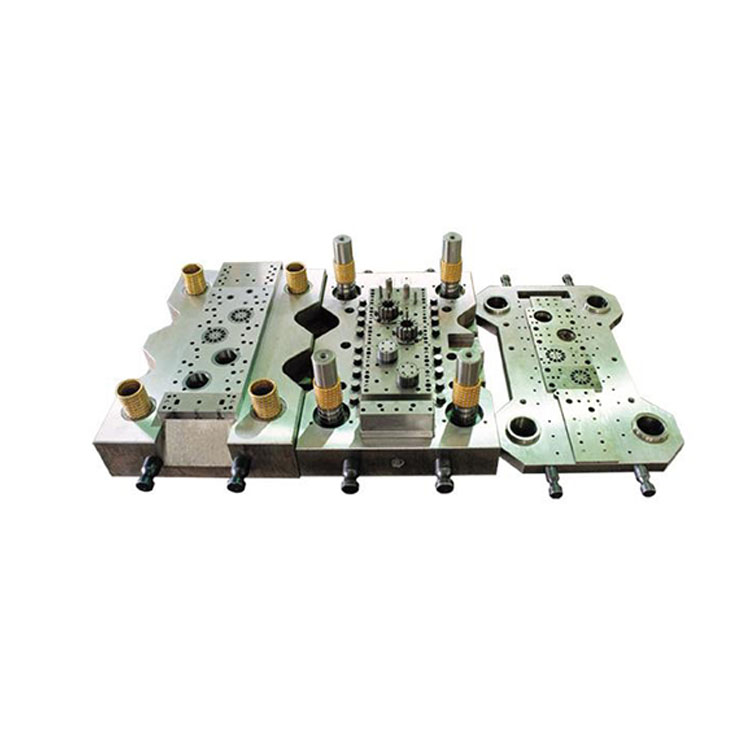
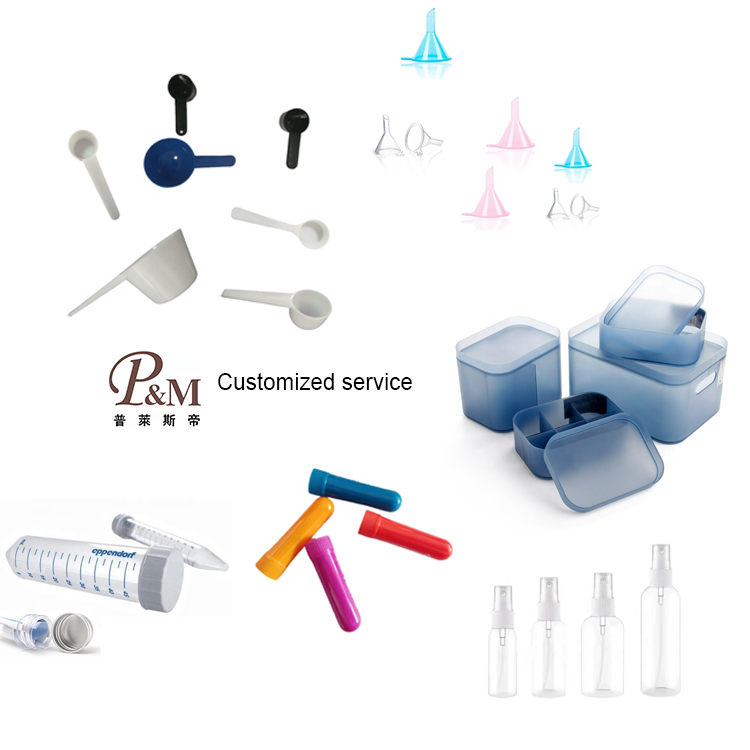
Our main products is design and manufacturing of plastic mold, plastic product, metal product. 90% products of our enterprise are exported to America, Europe, Germany, Japan, Australia, etc. P&M adheres to market-oriented to the quanlity of life and focus on quality service and continuous development of new products, determined to establish a better corporate image, and our friends at home and abroad to carry a wide range of business exchanges and cooperation, create brilliant.
The integration of plastic mould concrete and custom injection molds spans several critical areas of modern clinical and laboratory dentistry:
The rise of clear aligner therapy has created a massive demand for physical models. A patient's treatment plan may require 20 to 50 sequential aligners. For each step, a physical model must be fabricated. High-speed injection molds are used to create the plastic shells, which are then filled with high-density polymer concrete to create durable, heat-resistant dies. These dies undergo thermoforming under high pressure and temperature to shape the clear plastic aligner sheet. The plastic mould concrete ensures the die does not deform or crack under the intense thermal and mechanical stress.
For crown and bridge restorations, dental technicians require removable dies that represent the prepared teeth. These dies must be extremely hard to resist wear from carving wax or adjusting ceramic. Polymer-concrete materials cast in precision plastic molds provide the ideal combination of hardness and edge stability, preventing the margins of the preparation from crumbling during the fabrication process.
Dental implantology requires absolute accuracy to ensure the implant is placed in the correct bone trajectory. Surgical guides are fabricated using precise models that incorporate implant analogs. Plastic mould concrete provides the rigid foundation needed to hold these metal analogs in place without any micro-movements during the guide fabrication process, ensuring clinical success.
Traditional denture processing involves flasking, where a wax denture is encased in a mold to be replaced by acrylic resin. By using high-performance polymer molds and concrete-like backing materials, manufacturers can utilize injection molding techniques to inject acrylic under high pressure, resulting in dentures with minimal shrinkage and superior fit.
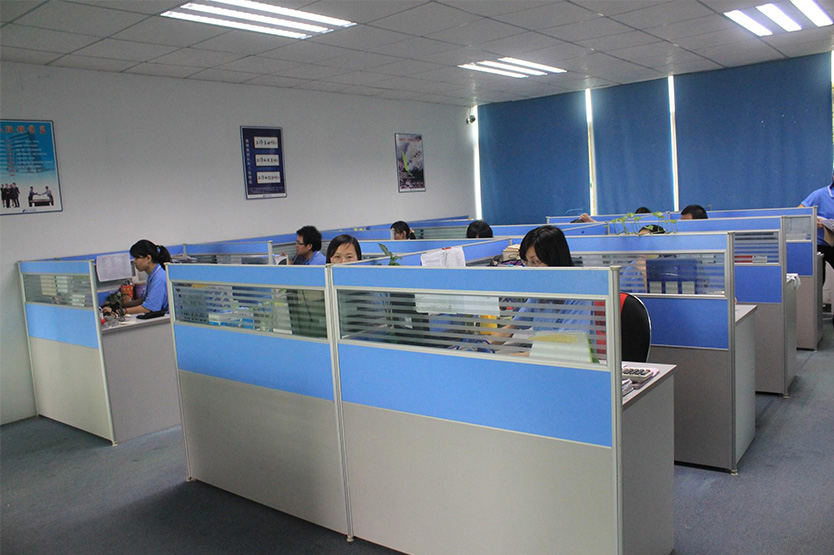
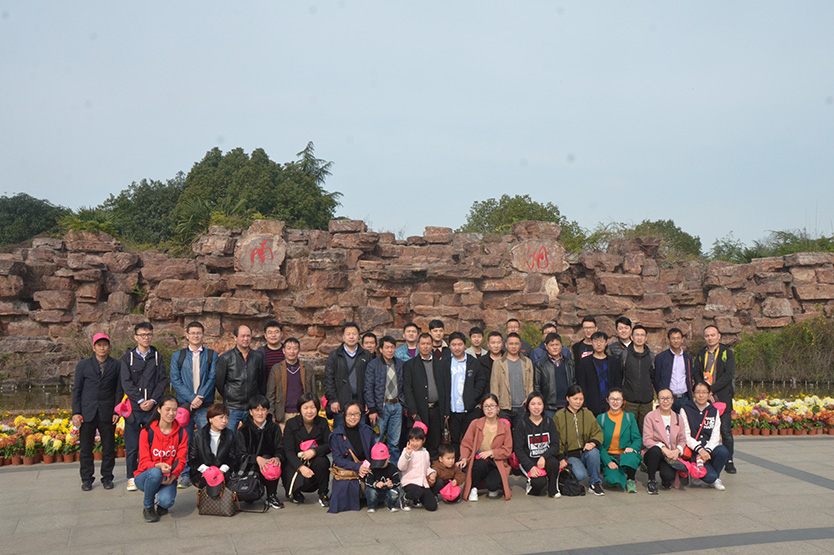
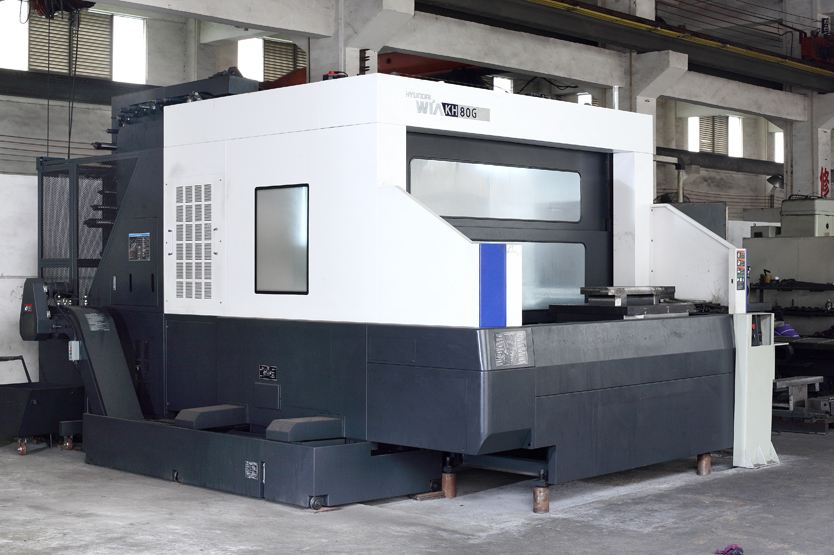
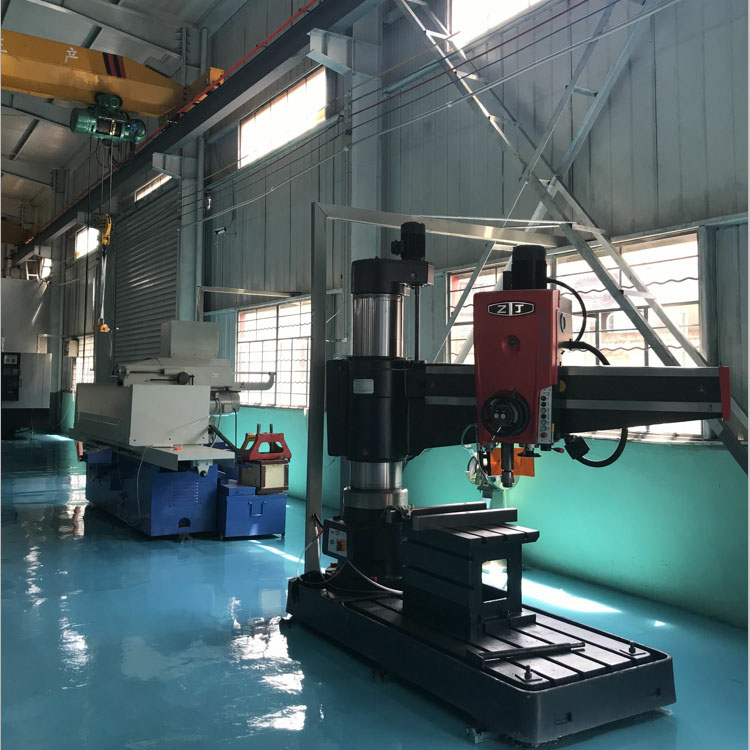
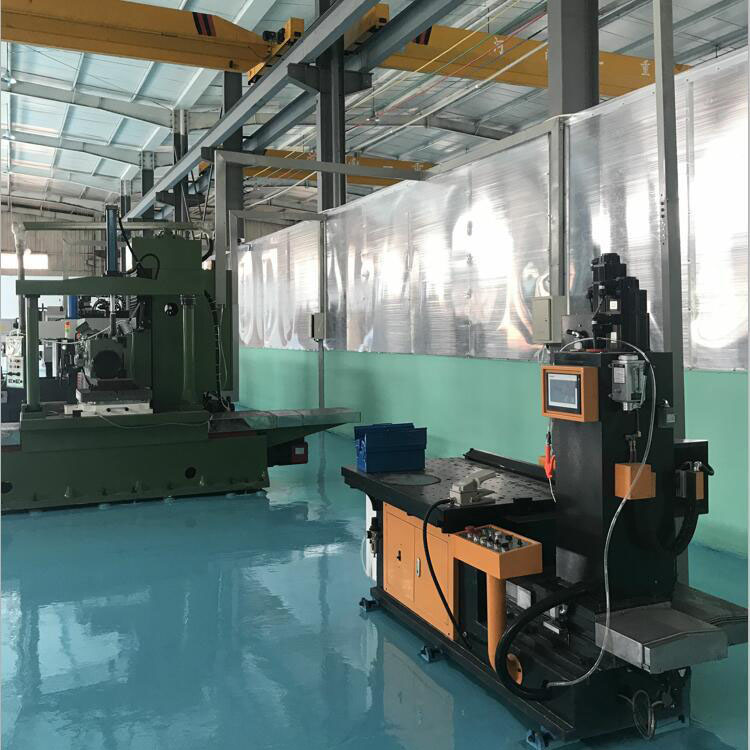
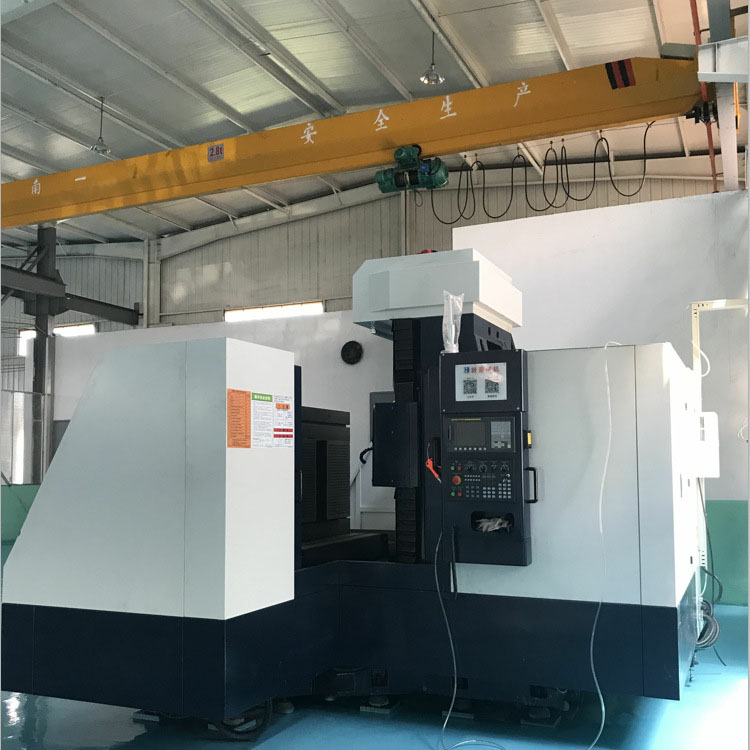
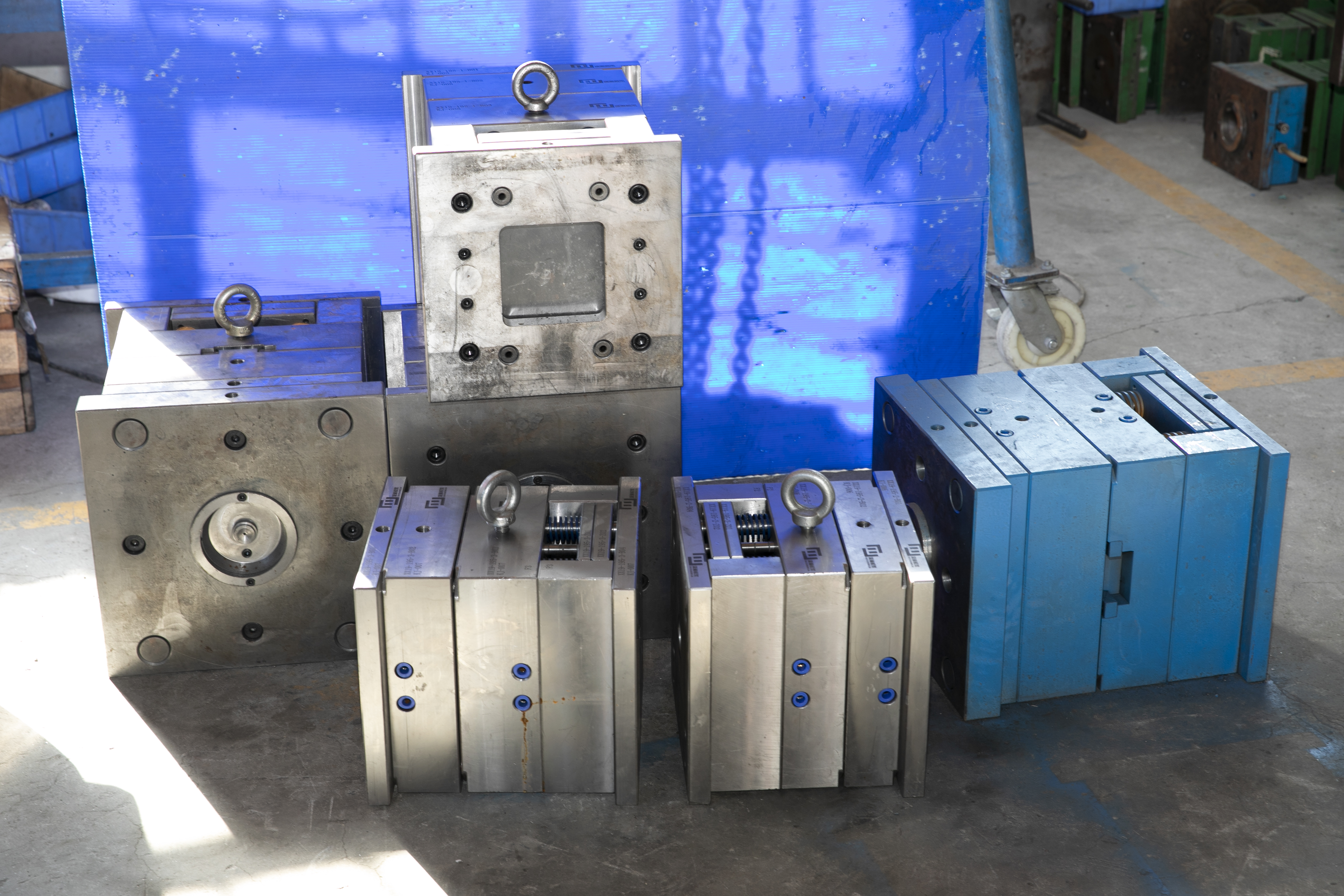
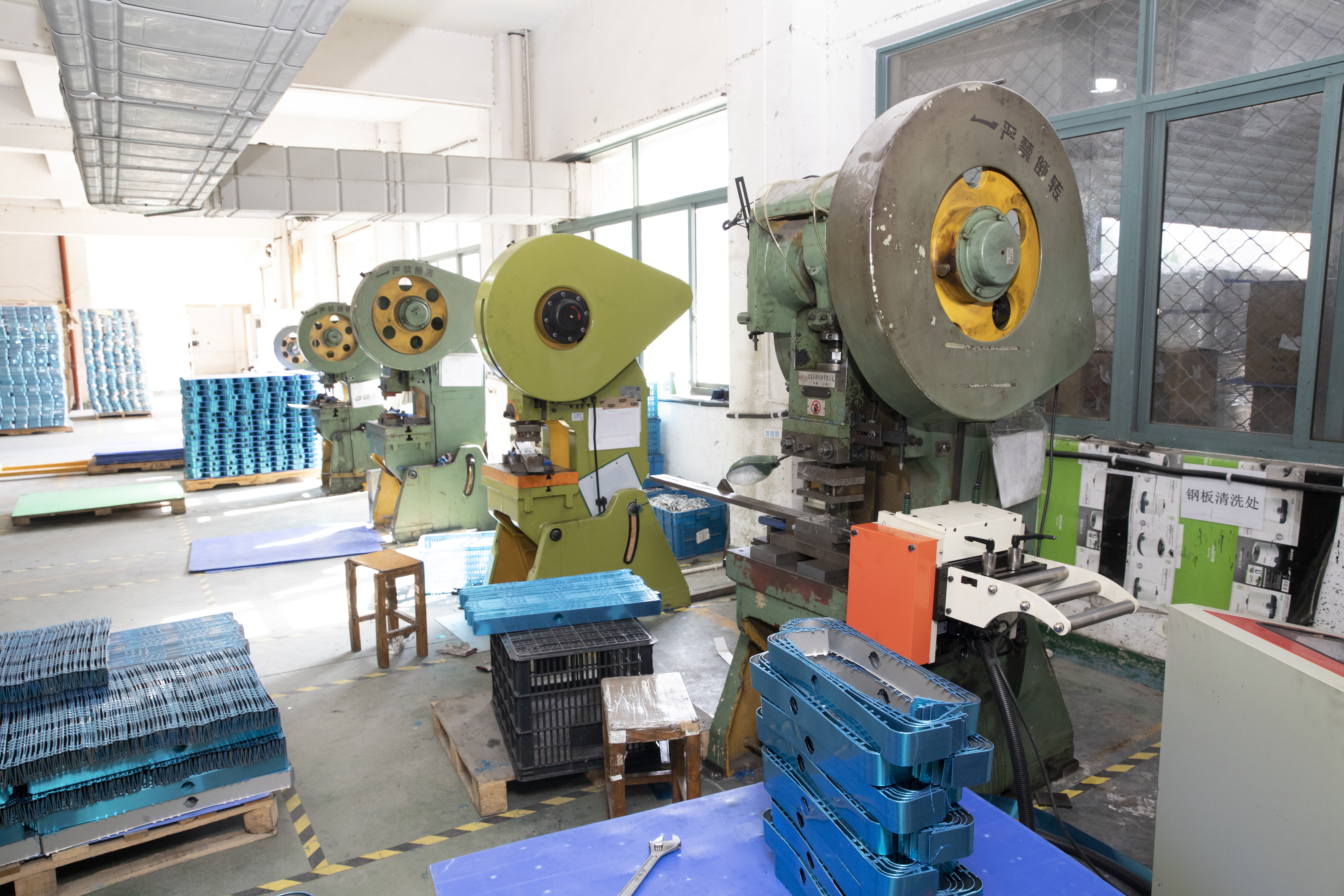
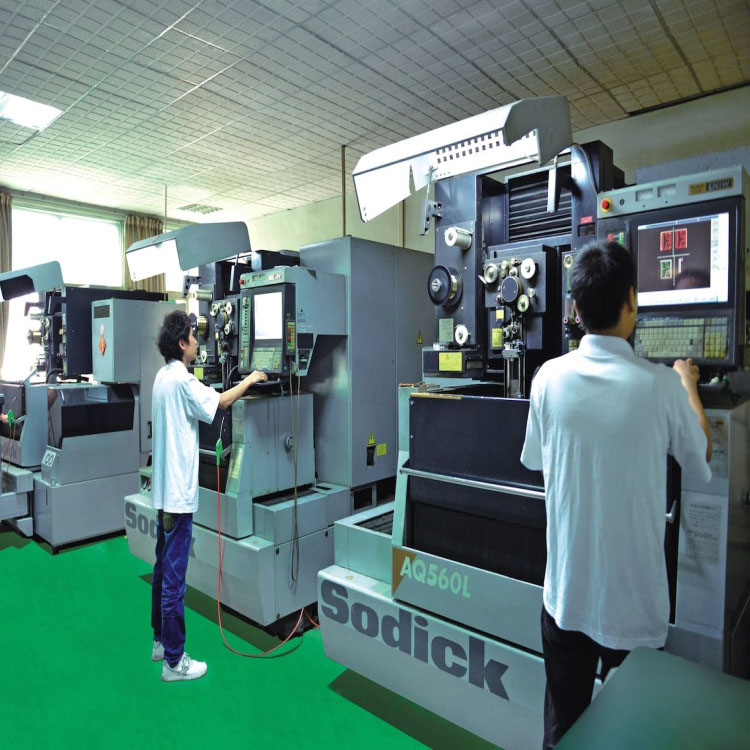
We Belongs to Ningbo P&M Plastic Metal Product Co., Ltd, located in Yuyao, the so-called Mould City, Plastic Kingdom, in the southern tip of Hangzhou Bay Bridge, north of Shanghai, the east of Ningbo Port, tight double line of State Road 329 on land, sea and air trafic into a network to facilitate transport.

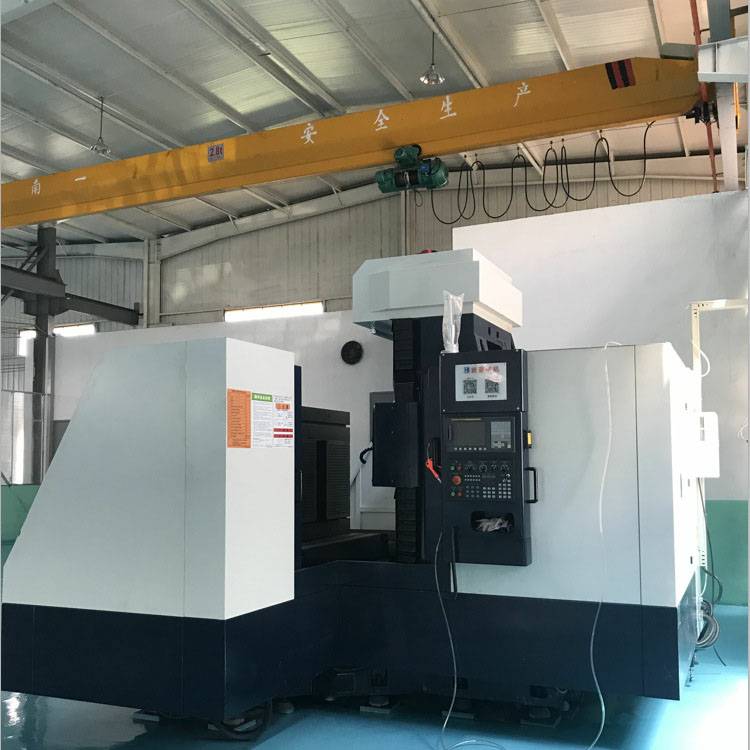
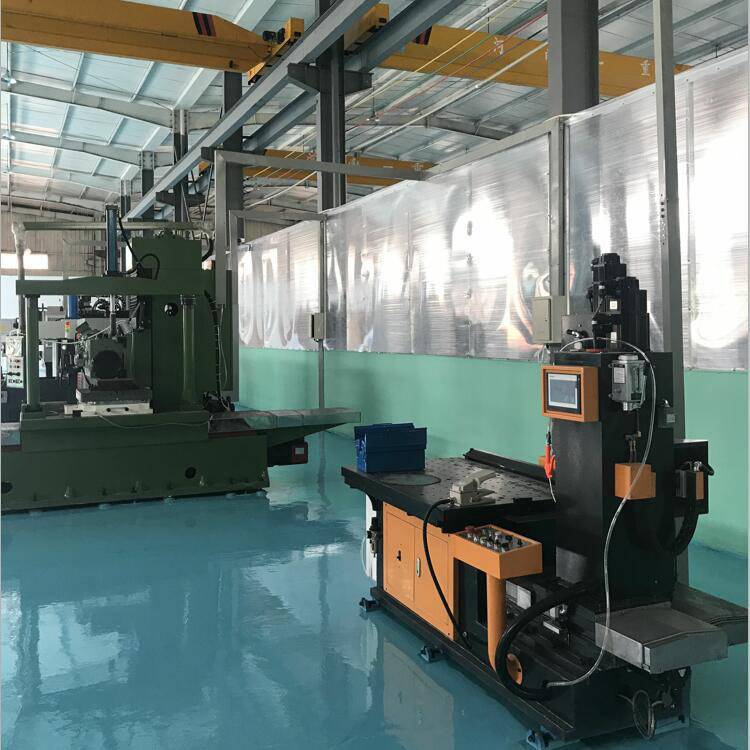
As we look to the future, several key trends are shaping the dental device fabrication industry. One major trend is the development of hybrid manufacturing workflows. The industry is moving away from purely additive (3D printing) or purely subtractive (milling) methods. Instead, hybrid workflows are becoming popular. For instance, a dental model's outer shell might be 3D printed or injection molded using precision tooling, and then backfilled with a high-strength, low-cost plastic mould concrete composite. This combines the speed and customization of digital technology with the strength and cost-effectiveness of composite materials.
Another trend is the integration of AI-driven mold design and optimization. Artificial intelligence is being integrated into the CAD/CAM software used to design injection molds and casting dies. AI algorithms can predict material shrinkage, optimize gate placements for injection molding, and simulate stress distribution within the plastic mould concrete model. This ensures that the first physical mold produced is perfect, eliminating costly trial-and-error cycles.
Furthermore, there is a growing demand for bio-compatible and sustainable materials. Researchers are developing bio-based resins and recyclable polymer-concrete composites that reduce the environmental footprint of dental laboratories without compromising on mechanical performance. This aligns with the broader global trend toward sustainable manufacturing across all industrial sectors.
Finally, global supply chain integration is playing a crucial role. Companies like Ningbo P&M Plastic Metal Product Co., Ltd. are bridging the gap between advanced manufacturing hubs and global dental clinics. By exporting 90% of their products to demanding markets such as the USA, Europe, Germany, Japan, and Australia, they demonstrate the global trust in precision-engineered mold products.