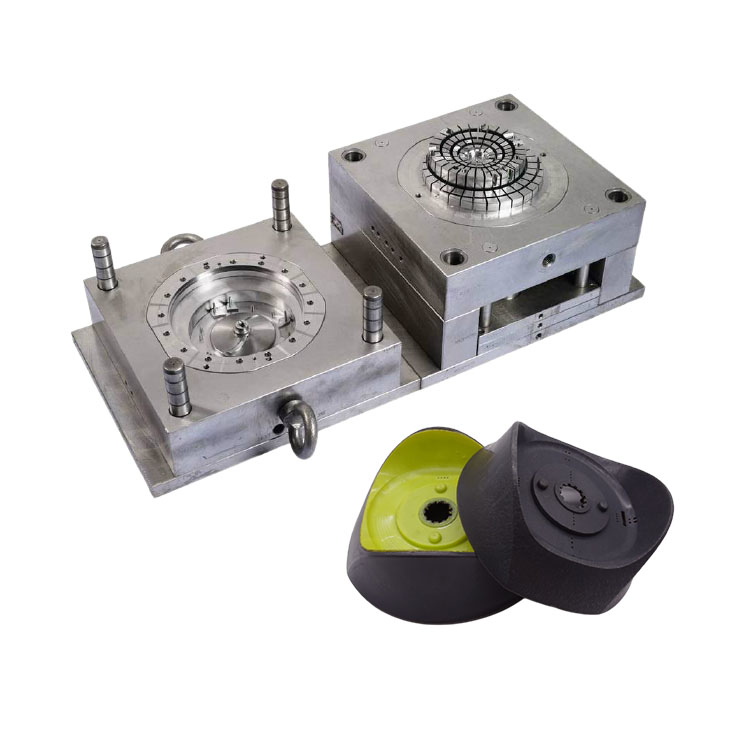
The global dental device fabrication market is experiencing an unprecedented technological evolution. Historically dominated by manual craftsmanship and metallic alloys, the dental sector has rapidly transitioned toward high-performance polymers. Today, plastic injection moulding serves as the foundational technology behind orthodontic aligners, surgical templates, implant delivery systems, and diagnostic device housings. The growing demand for cosmetic dental treatments, combined with an aging global population requiring restorative dentistry, has propelled the market for medical-grade plastic components to multi-billion-dollar levels.
From a commercial standpoint, the manufacturing of plastic mould components for dental devices is characterized by strict regulatory frameworks and high capital investments in precision engineering. Dental components are frequently placed in the oral cavity or used in surgical environments, meaning they must comply with stringent bio-compatibility standards (such as ISO 10999 and USP Class VI) and be manufactured under certified cleanroom conditions (ISO Class 7 or Class 8). For injection moulders, this demands state-of-the-art machinery, rigorous quality management systems (ISO 13485), and an in-depth understanding of polymer science.
The selection of materials is critical in dental device fabrication. High-performance polymers like Polyetheretherketone (PEEK), Polycarbonate (PC), Polymethyl Methacrylate (PMMA), and medical-grade Silicones have replaced traditional metals due to their lightweight properties, corrosion resistance, and ability to withstand repeated sterilization cycles (such as autoclaving). Consequently, the design and fabrication of the injection moulds themselves require unmatched precision. Tool steels like S136 or H13 are meticulously engineered to handle high-abrasion resins and maintain tolerances within micron levels over millions of production cycles.
The versatility of plastic injection moulding allows for a wide array of application scenarios within the modern dental clinic and laboratory:
As the dental industry moves toward digital dentistry and personalized medicine, the plastic injection moulding sector is keeping pace through several key technological breakthroughs:
1. Micro-Injection Moulding: As dental implants and restorative devices shrink in size, the demand for micro-components has soared. Micro-injection moulding allows for the fabrication of parts weighing less than a milligram with tolerances down to the single-digit micron level. This is essential for micro-screws, dental handpiece gears, and diagnostic sensor components.
2. Bio-Compatible and Bio-Resorbable Polymers: The integration of bio-resorbable polymers represents a major leap forward in oral surgery. Injection-moulded bio-resorbable pins, screws, and membranes support bone regeneration and are naturally absorbed by the body, eliminating the need for a secondary removal surgery.
3. AI-Driven Smart Manufacturing: Industry 4.0 is transforming injection moulding facilities. Modern moulds are equipped with cavity pressure and temperature sensors that feed data into AI algorithms. These smart systems monitor material flow in real-time, instantly adjusting machine parameters to eliminate defects like short shots, flash, or warp, thereby ensuring 100% quality assurance for medical-grade parts.
4. Hybrid Manufacturing (3D Printing + Injection Moulding): While 3D printing is excellent for rapid prototyping and highly customized dental models, injection moulding remains the gold standard for high-volume, cost-effective production. Hybrid manufacturing combines the two: 3D-printed inserts are loaded into traditional metal mould bases, enabling rapid tool modifications and cost-effective short runs of custom dental devices.
Ningbo P&M PLASTIC METAL PRODUCT CO., LTD is located in Yuyao, the so-called Mould City, Plastic Kingdom, in the southern tip of Hangzhou Bay Bridge, north of Shanghai, the east of Ningbo Port, tight double line of State Road 329 on land, sea and air traffic into a network to facilitate transport. By the abundant technical strength, scientific management methods and good after-sales service, product deeply trusted and welcomed by customers from all over the world.
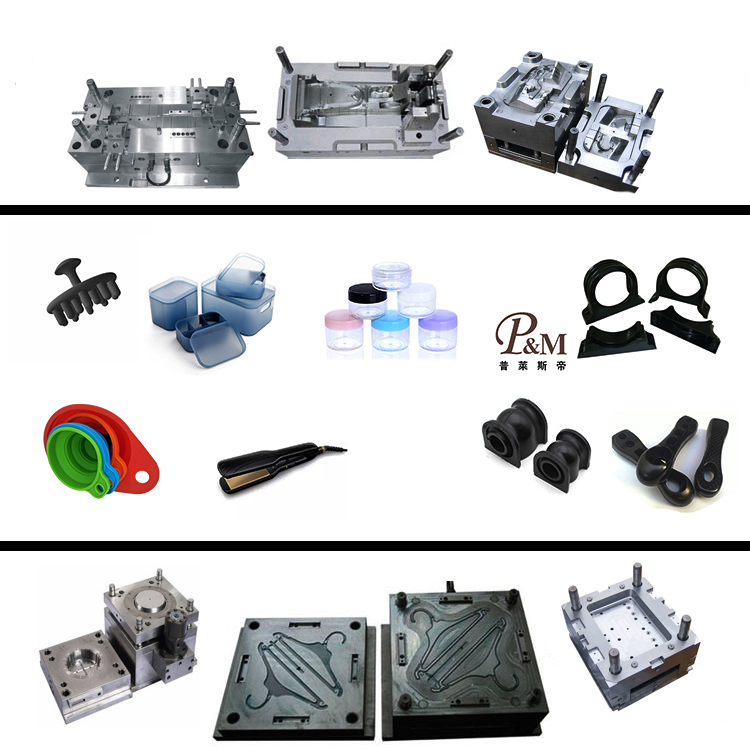
Our main products is design and manufacturing of plastic mold, plastic product, metal product. 90% products of our enterprise are exported to America, Europe, Germany, Japan, Australia, etc. P&M started domestic business in 2008 and opened up the international market in 2014, always adhering to the principle of quality first and time supreme. While providing customers with the best quality products, it maximizes production efficiency and shortens production time.
P&M adheres to market-oriented to the quality of life and focus on quality service and continuous development of new products, determined to establish a better corporate image, and our friends at home and abroad to carry a wide range of business exchanges and cooperation, create brilliant.

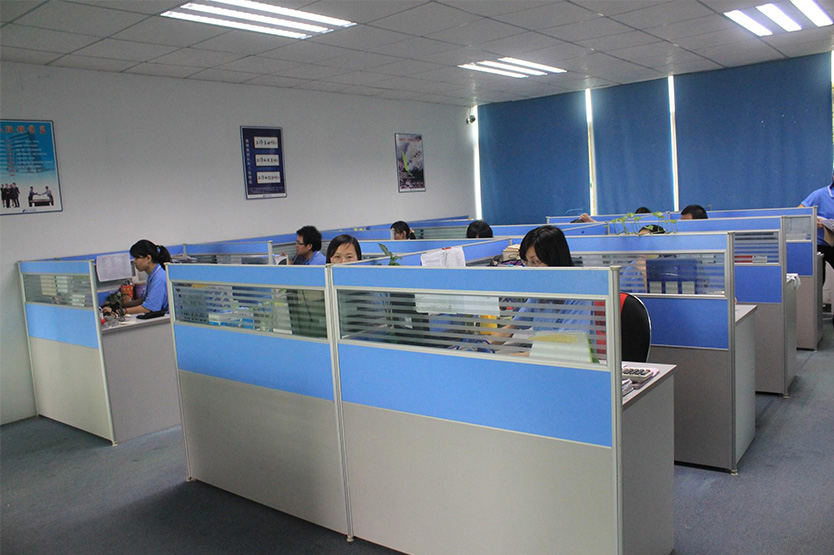
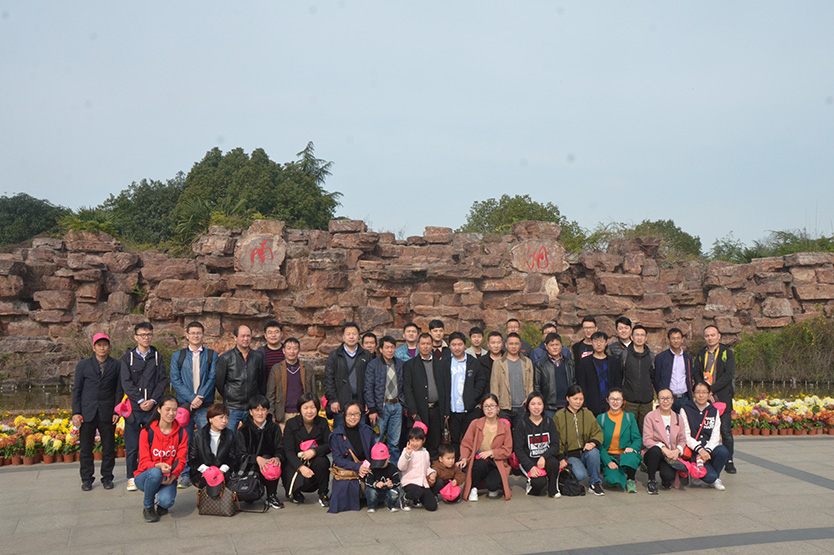
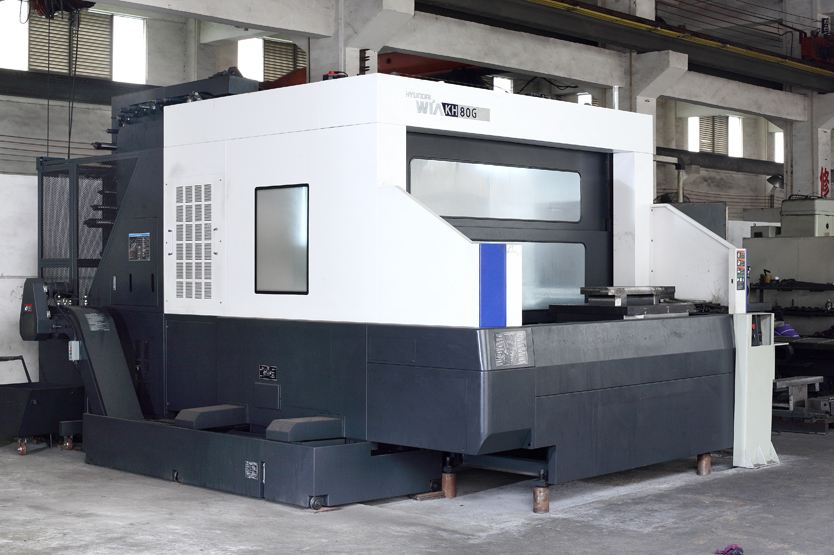
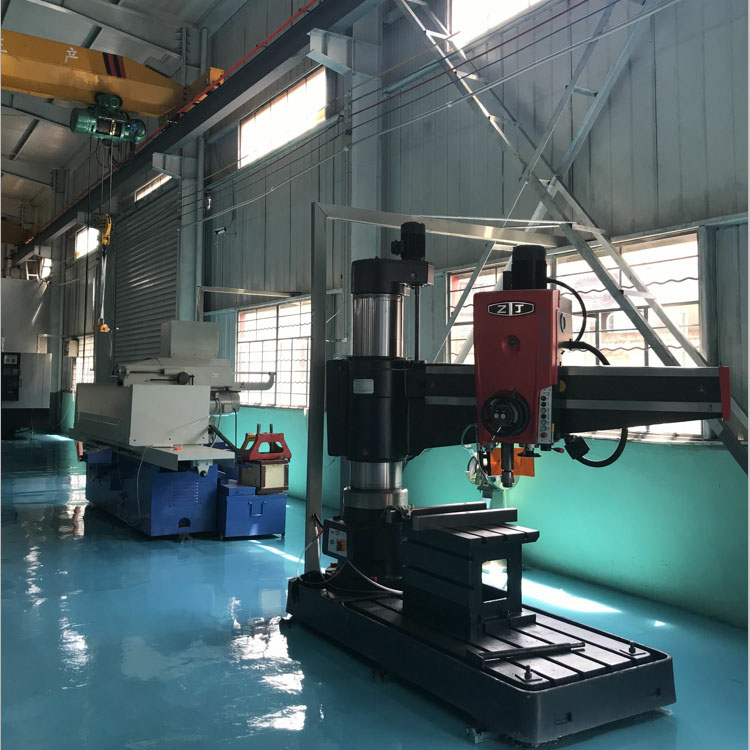
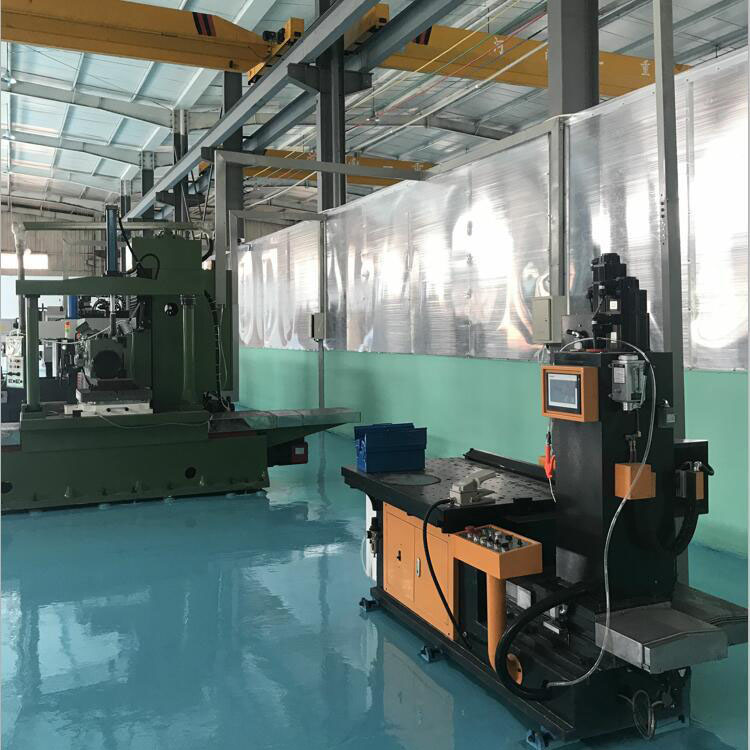
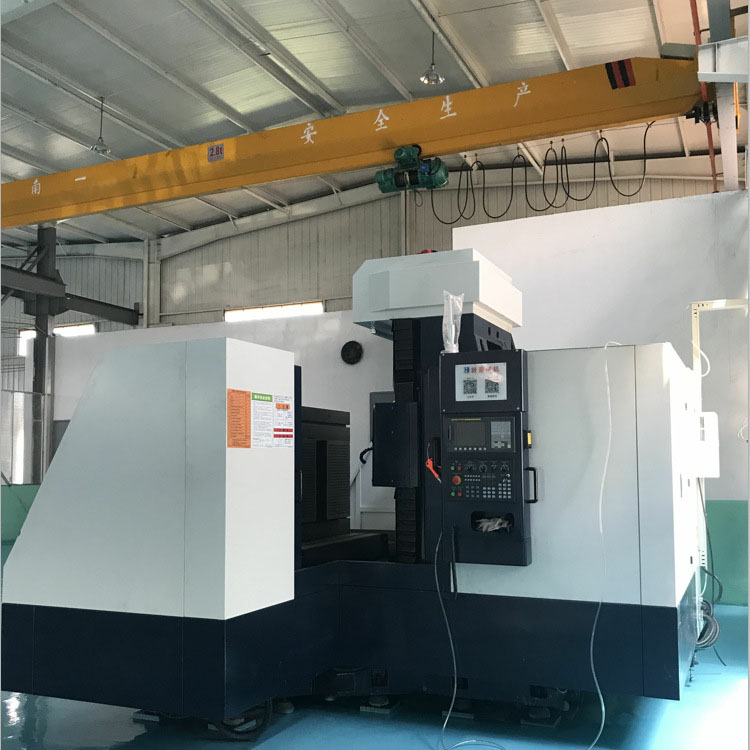
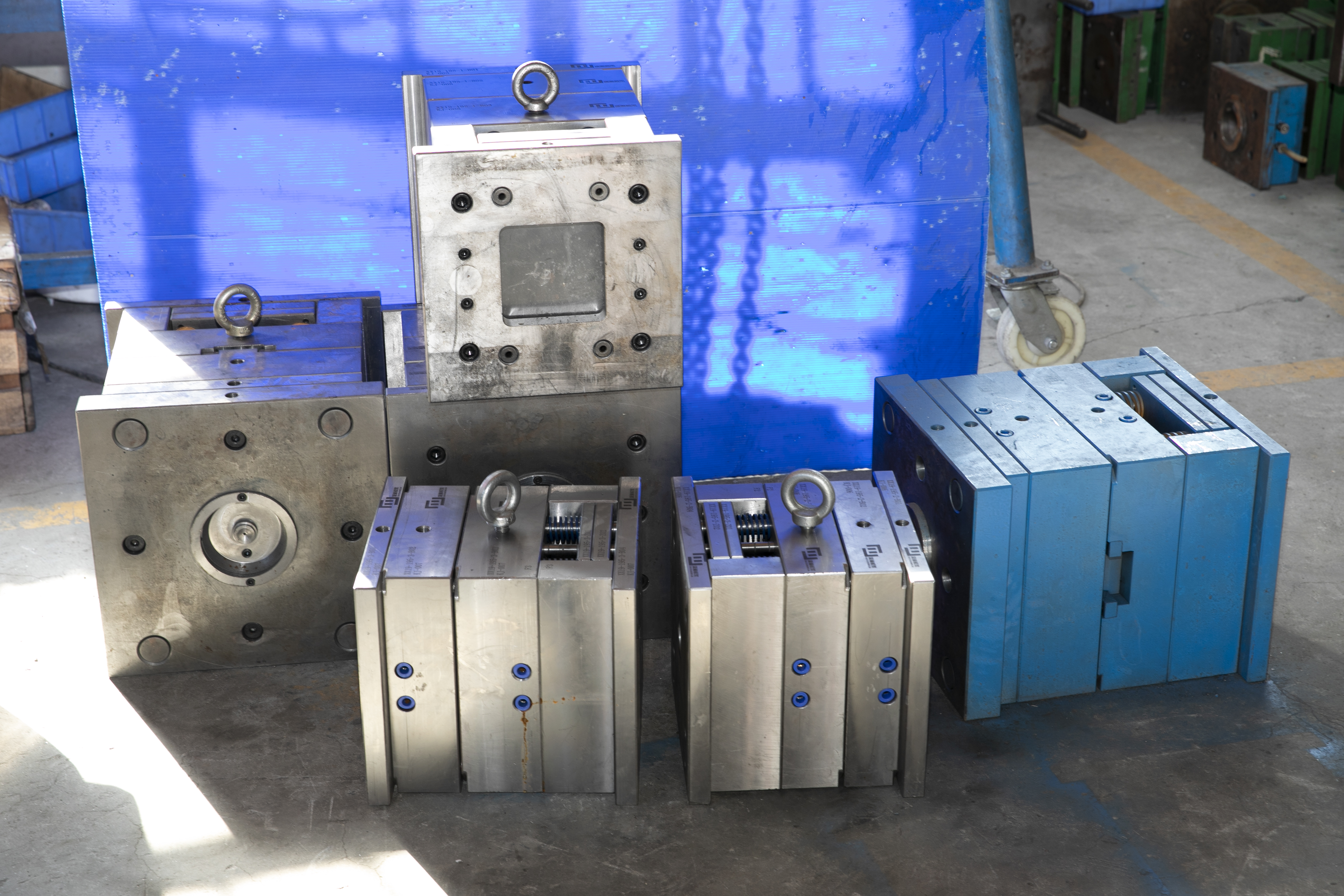
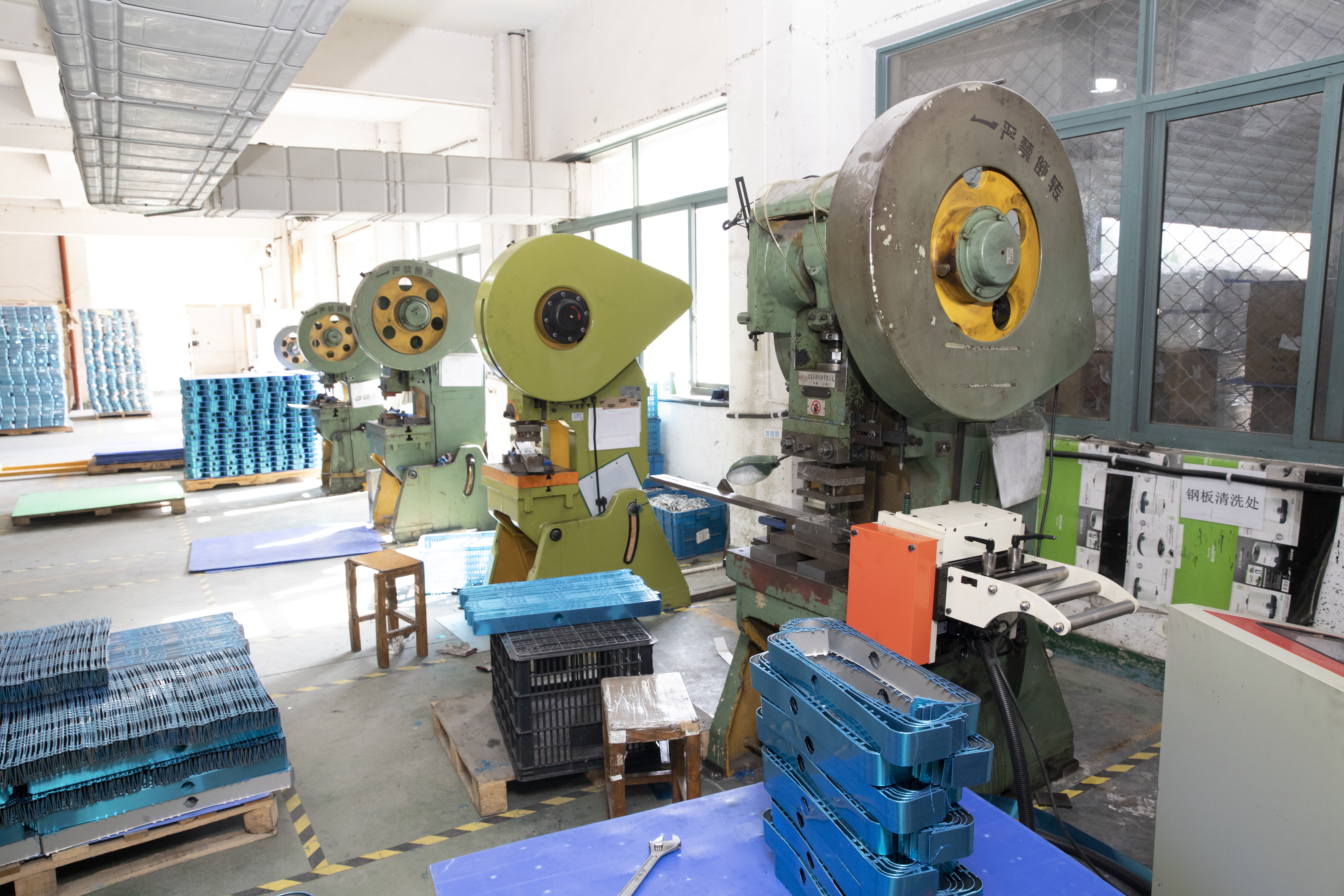
The company specializes in producing high-performance equipment, strong technical force, strong development capabilities, good technical services.
We are proud to tell every customer that our company has not lost any customer since its establishment. If there is a problem with the product, we will actively seek a solution and be responsible to the end.
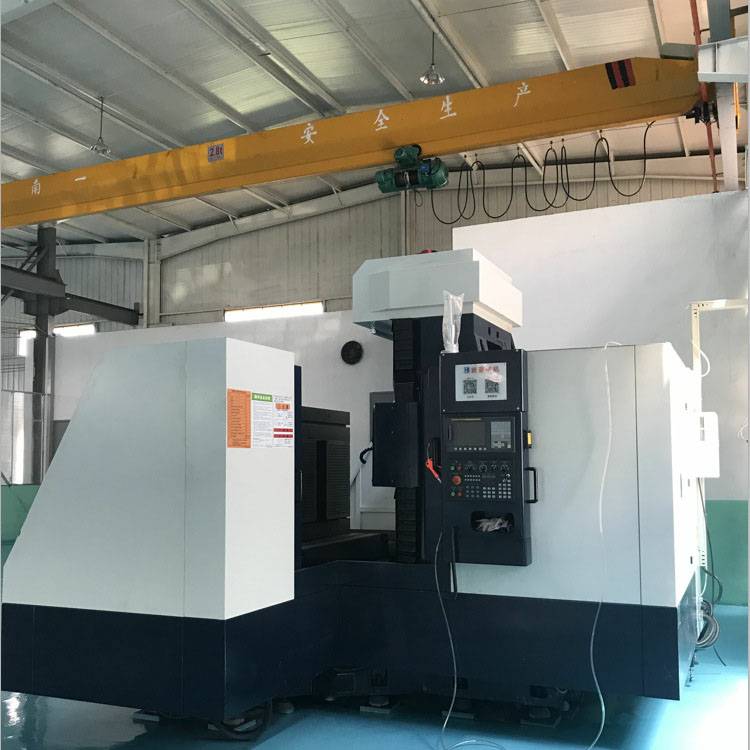
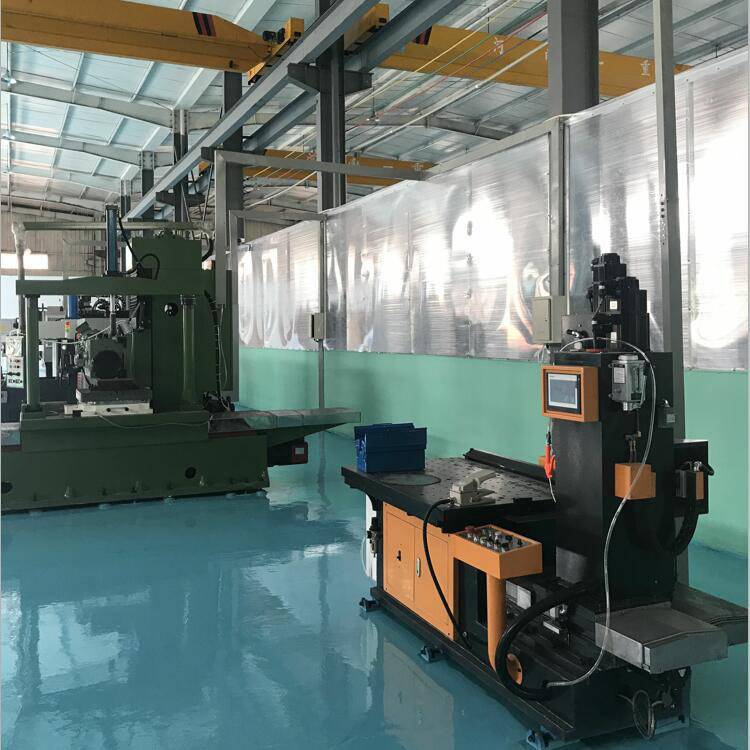
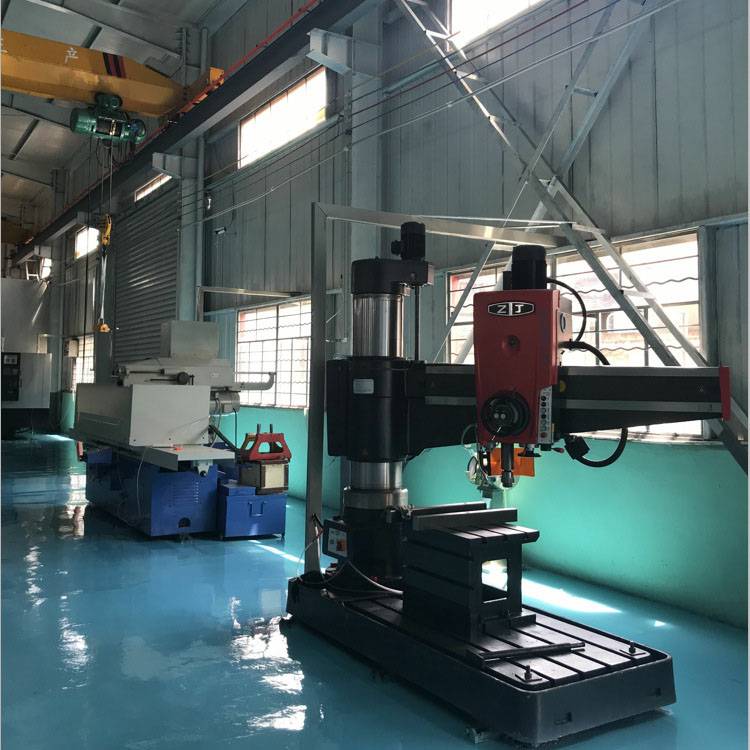
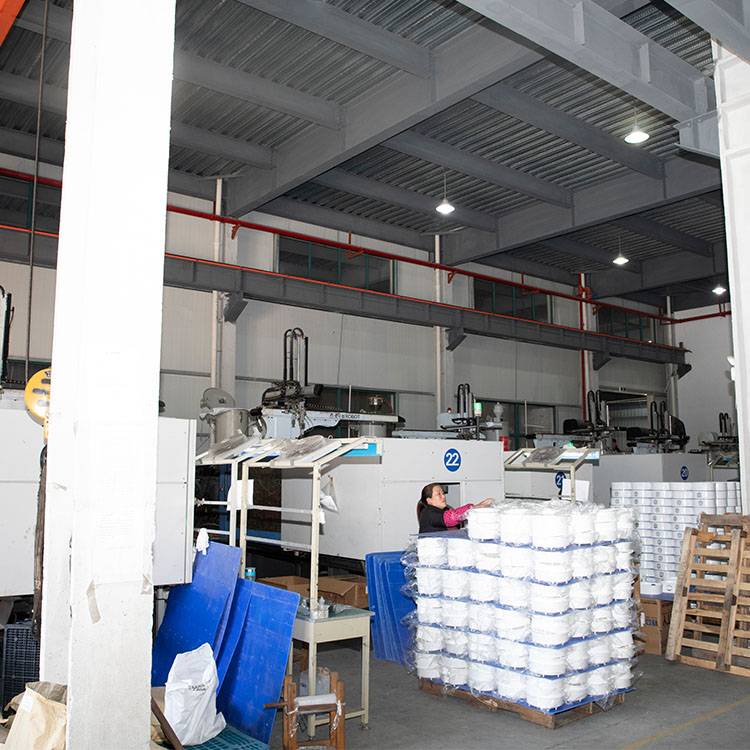
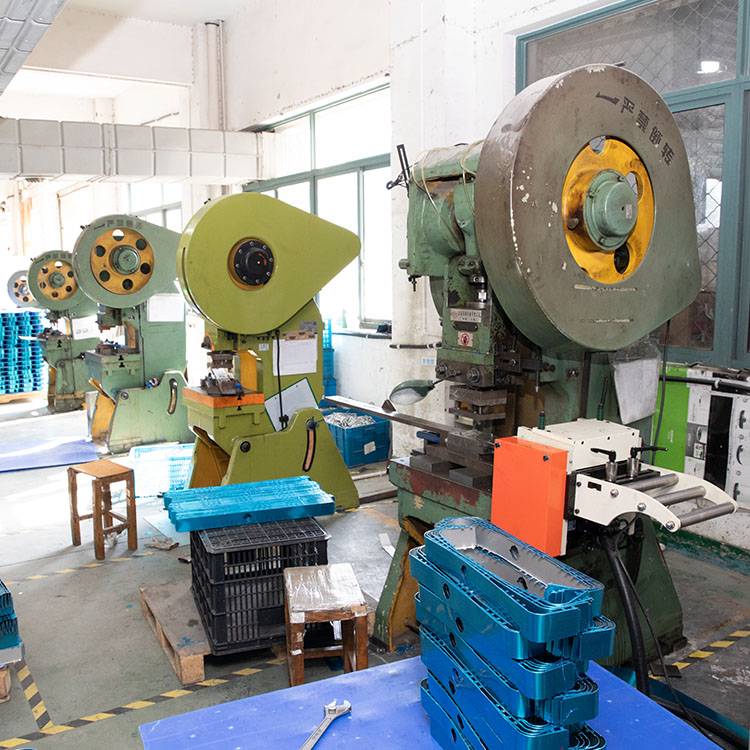
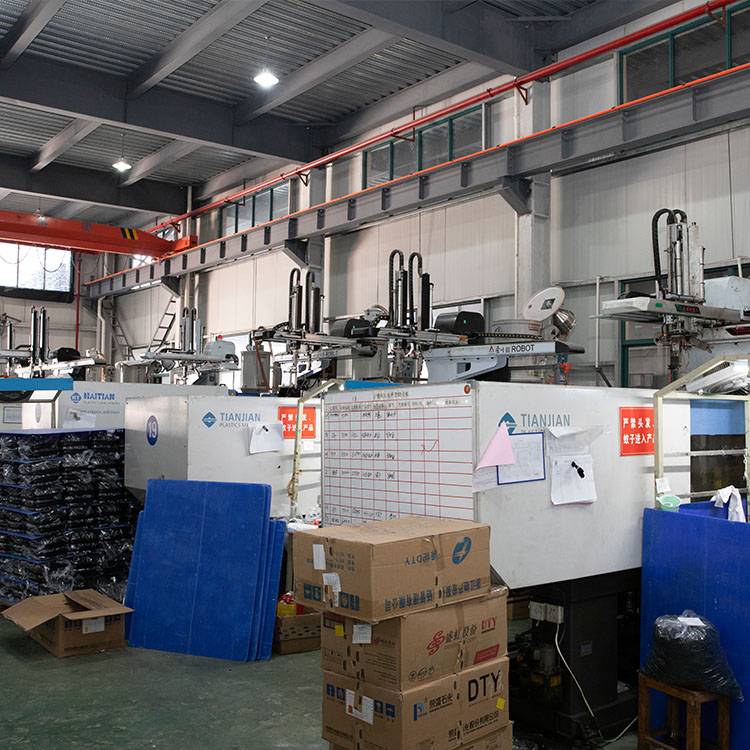
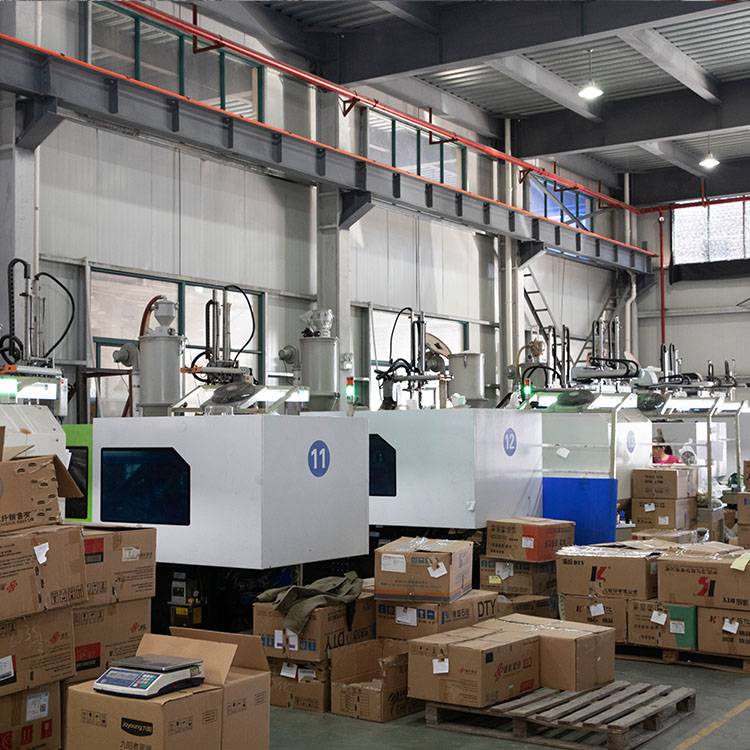
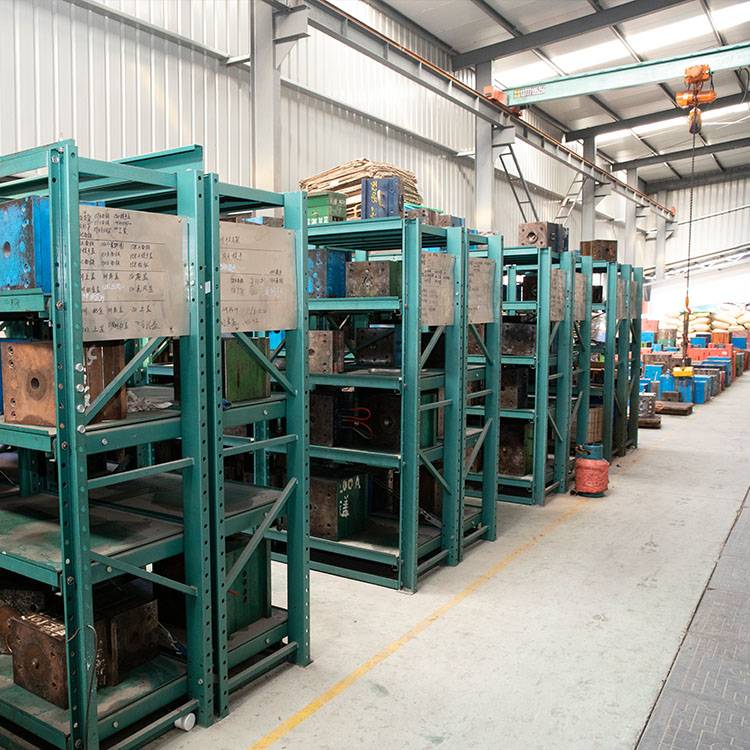
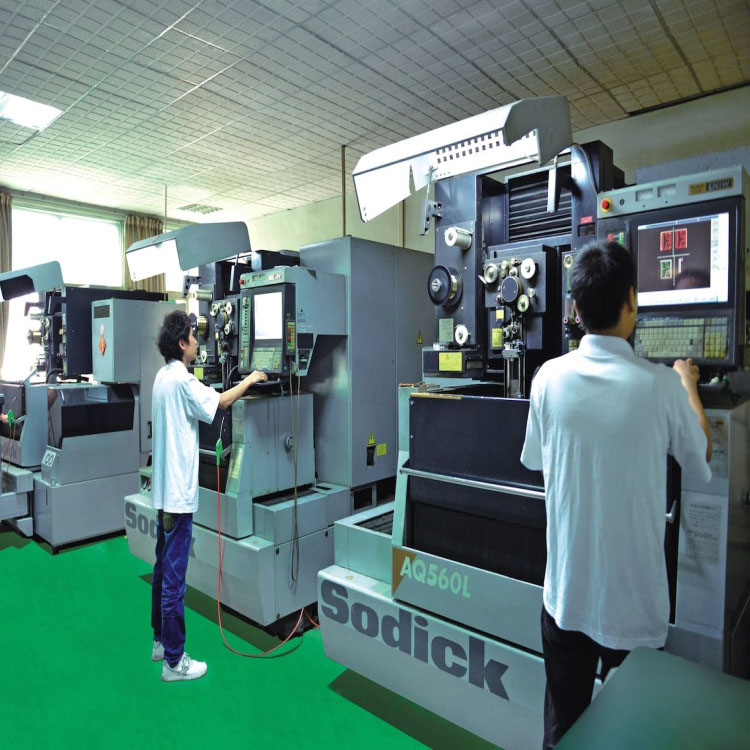
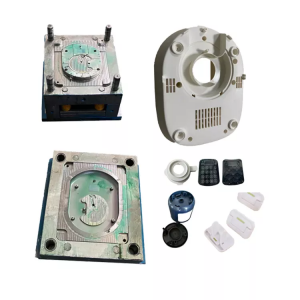
P&M holds improved system of development and production, to achieve mold design, plastic products manufacturing and automatic production.
With streamlined manufacturing workflows and strong logistics partnerships, you can receive the products within 30 days.
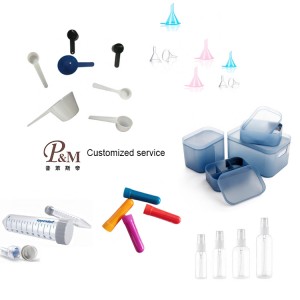
We support a wide array of engineering plastics, silicones, and steel products customized to meet specialized dental requirements.
Products through many processes, careful grinding, and rigorous quality inspection to guarantee flawless performance.
We employ a comprehensive, automated production process ranging from initial CAD design validation to high-precision machining, injection moulding, and quality inspection.