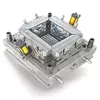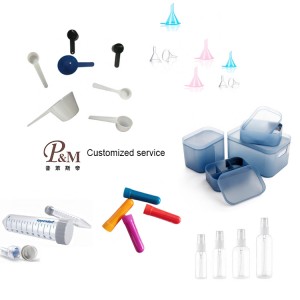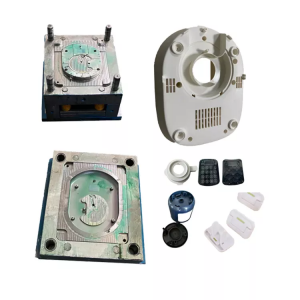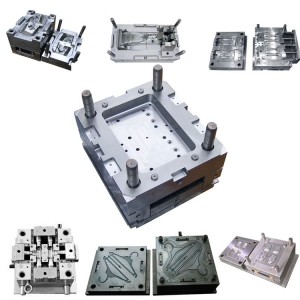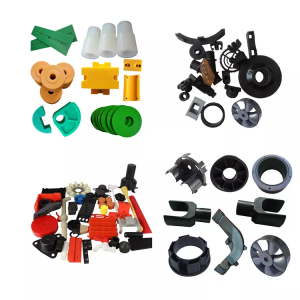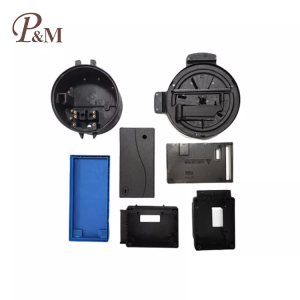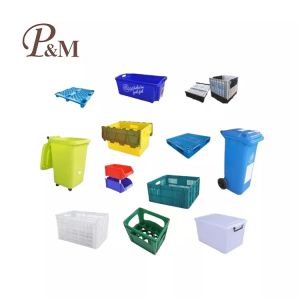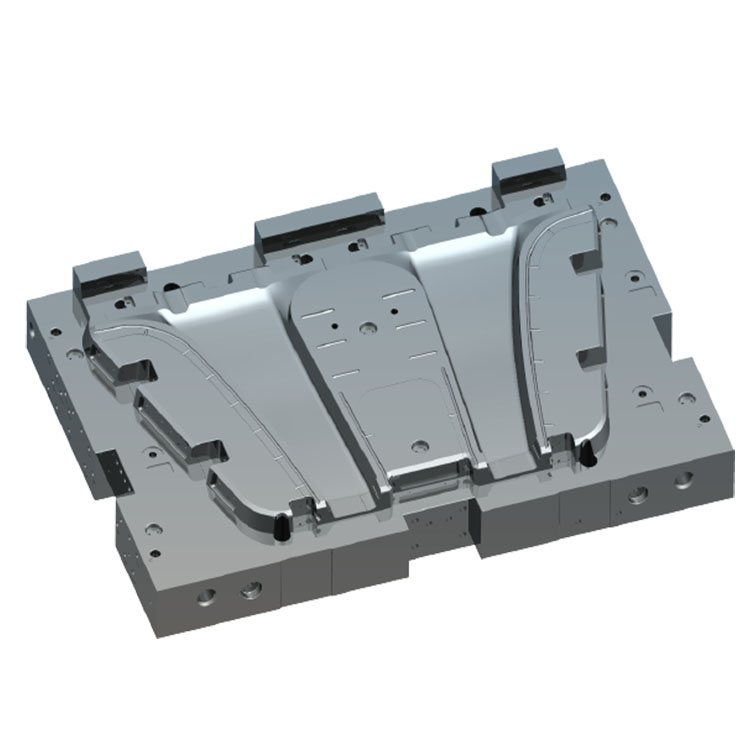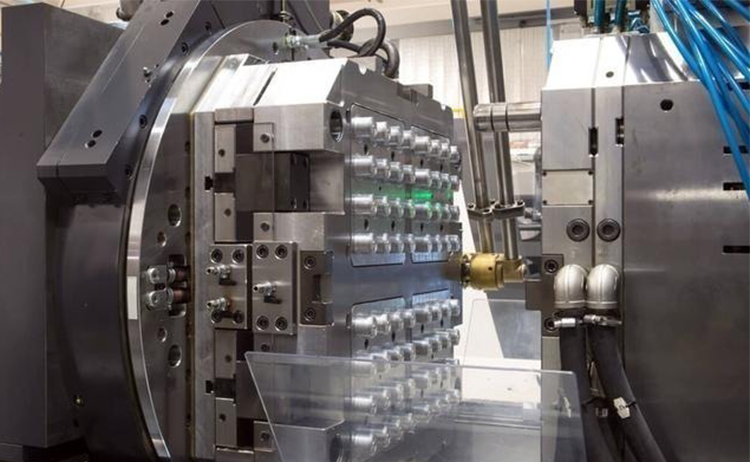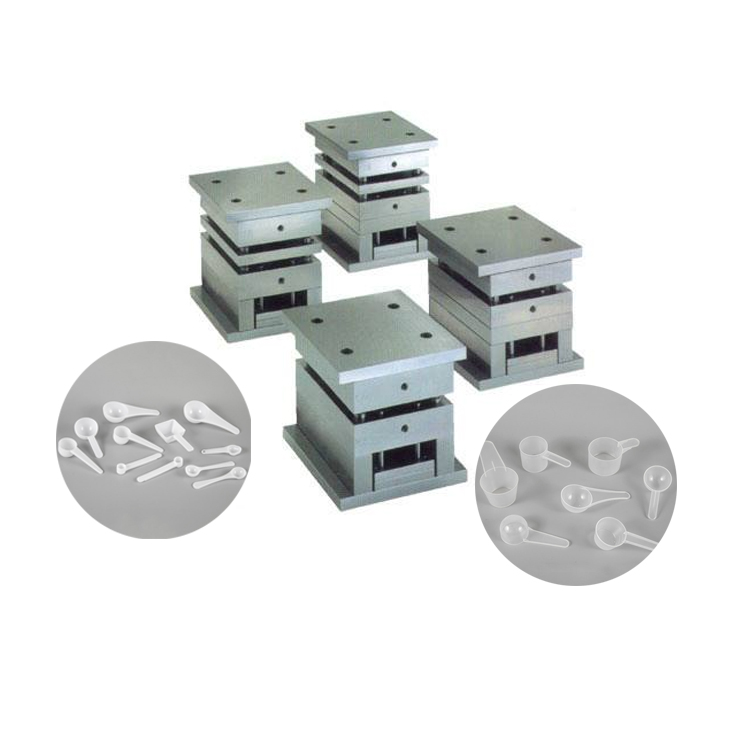
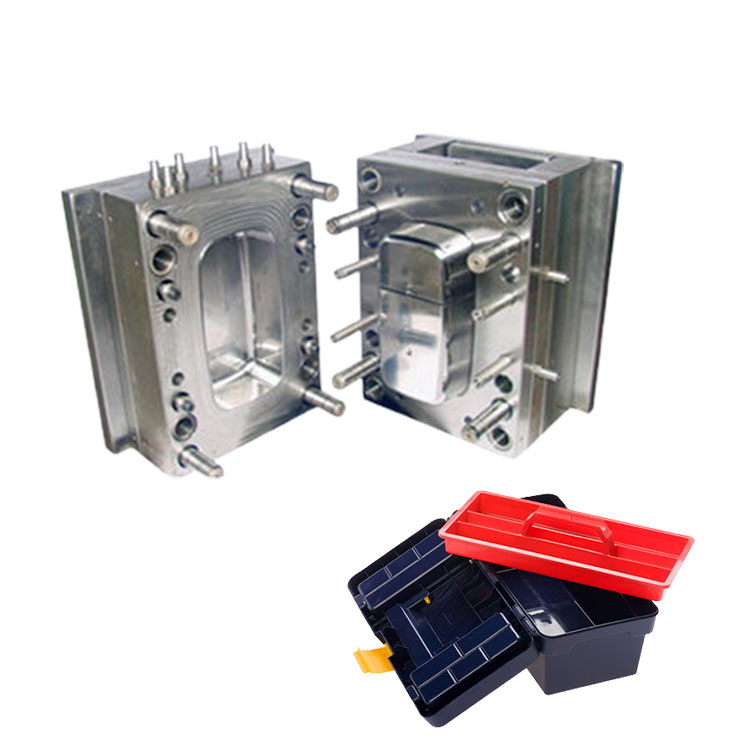
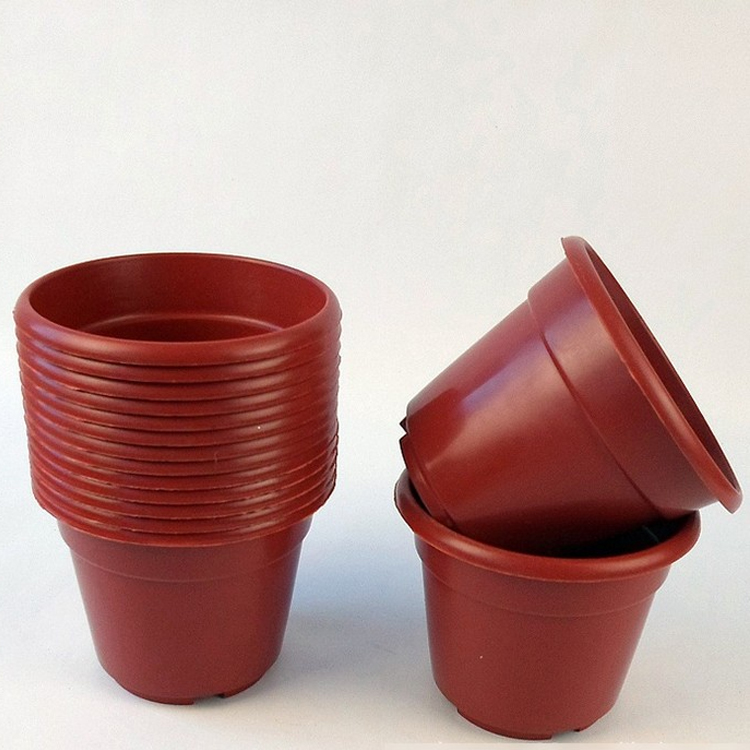
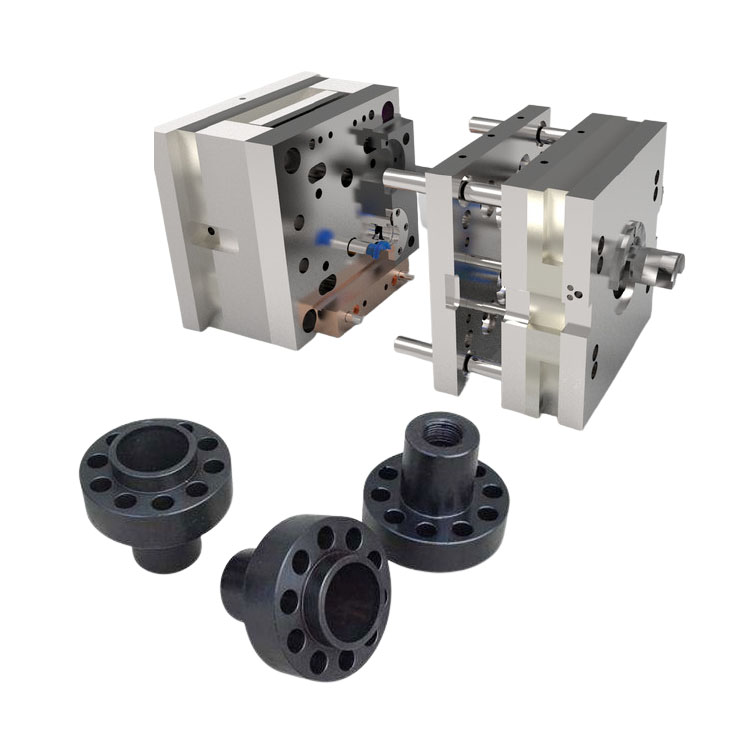
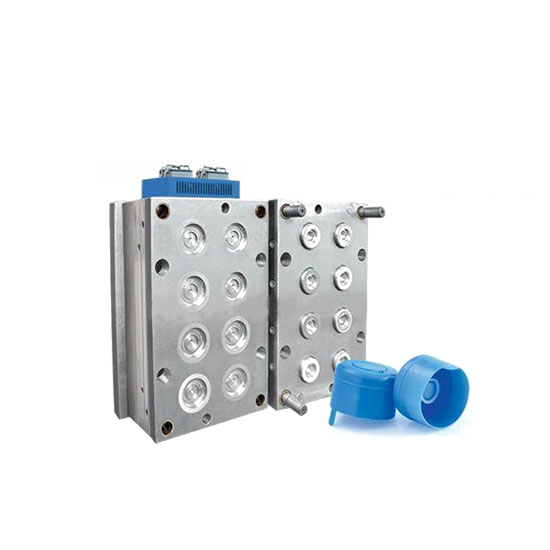
The global manufacturing landscape is undergoing a profound transformation, driven by the relentless pursuit of lightweight, high-strength materials. At the forefront of this revolution is Fiber-Reinforced Plastic (FRP) shaping. By combining high-performance polymers with reinforcing fibers—such as glass, carbon, or aramid—engineers can create structural components that match or exceed the mechanical performance of traditional metals while significantly reducing weight. However, the key to unlocking the full potential of these composite materials lies in the precision and durability of the injection plastic mould.
Historically, shaping composites was a slow, labor-intensive process reserved for low-volume aerospace or niche racing applications. Today, the integration of fiber reinforcement directly into the injection molding process has democratized FRP usage. High-volume production of complex, net-shape parts is now possible, but it presents unique challenges to mold design and manufacturing. Standard injection molds wear out rapidly under the abrasive flow of fiber-filled resins, and improper tool design can lead to poor fiber orientation, compromising structural integrity. Consequently, the demand for specialized, highly engineered injection plastic moulds has skyrocketed.
"The success of Fiber-Reinforced Plastic shaping is fundamentally determined at the tooling level. Without advanced wear resistance, optimized gate layouts, and precise thermal management, the structural benefits of composite materials are lost."
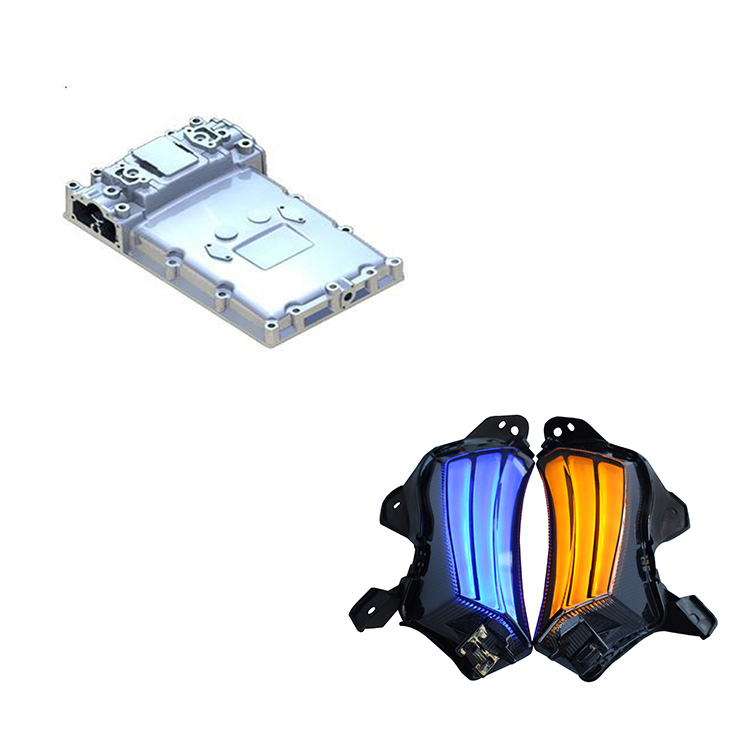
The commercial viability of FRP injection molding spans across multiple multi-billion-dollar industries. In the automotive sector, the global mandate for vehicle lightweighting—fueled by the transition to electric vehicles (EVs)—has made FRP components indispensable. Every kilogram saved in an EV's structural chassis or battery enclosure directly translates to extended driving range. Consequently, automotive OEMs are replacing cast aluminum and steel brackets, structural mounts, and exterior panels with injection-molded glass and carbon fiber composites. This shift requires injection plastic moulds capable of handling extreme pressures and maintaining tight tolerances over millions of cycles.
Similarly, in consumer electronics, the demand for thinner, stiffer, and lighter product casings has led to the widespread adoption of carbon-fiber-reinforced thermoplastics. Laptops, smartphones, and wearable tech rely on these materials to protect delicate internal components from drops and impacts without adding bulk. The molds used for these applications require micro-precision features, complex slider mechanisms, and advanced surface finishes to deliver both structural performance and aesthetic excellence.
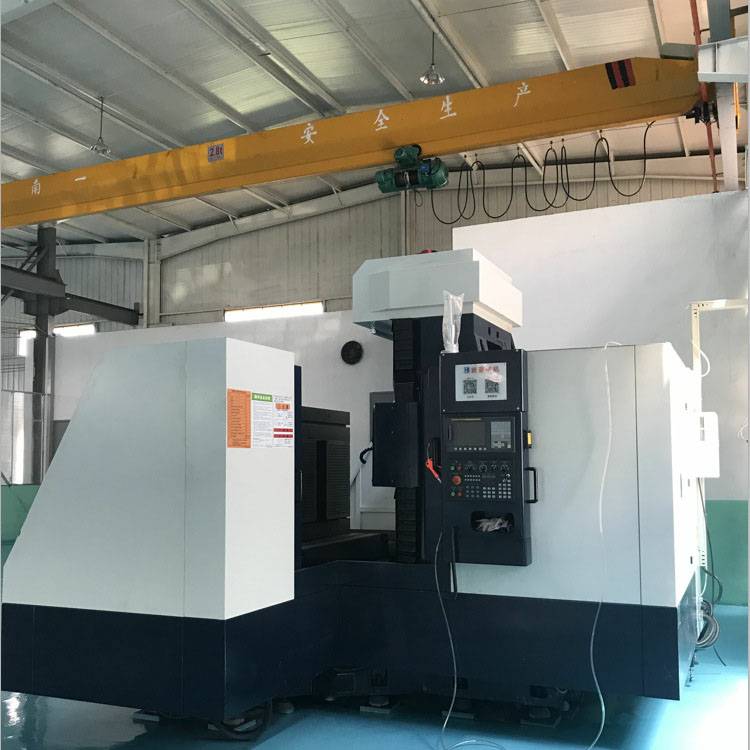
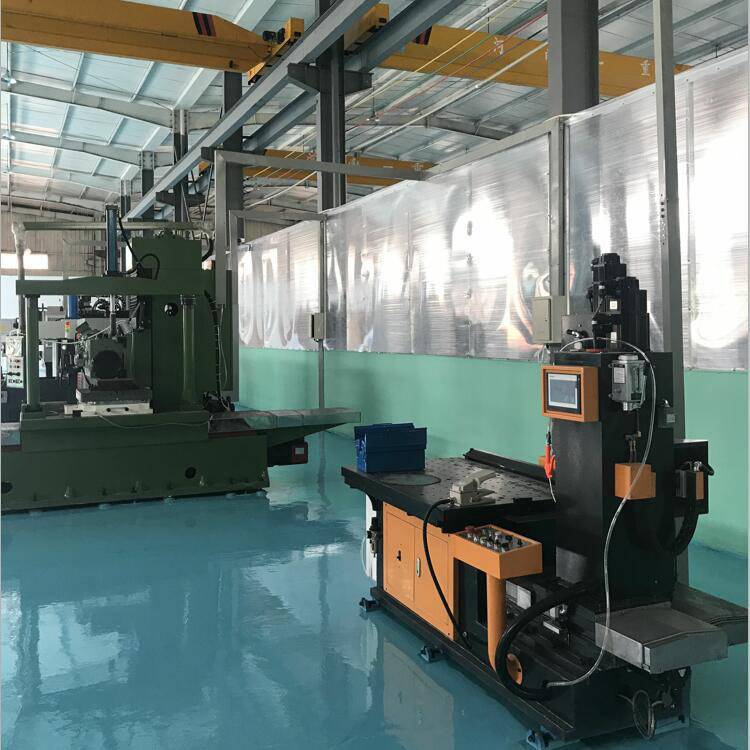
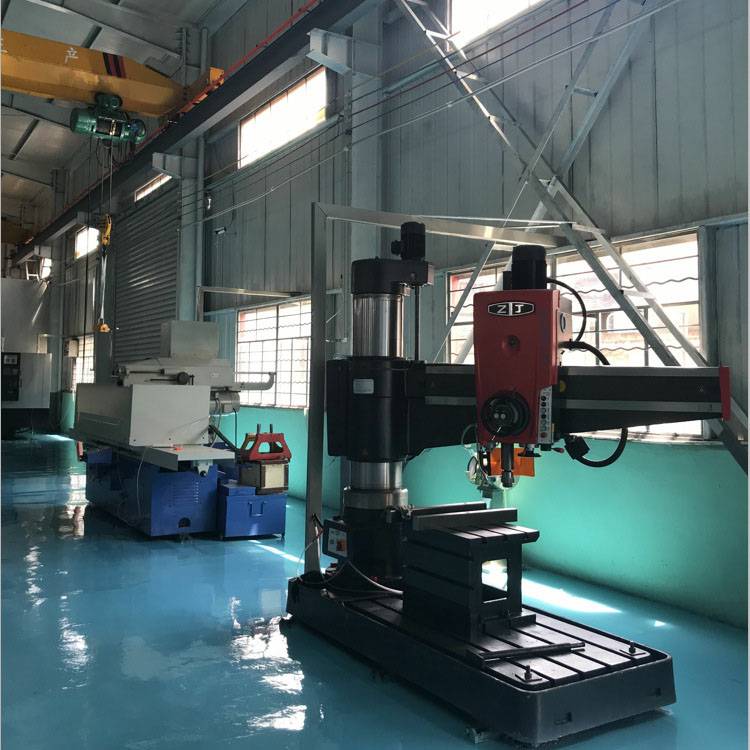
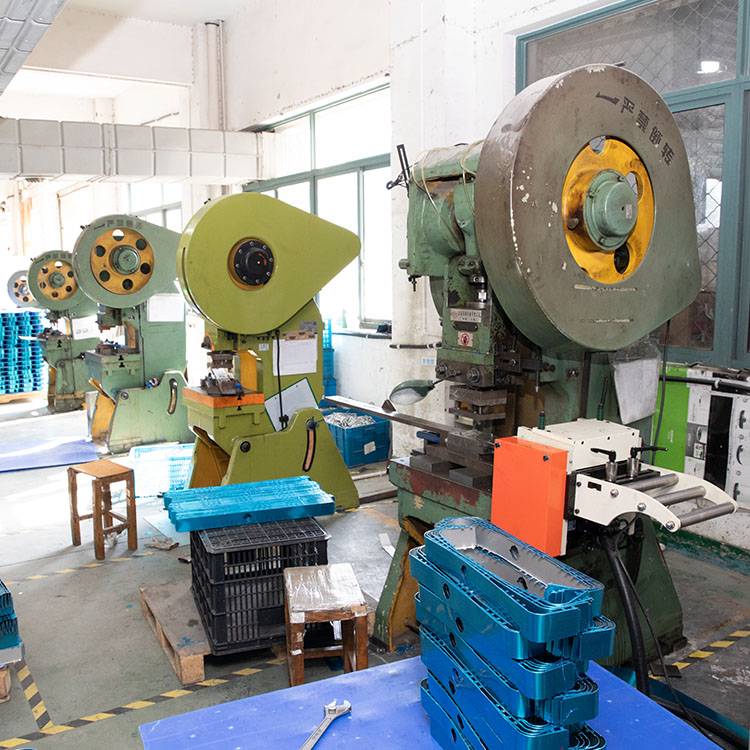
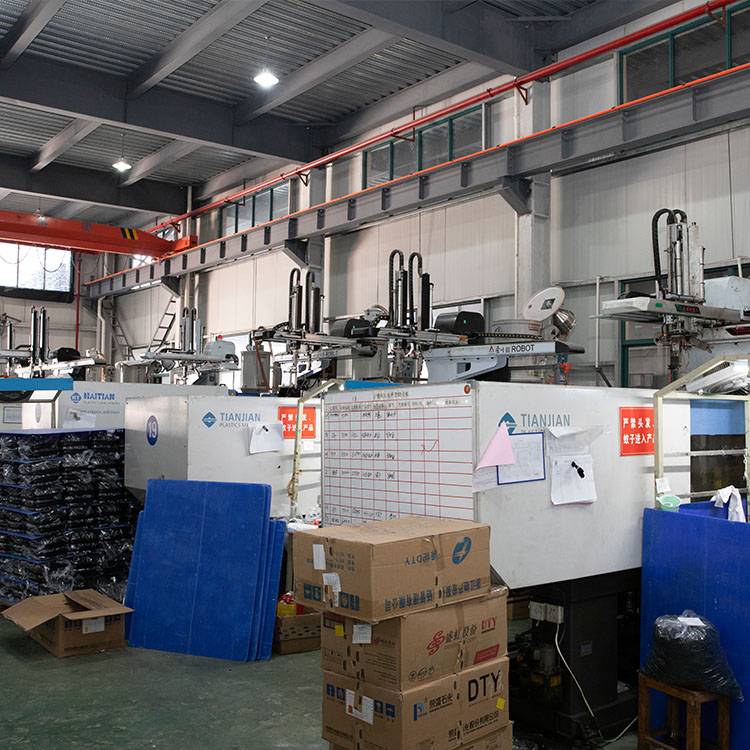
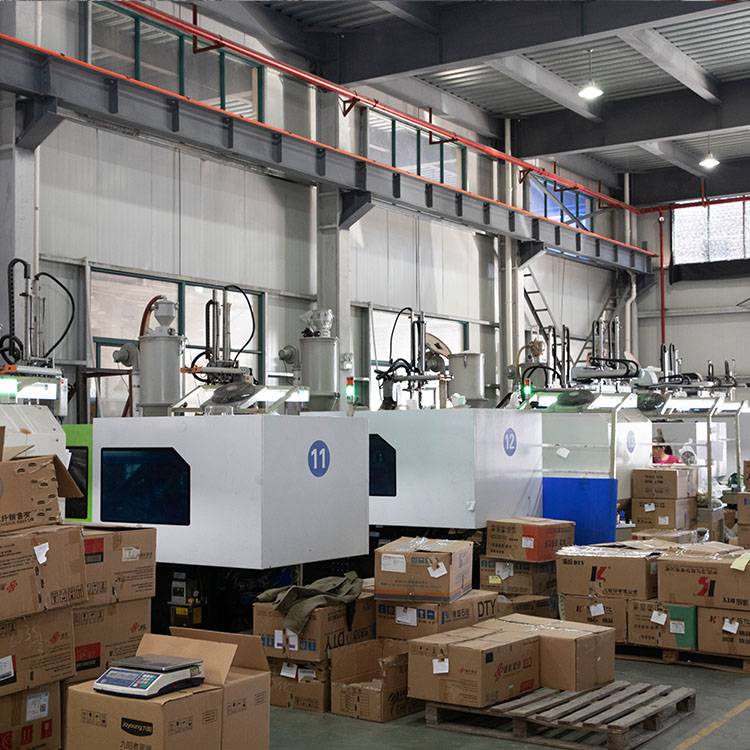
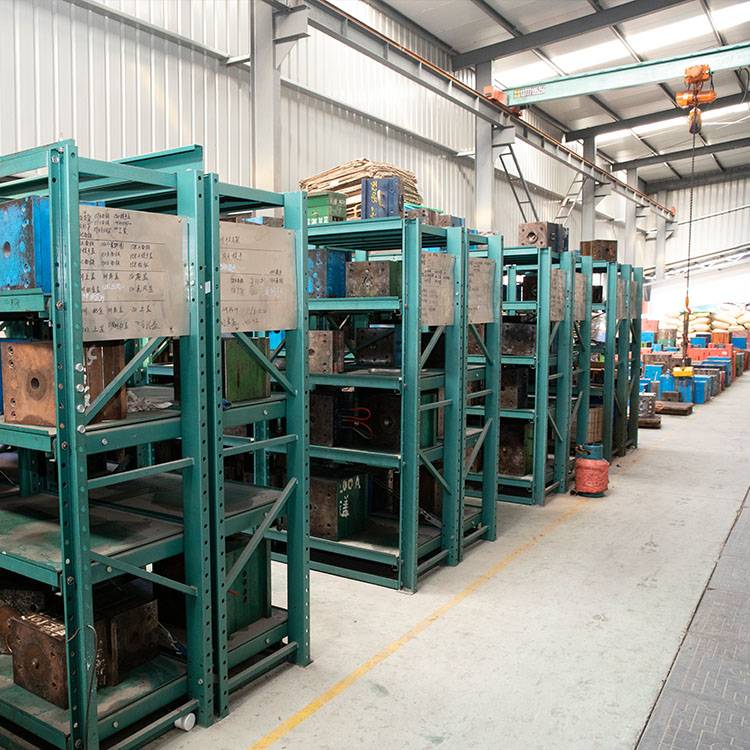
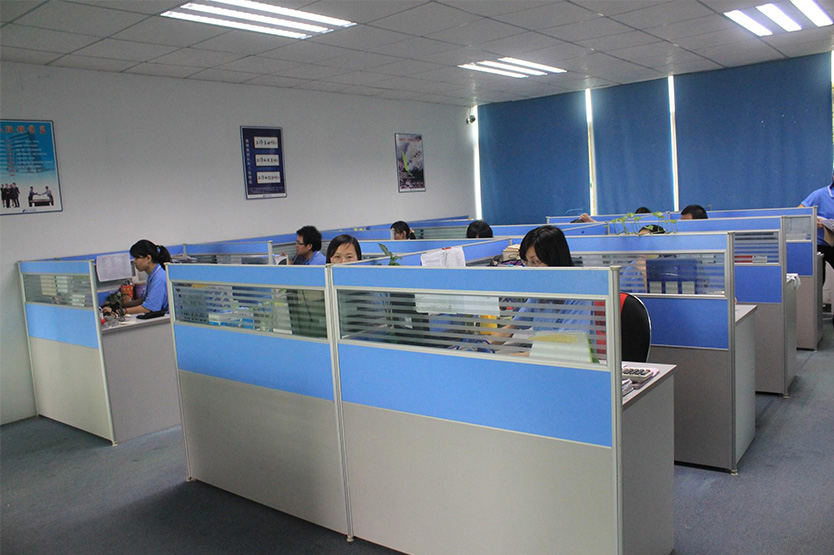
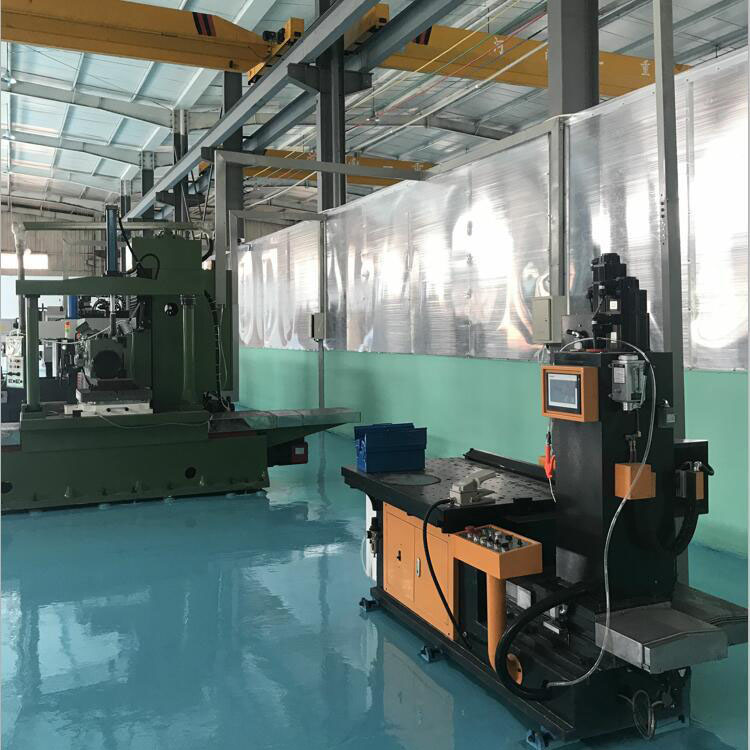
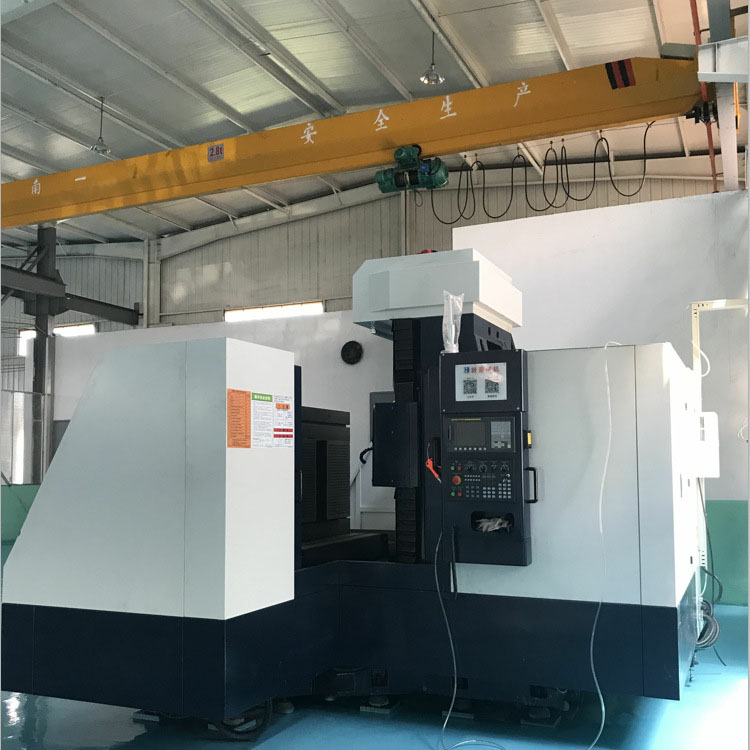
Ningbo P&M PLASTIC METAL PRODUCT CO., LTD is located in Yuyao, the so-called Mould City, Plastic Kingdom, in the southern tip of Hangzhou Bay Bridge, north of Shanghai, the east of Ningbo Port, tight double line of State Road 329 on land, sea and air traffic into a network to facilitate transport. By the abundant technical strength, scientific management methods and good after-sales service, products are deeply trusted and welcomed by customers from all over the world.
P&M started domestic business in 2008 and opened up the international market in 2014, always adhering to the principle of quality first and time supreme. While providing customers with the best quality products, it maximizes production efficiency and shortens production time. Our main products include the design and manufacturing of plastic molds, plastic products, and metal products. 90% of our products are exported to America, Europe, Germany, Japan, Australia, and beyond.

The company specializes in producing high-performance equipment, backed by strong technical force, robust development capabilities, and outstanding technical services.
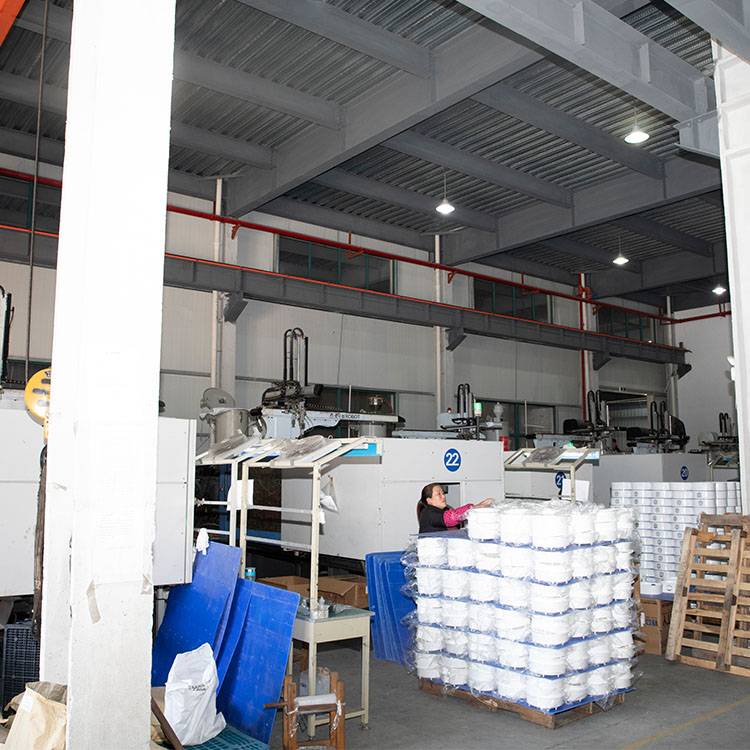
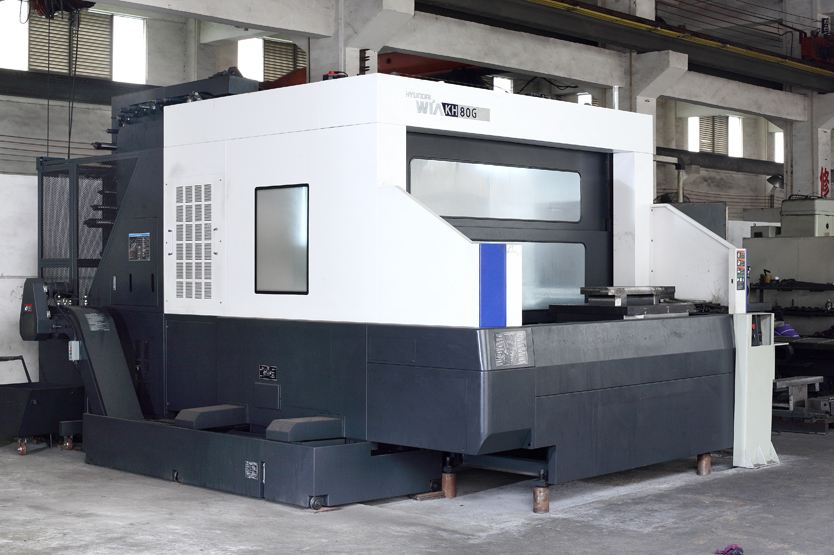
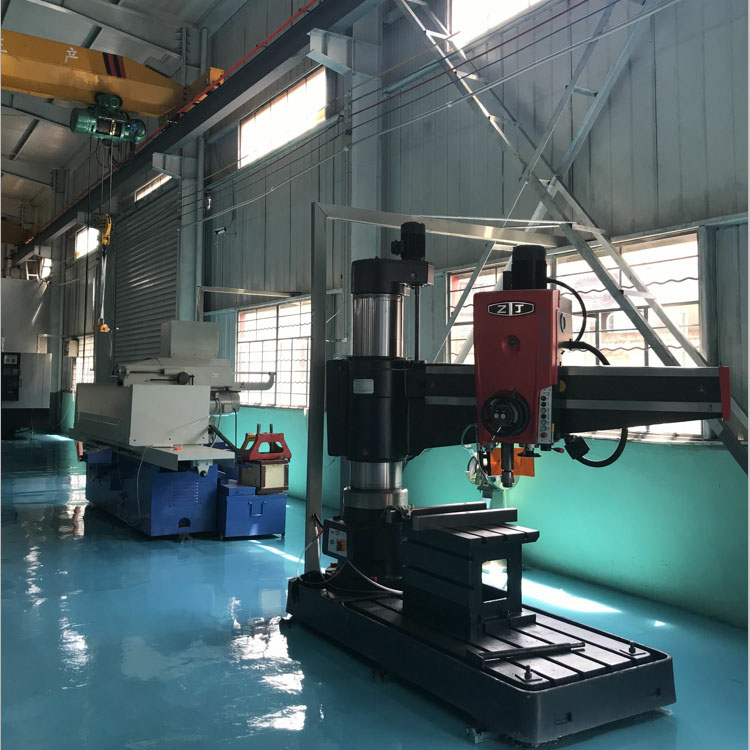
P&M holds an improved system of development and production to achieve seamless mold design, high-strength plastic products manufacturing, and fully automated production lines.
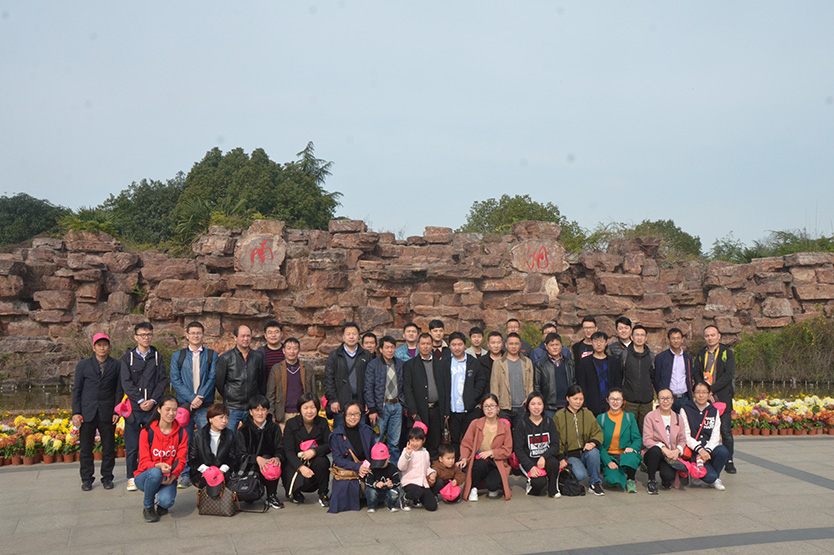
We are proud to state that our company has retained every single customer since its establishment. If any issues arise, we actively seek solutions and take responsibility to the end.
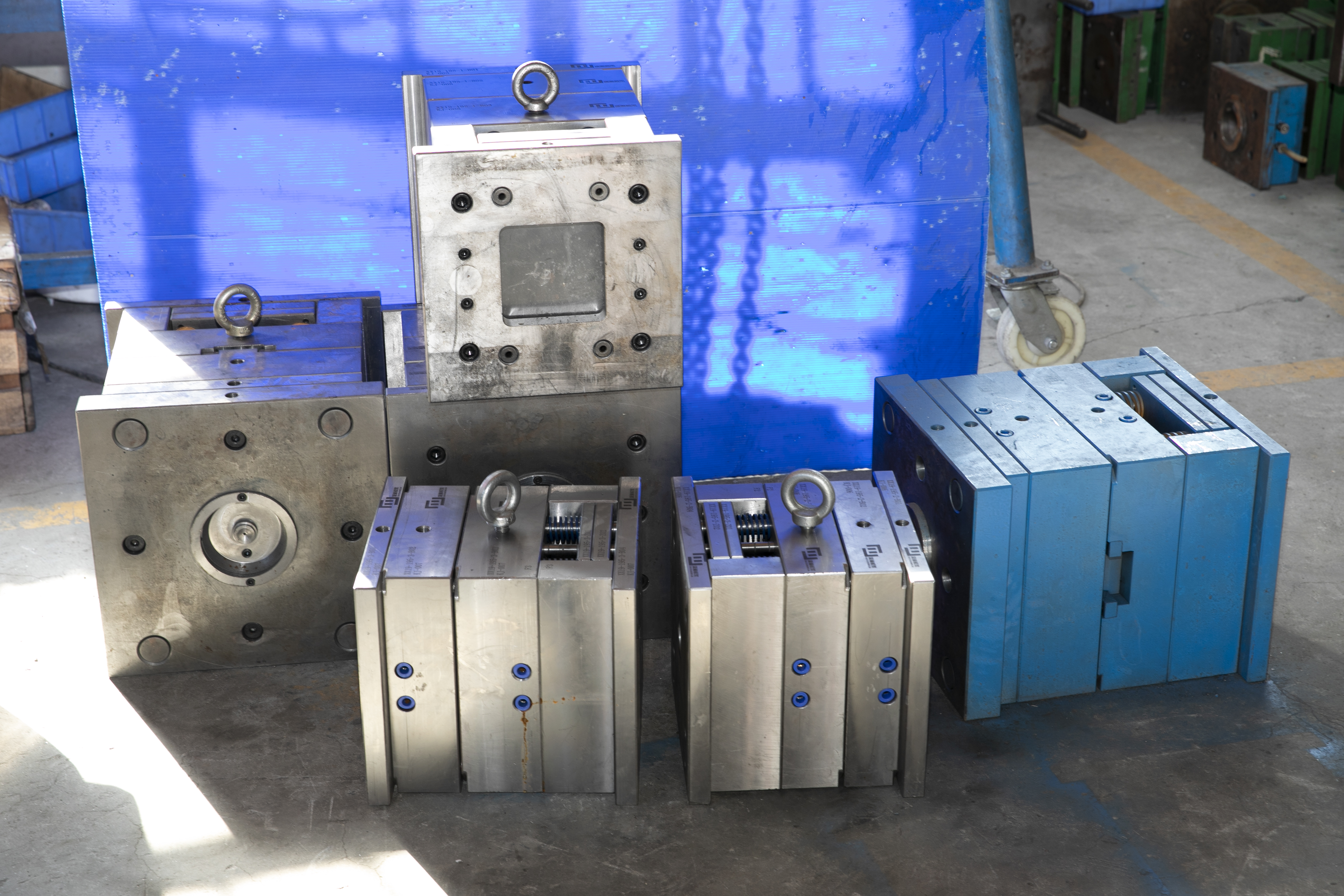
Designing an injection plastic mould for fiber-reinforced plastic shaping requires a deep understanding of fluid dynamics, metallurgy, and polymer physics. When fibers are introduced into a polymer matrix, the material behaves as a non-Newtonian fluid with highly anisotropic properties. The principal engineering challenges that must be addressed during the mold design phase include:
Reinforcing fibers, particularly glass and carbon, are highly abrasive. As the molten composite is injected into the mold cavity at high velocities, it acts like sandpaper, eroding the runner system, gate entry points, and detailed cavity features. To combat this, P&M utilizes premium tool steels such as H13, D2, and powder metallurgy steels, combined with advanced surface treatments. Processes like physical vapor deposition (PVD) coating and plasma nitriding are applied to the mold inserts to achieve surface hardness levels exceeding 60 HRC, ensuring long-term wear resistance and dimensional stability.
The mechanical properties of an FRP part are highly dependent on the orientation of the fibers. As the melt flows through the mold, fibers tend to align parallel to the flow direction near the mold walls and perpendicular in the core. Where two flow fronts meet, they form a weld line. At these weld lines, fibers typically align parallel to the joint rather than crossing it, resulting in a localized reduction in tensile strength. P&M's mold design team utilizes state-of-the-art Moldflow simulation software to optimize gate locations, runner diameters, and cavity geometry, minimizing the occurrence of weld lines in critical structural areas.
FRP materials exhibit different thermal expansion and contraction behaviors compared to neat polymers. Fibers restrict the shrinkage of the plastic matrix along their length, leading to anisotropic shrinkage rates. If the mold cooling is non-uniform, this differential shrinkage will induce residual stresses, causing the final part to warp or twist. P&M designs conformal cooling channels that follow the contours of the mold cavity, maintaining uniform heat dissipation and reducing cycle times while ensuring part flatness.
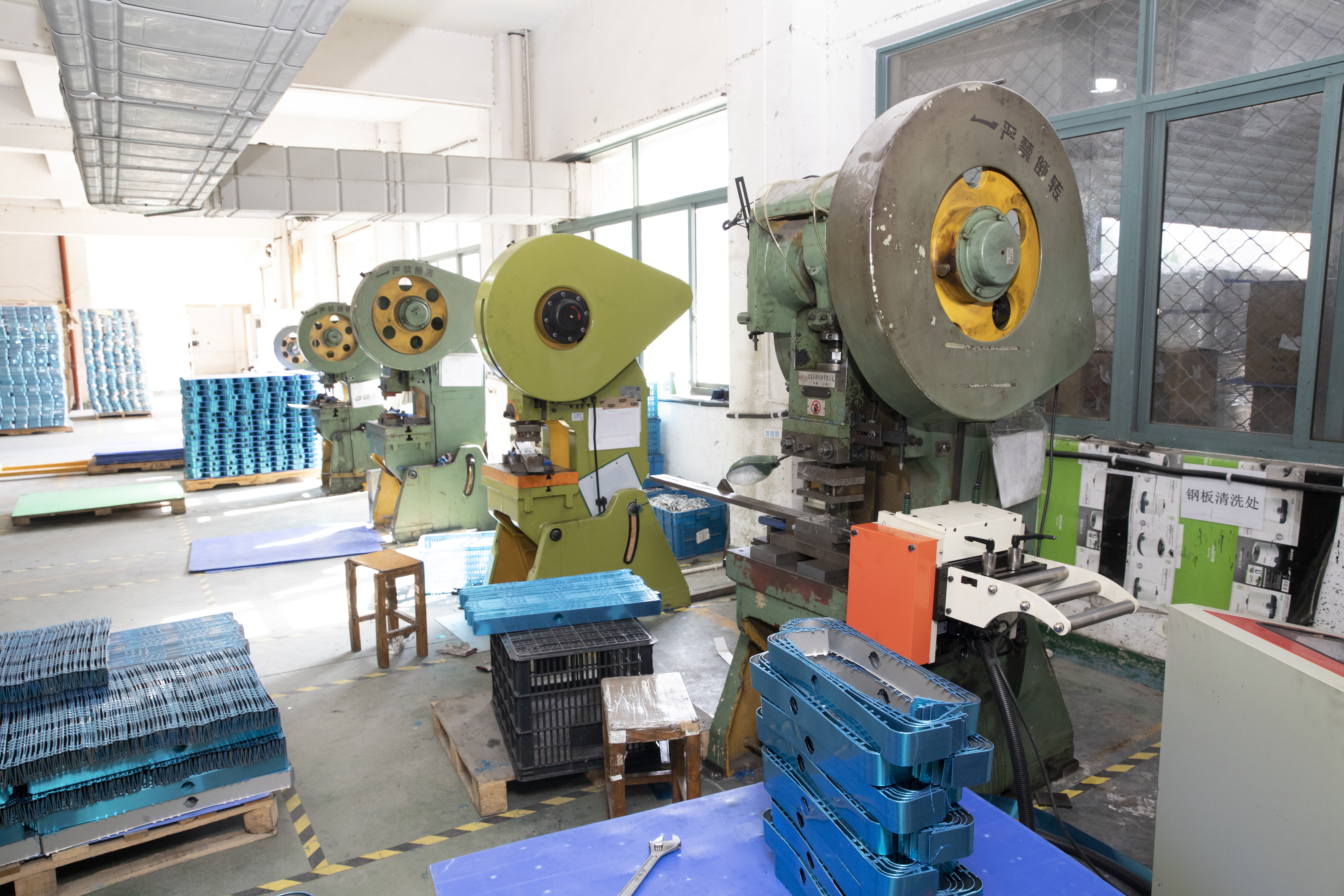
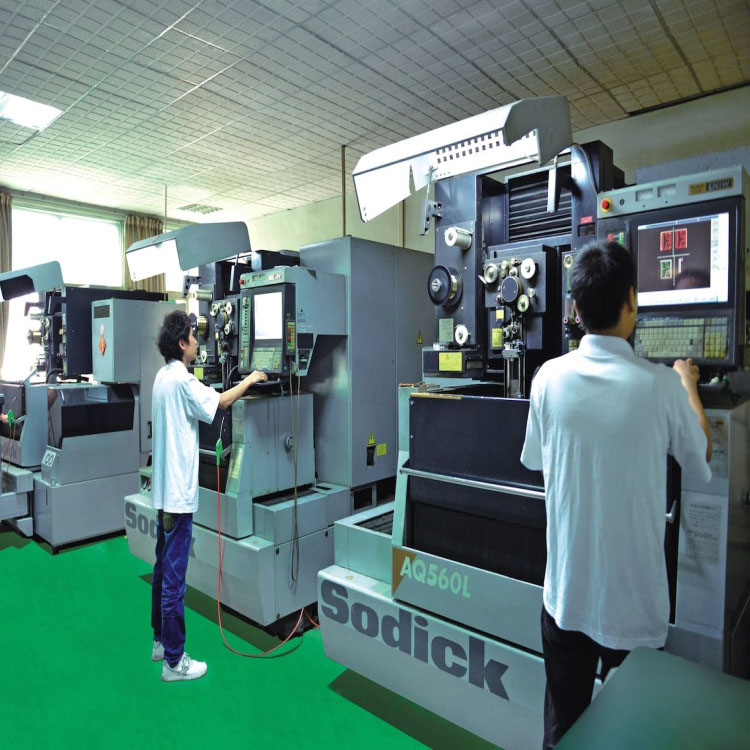
The versatility of FRP injection molding enables its application in demanding environments where traditional materials fail. Let us explore some of the deep application scenarios where P&M's tooling solutions deliver critical value:
Modern combustion engines and hybrid drivetrains operate at elevated temperatures and are exposed to aggressive chemicals, including engine oil, coolant, and transmission fluids. Components like intake manifolds, oil pans, and engine covers are subjected to continuous vibration and thermal cycling. By utilizing high-glass-content polyamide (PA66-GF30 or PA66-GF50) shaped in P&M's high-durability injection moulds, manufacturers can produce lightweight parts that withstand these harsh environments, achieving weight reductions of up to 40% compared to cast iron or aluminum.
In aerospace design, every gram of weight reduction translates to substantial fuel savings over the lifespan of an aircraft. Non-structural and semi-structural interior brackets, ducting systems, and seating components are increasingly manufactured using carbon-fiber-reinforced polyetheretherketone (PEEK-CF) or polyetherimide (PEI-CF). These high-performance thermoplastics require mold temperatures exceeding 180°C. P&M designs specialized oil-heated or cartridge-heated moulds capable of operating reliably at these elevated temperatures while maintaining sub-micron dimensional tolerances.
Medical devices require materials that are biocompatible, chemically resistant, and capable of undergoing repeated sterilization cycles (such as autoclaving). Glass-reinforced polyphenylsulfone (PPSU-GF) and polyetherimide (PEI-GF) are widely used for surgical instrument handles, diagnostic equipment housings, and structural components for orthopedics. P&M manufactures class-101 cleanroom-compatible injection moulds that ensure flash-free, high-precision parts that meet the stringent regulatory requirements of the medical industry.
As the manufacturing sector transitions to Industry 4.0, several key trends are shaping the future of FRP injection molding: