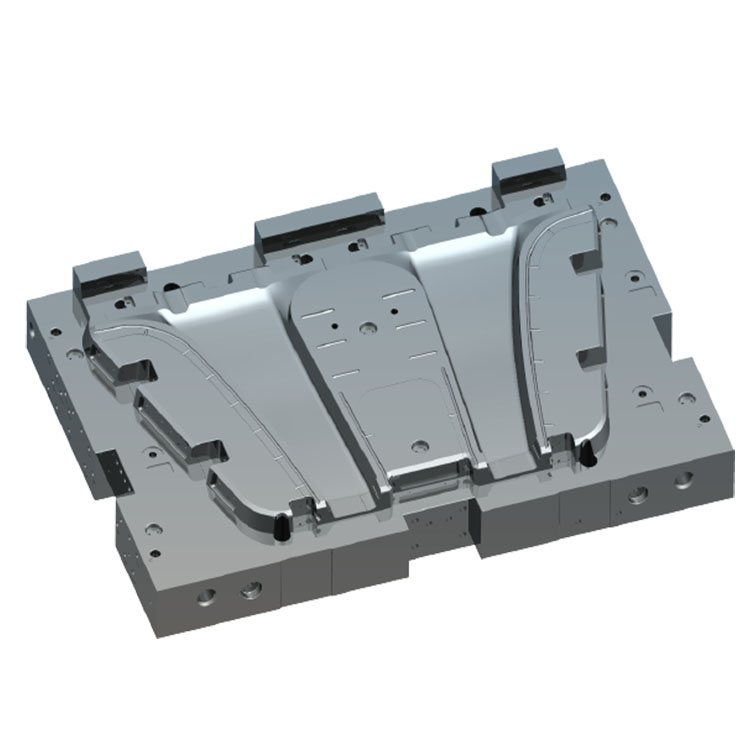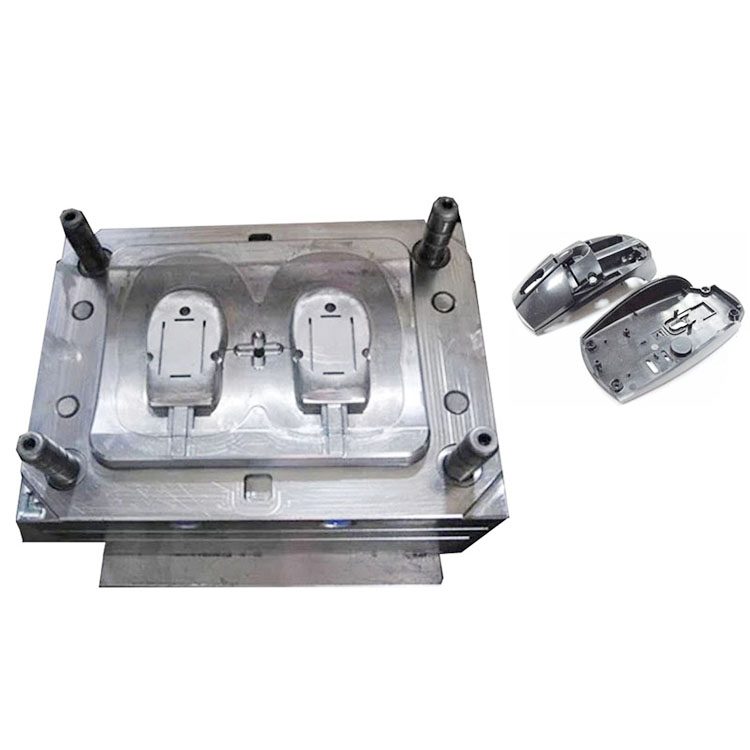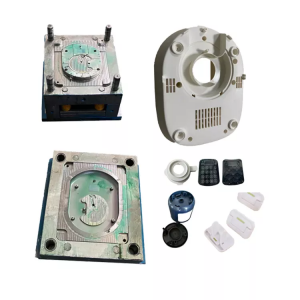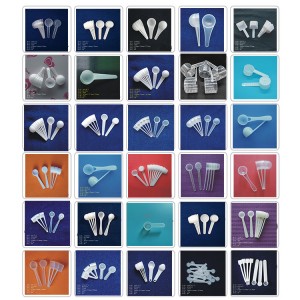
In the modern manufacturing sector, the visual appeal and ergonomic functionality of home appliances have become major differentiators in consumer purchasing decisions. The industry has shifted away from flat, angular, and boxy designs toward smooth, organic, and complex curved geometries. At the center of this transition is the technology of the curved plastic mould for home appliance moulding. This production methodology allows manufacturers to fabricate high-quality, durable, and aesthetically stunning outer shells and structural components for everything from intelligent robotic vacuums and smart refrigerators to ergonomic washing machine control panels.
The commercial market for home appliances is expanding rapidly, with smart homes driving the adoption of premium appliances. High-gloss curved surfaces, integrated touch interfaces, and seamless contours are no longer limited to high-end luxury appliances; they have become standard expectations across all market tiers. This shift has placed immense pressure on plastic injection moulding companies to deliver flawless curved components at scale.
Historically, curved metal stamping was used for appliance bodies, but it suffered from high weight, limited design flexibility, and susceptibility to corrosion. Plastic injection moulding using advanced polymers has revolutionized this space. Today, polymers such as Acrylonitrile Butadiene Styrene (ABS), Polycarbonate (PC), and Polypropylene (PP) are injected into precision-engineered curved moulds to produce lightweight, impact-resistant, and chemically stable components. These materials can be molded into incredibly complex shapes that integrate mounting brackets, wire guides, and snap-fits directly into the inner side of a cosmetic outer panel, drastically reducing assembly costs and time-to-market.
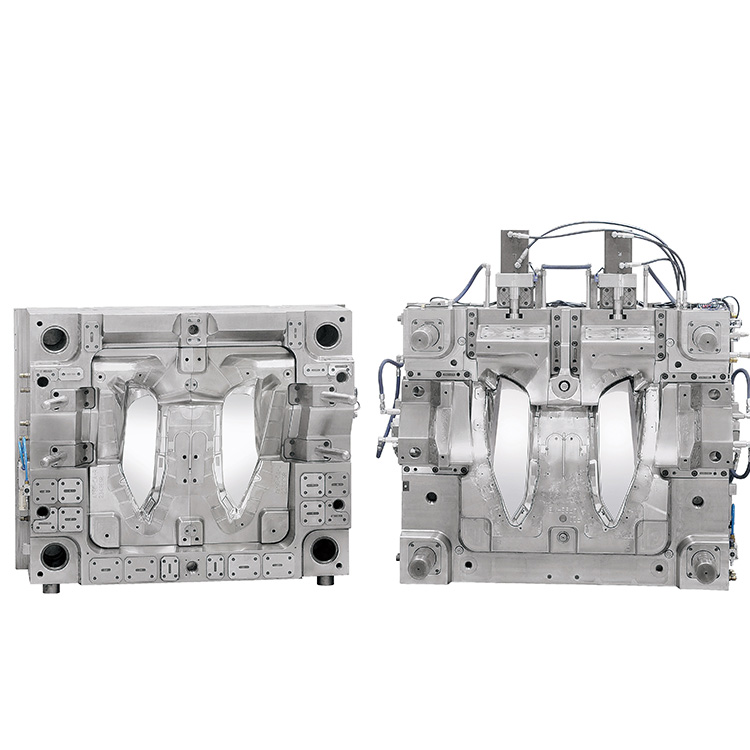
Engineering a curved plastic mould for home appliance moulding presents unique challenges compared to flat-panel tooling. The continuous change in surface curvature affects polymer flow, cooling behavior, and part ejection. Below are the critical technical aspects that mould designers must master:
In standard injection molding, draft angles (typically 1 to 2 degrees) are added to vertical walls to facilitate easy ejection of the plastic part from the cavity. However, on a curved surface, the local angle relative to the draw direction changes continuously. If the curve flattens out or reverses, it can create undercuts that prevent the part from releasing, leading to scuffs or tears on cosmetic surfaces. Advanced CAD software is used to perform draft analysis, dynamically adjusting the mould's parting line to ensure clean release across the entire curved surface.
Traditional cooling lines are drilled straight through the mould steel. With curved parts, straight cooling lines leave some sections of the plastic too far from the coolant, resulting in hot spots. These hot spots cause uneven shrinkage, which leads to warpage, sink marks, and dimensional instability. To solve this, advanced toolmakers employ conformal cooling. By utilizing metal 3D printing (Selective Laser Melting) for mould inserts, engineers can design cooling channels that follow the exact curve of the product. This ensures uniform thermal distribution, reduces cycle times by up to 30%, and guarantees that the curved part retains its intended shape after ejection.
Curved injection moulding is critical across a wide range of home appliance applications, each requiring specific design considerations:
Robotic vacuums are compact, round, and packed with sensors, motors, and battery packs. The outer dome and bumpers must be perfectly curved to navigate tight spaces and deflect impacts. Moulding these curved parts requires high-impact ABS or PC/ABS blends. The mould must incorporate complex slides and lifters to form the internal snap-fits and sensor windows without leaving unsightly parting lines or flash on the external cosmetic surfaces.
Modern washing machines feature sleek, curved control fascias that slope toward the user for better ergonomics. These panels often integrate touch-sensitive keys, LED displays, and rotary dials. The curved mould must be designed with highly precise wall thicknesses to ensure that light from internal LEDs diffuses evenly through the plastic without hot spots or light leakage. Furthermore, these parts are often subjected to In-Mold Decoration (IMD) to apply durable graphics directly during the molding process.
Refrigerators have evolved into design statements in modern kitchens. Curved, high-gloss plastic door skins and integrated handles are increasingly popular. Moulding these large curved parts requires high-tonnage injection machines and moulds made from premium steel (such as NAK80 or 718H) that can be polished to a mirror finish. Any minor defect in the mould surface will be highly magnified on a high-gloss curved plastic part.
The choice of polymer dictates the behavior of the melt front as it fills the curved cavity. When plastic flows through a curved channel, the velocity profile becomes asymmetrical. The material on the inner radius of the curve moves slower than the material on the outer radius. This shear imbalance can cause molecular orientation differences, leading to localized stress and subsequent warping.
To mitigate these issues, CAE flow simulation (Moldflow) is employed to optimize gate placement. For cosmetic appliance housings, valve gates and hot runner systems are preferred. They allow for sequential valve gating, controlling the opening of gates dynamically to ensure the melt front merges smoothly without forming visible weld lines on the curved face.
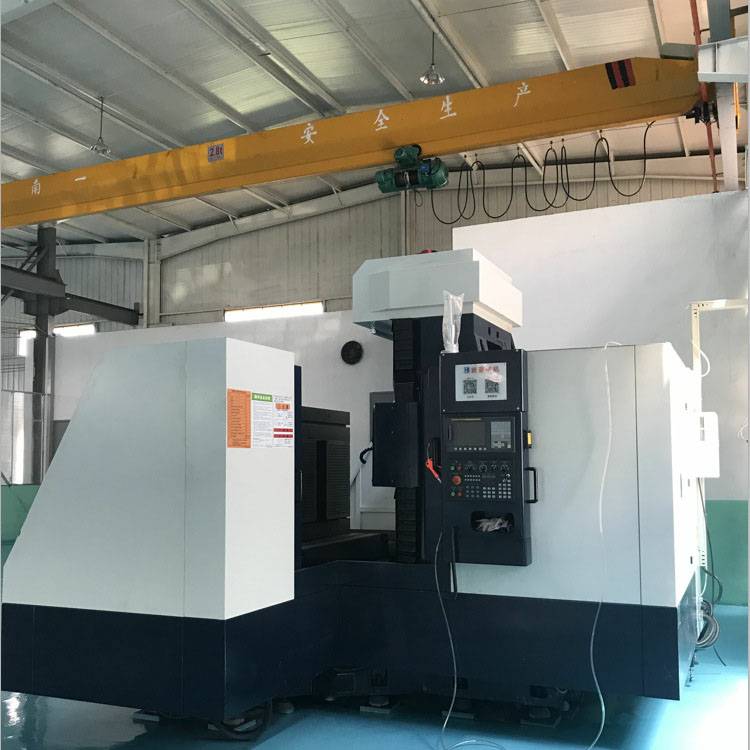
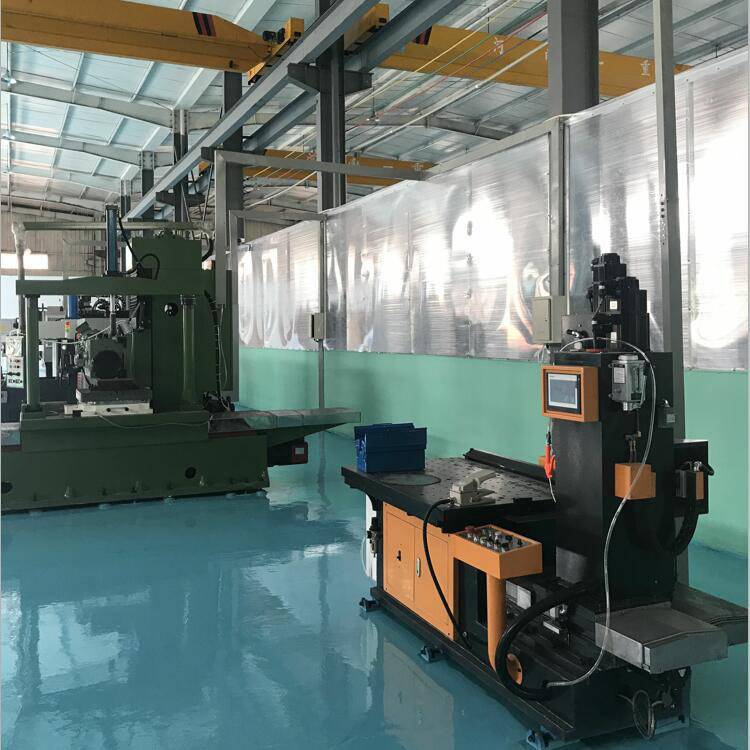
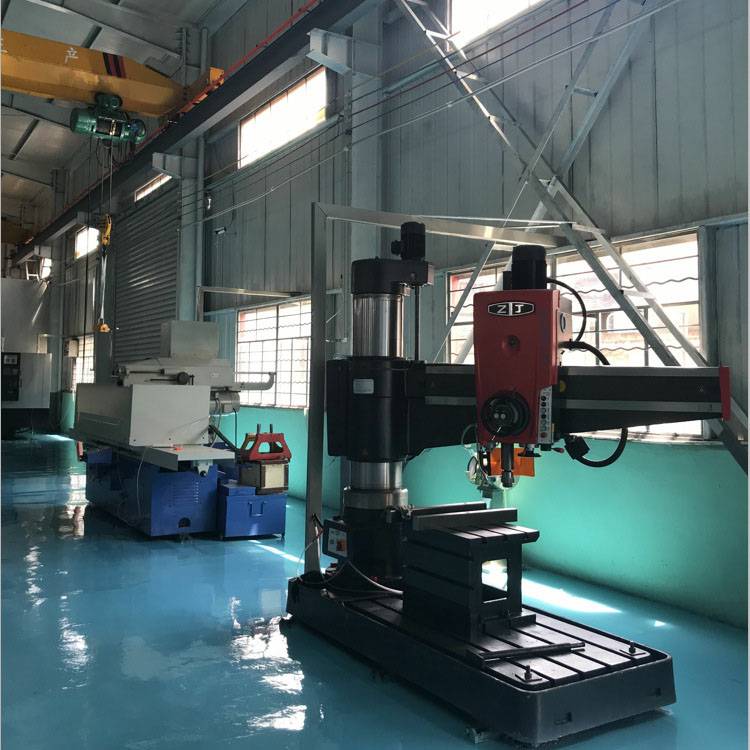
Ningbo P&M PLASTIC METAL PRODUCT CO., LTD is located in Yuyao, the renowned "Mould City" and "Plastic Kingdom", situated at the southern tip of the Hangzhou Bay Bridge. With Shanghai to the north and Ningbo Port to the east, our facility enjoys exceptional land, sea, and air transportation networks, primarily facilitated by the double line of State Road 329.
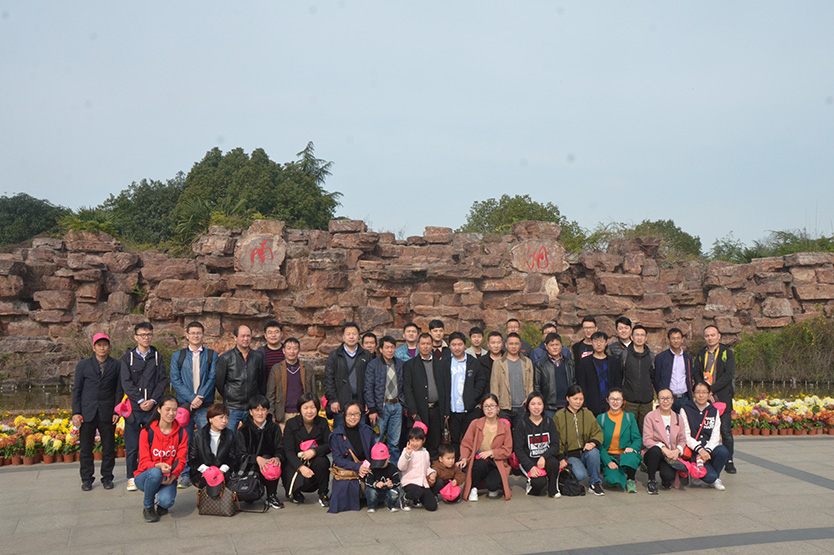
Backed by abundant technical strength, scientific management methods, and a dedicated team, our products are highly trusted and welcomed by global clients. P&M started domestic business in 2008 and expanded internationally in 2014, adhering to the core principle of "quality first and time supreme." We optimize production efficiency and shorten lead times to provide our clients with the best value.

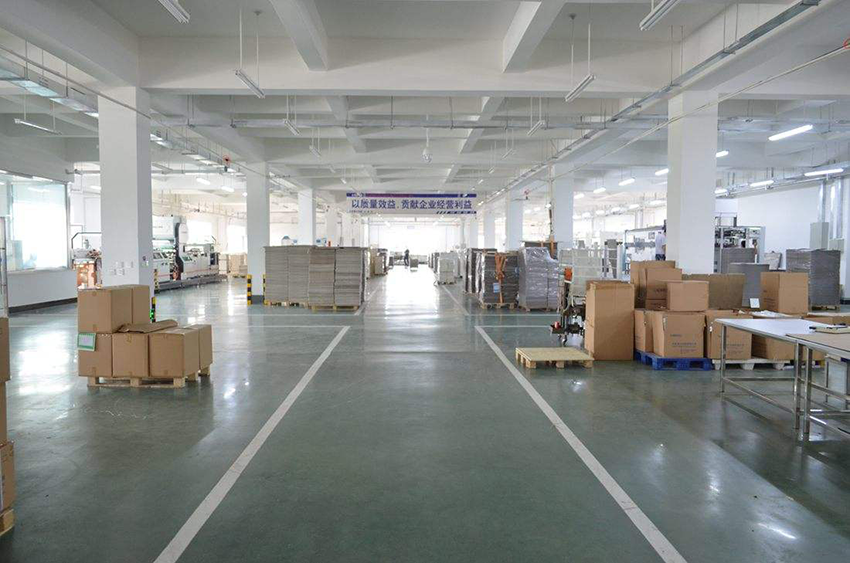
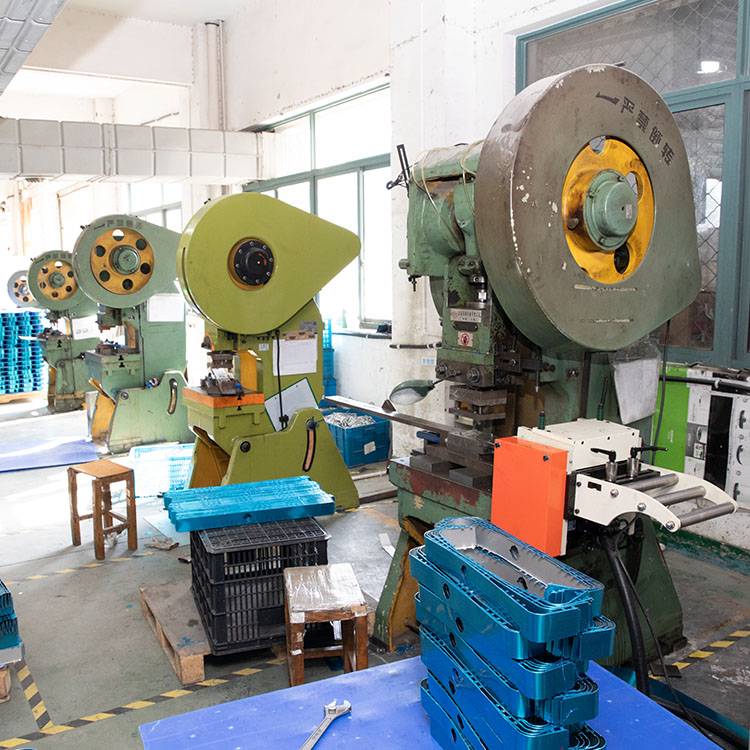
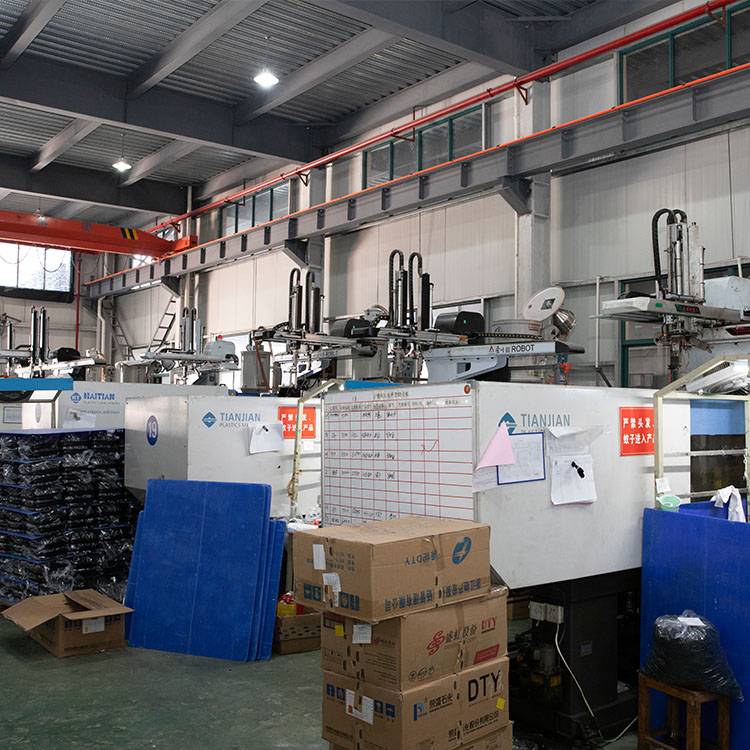
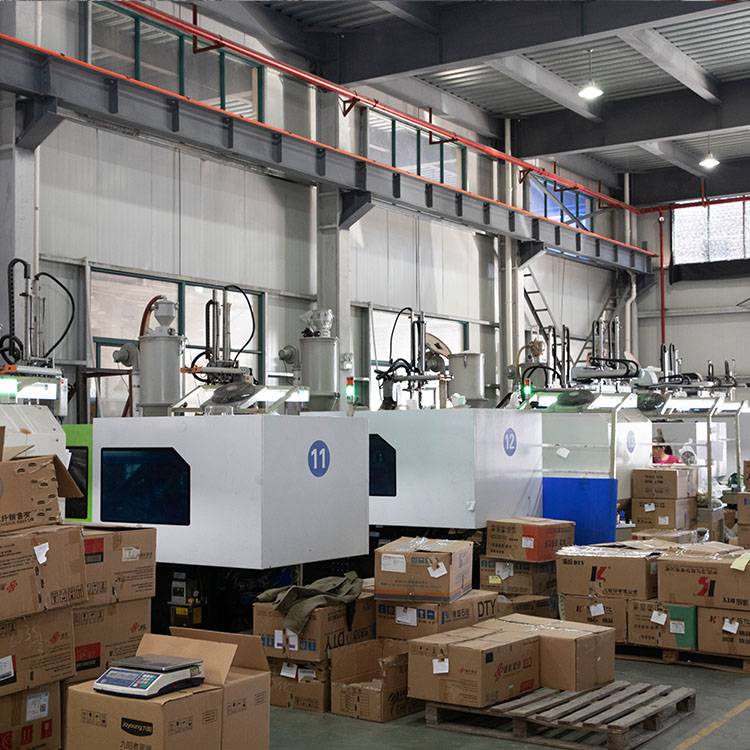
High-performance equipment, strong technical force, and comprehensive development capabilities.
Long-term partnerships built on trust. We actively resolve issues and take responsibility to the end.
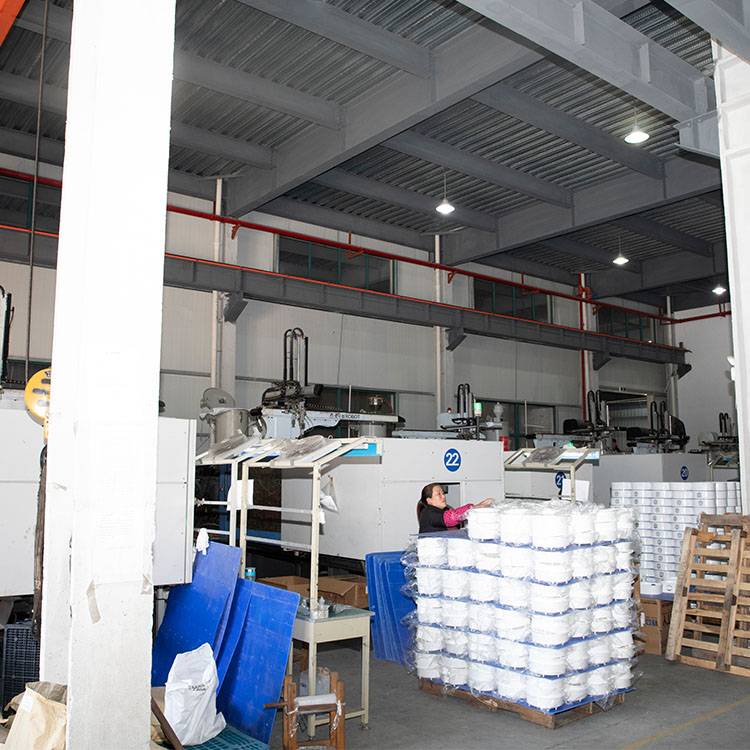
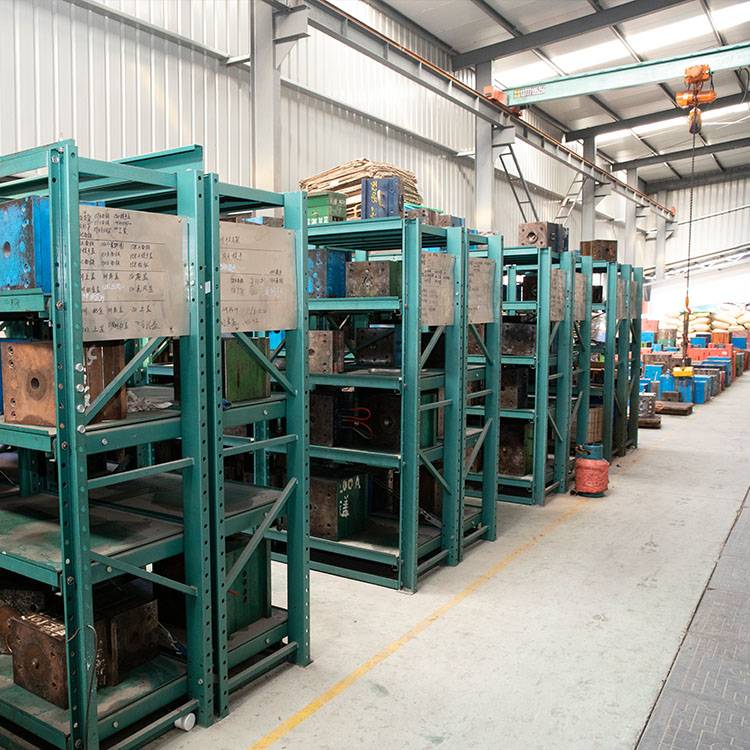
Complete system for mould design, plastic manufacturing, and automated production.
Efficient workflows enabling clients to receive finished products within 30 days.
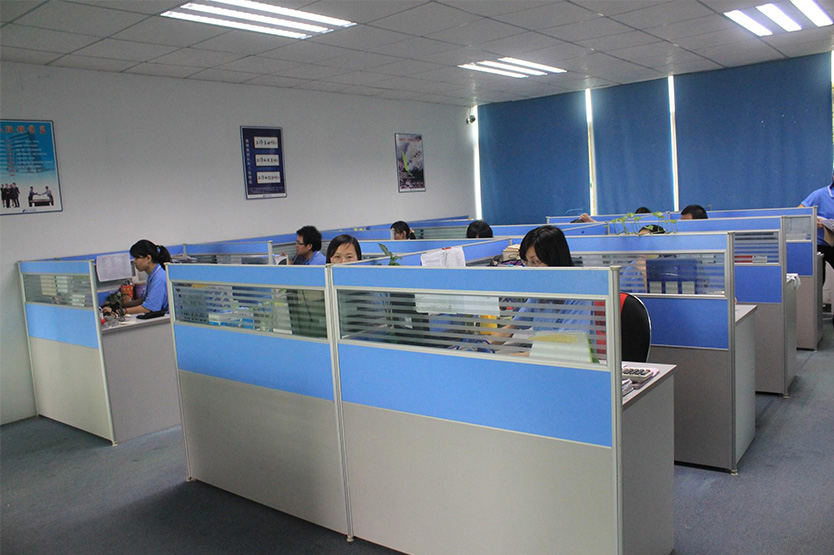
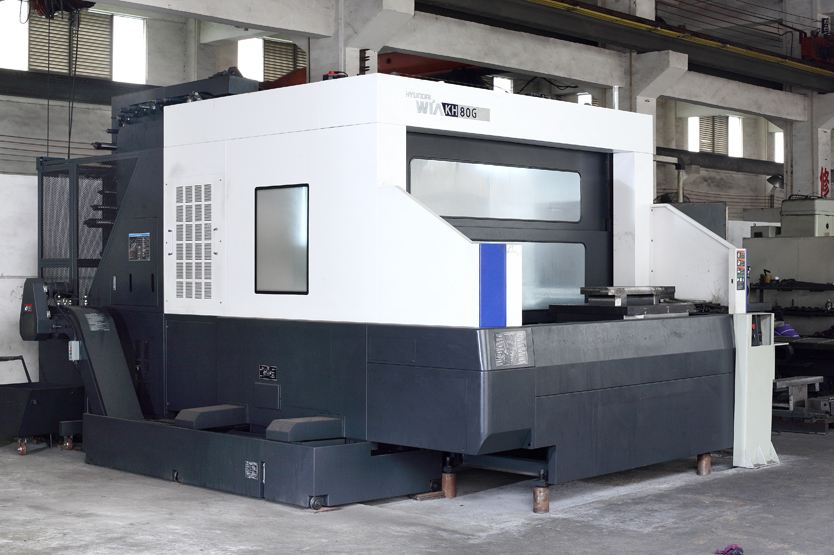
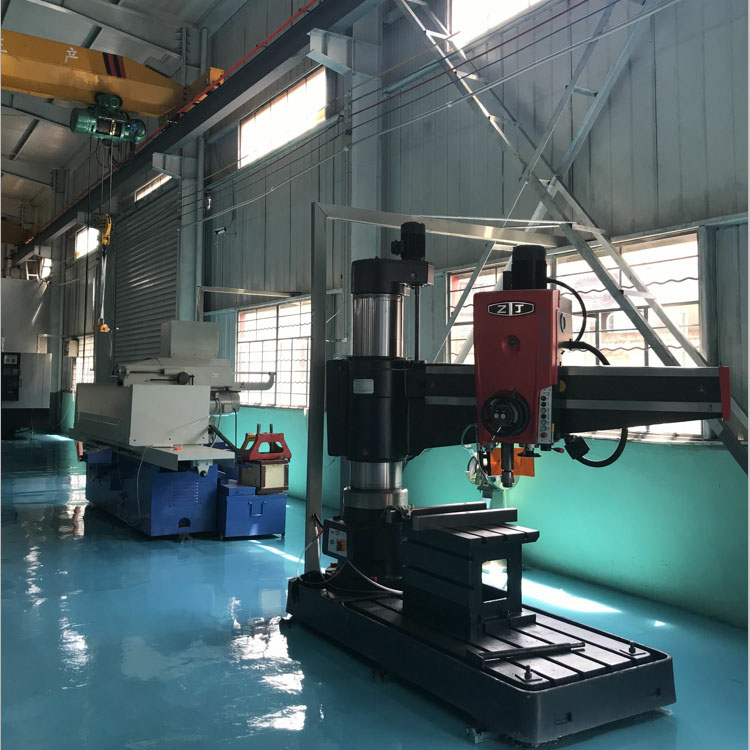
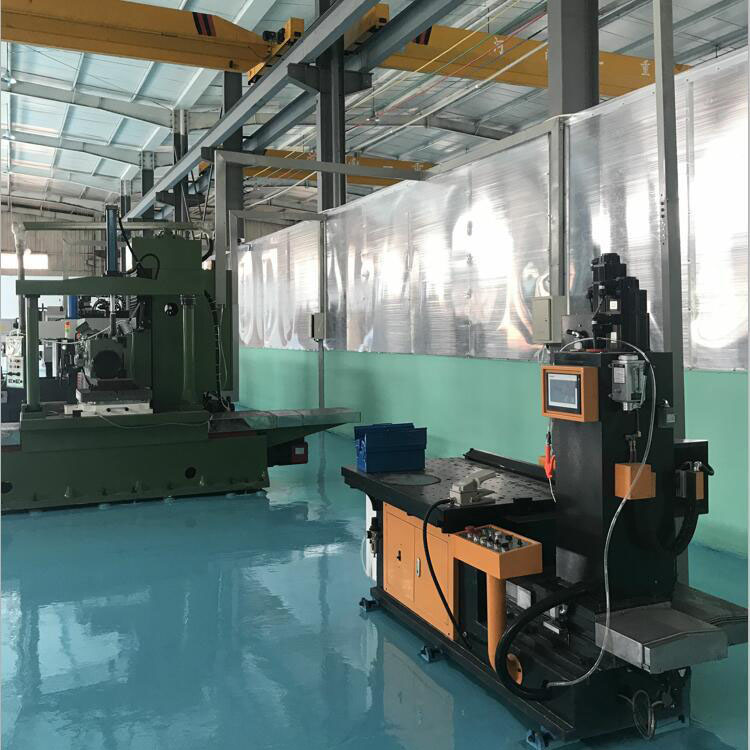
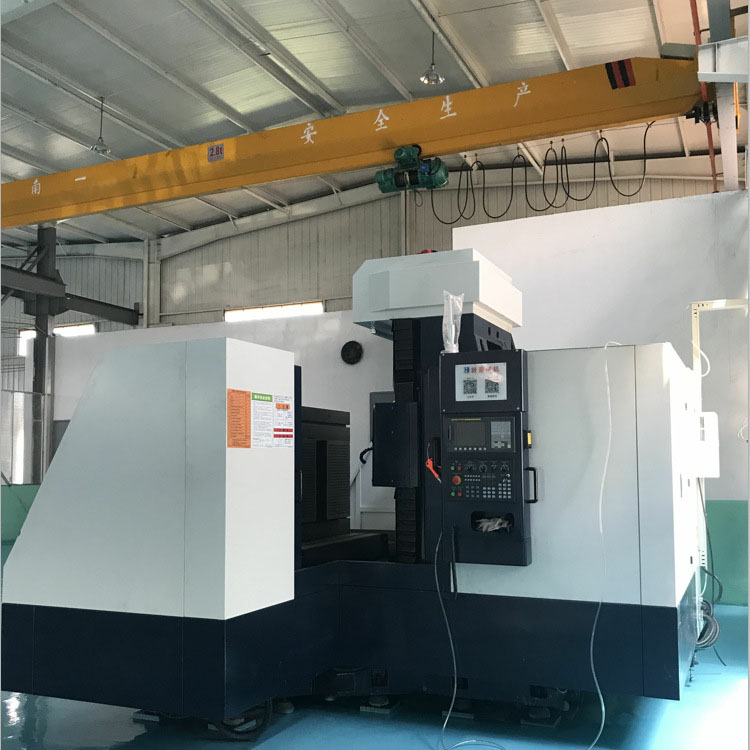
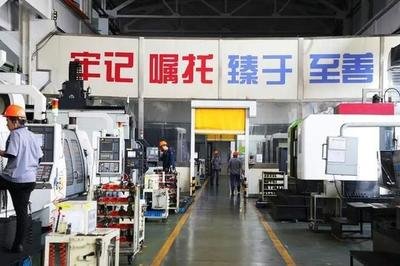
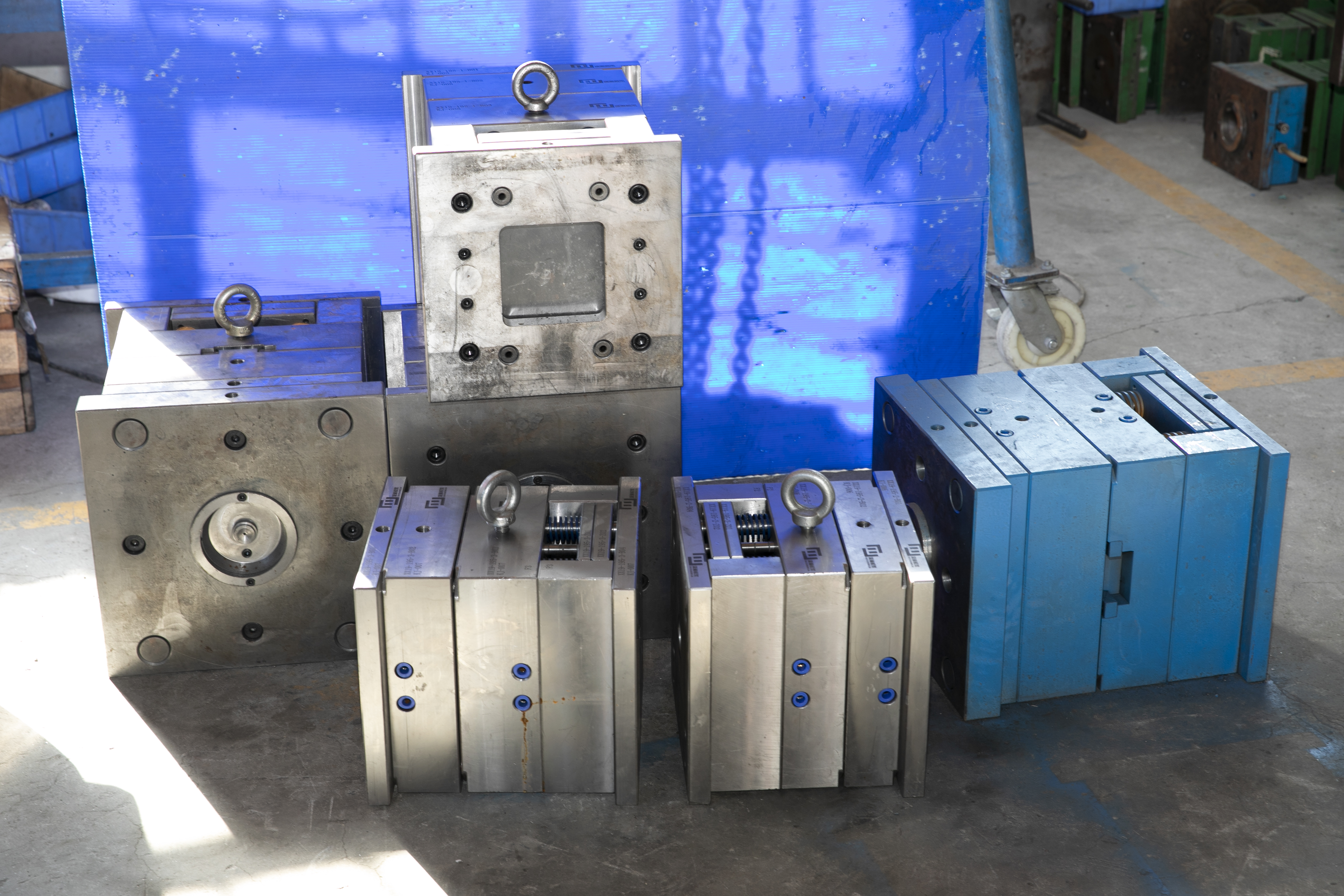
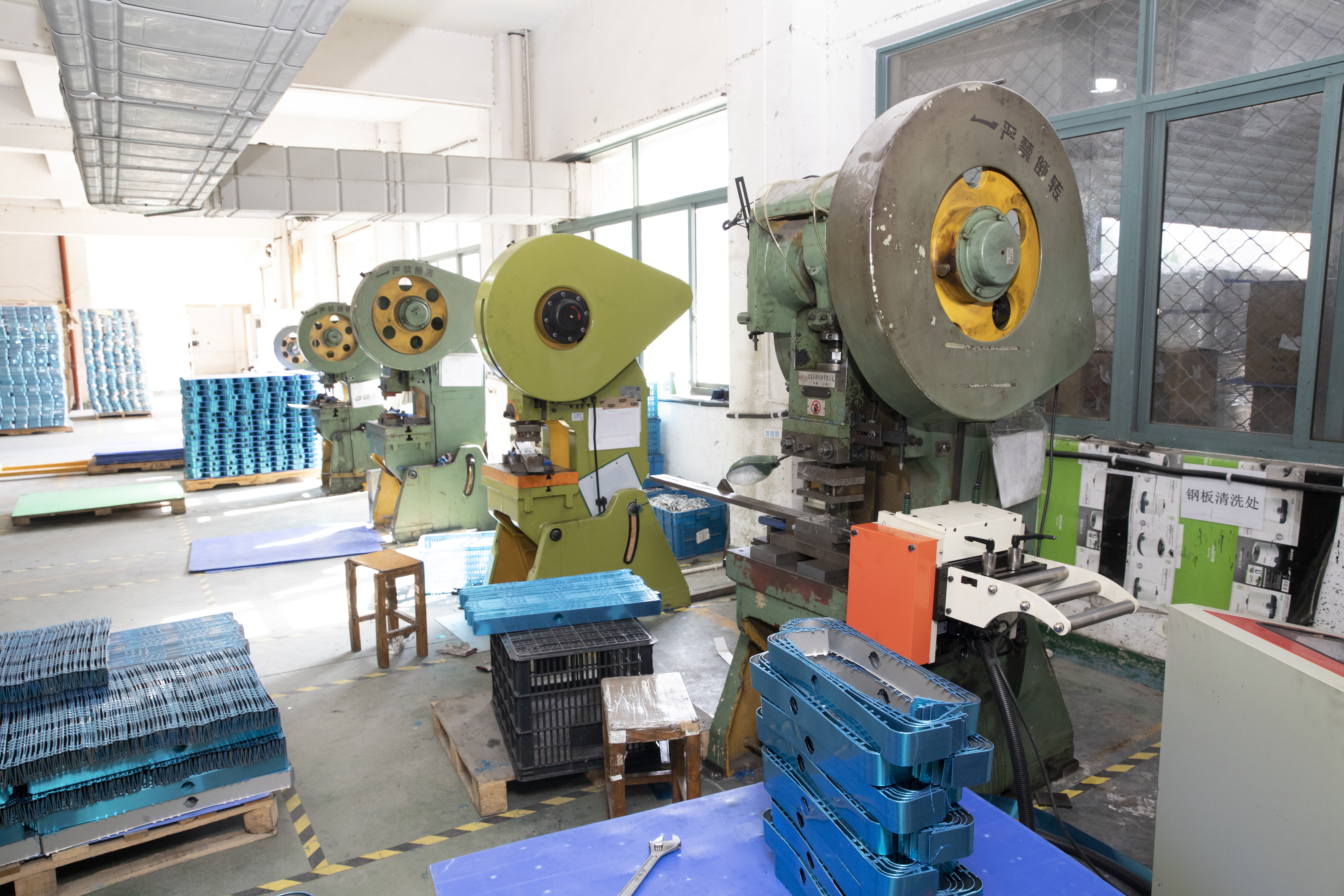
Our main business is the design and manufacturing of plastic moulds, plastic products, and metal components. Over 90% of our products are exported to global markets including America, Europe, Germany, Japan, and Australia.
As the home appliance industry moves toward smart connectivity and sustainable practices, curved plastic moulding is adapting in several key ways:
Rather than assembling separate touch control boards behind a plastic cover, In-Mold Electronics (IME) integrates printed conductive traces and components directly onto a flexible film. This film is inserted into the curved mould cavity before injection. The molten plastic encapsulates the electronics, producing a single, lightweight curved panel with embedded touch controls, LEDs, and antennas. This simplifies the assembly process and enhances reliability by protecting electronics from moisture and dust.
Global environmental regulations and corporate sustainability goals are pushing appliance brands to adopt Post-Consumer Recycled (PCR) resins and bio-based plastics. These materials often exhibit different melt flow indexes (MFI) and shrinkage behavior compared to virgin resins. Moulds must be designed with greater flexibility in terms of gate sizing and venting to handle these sustainable alternatives without compromising the cosmetic appearance of curved surfaces.
Modern curved moulds are increasingly equipped with embedded sensors that monitor cavity pressure, melt temperature, and cooling water flow rates in real-time. By integrating this data with the injection molding machine's control loop, the system can automatically adjust parameters to compensate for batch-to-batch material variations, ensuring consistent part quality and reducing scrap rates to near zero.
Our manufacturing workflow follows a rigorous quality-controlled pipeline to ensure that every curved plastic mould meets exact specifications. Below is a visual representation of our production stages: