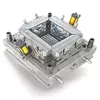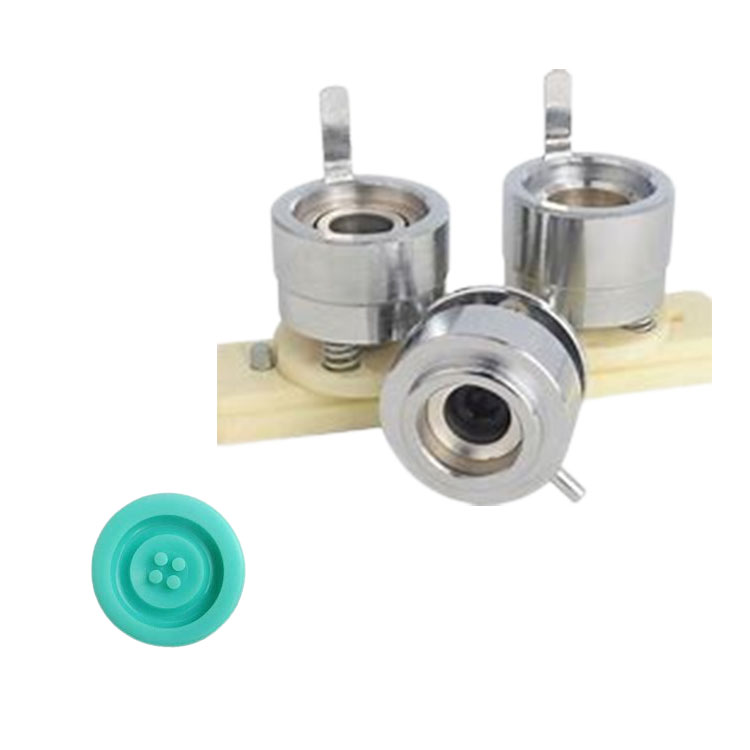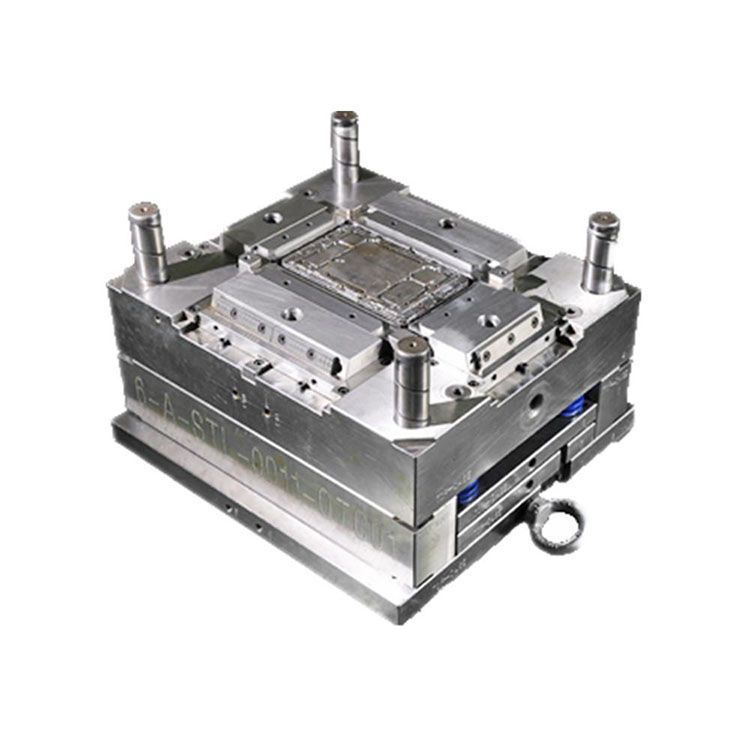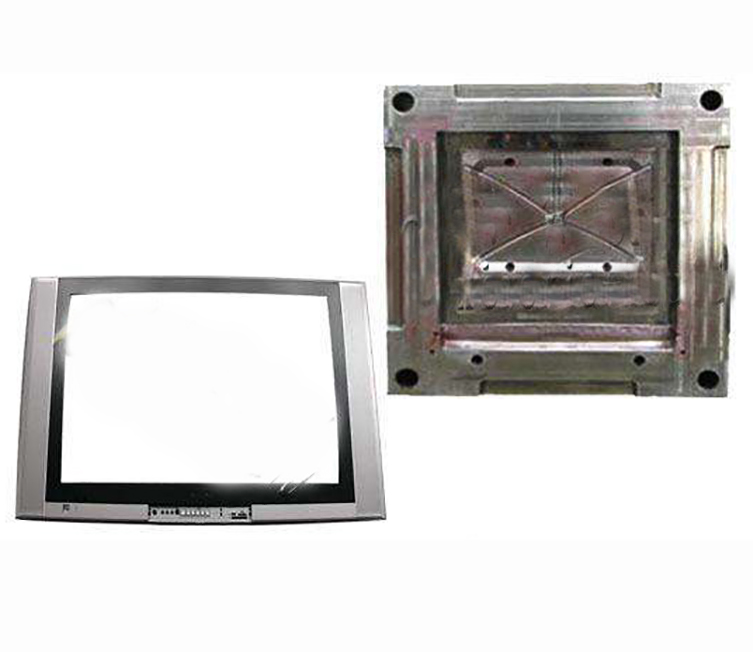
Explore our high-precision computer plastic moulds engineered specifically for optical clarity, structural integrity, and long-term durability in automotive signal light part production.
Signal lights are critical safety devices deployed across automotive, marine, aerospace, rail, and industrial sectors. From the red brake indicators on a vehicle to the flashing warning beacons on industrial machinery, these components demand absolute precision, optical clarity, durability, and weather resistance. At the heart of producing these essential parts is the "Computer Plastic Mould." Advanced computer-integrated manufacturing (CIM), combining Computer-Aided Design (CAD), Computer-Aided Engineering (CAE), and Computer-Aided Manufacturing (CAM), has revolutionized the way signal light moulds are designed, simulated, and fabricated.
Computerized plastic injection moulding has shifted the industry from a trial-and-error craft to a highly predictable, automated science, ensuring zero defect rates in safety-critical optical components.
In the early days of plastic injection moulding, designing a mould was a manual, iterative process prone to human error and trial-and-error adjustments. For signal lights, which require complex optical facets, retroreflectors, and precise light distribution, manual methods were highly inefficient. The introduction of computer plastic moulds transformed the industry. Today, mould design begins with sophisticated CAD software, allowing engineers to create complex three-dimensional models of signal light parts with sub-micron accuracy. CAE software is then used to simulate the injection moulding process. Moldflow analysis predicts how the molten plastic will flow into the cavity, identifying potential issues such as air traps, weld lines, and uneven cooling before any steel is cut. Finally, CAM software translates the digital designs into precise toolpaths for high-speed CNC machining centers, electrical discharge machining (EDM) systems, and wire-cut machines.
Signal light parts are not typical plastic components; they are optical devices. They must transmit, refract, or reflect light in specific patterns defined by regulatory bodies like the Department of Transportation (DOT) in the US or the Economic Commission for Europe (ECE). Consequently, the choice of plastic materials and the design of the computer mould are deeply intertwined. Polymethyl Methacrylate (PMMA / Acrylic) is renowned for its exceptional optical clarity, UV resistance, and scratch resistance, making it the material of choice for outer signal light lenses. However, it is brittle and has a relatively high melt viscosity, requiring highly precise temperature control within the mould. Polycarbonate (PC) is known for its superior impact strength and heat resistance, used for signal lights exposed to harsh environments. PC is susceptible to stress cracking, which means the computer mould must be designed with optimized gate locations and uniform cooling to minimize residual stresses.
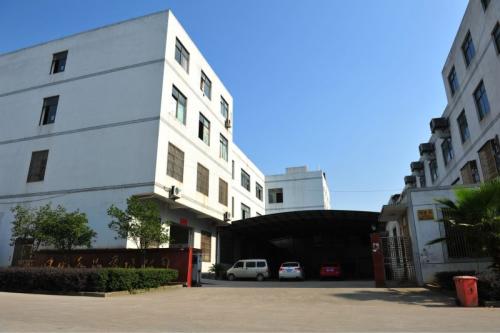
Ningbo P&M PLASTIC METAL PRODUCT CO., LTD is located in Yuyao, the so-called Mould City, Plastic Kingdom, in the southern tip of Hangzhou Bay Bridge, north of Shanghai, the east of Ningbo Port, tight double line of State Road 329 on land, sea and air traffic into a network to facilitate transport. By the abundant technical strength, scientific management methods and good after-sales service, our products are deeply trusted and welcomed by customers from all over the world.
P&M started domestic business in 2008 and opened up the international market in 2014, always adhering to the principle of quality first and time supreme. While providing customers with the best quality products, it maximizes production efficiency and shortens production time. Our main products is design and manufacturing of plastic mold, plastic product, metal product. 90% products of our enterprise are exported to America, Europe, Germany, Japan, Australia, etc.
Why global automotive and warning system brands choose Ningbo P&M for their computer plastic mould manufacturing needs.
Quality pre-sale and after-sales service, contact 24 hours, all-weather open to support your production lines.
Streamlined computerized workflow ensures you can receive the finalized products within 30 days.
All kinds of steel products, engineered materials, and custom-tailored multi-cavity systems.
Products through many processes, careful grinding, and strict ISO-compliant optical inspection.
Modern signal lights often feature multiple colors (e.g., red, amber, and clear) integrated into a single, seamless lens. Achieving this requires advanced multi-shot (or multi-component) injection moulding, a process made possible only through complex computer plastic moulds. In a two-shot (2K) or three-shot (3K) injection moulding process, a single mould contains multiple cavities and a rotating core system. The first material is injected to form the initial part of the lens (e.g., the clear section). The mould then rotates or slides via computer-controlled actuators, and the second material (e.g., red PMMA) is injected over or adjacent to the first part. This process requires extremely tight tolerances—often within a few microns—to prevent "bleeding" between colors and to ensure a strong molecular bond between the different plastics. Computer simulation is indispensable here, allowing engineers to balance the flow rates and cooling times of different materials within the same tool.
One of the primary challenges in signal light part production is warpage and optical distortion caused by uneven cooling. Standard cooling channels, drilled straight through the mould steel, cannot reach the complex curved surfaces of a signal light lens uniformly. To solve this, modern computer plastic moulds utilize conformal cooling channels. These are cooling paths that follow the exact contours of the part cavity, created using advanced additive manufacturing (3D printing) technologies like Selective Laser Melting (SLM) in mould inserts. By placing cooling channels at a uniform distance from the part surface, conformal cooling reduces cycle times by up to 30%, eliminates hot spots, and minimizes thermal stress. This ensures that the signal light lens retains its precise shape and optical properties upon ejection, eliminating the risk of failing photometric tests.
The global automotive lighting market is experiencing rapid growth, driven by the transition from traditional halogen bulbs to Light Emitting Diodes (LEDs) and Organic LEDs (OLEDs). This transition has directly impacted the demand for computer plastic moulds. LED signal lights are smaller, more complex, and require highly intricate light guides and micro-optical structures to distribute light effectively. As a result, mould manufacturers are investing heavily in ultra-precision machining equipment. The market demands shorter lead times and lower costs, prompting mould makers to adopt automated "lights-out" manufacturing, where CNC machines and EDM systems run 24/7 guided by computerized scheduling systems. Geographically, regions like Yuyao, China—known as the "Mould City" and "Plastic Kingdom"—have become global hubs for this technology, combining dense supply chains, skilled engineering talent, and state-of-the-art manufacturing facilities to serve clients worldwide.
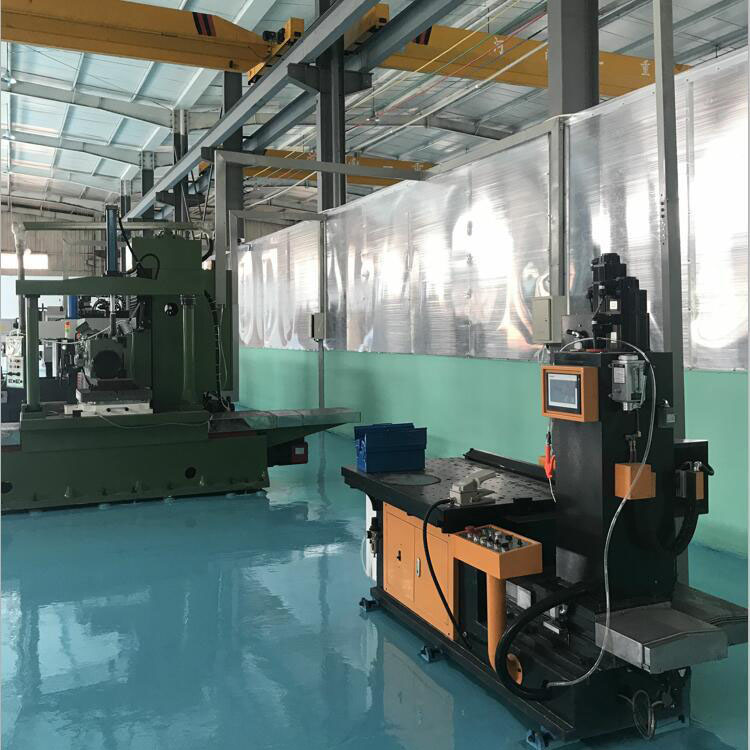
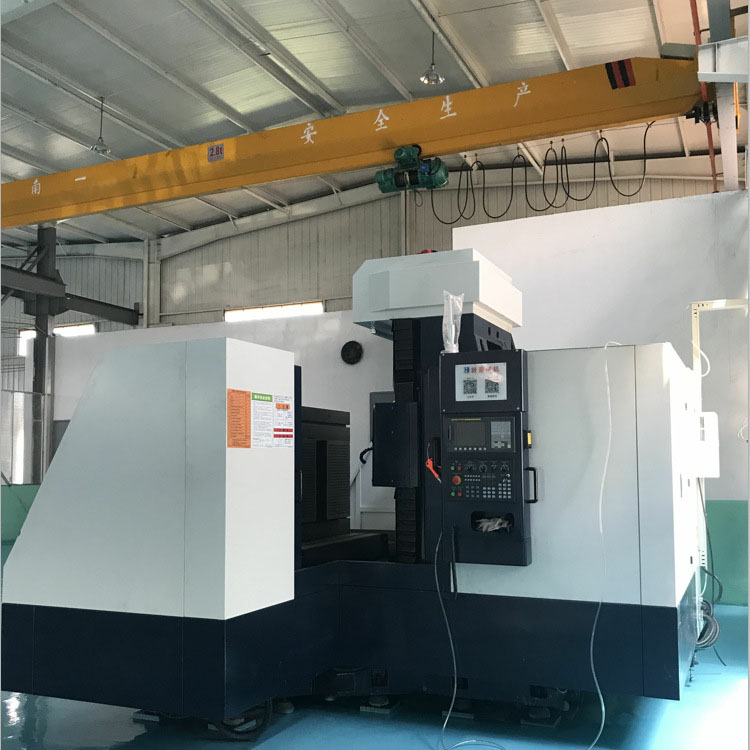
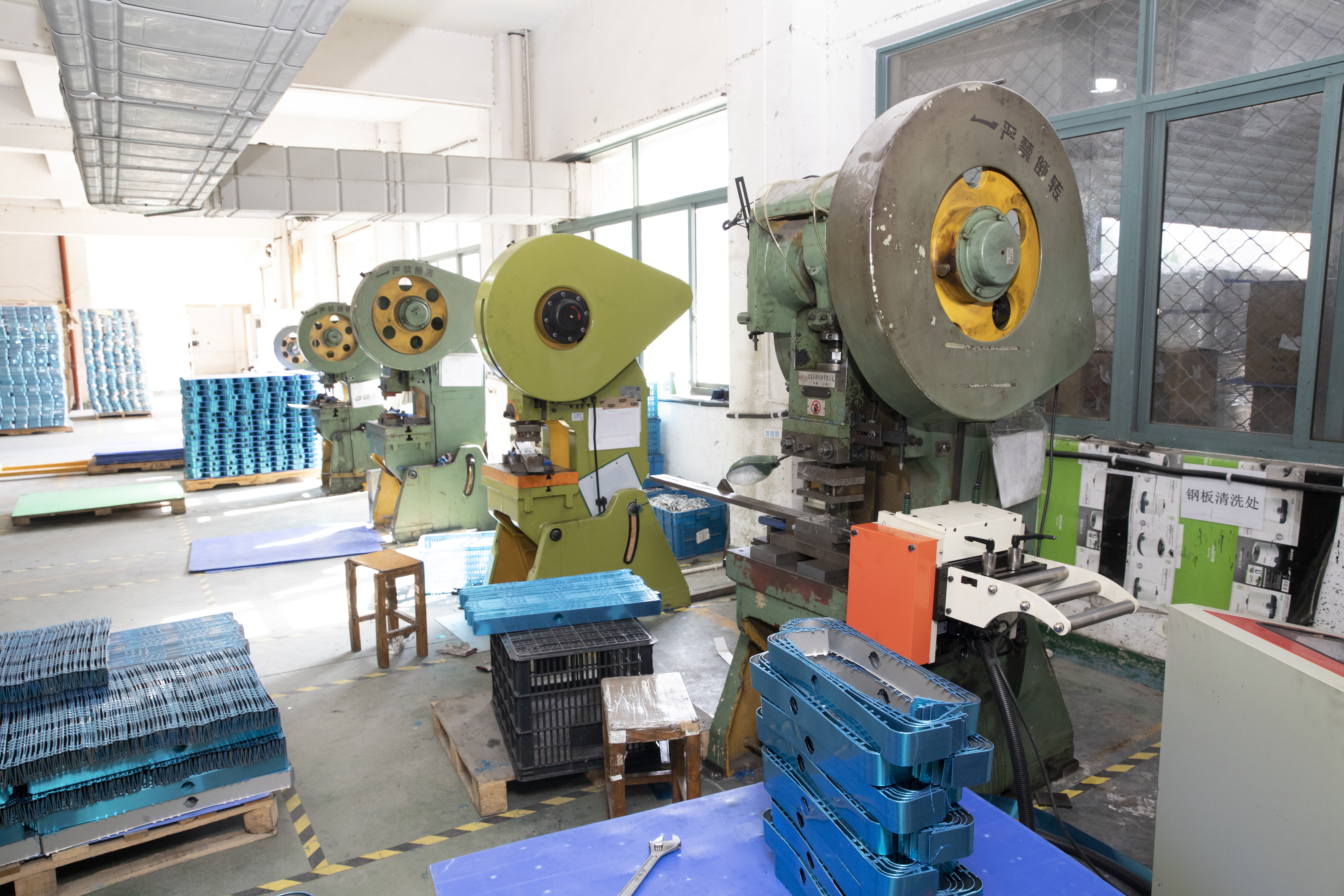
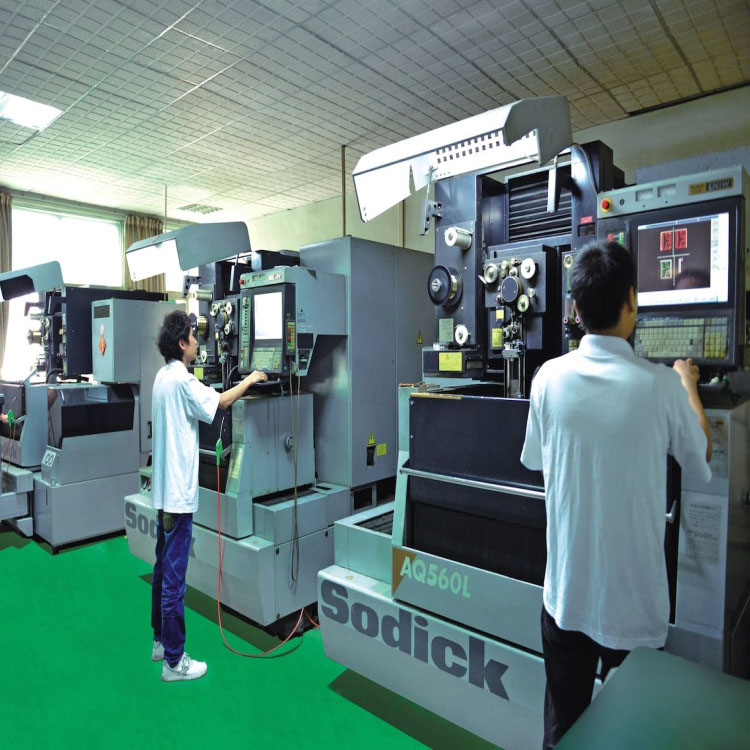
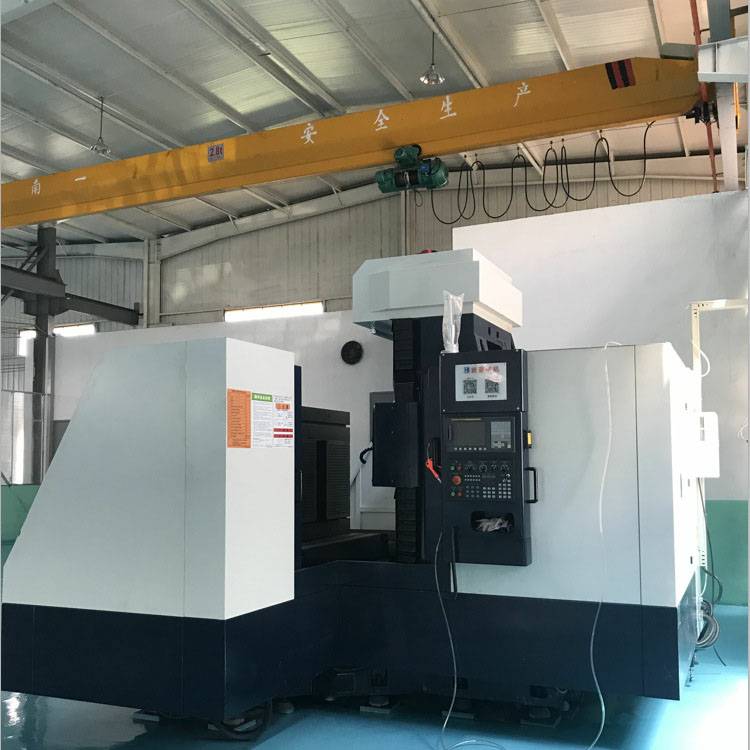
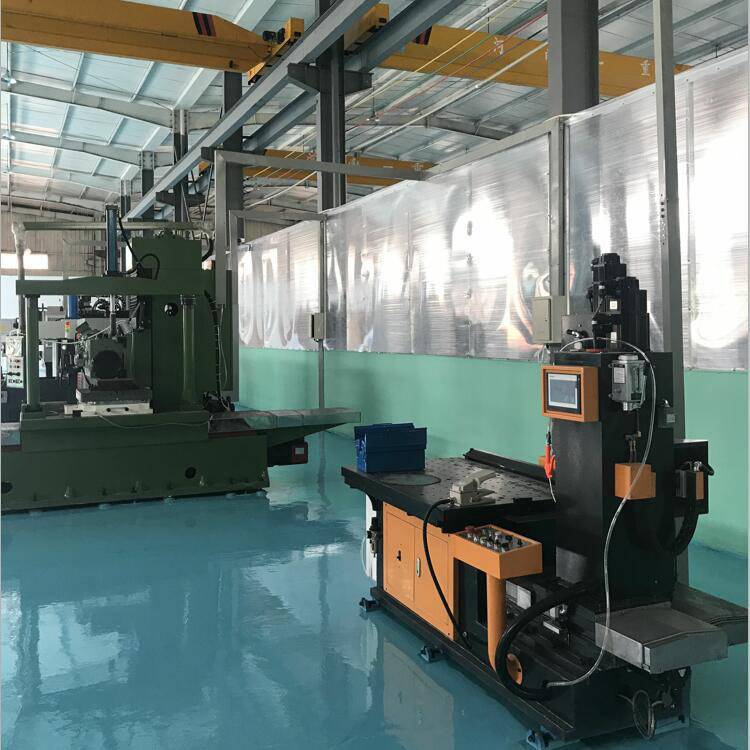
Take a virtual tour of our state-of-the-art manufacturing facility equipped with advanced computer-aided design and CNC machining centers.
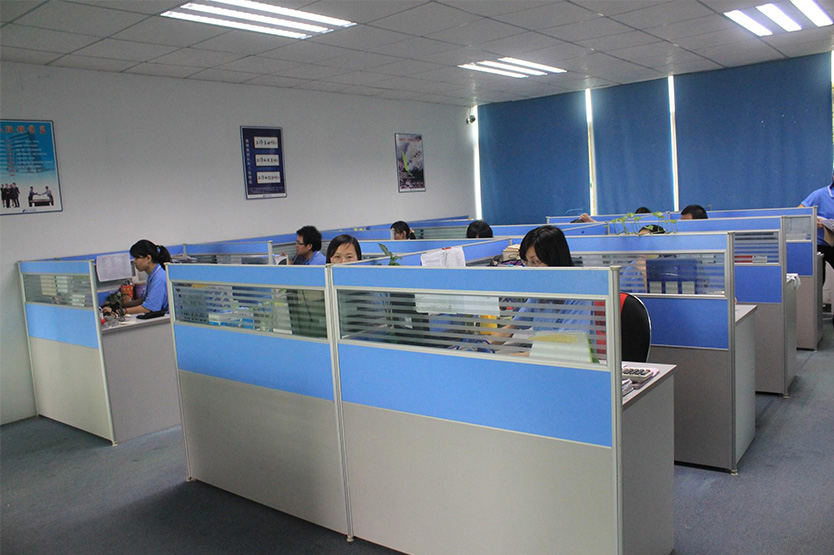
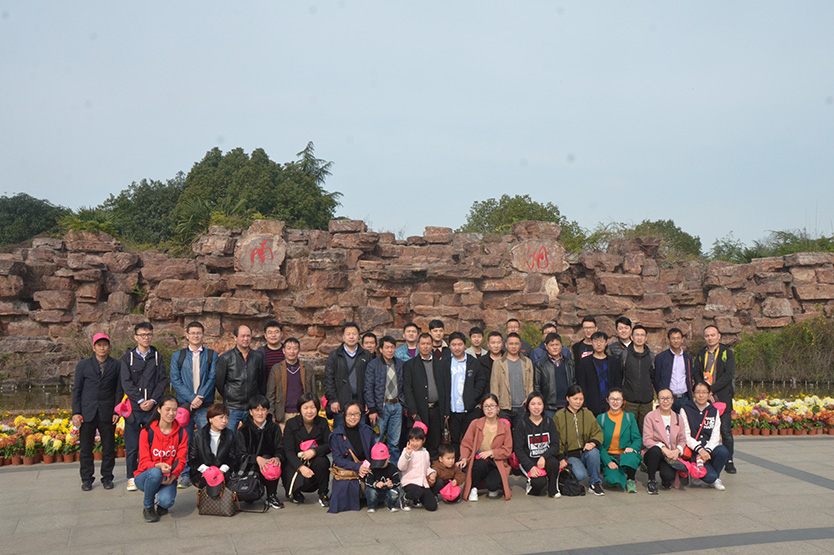
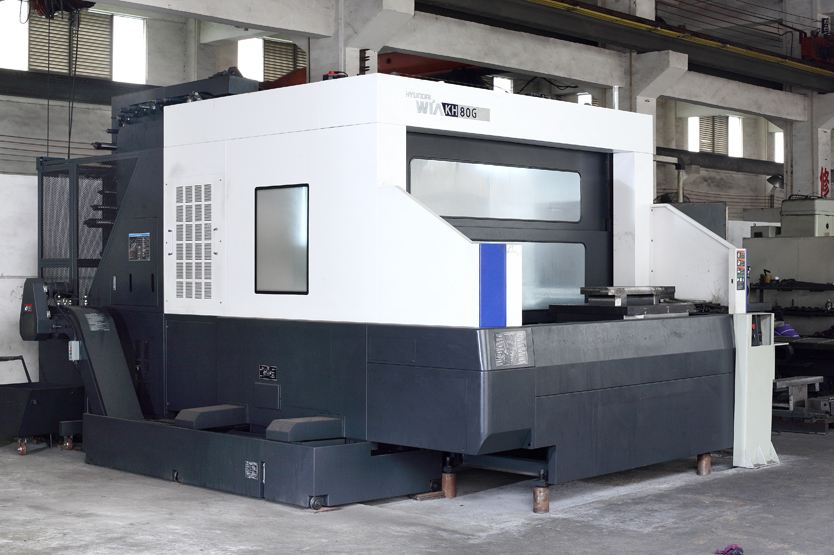
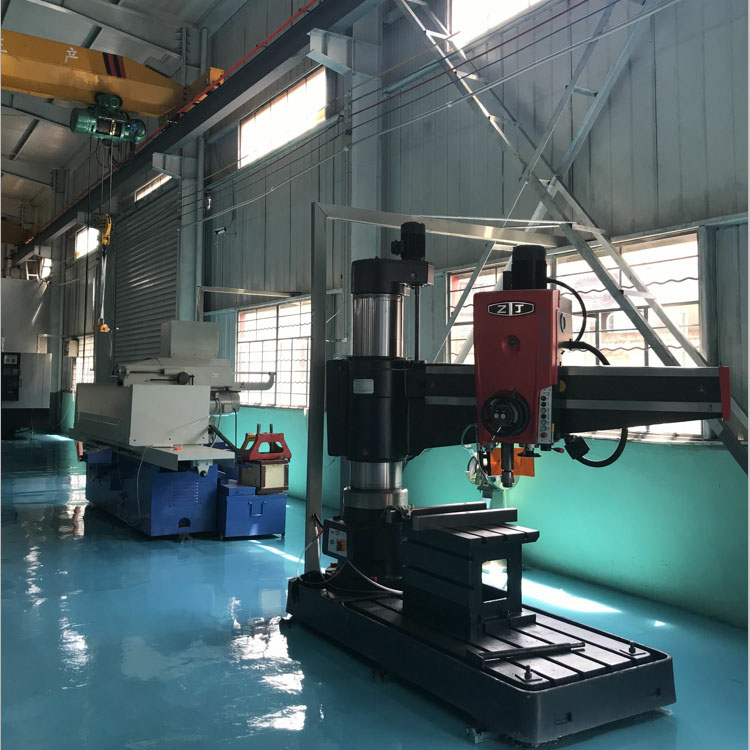
The future of computer plastic moulds lies in smart manufacturing and Internet of Things (IoT) integration. "Smart moulds" are equipped with embedded sensors that measure cavity pressure, melt temperature, mould temperature, and vibration in real-time. These sensors transmit data back to the injection moulding machine's control computer. If the pressure deviates from the optimal curve, the machine automatically adjusts its injection speed or holding pressure to compensate, preventing defects before they occur. This closed-loop control system reduces scrap rates to near zero, which is critical for high-volume signal light production. Furthermore, predictive maintenance algorithms analyze sensor data to predict when a mould requires cleaning or maintenance, preventing costly unplanned downtime.
As environmental regulations tighten globally, the plastic moulding industry is adapting to support sustainable manufacturing. This includes designing moulds that can handle recycled plastics or bio-based polymers without sacrificing the structural or optical performance of the finished signal light parts. Since recycled resins often have different shrinkage rates and flow characteristics compared to virgin materials, computer simulation plays an even larger role. Engineers use advanced CAE programs to test virtual materials and adjust the mould geometry accordingly. Furthermore, energy-efficient injection moulding machines and optimized cooling cycles within the computerized tools help reduce the overall carbon footprint of the production process, aligning with global corporate sustainability goals.
Choosing the right mould maker is a strategic decision that affects product quality, time-to-market, and overall manufacturing costs. A full-service partner like Ningbo P&M Plastic Metal Product Co., Ltd. offers significant advantages by handling the entire lifecycle of the project under one roof. From initial product design consultation and Moldflow analysis to CNC machining, EDM, trial runs, and final high-volume production, a unified team ensures that nothing is lost in translation. This end-to-end control minimizes lead times, guarantees consistent quality, and provides clients with a single point of accountability. Whether you are producing complex automotive headlamps, emergency vehicle lightbars, or industrial indicator lights, a partner with deep expertise in computer plastic moulds is essential for success.
Our complete computerized workflow, from design simulation to high-volume injection moulding and strict quality control.

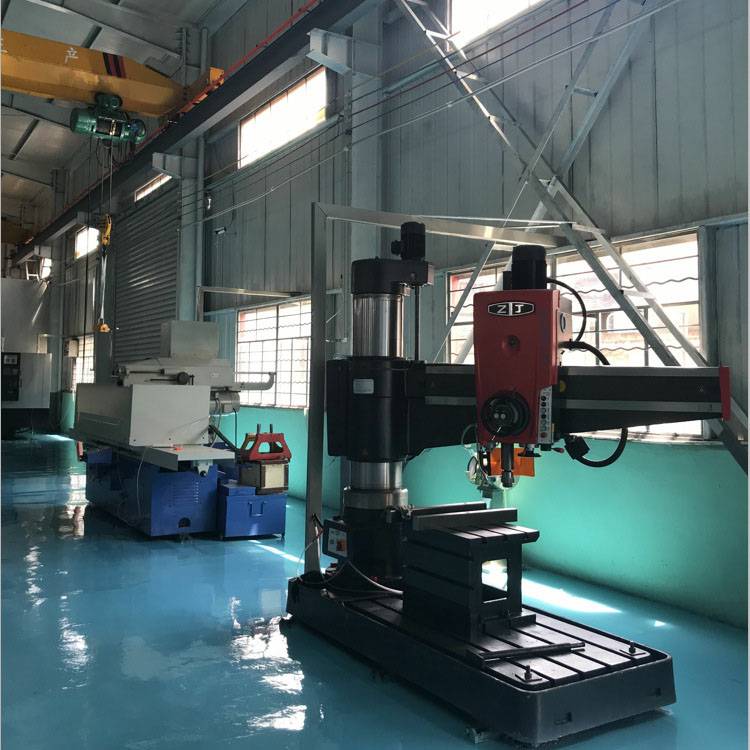
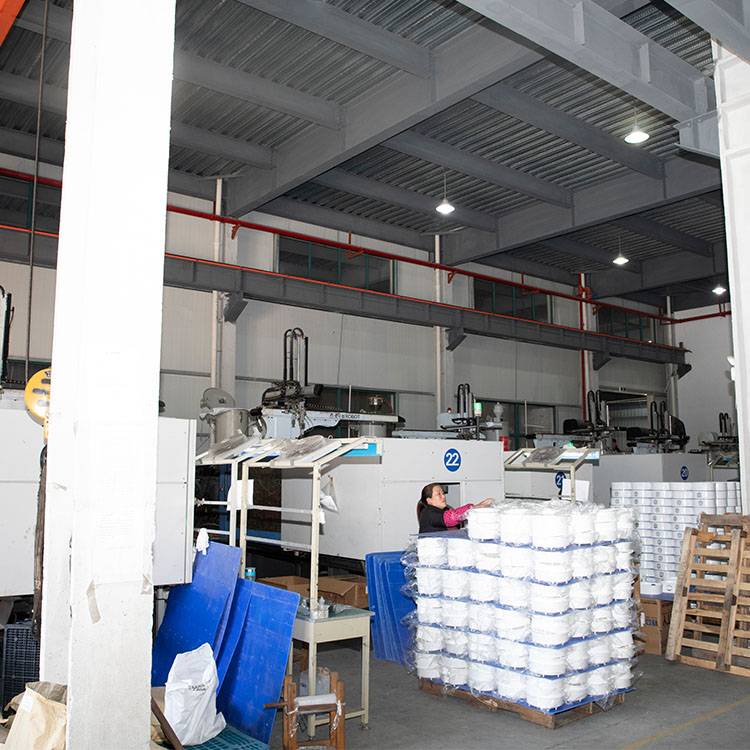
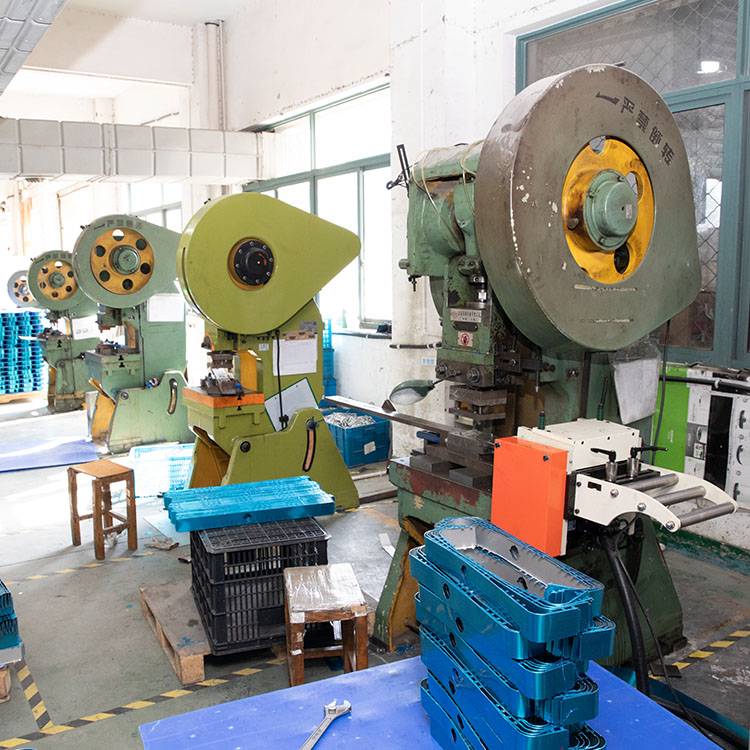
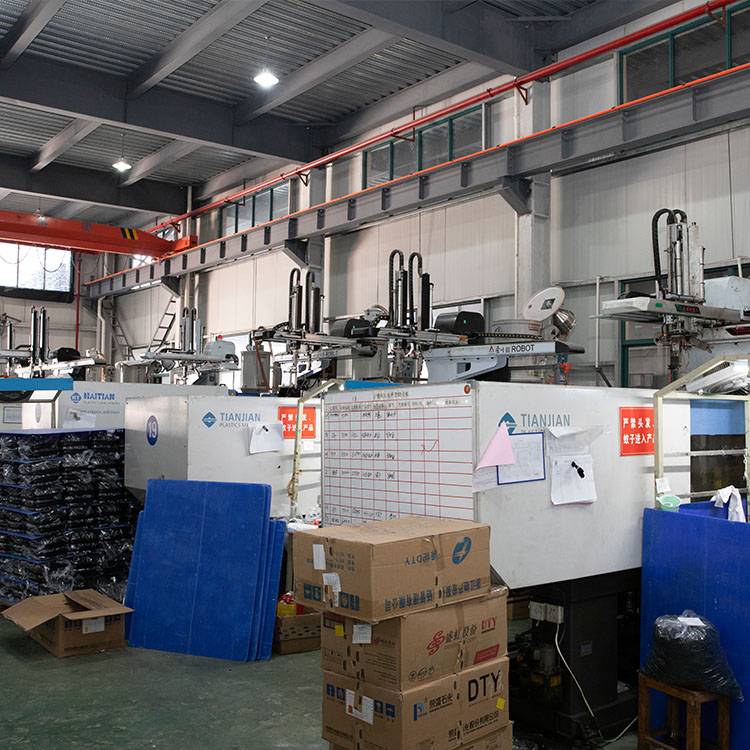
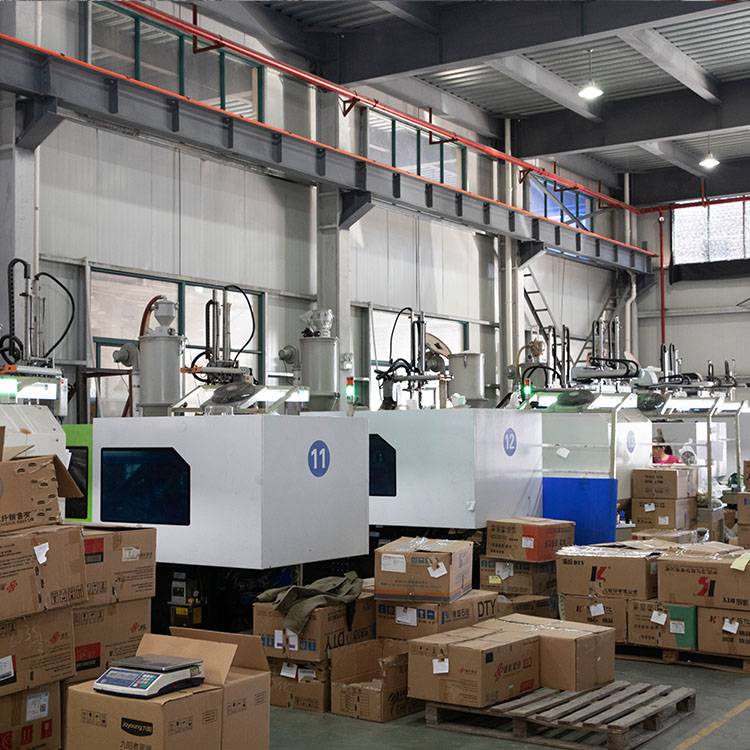
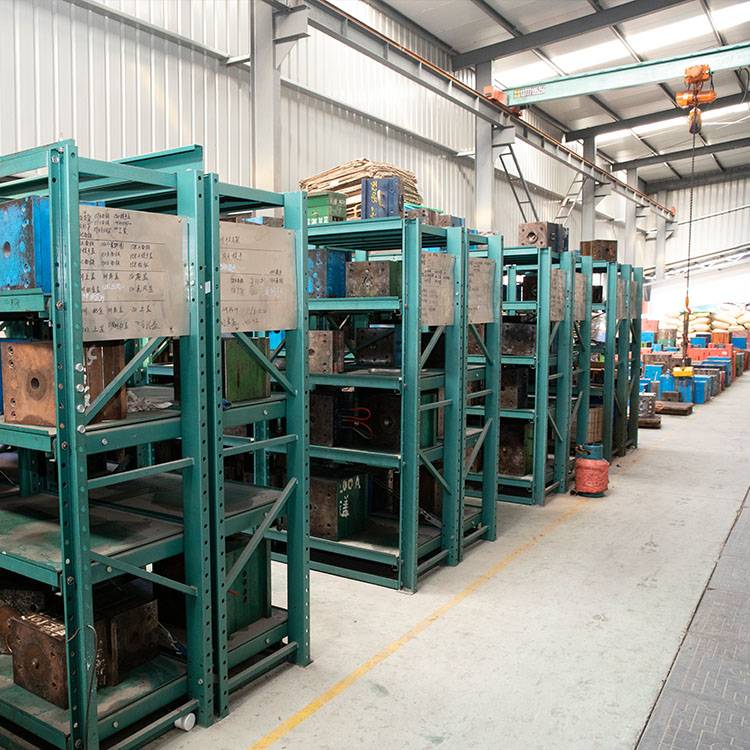
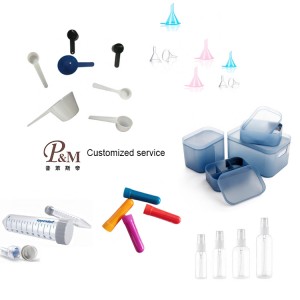
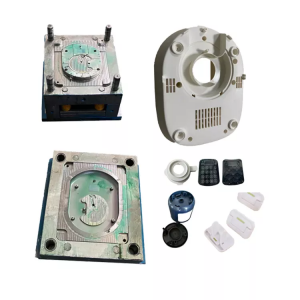
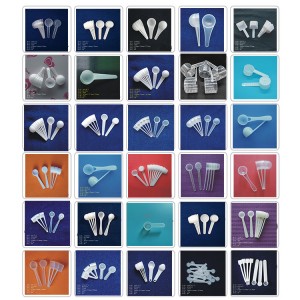
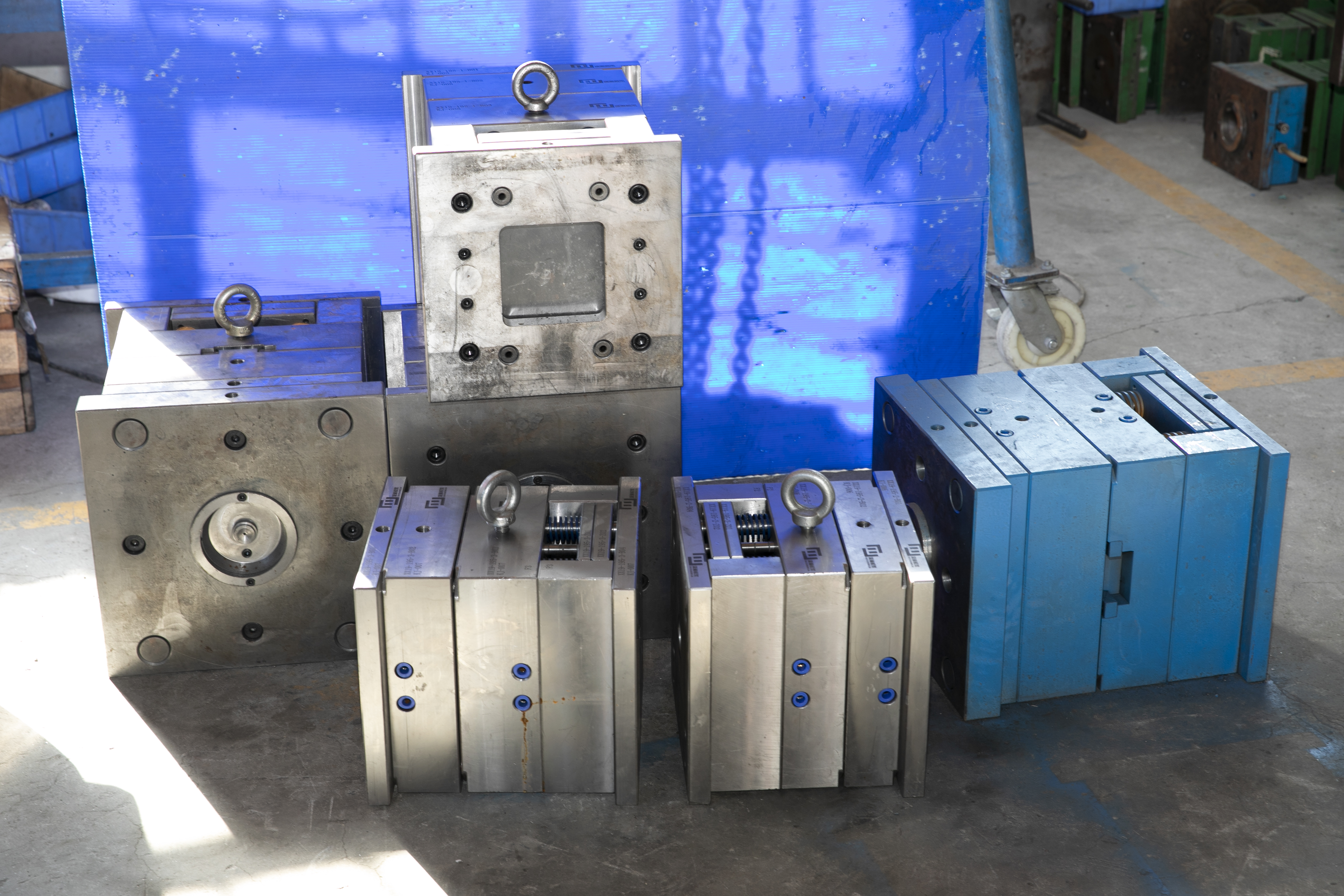
We provide a wide range of custom computerized moulds and high-quality plastic components to meet diverse industrial specifications.