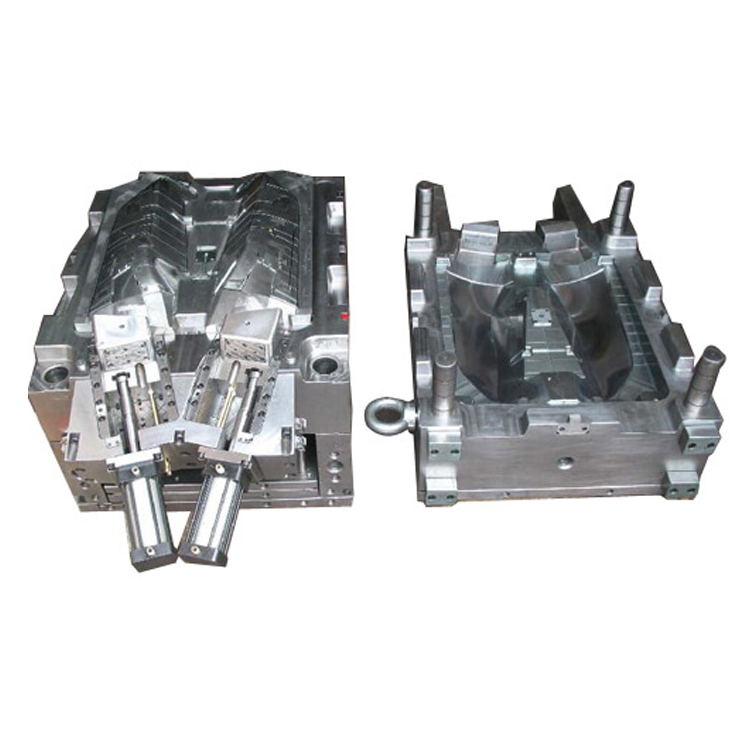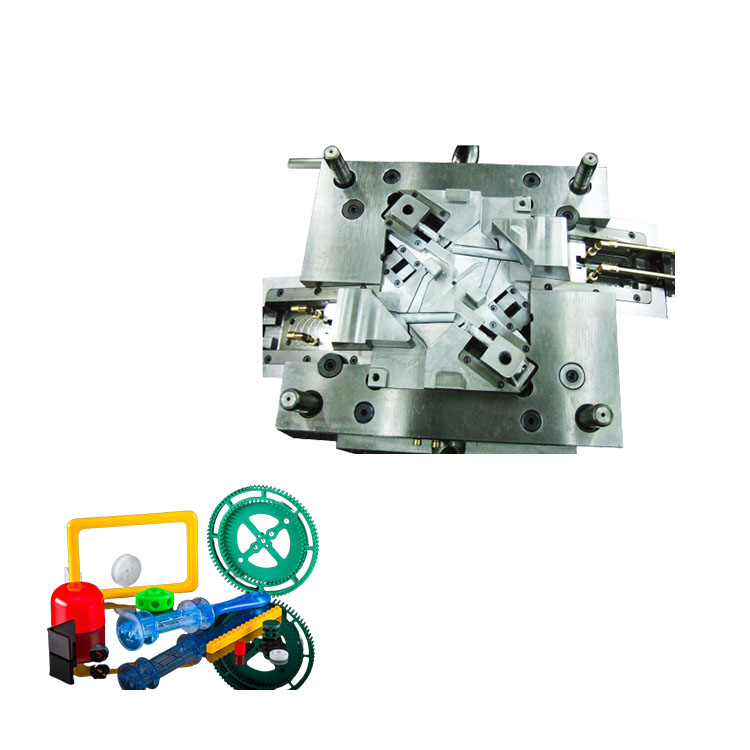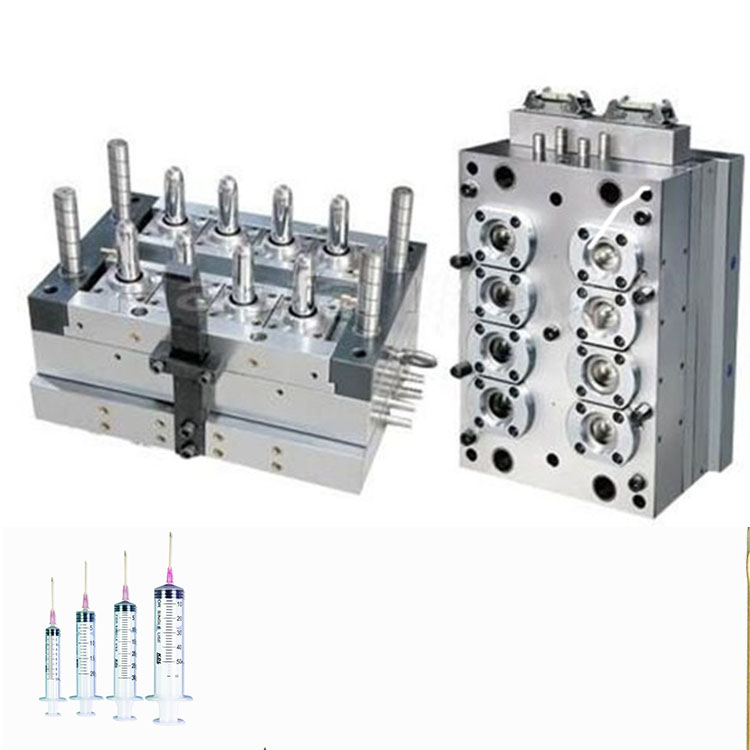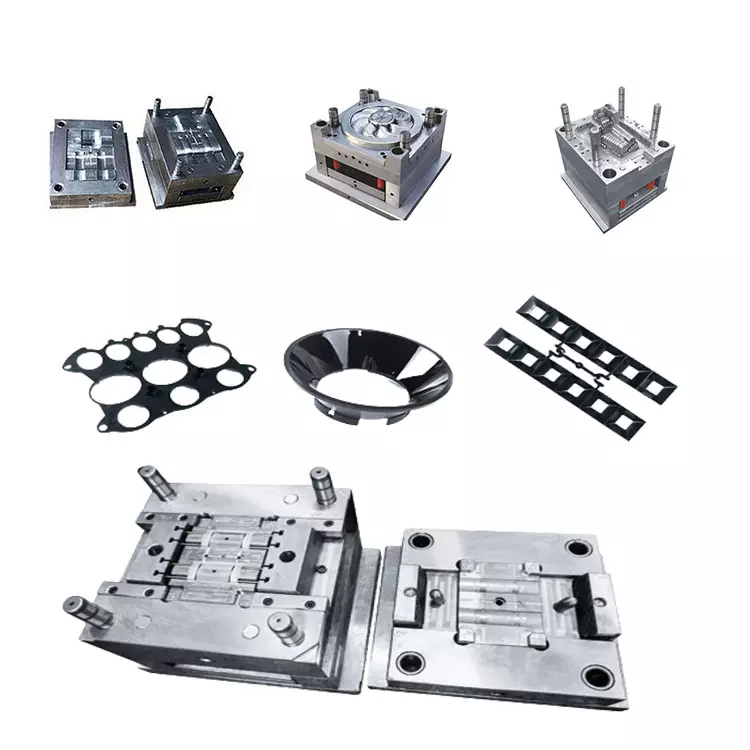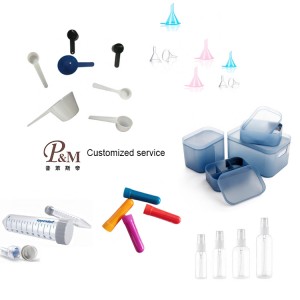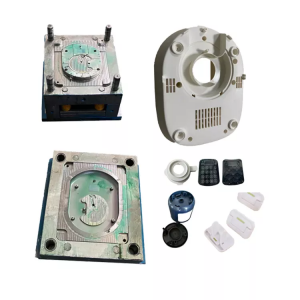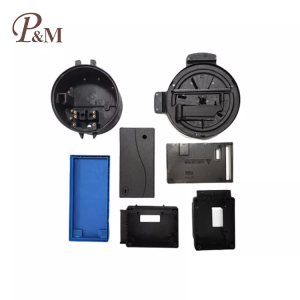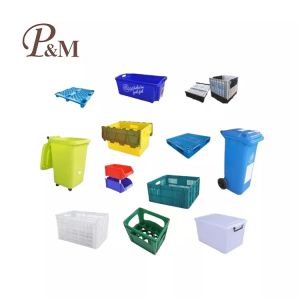
High-performance plastic injection moulds designed for structural stability and precision concrete casting forming.
Concrete casting has evolved significantly from basic structural pouring to highly intricate architectural art. Central to this transformation is the technology of formwork and mould design. Historically, timber and steel were the dominant materials for creating concrete moulds. However, the modern construction industry demands higher precision, repeatability, and complex aesthetic details that traditional materials struggle to deliver economically. This is where carved plastic moulding for concrete casting forming steps in. By utilizing advanced engineering plastics like ABS, polypropylene (PP), and polyurethane, combined with state-of-the-art injection molding and CNC carving techniques, manufacturers can produce highly detailed, reusable, and lightweight moulds.
"The shift toward carved plastic moulding represents a major leap in architectural freedom, allowing designers to cast complex textures, curves, and patterns directly onto concrete surfaces with unprecedented consistency."
In the global construction and precast concrete market, efficiency and sustainability are driving rapid adoption of plastic moulds. The market is transitioning away from single-use plywood forms due to rising lumber costs and environmental regulations. Carved plastic moulds offer a compelling return on investment (ROI) because they can be reused dozens, or even hundreds, of times without losing dimensional stability. From a commercial standpoint, the demand for textured and patterned concrete facades in commercial buildings, residential complexes, and public infrastructure is at an all-time high. Architectural concrete is no longer just structural; it is a primary design element.
Ningbo P&M Plastic Metal Product Co., Ltd., located in the prominent "Mould City" of Yuyao, China, has witnessed this shift firsthand. By integrating advanced mold design with automated production, the company provides high-performance plastic moulding solutions that cater to international standards. The export-driven nature of this industry—with over 90% of premium plastic moulds being shipped to North America, Europe, Japan, and Australia—highlights the global demand for precision-engineered casting solutions. Developers and contractors are increasingly partnering with specialized plastic injection molding manufacturers to create custom-carved moulds that reduce labor costs on-site, minimize concrete leakage, and eliminate the need for expensive post-casting surface finishing.
Why global construction and precast leaders choose Ningbo P&M Plastic Metal Product Co., Ltd.
The versatility of carved plastic moulding allows it to be used in a wide range of highly demanding application scenarios across different sectors of the construction industry:
Modern urban architecture heavily features textured concrete panels. Carved plastic moulds allow designers to cast concrete with wood-grain textures, stone patterns, geometric reliefs, or custom artistic designs. These panels are cast in controlled precast factories using plastic moulds, ensuring consistent quality and rapid installation on-site. The lightweight nature of plastic moulds makes handling and demoulding much easier compared to heavy steel forms.
In projects like highway retaining walls, bridge abutments, and sound barriers, concrete is exposed to public view. Carved plastic form liners are used to cast aesthetic patterns that prevent vandalism (like graffiti) and improve visual appeal. Furthermore, plastic moulds are crucial for casting concrete drainage channels, manholes, and cable ducts where precise interlocking joints are required.
From interlocking pavers and stamped concrete patios to ornamental columns and balustrades, carved plastic moulds enable mass production of decorative concrete elements. The moulds can capture intricate details, such as classical column fluting or natural slate textures, allowing concrete to mimic high-end natural stone at a fraction of the cost.
When restoring heritage concrete buildings, replicating the original hand-carved stone or plaster ornaments is a major challenge. Using 3D scanning and CNC carving, manufacturers can create precise plastic injection moulds that replicate historical details. Precast concrete elements cast from these moulds seamlessly integrate into restoration projects, preserving historical aesthetics with modern structural integrity.
Ningbo P&M PLASTIC METAL PRODUCT CO., LTD is located in Yuyao, the so-called Mould City, Plastic Kingdom, in the southern tip of Hangzhou Bay Bridge, north of Shanghai, the east of Ningbo Port. With tight double line of State Road 329 on land, sea and air traffic into a network, we enjoy highly facilitated transport conditions.
By utilizing our abundant technical strength, scientific management methods, and excellent after-sales service, our products are deeply trusted and welcomed by customers from all over the world. P&M started domestic business in 2008 and opened up the international market in 2014, always adhering to the principle of quality first and time supreme. While providing customers with the best quality products, we maximize production efficiency and shorten lead times.
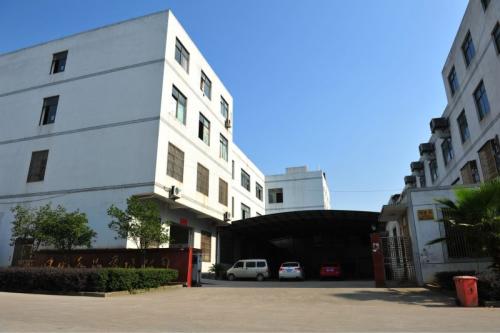
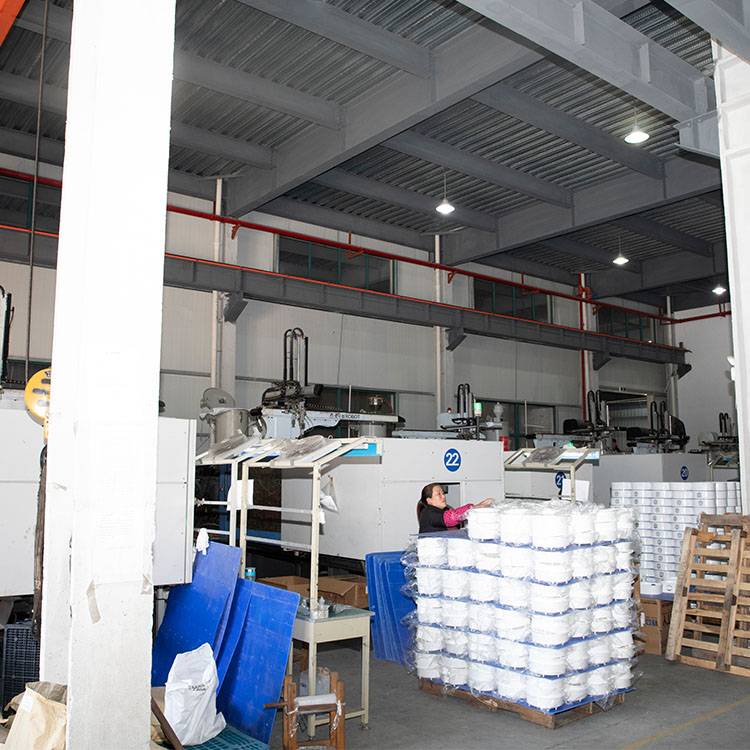
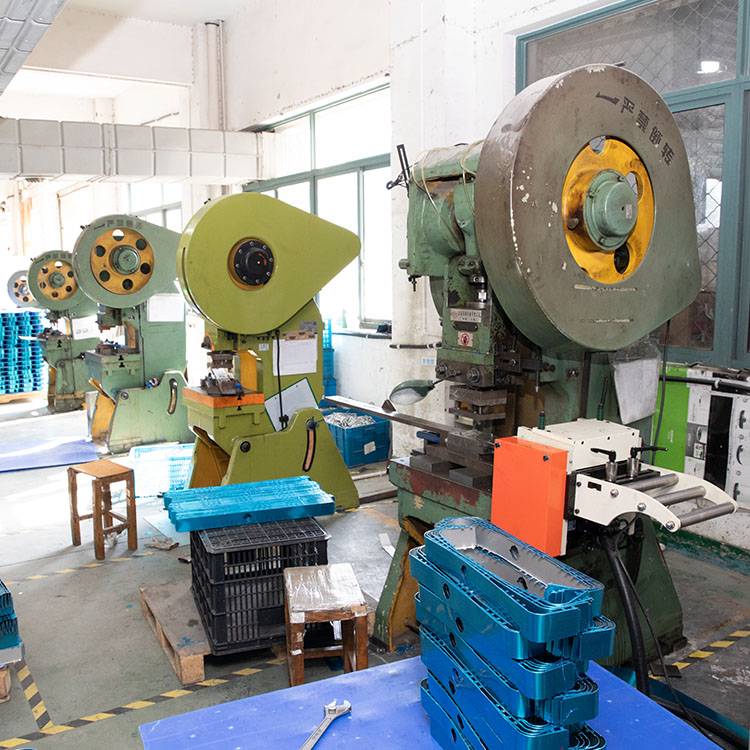
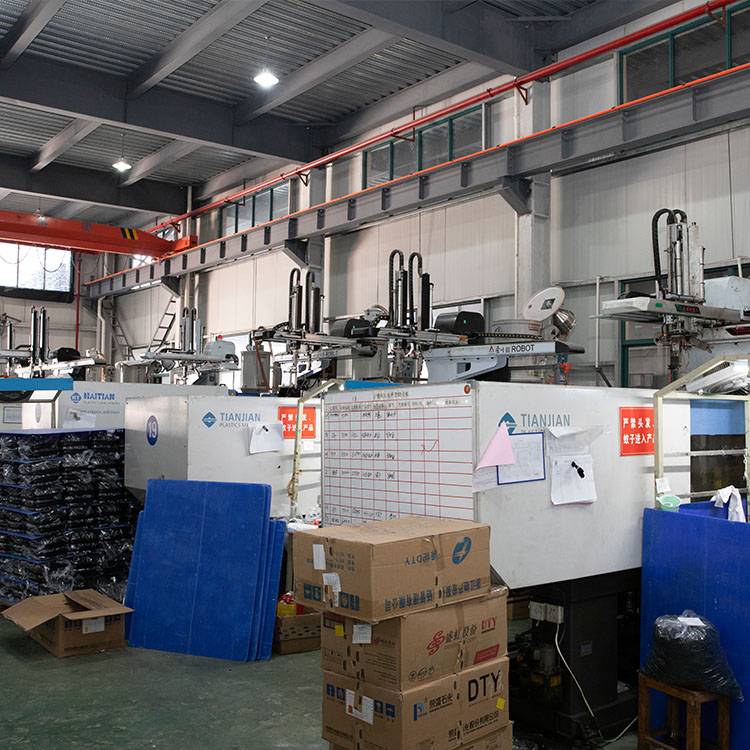
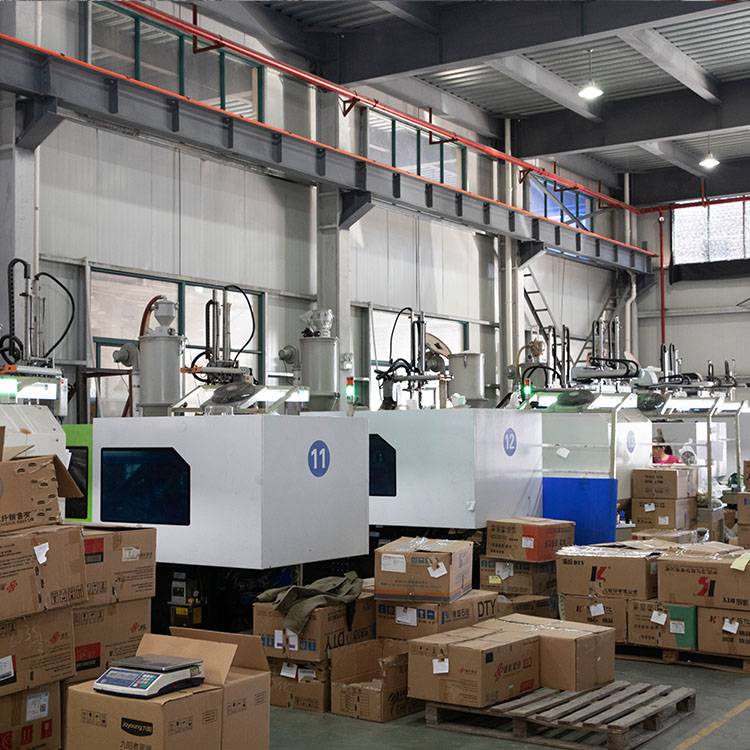
Our manufacturing plant is equipped with advanced injection molding machines, CNC machining centers, and automated assembly lines to ensure high-volume, high-precision production of plastic and metal products.
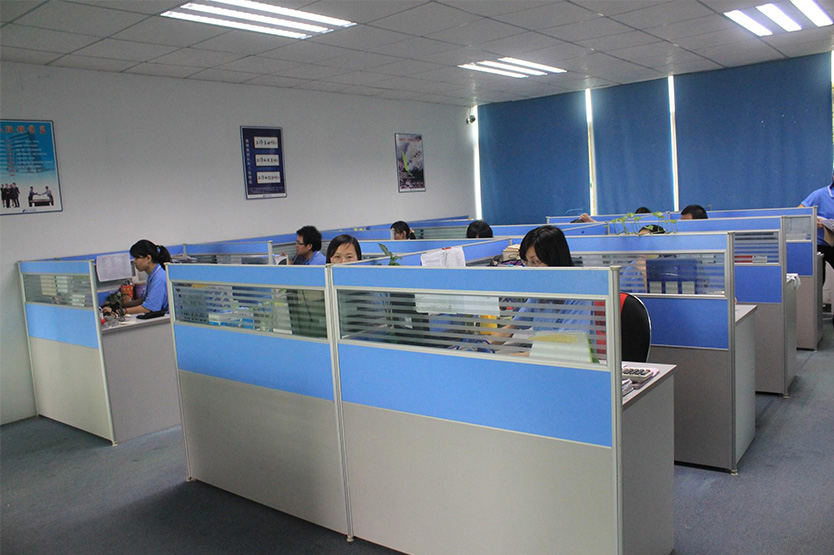
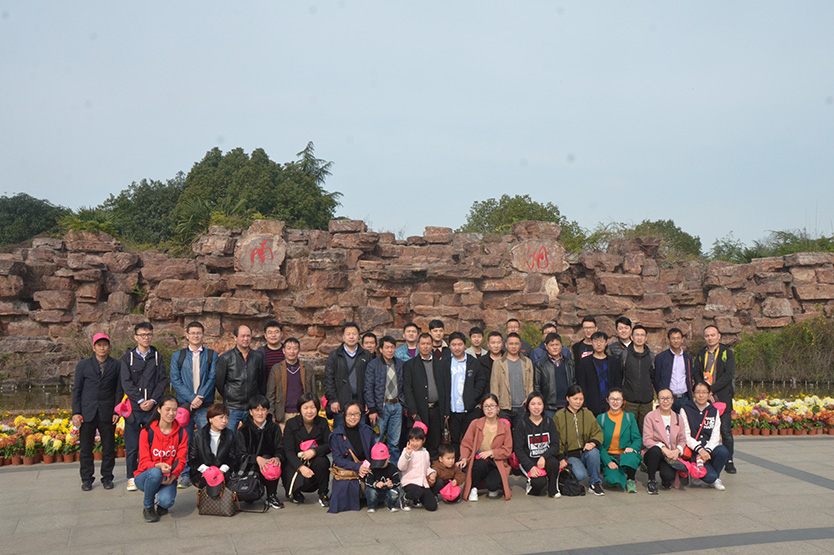
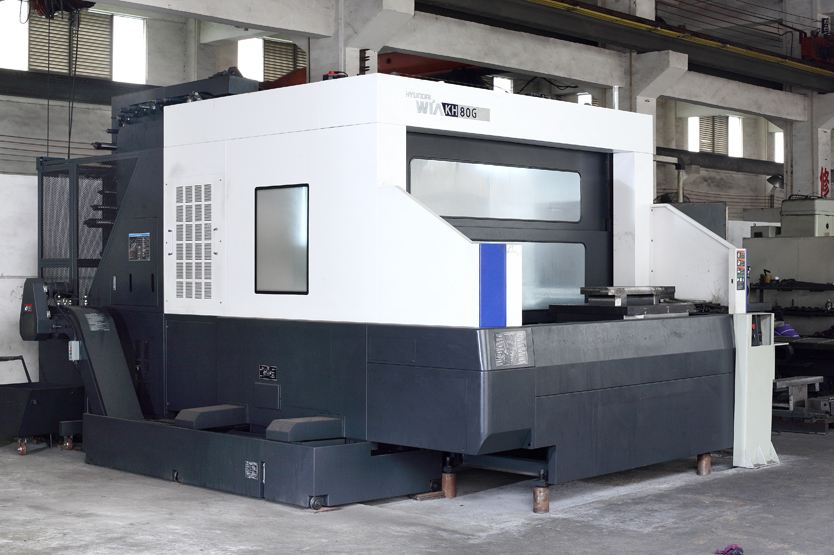
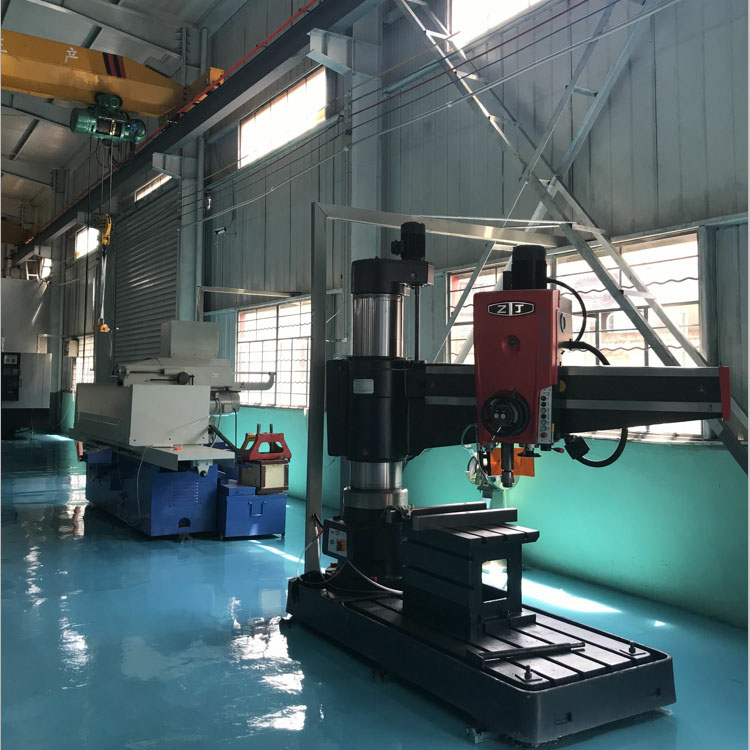
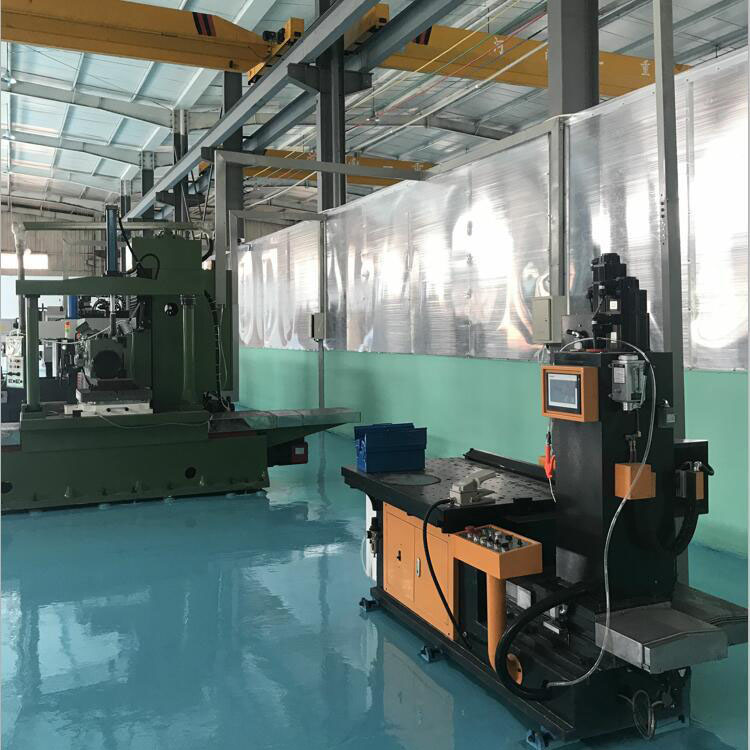
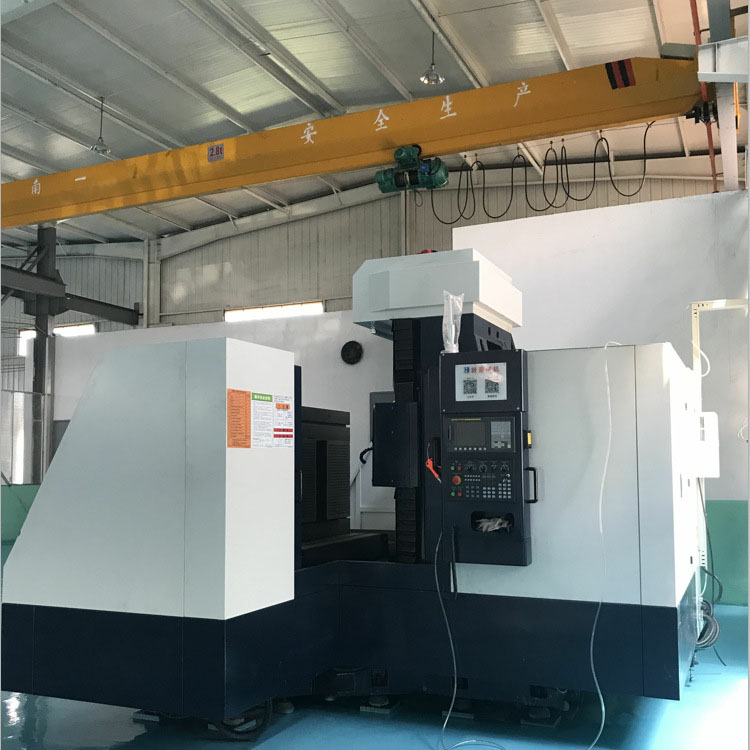
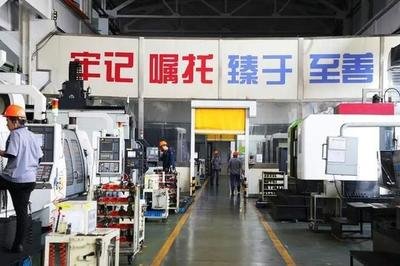
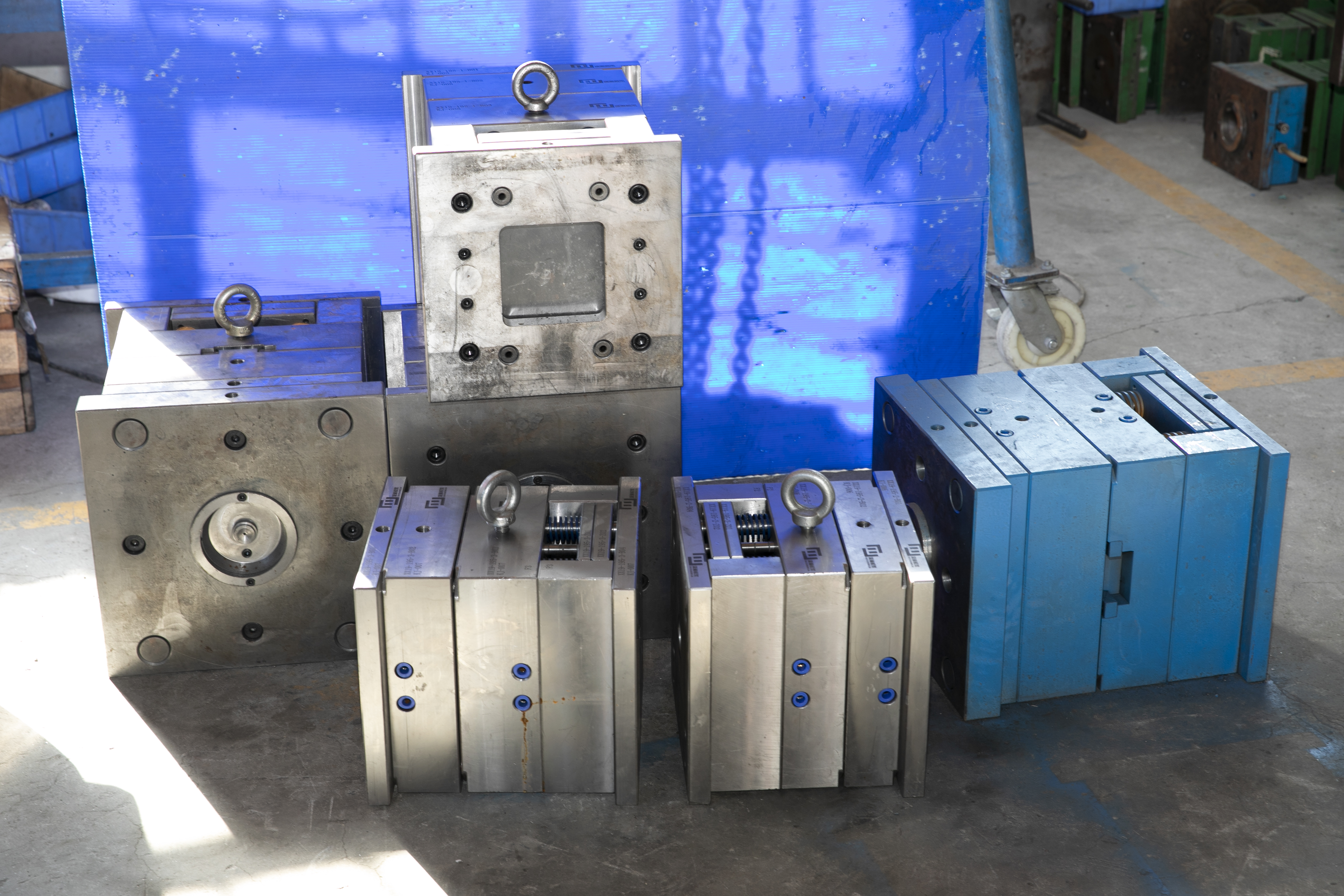
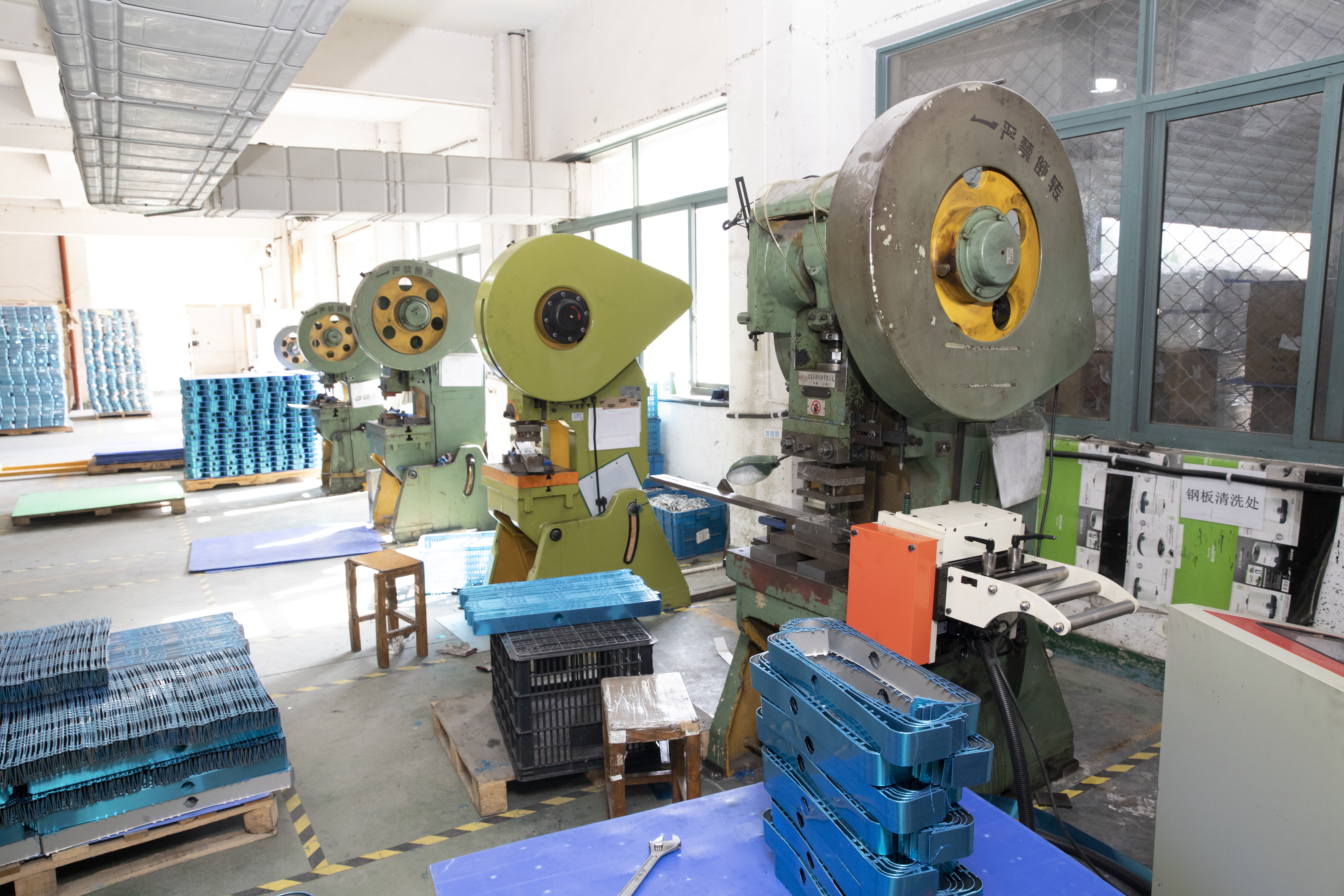
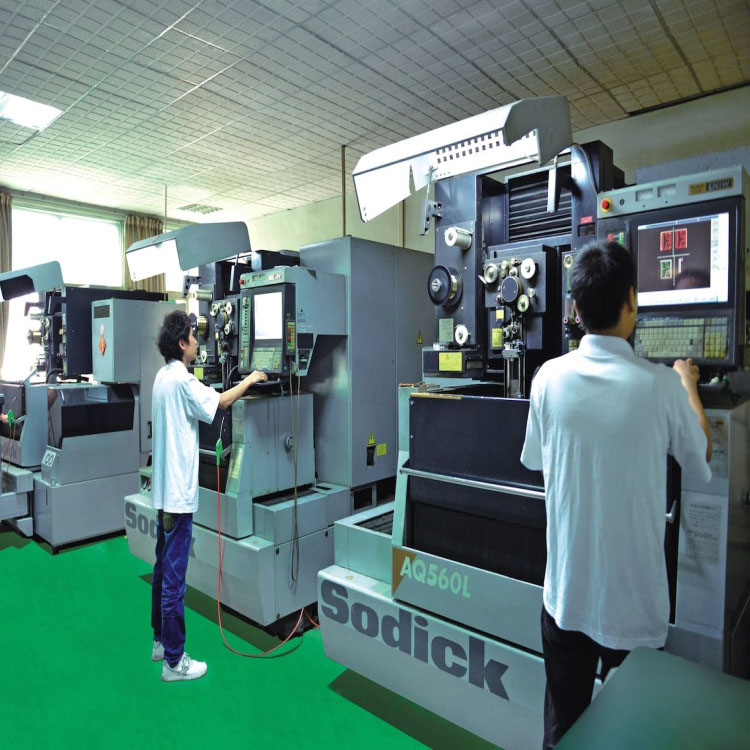
Our main products include the design and manufacturing of plastic molds, plastic products, and metal products. Over 90% of our production is exported to the United States, Europe, Germany, Japan, Australia, and other developed markets, meeting rigorous industrial standards worldwide.
Learn More About UsWhen compared to conventional steel and timber formwork, carved plastic moulding offers distinct advantages that enhance construction quality and lower total project costs:
As the construction industry moves towards Industry 4.0, carved plastic moulding is evolving alongside digital technologies. One of the most exciting trends is the integration of 3D printing with injection molding. Manufacturers can now 3D print custom mould inserts for short-run prototype castings, bypassing the cost of traditional steel tooling.
Another key trend is the development of bio-based and recycled plastics. To meet carbon-neutral goals, leading mould manufacturers are formulating plastic compounds derived from post-consumer recycled plastics or biodegradable resins that maintain the durability required for concrete casting. Furthermore, "smart moulds" are emerging. These moulds are embedded with IoT sensors that monitor the temperature, moisture level, and curing state of the concrete in real-time. This data allows contractors to know exactly when the concrete has reached optimal strength, allowing for safe and rapid mould removal, thereby optimizing construction schedules.
A fully integrated workflow ensuring precision at every step of plastic mould manufacturing.

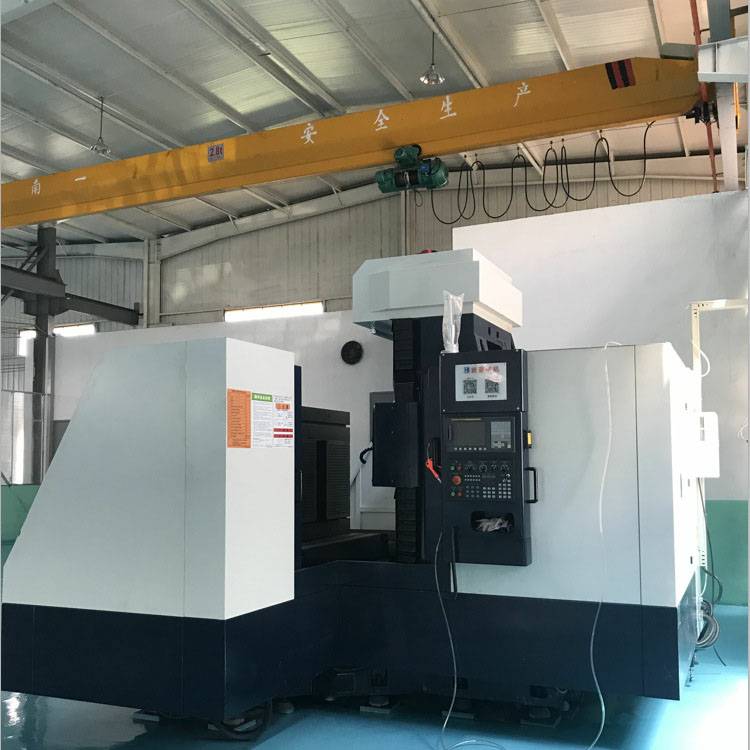
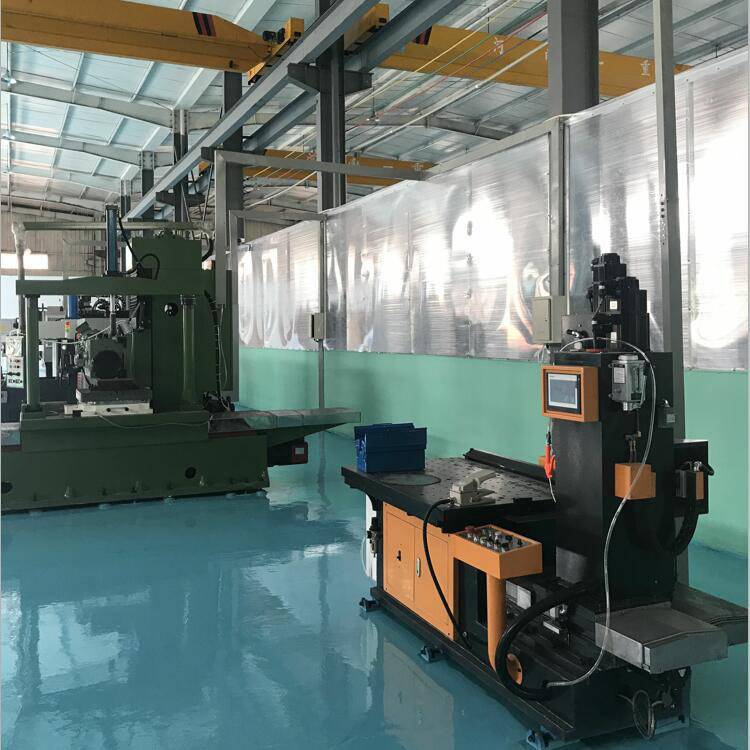
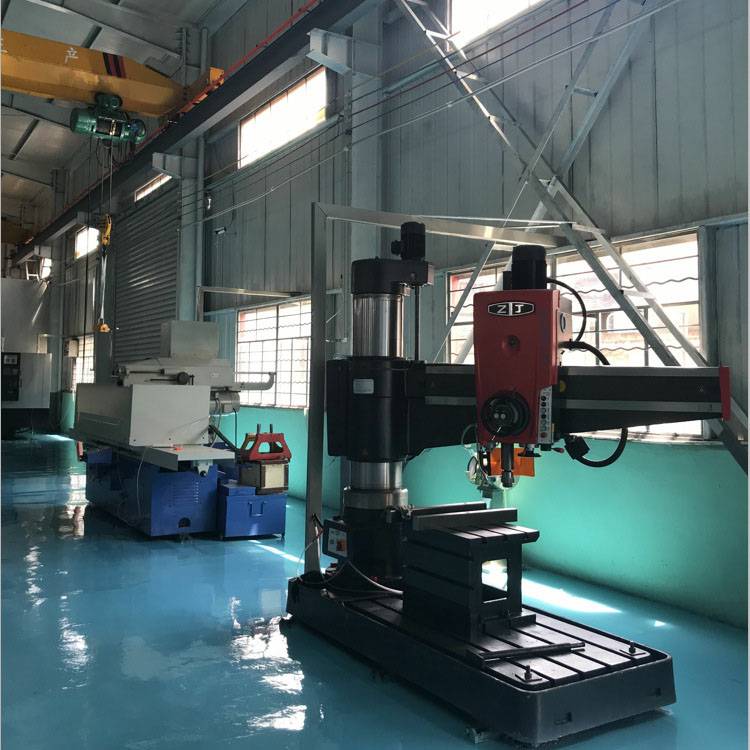
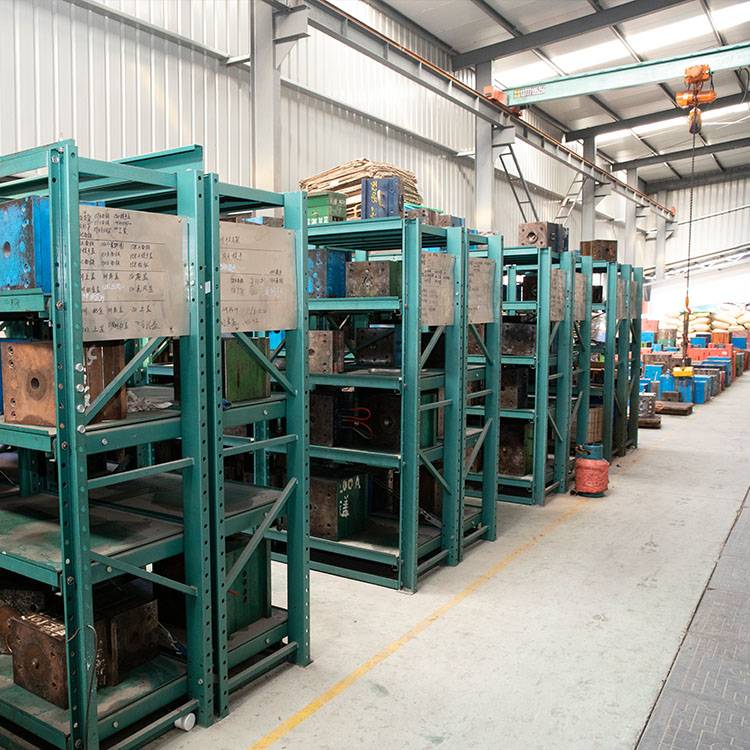
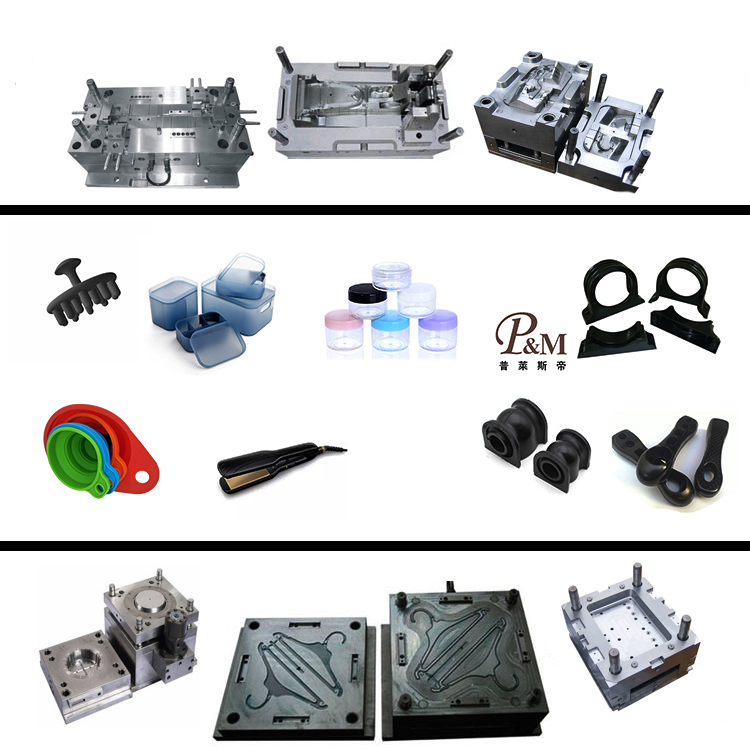
Explore our core collection of high-durability plastic moulding solutions engineered for global export.
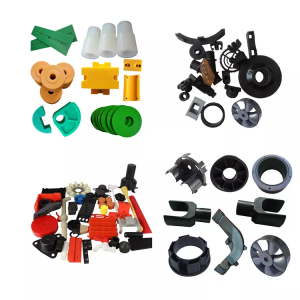
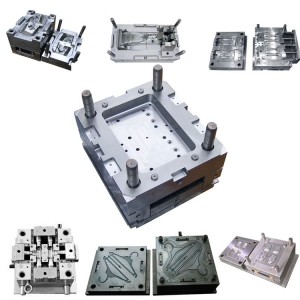
Discover our diverse solutions for automotive, industrial, and custom consumer plastic parts.
© Ningbo P&M Plastic Metal Product Co., Ltd. All Rights Reserved. Located in Yuyao, Mould City.