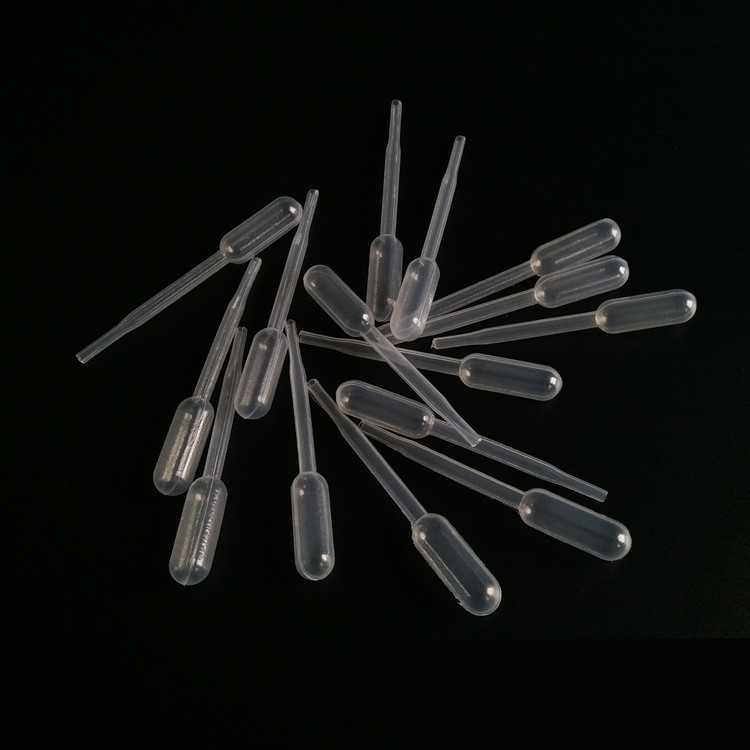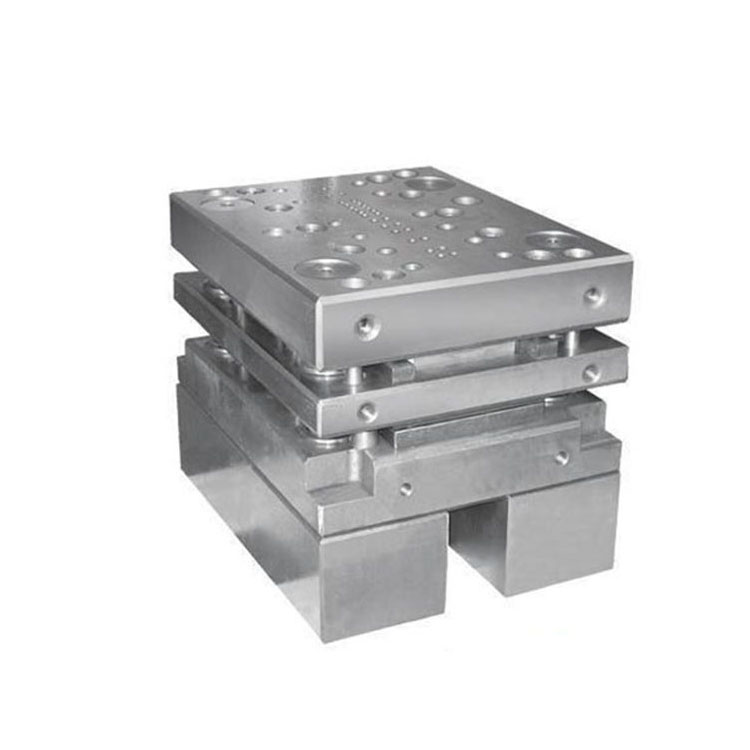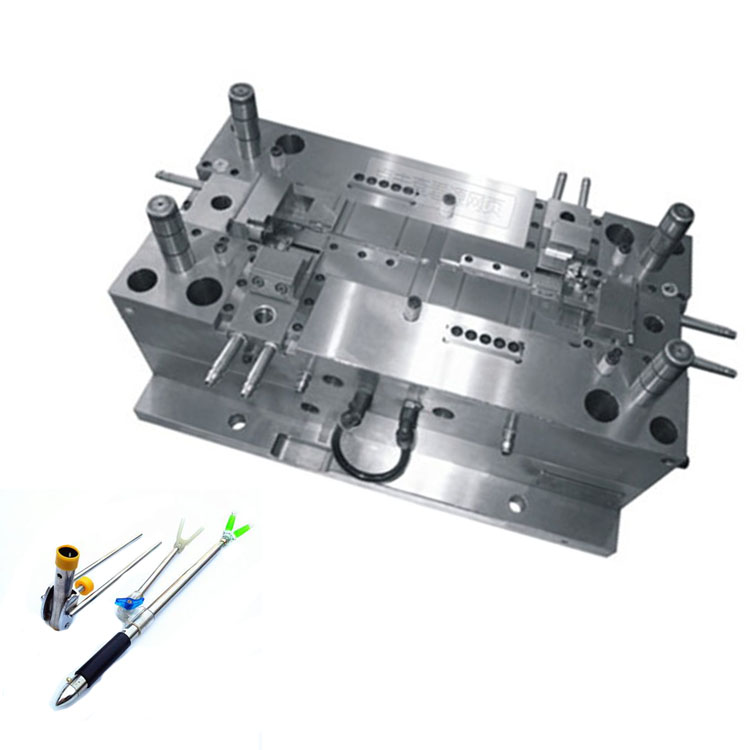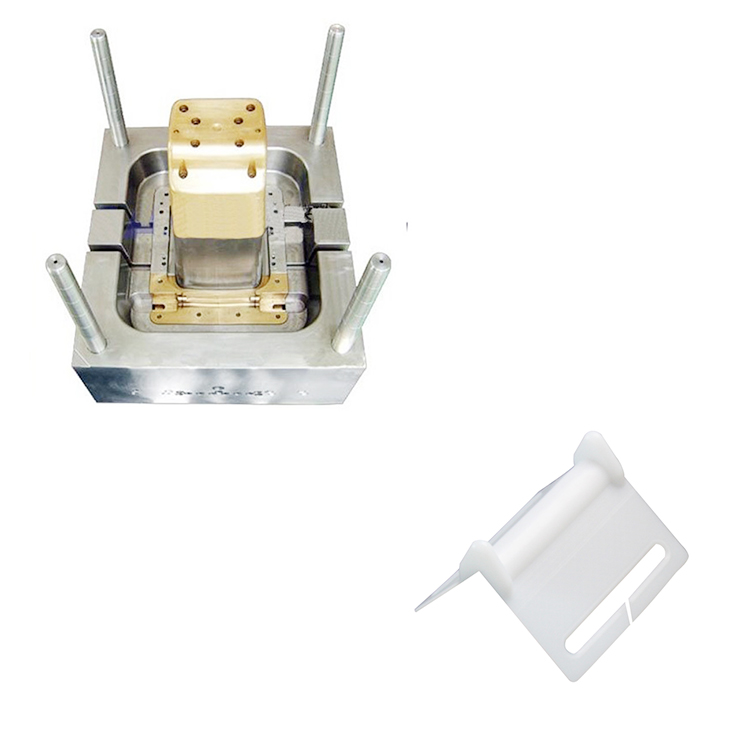
Explore our high-performance manufacturing solutions engineered to withstand the demanding requirements of fiber-reinforced polymer shaping.
In the contemporary landscape of advanced manufacturing, the synthesis of high-performance polymers and structural reinforcements has paved the way for unprecedented engineering achievements. At the center of this paradigm shift is the technology of Fiber-Reinforced Plastic (FRP) shaping. Among the various tooling geometries utilized to fabricate complex composite components, the specialized spoon plastic mould has emerged as a cornerstone of high-precision manufacturing. Whether designing ergonomic consumer items, medical-grade measuring devices, or complex aerodynamic components for the aerospace and automotive sectors, the engineering of spoon plastic moulds requires a deep understanding of material science, fluid dynamics, and thermodynamic properties.
The global market for Fiber-Reinforced Plastics (FRP) is experiencing exponential growth, driven by the relentless pursuit of lightweighting and structural efficiency. Industries such as automotive manufacturing, aerospace engineering, renewable energy, and medical devices are increasingly replacing traditional metallic components with high-strength composite materials. The commercial demand for spoon plastic moulds in this context is twofold. First, there is a massive consumer and medical market for high-volume, precise measuring utensils. For instance, pharmaceutical dosing, infant formula measurement, and laboratory chemical handling require absolute volumetric accuracy. Second, in advanced industrial applications, "spoon-shaped" geometries are critical for aerodynamic efficiency and structural load distribution, such as in wind turbine blade roots, automotive spoilers, and marine propellers. Consequently, mould manufacturers must deliver tooling that can withstand the abrasive nature of glass and carbon fibers while maintaining micron-level tolerances over millions of cycles.
FRP shaping involves the integration of high-strength fibers (such as glass, carbon, or aramid) into a polymer matrix (such as polypropylene, polyamide, or epoxy). When these materials are injected or compressed into a spoon plastic mould, the flow behavior differs significantly from neat polymers. The presence of fibers introduces anisotropic properties, meaning the mechanical strength of the final part depends heavily on the orientation of the fibers. Therefore, the design of the runner system, gate locations, and cavity geometry in a spoon plastic mould is critical. Improper gate placement can lead to fiber degradation, weld line weaknesses, and severe warpage. Advanced simulation tools, such as Moldflow analysis, are utilized to predict fiber orientation and optimize the injection parameters before the steel is cut. This level of planning ensures that the structural integrity of the shaped composite is maximized at the points of highest mechanical stress.
A Global Leader in Mold Design and Plastic Product Manufacturing
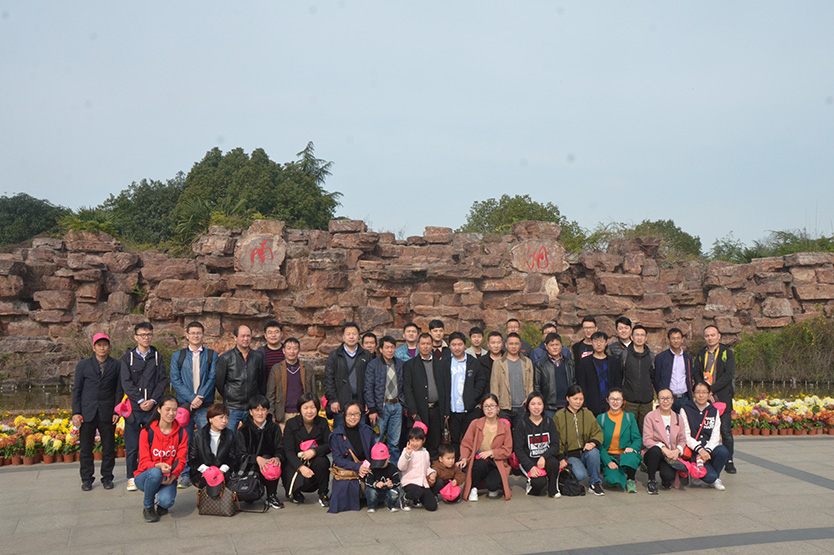
Ningbo P&M PLASTIC METAL PRODUCT CO., LTD is located in Yuyao, the so-called Mould City, Plastic Kingdom, in the southern tip of Hangzhou Bay Bridge, north of Shanghai, the east of Ningbo Port, tight double line of State Road 329 on land, sea and air traffic into a network to facilitate transport. By the abundant technical strength, scientific management methods and good after-sales service, products are deeply trusted and welcomed by customers from all over the world.
P&M started domestic business in 2008 and opened up the international market in 2014, always adhering to the principle of quality first and time supreme. While providing customers with the best quality products, it maximizes production efficiency and shortens production time. Our main products include the design and manufacturing of plastic molds, plastic products, and metal products. 90% of our products are exported to America, Europe, Germany, Japan, Australia, and other global regions.

The company specializes in producing high-performance equipment, backed by strong technical force and strong development capabilities.
We are proud to state that we maintain long-term client relationships. If there is a problem, we actively seek solutions and remain responsible to the end.
P&M holds an improved system of development and production, achieving seamless mold design, manufacturing, and automatic production.
Optimized manufacturing pipelines allow us to deliver high-quality custom tooling and products within 30 days.
Designing a spoon plastic mould for fiber-reinforced plastic shaping introduces several unique engineering challenges that do not exist with standard unfilled thermoplastic materials. When glass or carbon fibers are blended into the polymer matrix, they drastically alter the physical properties of the melt flow, requiring highly specialized tooling solutions.
Fiber reinforcements, particularly glass fibers, are highly abrasive. As the molten plastic flows through the runner system and into the mould cavity, the fibers act like sandpaper, slowly eroding the steel surface. Over time, this wear can destroy the precise tolerances of the mould, leading to parting line flash and dimensional inaccuracies. To combat this, Ningbo P&M utilizes premium hardened tool steels such as H13, S136, or NAK80. Additionally, advanced surface coatings like Physical Vapor Deposition (PVD) and Diamond-Like Carbon (DLC) are applied to the cavity surfaces to increase surface hardness and minimize frictional wear.
The mechanical properties of fiber-reinforced plastics are highly dependent on fiber orientation. As the material flows through the mould, the fibers align parallel to the flow direction. However, when the flow splits around an insert or core pin and merges on the other side, it forms a weld line. At these weld lines, fibers do not cross the boundary, resulting in a localized zone of mechanical weakness. For spoon-shaped components, which often feature curved profiles and varying wall thicknesses, managing gate locations is crucial to ensure that weld lines are positioned in low-stress areas of the part.
Fiber-reinforced plastics often exhibit different thermal conductivity compared to unfilled resins. Furthermore, uneven cooling can cause differential shrinkage, leading to severe part warpage. To address this, our engineering team designs advanced conformal cooling channels that trace the exact contour of the spoon cavity. Utilizing modern CNC machining and 3D printing technologies, we can implement cooling systems that maintain uniform temperatures across the entire mould surface, reducing cycle times and ensuring part flatness.
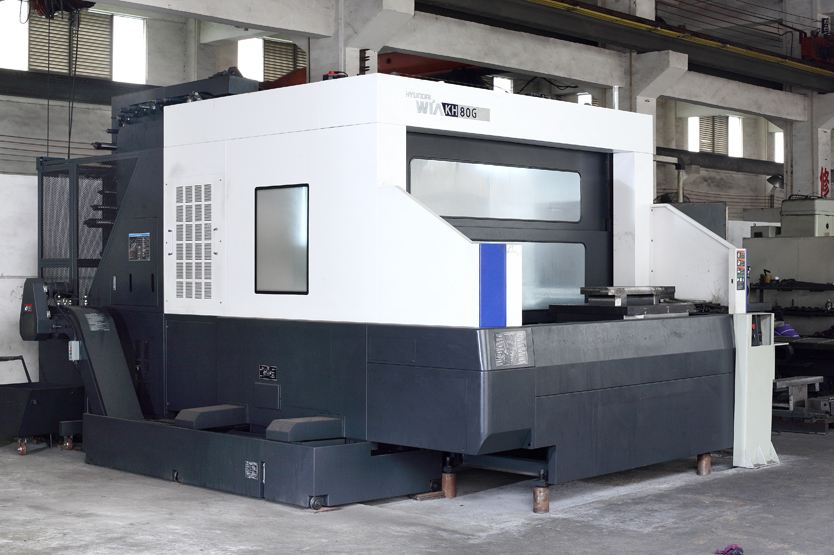
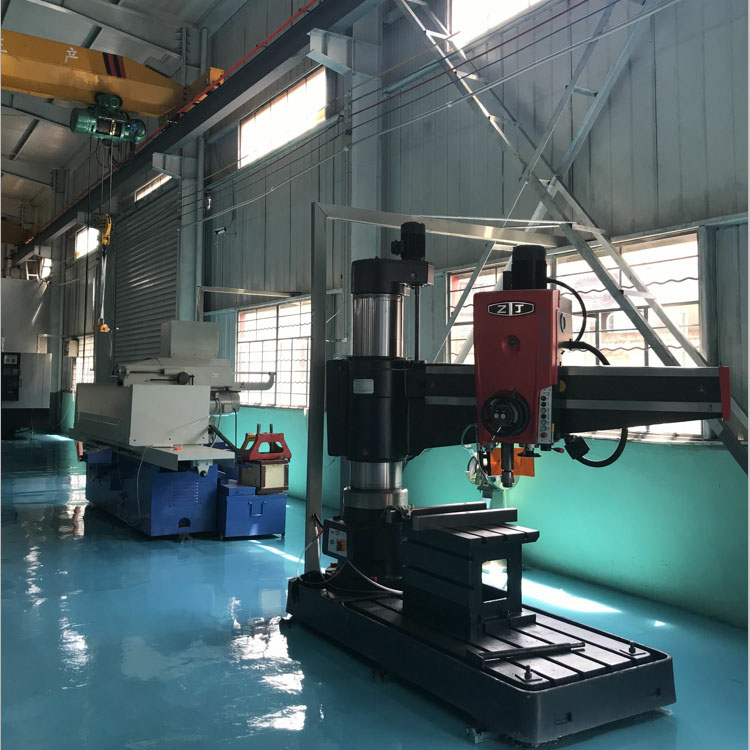
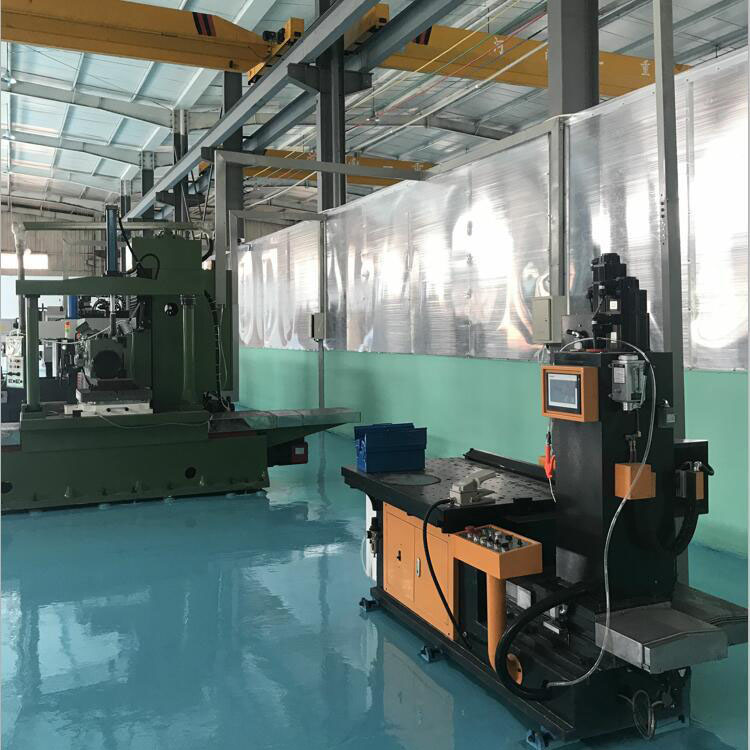
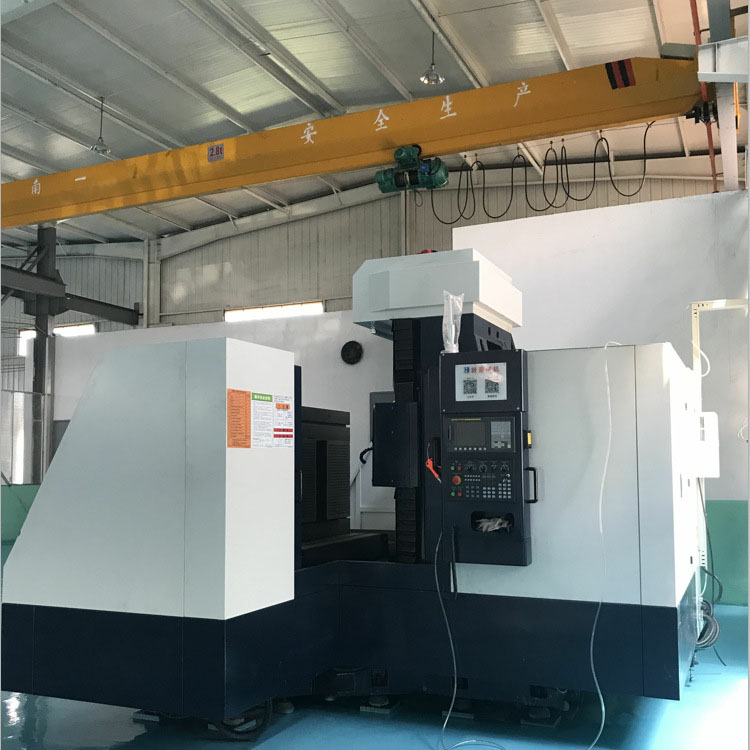
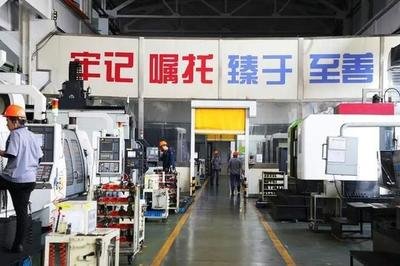
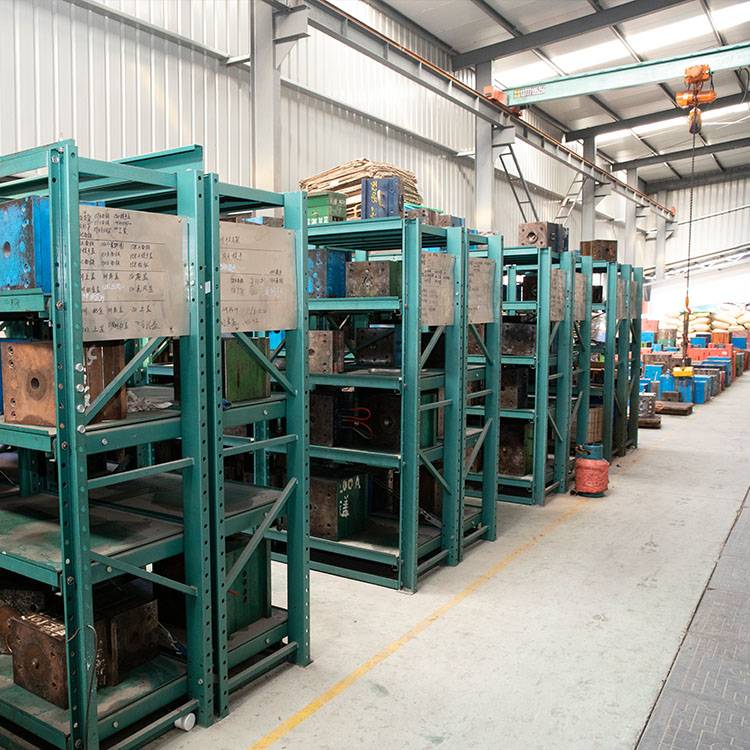
Take a look inside our state-of-the-art facilities, featuring advanced CNC machining centers, testing equipment, and cleanroom environments.

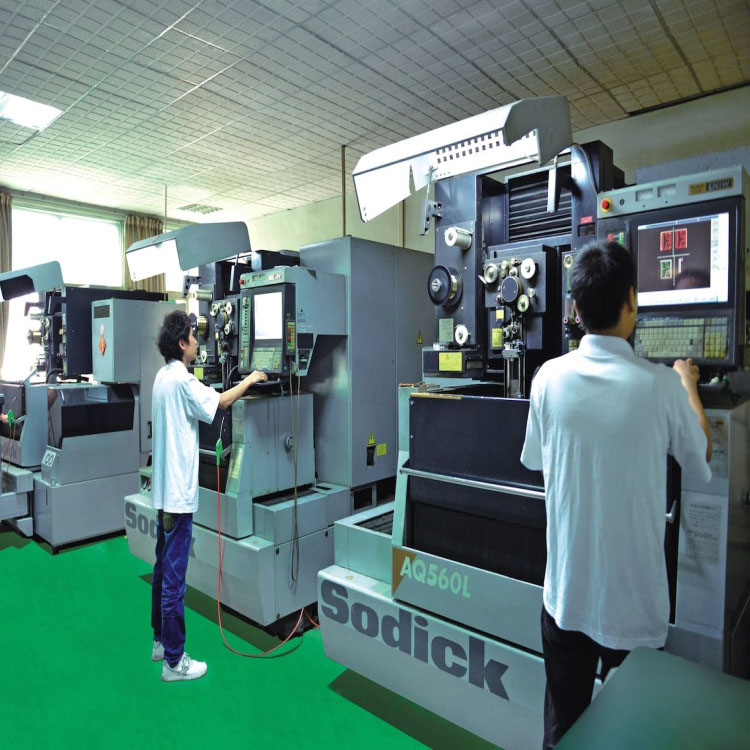
The term "spoon plastic mould" covers a diverse array of applications, spanning from medical-grade instruments to high-performance industrial components. Below, we explore the deep application scenarios where fiber-reinforced plastics are shaped using these specialized moulds.
In the pharmaceutical industry, dosing accuracy is critical. Spoons used for measuring liquid or powdered medications must be manufactured to extremely tight tolerances. By using glass-reinforced polypropylene (PP), manufacturers can create measuring spoons that resist deformation under high sterilizing temperatures (such as autoclaving) and remain chemically inert when in contact with active pharmaceutical ingredients. The spoon plastic mould must be designed with mirror-polished cavities to eliminate any microscopic surface crevices where bacteria could accumulate.
In automotive and aerospace engineering, "spoon-shaped" geometries are frequently utilized for air scoops, aerodynamic deflectors, and structural brackets. For instance, carbon-fiber-reinforced polyamide (PA66-CF) is commonly injected into spoon-shaped moulds to create lightweight brackets that can withstand high vibration and thermal stress under the hood of modern vehicles. The design of these moulds requires detailed structural analysis to ensure the carbon fibers align along the primary load paths of the component.
For consumer products, such as protein powder scoops, infant formula spoons, and culinary measuring cups, cost-efficiency and high throughput are paramount. These moulds are typically engineered as high-cavitation systems (e.g., 16, 32, or 64 cavities) with hot runner systems to eliminate material waste. The challenge lies in ensuring that each cavity produces a spoon of identical weight and volume. Advanced flow-balancing techniques within the runner design are utilized to guarantee uniform pressure distribution across all cavities.
Spoon-shaped fairings and brackets in marine and aerospace structures must endure extreme environmental conditions, including saltwater exposure and high aerodynamic pressures. Utilizing fiber-reinforced PEEK or epoxy resins within specialized compression moulds allows for the creation of parts with exceptional strength-to-weight ratios. The tooling for these applications must operate at high temperatures and pressures, requiring specialized thermal expansion calculations during the design phase.
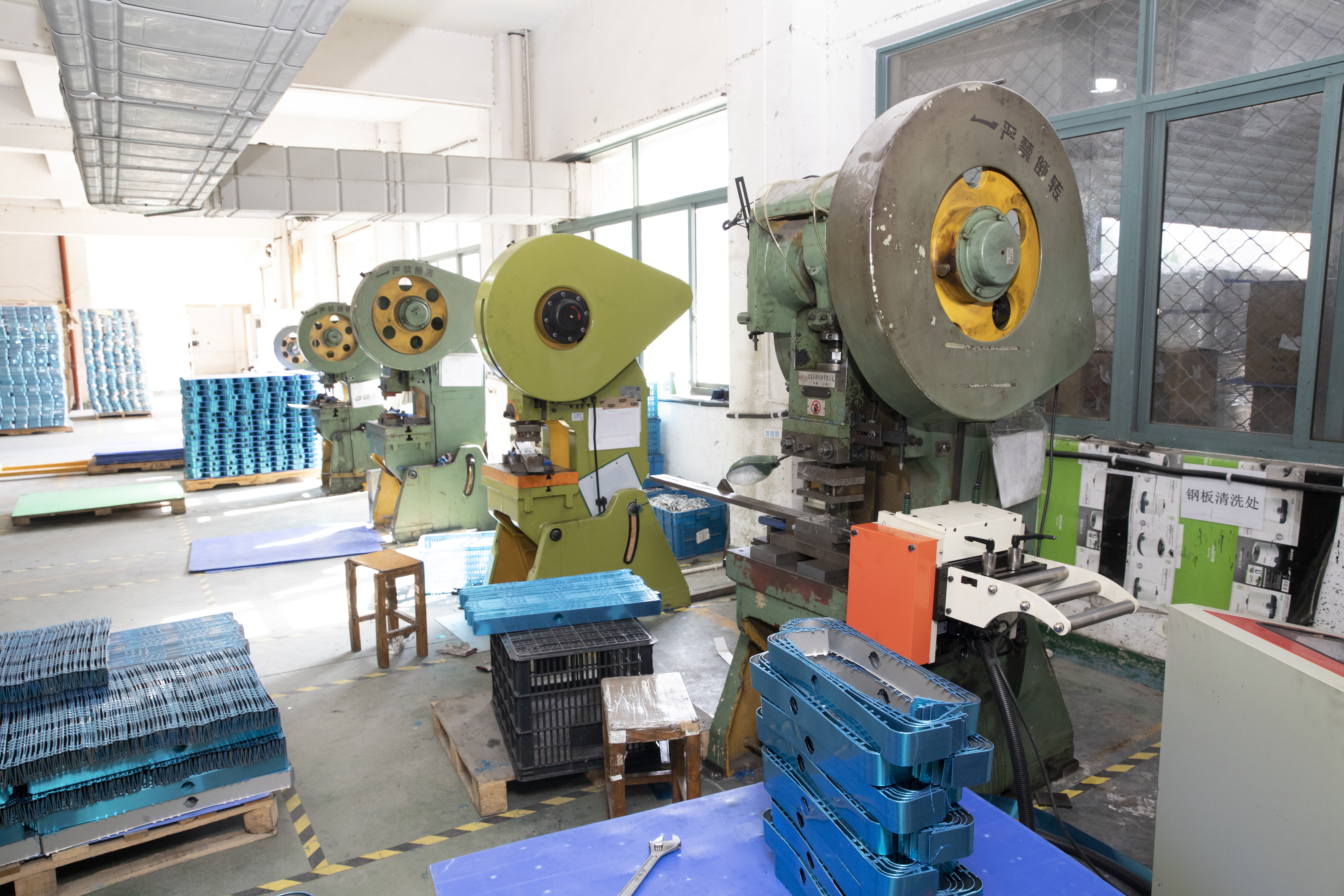
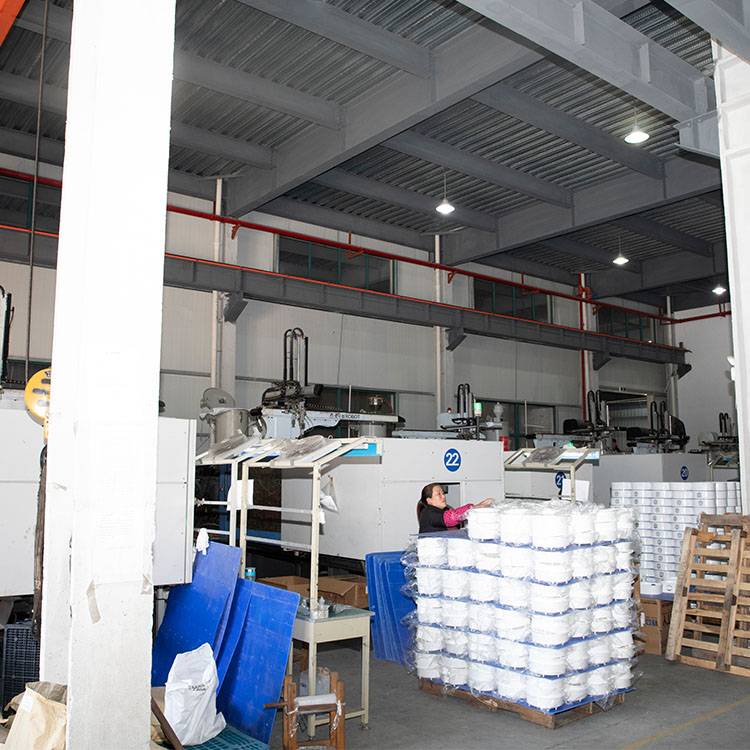
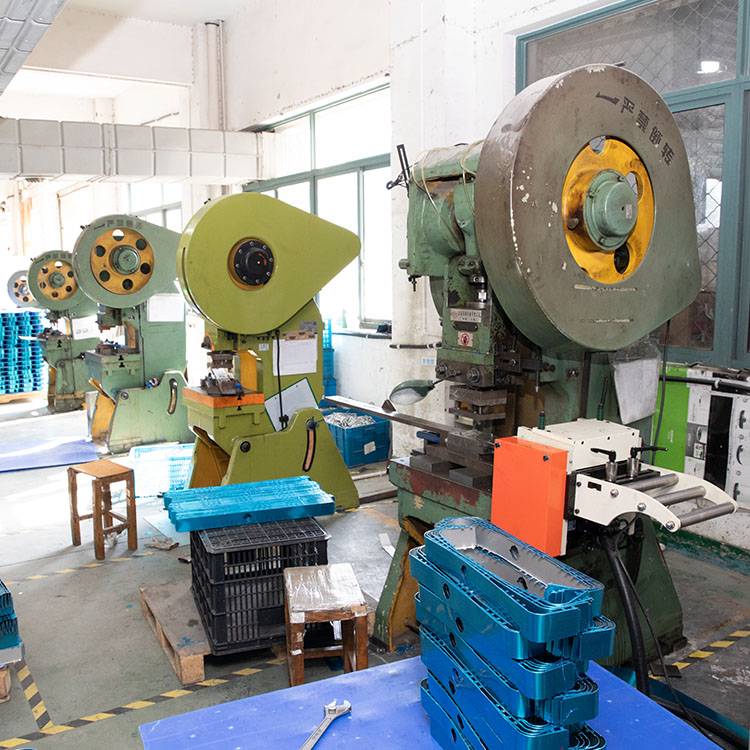
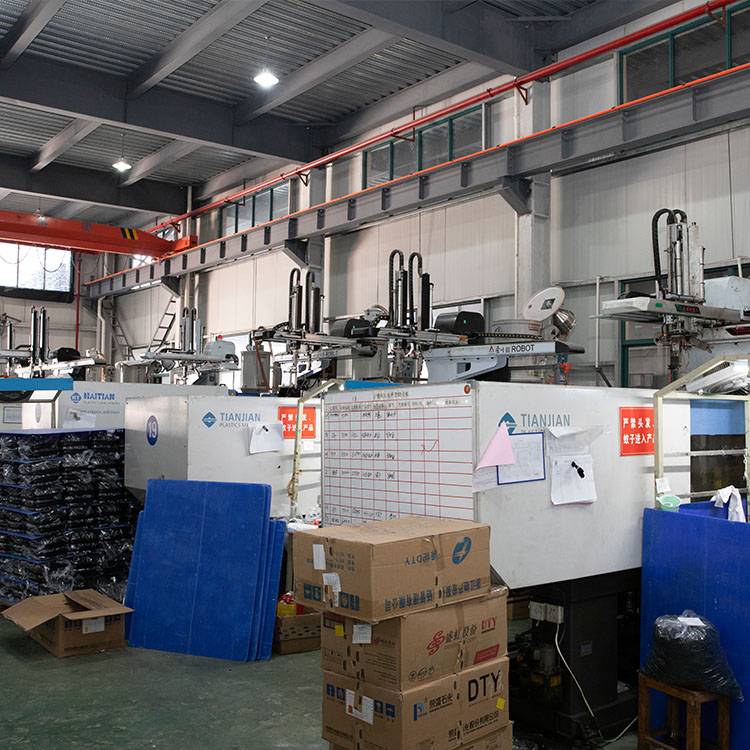
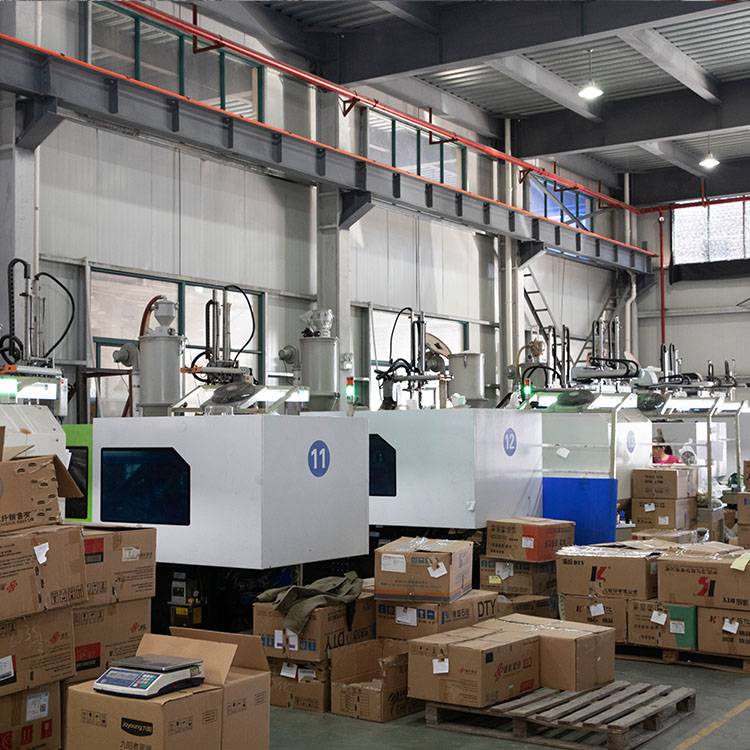
Our integrated production pipeline spans from initial CAD design and mold flow simulation to CNC machining, testing, and final quality assurance.


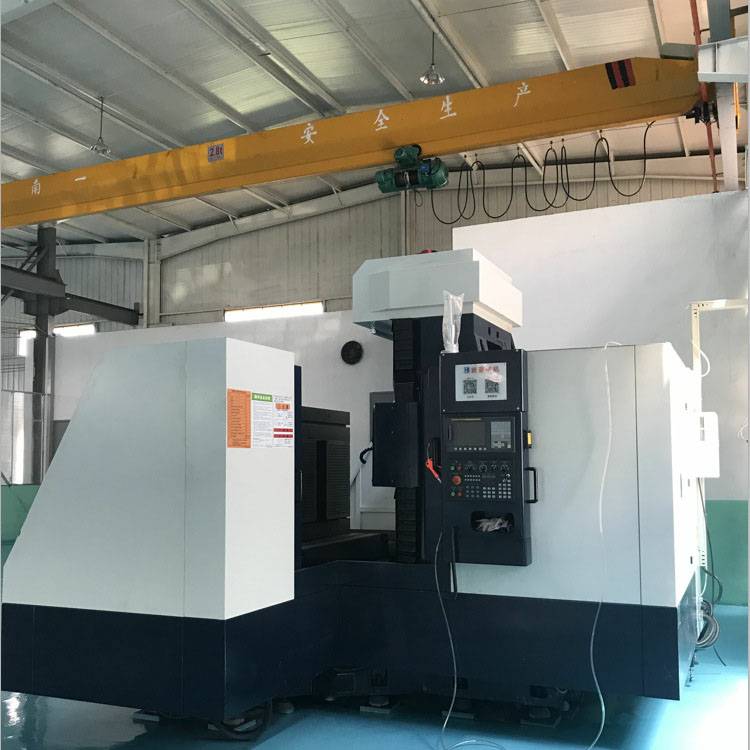
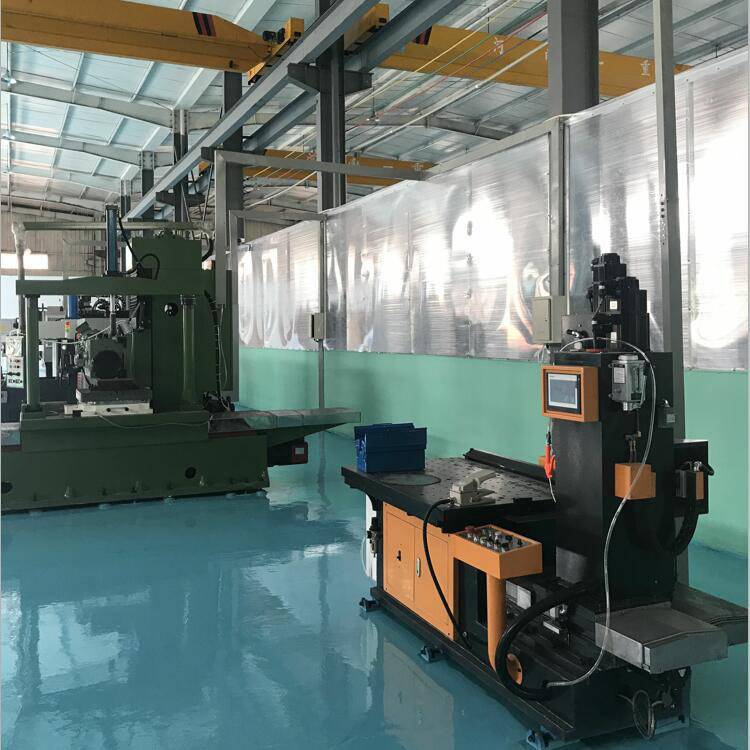
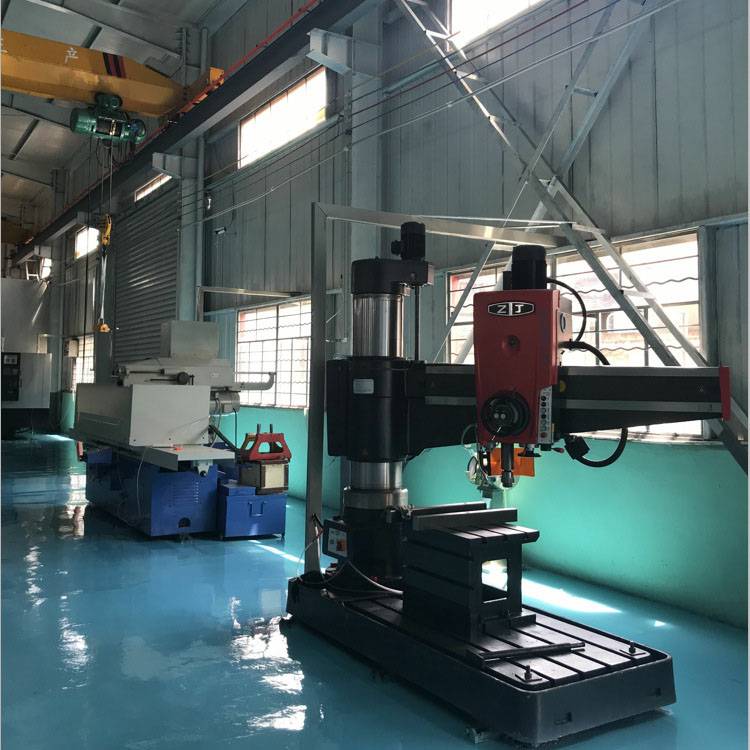
The manufacturing landscape is evolving rapidly, driven by the integration of digital technologies and the global push for environmental sustainability. Spoon plastic moulding for fiber-reinforced plastics is at the forefront of these transformations.
Modern manufacturing facilities are increasingly adopting "smart moulds" equipped with embedded sensors. These sensors monitor cavity pressure, melt temperature, and mold deflection in real time. In the shaping of fiber-reinforced plastics, this data is critical. Because fiber distribution can vary between batches, real-time feedback allows the injection molding machine to adjust injection speed and pressure dynamically, ensuring consistent part quality and minimizing scrap rates.
As industries strive to reduce their carbon footprint, there is growing interest in bio-based polymers and natural fiber reinforcements (such as flax, hemp, or wood fibers). Shaping these bio-composites presents unique challenges, as natural fibers are more heat-sensitive than glass or carbon. Spoon plastic moulds for bio-composites must be engineered with highly precise thermal control zones to prevent thermal degradation of the fibers during the moulding process.
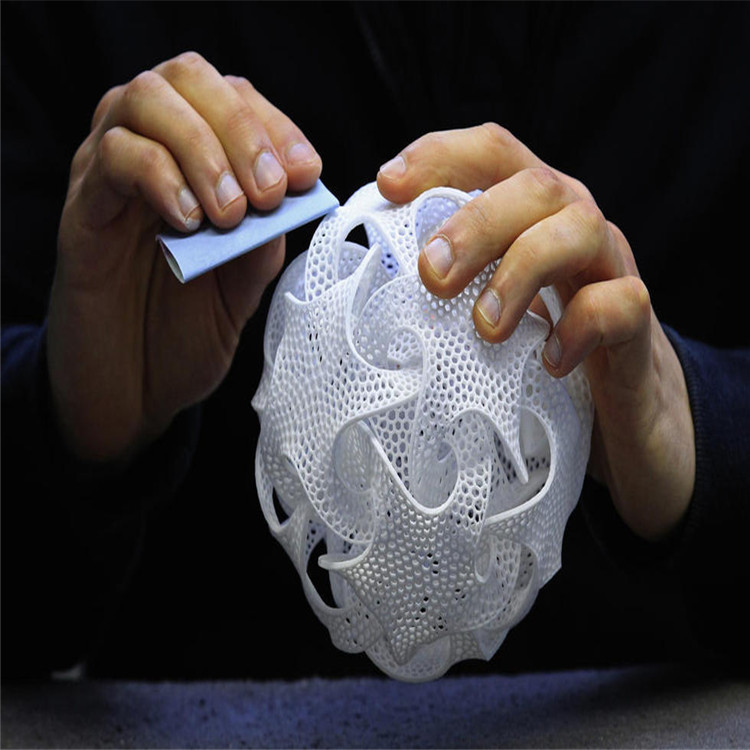
The use of metal 3D printing (Selective Laser Melting) to manufacture mould inserts with conformal cooling channels is becoming more widespread. By matching the cooling channels to the exact 3D contour of the spoon cavity, cooling efficiency is greatly improved. This not only shortens cycle times by up to 30% but also significantly reduces the internal stresses that cause warpage in fiber-reinforced molded parts.
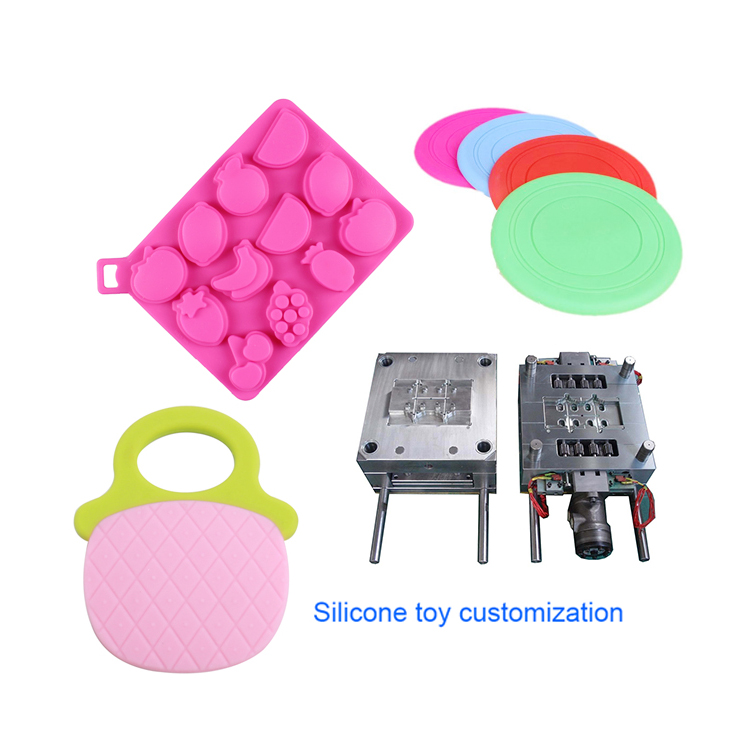
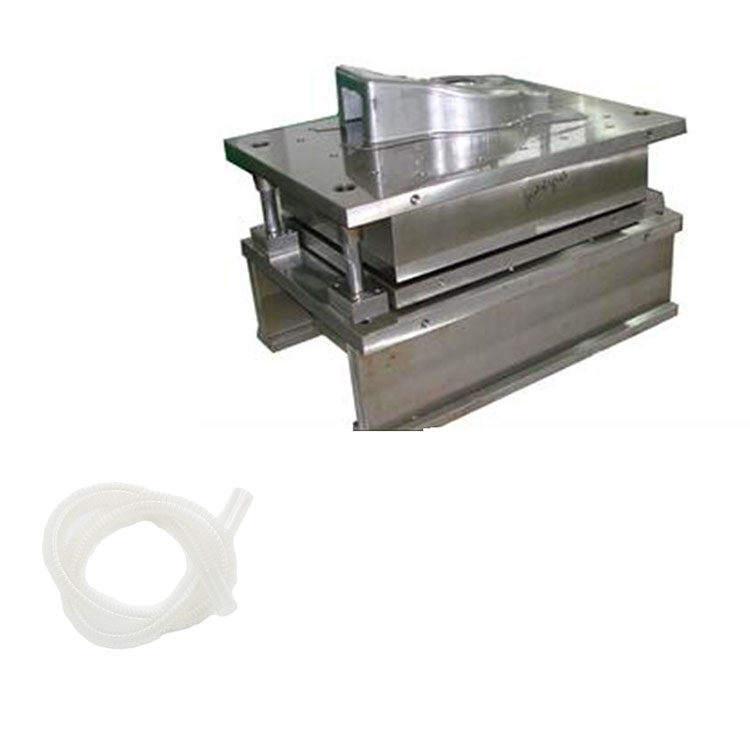
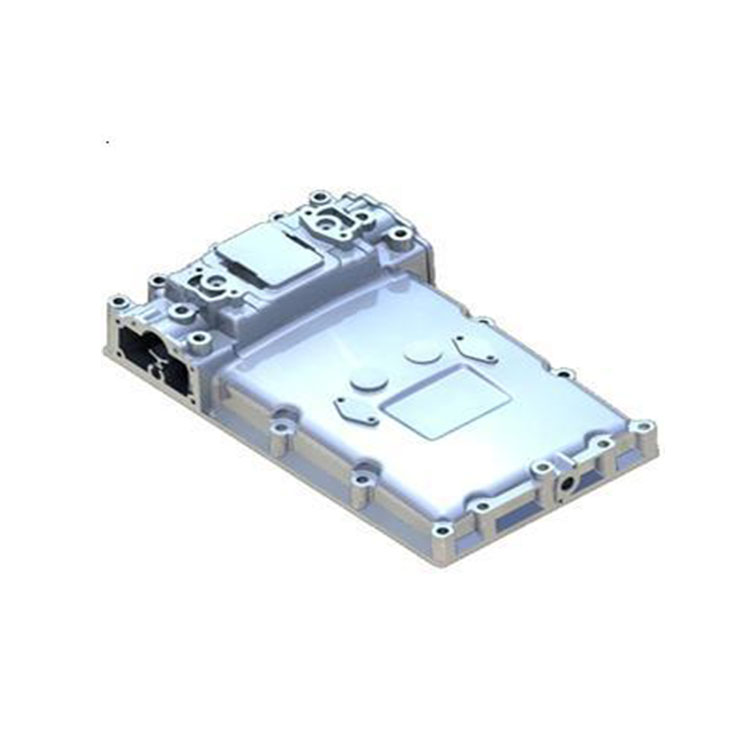
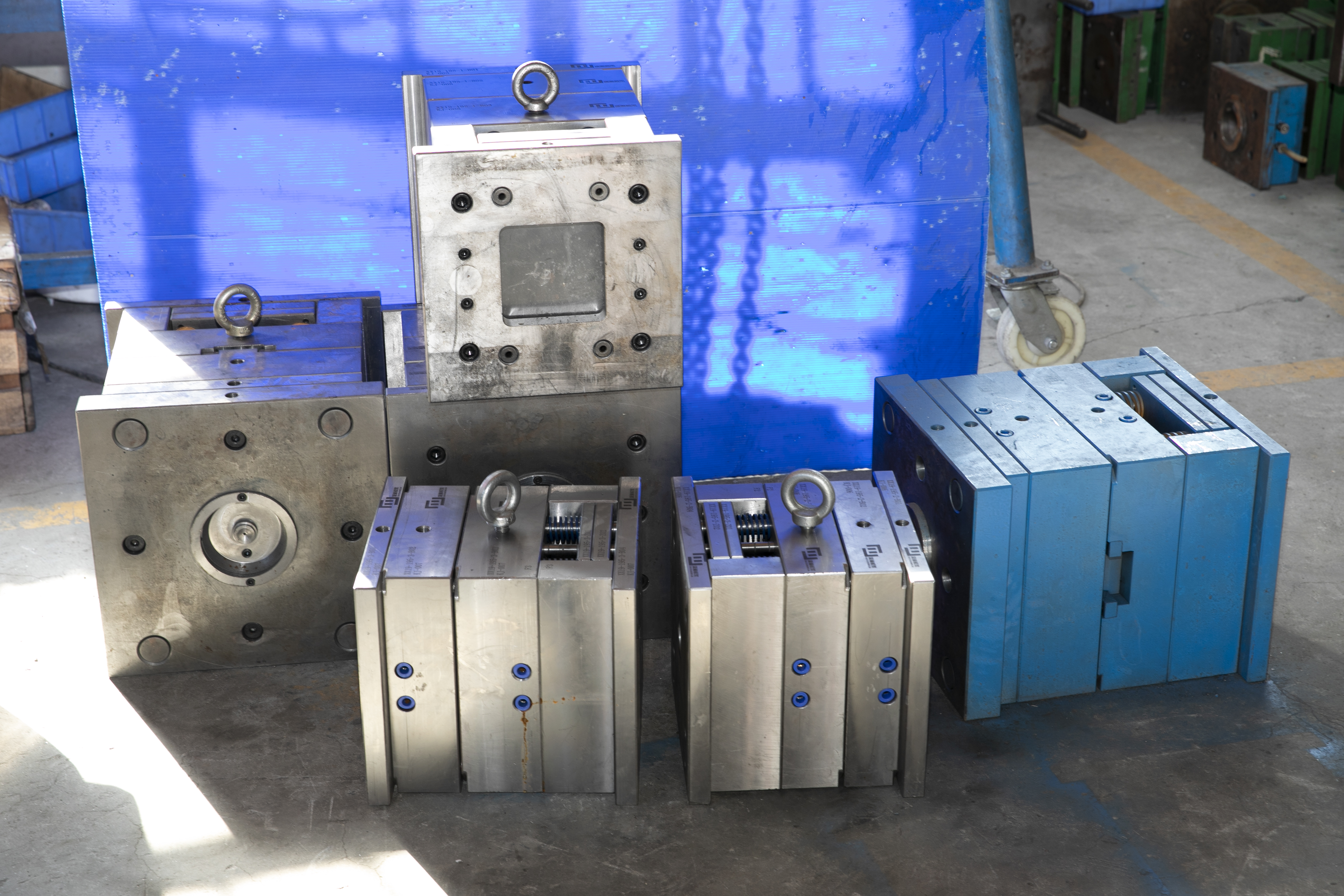
Browse our extensive catalog of custom plastic injection moulds, parts, and specialized engineering services.

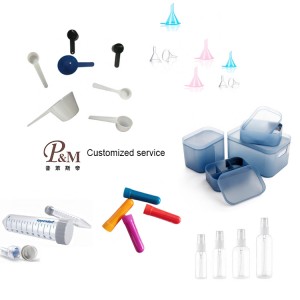


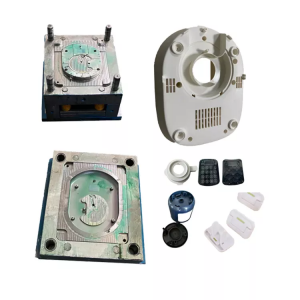
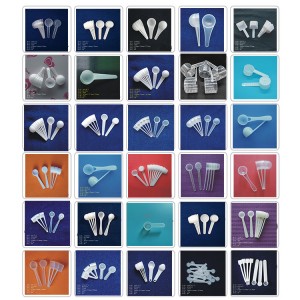

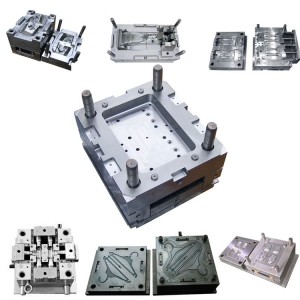
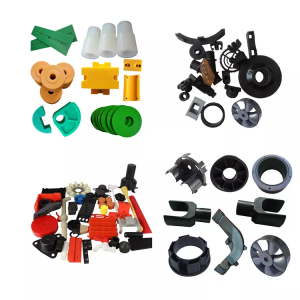
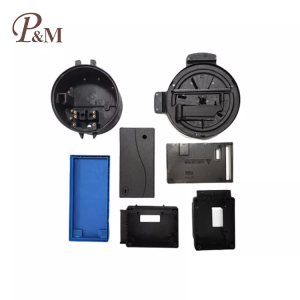

Take a look at our full array of injection-molded products, precision components, and customized manufacturing services.