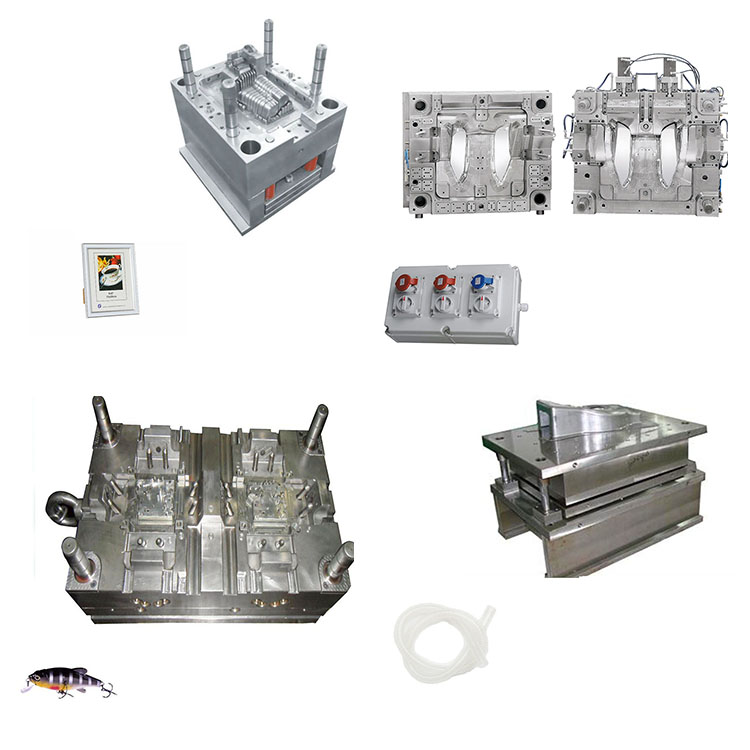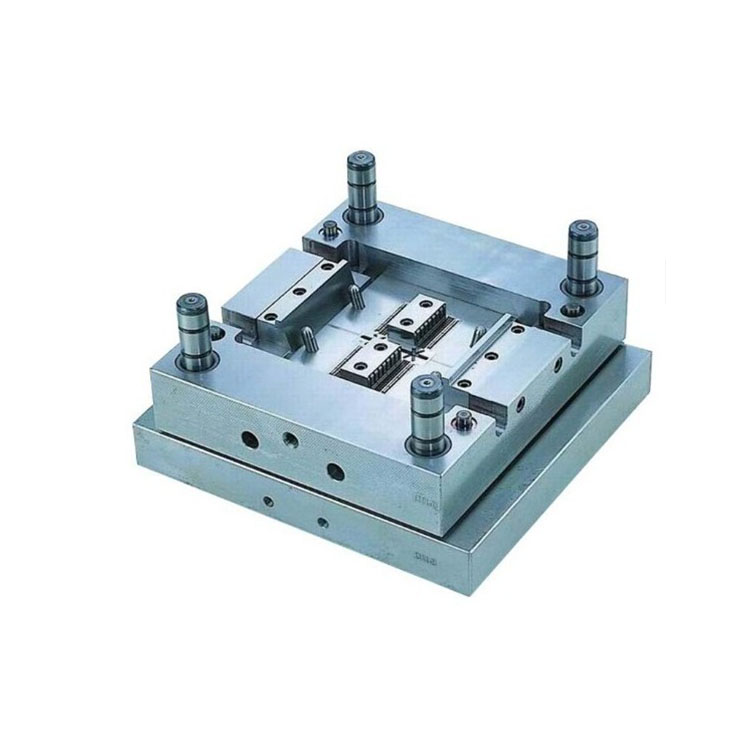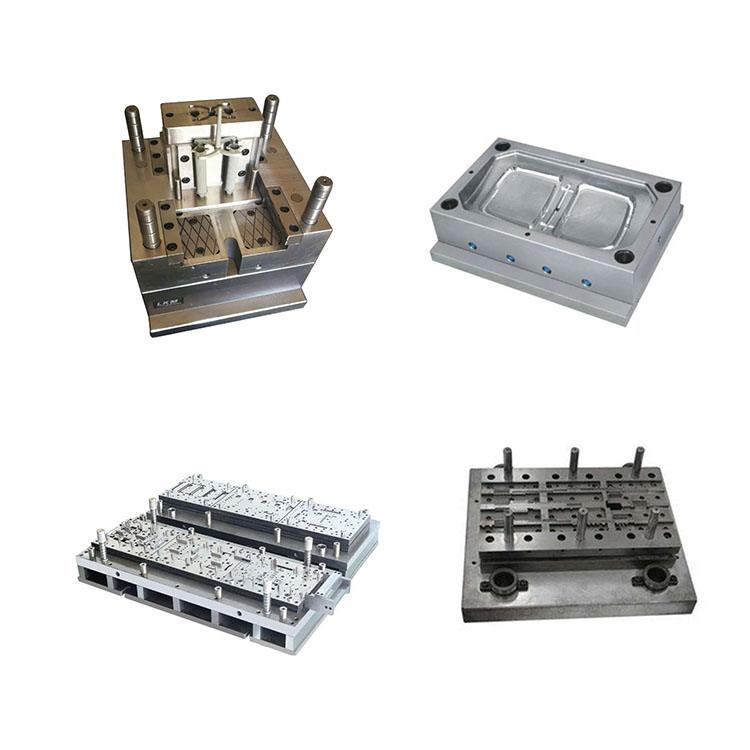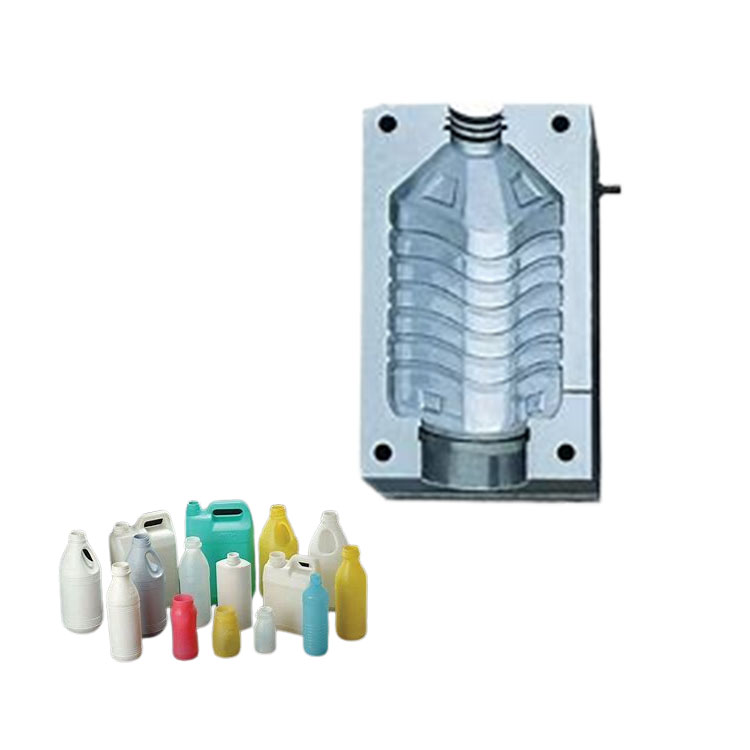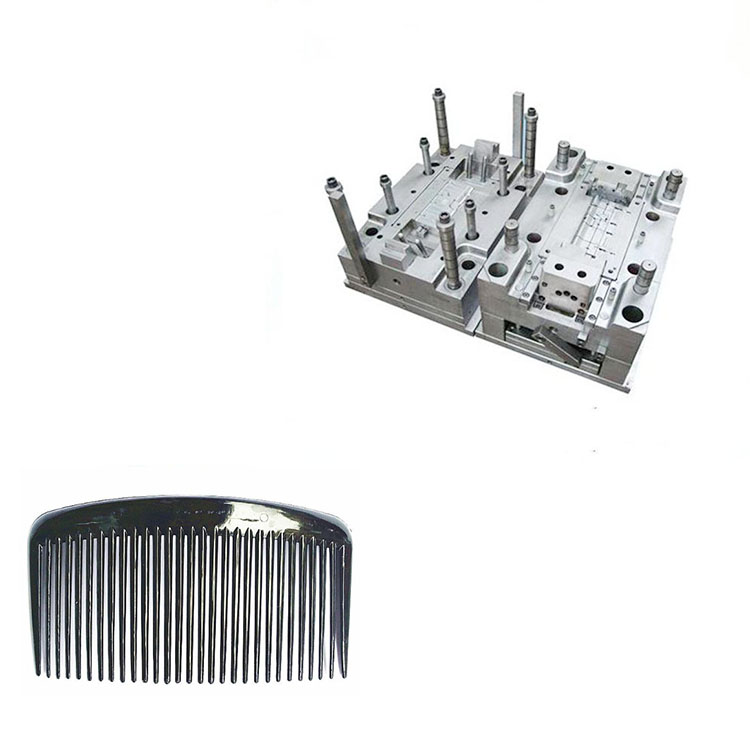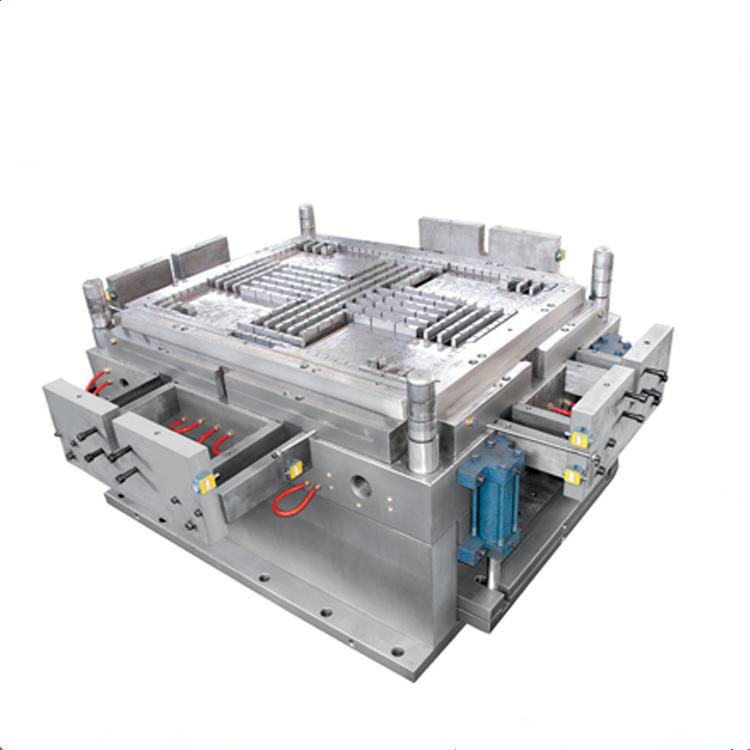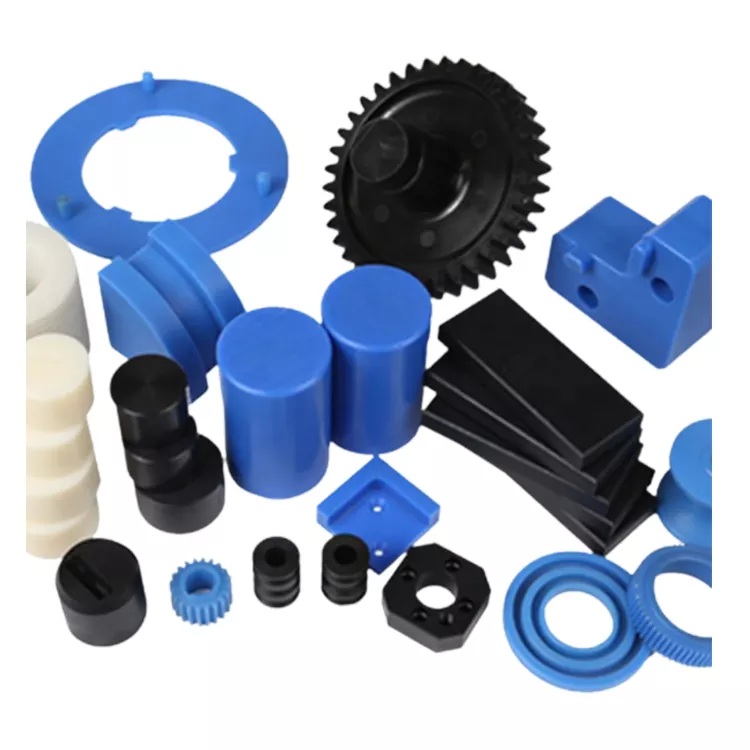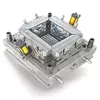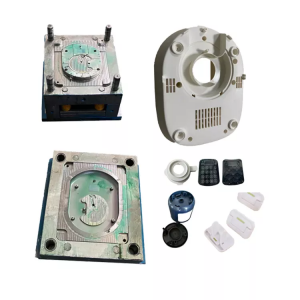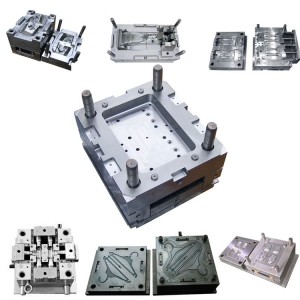
In the realm of modern civil engineering and smart city design, the integration of electronic safety systems directly into structural concrete elements has emerged as a major technological milestone. The production of Signal Light Plastic Moulds For Concrete Casting Forming represents the critical intersection of high-precision plastic injection moulding and heavy-duty concrete construction. Concrete casting is no longer limited to basic structural support; it now encompasses functional, intelligent elements designed to guide, protect, and regulate traffic and pedestrian flows. By using precision-engineered plastic moulds, manufacturers can produce concrete blocks, barriers, and pavements with perfectly formed cavities designed to house signal lights, wiring channels, and sensor packages.
Historically, creating recesses or specific internal geometries in concrete required labor-intensive wood formwork or heavy steel inserts, which lacked the flexibility and accuracy required for modern electronics. Today, engineering-grade plastics such as ABS, Polycarbonate (PC), Polypropylene (PP), and Polyoxymethylene (POM) have revolutionized this process. These materials allow for the mass production of highly detailed, durable, and reusable moulds that can withstand the abrasive, high-alkaline environment of wet concrete mix during the casting phase. This technological evolution has significantly reduced labor costs, accelerated construction timelines, and improved the dimensional consistency of the finished concrete products.
The commercial demand for signal light plastic moulds has experienced exponential growth over the past decade. This surge is primarily driven by global infrastructure modernization programs, the expansion of high-speed rail networks, and the rise of smart highway systems. Municipalities and transport departments worldwide are mandating the integration of embedded lighting systems for lane division, hazard warning, and pedestrian direction. Plastic moulds have become the preferred choice for precast concrete factories due to their lightweight nature, ease of demoulding, and superior surface finish.
From a commercial perspective, the cost-to-benefit ratio of plastic injection moulds for concrete casting is highly favorable. While the initial tooling cost for high-precision injection moulds can be significant, the cost per cycle drops dramatically over high-volume production runs. A single, well-designed plastic mould can be reused hundreds or even thousands of times without losing its structural integrity or dimensional accuracy. Furthermore, the smooth surface of the plastic material prevents concrete from adhering to the mould walls, facilitating quick demoulding and minimizing the need for chemical release agents, which aligned with modern green building standards.
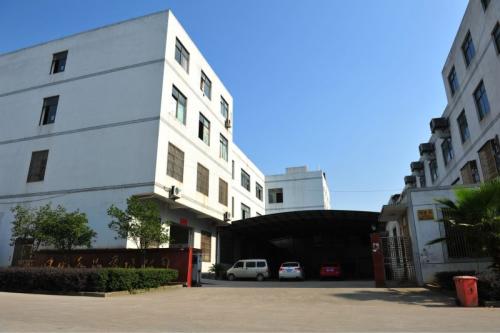
Ningbo P&M PLASTIC METAL PRODUCT CO., LTD is located in Yuyao, the globally renowned "Mould City" and "Plastic Kingdom", situated at the southern tip of the Hangzhou Bay Bridge. This strategic geographical location places us north of Shanghai and east of the Ningbo Port, with the double line of State Road 329 providing seamless land transportation. Our sea, land, and air traffic network facilitates rapid global logistics and transport.
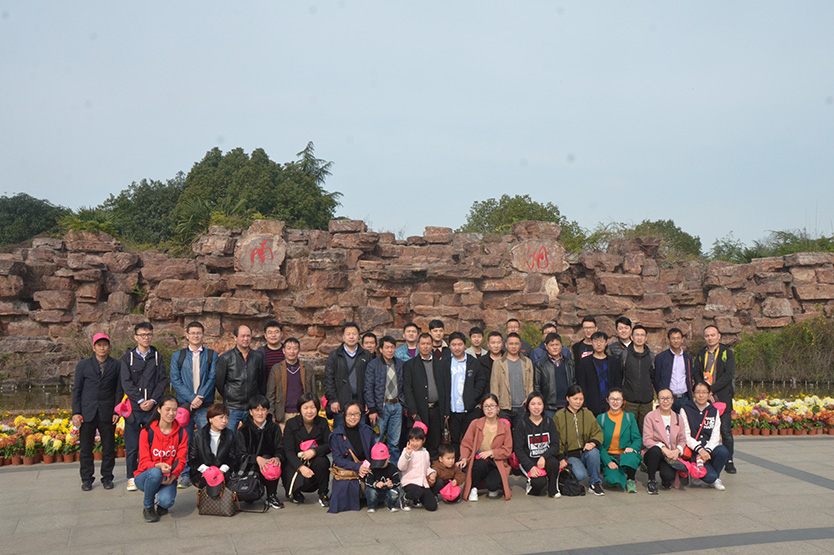
Backed by abundant technical strength, scientific management methods, and a robust after-sales service system, our products are deeply trusted and welcomed by customers worldwide. P&M started its domestic business in 2008 and successfully opened up the international market in 2014. We have always adhered to the core principle of "Quality First and Time Supreme". While providing customers with the best quality products, we maximize production efficiency and shorten manufacturing lead times.
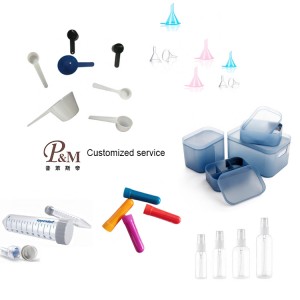
Our primary specialization lies in the design and manufacturing of custom plastic injection moulds, precision plastic products, and metal products. Approximately 90% of our products are exported to highly demanding markets including America, Europe, Germany, Japan, and Australia. P&M holds an improved, integrated system of development and production to achieve seamless transitions from initial mould design to plastic products manufacturing and automated production.
The application of Signal Light Plastic Moulds For Concrete Casting Forming is rapidly expanding into diverse infrastructure domains. By engineering the moulds to incorporate precise draft angles, textured surfaces, and integrated inserts, the resulting concrete products can seamlessly house modern LED arrays, solar panels, and smart sensors.
Modern highways require active guidance systems to improve safety during night driving and adverse weather conditions. Concrete Jersey barriers are now frequently cast with recessed pockets designed for reflective markers or active LED signal lights. Plastic moulds designed for this purpose must feature high dimensional stability to ensure that the lighting inserts fit perfectly without gaps, which could otherwise allow water ingress and freeze-thaw damage. The use of ABS and PC injection-moulded inserts within the concrete formwork ensures that the electrical conduit pathways remain unobstructed during the pouring and curing stages.
Aviation infrastructure demands the highest level of precision and reliability. Runway and taxiway edge lights are embedded in heavy concrete blocks that must withstand the immense load of landing aircraft. The plastic moulds used to shape these concrete blocks must be engineered to withstand high compaction pressures from industrial vibrators. The resulting concrete cavities must have precise tolerances to hold the heavy-duty glass-and-metal light fixtures securely, ensuring they remain flush with the pavement surface to prevent damage to aircraft tires.
In smart cities, pedestrian safety is enhanced through interactive pavements. Tactile paving blocks for the visually impaired are being integrated with LED strip lights that sync with pedestrian traffic signals. Custom plastic moulds allow concrete manufacturers to cast intricate patterns and deep grooves required for both the tactile feedback and the waterproof LED channels. The durability of the plastic moulds ensures that the texture of the concrete remains sharp and consistent across thousands of cast units, meeting strict municipal accessibility standards.
Subway and railway tunnels utilize concrete cable troughs and signal boxes mounted along the tunnel walls. These structures are cast using specialized plastic moulds that incorporate mounting points, drainage channels, and cable entries. The high-alkaline environment of tunnel concrete requires moulds that yield smooth, non-porous concrete surfaces to resist moisture accumulation and chemical degradation over decades of service.
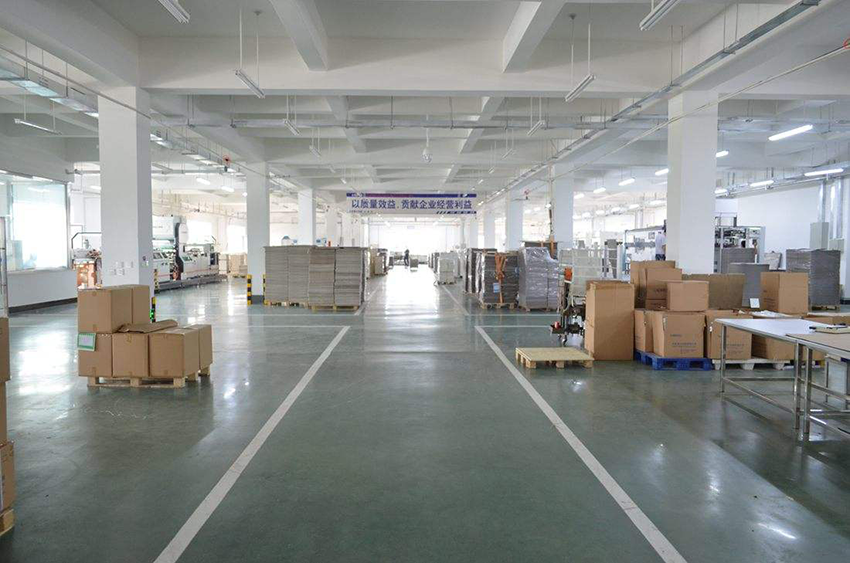
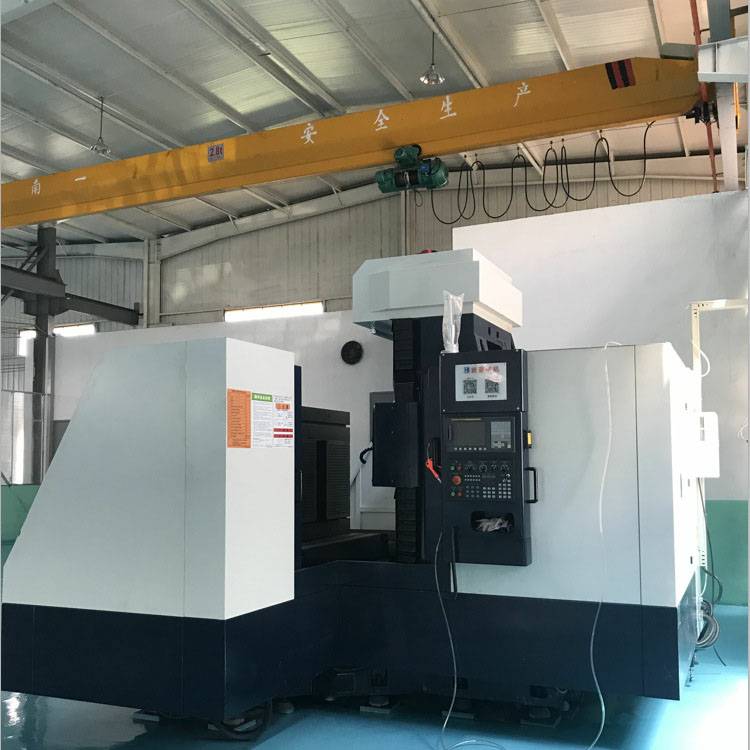
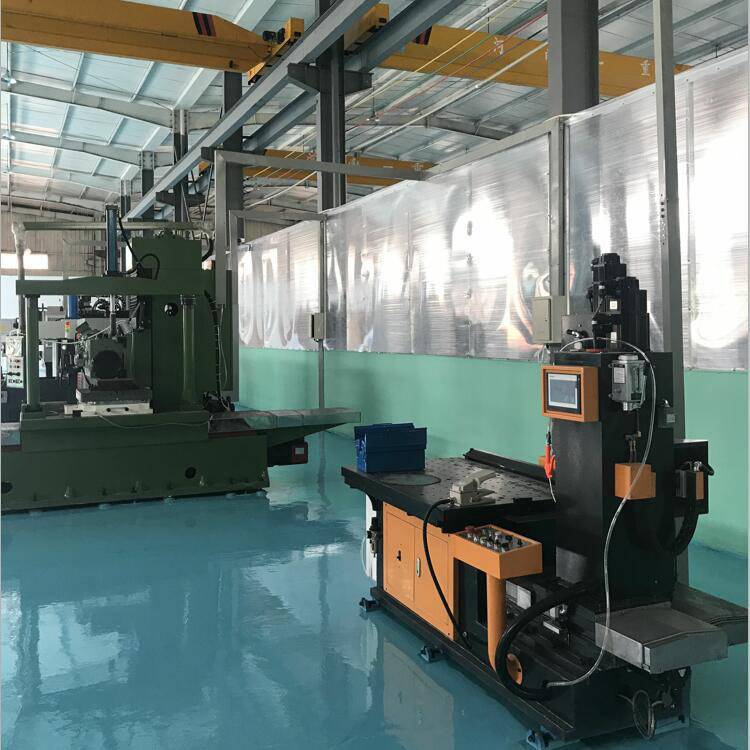
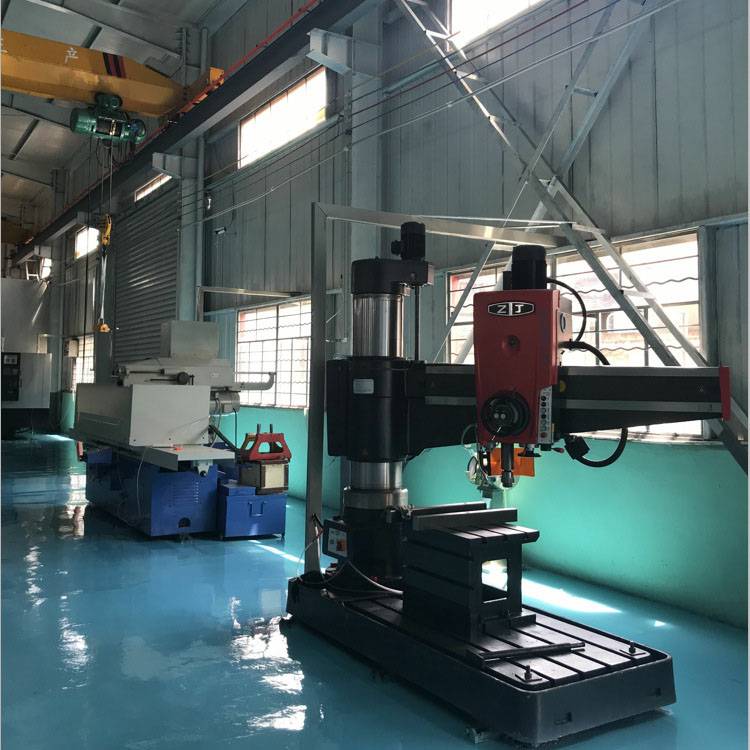
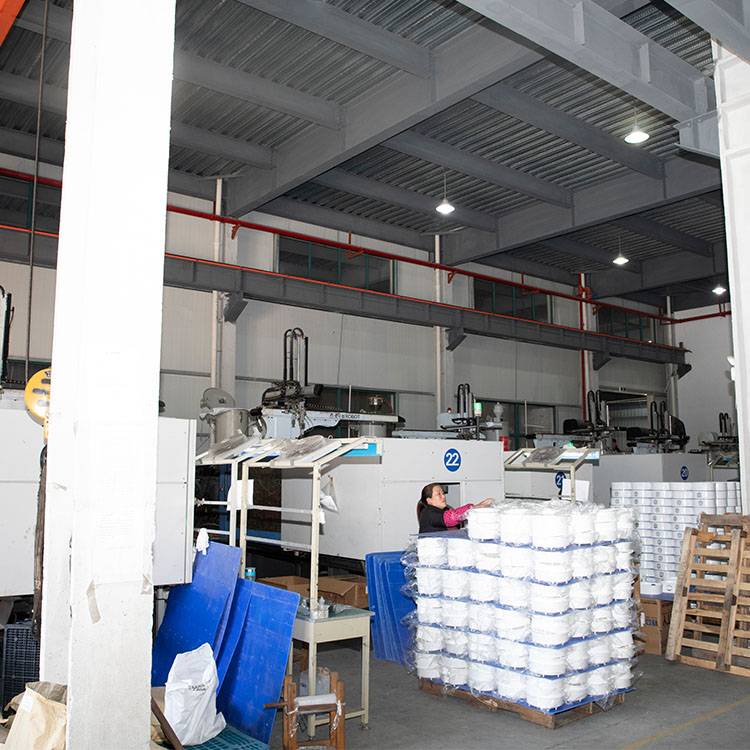
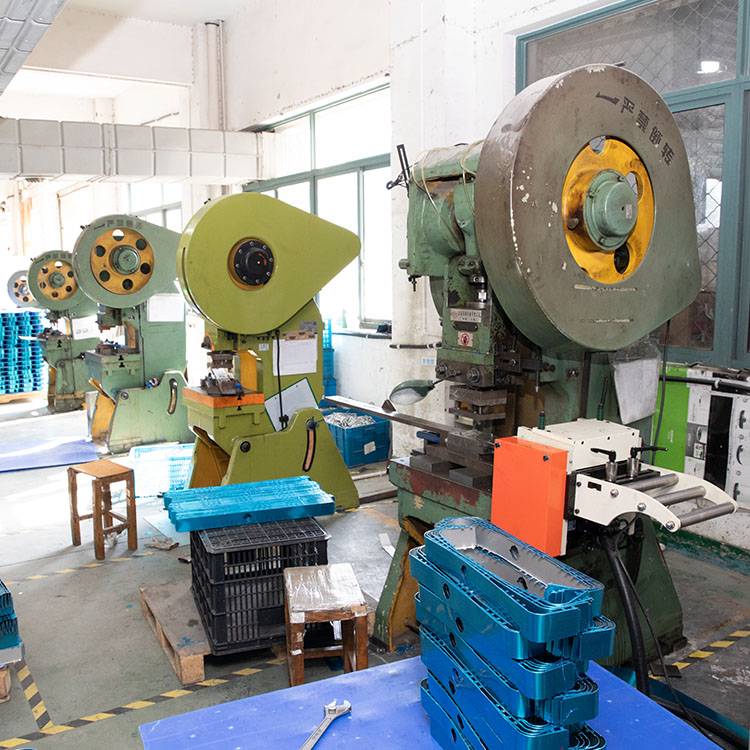
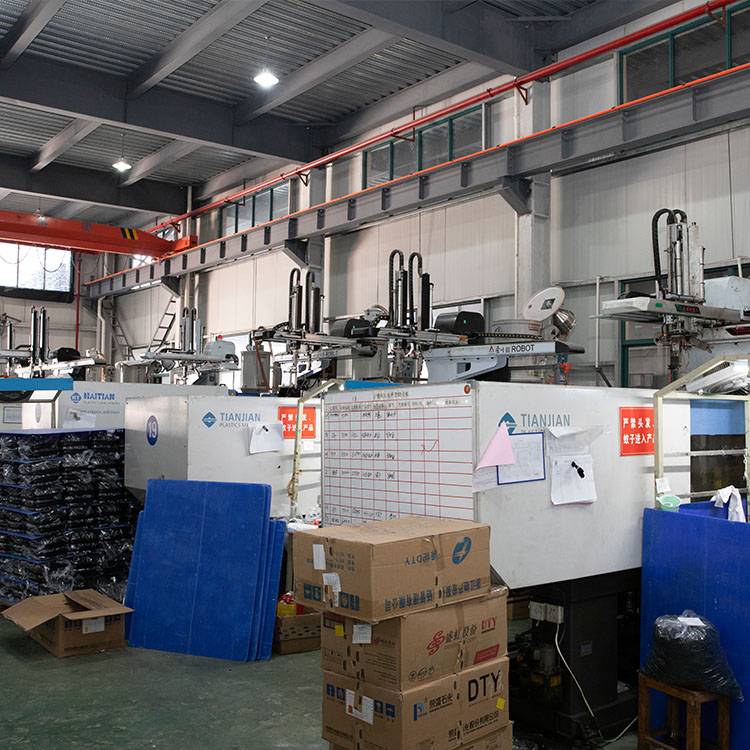
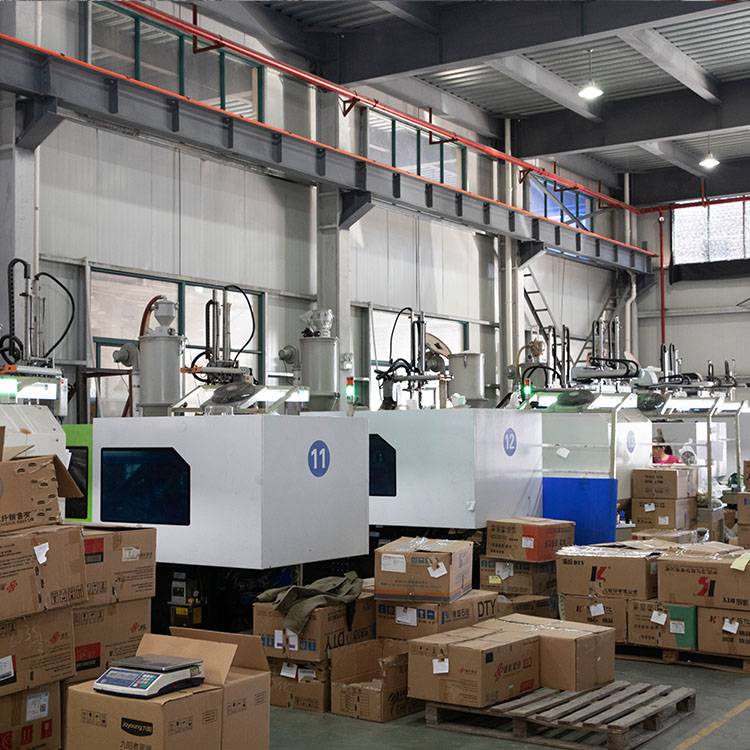
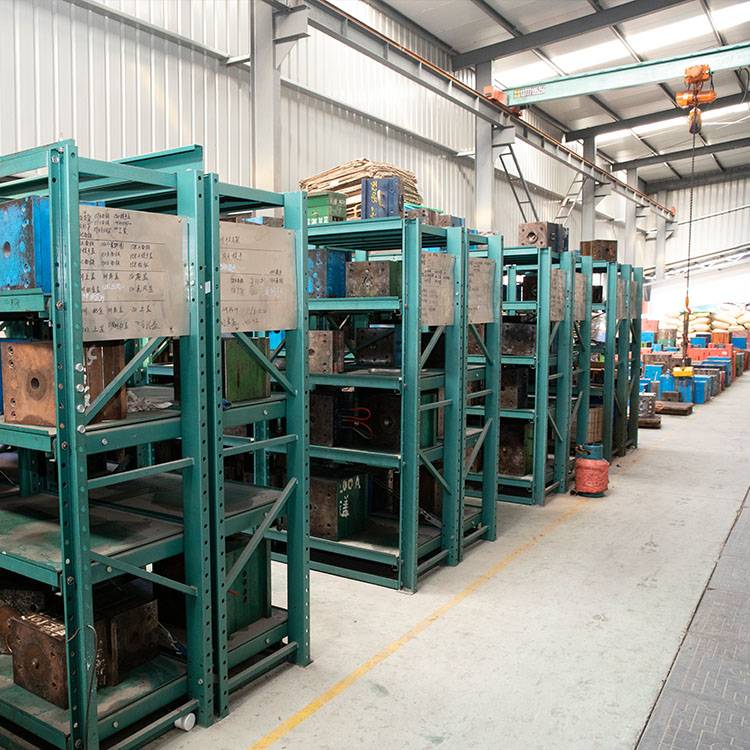
Explore our advanced manufacturing facilities, featuring high-precision CNC machining centers, automated injection moulding lines, and dedicated quality testing laboratories.
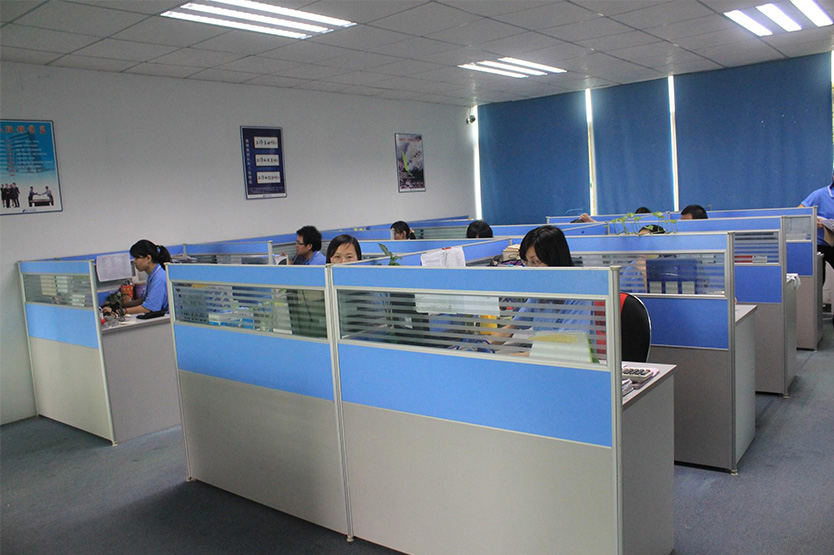
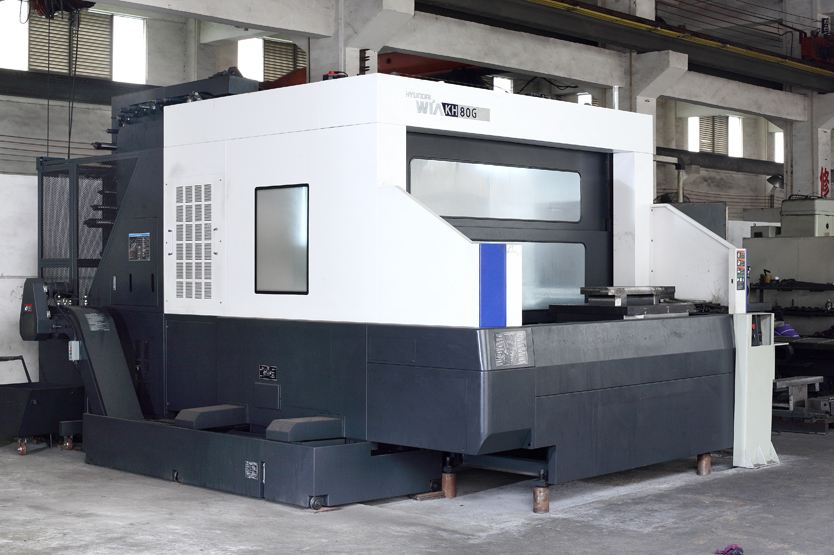
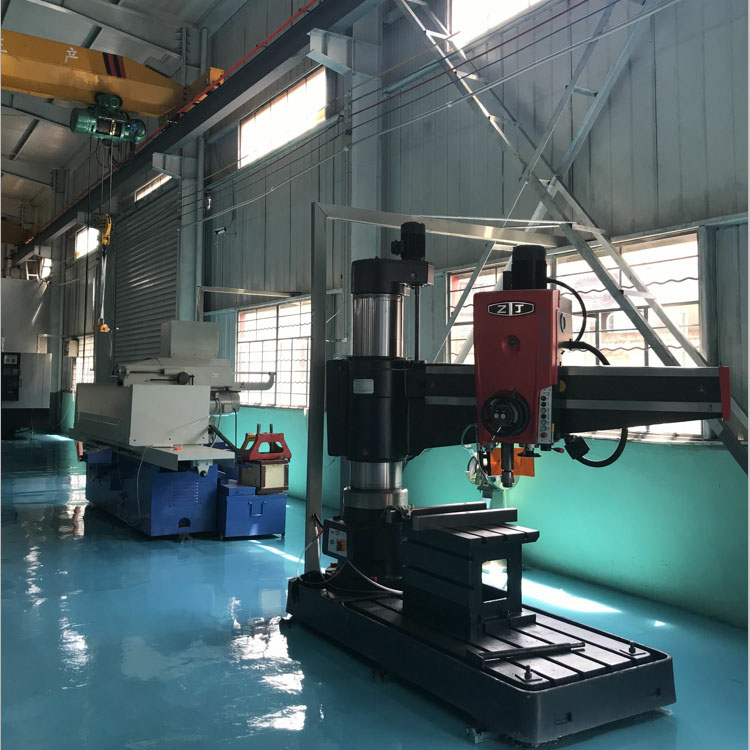
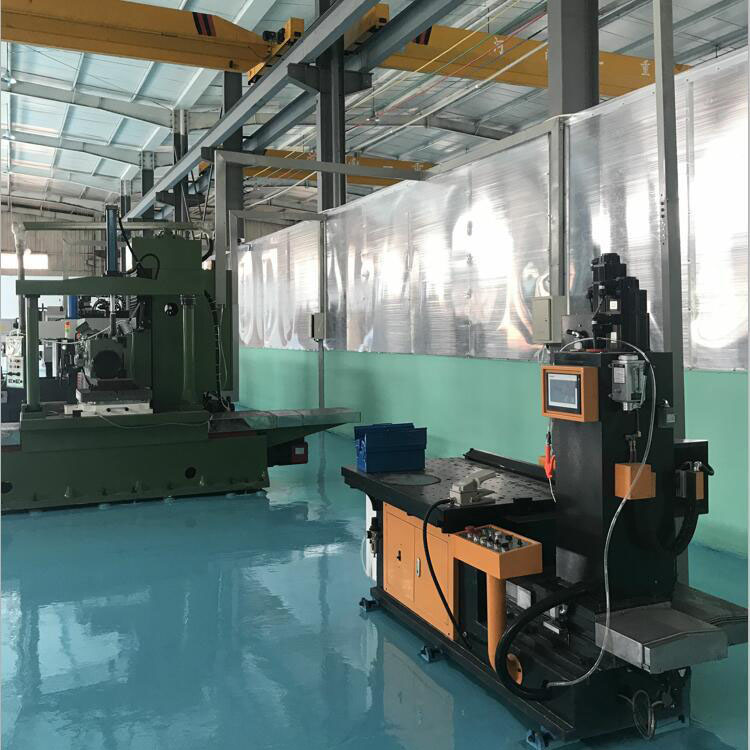
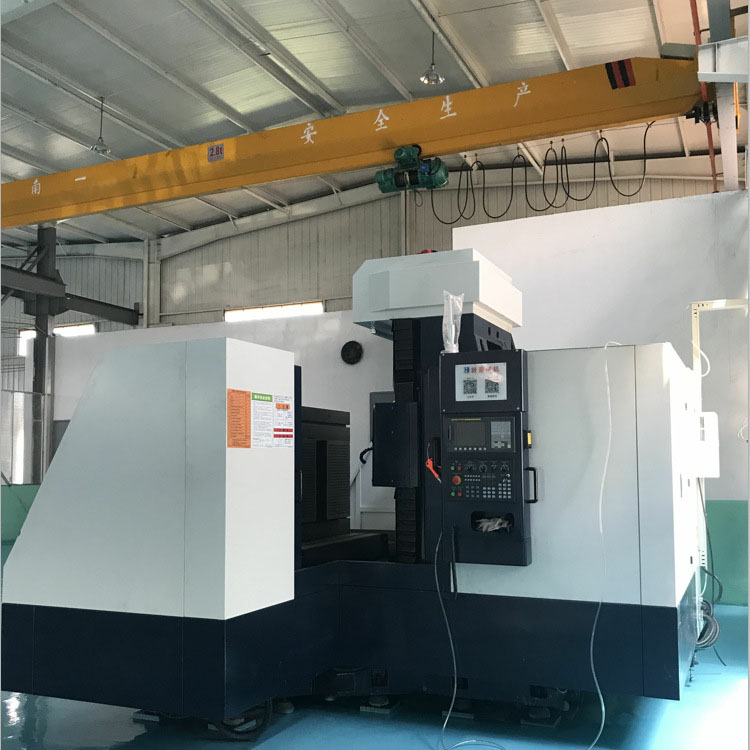
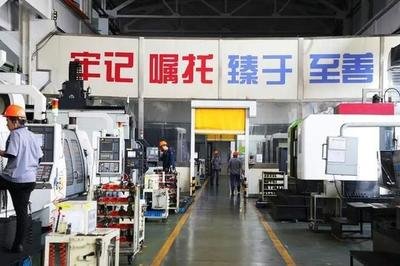
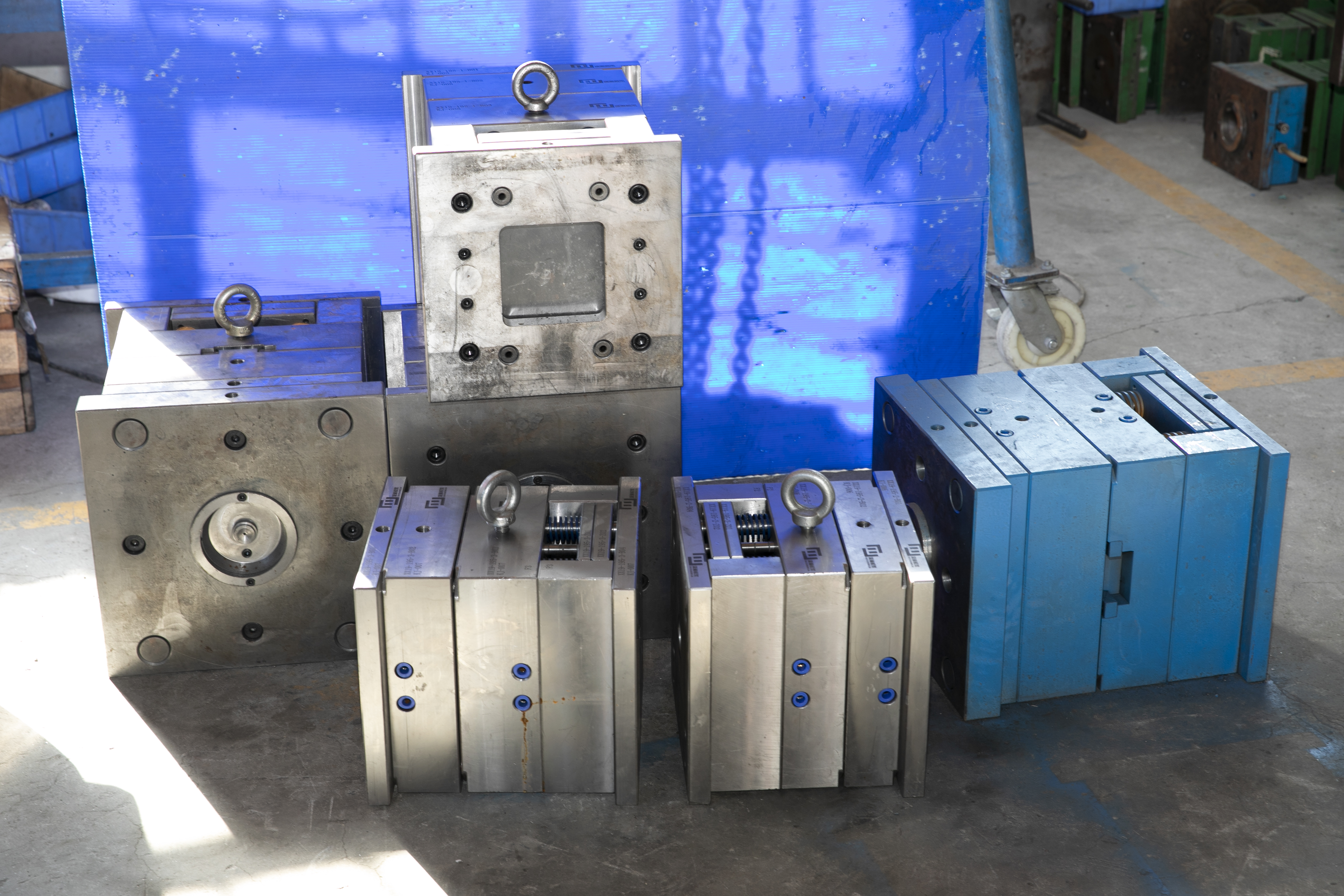
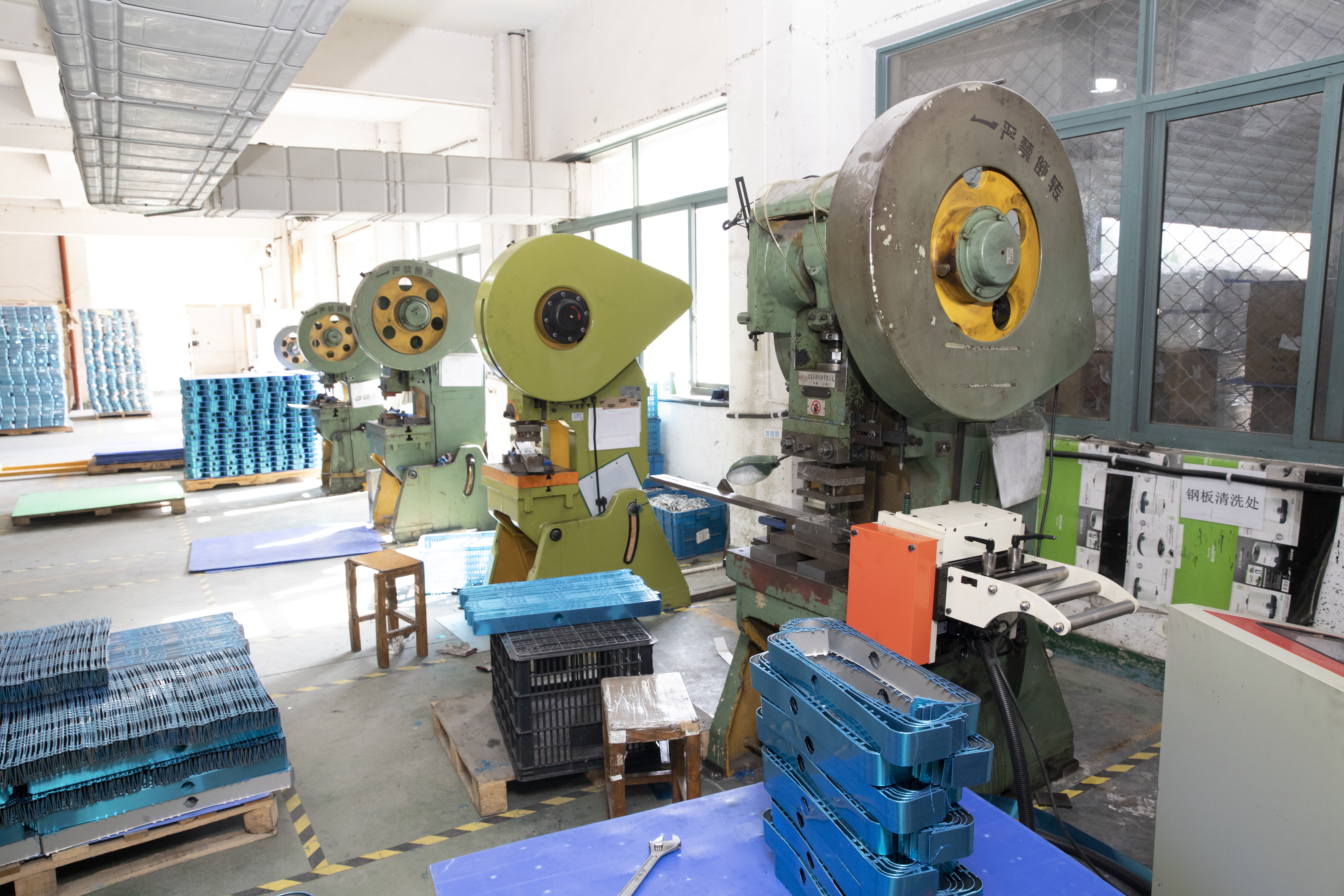
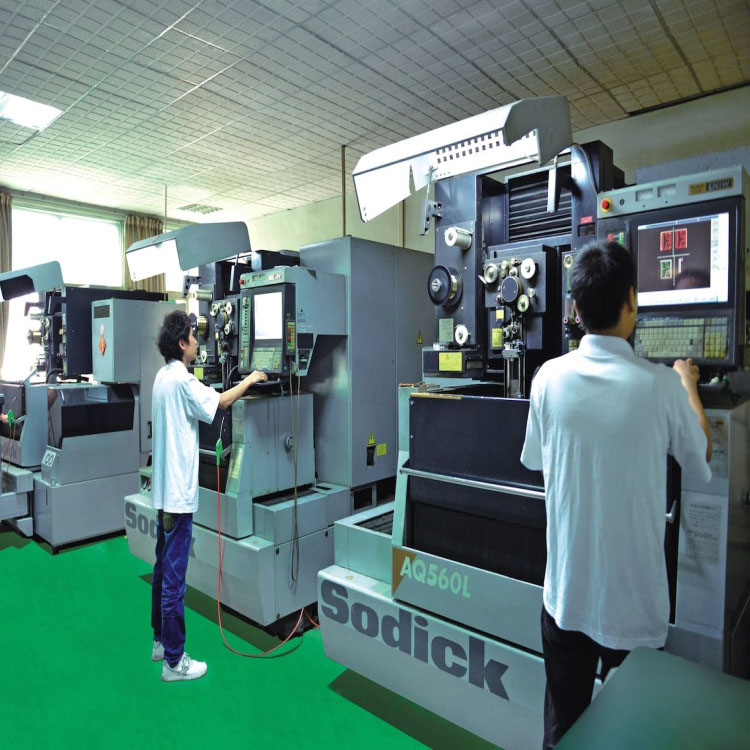
From initial concept design to final product delivery, our systematic workflow ensures that every signal light plastic mould is manufactured to exact client specifications.

As the construction industry moves towards automation and digitalization, the requirements for concrete casting moulds are undergoing significant changes. The integration of Internet of Things (IoT) sensors directly into precast concrete elements is a rising trend. These sensors monitor concrete curing temperatures, structural health, and internal stress over time. To accommodate these sensors, plastic moulds must feature dedicated slots and routing pathways that do not compromise the structural integrity of the cast concrete.
Furthermore, environmental sustainability is reshaping material science in the mould manufacturing sector. There is an increasing demand for biodegradable or highly recyclable polymers that offer the same structural performance as traditional plastics but with a significantly reduced carbon footprint. Ningbo P&M is actively researching and implementing eco-friendly polymer alternatives to help our clients achieve their green building certifications. By optimizing mould geometry to minimize material usage without sacrificing strength, we contribute to a more sustainable construction ecosystem.
In summary, the production of Signal Light Plastic Moulds For Concrete Casting Forming is a highly specialized field that demands a deep understanding of both plastic injection technology and the physical properties of concrete. Partnering with an experienced manufacturer like Ningbo P&M ensures that your infrastructure projects are supported by precision-engineered, durable, and cost-effective tooling solutions.