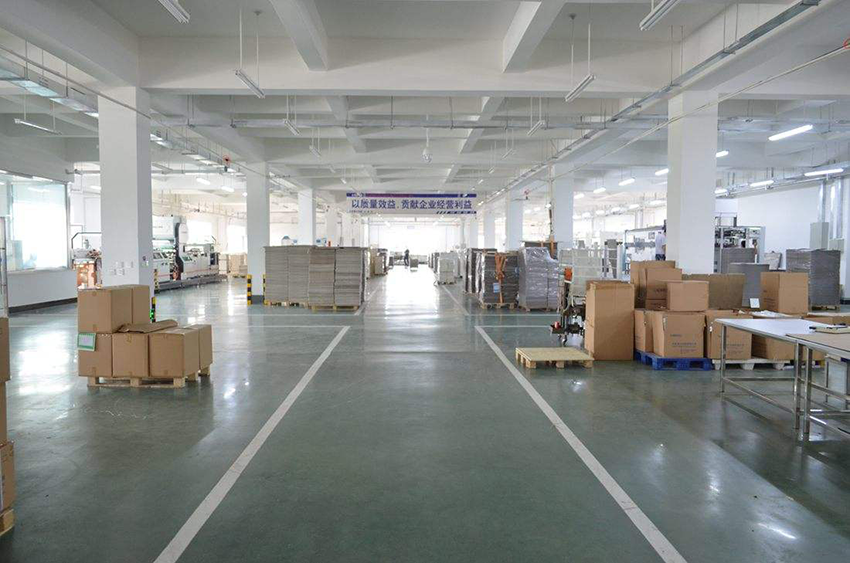
State-of-the-art tooling engineered for high-performance home appliance manufacturing
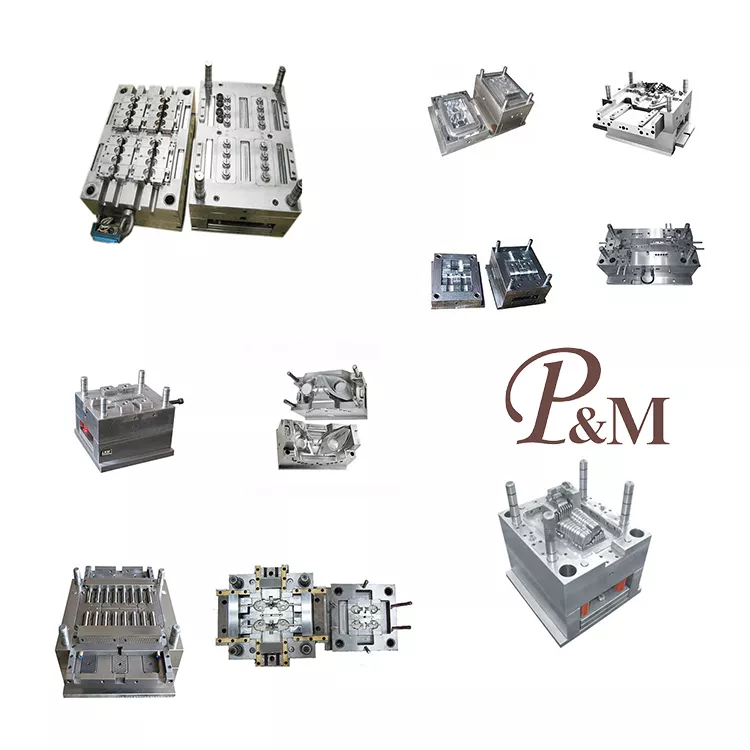
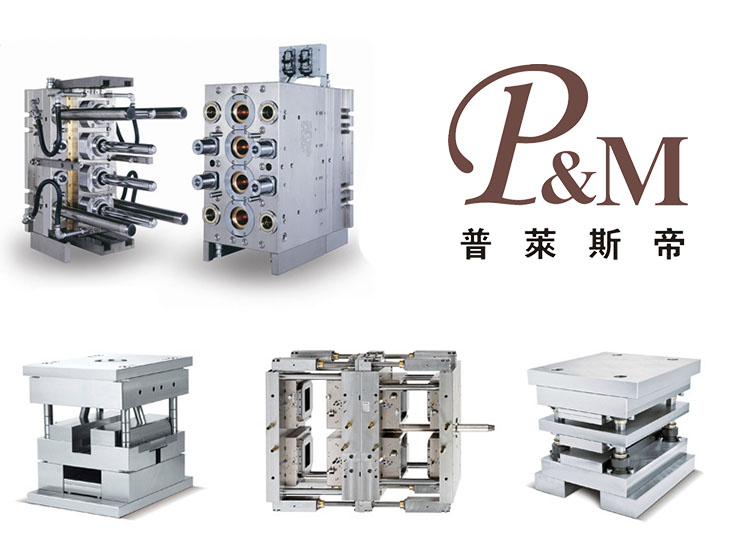
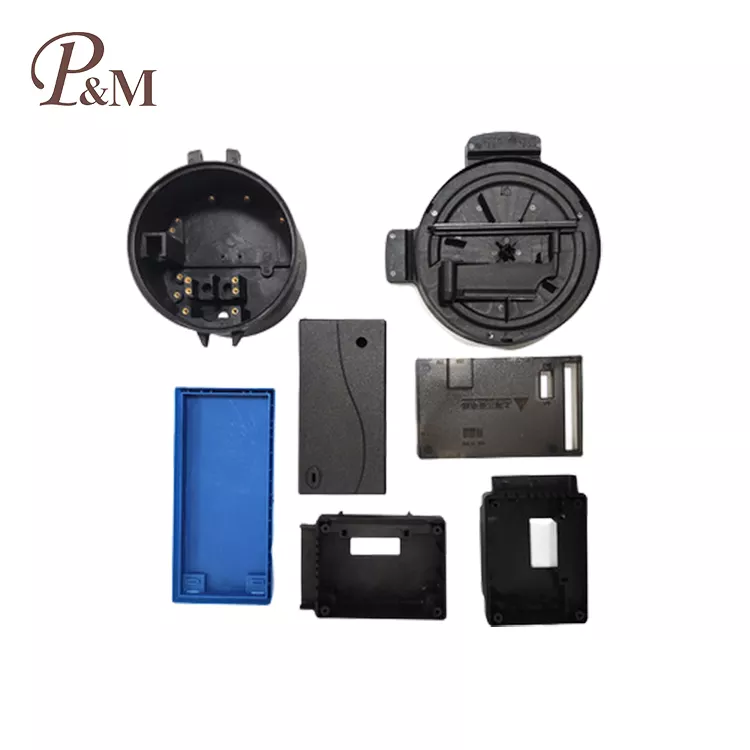
The global home appliance market is undergoing a monumental paradigm shift. With the rapid rise of the Internet of Things (IoT), smart home ecosystems, and strict energy-efficiency mandates, modern consumers expect appliances that are not only highly functional but also aesthetically flawless, structurally durable, and environmentally responsible. Behind every sleek refrigerator casing, smart washing machine control panel, and whisper-quiet air conditioner housing lies the unsung hero of the manufacturing industry: high-precision plastic moulds and dies.
Historically, home appliance moulding focused primarily on high-volume, low-cost production. Today, however, the commercial landscape demands rapid prototyping, extreme dimensional accuracy, and the ability to process advanced engineering polymers. Industrial manufacturers are forced to optimize their supply chains, transitioning from traditional tooling methodologies to smart, automated, and digitally integrated mould-making systems. As global competition intensifies, companies that utilize cutting-edge CAD/CAM/CAE technologies, advanced hot runner systems, and high-wear-resistant steel alloys for their dies are securing a significant competitive edge.
Moreover, the geographical distribution of mould manufacturing has evolved. Regions like Yuyao, China—widely celebrated as the "Mould City" and "Plastic Kingdom"—have consolidated their positions as global hubs. By integrating raw material supply chains, advanced CNC machining infrastructure, and deep engineering expertise, these clusters offer unprecedented cost-to-quality ratios, enabling international appliance brands to accelerate their time-to-market dramatically.
Plastic injection moulding is the backbone of the modern appliance sector, offering versatile solutions across diverse product categories:
Global leader in custom plastic injection moulding and tool manufacturing
Ningbo P&M PLASTIC METAL PRODUCT CO., LTD is located in Yuyao, the so-called Mould City, Plastic Kingdom, in the southern tip of Hangzhou Bay Bridge, north of Shanghai, the east of Ningbo Port, tight double line of State Road 329 on land, sea and air traffic into a network to facilitate transport. By the abundant technical strength, scientific management methods and good after-sales service, products are deeply trusted and welcomed by customers from all over the world.
P&M started domestic business in 2008 and opened up the international market in 2014, always adhering to the principle of quality first and time supreme. While providing customers with the best quality products, it maximizes production efficiency and shortens production time. Our main products include the design and manufacturing of plastic molds, plastic products, and metal products. 90% of our products are exported to America, Europe, Germany, Japan, Australia, etc. We adhere to a market-oriented approach to the quality of life, focusing on quality service and continuous development of new products, determined to establish a better corporate image, and carry out a wide range of business exchanges and cooperation with our friends at home and abroad to create brilliance.

Why leading global home appliance brands choose Ningbo P&M as their long-term tooling partner
The company specializes in producing high-performance equipment, backed by strong technical force, robust development capabilities, and outstanding technical services.
P&M holds an improved system of development and production to achieve seamless mold design, plastic products manufacturing, and automated production.
Leveraging optimized supply chains and automated high-speed machining centers, you can receive your custom products within 30 days.
We are proud to state that we have not lost a single customer since our establishment. If there is a problem, we actively seek solutions and are responsible to the end.
The manufacturing of plastic moulds and dies is no longer a purely mechanical discipline; it has evolved into a high-tech science integrating material chemistry, thermodynamics, and digital automation. Several key trends are defining the future of home appliance moulding:
Traditional cooling channels are drilled in straight lines, which often fail to reach complex curves and deep cavities, leading to uneven cooling, residual stress, and warping. With the advent of metal 3D printing (Direct Metal Laser Sintering), mould makers can now design conformal cooling channels that follow the exact contours of the appliance part. This technology reduces cycle times by up to 30% and significantly improves the dimensional stability of large parts like washing machine tubs and refrigerator panels.
Industry 4.0 has introduced "smart tooling." By embedding cavity pressure sensors, thermocouple sensors, and cycle counters directly into the mould base, manufacturers can monitor the injection process in real-time. This data allows for predictive maintenance, alerting operators to potential wear or misalignment before defective parts are produced. It also ensures consistent quality across millions of cycles, which is critical for high-volume home appliance production runs.
As appliance manufacturers increasingly turn to glass-fiber-reinforced polymers and flame-retardant additives to improve the structural strength and safety of their products, the abrasive wear on moulds has escalated. The industry is shifting toward premium tool steels such as S136, NAK80, and H13, combined with advanced surface coatings like Physical Vapor Deposition (PVD) and Diamond-Like Carbon (DLC) to extend the service life of the dies and preserve high-gloss finishes.
Environmental sustainability is a primary corporate objective for major home appliance brands. Moulds must now be engineered to handle Post-Consumer Recycled (PCR) resins and bioplastics, which often exhibit different melt flow indexes, shrinkage rates, and thermal properties compared to virgin plastics. Advanced simulation software (such as Moldflow) is critical in the design phase to optimize gate locations and venting systems for these eco-friendly materials.
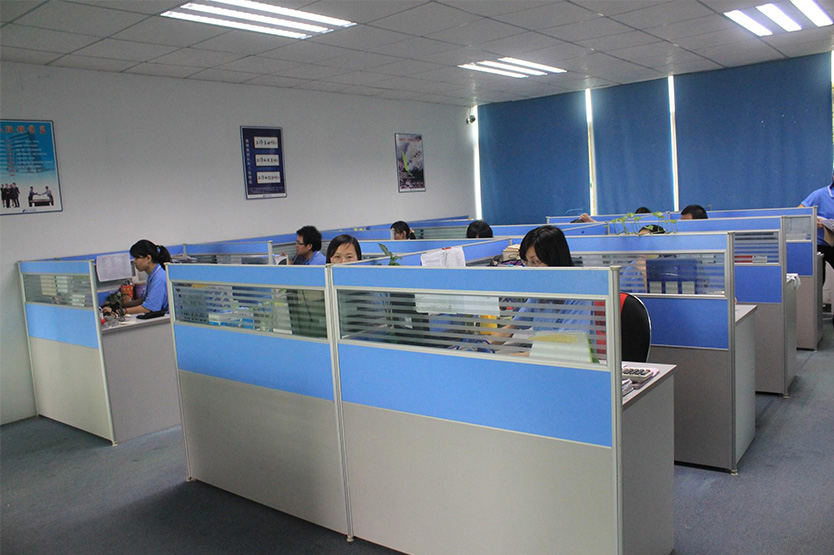
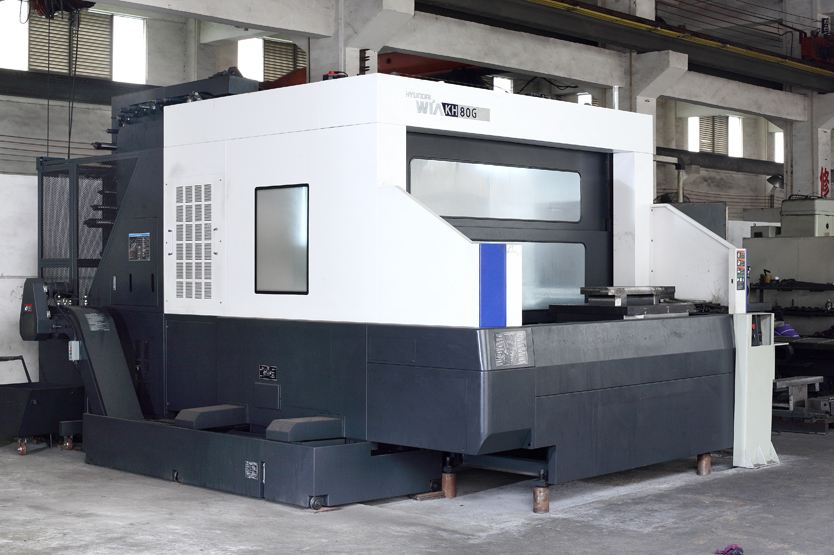
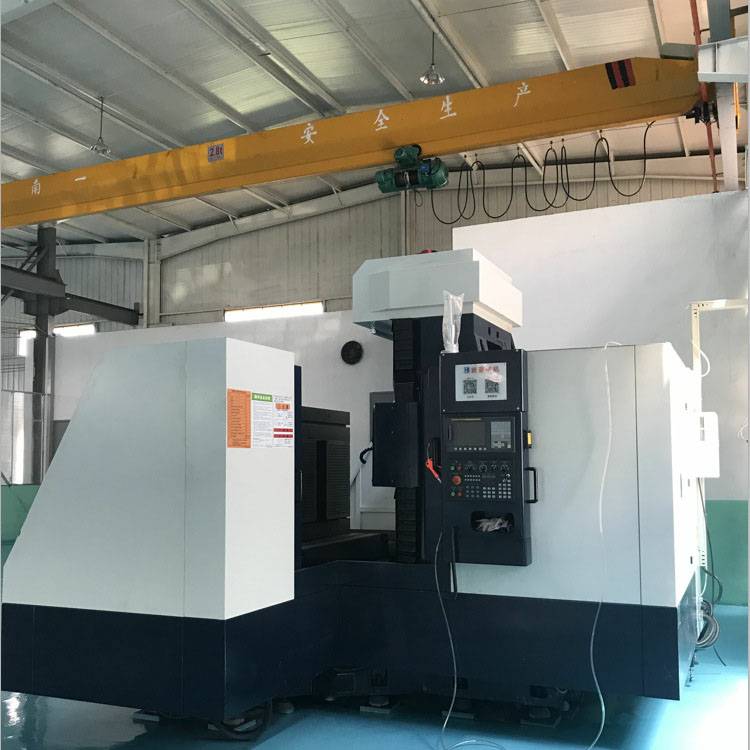
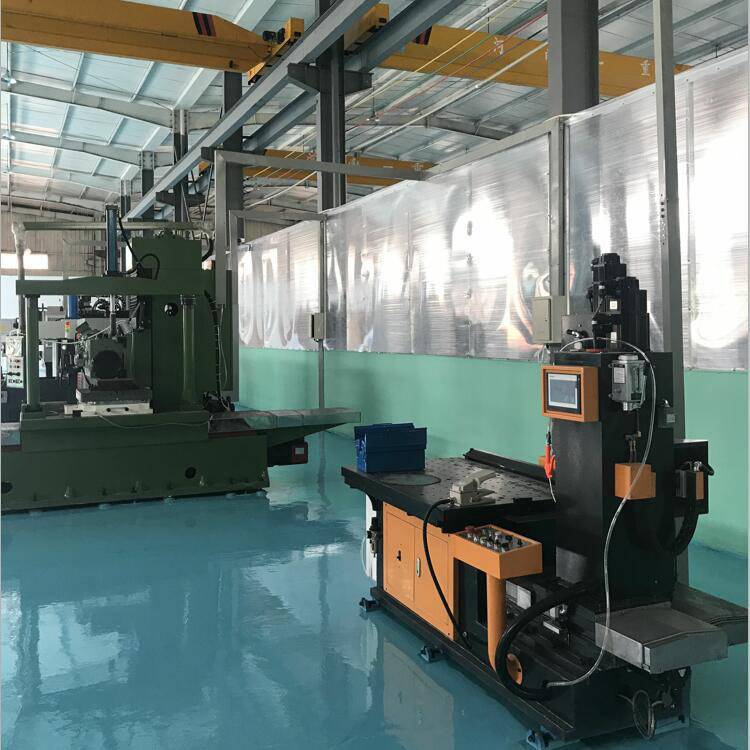
Explore our state-of-the-art workshops equipped with high-speed CNC machining centers and testing labs
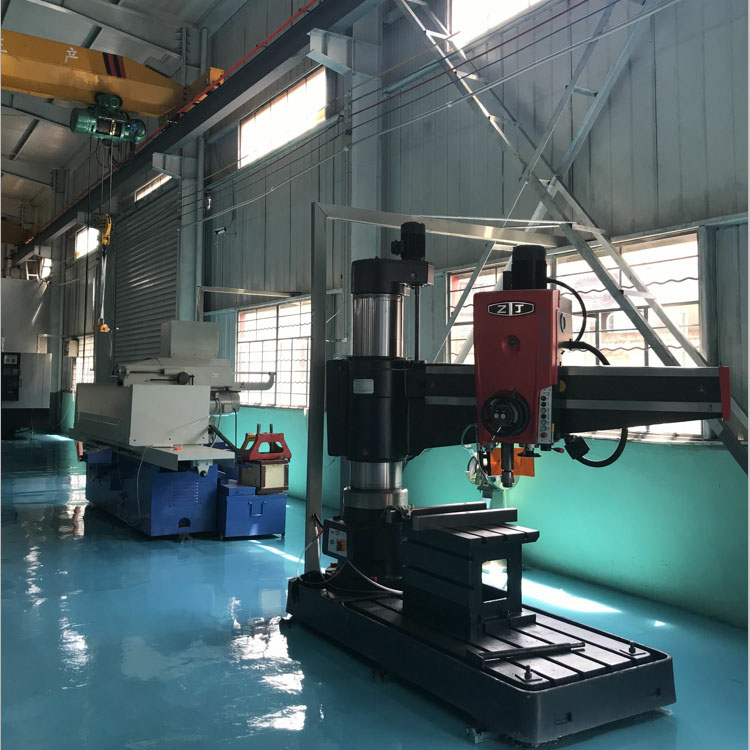
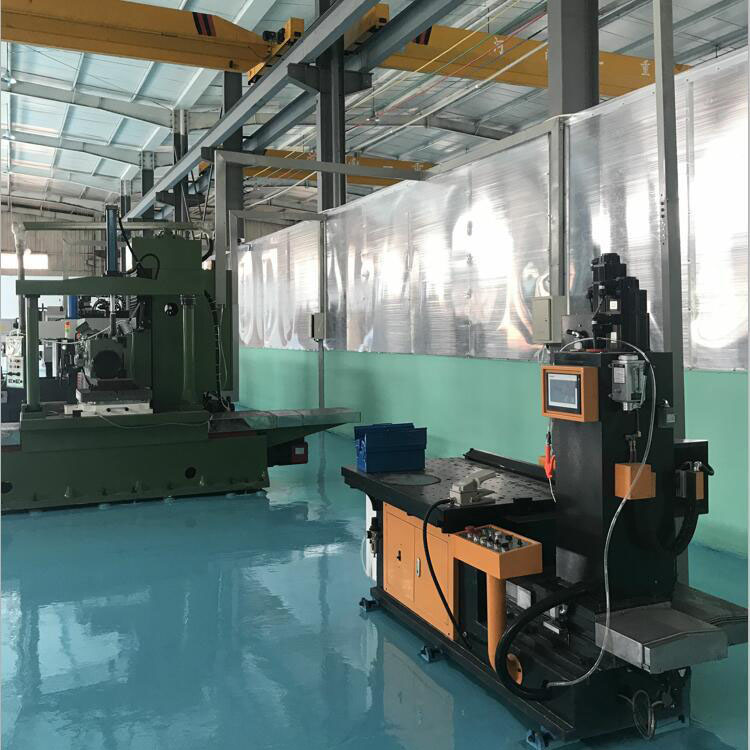
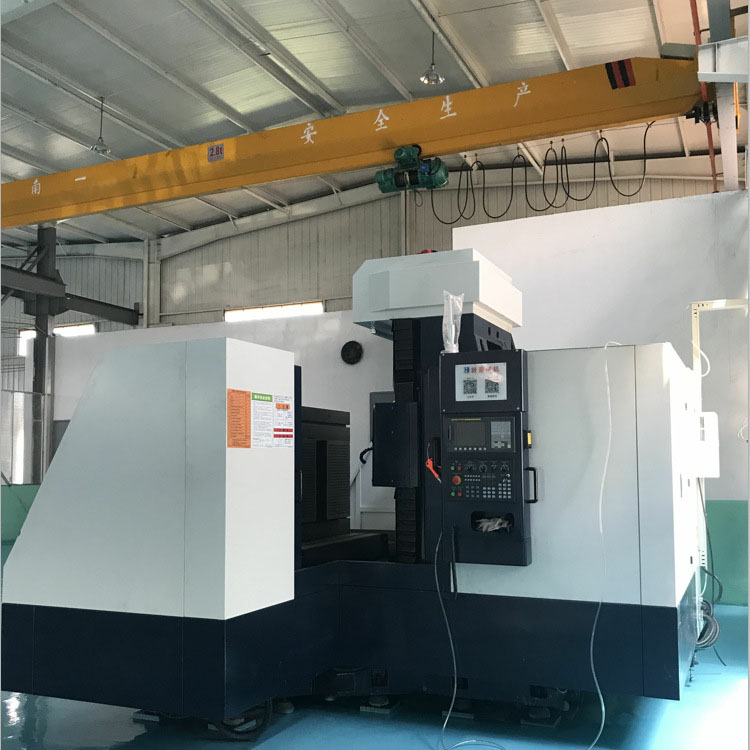
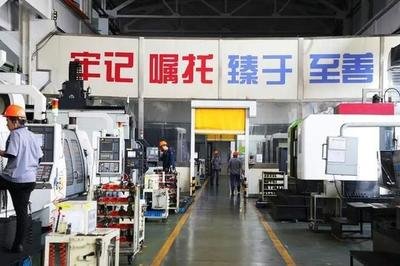
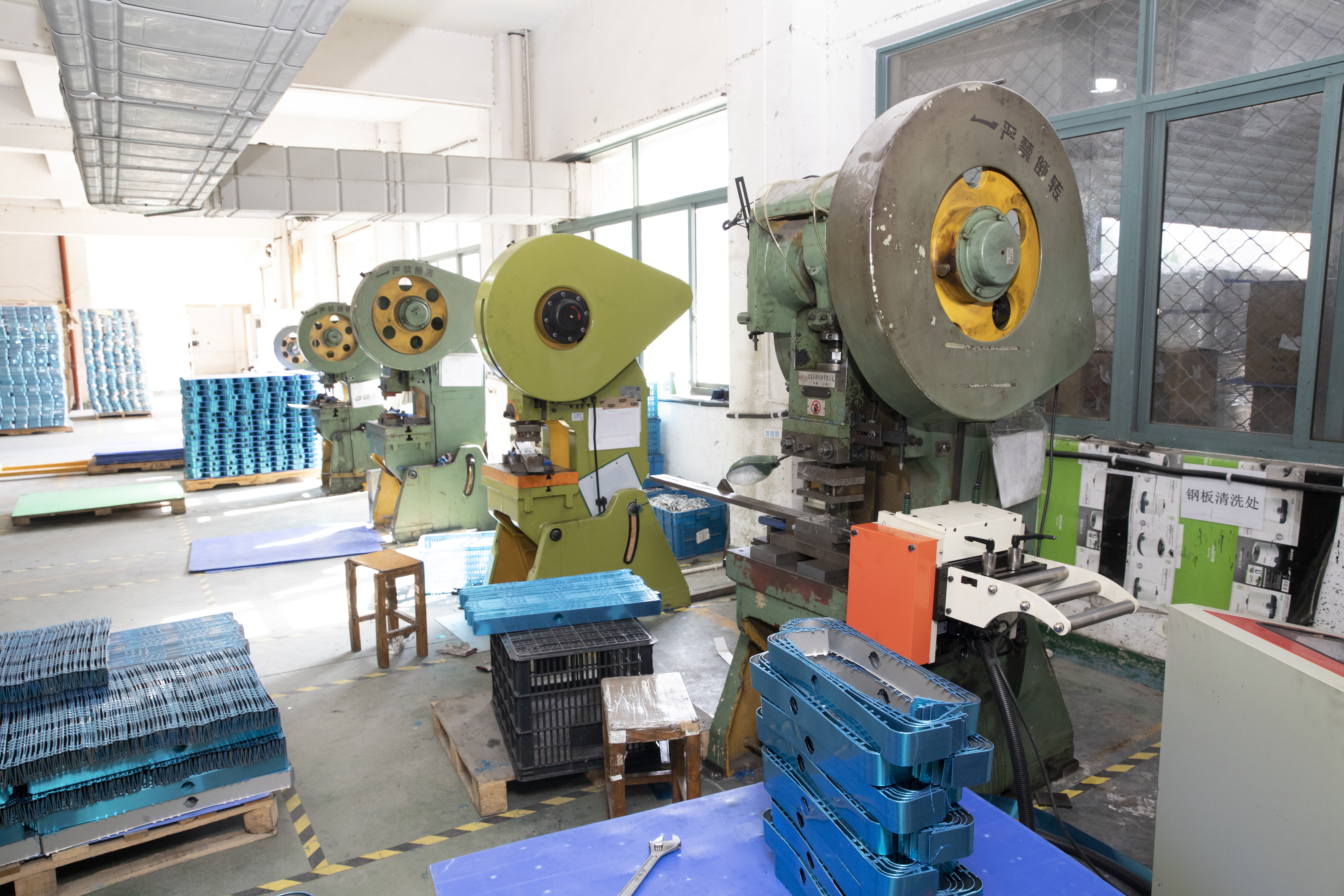
Rigorous manufacturing steps ensuring absolute precision and zero-defect output

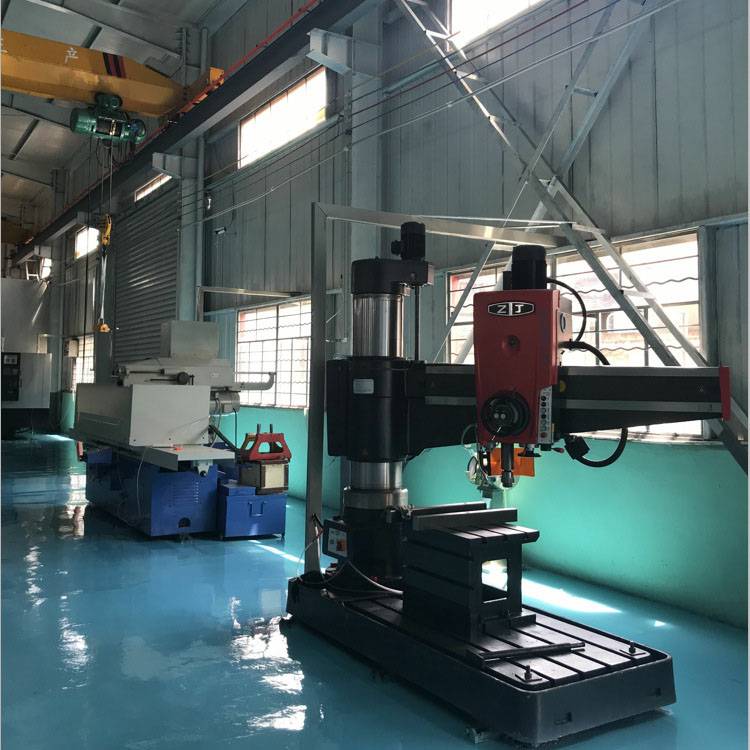
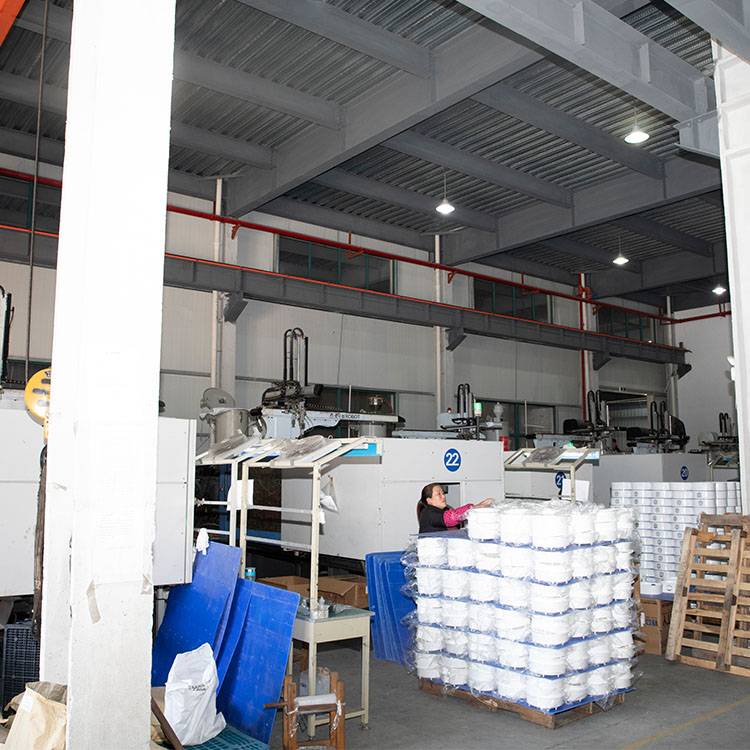
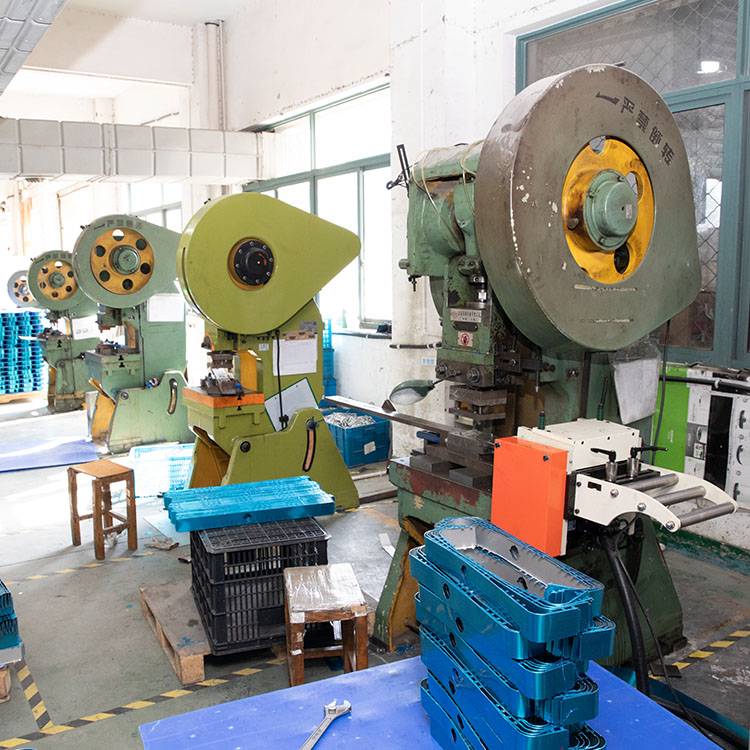
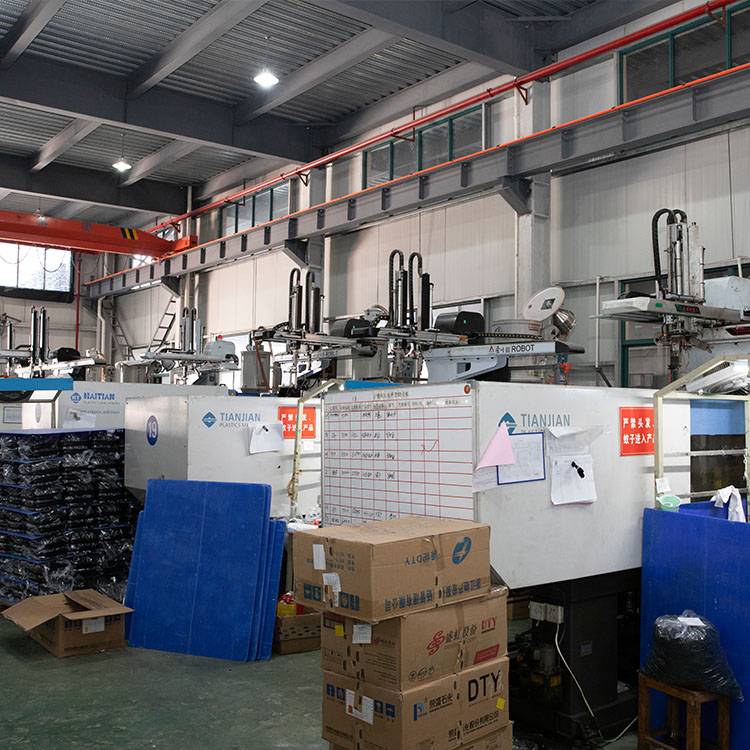
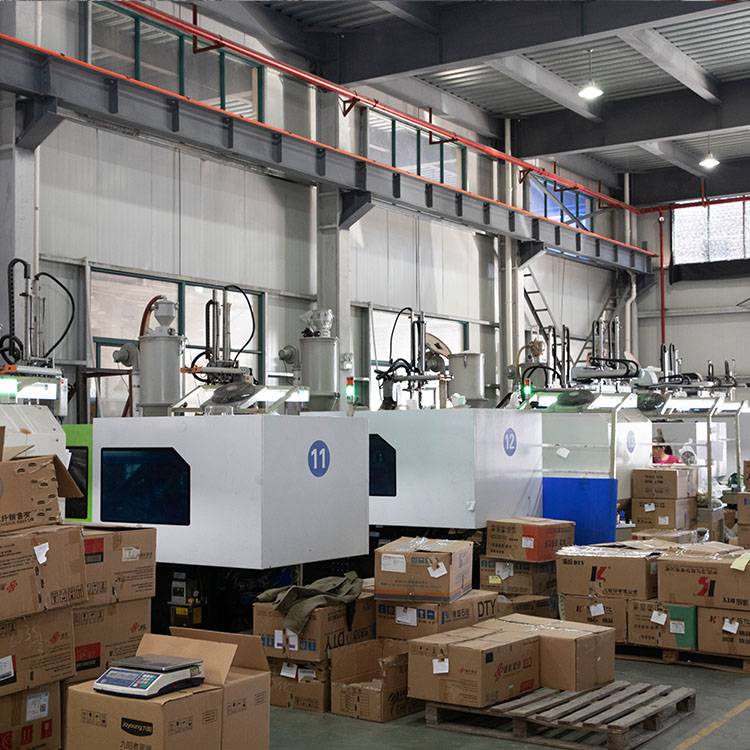
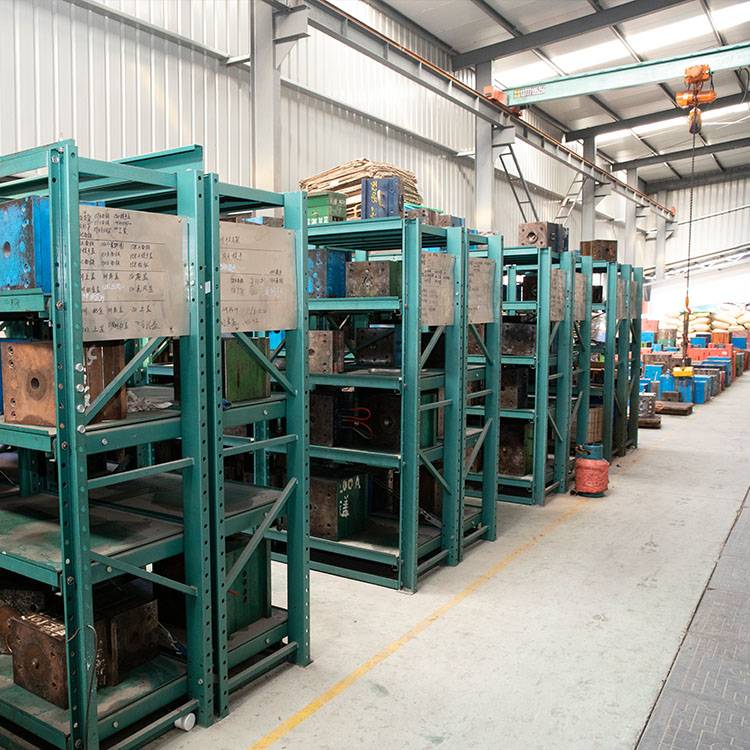
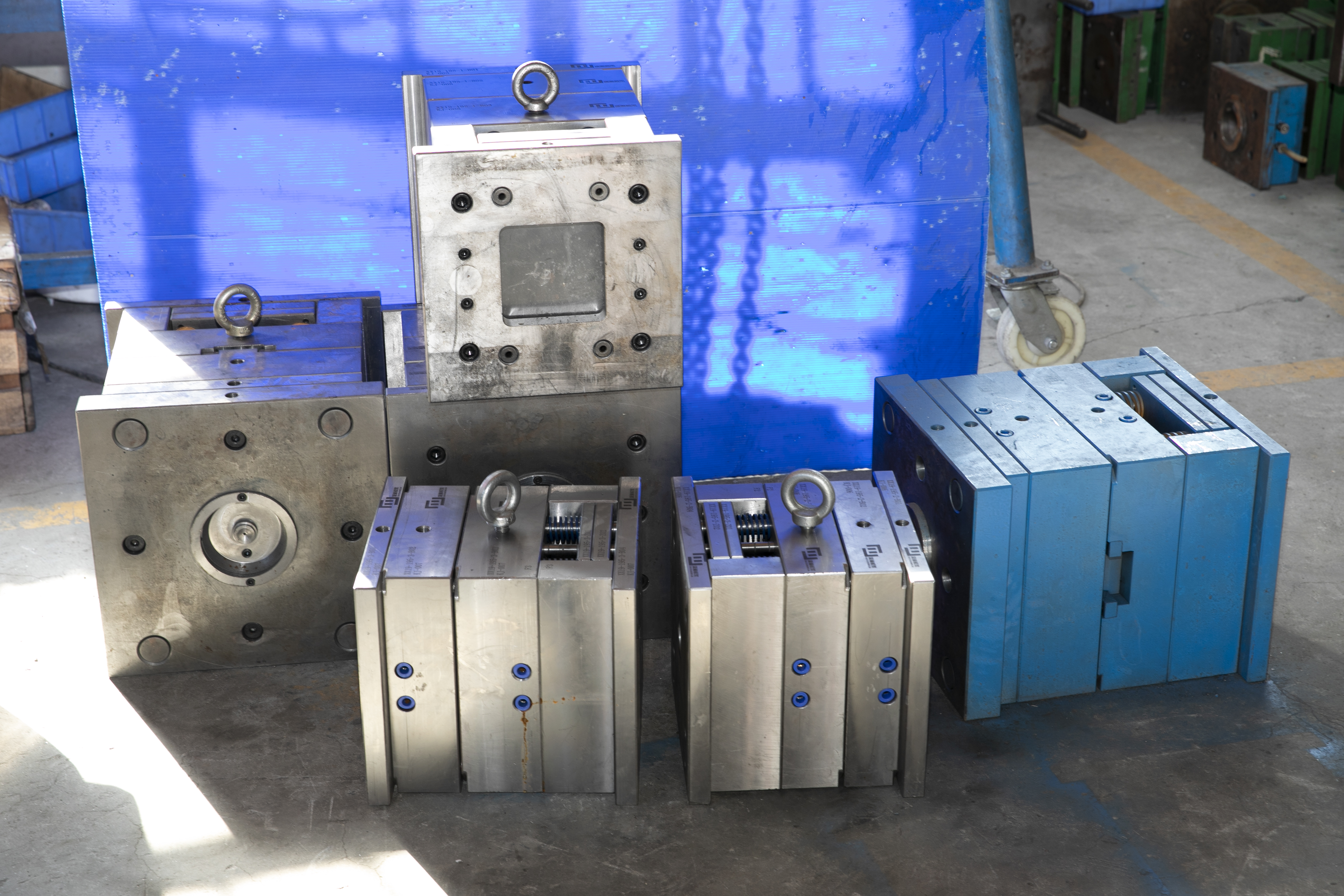
Explore our highly-optimized plastic moulds tailored for global appliance manufacturers

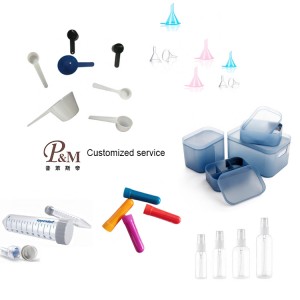


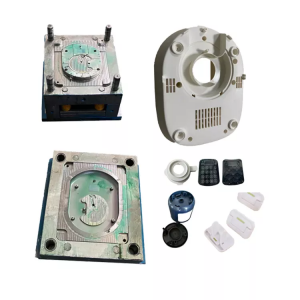
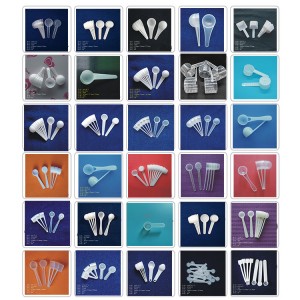
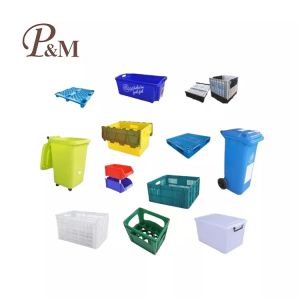
A comprehensive showcase of our engineering capabilities across varied industrial domains
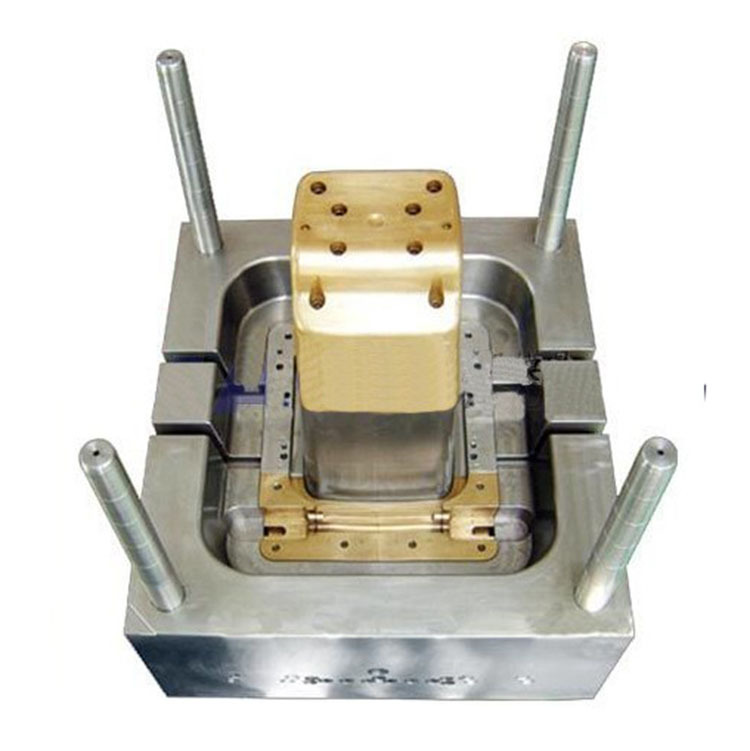
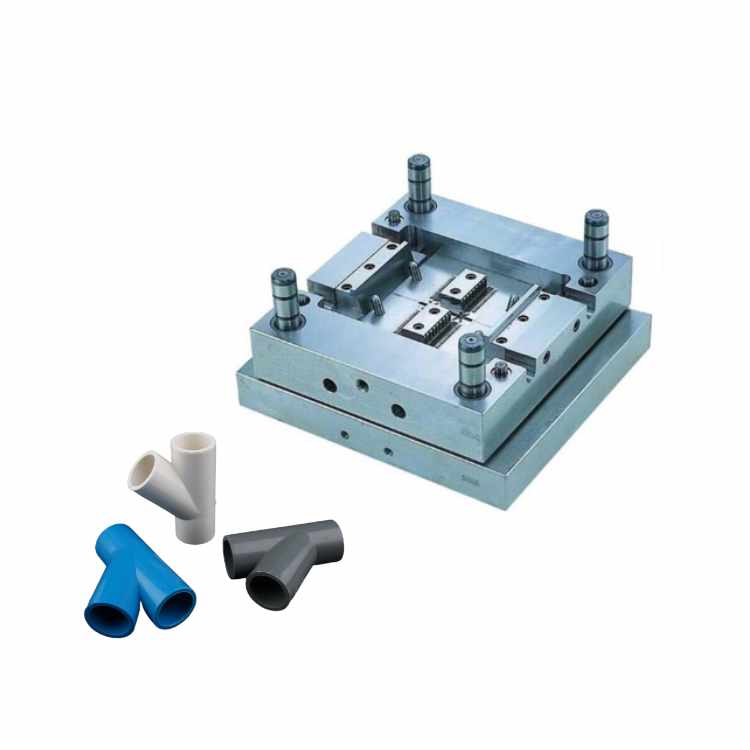
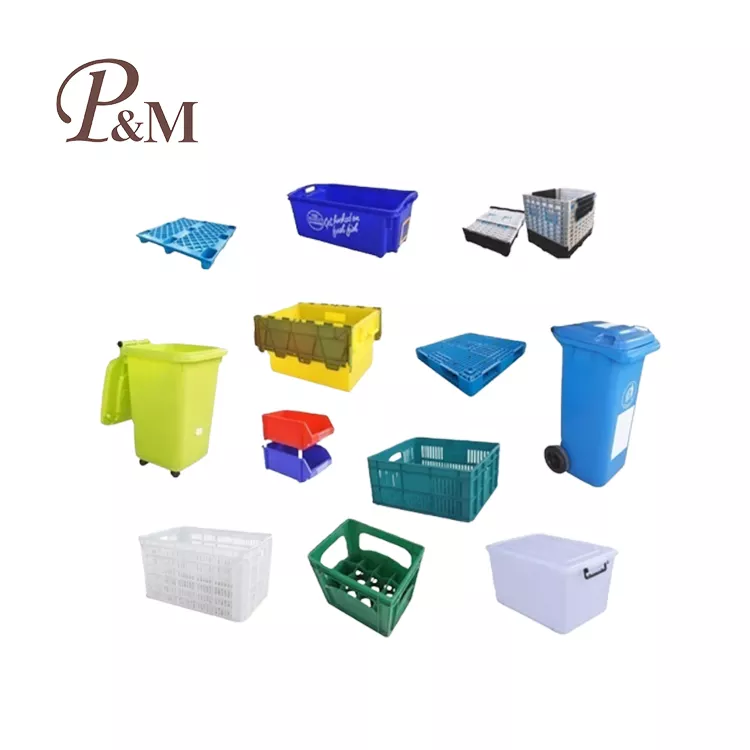
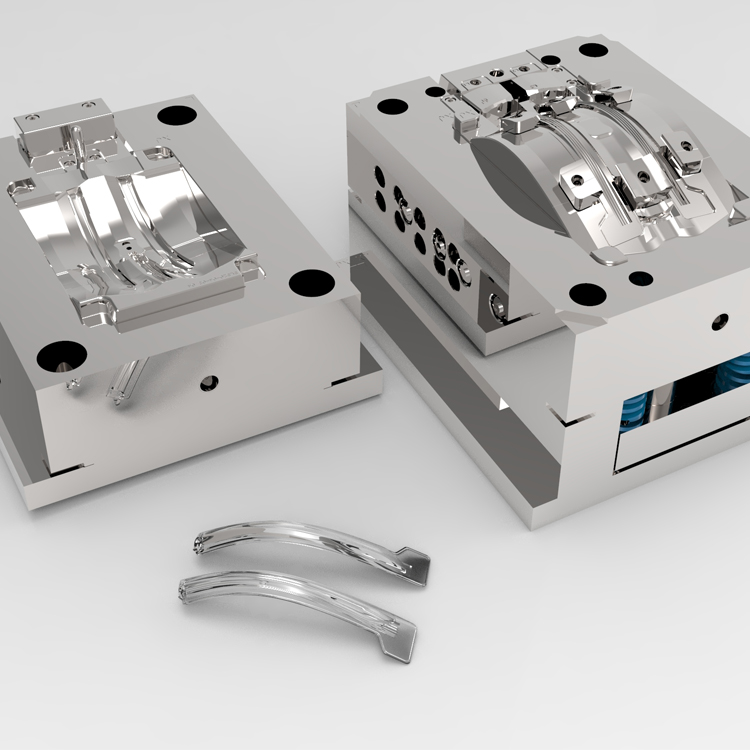

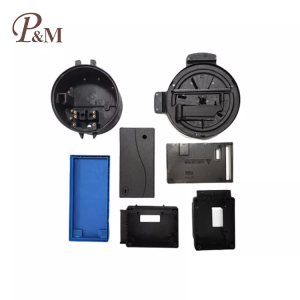
To achieve commercial success in home appliance manufacturing, optimizing the design of plastic moulds and dies is critical. The engineering phase dictates up to 80% of the total manufacturing cost and production cycle time. Here are the key design considerations that Ningbo P&M integrates into every project:
For large appliance housings, such as the back cover of an LED television or a vacuum cleaner body, maintaining a uniform wall thickness is vital to prevent sink marks and structural warping. Our engineering team utilizes advanced finite element analysis (FEA) to simulate polymer flow and solidification. Draft angles are meticulously calculated—typically ranging from 1° to 3° for smooth surfaces, and up to 5° for textured surfaces—to ensure seamless part ejection without marking the cosmetic exterior.
The choice between hot runner systems and cold runner systems has a profound impact on material waste and cycle times. For high-volume home appliance parts, we utilize valve-gated hot runner systems. This design eliminates runner waste, improves melt flow control, and prevents cosmetic defects such as gate blush or drooling. For multi-cavity moulds producing smaller internal components, optimized cold runner configurations with automated regrind integration are deployed to balance cost and production speed.
High-speed injection moulding can trap air within the mould cavity, leading to incomplete filling (short shots) or localized burning of the polymer due to compression heating. We incorporate precise venting slots along the parting line and ejector pins. These vents are engineered to be narrow enough (typically 0.02mm to 0.04mm) to allow air to escape while preventing plastic melt from flashing, ensuring clean edges and consistent density.
At Ningbo P&M, quality control is a continuous process. Every mould undergoes rigorous testing on our coordinate measuring machines (CMM) to verify dimensional accuracy down to the micron level. We also establish customized preventative maintenance protocols for our clients, ensuring that guide pins, slides, and cooling lines are regularly cleaned and lubricated, extending the operational life of the tooling to millions of cycles.
Our location in Yuyao, Ningbo offers significant logistical advantages. Positioned at the southern tip of the Hangzhou Bay Bridge, we enjoy direct highway access north to Shanghai and east to Ningbo Port—one of the busiest container terminals in the world. This strategic transport network enables us to quickly import high-quality tool steels and export finished moulds and injection-moulded products to America, Europe, Japan, and Australia, minimizing transit times and reducing overall supply chain costs.