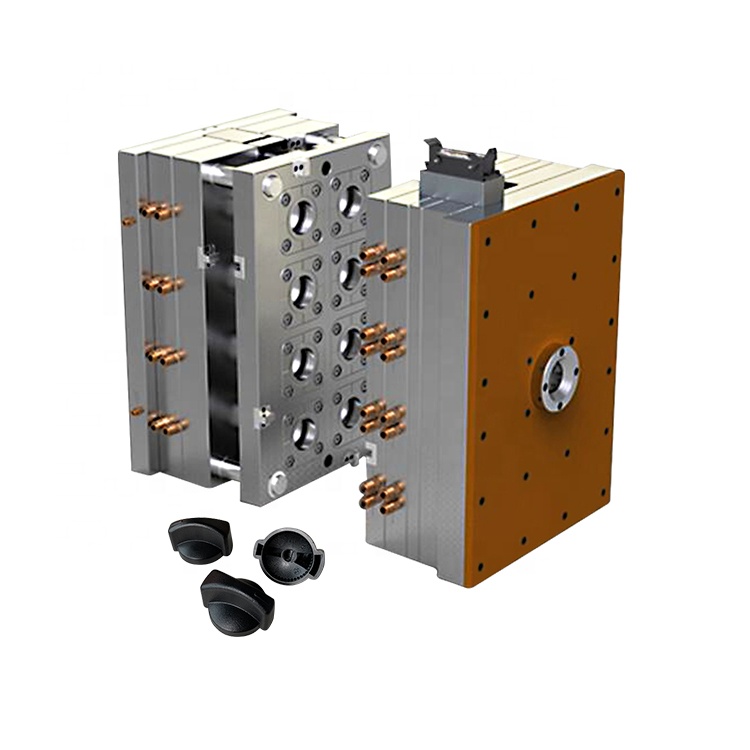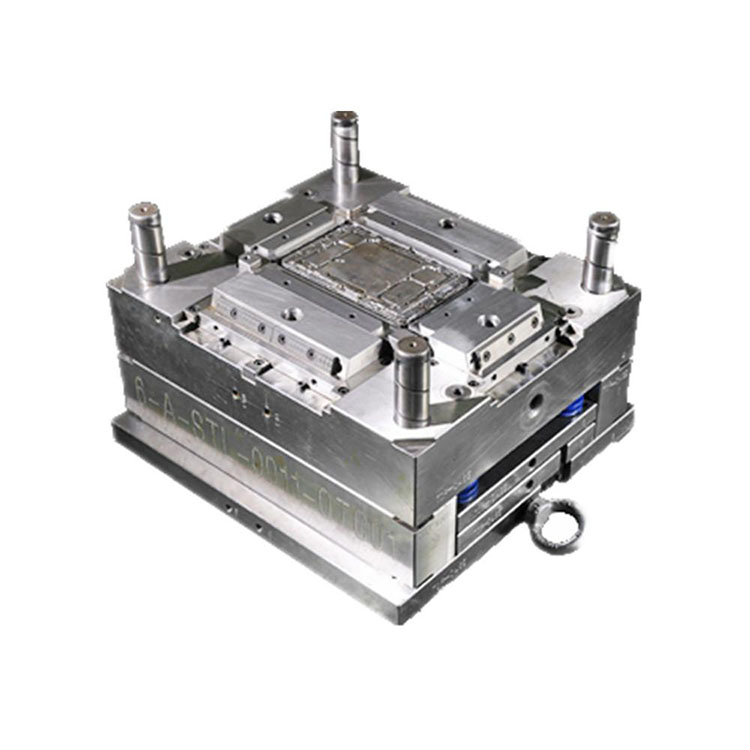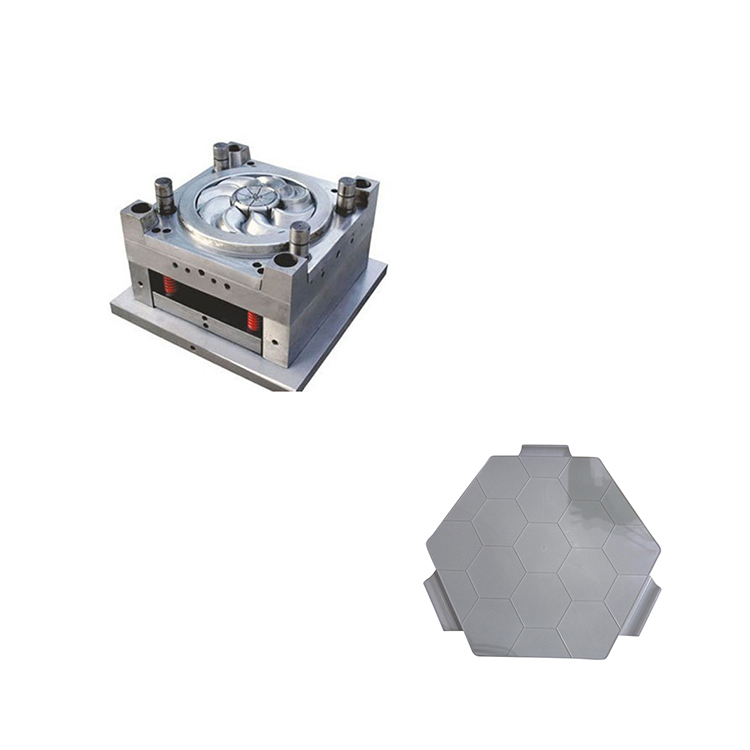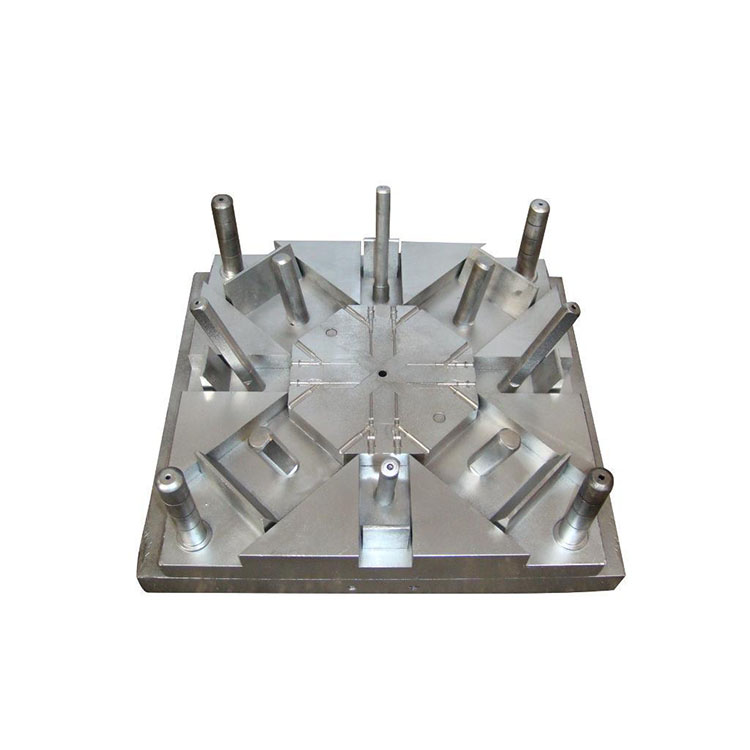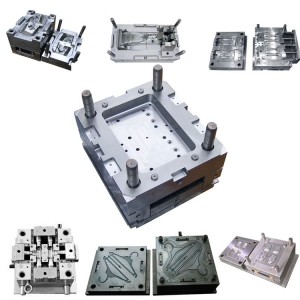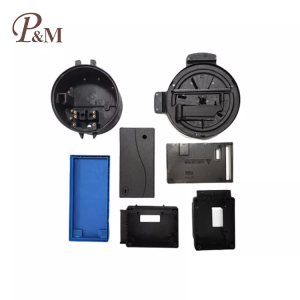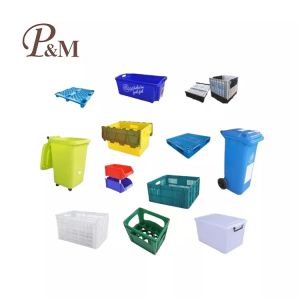
Explore our high-precision molds and components tailored specifically for optical and warning signal light productions.
In the modern automotive and industrial landscape, signal light systems are paramount for safety, communication, and aesthetic differentiation. From automotive brake lights and dynamic turn indicators to industrial stack lights and emergency warning beacons, the components demand exceptional optical clarity, structural durability, and precision fitment. This is where specialized plastic mould die makers step in, bridging the gap between intricate industrial designs and high-volume, defect-free production.
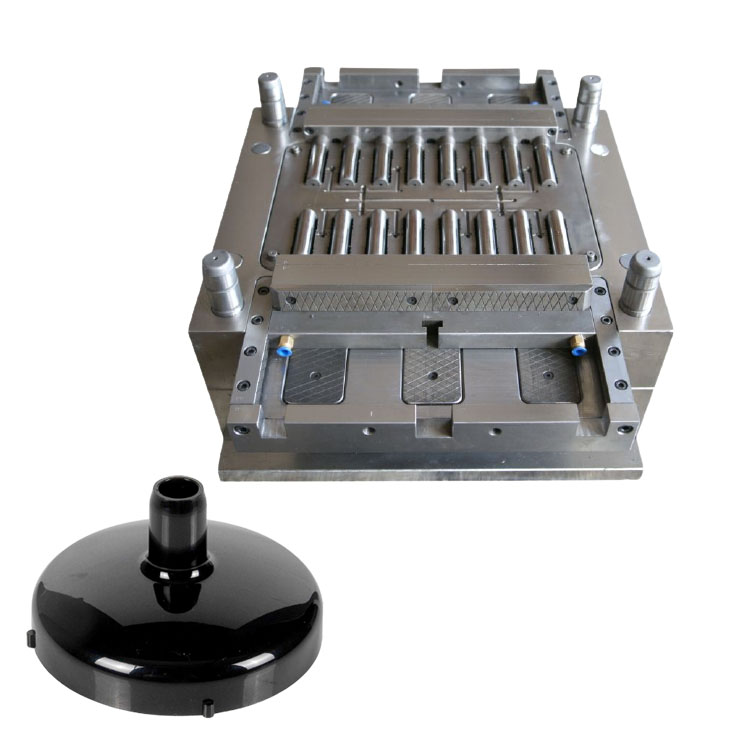
Signal light parts, particularly lenses and reflectors, require specialized tooling techniques. Unlike standard plastic enclosures, optical parts must transmit and direct light with minimal scattering. This necessitates a mirror-like finish on the mold cores and cavities, often requiring manual or automated diamond polishing to SPI A-1 standards. Furthermore, the selection of tooling materials is critical; tool steels must withstand the high temperatures and pressures of injecting materials like Polycarbonate (PC) and Polymethyl Methacrylate (PMMA) without degrading over time.
“Precision is not just a metric; it is the core foundation of optical performance. A micro-deviation in the mold facet can distort the light beam, failing regulatory compliance and compromising safety.”
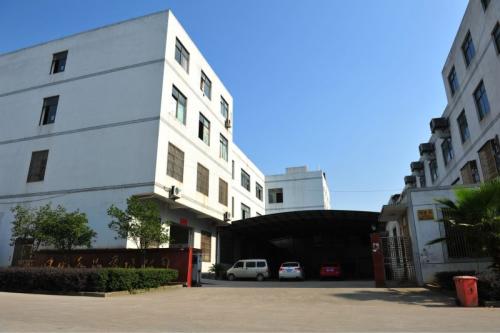
We combine geographical advantages, professional technical expertise, and an unwavering commitment to quality service.
Ningbo P&M PLASTIC METAL PRODUCT CO., LTD is located in Yuyao, the globally recognized "Mould City" and "Plastic Kingdom". Positioned at the southern tip of the Hangzhou Bay Bridge, north of Shanghai, and east of the bustling Ningbo Port, our strategic location provides a seamless network of land, sea, and air transport. Supported by abundant technical strength, scientific management methods, and responsive after-sales service, our products are deeply trusted and welcomed by global clients.
The rapid advancement of Smart Cities, Autonomous Vehicles (AVs), and Internet of Things (IoT) infrastructure has revolutionized the signal light industry. Today's signal lights are no longer simple indicators; they are complex optoelectronic assemblies. For instance, automotive signal lights now incorporate sequential LED arrays, light guides, and integrated sensors. This evolution presents unique challenges and opportunities for plastic mould die makers:
Modern signal lights often require multiple colors (e.g., clear, amber, and red) within a single integrated lens component to enhance aesthetics and reduce assembly labor. Plastic mould die makers utilize multi-shot injection molding (also known as two-shot or 2K molding) to achieve this. This process requires highly sophisticated mold designs featuring rotating plates or indexing cores. The tolerances must be kept under 10 microns to prevent material leakage (flashing) between different colored plastics during the sequential injection phases.
To meet international regulatory standards (such as SAE in North America and ECE in Europe), signal light lenses must distribute light in precise patterns. Mold makers achieve this by incorporating micro-prisms, fresnel lenses, or pillow optics directly into the mold surface. Producing these micro-structures requires advanced CNC machining, high-speed milling, and electrical discharge machining (EDM) executed by experienced engineers.
High-power LEDs generate localized heat that can degrade standard plastics. Consequently, signal light housings are increasingly manufactured from high-performance engineering plastics like Polycarbonate (PC) for lenses and Acrylonitrile Butadiene Styrene (ABS) or Polybutylene Terephthalate (PBT) for housings. Mold cooling channel design (conformal cooling) is critical here. By using 3D-printed metal inserts with conformal cooling lines, mold makers can ensure uniform cooling, reducing cycle times and eliminating warpage.
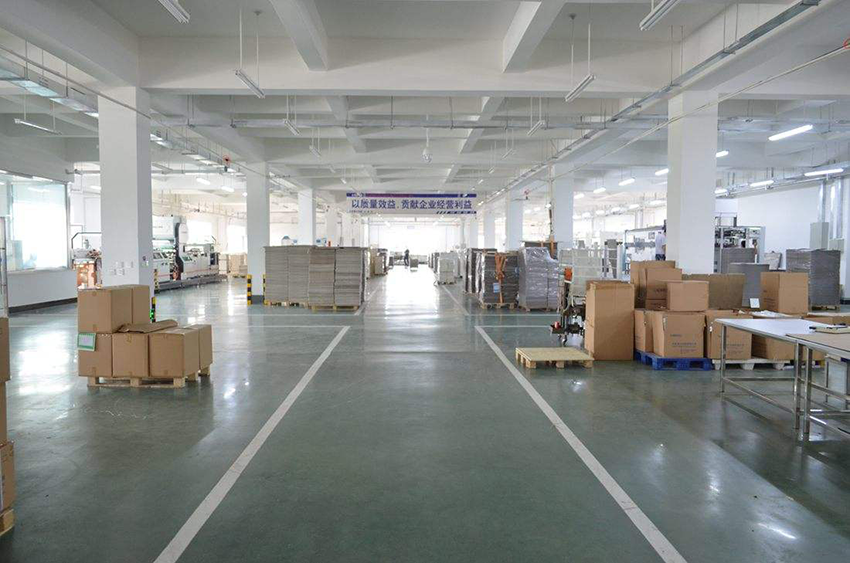
Take a virtual tour of our state-of-the-art manufacturing plants, CNC centers, and quality control laboratories.
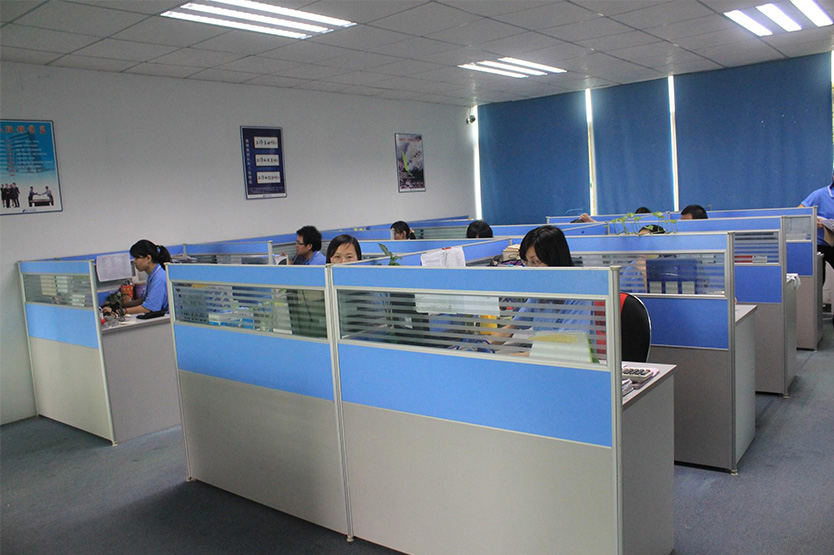
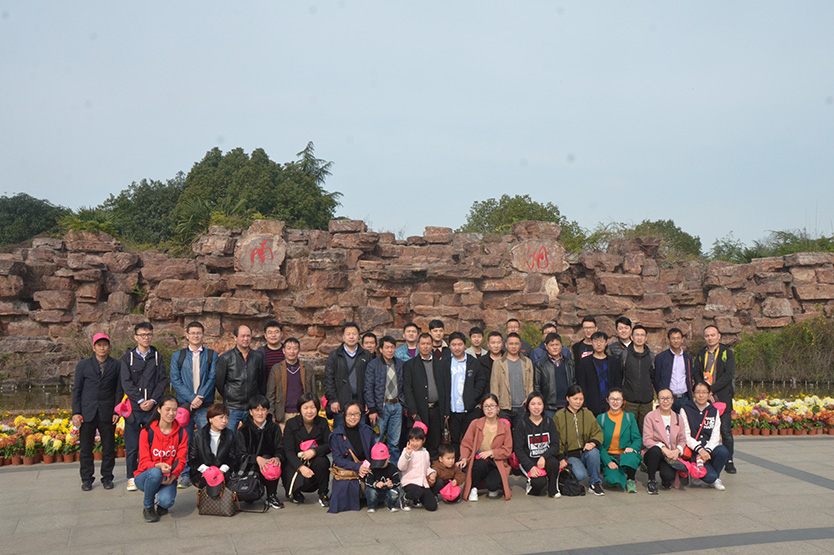
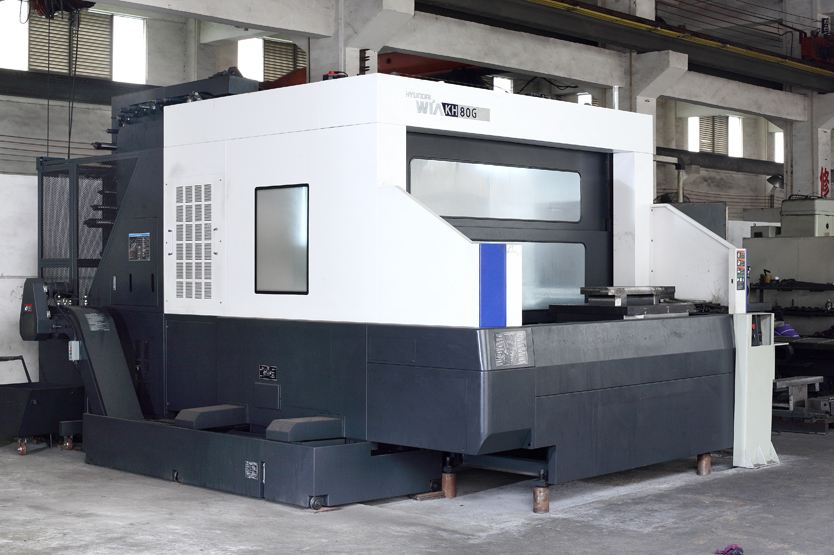
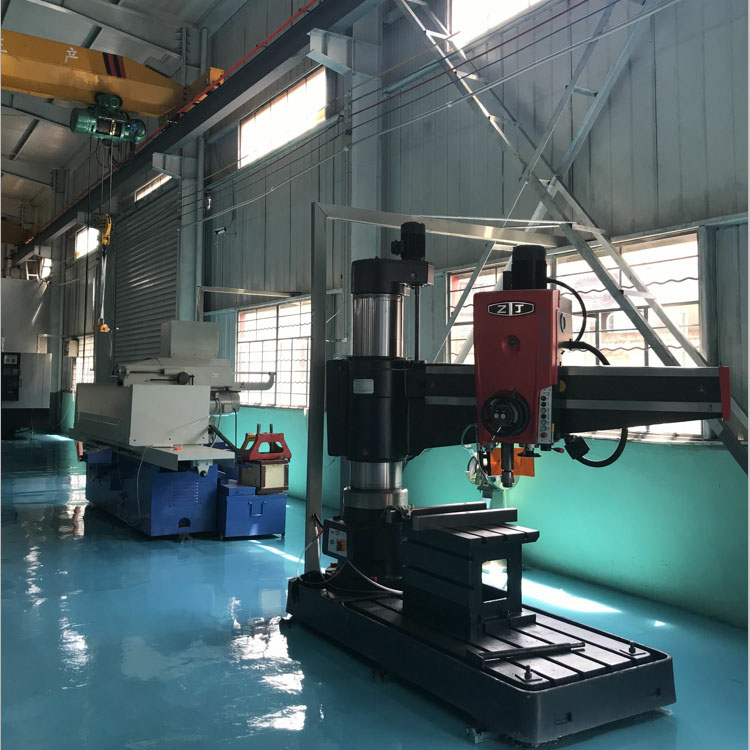
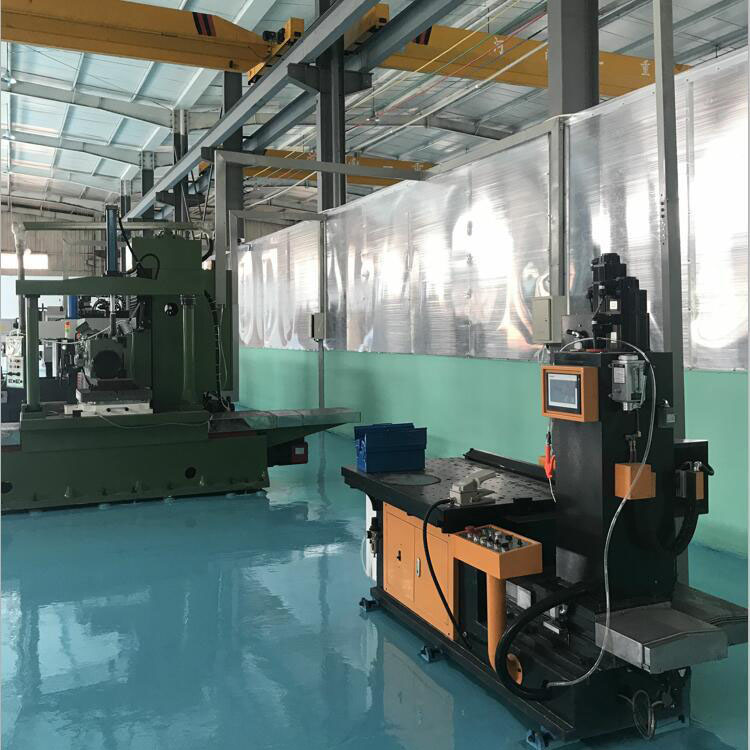
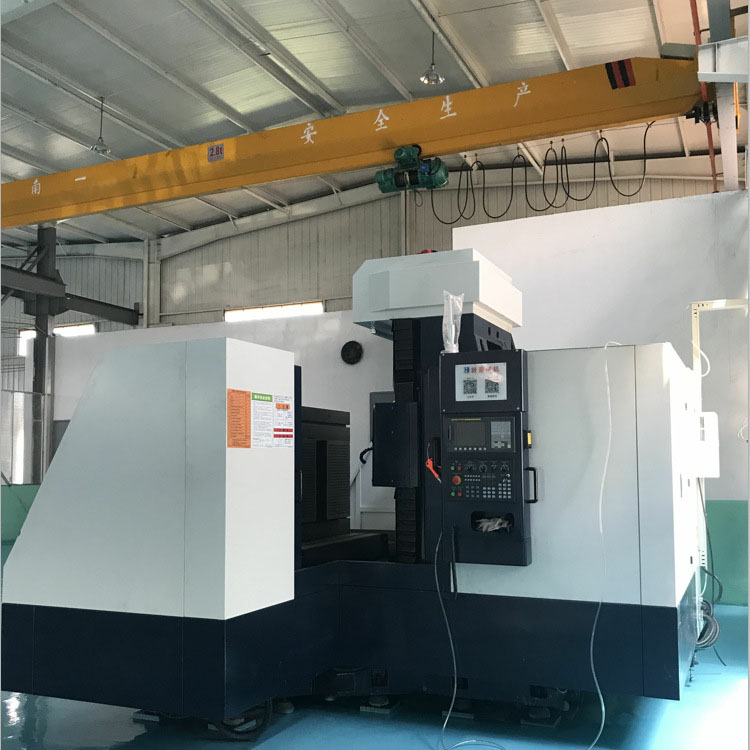
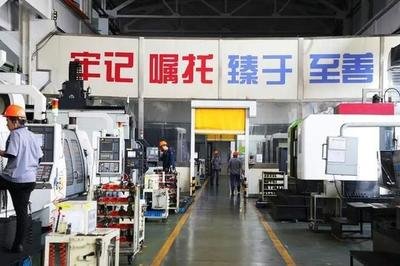
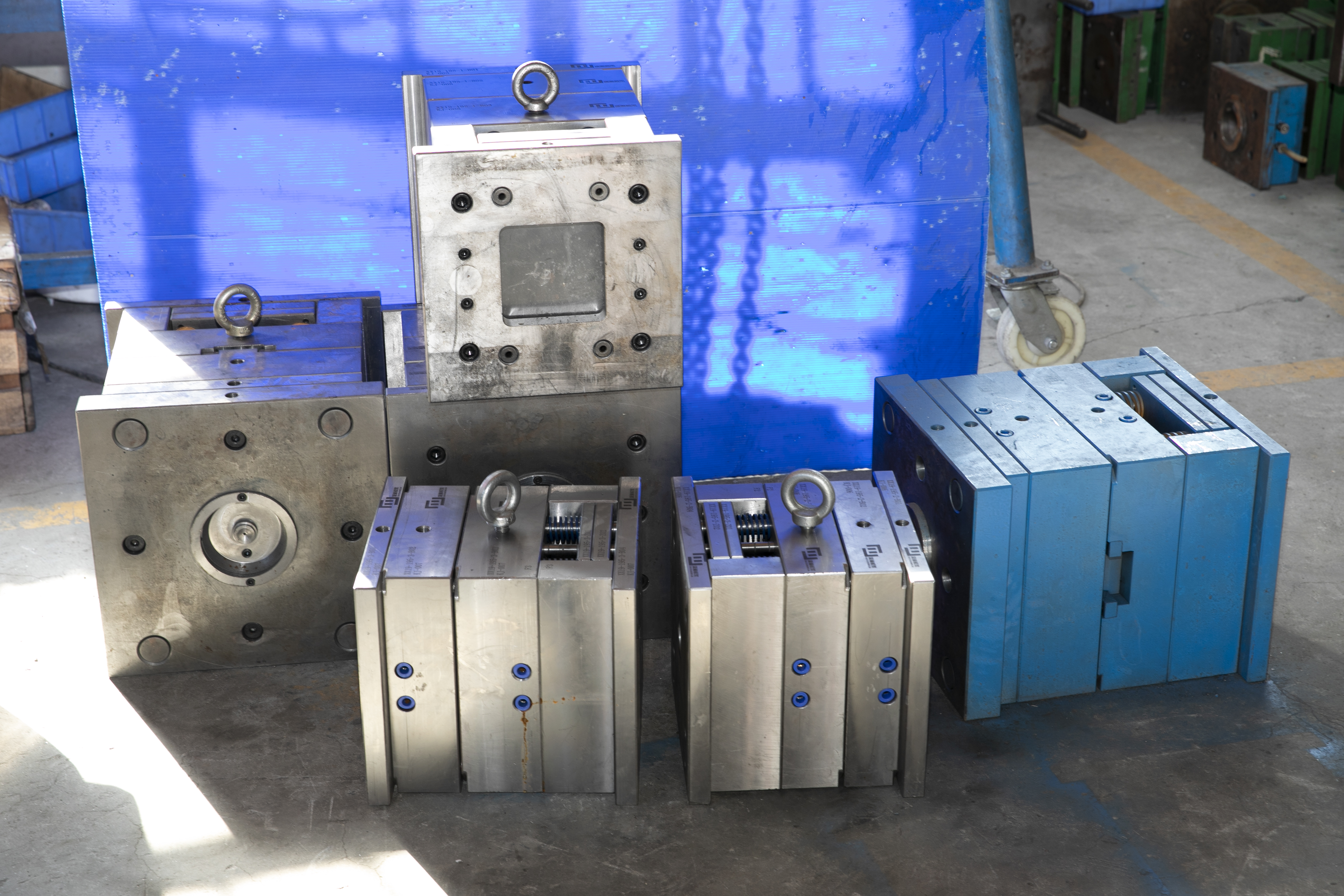
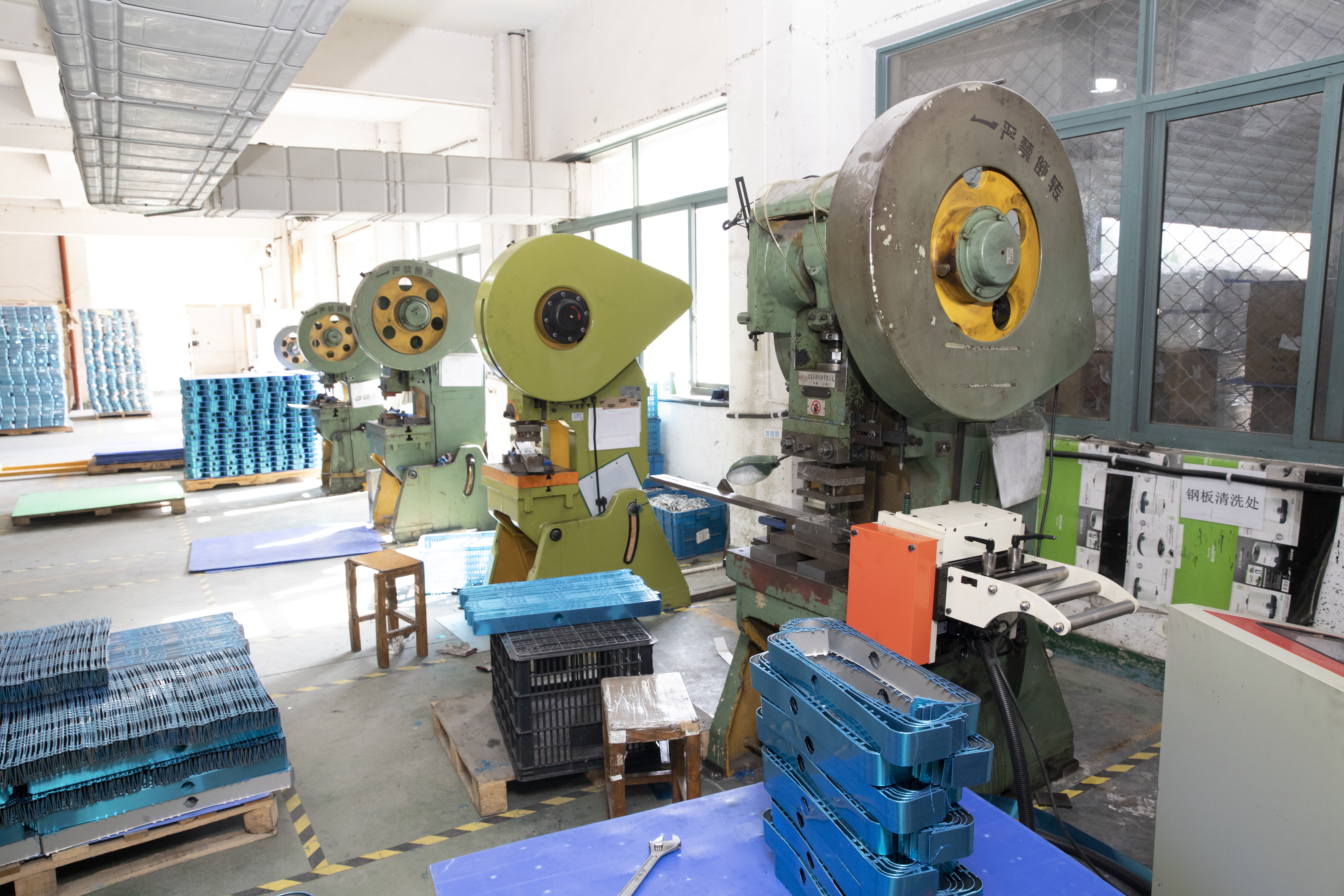
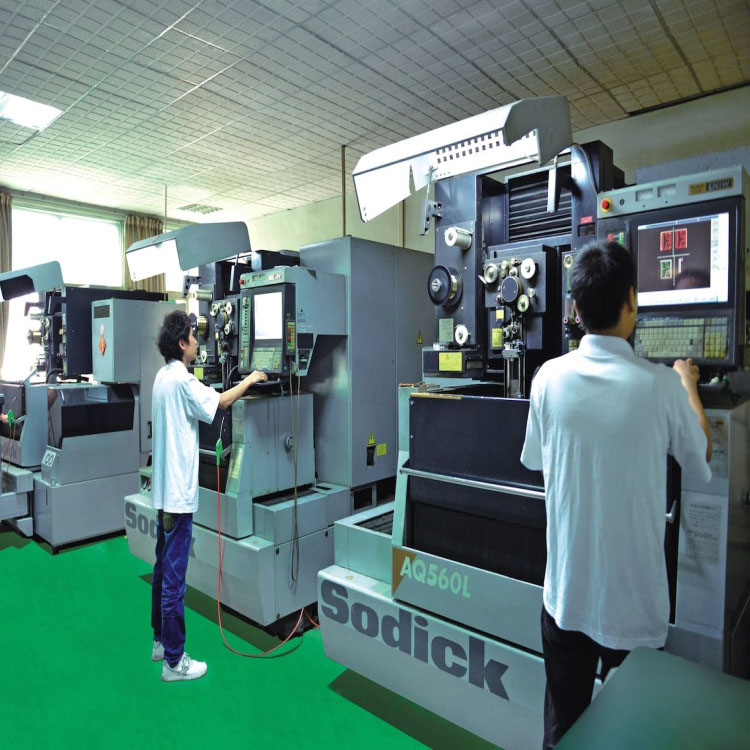
From design blueprint to final delivery, we implement rigorous quality gates to ensure excellence.

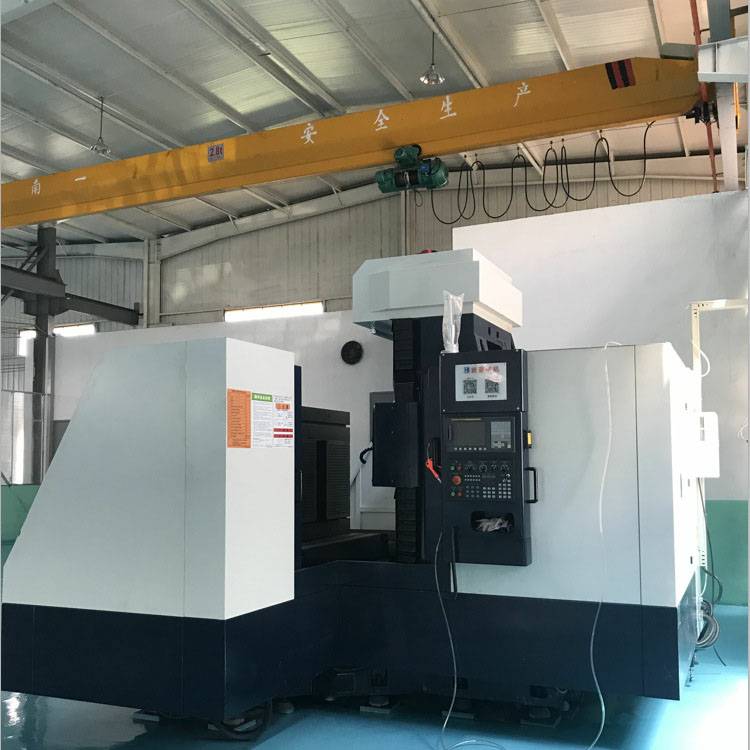
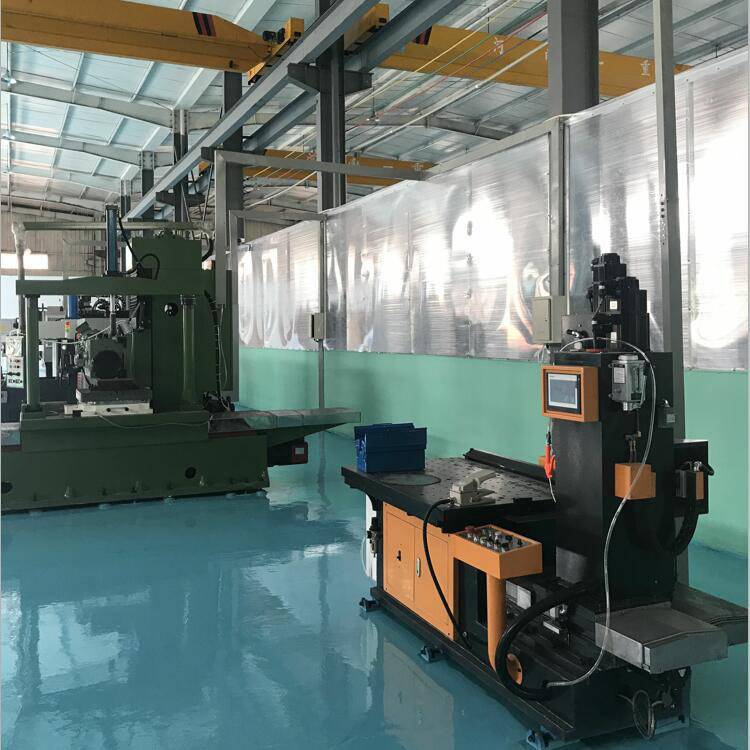
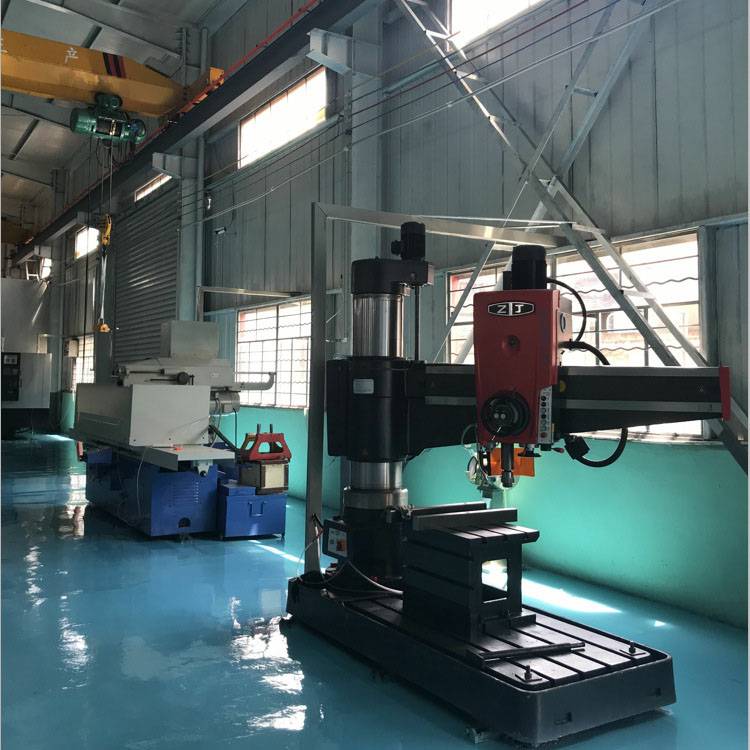
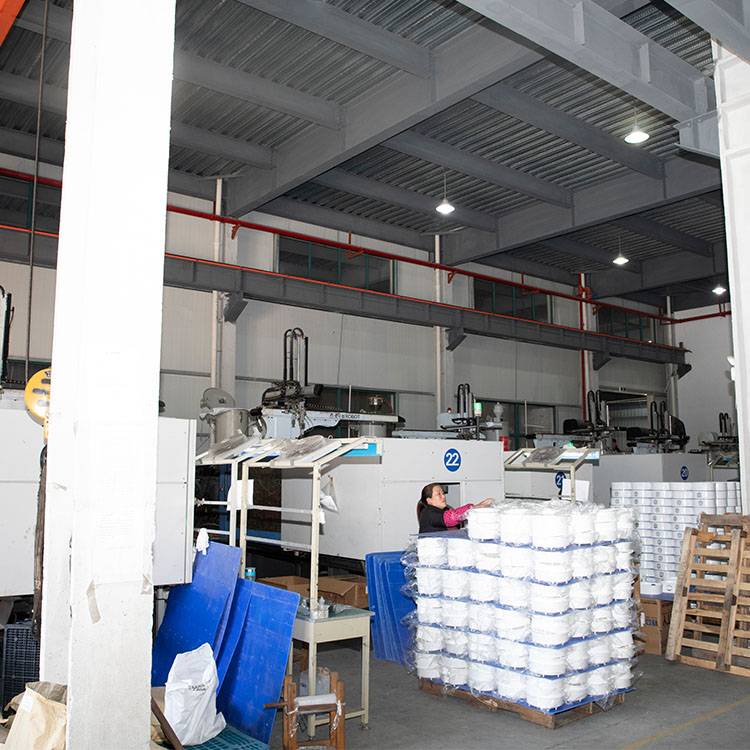
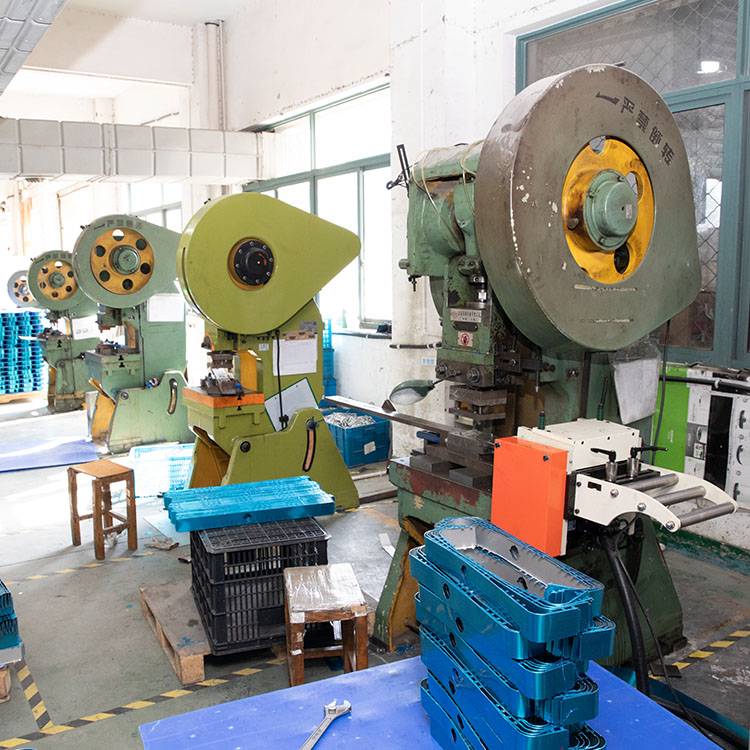
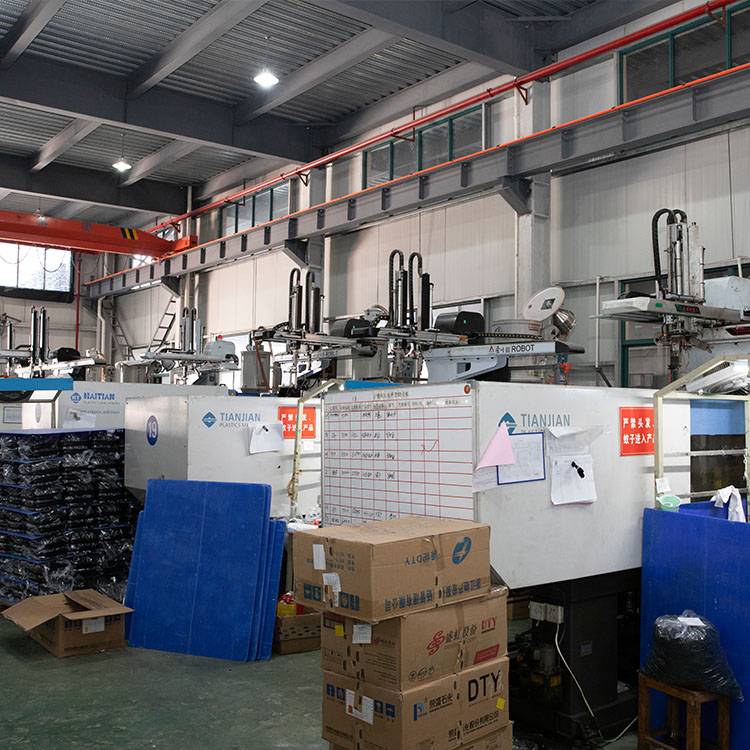
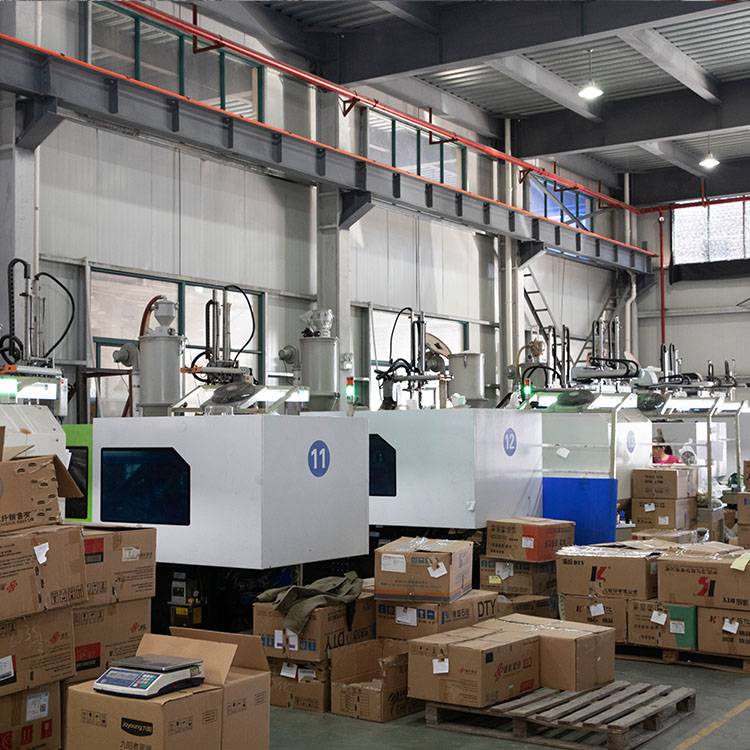
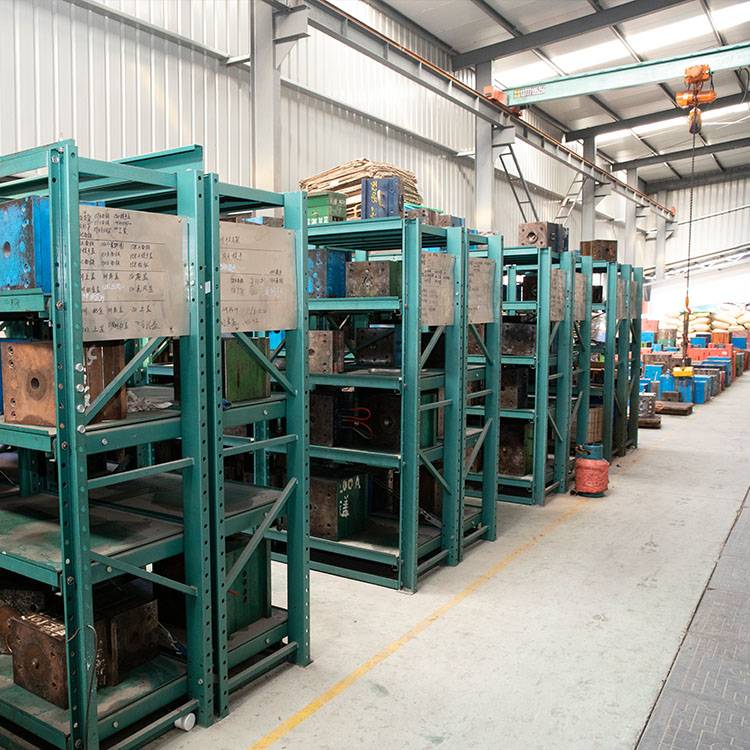
When engineering molds for signal lights, die makers must focus on several optical criteria to prevent issues like light dispersion, dark spots, and structural failure. The following design parameters are meticulously managed by our engineering department:
Lenses and light guides often feature deep ribs or steep vertical walls to direct light. Standard ejection systems can leave visible marks or distort the optical surface. We design molds with optimized draft angles (usually between 1.5° to 3°) and use custom-shaped ejector pins or stripper plates located away from the active optical surfaces. This ensures clean part release without compromising the aesthetic value of the lens.
Due to the high viscosity of optical-grade Polycarbonate, air traps and weld lines are common defects. Strategic gate positioning is determined using advanced Moldflow simulation software. We utilize valve gates or hot runner systems to control the melt front, ensuring that weld lines—where two flow fronts meet—are pushed to the non-functional borders of the part. Vacuum venting systems are integrated into the mold cavity to evacuate air rapidly, preventing burn marks and micro-voids.
To maintain our position as leading plastic mould die makers, we utilize advanced metrology equipment. This includes Coordinate Measuring Machines (CMM) for dimensional verification, spectrophotometers to test light transmittance and color coordinates, and environmental chambers to perform thermal cycle and humidity testing. This guarantees that every signal light part remains clear, robust, and functional under extreme weather conditions.
High-precision molds and customized components engineered for global distribution.
Since establishing our domestic business in 2008 and expanding internationally in 2014, Ningbo P&M has always adhered to the core principle of "quality first and time supreme." Our custom solutions for signal light part production maximize manufacturing efficiency, minimize lead times, and deliver exceptional value. We export 90% of our products to highly demanding markets including America, Europe, Germany, Japan, and Australia.
Whether you require assistance with early-stage prototype development, high-volume multi-cavity injection molds, or complex optical designs, our technical team is ready to assist. Let us establish a long-term partnership to drive innovation and quality in your signal light production processes.