Explore our premium range of precision-engineered plastic mould boxes designed specifically for heavy-duty concrete casting and forming operations.
The global construction industry is undergoing a massive transformation, shifting from traditional, labor-intensive methodologies towards highly efficient, sustainable, and technology-driven processes. At the heart of this evolution is the concrete forming phase. Historically dominated by plywood, timber, and heavy steel formwork, modern construction projects are increasingly adopting plastic mould boxes for concrete casting forming.
Plastic mould boxes manufactured from high-grade polymers such as Polypropylene (PP), Acrylonitrile Butadiene Styrene (ABS), and structural polyurethanes offer unprecedented advantages. They provide a lightweight yet exceptionally durable alternative to traditional materials. This paradigm shift is driven by the urgent need to reduce project cycle times, minimize labor costs, and achieve superior concrete surface finishes without the extensive use of releasing agents.
Globally, the market for plastic formwork and concrete casting moulds is experiencing exponential growth. Valued at billions of dollars, this sector is expanding rapidly as contractors and real estate developers realize the long-term financial returns of reusable plastic moulds. Standard timber formwork often fails after 3 to 5 uses, generating massive construction waste and ongoing material replacement costs. In contrast, premium plastic mould boxes can be reused up to 100 times or more under proper handling, making the cost-per-use incredibly low.
Furthermore, environmental regulations worldwide are putting pressure on construction firms to adopt circular economy practices. Plastic mould boxes are 100% recyclable. Once they reach the end of their lifecycle, they can be ground down and re-molded into new construction components, completely eliminating the landfill waste associated with chemically treated plywood formwork.
| Feature / Parameter | Plastic Mould Box | Plywood / Timber Formwork | Steel Formwork |
|---|---|---|---|
| Reusability Cycles | 80 - 100+ times | 3 - 5 times | 150 - 200+ times |
| Weight | Very Lightweight (Easy manual handling) | Light to Medium | Extremely Heavy (Requires cranes) |
| Water Resistance | 100% Waterproof (No swelling/warping) | Poor (Absorbs moisture quickly) | Rust prone (Requires oiling) |
| Concrete Finish | Mirror-like, smooth finish | Rough, grain-textured finish | Smooth, but prone to joint marks |
| Environmental Impact | Fully Recyclable (Low carbon footprint) | High deforestation & landfill waste | High energy consumption in production |
The versatility of plastic mould boxes allows them to be deployed across a diverse range of structural and civil engineering applications. Because they are manufactured via high-pressure plastic injection molding, they can be engineered into complex geometries with strict tolerances.
In rapid housing development projects, modular plastic mould boxes are interlocked to form complete foundation footprints. The lightweight panels allow small crews to assemble the entire formwork system within hours, drastically reducing concrete pouring prep times.
For bridge piers, drainage systems, and civil infrastructure, plastic moulds offer weather-resistant casting solutions. They withstand extreme heat and freezing temperatures without expanding or contracting, ensuring structural concrete dimensions remain precise.
Precast factories utilize customized plastic mould boxes to mass-produce concrete blocks, steps, utility boxes, and decorative architectural elements. The smooth release properties of polymers mean faster cycle times and less cleaning maintenance.
Beyond standard shapes, the flexibility of polymer chemistry enables the integration of textured inserts. This allows builders to cast concrete with simulated brick, stone, or wood-grain textures directly onto the structural surface, bypassing the need for secondary plastering or cladding.
As the construction industry embraces the "Smart Site" concept, plastic mould box design is evolving alongside digital technologies. Several key trends are shaping the future of this product category:
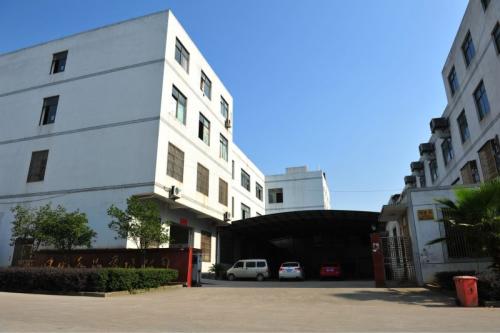
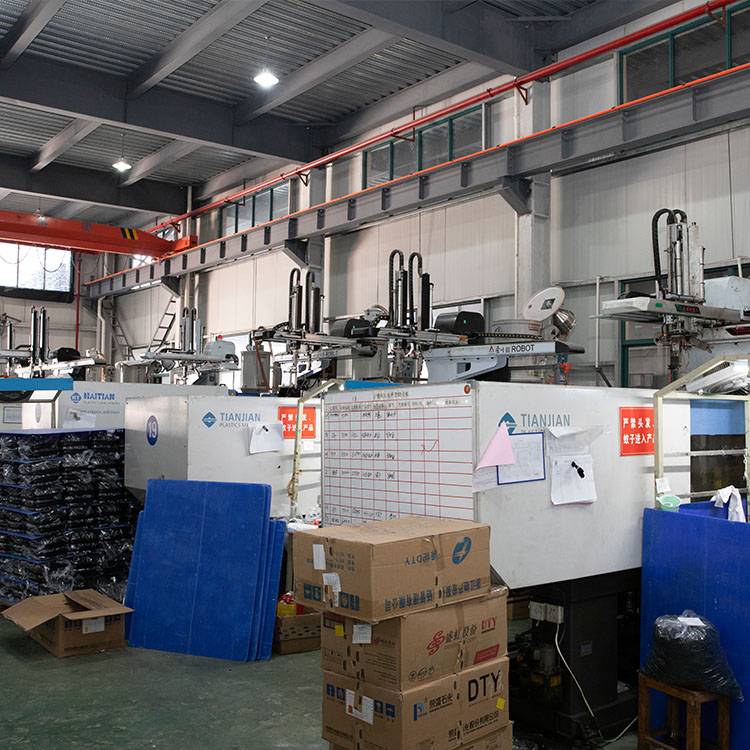
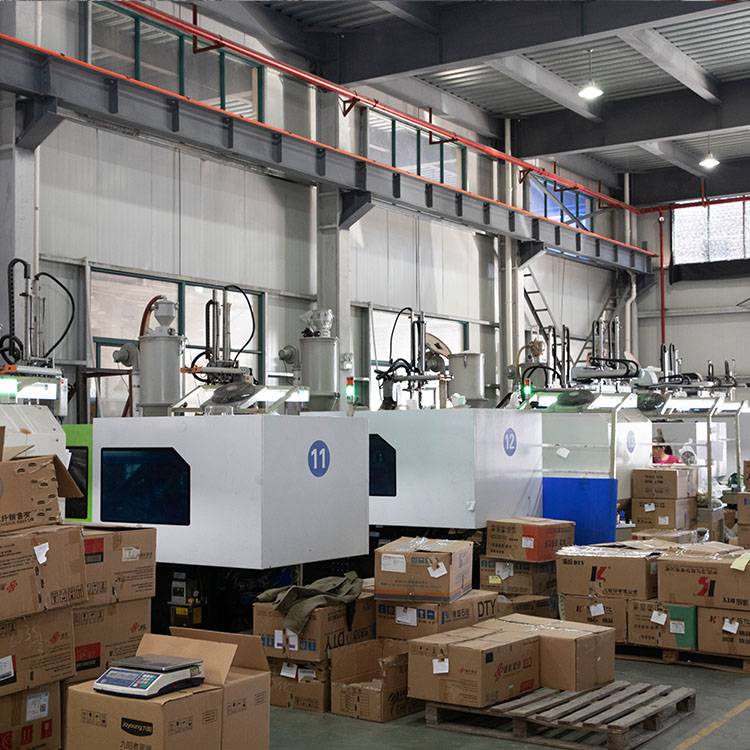
Ningbo P&M PLASTIC METAL PRODUCT CO., LTD is located in Yuyao, the so-called Mould City, Plastic Kingdom, in the southern tip of Hangzhou Bay Bridge, north of Shanghai, the east of Ningbo Port, tight double line of State Road 329 on land, sea and air traffic into a network to facilitate transport. By the abundant technical strength, scientific management methods and good after-sales service, products are deeply trusted and welcomed by customers from all over the world.
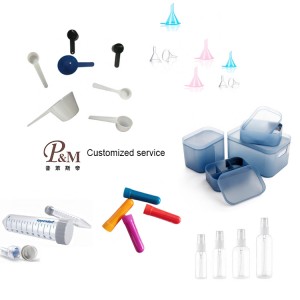
Our main products include the design and manufacturing of plastic molds, plastic products, and metal products. 90% of our enterprise's products are exported to America, Europe, Germany, Japan, Australia, and other global markets. We started domestic business in 2008 and opened up the international market in 2014, always adhering to the principle of quality first and time supreme. While providing customers with the best quality products, we maximize production efficiency and shorten production time.
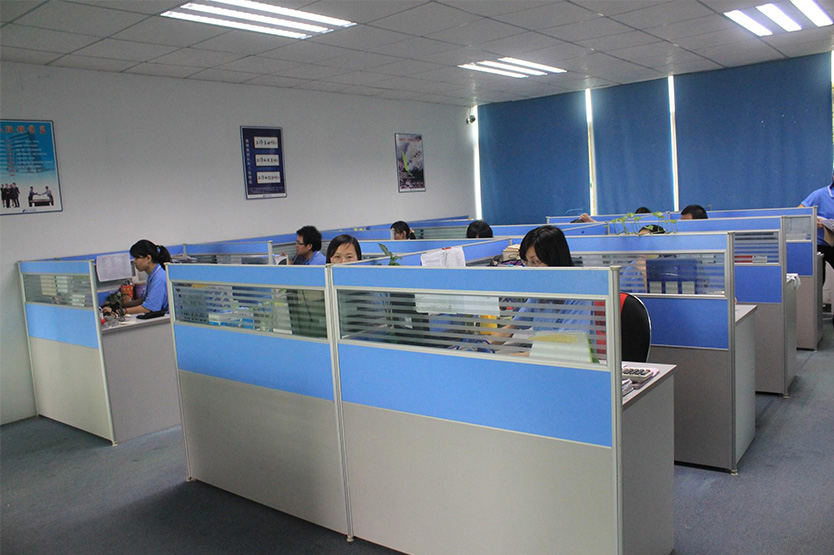
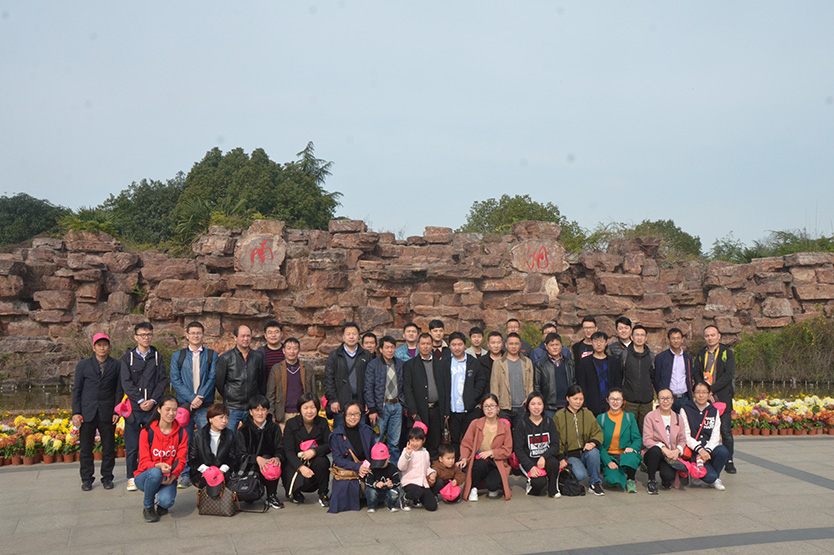
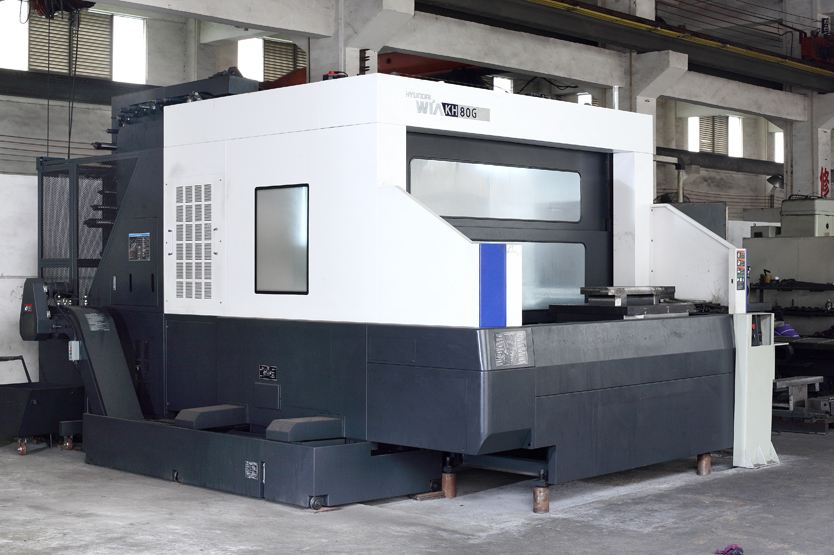
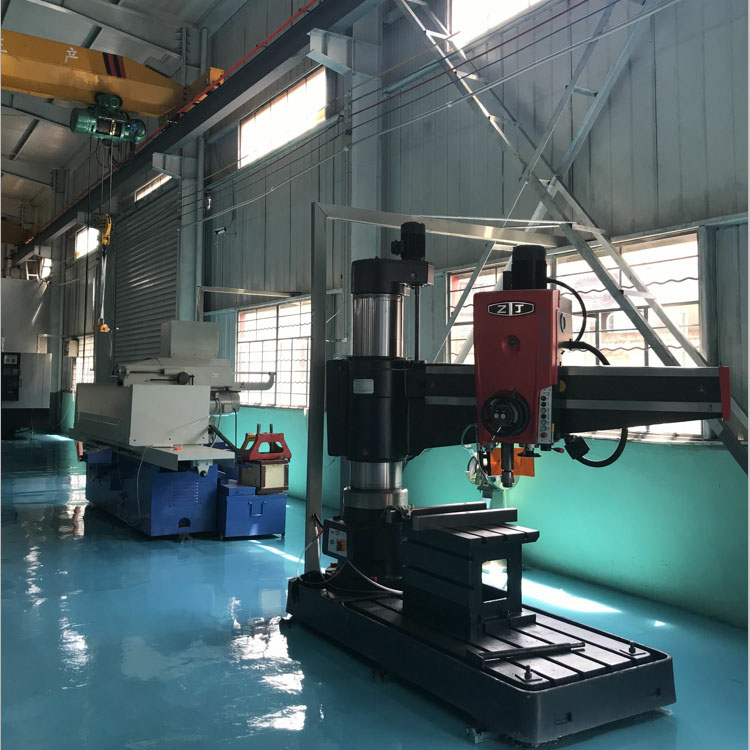
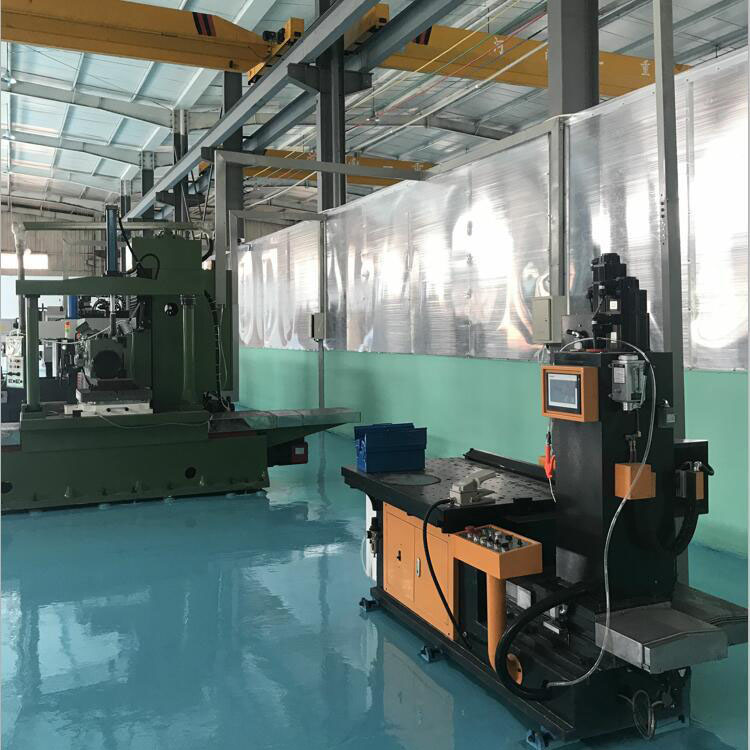
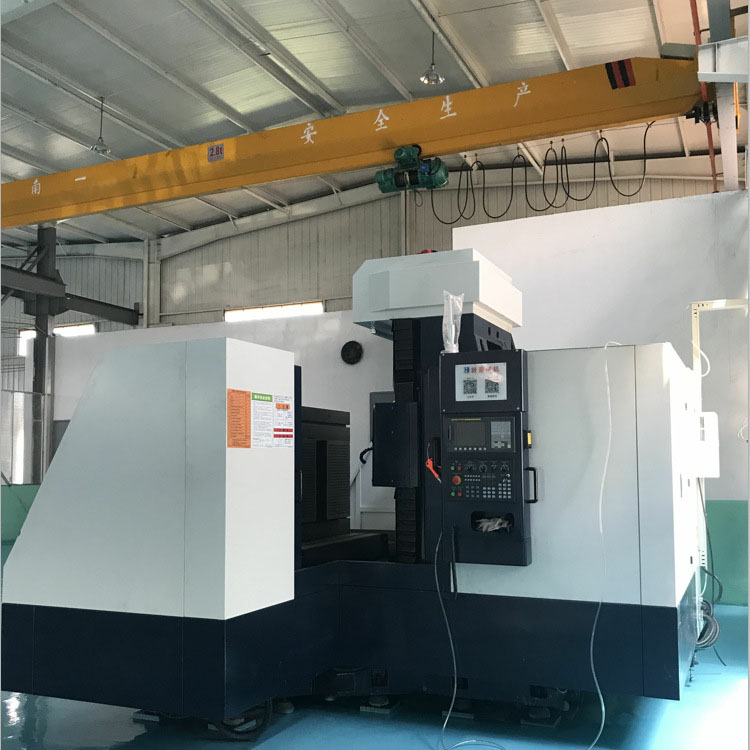
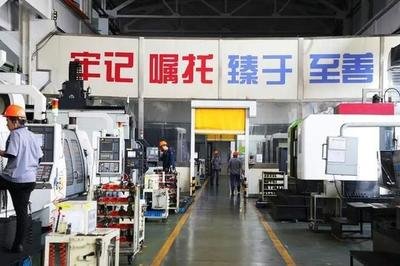
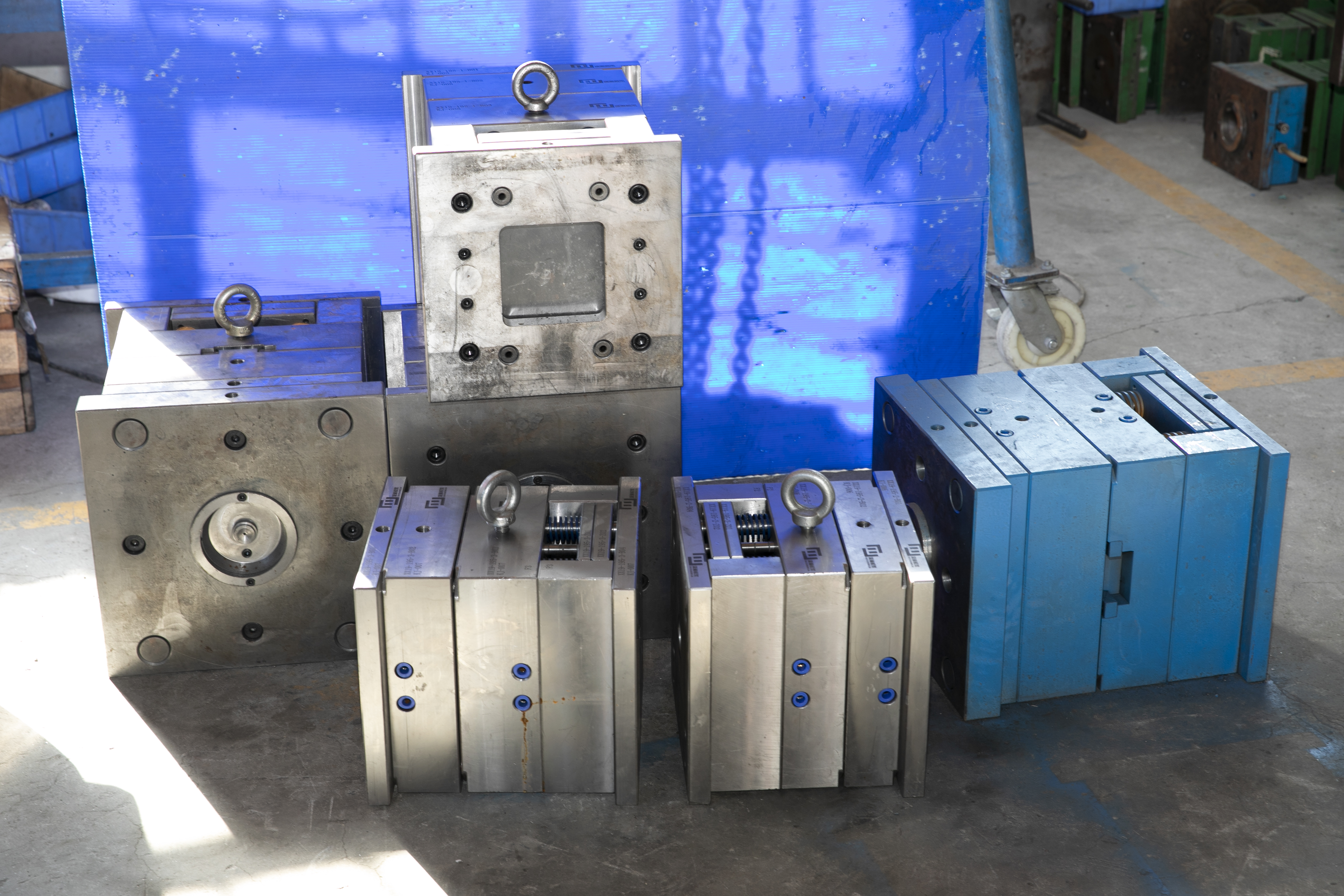
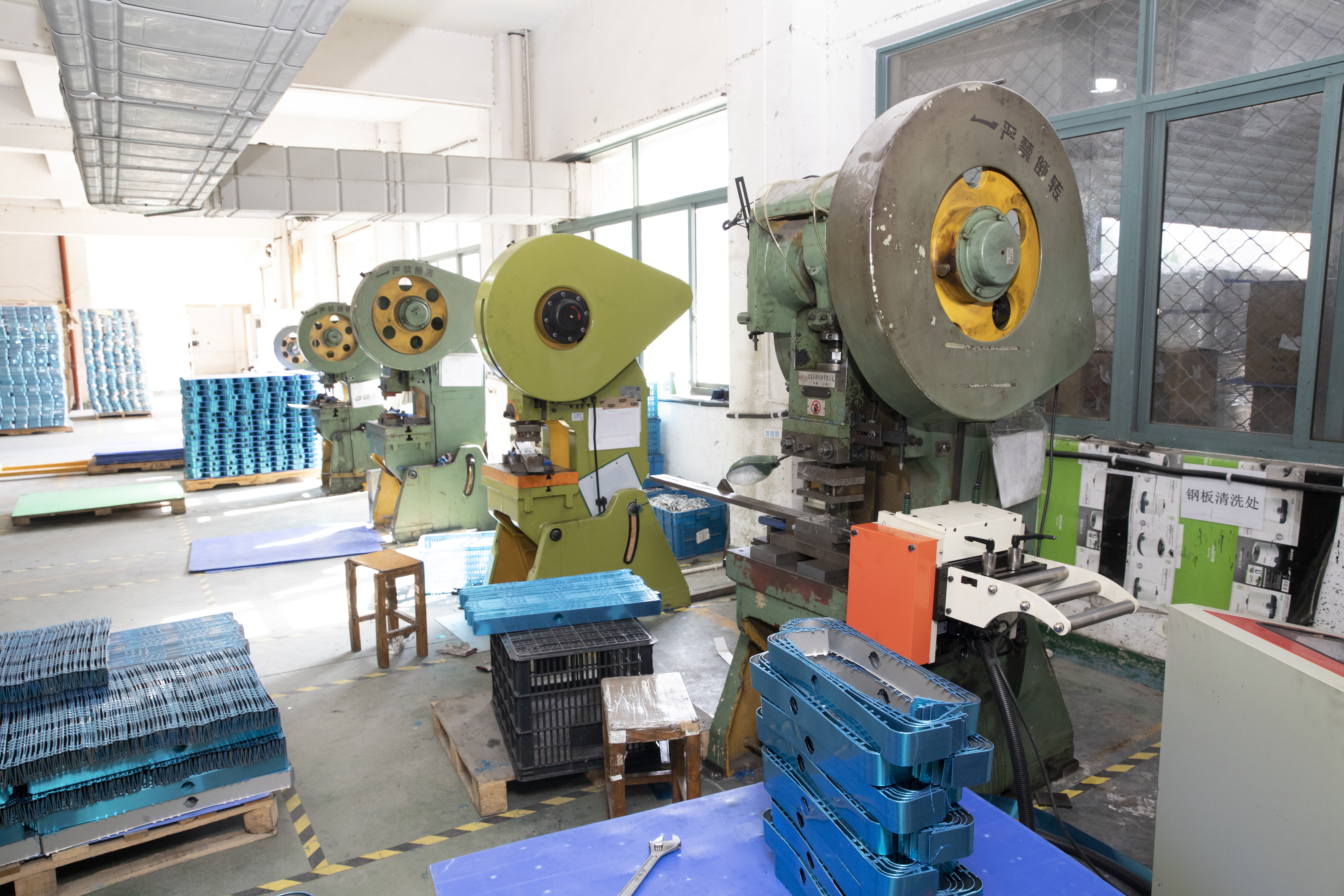
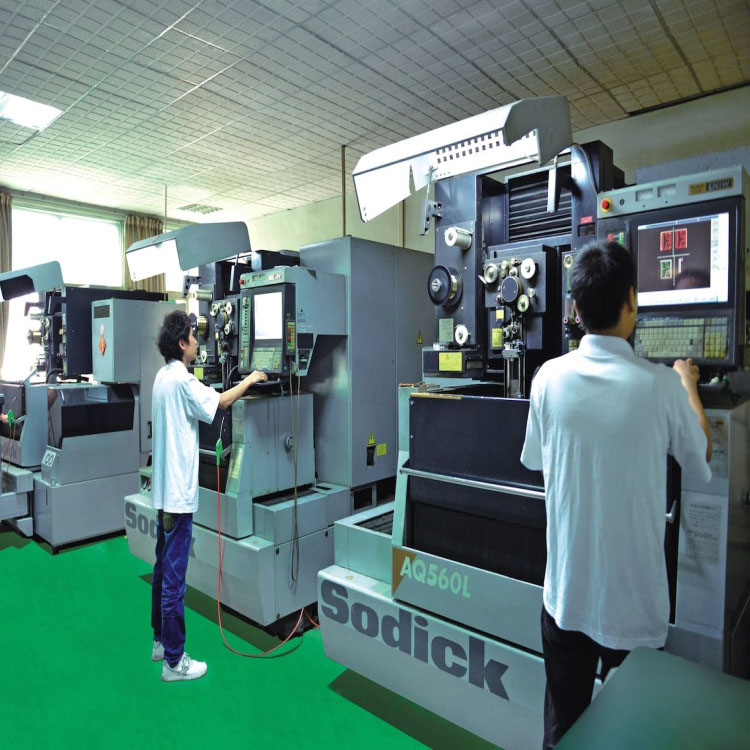
The company specializes in producing high-performance equipment, strong technical force, strong development capabilities, and good technical services.
We are proud to tell every customer that our company has not lost any customer since its establishment. If there is a problem, we solve it to the end.
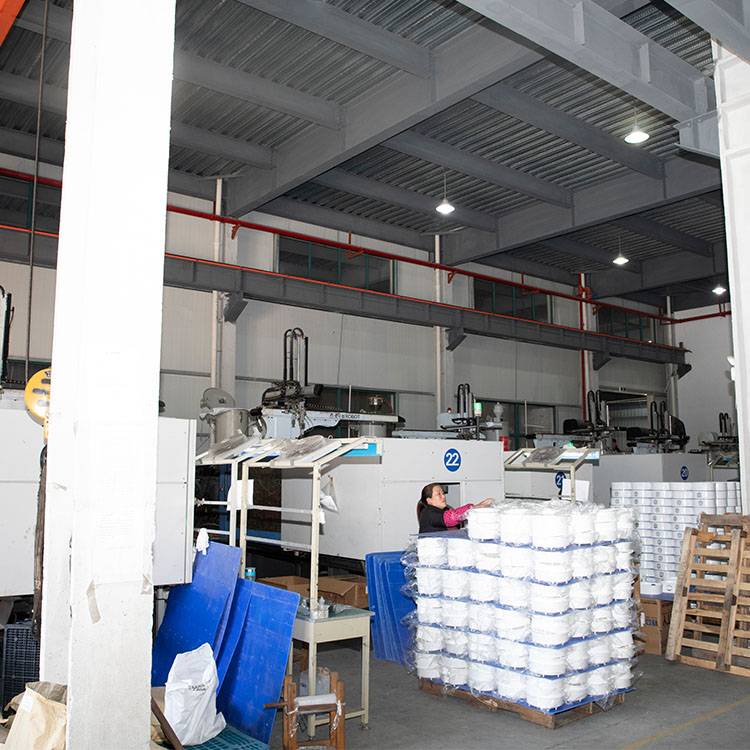
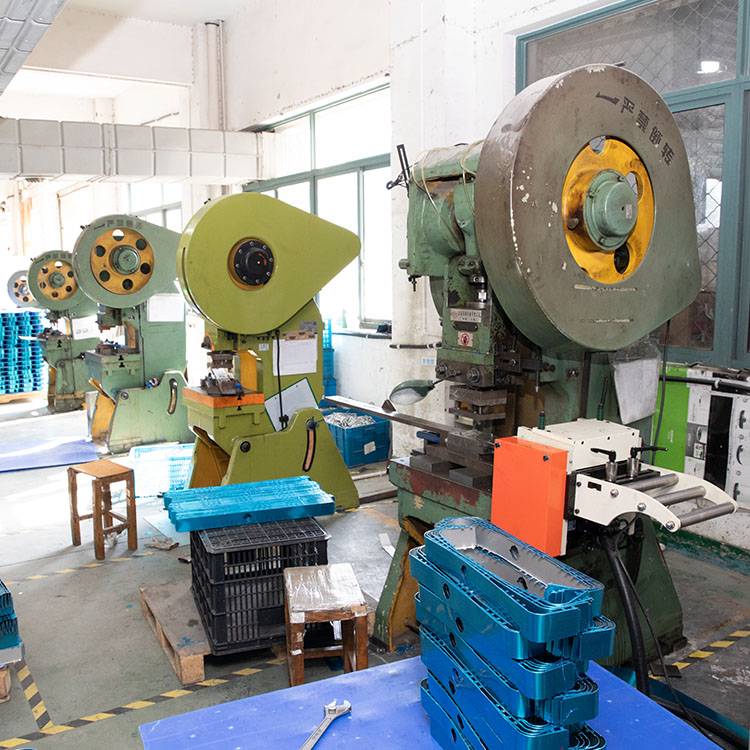
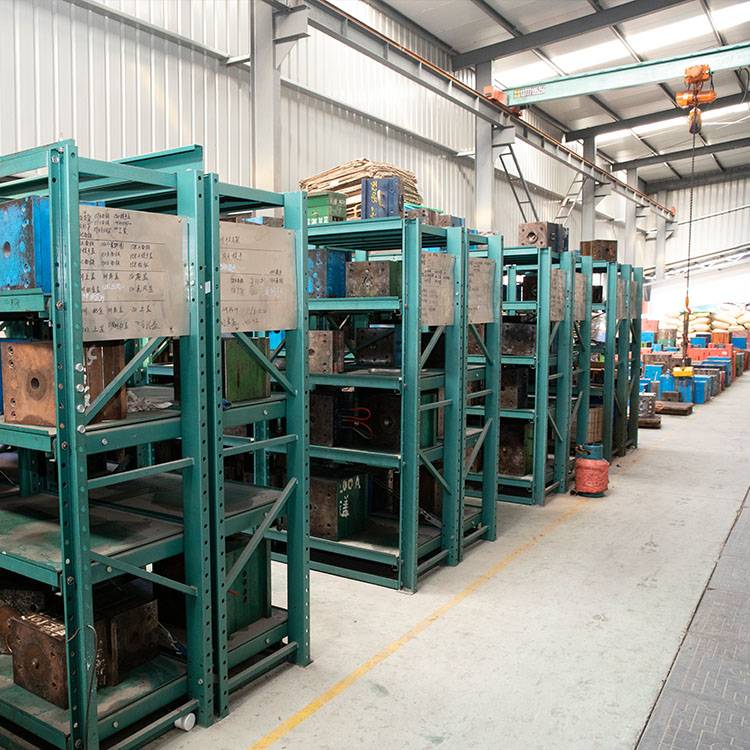
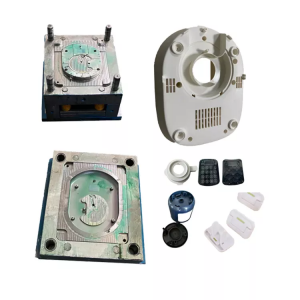
P&M holds an improved system of development and production, to achieve mold design, plastic products manufacturing, and automatic production.
With optimized logistics and manufacturing processes, you can receive the ordered products within 30 days worldwide.
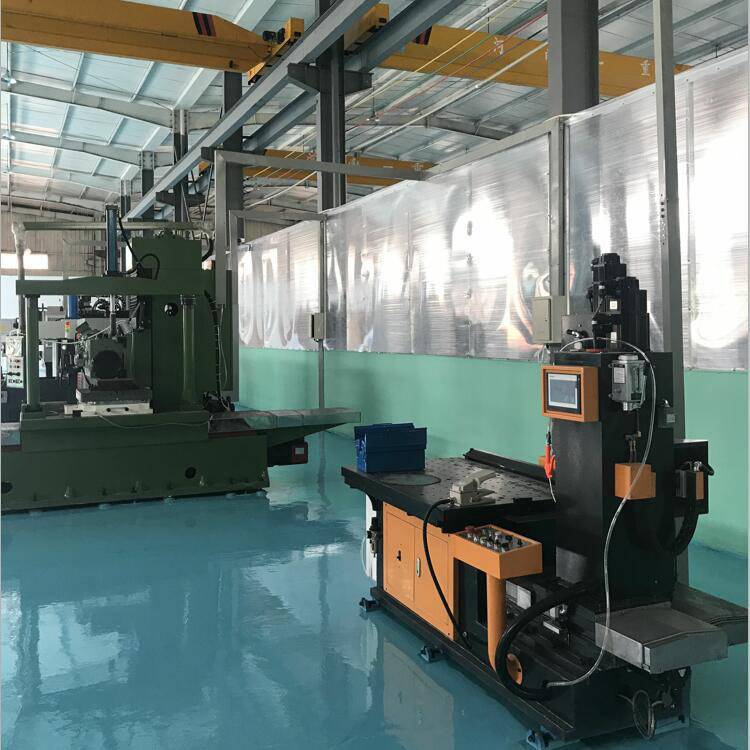
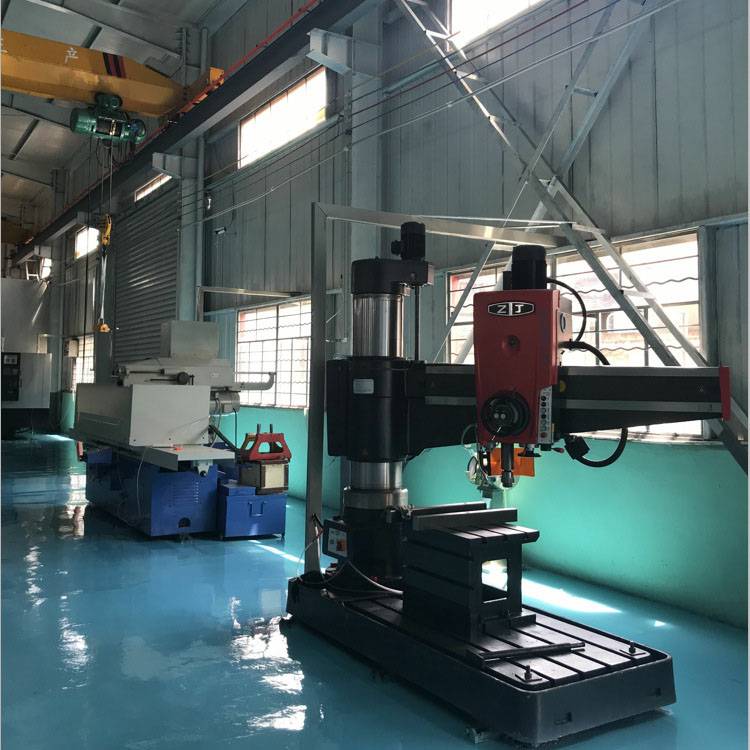
Our streamlined, high-tech manufacturing pipeline ensures that every plastic mould box meets rigorous industrial quality standards.




To maximize the lifecycle of your plastic mould box for concrete casting forming, adhering to standard engineering procedures is crucial. The following guidelines ensure optimal performance and flawless concrete finishes:
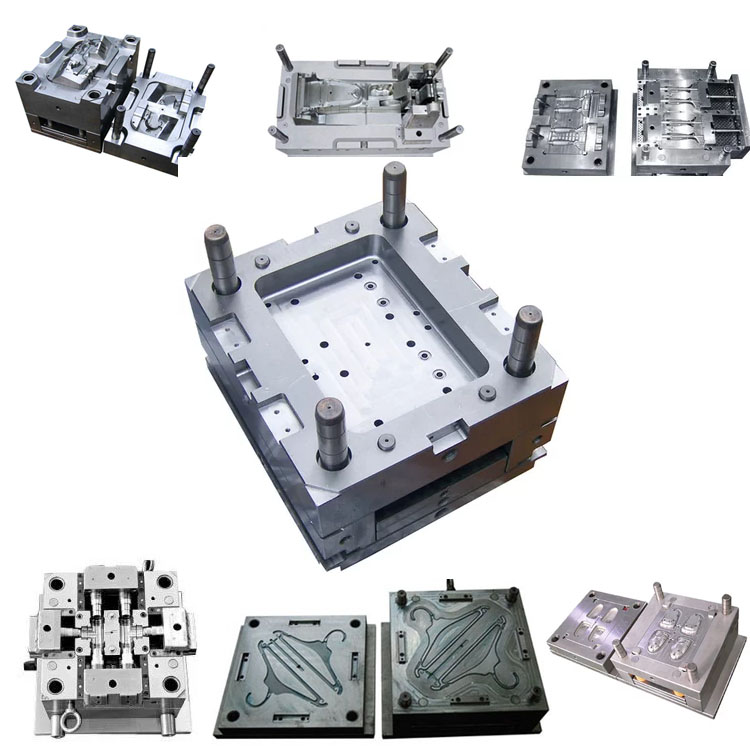
Sourcing high-performance plastic mould boxes requires a manufacturer with deep expertise in tool-making and injection molding. High-quality moulds require precise gate placement, balanced hot runner systems, and optimized cooling channels to prevent warping during manufacturing. Standard commodity injection molders often lack the engineering capabilities to design moulds that can withstand the intense mechanical stresses of concrete casting.
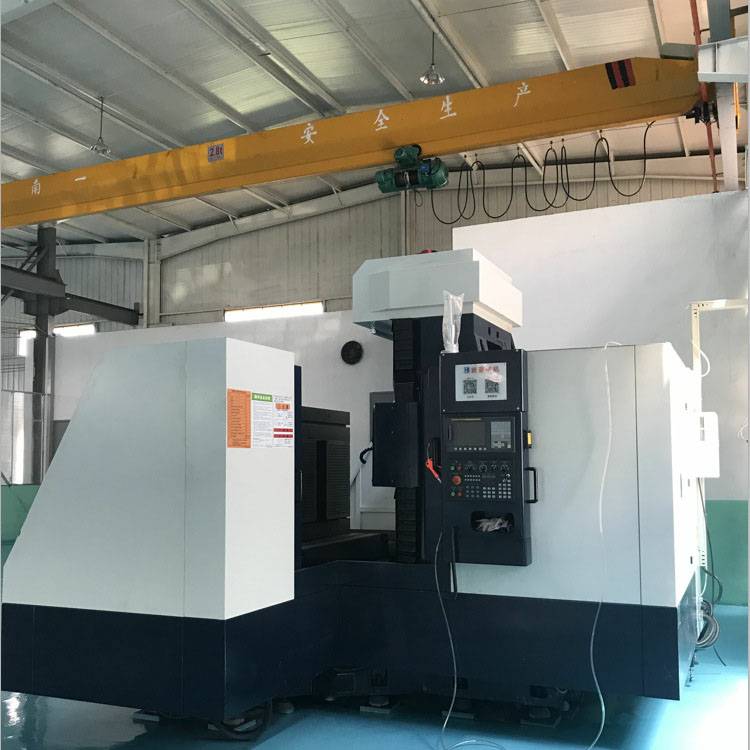
At Ningbo P&M, we combine advanced computer-aided design (CAD) with state-of-the-art CNC machining centers to engineer bespoke tooling solutions. Whether you require standard modular panels, custom column shapes, or specialized drainage channel moulds, our engineering team works closely with you to deliver high-precision products that optimize your operational efficiency.
For more information about our custom injection molding capabilities, factory tours, or to request a quote for your next civil engineering project, please contact our team. Let us build a sustainable, cost-effective future together.