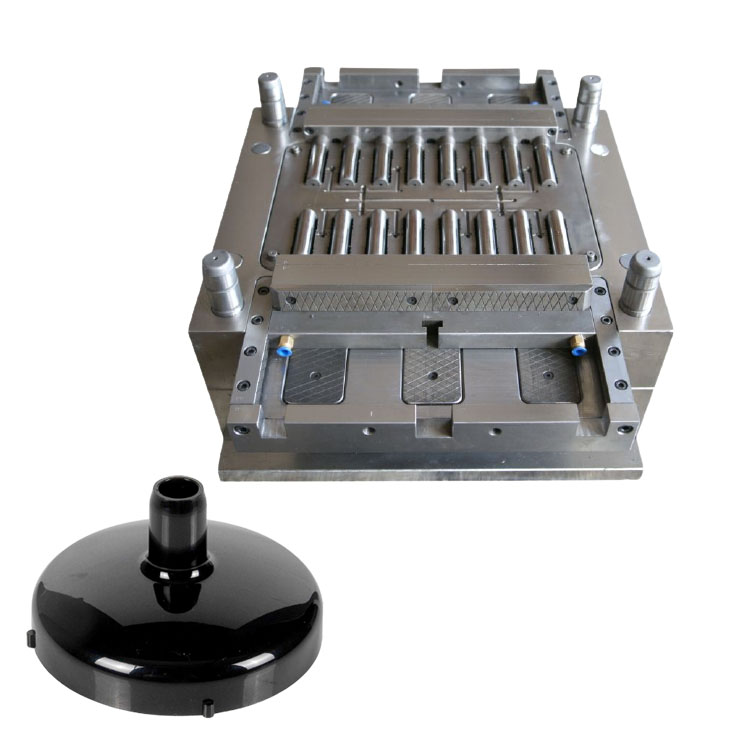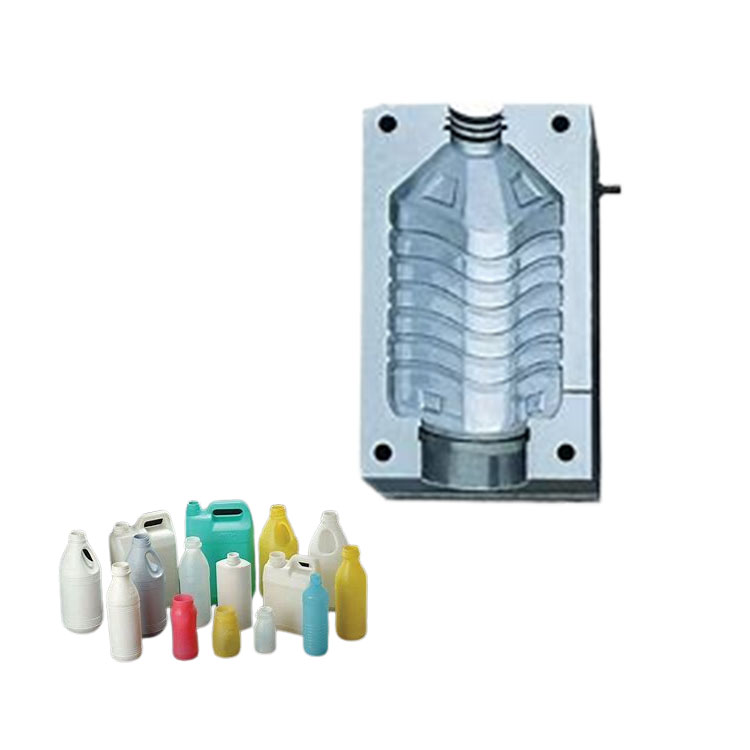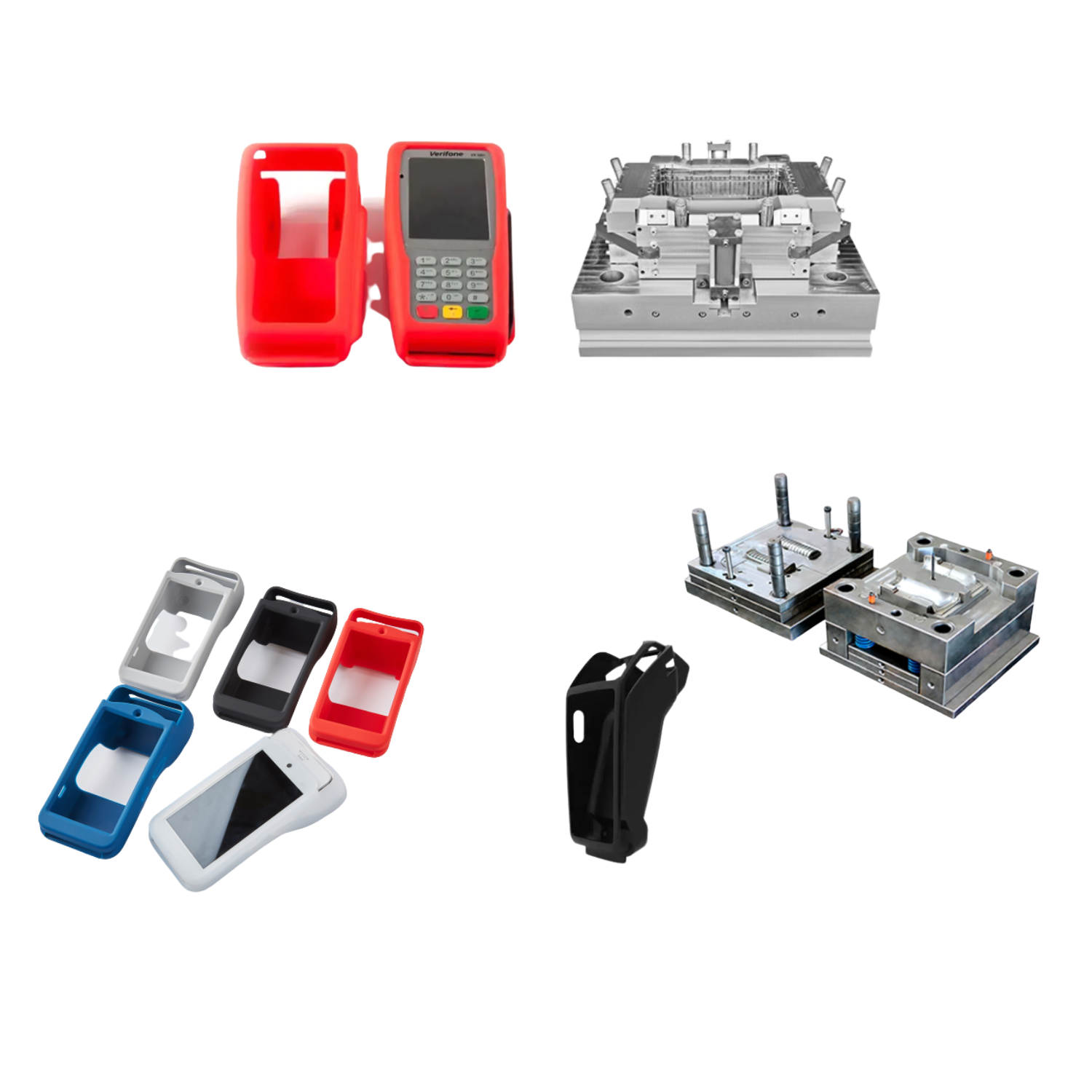
Explore our high-performance moulds engineered specifically for critical automotive fluid systems, precision signals, and rapid components prototyping.
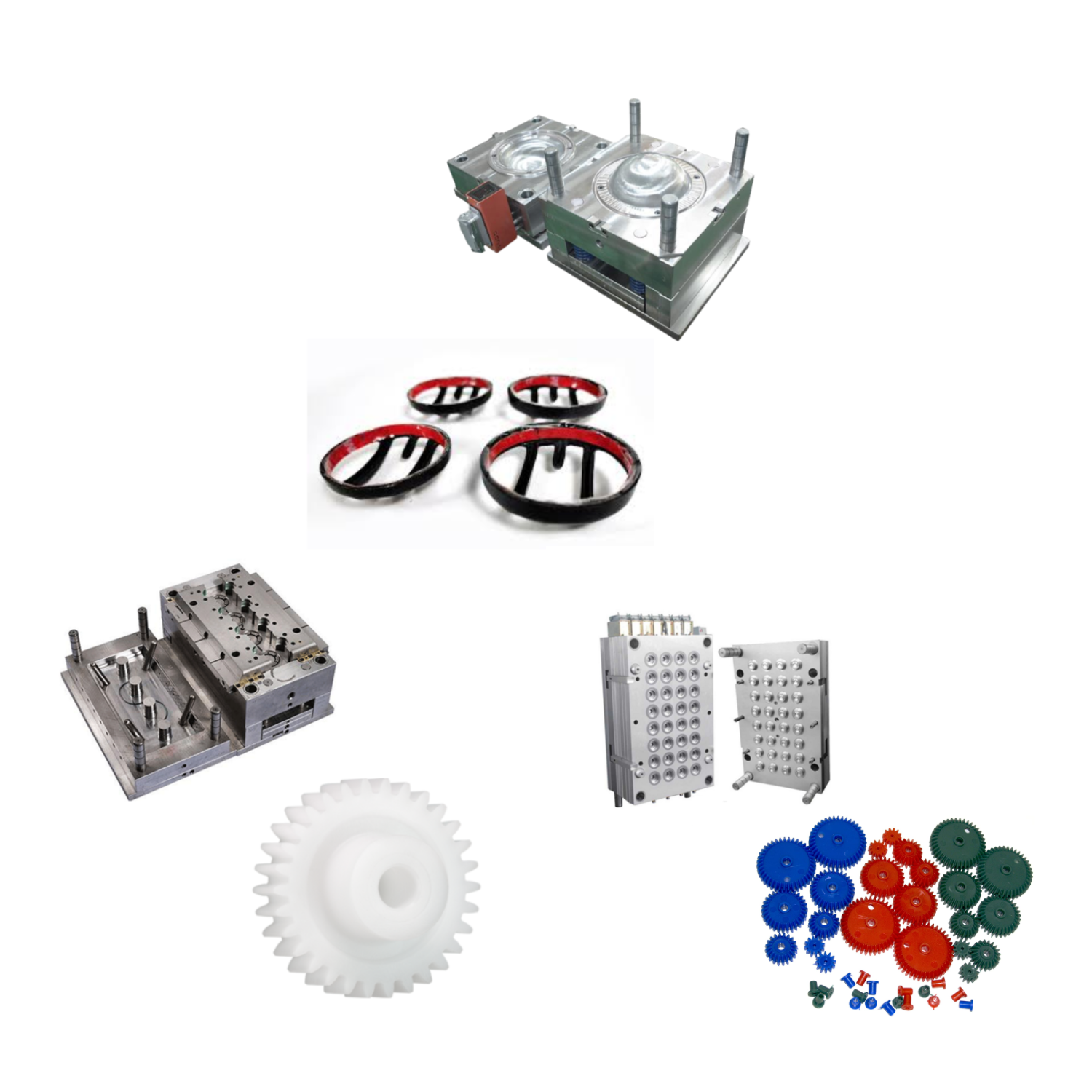
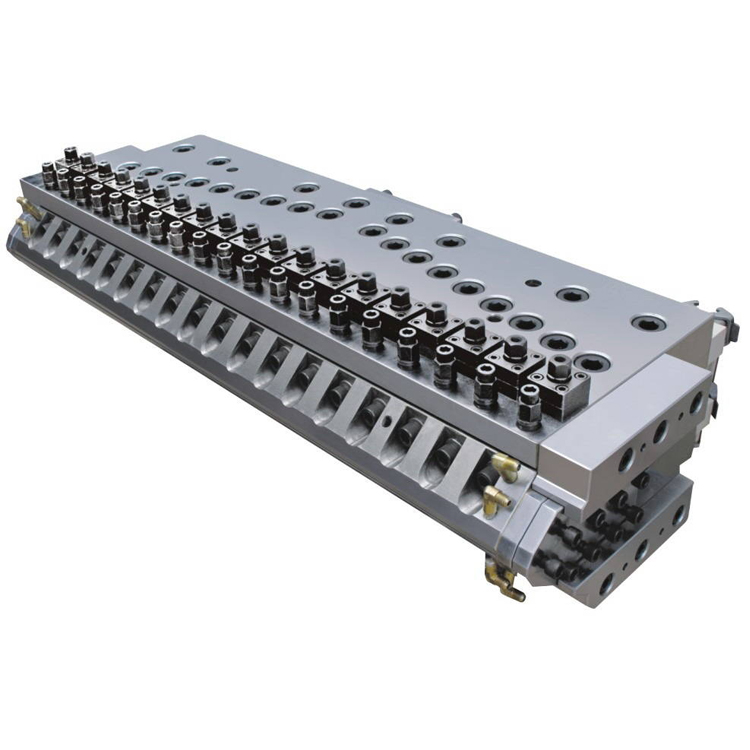
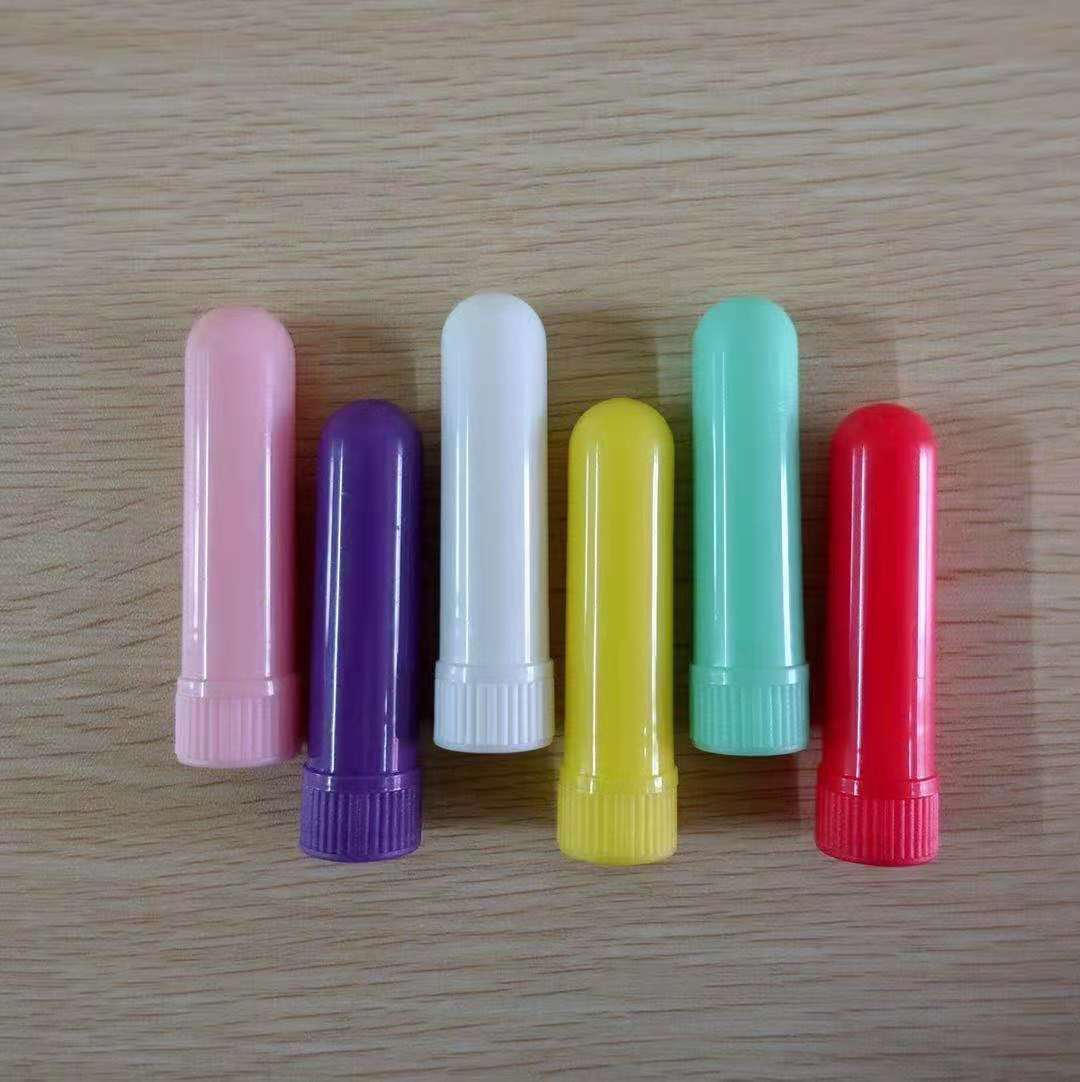
The automotive manufacturing sector is undergoing a profound transformation. Driven by stringent global carbon emission mandates and the rapid rise of Electric Vehicles (EVs), automakers are continuously searching for methods to reduce vehicle curb weight without compromising structural integrity or passenger safety. This shift has placed Fiber Reinforced Plastic (FRP) Moulding at the center of modern automotive engineering.
Historically, structural automotive components were dominated by sheet metals like steel and aluminum. However, FRP composites—comprising polymers reinforced with high-strength fibers such as glass, carbon, or aramid—offer unparalleled strength-to-weight ratios. The commercial demand for specialized Fiber Reinforced Plastic Moulds has surged because these tools enable the high-volume production of complex parts with integrated functions, reducing the need for secondary assembly and lowering manufacturing costs.
"The integration of Fiber Reinforced Plastics in the automotive supply chain is no longer just an alternative; it is a critical necessity to meet the range requirements of next-generation electric vehicles and the lightweighting standards of the modern era."
Industrially, the market is divided into high-pressure resin transfer molding (HP-RTM), compression molding of sheet molding compounds (SMC/BMC), and specialized thermoplastic injection molding. High-performance steel moulds, treated with advanced surface coatings, are required to withstand the abrasive nature of glass and carbon fibers during high-pressure injection cycles. Consequently, precision mould makers like Ningbo P&M Plastic Metal Product Co., Ltd. are investing heavily in advanced CNC machining centers and wear-resistant tool steels to deliver durable tooling capable of processing abrasive composite materials over millions of cycles.
To understand the commercial value of FRP moulds, we must analyze where these lightweight composite materials are deployed within modern automotive architectures:
Automotive engine bays operate under extreme thermal and chemical conditions. FRP components, particularly those molded from glass-fiber-reinforced polyamides (PA66-GF30 or GF50), have replaced cast aluminum for intake manifolds, cylinder head covers, oil pans, and cooling system ducts. The moulds used for these components must feature sophisticated heating and cooling systems (conformal cooling) to ensure uniform crystallization of the polymer, preventing warpage and maintaining strict dimensional tolerances for critical engine interfaces.
EV battery packs require robust structural protection to shield cells from impact, while also demanding flame retardancy and electromagnetic shielding. Compression moulds for Sheet Molding Compounds (SMC) are widely used to manufacture large-scale EV battery covers and trays. These moulds must handle high clamping forces and include integrated shear edges to trim the composite material cleanly during the molding process, ensuring airtight seals for the battery housing.
From bumpers and liftgates to structural pillars and roof modules, carbon-fiber-reinforced plastics (CFRP) are utilized to maximize stiffness while stripping away weight. High-Pressure Resin Transfer Molding (HP-RTM) moulds are designed with complex sealing systems to maintain vacuum pressure, ensuring complete resin impregnation of the dry fiber preforms without leaving air voids, which could compromise structural integrity.
Door modules, instrument panel carriers, and seat structures are frequently molded from long-fiber-reinforced thermoplastics (LFT). These components require moulds with large cavities and optimized gate locations to prevent fiber breakage during injection, ensuring that the structural fibers are oriented correctly to absorb impact energy in crash zones.
Designing and manufacturing moulds for fiber-reinforced plastics presents unique challenges that differ from standard plastic injection tooling. Key technical advantages of premium-grade FRP moulds include:
As the automotive industry marches toward digital transformation and sustainability, the FRP moulding sector is evolving rapidly. Several key trends are shaping the future of this technology:
Modern FRP moulds are increasingly integrated with cavity pressure and temperature sensors. These sensors feed real-time data to the injection moulding machine's control unit, allowing for automatic adjustments to injection speed, holding pressure, and cooling times. This closed-loop control system minimizes defect rates and ensures consistent part quality across production runs.
Environmental sustainability is pushing the development of natural fiber composites (such as flax, hemp, or kenaf reinforced polymers) and recycled carbon fiber components. Mould designers must adapt to these materials, which exhibit different flow characteristics and thermal sensitivities compared to synthetic fibers. Tooling must be optimized to operate at lower processing temperatures to prevent the degradation of natural fibers.
Hybrid tooling—combining traditional CNC machining with 3D-printed metal inserts—allows for the creation of complex conformal cooling channels that were previously impossible to drill. This technology significantly reduces cycle times for thick-walled structural automotive components and enables rapid prototyping of new designs.
A Global Leader in Precision Mould Design, Manufacturing, and Automated Production
Ningbo P&M PLASTIC METAL PRODUCT CO., LTD is strategically located in Yuyao, widely renowned as the "Mould City" and "Plastic Kingdom" of China. Situated at the southern tip of the Hangzhou Bay Bridge, north of Shanghai, and east of the bustling Ningbo Port, our facility enjoys an integrated land, sea, and air transport network, directly connected via State Road 329.
By leveraging our abundant technical strength, scientific management methodologies, and exceptional after-sales support, our products are deeply trusted and welcomed by automotive and industrial customers worldwide. P&M started its domestic operations in 2008 and successfully expanded into the international market in 2014. We adhere to the core principles of "Quality First" and "Time Supreme," maximizing production efficiency while shortening lead times to provide our clients with a competitive edge.
Our core expertise lies in the design, engineering, and manufacturing of custom plastic injection moulds, high-precision plastic components, and metal stamping products. Today, approximately 90% of our products are exported to demanding global markets, including the United States, Europe, Germany, Japan, and Australia.
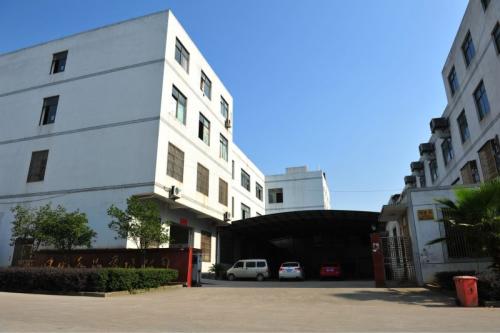
Equipped with high-performance manufacturing machinery, supported by a strong technical force and rigorous quality control protocols.
A fully integrated system of development, mould design, manufacturing, and automated production to deliver seamless turnkey solutions.
Efficient project management and optimized manufacturing processes enable delivery of custom tooling and parts within 30 days.
Proudly maintaining a near-perfect client retention rate since inception, taking complete responsibility and actively resolving issues.
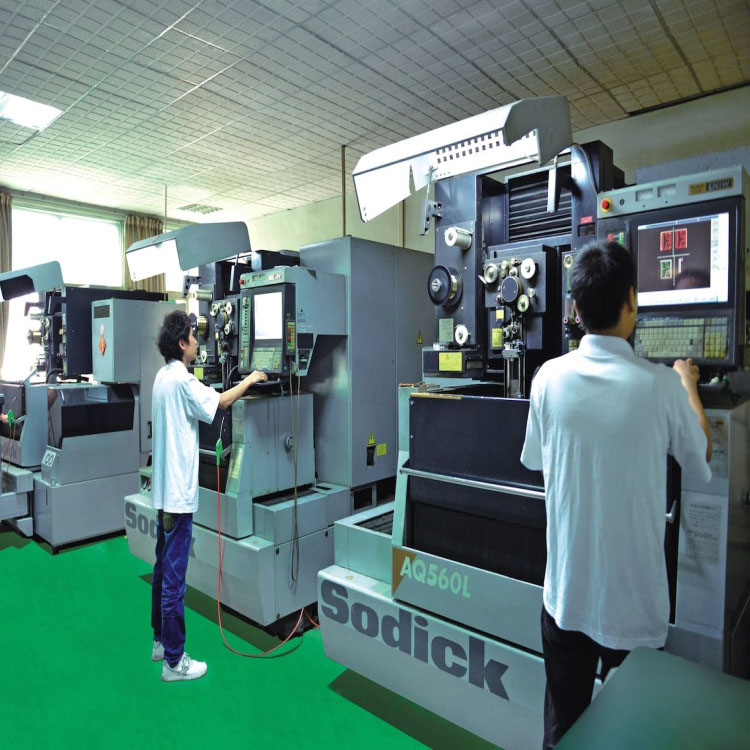
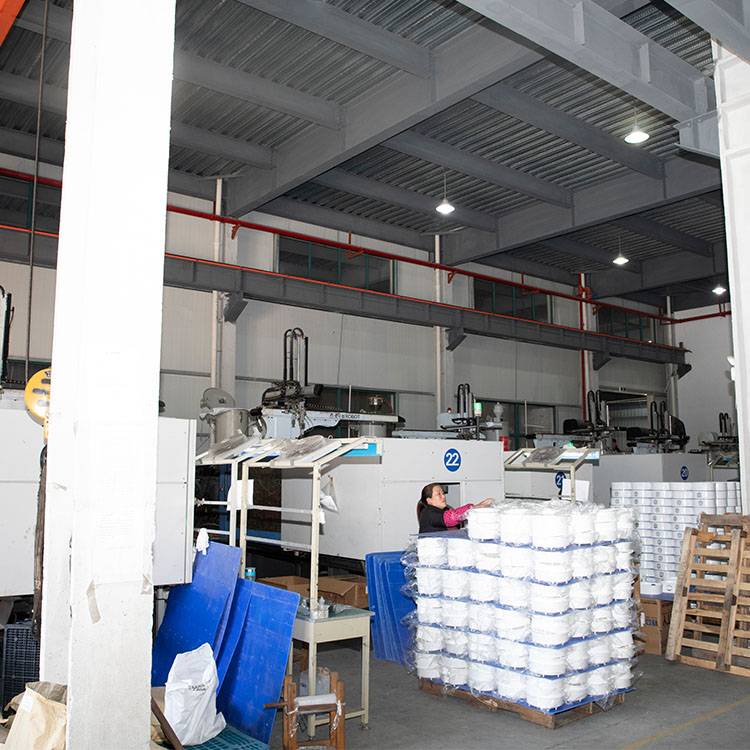
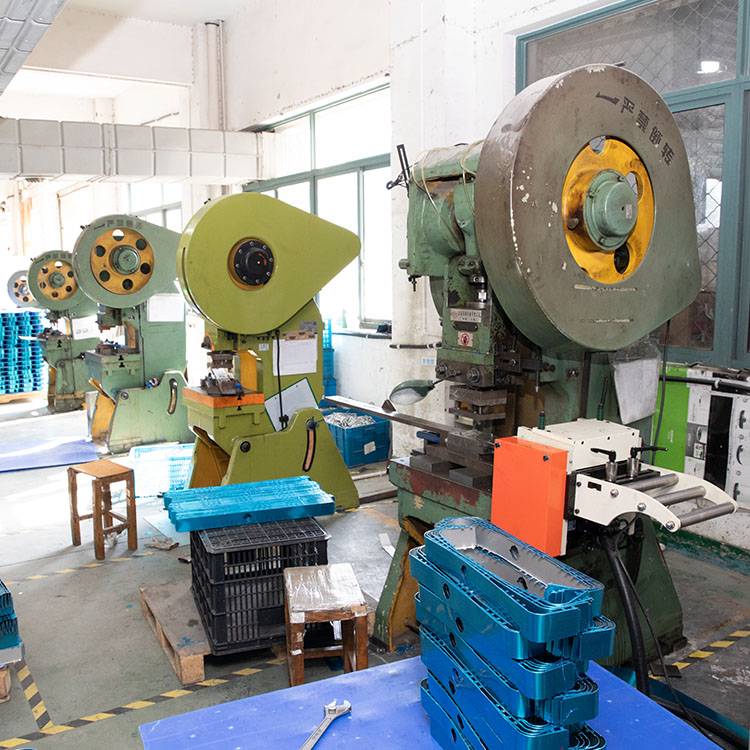
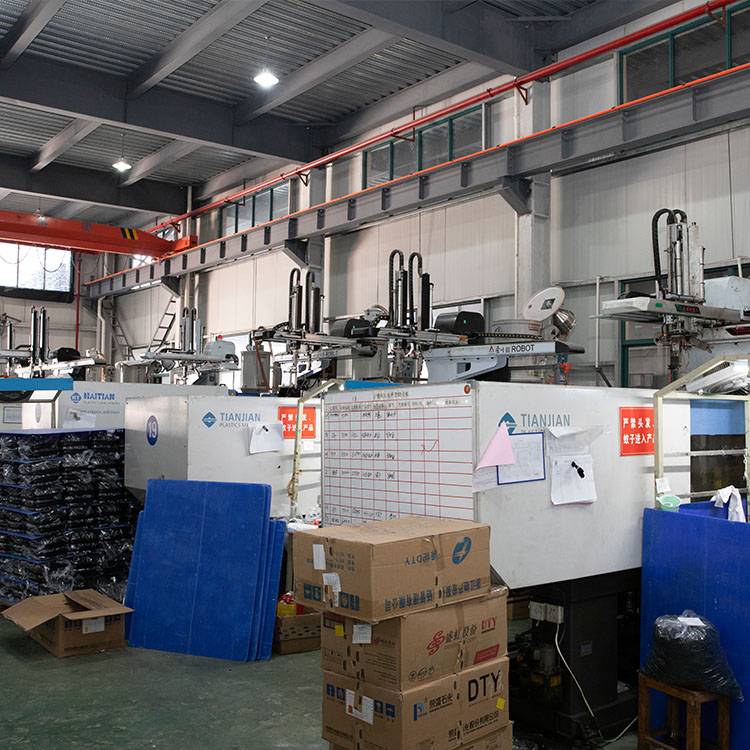
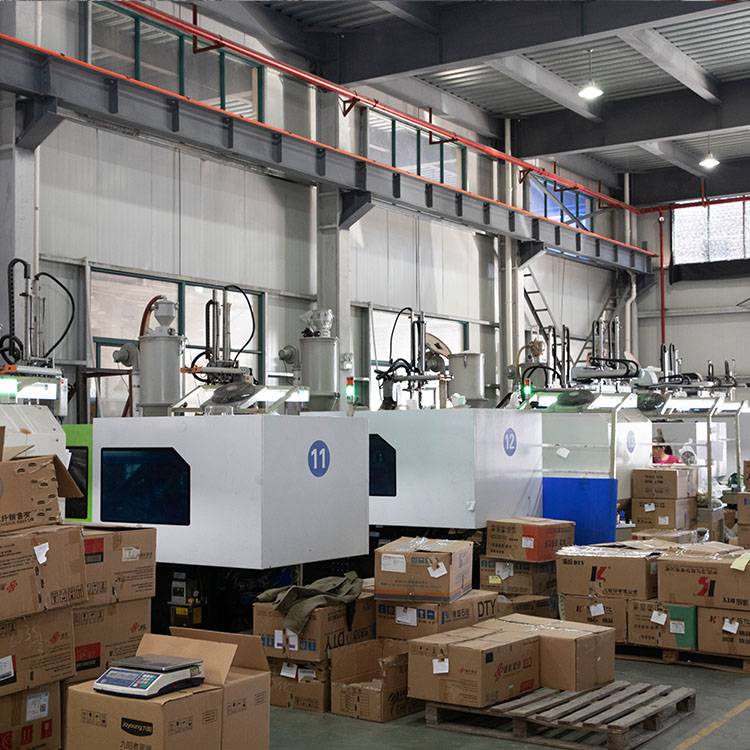
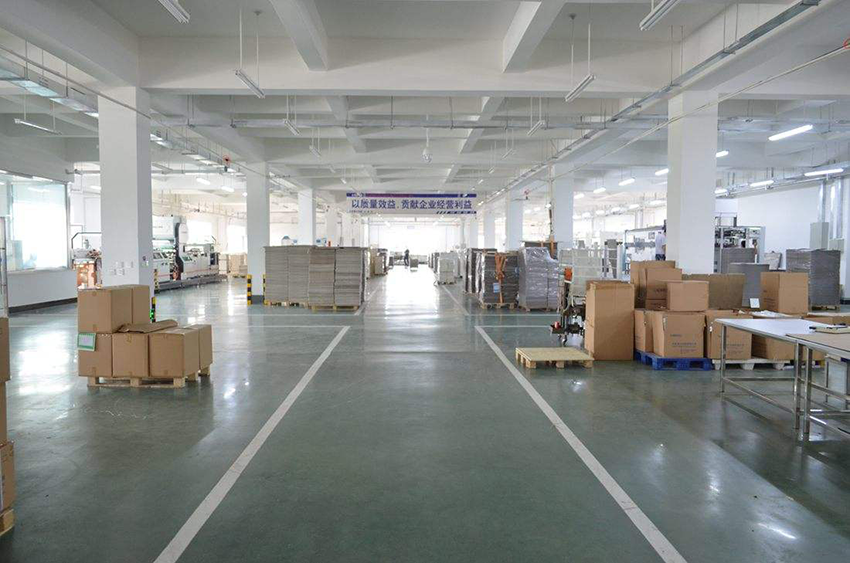
Take a closer look inside our state-of-the-art manufacturing plant, featuring high-precision CNC machining centers and advanced quality inspection equipment.
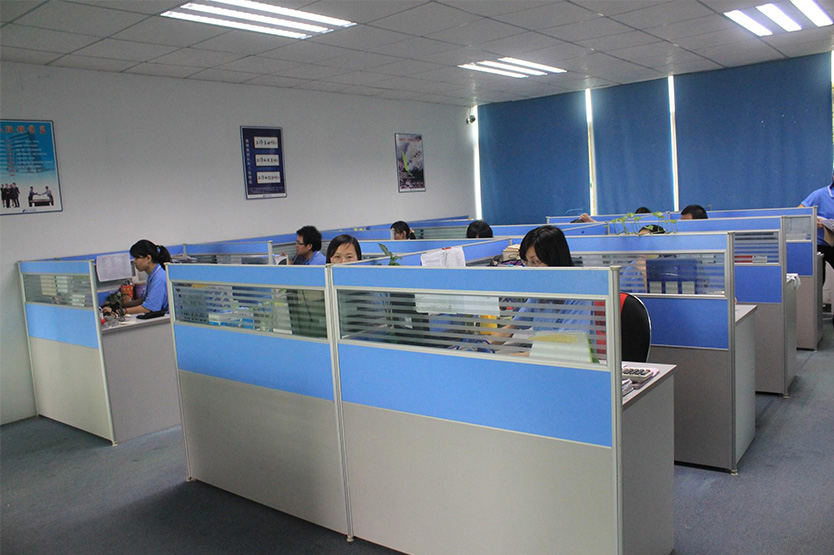
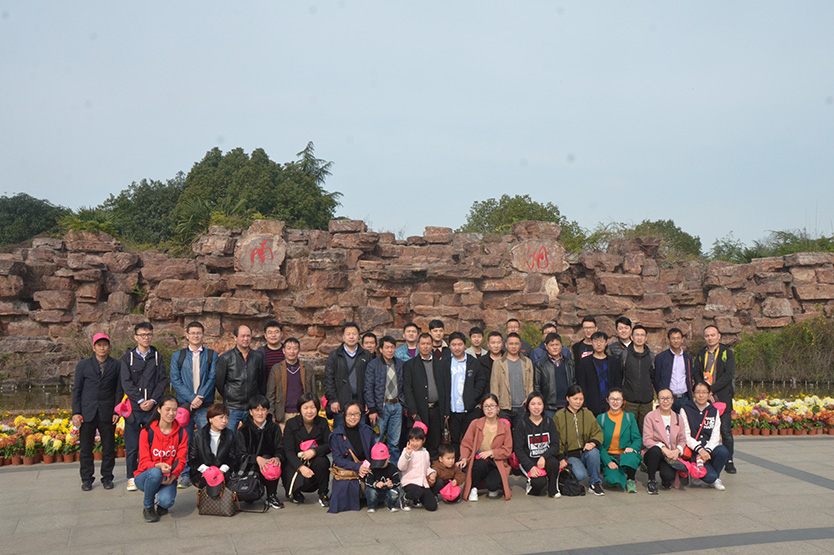
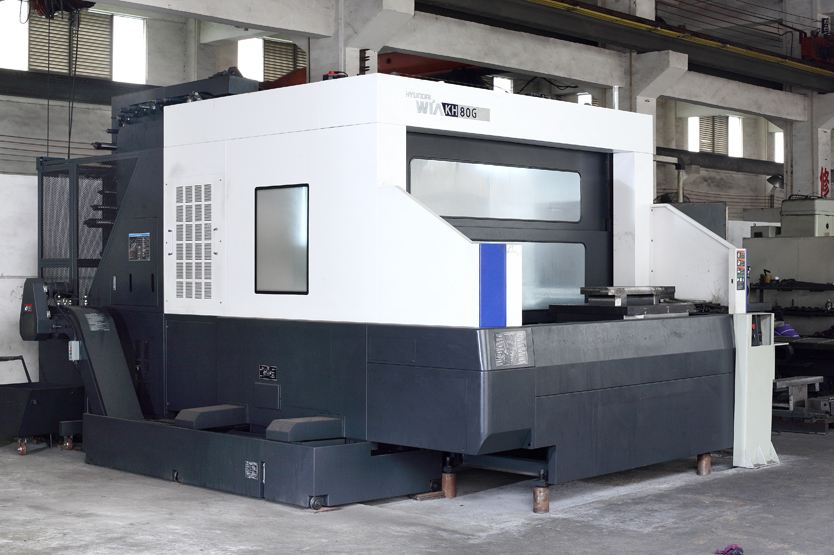
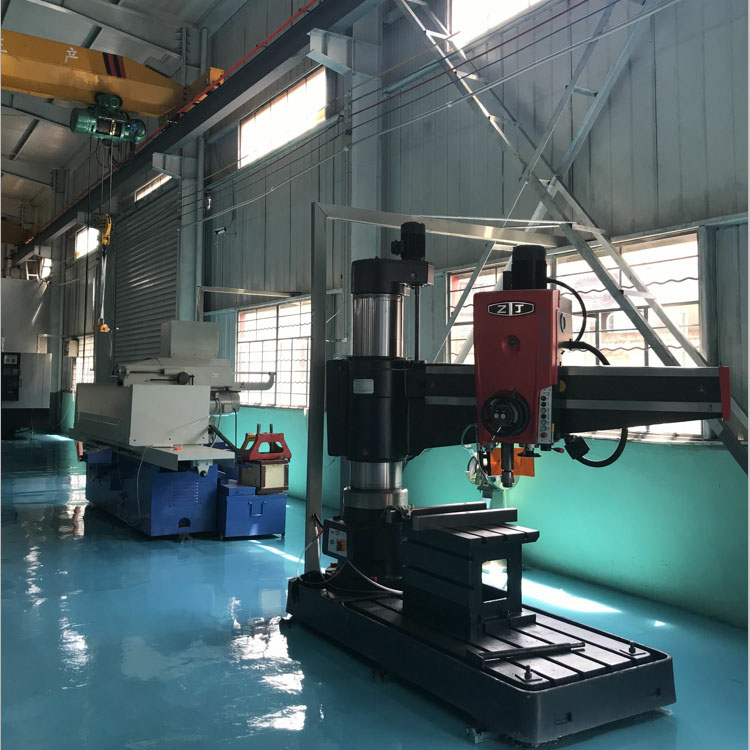
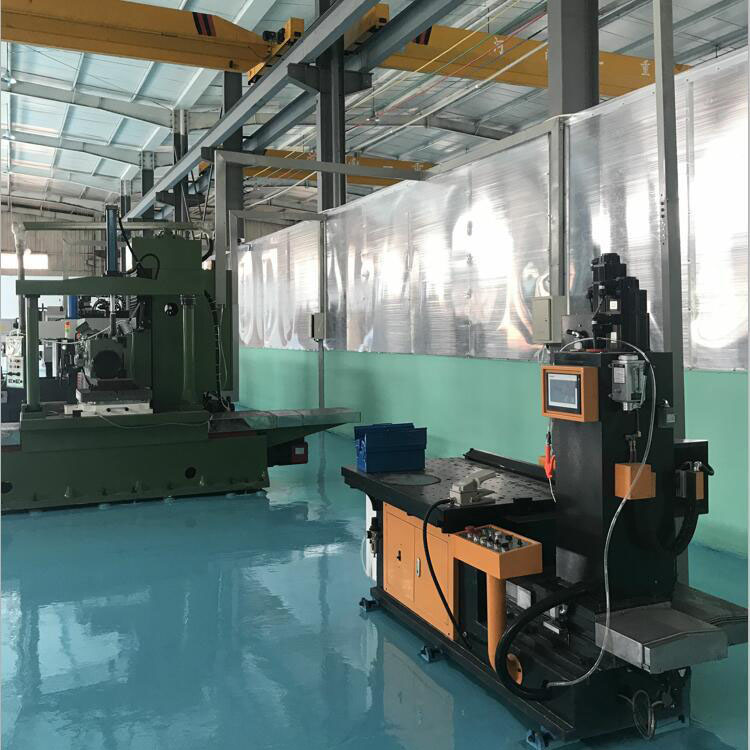
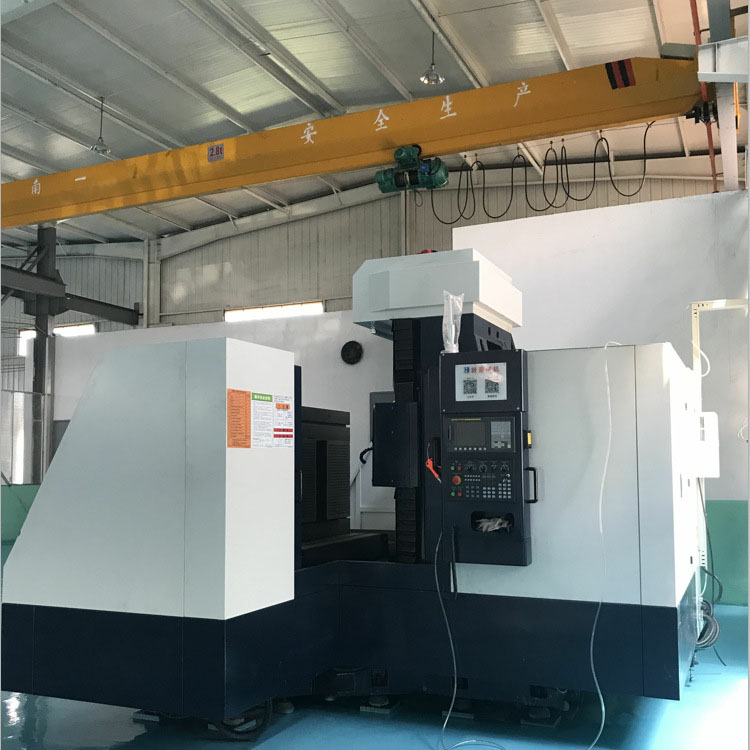
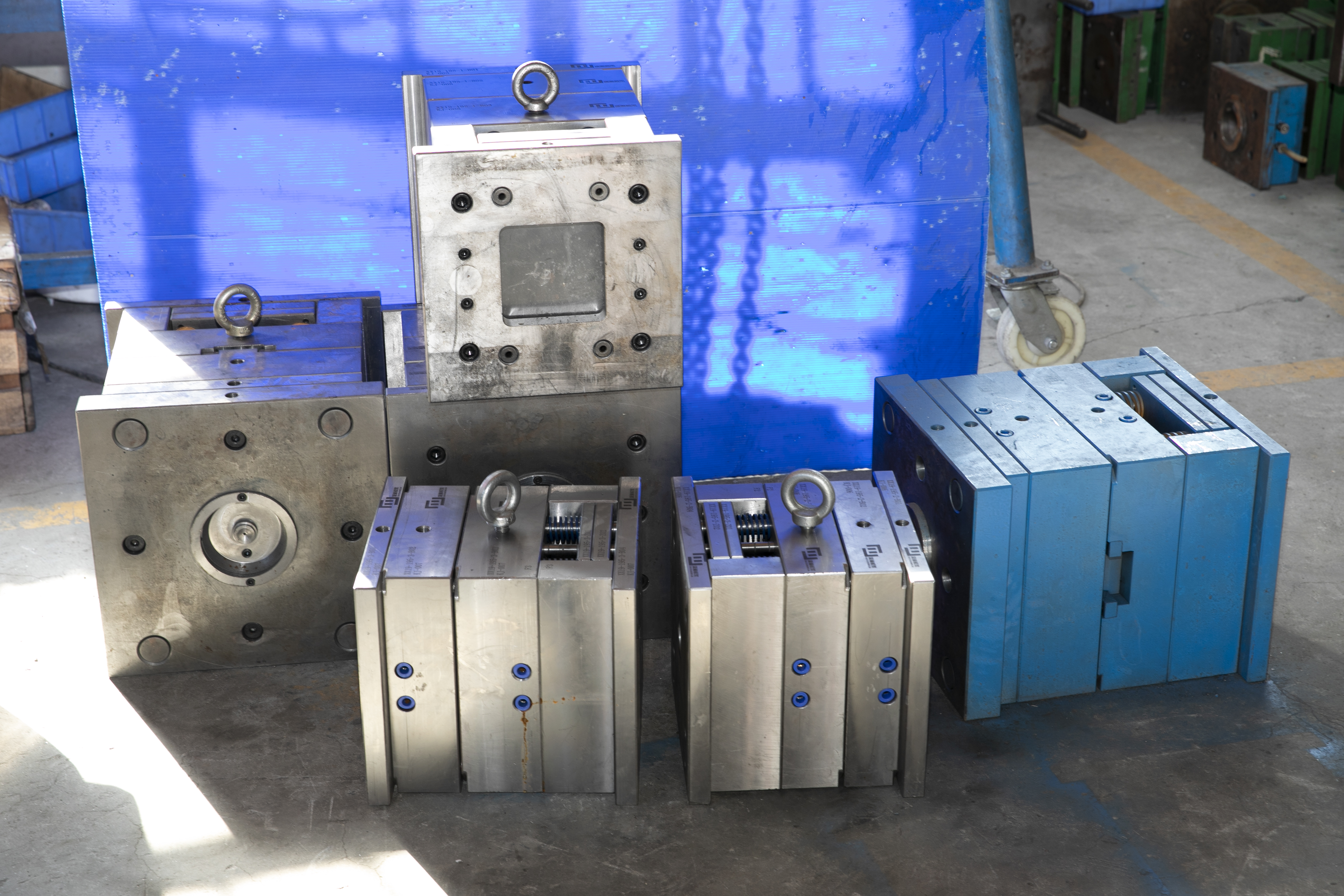
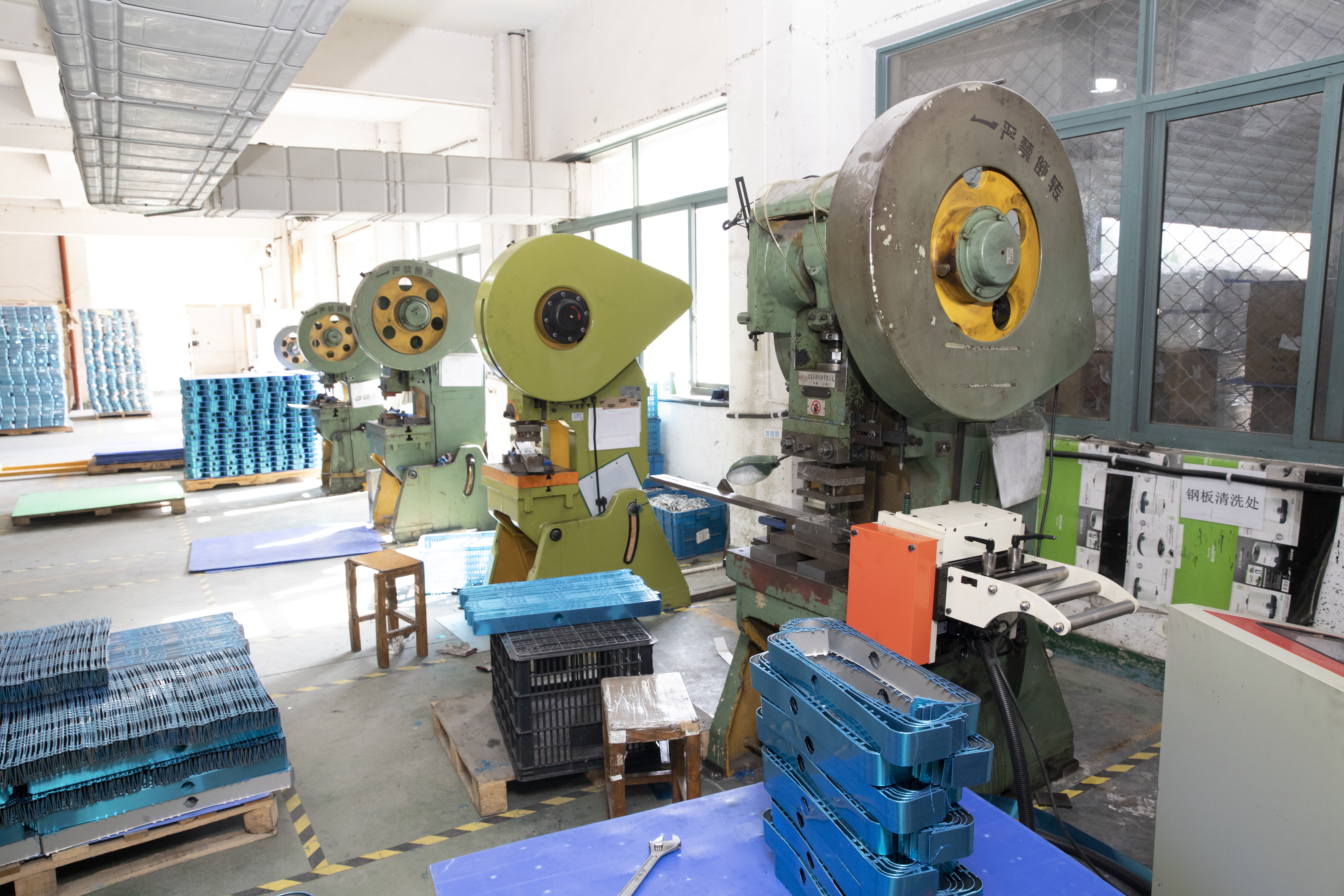
We maintain a fully integrated manufacturing pipeline, utilizing world-class auxiliary equipment to ensure maximum precision and consistency.

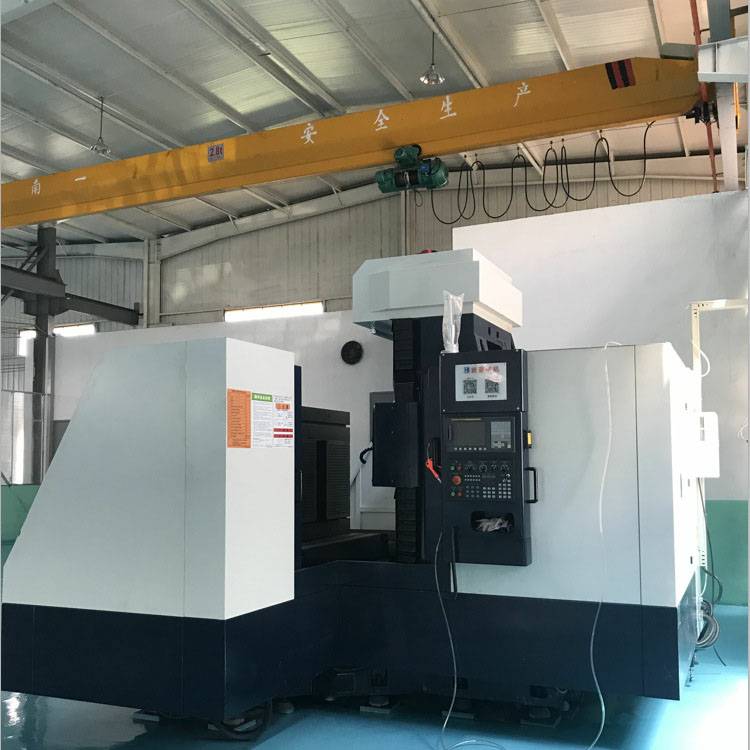
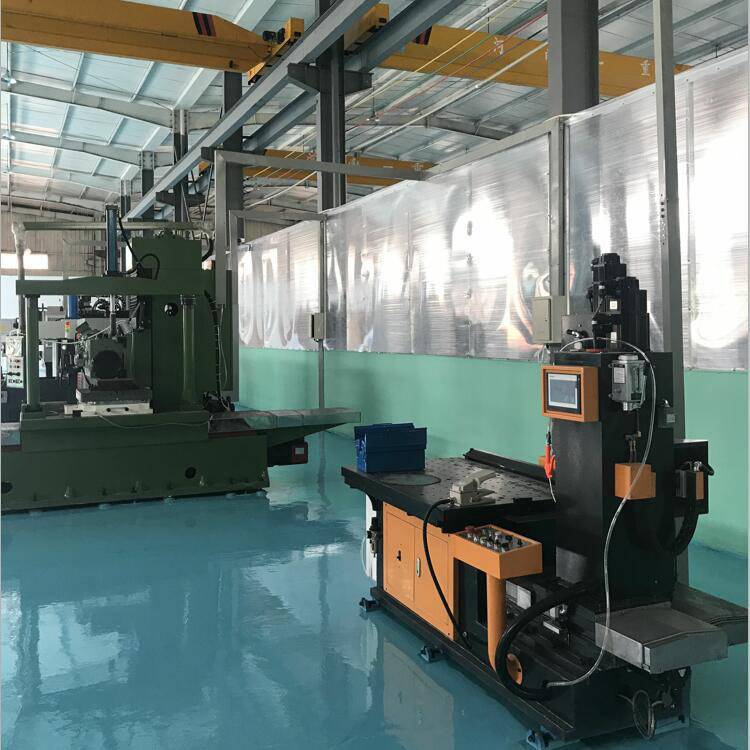
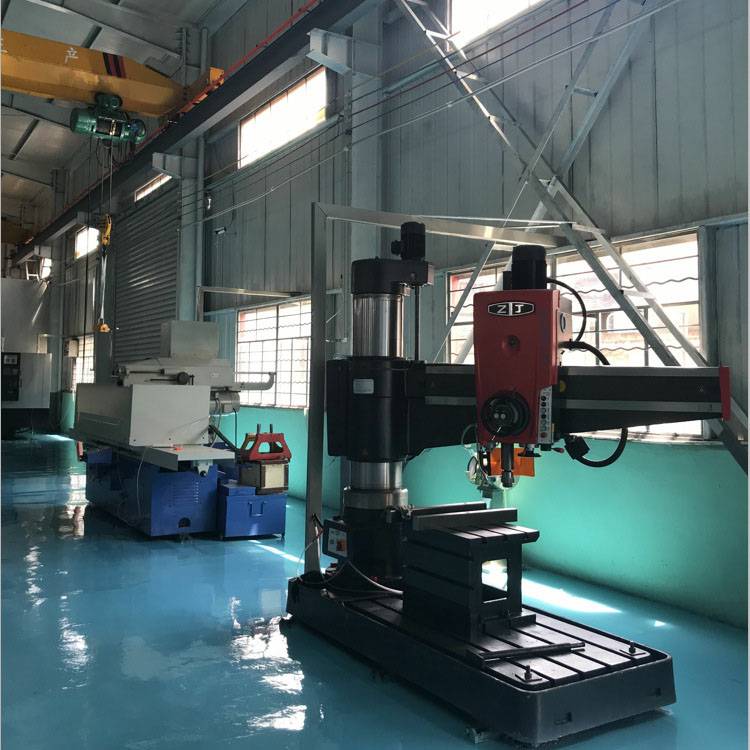
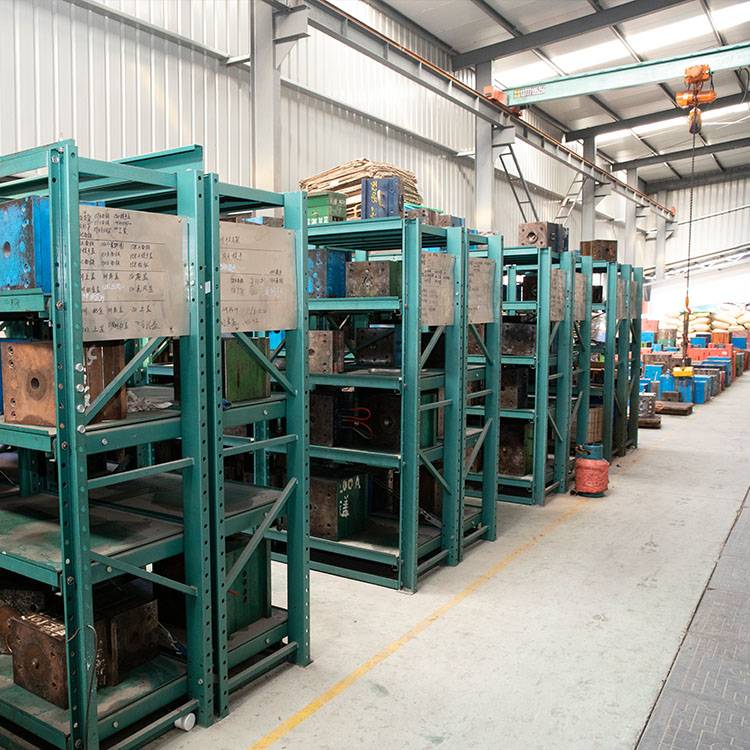
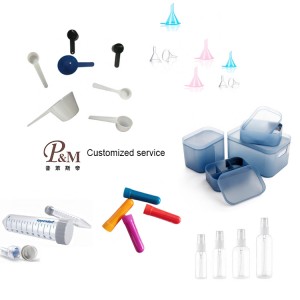
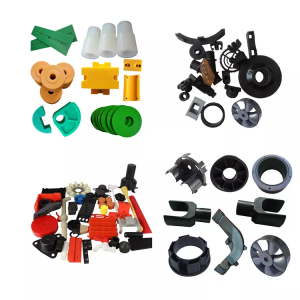
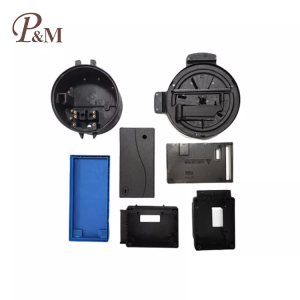
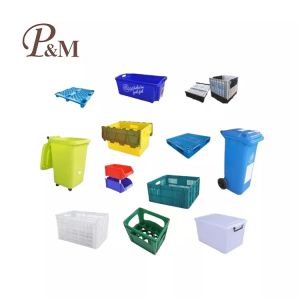
Explore our wider range of custom tooling capabilities, spanning precision consumer goods, aerospace components, and specialized packaging moulds.


Global Export Quality Assurance
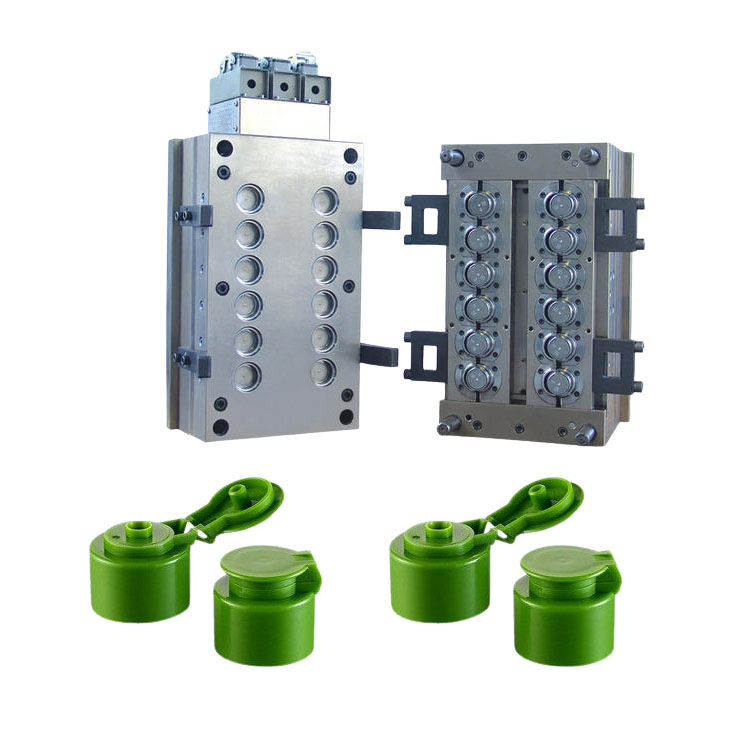
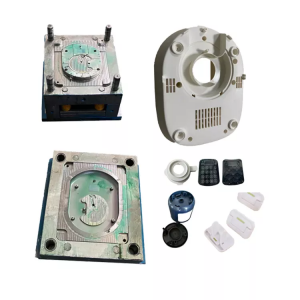
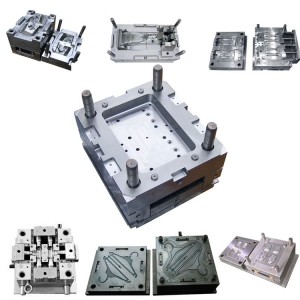
Our core selection of high-precision injection moulds and components designed to meet rigorous international industrial standards.