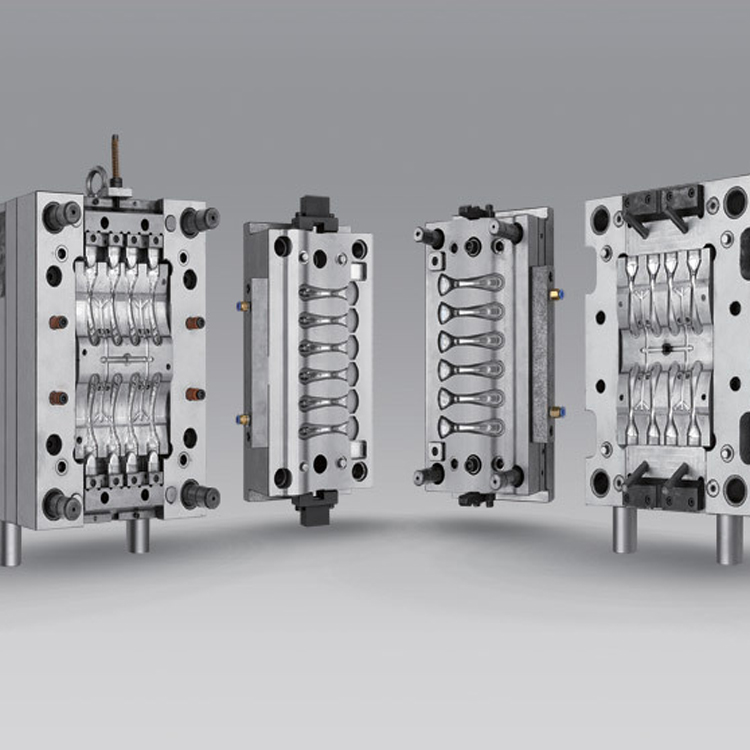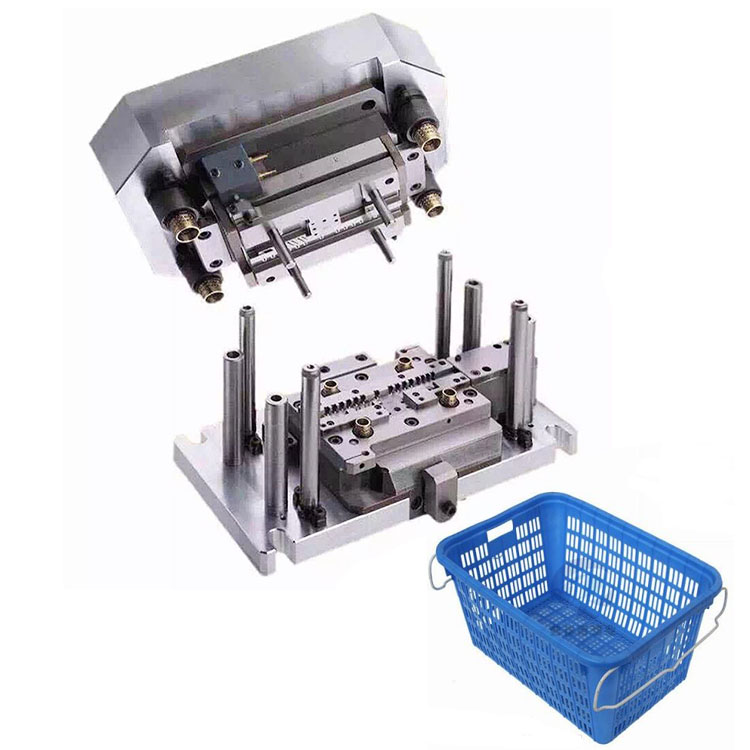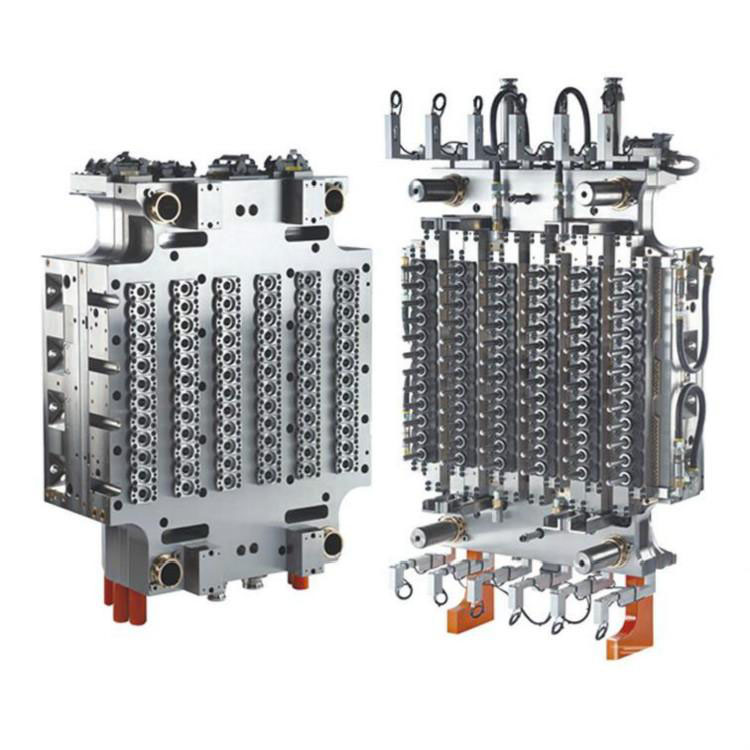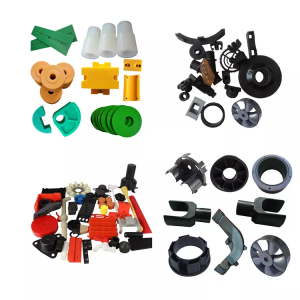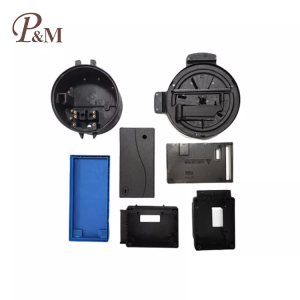
Explore our high-precision flexible component molds engineered for durability, aerodynamic efficiency, and seamless integration.
The automotive industry is undergoing a massive transformation, driven by the need for fuel efficiency, electric vehicle (EV) range optimization, and enhanced passenger safety. In this context, bendable plastic moulding for automotive component molding has emerged as a critical technology. By replacing heavy metals and rigid materials with flexible, high-performance polymers, manufacturers can design vehicles that are lighter, aerodynamically superior, and safer during collisions.
Historically, automotive components relied heavily on steel, aluminum, and rigid plastics. While durable, these materials lacked the elasticity required to absorb vibrations, fit complex curves seamlessly, or survive low-impact collisions without permanent deformation. Today, advanced thermoplastic elastomers (TPEs), thermoplastic polyurethanes (TPUs), and modified polypropylenes (PP) are engineered to flex, bend, and return to their original shape, revolutionizing vehicle architecture.
"The integration of flexible polymers in vehicle assembly has successfully reduced vehicle weight by up to 50%, directly contributing to lower emissions in ICE vehicles and extended ranges in modern electric drivetrains."
From a commercial standpoint, the demand for flexible automotive plastic moulding is at an all-time high. The global automotive plastics market is projected to grow exponentially over the next decade. This growth is heavily backed by stringent environmental regulations, such as the Corporate Average Fuel Economy (CAFE) standards in the United States and the European Union's strict carbon emission targets. Automotive OEMs are forced to adopt lightweighting strategies, and bendable plastics offer the most cost-effective solution.
Furthermore, the commercial viability of flexible moulding is enhanced by its ability to consolidate parts. Instead of assembling multiple metal brackets, seals, and fasteners, engineers can design a single, multi-functional flexible component that can be overmolded or co-injected. This drastically reduces assembly line times, lowers inventory costs, and minimizes the risk of mechanical failure. In an industry where cost-per-second on the assembly line is monitored closely, the economic benefits of bendable plastic moulding are undeniable.
To understand the depth of this technology, we must analyze how bendable plastic components are utilized across different vehicle systems:
Modern vehicle interiors prioritize passenger comfort, acoustic isolation, and tactile quality. Bendable plastics play a key role in achieving these goals:
Exterior components must withstand low-speed impacts, environmental exposure, and debris while optimizing airflow:
The engine bay is a harsh environment characterized by extreme heat and constant vibration:
The success of bendable plastic moulding depends entirely on material science. Today's automotive engineers have access to advanced polymers that offer tailored mechanical properties:
Thermoplastic Elastomers (TPE): TPEs combine the processing advantages of plastics with the flexibility and durability of rubber. They are highly recyclable, making them a favorite for eco-conscious OEMs.
Thermoplastic Polyurethane (TPU): TPUs offer exceptional abrasion resistance, low-temperature flexibility, and excellent resistance to oils, greases, and chemicals. This makes them ideal for protective boots and exterior trim components.
Bio-Based and Recycled Polymers: In line with global sustainability goals, manufacturers are increasingly using bio-derived elastomers and post-consumer recycled (PCR) plastics for non-structural flexible components, reducing the overall carbon footprint of vehicle manufacturing.
Looking ahead, the integration of smart technologies with bendable plastics is set to redefine the automotive landscape. In-Mold Electronics (IME) allows functional electronic circuits, sensors, and capacitive switches to be printed directly onto flexible plastic films, which are then overmolded into interior components. This eliminates bulky wiring and mechanical buttons, enabling seamless, touch-sensitive control panels on dashboards and door trims.
Additionally, the manufacturing process itself is being revolutionized by Artificial Intelligence. AI-driven mold flow analysis predicts exactly how molten flexible polymers will behave inside the mold cavity, allowing engineers to optimize gate placement and cooling channels before the mold is cut. This ensures zero-defect production and accelerates time-to-market for new vehicle designs.
High-quality customized molds and products designed to meet rigorous industrial and commercial standards.
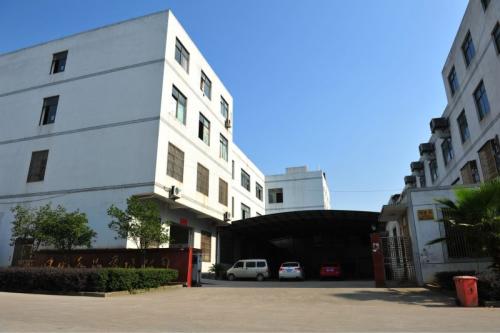
Located in Yuyao, widely recognized as the "Mould City" and "Plastic Kingdom," Ningbo P&M Plastic Metal Product Co., Ltd. is strategically situated at the southern tip of the Hangzhou Bay Bridge. This prime location, north of Shanghai and east of Ningbo Port, provides us with unparalleled land, sea, and air transportation networks, facilitating efficient global logistics.
Backed by abundant technical strength, scientific management methods, and a dedicated after-sales service system, our products are highly trusted and welcomed by clients worldwide. We have built an integrated system of development and production, allowing us to seamlessly transition from mold design and plastic product manufacturing to fully automated mass production.
We started our domestic business in 2008 and expanded into international markets in 2014, consistently adhering to the core principle of "Quality First, Time Supreme." We export 90% of our products to highly demanding markets including America, Europe, Germany, Japan, and Australia.
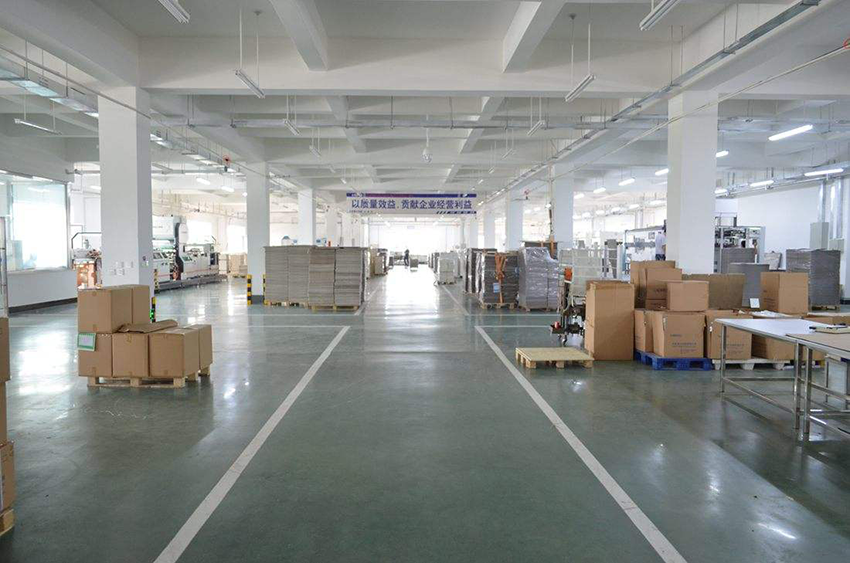
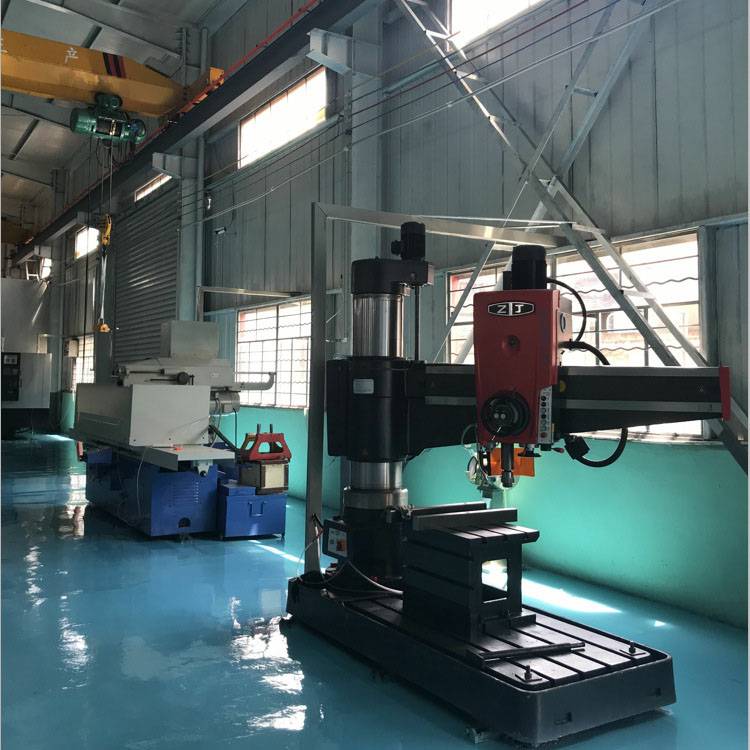
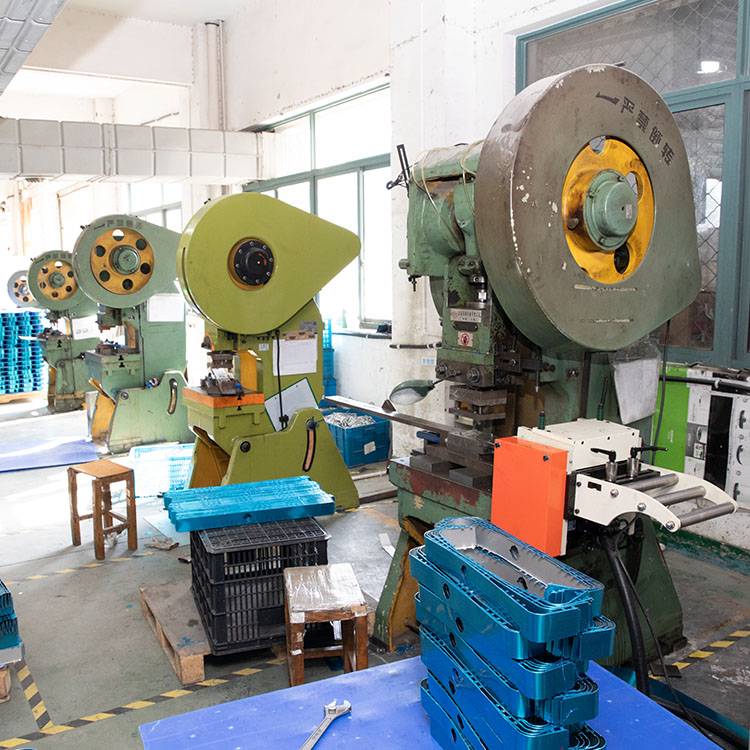
Equipped with high-performance manufacturing machinery and a strong technical development team to ensure strict quality control.
We take pride in our zero-client-loss record. If an issue arises, we actively seek solutions and take full responsibility to the end.
Efficient production scheduling and advanced machinery enable us to deliver products within 30 days globally.
Extensive capabilities in molding, ranging from steel and metal components to complex flexible plastic injection parts.
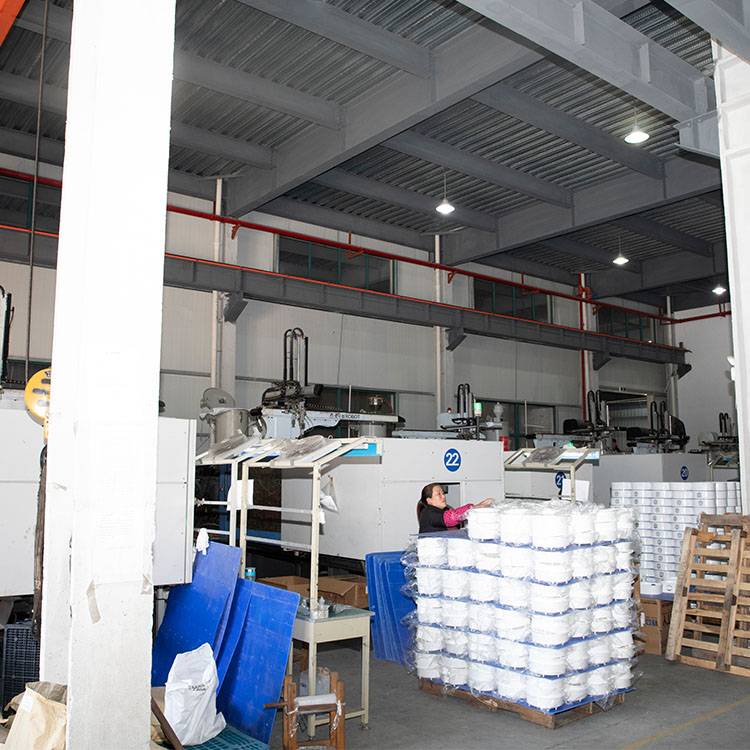
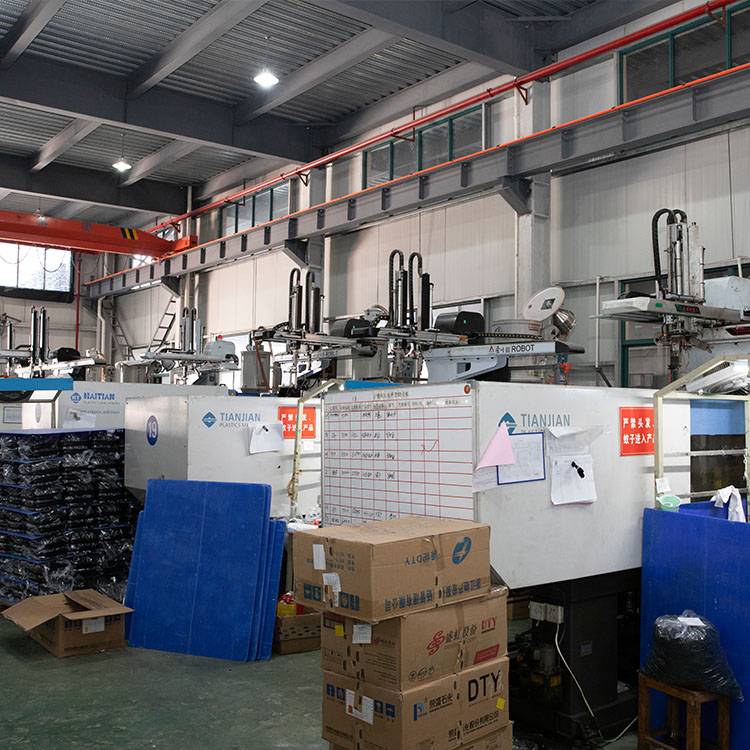
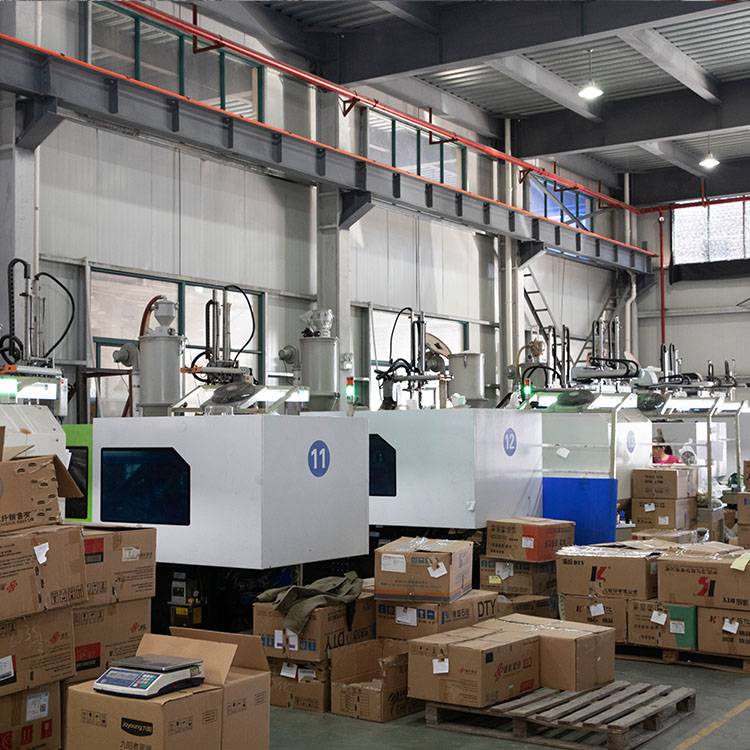
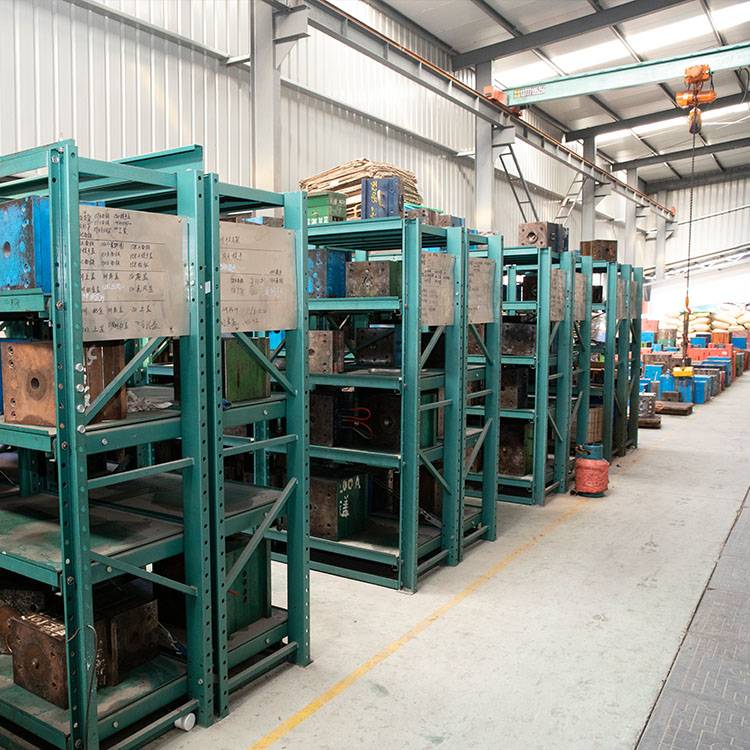
Step inside our advanced manufacturing facility in Yuyao, featuring high-speed CNC machining centers, automated injection lines, and clean assembly environments.
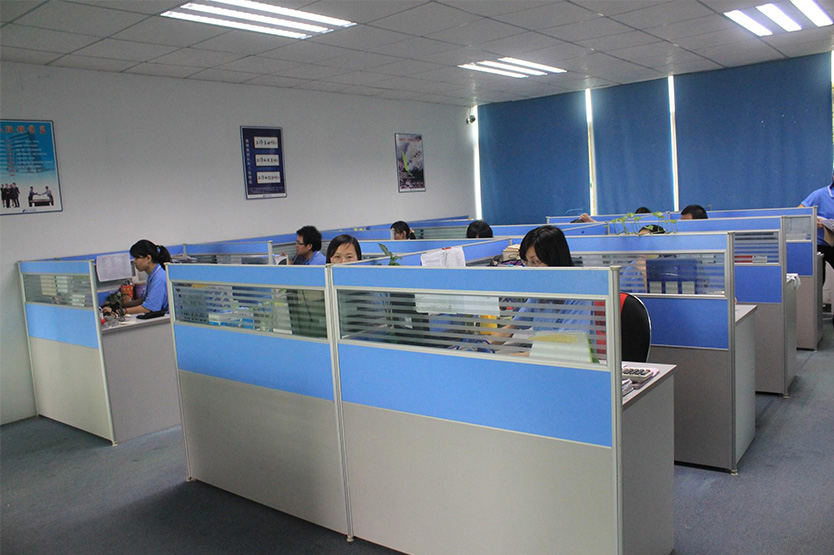
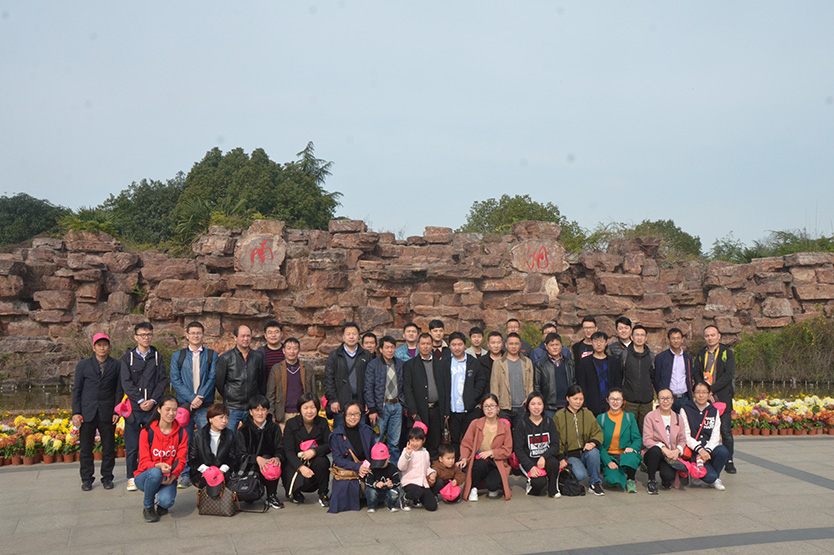
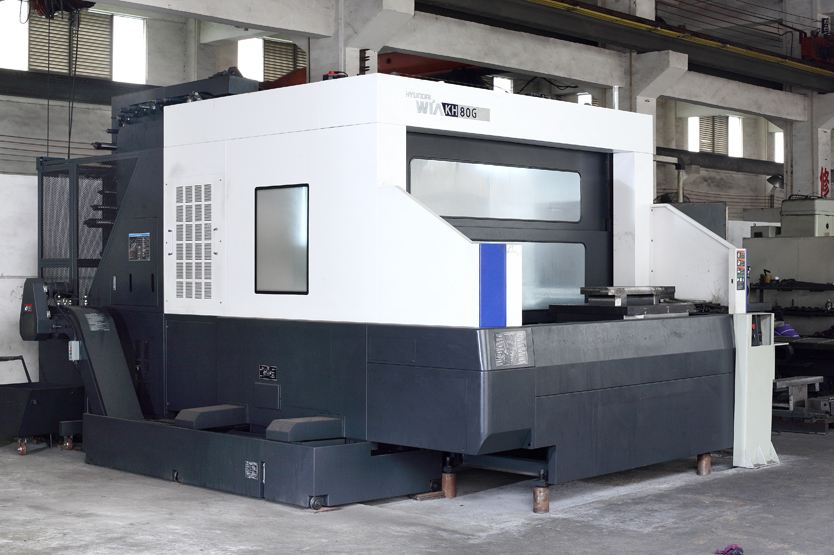
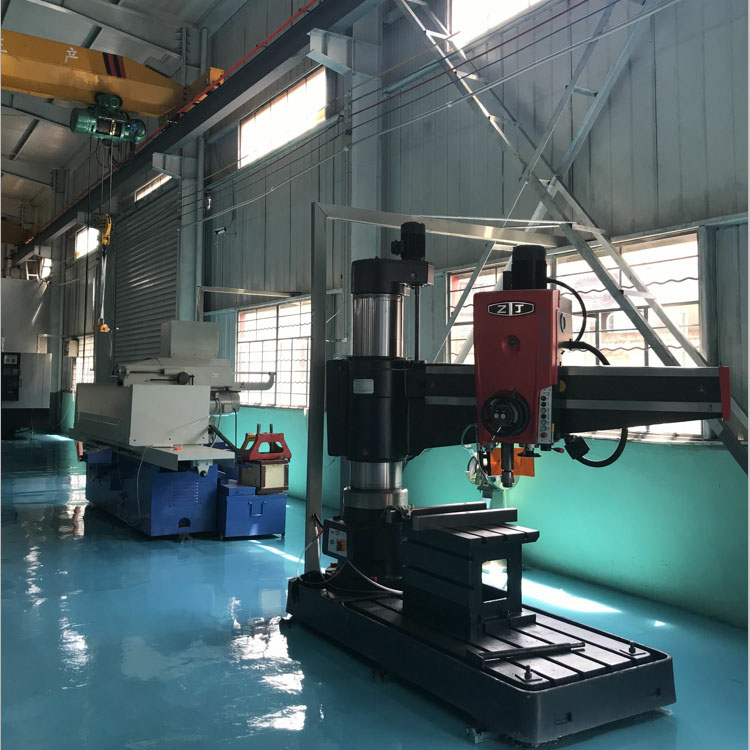
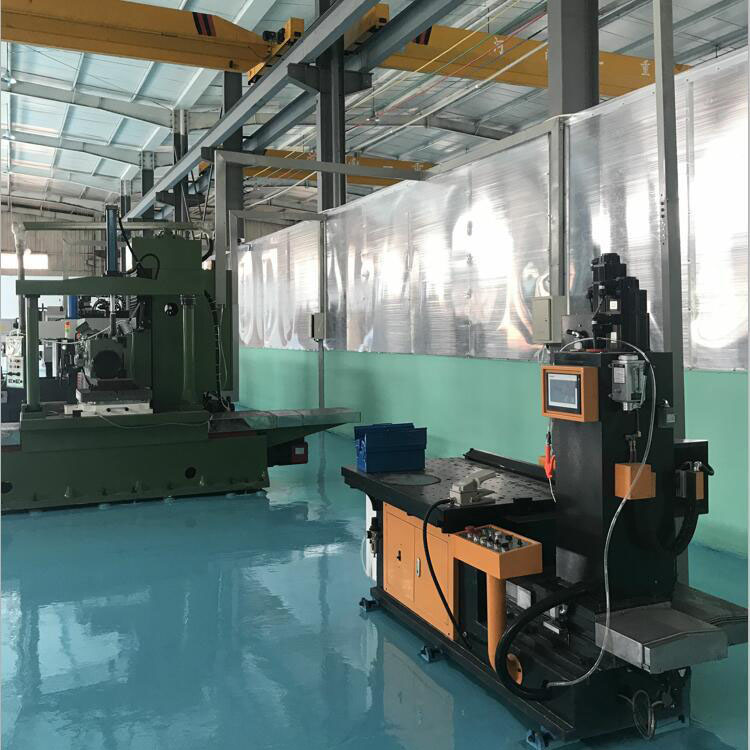
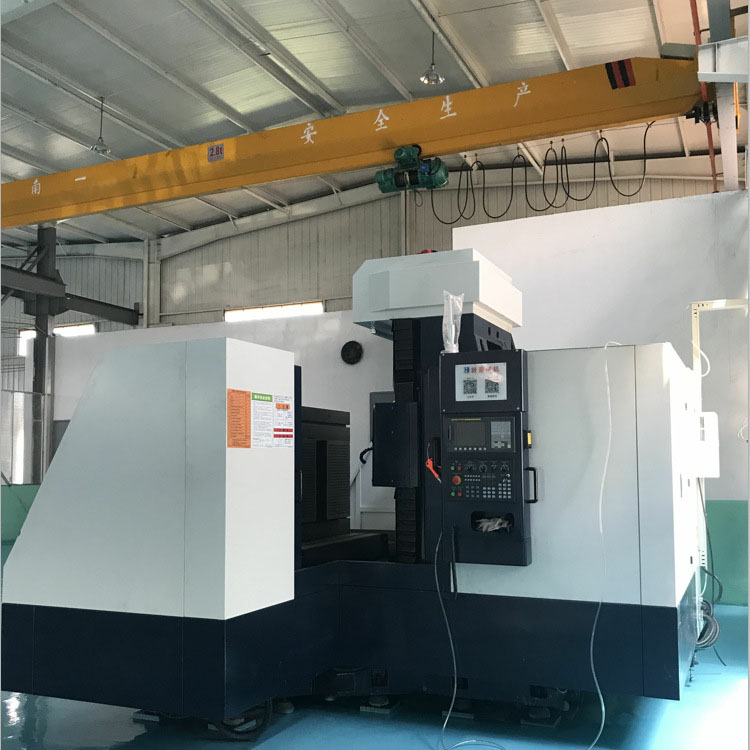
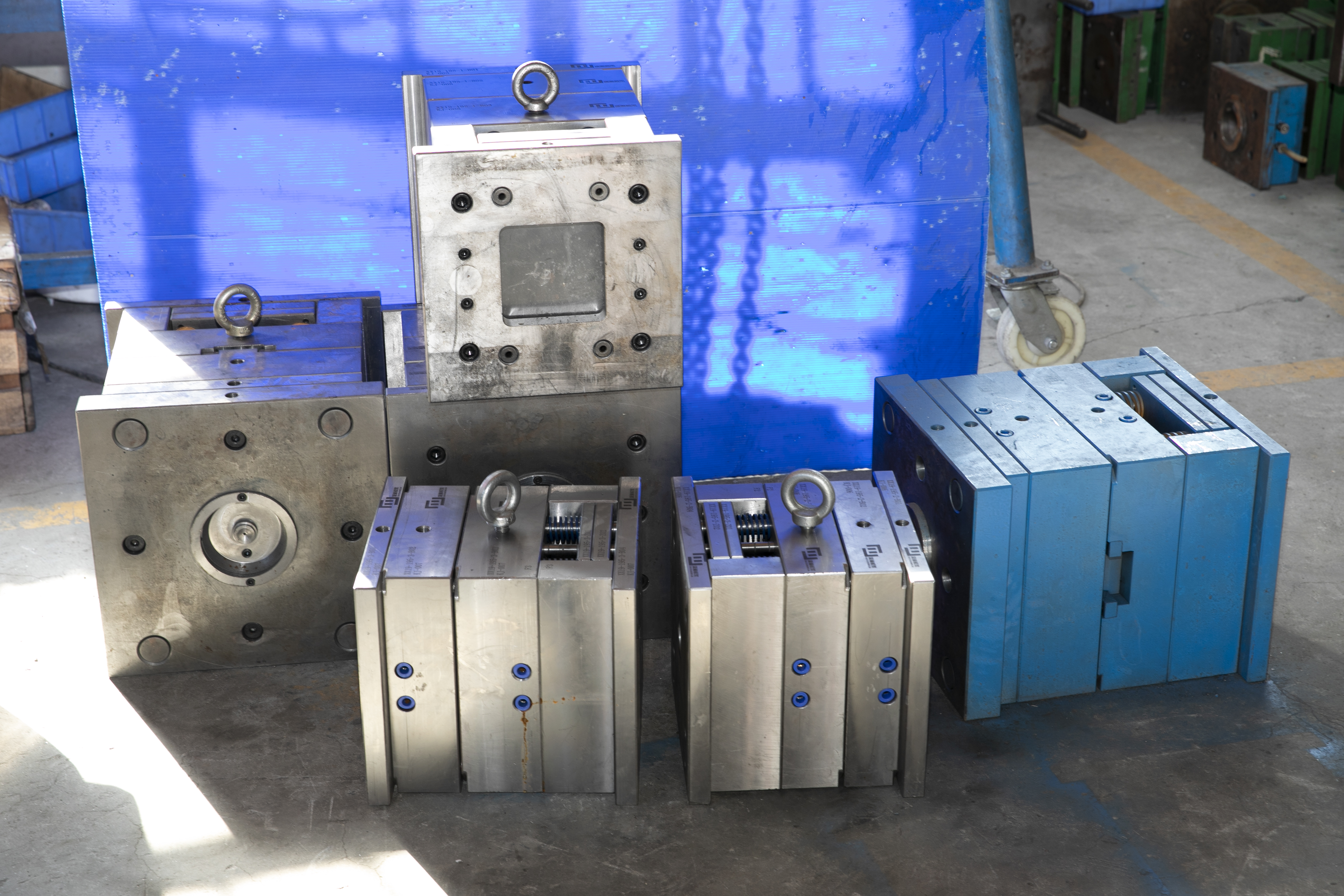
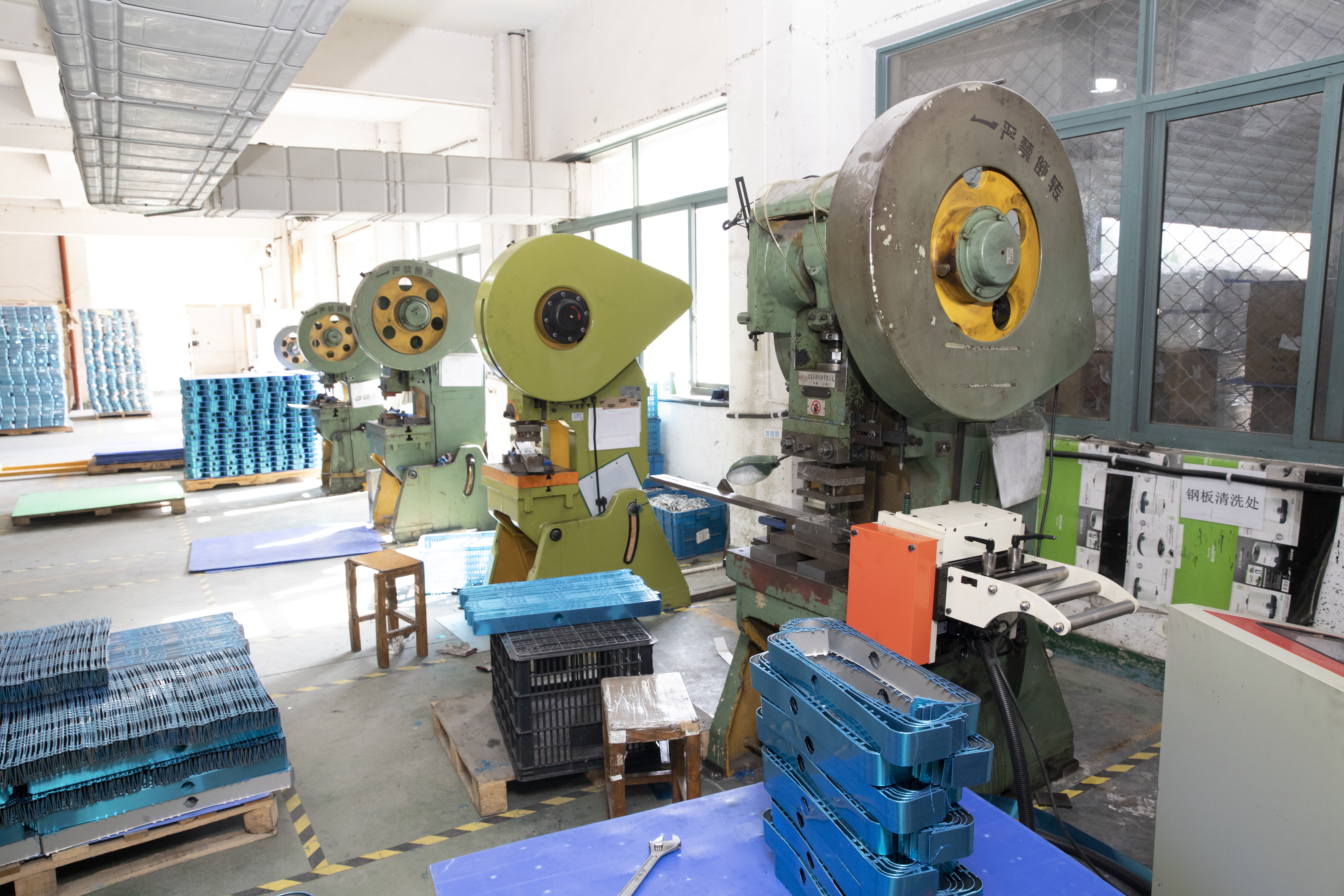
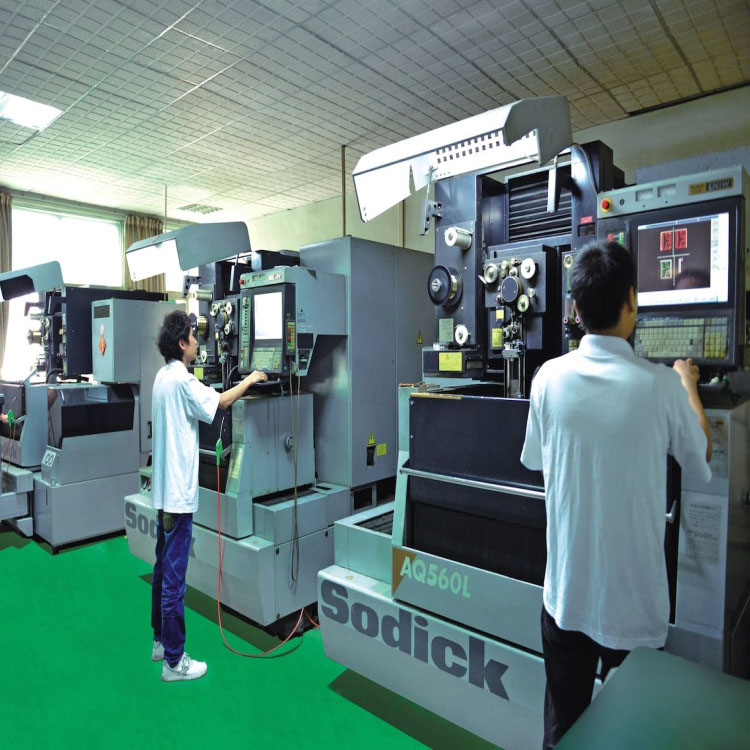
From initial mold flow analysis to high-speed injection and quality control, we maintain the highest automotive production standards.

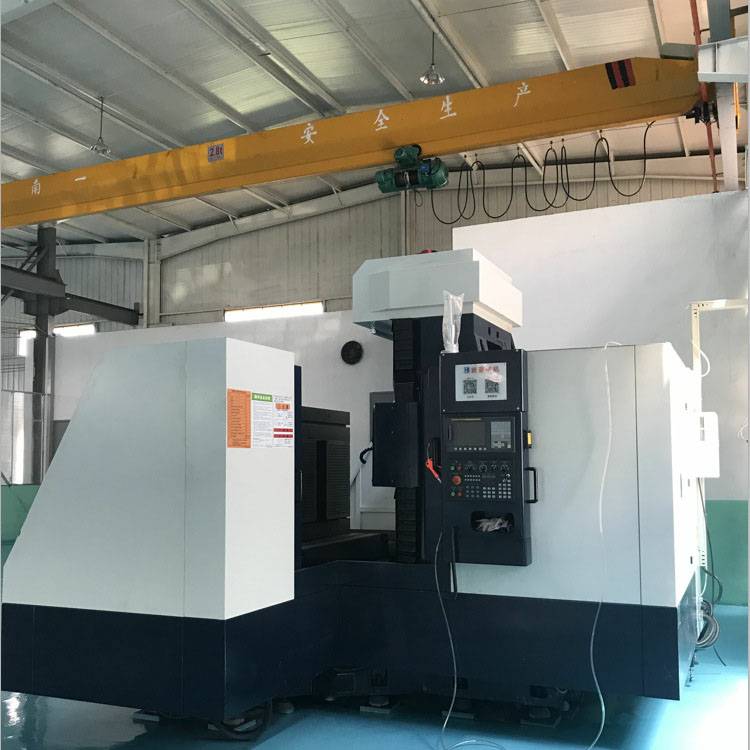
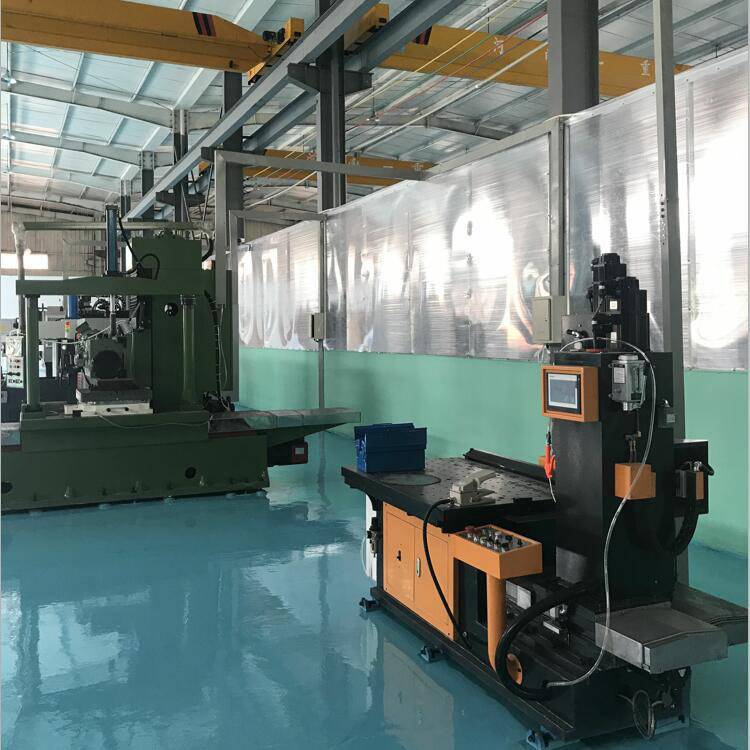
Explore our extensive catalog of precision molds and components engineered for global automotive and industrial OEMs.